La Langouste serves French seafood and Mediterranean cooking at 7 Av. Georges Clemenceau in Nice, with garden views, terrace seating, and a leisurely pace.
Pearl is the En Primeur Club membership app — saves, bookings, and concierge access live there. Same editors, same standards.
- Address
- 7 Av. Georges Clemenceau, 06000 Nice, France
- Phone
- +33493887923
- Website
- fr.www.lalangouste.fr
- Directions
- Get directions
 Saves & bookings on Pearl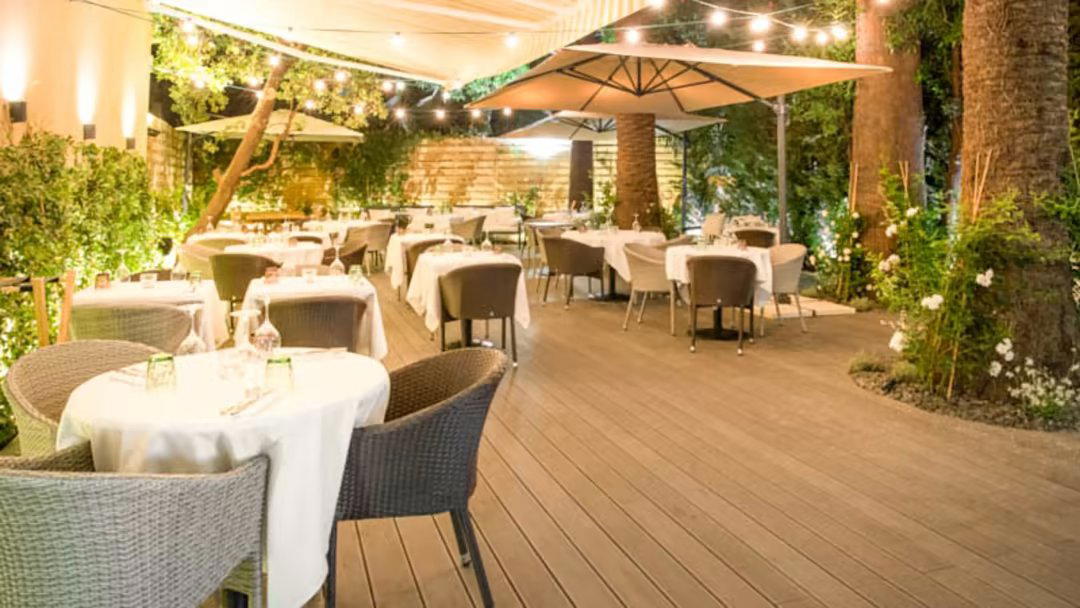
Avenue Georges Clemenceau and the Logic of the Niçoise Table
Avenue Georges Clemenceau runs through a residential quarter of Nice that most visitors pass through rather than stop in, a wide, sun-bleached street that connects the commercial centre to the quieter western neighborhoods. La Langouste sits at 7 Av. Georges Clemenceau, Nice, France, its facade reading as a local address rather than a destination marker. That positioning, a few blocks from the Promenade des Anglais but outside the tourist corridor, tells you something about the clientele and the register this address is aimed at. Restaurants that survive in these in-between zones tend to do so on neighbourhood loyalty, which in Nice means a demanding one: a city with a specific and codified culinary identity, built around olive oil, stockfish, socca, and the cold-water shellfish that gave addresses like this one their names.
What the Name Signals About the Menu
In French coastal dining, naming a restaurant after a single ingredient, particularly a prestige crustacean, is a structural declaration. La Langouste (the spiny lobster, distinct from the clawed Atlantic variety) is the premium end of the Niçoise seafood table, associated with preparation that respects the animal's own salinity rather than masking it. Menus built around a signature product tend to organise themselves in concentric rings: the anchor ingredient at the centre, complementary preparations around it, and seasonal material filling the frame. The naming convention alone places the address in the category of seafood-focused restaurants where the sourcing logic is the menu logic. That is a different proposition from a brasserie with a seafood section, and it signals a different type of visit, one where you arrive knowing what the kitchen has committed to.
Nice's position on the French Riviera gives its seafood restaurants a supply geography that few French cities share. The Mediterranean offers rouget, daurade, loups de mer, and the langouste itself from local fishing operations, while proximity to the Italian border adds technical cross-pollination that appears in pasta preparations and cured fish traditions. Restaurants in this category sit in a different competitive set from the city's modern creative kitchens, addresses like Flaveur or Les Agitateurs, and occupy a more traditional register than the technique-forward ONICE or L'Aromate.
Nice's Seafood Tradition in Context
The Niçoise culinary tradition is among the more regionally coherent in France, shaped by geography, Ligurian history, and an insistence on specific local ingredients. Alongside the well-documented dishes, socca, pissaladière, salade niçoise with strict rules about what does and does not belong in it, there is a serious seafood culture that predates the city's tourist reputation by centuries. The langouste, specifically, has long been part of the Riviera table, when the coast became the winter destination for European aristocracy who expected luxury ingredients prepared without fuss. That inheritance shows up in how Nice's seafood restaurants tend to operate: relatively little sauce complexity, considerable attention to product quality, and a price structure that reflects the cost of sourcing the ingredient rather than the cost of transforming it. Compared to the three-Michelin-star benchmark across France, addresses such as Mirazur in Menton, just up the coast, or Alléno Paris au Pavillon Ledoyen in the capital, a neighbourhood seafood specialist in Nice operates at a different ambition level, but within its own logic it can be rigorous.
That specificity distinguishes the Riviera's seafood tradition from inland French regions. Bras in Laguiole works with plateau vegetables and mountain herbs; Auberge de l'Ill in Illhaeusern draws from Alsatian river traditions. The Riviera's identity is coastal and Mediterranean, and restaurants that commit to that identity rather than abstracting from it occupy a position worth understanding on its own terms. For broader reference on Mediterranean cooking at the highest level in the south, AM par Alexandre Mazzia in Marseille shows how intensely personal and technically demanding that tradition can become.
Atmosphere and the Room
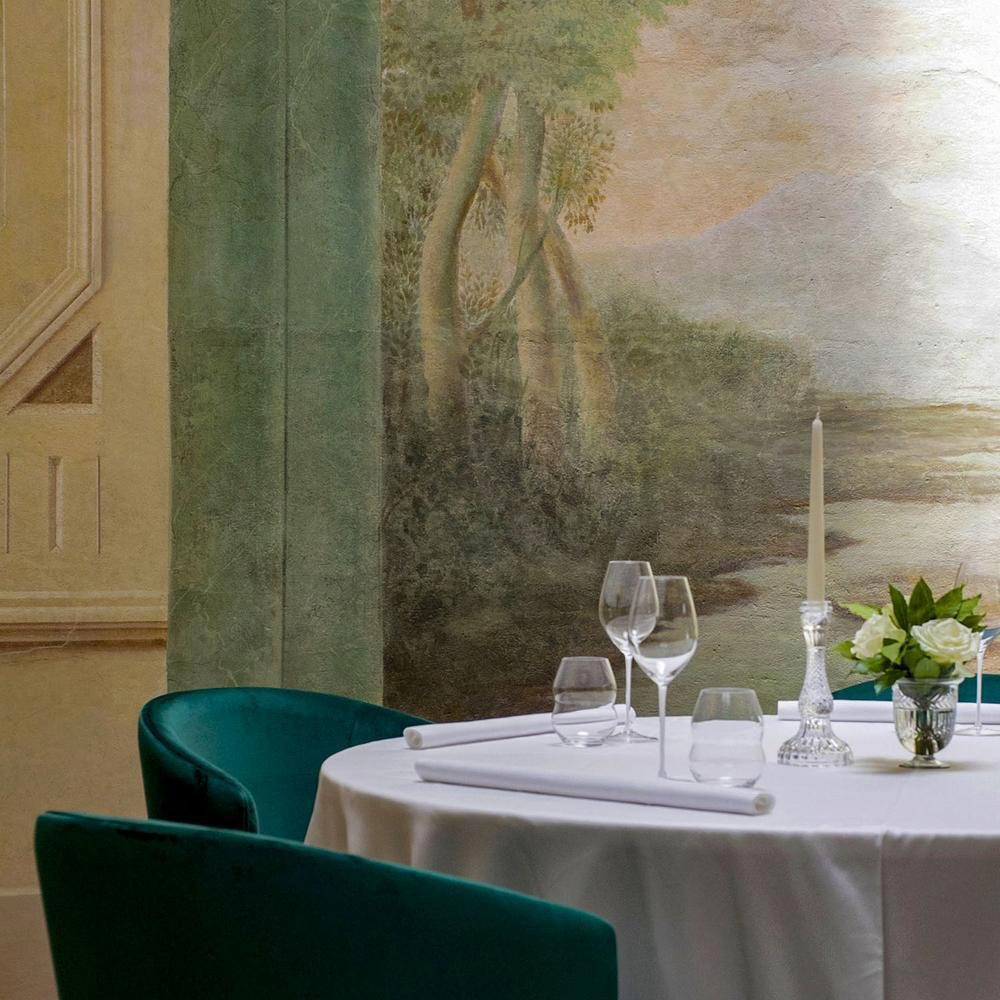
Addresses on Avenue Georges Clemenceau in this part of Nice tend toward the direct in terms of decor, tiled floors, shuttered windows, modest street-level frontage. The neighbourhood's character is practical rather than theatrical; it is not the Belle Époque grandeur of the Negresco end of the Promenade, nor the compact energy of Vieux-Nice. What it offers is a version of Nice that residents recognise: a city that eats seriously without staging that seriousness for visitors. If La Langouste follows the pattern of comparable neighbourhood seafood addresses in the city, the room is likely modest in scale and direct in presentation, with the quality of the produce doing the work that design might do elsewhere. The atmosphere at restaurants of this type in Nice is set more by the clientele, regulars who know the sourcing, visitors who have done some research, than by any deliberate scene-building.
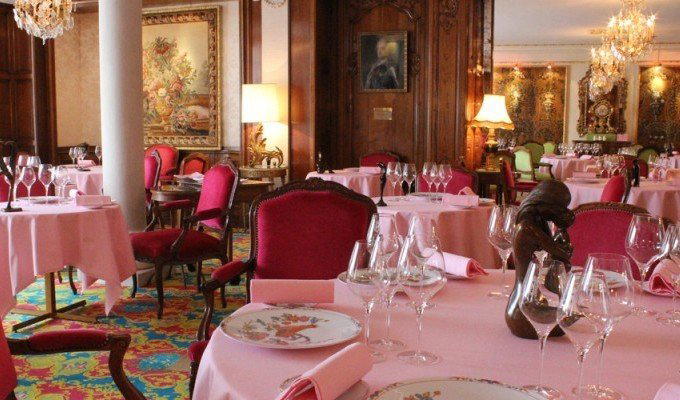
For comparison, Nice's most acclaimed modern kitchens, including Le Chantecler inside the Negresco, operate in more formal, designed environments. A neighbourhood address like La Langouste occupies the other end of that spectrum, which in the context of Niçoise dining is not a lesser position so much as a different one.
Planning a Visit
Avenue Georges Clemenceau is accessible from Nice's city centre on foot or by local bus, and the address at number 7 is easily located without specialist navigation. Reservations are recommended. Timing a visit to Nice's seafood-focused restaurants generally favours lunch, when the fish is at its freshest from morning market supply, and mid-week visits tend to be less pressured than weekends, particularly in summer when the city draws significant visitor volume. Wider French reference points, Flocons de Sel in Megève, Troisgros in Ouches, Paul Bocuse in Collonges-au-Mont-d'Or, Assiette Champenoise in Reims, and Au Crocodile in Strasbourg, offer useful calibration for what French regional restaurant seriousness looks like at various price points. For international seafood comparison at the absolute leading level, Le Bernardin in New York City and the precision-driven format of Atomix represent what different culinary traditions can do when committed to a core product.
Cuisine and Credentials
Comparable venues nearby, for context on price, style, and recognition.
| Venue | Cuisine | Price | Notes |
|---|---|---|---|
| La LangousteThis venue — the venue you are viewing | French Seafood Mediterranean | $$$ | Not listed |
| Le Panier | Modern French Tasting Menus | $$$ | Nice Historique |
| SALETTE | French Bistronomique | $$$ | Nice Historique |
| Le Grand Balcon | Modern Mediterranean French with Niçoise Fusion | $$$ | Nice Historique |
| L'Ovale | Southwest French Brasserie | $$ | Cœur de Nice |
| Le Bistrot des Serruriers | Niçois Bistro | $$ | Nice Historique |
Continue exploring
More in Nice
Restaurants in Nice
Browse all →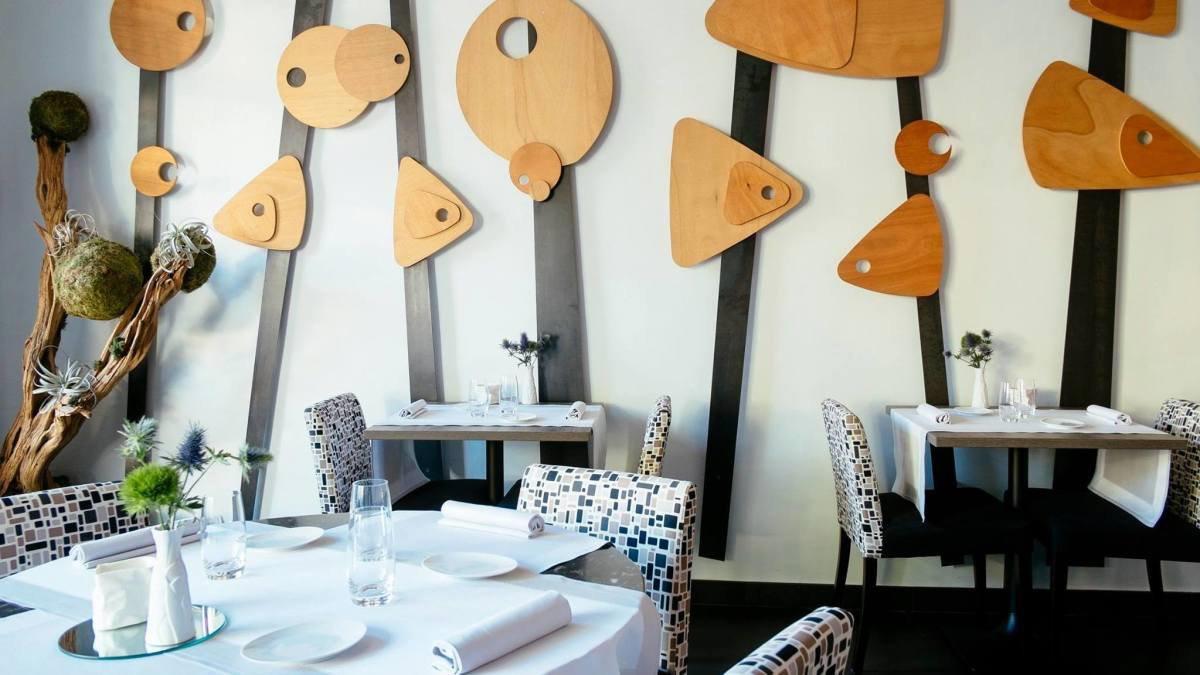
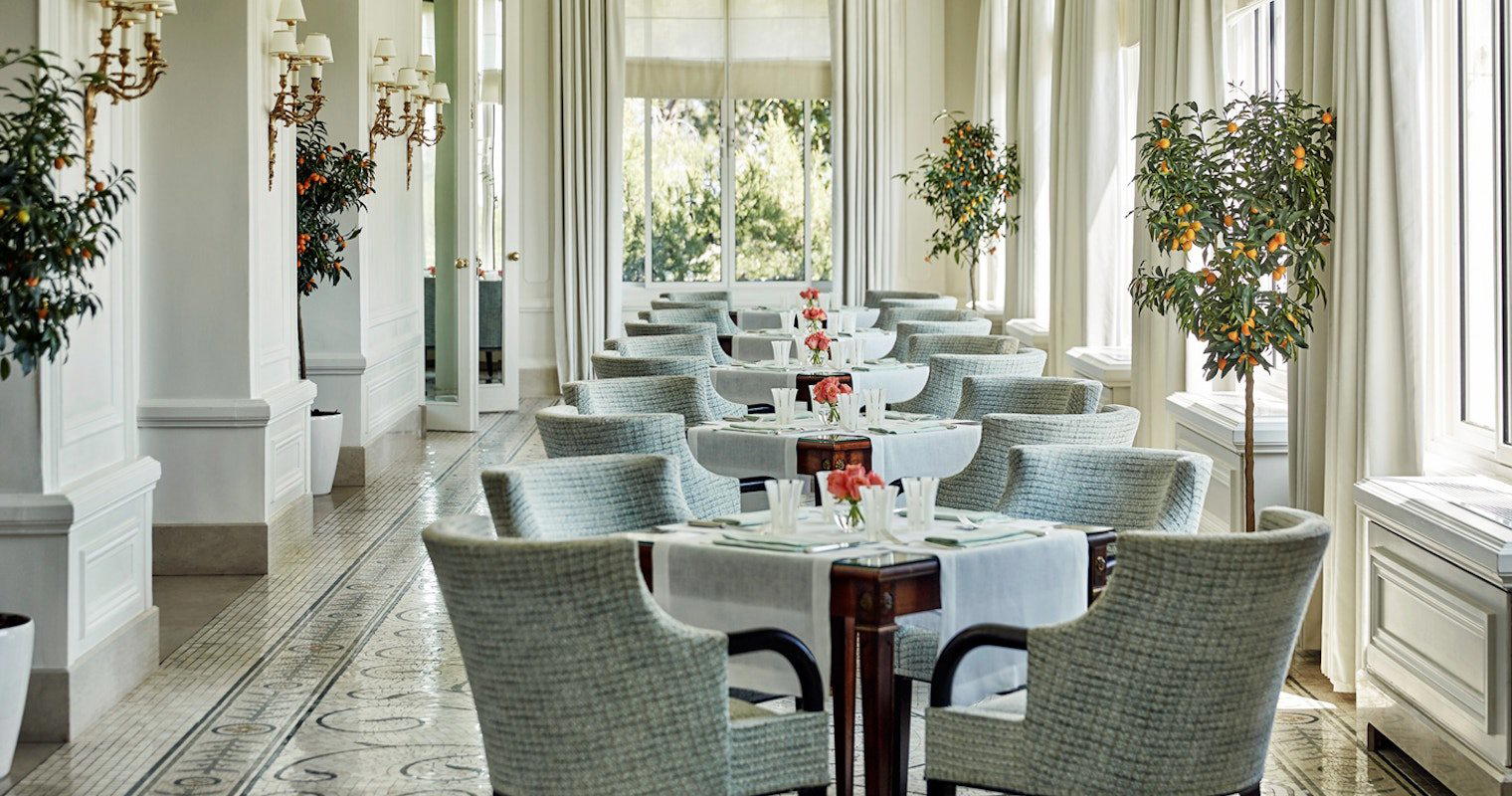
Bars in Nice
Browse all →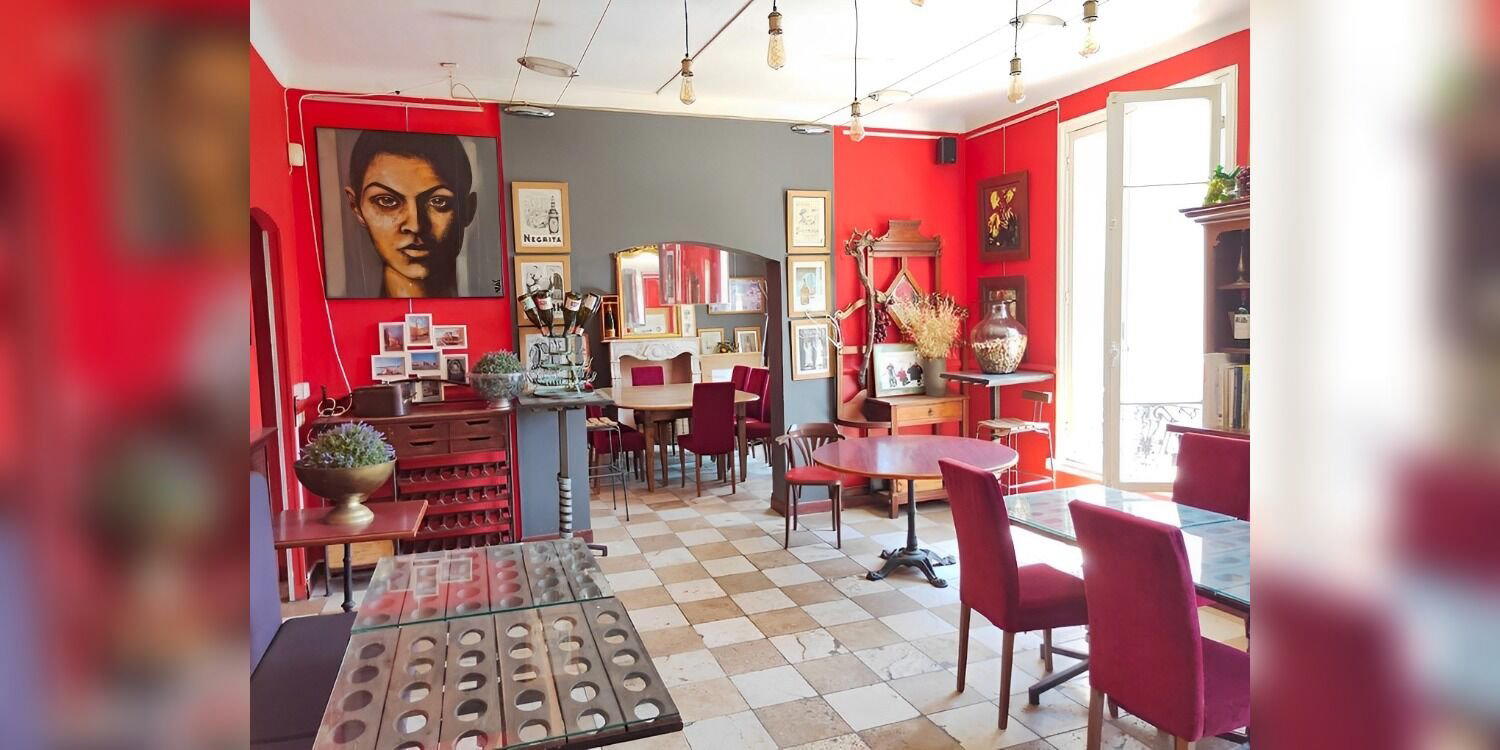
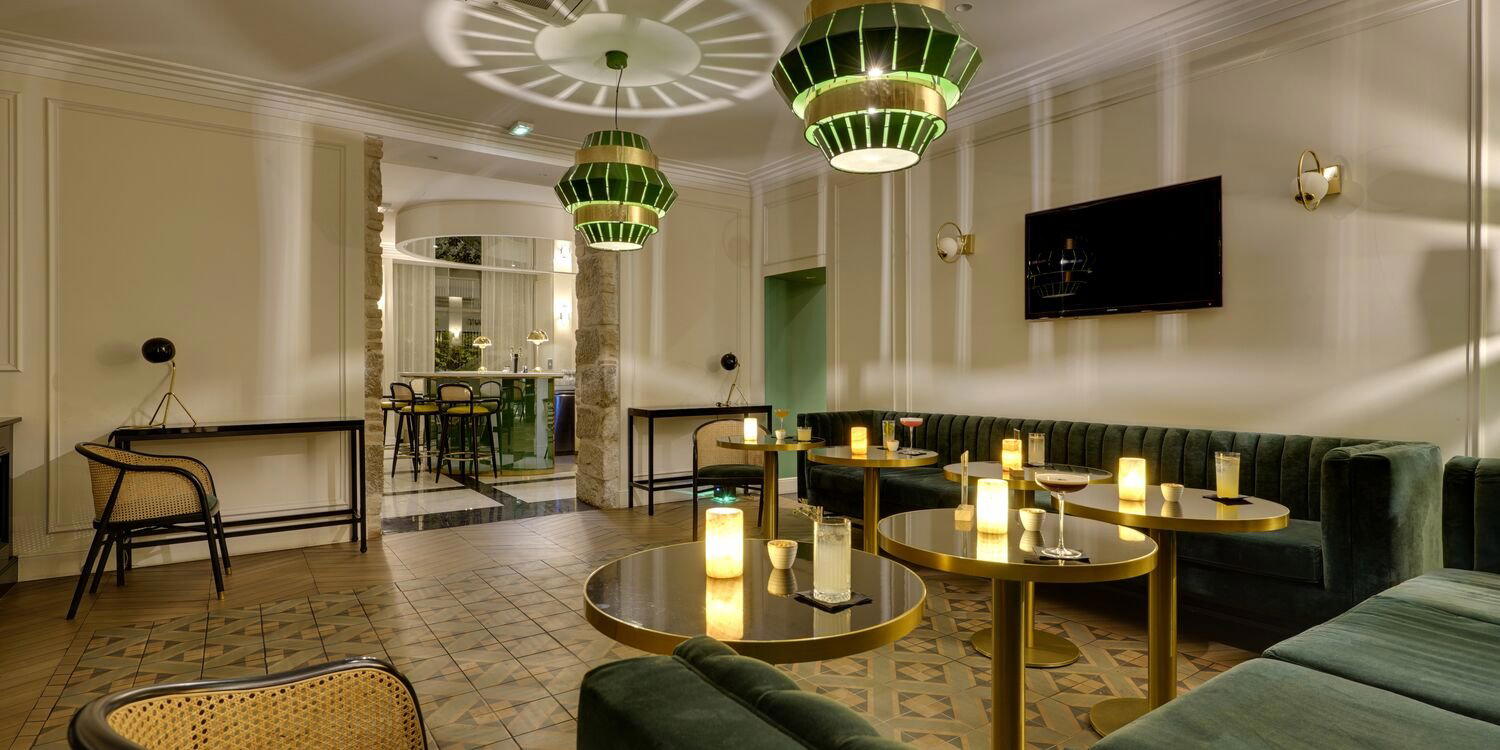
Hotels in Nice
Browse all →

At a Glance
- Elegant
- Cozy
- Romantic
- Date Night
- Special Occasion
- Terrace
- Garden
- Garden
Current opening hours
- Monday
- 7 PM–12 AM
- Tuesday
- 12–2 PM, 7 PM–12 AM
- Wednesday
- 12–2 PM, 7 PM–12 AM
- Thursday
- 12–2 PM, 7 PM–12 AM
- Friday
- 12–2 PM, 7 PM–12 AM
- Saturday
- 12–2 PM, 7 PM–12 AM
- Sunday
- Closed
Hours can change for holidays and private events. Last verified .
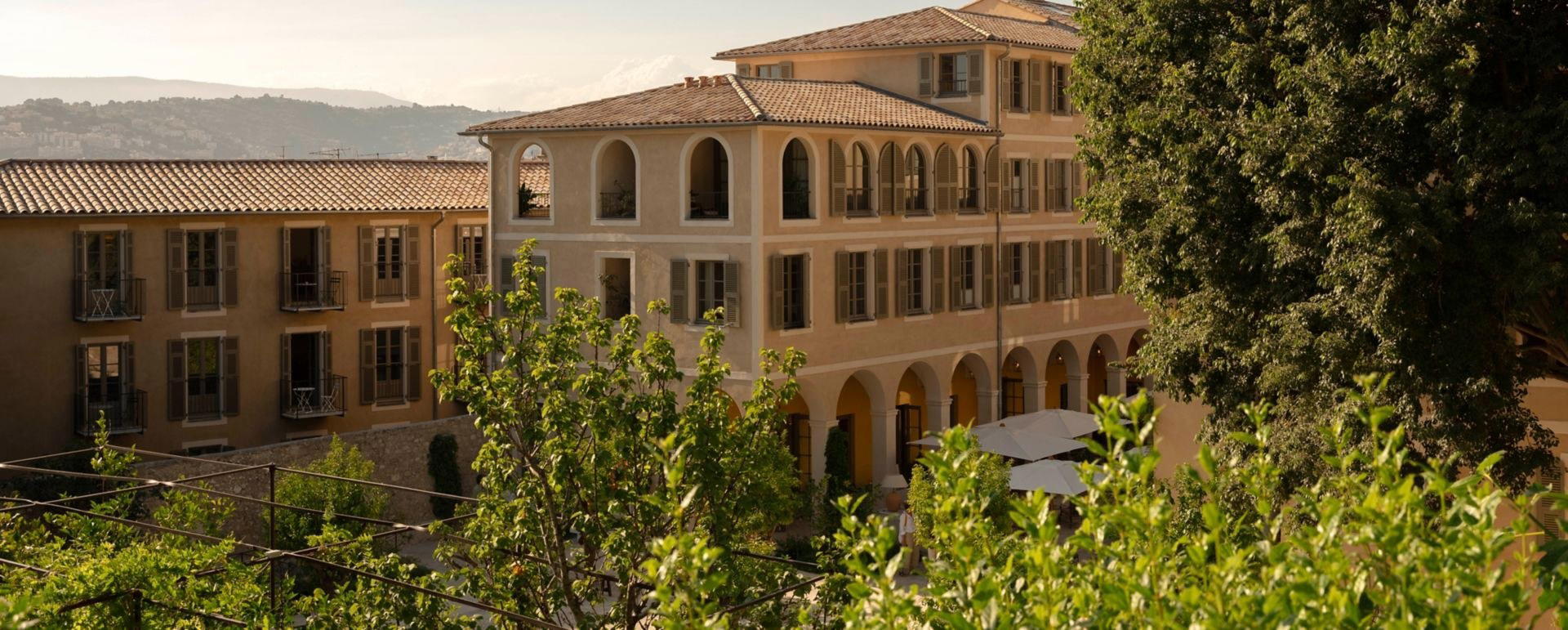
Stylish interior with rich colors, warm and peaceful atmosphere, nice veranda, small terrace, and garden.