Chan Susu sits inside Singapore’s dessert conversation, a city where shaved ice, kueh, soy, coconut, pandan, gula melaka, and plated pastry all share the same eating day. With no public awards, chef, price, or booking details attached here, the useful read is cultural rather than ceremonial: treat it as a dessert stop to place against Singapore’s wider habit of ending meals with texture, temperature, and restraint.
Pearl is the En Primeur Club membership app — saves, bookings, and concierge access live there. Same editors, same standards.
- Address
- Singapore, Singapore
- Directions
- Get directions
 Saves & bookings on Pearl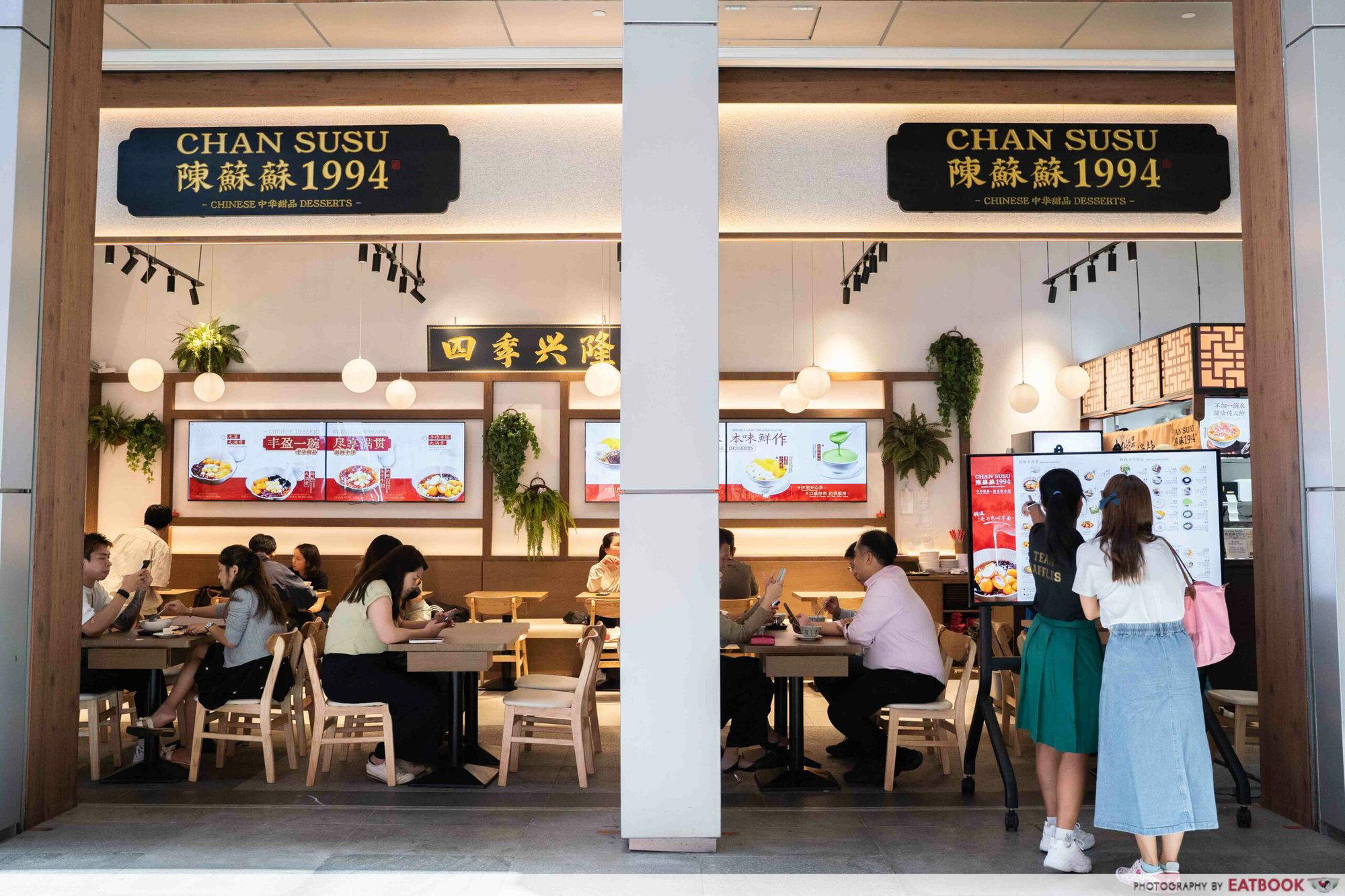
Singapore’s dessert rooms rarely announce themselves with the hush of a European pâtisserie. The city’s sweeter register is louder and more elastic: ice machines, pandan, coconut milk, gula melaka, steamed rice flour, chilled soy, fruit, jelly, and the clatter of late meals stretching into a second stop. That context matters for Chan Susu, because dessert in Singapore is not an afterthought. It is a separate grammar, as comfortable in a hawker centre as in a composed dessert bar.
The useful way to read Chan Susu is through that grammar rather than through ceremony. Singapore has long treated sweetness as a question of temperature and texture, not just sugar. A bowl of chendol, a square of kueh, a plate of fruit with salt or spice, and a plated restaurant dessert may look unrelated, but they share a local preference for contrast: soft against brittle, cold against warm, coconut against palm sugar, fragrance against starch. A dessert-focused venue in this city enters a crowded cultural field, not an empty niche.
Singapore's dessert culture is broader than pastry
In many dining cities, dessert culture is still measured by viennoiserie, chocolate work, or the pastry station at the end of a tasting menu. Singapore is different. The sweet course has roots in Malay, Peranakan, Chinese, Indian, and Eurasian foodways, and the city’s climate has shaped the form as much as tradition has. Cold desserts carry practical force in humid weather; steamed and layered sweets travel through breakfast, tea, and supper; coconut and pandan act as structural flavours rather than decorative notes.
That is why a dessert venue here should not be judged only by whether it behaves like a formal restaurant. The stronger question is whether it understands Singapore’s native dessert intelligence: moderation, chew, chill, fragrance, and portion logic. Chan Susu belongs to the dessert category, and in Singapore that category sits between snack, nightcap, family stop, and specialist counter. The absence of public chef or awards information shifts attention back to the work on the plate and the way the visit fits into the city’s eating rhythm.
For readers mapping the city through food, the surrounding context is useful. Traditional lanes of Singapore dining can run from 328 Katong Laksa to noodle addresses such as 545 Whampoa Prawn Noodle and Ah Ter Teochew Fishball Noodles in Downtown Core. Dessert after that kind of meal is not a luxury add-on; it is part of the city’s pacing. The same day can hold popiah at Ann Chin Popiah in Outram, South Indian dining at Banana Leaf Apolo in Rochor, and a later sweet stop without any sense of contradiction.
Where a dessert stop fits into a Singapore eating day
Singapore rewards grazing more than rigid three-course planning. That is especially true for dessert. A sweet stop can work after a hawker meal, between shopping and dinner, or late in the evening when a full restaurant booking feels excessive. The category is flexible by design, and the restaurant should be approached with that flexibility in mind: not as a substitute for dinner, but as a focused entry in a city where dessert carries its own social function.
This also explains why dessert specialists are judged differently from grand dining rooms. Formal markers such as awards, chef biography, and tasting-menu architecture can help place a venue in an international hierarchy, but they do not define Singapore’s dessert culture. Local credibility often comes from repeatability, comfort, and how well a place handles familiar flavours without flattening them into nostalgia. When a dessert address works, it gives structure to the end of the day rather than performing as a finale.
For a broader read on the city’s range, our full Singapore restaurants guide sets dessert beside hawker staples, hotel dining, and tasting-menu rooms. The contrast is instructive: 15 Stamford Restaurant and 1887 by André belong to a different dining register, while 2am:dessertbar shows how Singapore can also support dessert as a late-night specialist format. The point is not to rank them against the restaurant, but to show the width of the city’s sweet and savoury spectrum.
How to frame the visit
With no public price range, hours, booking channel, dress code, or named signature attached, the sensible plan is to treat the restaurant as a flexible dessert stop and confirm practical details before building an evening around it. That is not a weakness in a city like Singapore; many worthwhile eating moments sit outside the polished machinery of hotel restaurants and tasting-menu rooms. The editorial test is simpler: does the visit help explain how Singapore eats after the savoury course is over?
Families should think in terms of format and timing. Dessert is often easier than a long dining-room sitting, but sweetness, portion size, seating, and dietary needs vary by venue. Travellers with allergies, vegan requirements, halal considerations, or gluten restrictions should verify directly before arrival, particularly in a cuisine category where dairy, nuts, coconut, eggs, and wheat can appear across both traditional and contemporary formats.
Singapore’s broader travel frame also matters. Pairing meals with hotel, bar, and experience planning produces a better itinerary than treating dessert as an isolated errand. See our full Singapore hotels guide, our full Singapore bars guide, our full Singapore wineries guide, and our full Singapore experiences guide for that wider frame. For international dessert context, compare how the category shifts abroad at Cafe Lalo in New York City and Karen Krasne’s Extraordinary Desserts in San Diego. Within Singapore, the sharper comparison is not another named peer but the city itself: hawker sweetness, Peranakan kueh, plated desserts, and late-night cravings all competing for the same final appetite. Other useful reference points across the local dining map include Asian Twist by 365 Food in Queenstown, Béni in Orchard, and Bugis Street Ah Huat Hainanese Chicken Rice in Changi Airport.
How It Compares
Comparable venues nearby, for context on price, style, and recognition.
| Venue | Cuisine | Price | Notes |
|---|---|---|---|
| Chan SusuThis venue — the venue you are viewing | Traditional Chinese Dessert Café | $ | Not listed |
| Fatty Cheong Roast Meat | Singaporean Roast Meats | $ | ABC Brickworks |
| ABC Brickworks Market & Food Centre | Singapore Hawker | $ | Bukit Merah |
| Hup Kee Fried Oyster Omelette | Singaporean Fried Oyster Omelette | $ | NEWTON CIRCUS |
| Kim Heng (HK) Roasted Delights | Hong Kong Roasted Meats | $ | Serangoon |
| Fragrance Garden Chicken Rice | Hainanese Chicken Rice | $ | Central Area |
Continue exploring
More in Singapore
Restaurants in Singapore
Browse all →
Bars in Singapore
Browse all →
At a Glance
- Trendy
- Cozy
- Lively
- Casual Hangout
- Late Night
- After Work
- Family
- Solo
- Standalone
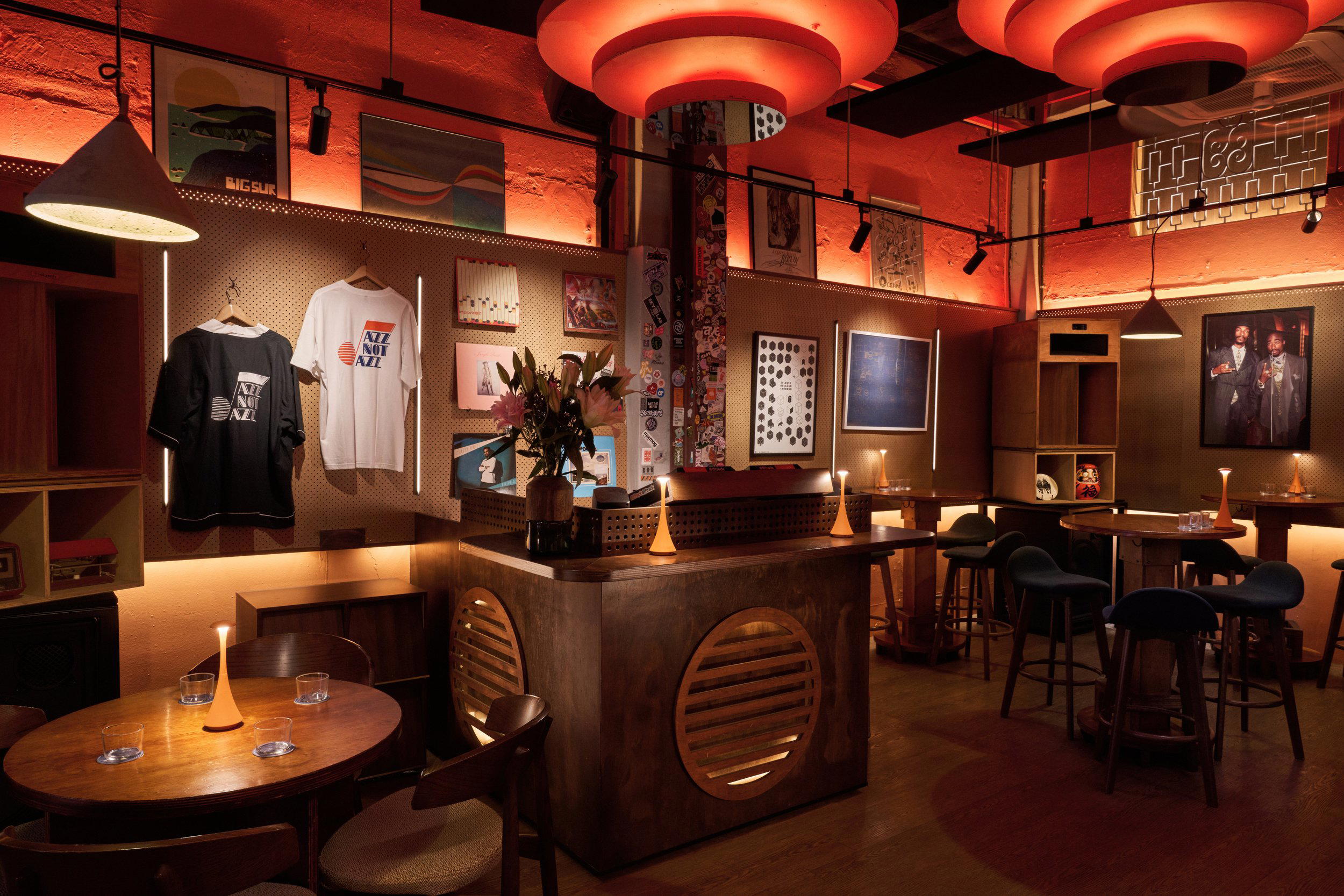
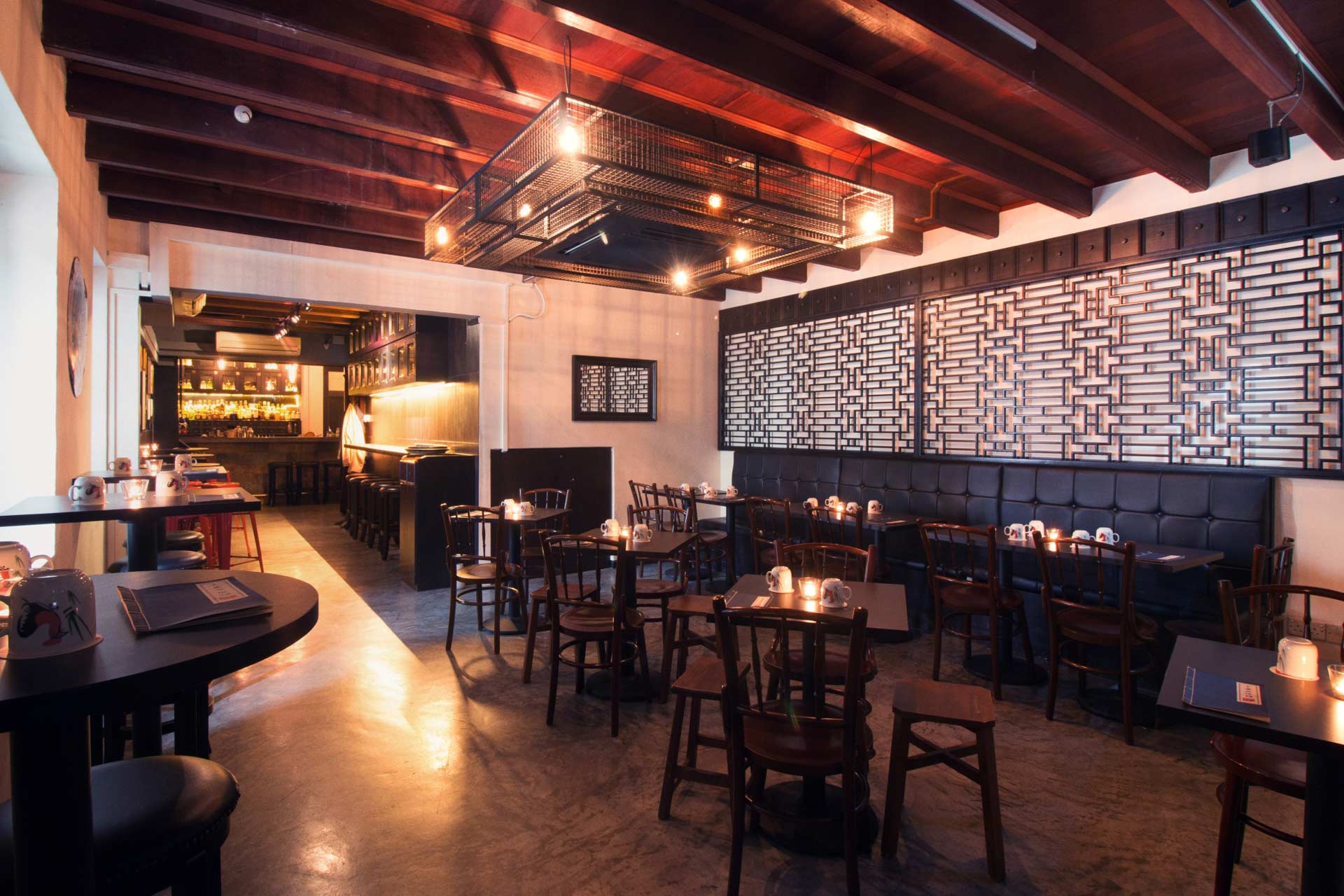
Bright, modern mall café setting with a casual, buzzy atmosphere, ideal for a quick dessert stop after shopping or post-dinner sweet treats.