At ABC Brickworks Food Centre in Bukit Merah, Fatty Cheong has spent decades anchoring the stall-based Cantonese roast meat tradition that Singapore's hawker culture depends on. The char siu and roast pork here represent a style of cooking increasingly treated as a serious culinary form, not merely a cheap lunch option. It belongs to a small cohort of hawker counters that receive the kind of sustained neighbourhood loyalty usually reserved for sit-down restaurants.
Pearl is the En Primeur Club membership app — saves, bookings, and concierge access live there. Same editors, same standards.
- Address
- #01-52 ABC Brickworks Food Centre (6 Jalan Bukit Merah), 150006
- Directions
- Get directions
 Saves & bookings on Pearl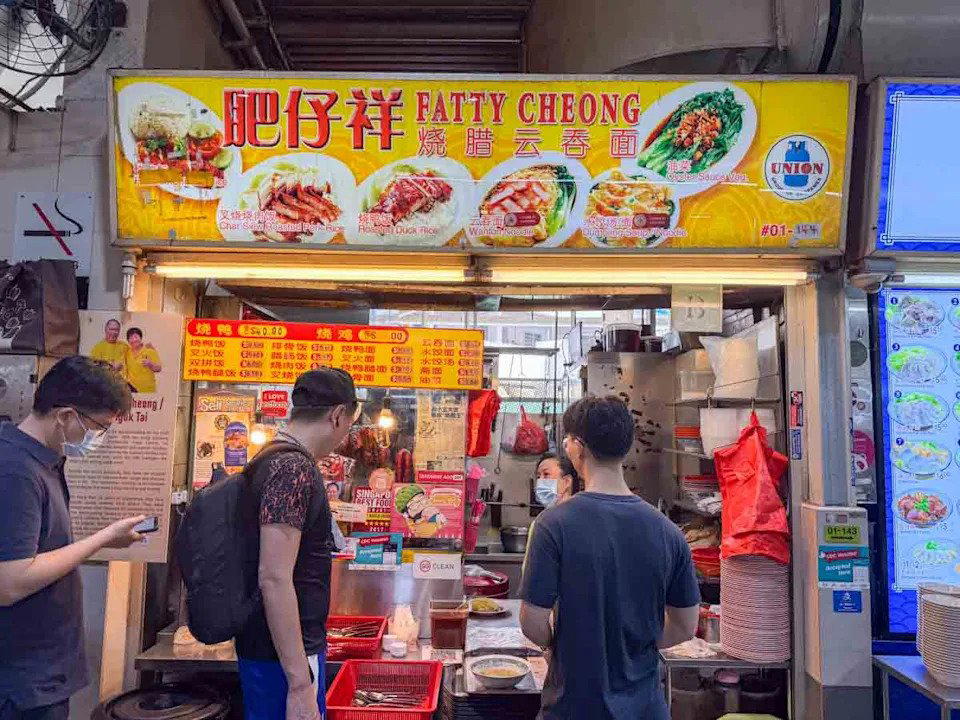
Char Siu in Context: What Singapore's Hawker Roast Tradition Actually Means
Singapore's hawker centres occupy a position in the city's food culture that has no real equivalent elsewhere. These are no longer treated as a cheaper alternative to restaurant dining. They are the primary form, the baseline against which other Singaporean cooking is measured. Within that frame, Cantonese roast meat is one of the tradition's most technically demanding disciplines: temperature control, marinades held across days, the precise management of char on the exterior without drying the interior. It requires the same kind of repetitive mastery that high-end kitchens spend fortunes trying to replicate.
Fatty Cheong Roast Meat, operating from stall #01-52 at the ABC Brickworks Food Centre on Jalan Bukit Merah, has built its reputation inside this tradition. The address matters: Bukit Merah is a residential-dominant district without the tourist foot traffic of Chinatown or the central hawker centres near Raffles Place.
The Roast Meat Stall as a Culinary Form
Cantonese siu mei, the category of Chinese roasting that covers char siu (barbecued pork), siu yuk (roasted pork belly), and roast duck, arrived in Singapore through waves of Cantonese migration and embedded itself into the hawker system across the twentieth century. What distinguishes the better stalls from the merely functional ones comes down to a handful of variables: the fat ratio in the cut of pork used for char siu, the balance between sweet and savoury in the marinade, the resting process after roasting, and the consistency of the wok-heat applied when rice is assembled to order.
This is not a forgiving tradition. Mediocre char siu is immediately apparent: the meat is dense, the glaze cloying, the edges overdone. The stalls that maintain a neighbourhood reputation across years do so because those variables are controlled every single day, not because of a single memorable performance. That kind of operational consistency is, in practice, harder to sustain than a tasting menu kitchen where the head chef plates every dish.
These exist on entirely different economic and experiential registers, but they draw from the same city's collective palate. The hawker stall is not a consolation prize for travellers who cannot secure a reservation elsewhere, it is a different and equally serious expression of what Singaporean food culture values.
Bukit Merah and the ABC Brickworks Food Centre
ABC Brickworks Food Centre takes its name from the Alexandra Brickworks that once occupied the area. The centre sits within a public housing estate and functions as a genuine neighbourhood institution rather than a curated food destination. The physical environment is consistent with older-generation Singapore hawker centres: covered outdoor seating, fluorescent lighting, shared tables, and the ambient noise of a working food hall. What it lacks in design ambition it compensates for with range and reliability across its stalls.
The Bukit Merah location places Fatty Cheong in a comparable set that includes other long-standing hawker operations across the district, rather than positioning it against the higher-profile but often more variable stalls that cluster around tourist-facing centres. For context on how other parts of Singapore approach neighbourhood eating, Asian Twist by 365 Food in Queenstown and Du Du Shou Shi in Jurong West represent the same residential-estate dining model applied to different districts. Similarly, KTMW chicken rice tea-cafe in Bedok operates in an analogous role for its own neighbourhood. The pattern across these examples is consistent: sustained local traffic, low prices, and a singular focus on one or two dishes executed repeatedly.
Beverage Pairing in Hawker Culture: The Editorial Angle on Drinks
Fatty Cheong and its peers at ABC Brickworks do not operate a drinks program in any conventional sense. What hawker culture offers instead is its own canon of pairings: teh tarik (pulled milk tea), barley water, sugarcane juice, or, for roast meat specifically, the cooling counterpoint of simple iced drinks against the richness of pork fat and caramelised glaze. These pairings are not improvised: they have developed in parallel with the food across generations, and the functional logic, cut the fat, cool the palate, complement the sweetness of char siu, mirrors exactly what a wine pairing at a formal restaurant is designed to achieve.
The contrast underlines rather than diminishes what hawker drinking culture does: it solves the same problem through a different, locally evolved set of tools.
Planning Your Visit
Other hawker-adjacent options covered by EP Club include Ah Ter Teochew Fishball Noodles in Downtown Core and Bugis Street Ah Huat Hainanese Chicken Rice at Changi Airport, both of which address different segments of the hawker tradition. For those interested in how Singapore's restaurant scene intersects with international fine dining, Etna Restaurant in Outram and Little Italy in Katong offer a contrasting perspective from within the city. Closer in spirit, Haidilao Hot Pot at Sun Plaza in Sembawang represents the opposite end of the Singapore casual dining spectrum in terms of scale and format.
At-a-Glance Comparison
Comparable venues nearby, for context on price, style, and recognition.
| Venue | Cuisine | Price | Notes |
|---|---|---|---|
| Fatty Cheong Roast MeatThis venue — the venue you are viewing | Singaporean Roast Meats | $ | Not listed |
| Kim Heng (HK) Roasted Delights | Hong Kong Roasted Meats | $ | Serangoon |
| Mei Heong Yuen Dessert | Traditional Chinese Desserts | $ | Chinatown |
| Wanton Seng's Noodle Bar | Modern Wonton Noodle Bar | $$ | Chinatown |
| 545 Whampoa Prawn Noodle | Traditional Singapore Prawn Noodles | $ | BALESTIER |
| Hai Di Lao Hot Pot 海底撈火鍋 | Chinese Hot Pot | $$ | Marina Bay |
Continue exploring
More in Singapore
Restaurants in Singapore
Browse all →
Bars in Singapore
Browse all →
At a Glance
- Lively
- Casual Hangout
- Standalone
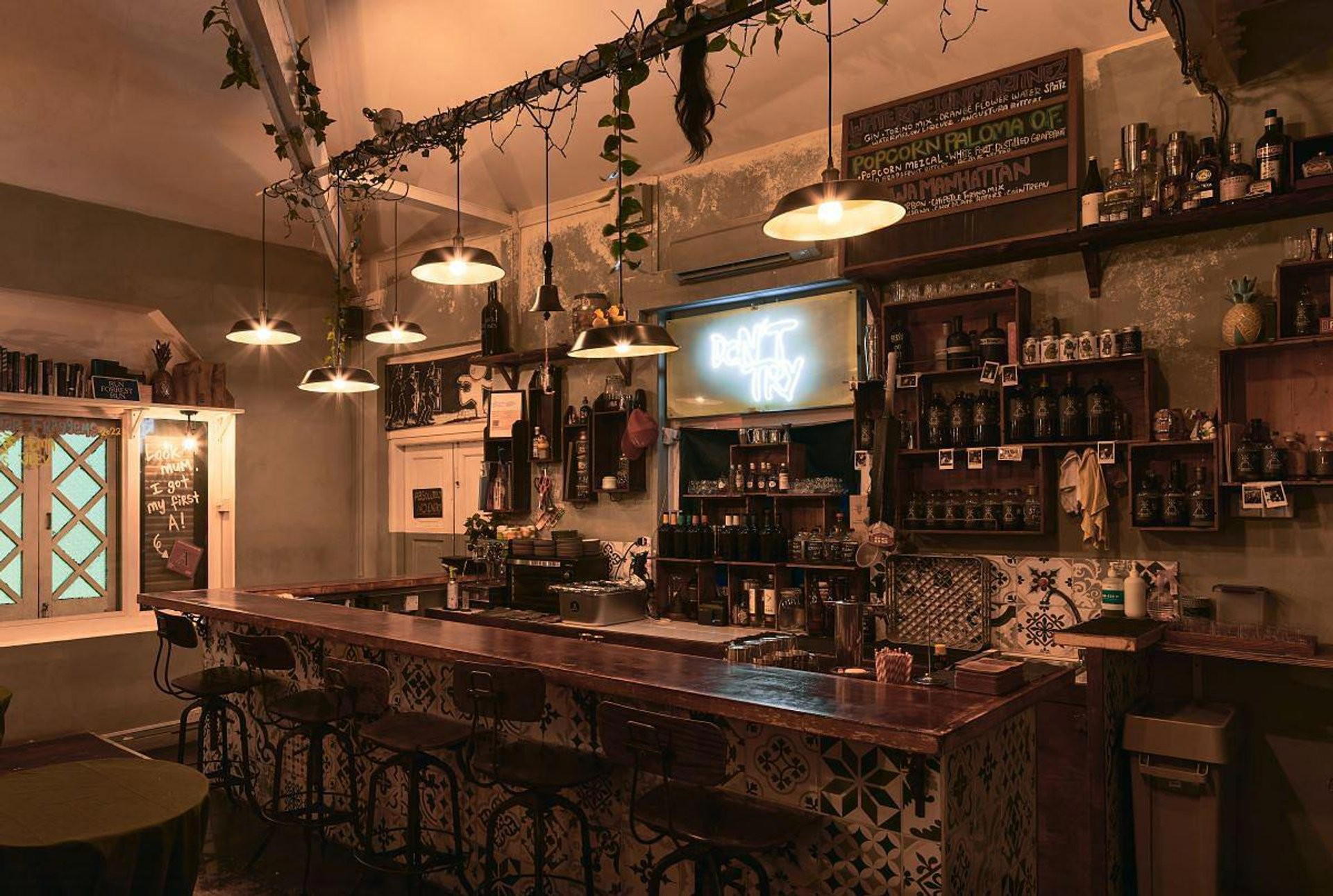
Casual hawker stall atmosphere in bustling food centre with queues.