At 91 Whampoa Drive, 545 Whampoa Prawn Noodle represents a strand of Singapore hawker culture that has survived decades of urban change while remaining anchored to a single neighbourhood. The stall draws regulars from across the city to the Whampoa area for its prawn noodles, a dish whose preparation and longevity speak to the persistence of traditional hawker craft in a city that has aggressively modernised its food scene.
Pearl is the En Primeur Club membership app — saves, bookings, and concierge access live there. Same editors, same standards.
- Address
- 91 Whampoa Dr, Singapore 320091
- Directions
- Get directions
 Saves & bookings on Pearl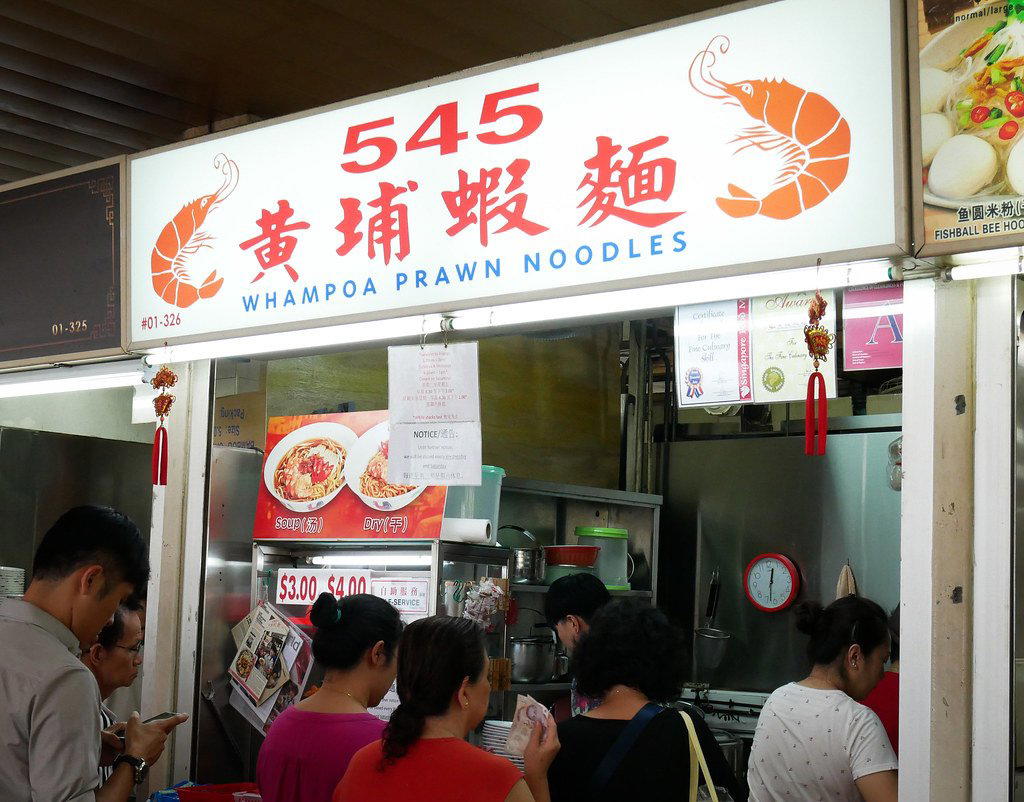
Whampoa's Hawker Tradition and the Long Arc of Prawn Noodle Culture
The approach to Whampoa Drive at morning hour tells you something about how this part of Singapore still operates. The covered market complex at Block 91 is a working wet market and hawker centre. It is a working wet market and hawker centre where the rhythm is set by stallholders, not hospitality designers. The sounds are clattering aluminium, rapid Hokkien, and the hiss of stock pots. 545 Whampoa Prawn Noodle sits inside this environment, and that context shapes everything about how the food reads.
Prawn noodle soup, known locally as hae mee, is one of the foundational dishes in Singapore's Hokkien hawker tradition. The broth is built from prawn shells and heads, often combined with pork ribs, and cooked at high heat for hours to extract a deep, rust-coloured stock that carries both shellfish sweetness and a particular savoury weight. The dish is served with either yellow egg noodles or rice vermicelli, or a mix of both, topped with prawns, sliced pork, and frequently a hard-boiled egg and fried shallots. Chilli paste on the side is standard. The variables between stalls are the broth concentration, the quality and size of the prawns, and whether the cook manages the heat of the stock without losing that essential prawn-forward clarity. These are not small distinctions. In a dish with so few components, the margin between an adequate bowl and a considered one is narrow and immediately legible.
How the Whampoa Address Has Shaped Its Identity Over Time
The evolution of any long-running hawker stall in Singapore is inseparable from the evolution of the housing estates around it. Whampoa is one of Singapore's older public housing precincts, developed under the Housing Development Board in the 1960s and 1970s, and the hawker centre at Block 91 Whampoa Drive is part of that original civic infrastructure. These centres were built to replace street hawking, which the government systematically relocated into licensed premises from the 1960s onward. A stall that has operated in this system for decades has therefore lived through multiple waves of change: the initial relocation and formalisation of hawker culture, subsequent upgrading programmes that modernised the physical centres, and the more recent shift in how Singaporeans and visitors understand hawker food, from everyday utility to cultural heritage.
That last shift has been material. In 2020, Singapore hawker culture was inscribed on UNESCO's Representative List of Intangible Cultural Heritage of Humanity, a formal recognition that changed the external framing of these stalls without necessarily changing the stalls themselves. For a prawn noodle operation at Whampoa Drive, the practical reality is still early mornings, fixed overhead costs, and a customer base that judges the bowl against memory and price expectation rather than against fine dining benchmarks. The tension between that local operational reality and the growing tourism and media attention directed at heritage hawker stalls is one of the defining pressures on this category of food business in contemporary Singapore.
Where Hawker Fits in Singapore's Wider Dining Conversation
Singapore's restaurant scene occupies an unusually wide bandwidth. At the upper end, multi-course European tasting menus at venues like Les Amis and Odette operate with wine programmes and service structures comparable to equivalent rooms in Paris or Copenhagen. Zén and Jaan by Kirk Westaway represent the European contemporary tier that draws on international chef networks and commands substantial per-head spend. Meta and Béni in Orchard occupy the creative mid-upper range. At a completely different price point and register, stalls like 545 Whampoa Prawn Noodle represent the base layer of the food culture from which Singapore's dining identity actually derives its international reputation.
The Michelin Guide's inclusion of hawker stalls in its Singapore edition formalised this two-tier dynamic. Stalls in the Bib Gourmand category, which recognises good food at modest prices, brought international attention to hawker culture at a moment when that attention was commercially significant. The downstream effect has been uneven: some stalls saw queues lengthen dramatically, others absorbed the attention without major disruption, This context is relevant for any serious engagement with Singapore's food culture, and it is the frame within which operations like Imperial Treasure Fine Chinese Cuisine and neighbourhood hawker stalls alike get evaluated.
Within the broader Hokkien hawker category, prawn noodles occupy a specific position. The dish requires more capital-intensive sourcing than something like chicken rice or char kway teow: quality prawns are expensive, and a stock-based dish demands volume and consistency in a way that a wok-based preparation does not. Stalls that have sustained quality over decades have generally solved the supply and consistency problem in ways that are not immediately visible to the customer but are legible in the bowl. Comparable neighbourhood operations across the island, such as 大巴窑93茶粿 in Kallang and Fu He Delights in Rochor, illustrate the geographic spread of hawker heritage across Singapore's HDB precincts.
Planning Your Visit to Whampoa Drive
Whampoa Drive is accessible from Boon Keng MRT station on the North East Line, approximately a ten-minute walk. The hawker centre at Block 91 is a working neighbourhood facility, which means the practical experience is organised around the stall's own operating rhythm rather than around visitor convenience. Hawker stalls serving prawn noodles in Singapore typically operate during morning and lunchtime hours, with many selling out before the early afternoon. Arriving before 10am on weekdays gives reliable access; weekend mornings draw heavier local traffic. There is no reservation system and no booking contact for a stall in this format. The transaction is cash-based at most traditional hawker stalls, though many have adopted QR payment systems under Singapore's nationwide push for cashless transactions.
Accolades, Compared
Comparable venues nearby, for context on price, style, and recognition.
| Venue | Cuisine | Price | Notes |
|---|---|---|---|
| 545 Whampoa Prawn NoodleThis venue — the venue you are viewing | Traditional Singapore Prawn Noodles | $ | Not listed |
| Swee Choon Tim Sum Restaurant | Hong Kong & Shanghai Dim Sum | $ | LITTLE INDIA |
| Soon Wah Fishball Kway Teow Mee | Teochew Fishball Noodles | $ | Newton Circus |
| Kim Heng Roasted Meat | Hong Kong Roasted Meats | $$ | Serangoon |
| Fragrance Garden Chicken Rice | Hainanese Chicken Rice | $ | Central Area |
| Hawker Chan Liao Fan | Hong Kong Soya Sauce Chicken Rice & Noodle | $ | Chinatown |
Continue exploring
More in Singapore
Restaurants in Singapore
Browse all →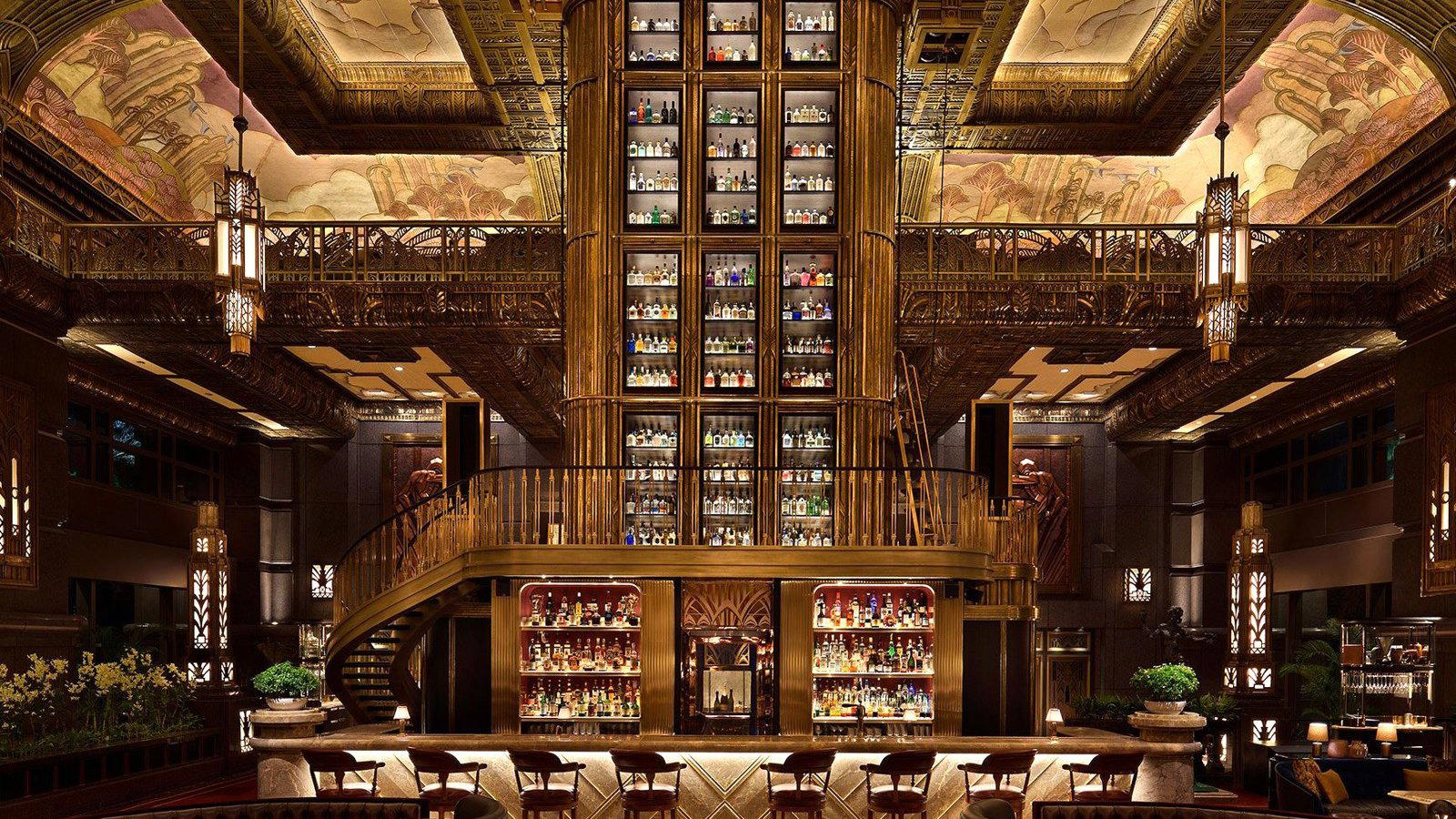
Bars in Singapore
Browse all →
At a Glance
- Classic
- Rustic
- Well Known
- Casual Hangout
- Solo
- Open Kitchen
Current opening hours
- Monday
- Closed
- Tuesday
- Closed
- Wednesday
- 5:30 AM–12:30 PM
- Thursday
- 5:30 AM–12:30 PM
- Friday
- Closed
- Saturday
- 5:30 AM–12:30 PM
- Sunday
- 5:30 AM–12:30 PM
Hours can change for holidays and private events. Last verified .