ABC Brickworks Market & Food Centre is one of Singapore's most storied hawker complexes, where dozens of independently run stalls compete on produce, technique, and price in a format that has defined everyday eating on the island for decades. The market anchors a residential neighbourhood in Buona Vista, drawing regulars who treat its stallholders less as vendors than as weekly appointments.
Pearl is the En Primeur Club membership app — saves, bookings, and concierge access live there. Same editors, same standards.
- Address
- Singapore, Singapore
- Directions
- Get directions
 Saves & bookings on Pearl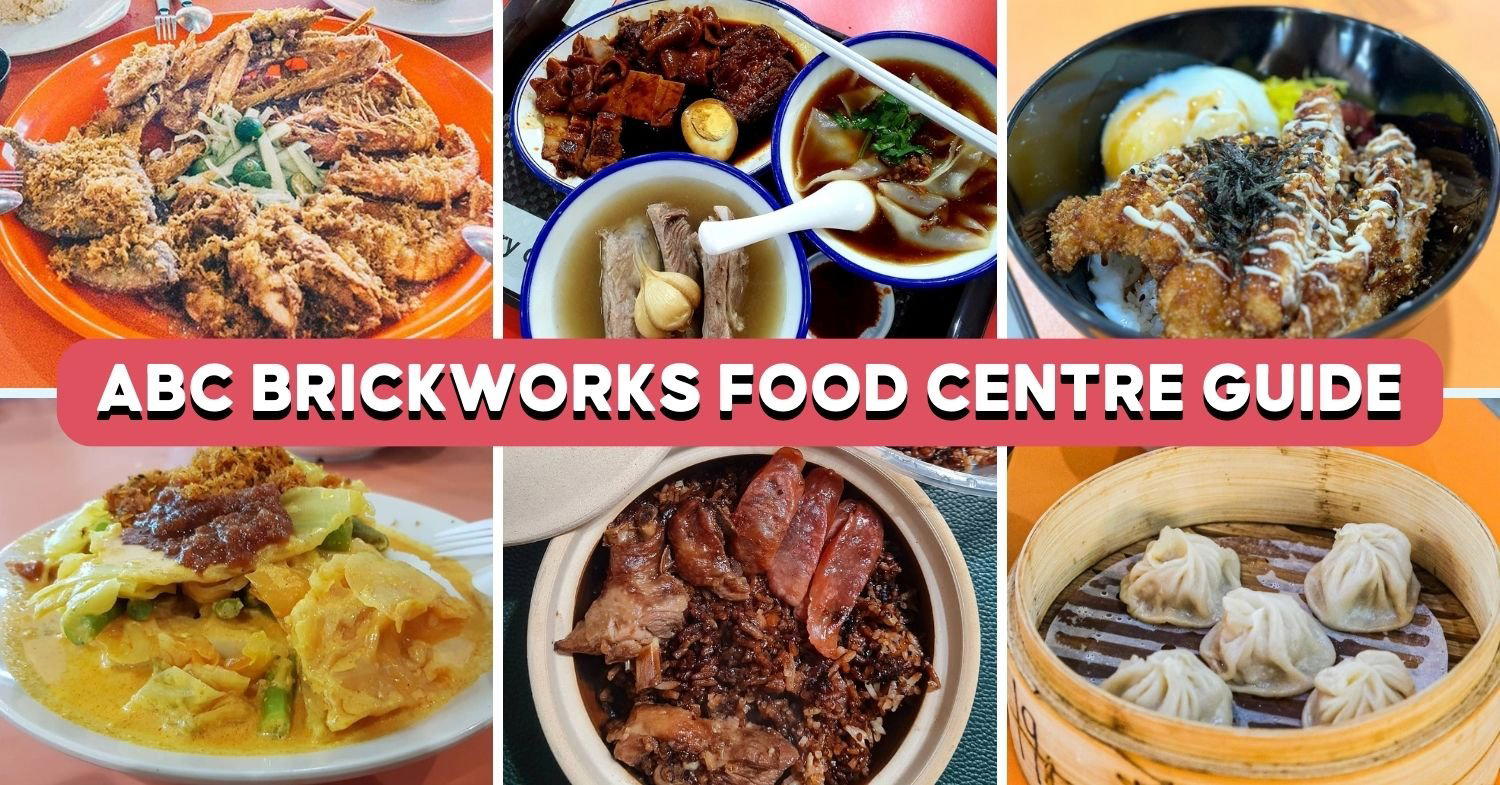
The Hawker Format, and Why Brickworks Still Matters
Singapore's hawker centres occupy a category that has no real equivalent elsewhere. They are not food courts in the shopping-mall sense, not wet markets with adjacent cooking, and not street food rows in the Southeast Asian tradition. They are a civic institution: publicly managed, individually tenanted, and socially flattened in a way that puts office workers and retirees at the same plastic table. ABC Brickworks Market & Food Centre sits inside that tradition with particular confidence. Located in the Buona Vista corridor, it draws from a catchment that is older, more residential, and less trafficked by tourists than the hawker centres in Chinatown, Lau Pa Sat, or the waterfront districts. That relative quiet is precisely what makes it worth understanding.
The hawker model was formalised in Singapore during the 1970s as the government resettled street vendors into purpose-built covered spaces. What resulted was not a dilution of street food but a consolidation of it: stallholders who had spent years cooking outdoors brought their recipes, their supplier relationships, and their clientele into permanent stalls, and in many cases passed them to the next generation. The physical form at ABC Brickworks is familiar, open-sided structure, ceiling fans, communal seating, numbered stalls, but the depth of specialisation inside is not generic. Individual stalls at markets like this one typically focus on a single dish or a tightly bounded family of dishes, which means the people cooking them have made the same preparation hundreds of thousands of times.
Where the Produce Comes From, and Why That Chain Is Shorter Than It Looks
At markets like ABC Brickworks, supply chains are typically compressed: stallholders buy directly from wet market wholesalers, often at ABC Market itself given that the complex includes a wet market component, which means the gap between catch or harvest and preparation is measured in hours rather than days. Pork ribs go into soup the morning they arrive. Fish is bought before the stall opens. Rice is measured by the batch, not pre-cooked and held.
Culinary traditions represented at ABC Brickworks reflect the ethnic and regional composition of Singapore's food culture: Hokkien, Teochew, Cantonese, and Malay strands run through the stall list, with Hainanese preparations (chicken rice being the recognisable) appearing alongside Malay nasi padang, Indian rojak, and the fried noodle variants that blur across those lines. Each of these traditions has its own sourcing logic. Nasi padang depends on morning prep and the quality of coconut milk and fresh spices. A strong Hokkien prawn mee depends on the prawn stock, which is made from shells and heads and requires sheer volume of fresh crustaceans to develop depth. These are not dishes that hide poor ingredients behind technique; they expose the supply chain at every mouthful.
For readers accustomed to the procurement language of fine dining, the kind of sourcing stories told at Odette or Les Amis, it is worth noting that the sourcing discipline at a serious hawker stall is different in character but not inferior in rigour. The difference is that there is no marketing apparatus around it. The stallholder who has been buying pork belly from the same wet market supplier for twenty years is not going to tell you about it. The result is in the bowl.
How to Read the Stall List
Arriving at ABC Brickworks without a plan tends to produce the same outcome it produces at any large hawker centre: a circuit of the stalls, some hesitation, and eventually a decision made by queue length rather than knowledge. Queue length is not a bad heuristic, in a market where regulars return weekly, sustained queues do indicate something real, but it is incomplete. A more useful approach is to treat each stall category as its own editorial question. Char kway teow should be judged on wok hei, the smoky breath of a hot wok applied quickly to flat rice noodles, cockles, egg, and bean sprouts. Carrot cake (chai tow kway) comes in black and white versions; the black version uses dark soy and is sweeter, the white version is lighter and more savoury. These distinctions are not trivial: they represent entirely different preparations from the same base ingredient.
Practically, the centre draws the strongest crowds at breakfast and lunch on weekday mornings, with many stalls closing by mid-afternoon. Particularly consistent advice for first visits is to arrive before 11am to find the full complement of stalls open and the morning produce at its freshest. Hawker meals here price at the accessible end of Singapore's eating spectrum, well below even the casual neighbourhood restaurant tier, which positions this kind of market at a different point in the city's food system than the reservation-required counters of the central districts.
The hawker centre operates on the opposite logic: open access, à la carte selection, and sourcing that is rigorous but entirely silent. Both are serious about food. They occupy opposite ends of the same city's culinary range.
The Neighbourhood Context
Buona Vista is a mature residential district with a professional and academic population, adjacent to one-north and the Biopolis cluster. The demographic that eats at ABC Brickworks is predominantly local, predominantly habitual, and largely indifferent to the tourist apparatus that surrounds hawker centres closer to the city centre. This is relevant not as a credential but as a practical signal: the stalls here are not calibrated for unfamiliar palates or photographable presentation. They are calibrated for people who will be back next week and who will notice if the stock is thin or the char siu is dry.
Across the island, comparable neighbourhood markets with wet market components appear in districts like Kallang (see 大巴窑93茶粿), Bedok (KTMW chicken rice tea-cafe), and Queenstown (Asian Twist by 365 Food), each anchoring a specific residential catchment with its own stall mix. The pattern at ABC Brickworks is consistent with this model: the market functions as neighbourhood infrastructure, not as a destination venue, and its quality is maintained by the accountability of a regular local clientele rather than by ratings or awards.
Other parts of Singapore's eating spectrum worth understanding in relation to this kind of market include spots like Fu He Delights in Rochor, Haidilao Hot Pot in Sembawang, and Du Du Shou Shi in Jurong West, all of which represent different points in the city's non-fine-dining eating culture. Further afield, the editorial comparison with high-technique sourcing models at venues like Le Bernardin in New York or Atomix sharpens the point: serious ingredient discipline does not require a prix-fixe format to exist.
Planning Your Visit
ABC Brickworks Market & Food Centre is most productively visited on a weekday morning, when stallholders are working through the day's fresh stock and the market component is active. Expect to order and pay stall by stall; communal seating is shared across the centre. Dress practically: the environment is open-sided and warm. There is no booking mechanism and no dress code. Budget for the accessible price tier that characterises Singapore's hawker system.
Comparable Venues
Comparable venues nearby, for context on price, style, and recognition.
| Venue | Cuisine | Price | Notes |
|---|---|---|---|
| ABC Brickworks Market & Food CentreThis venue — the venue you are viewing | Singapore Hawker | $ | Not listed |
| Chan Susu | Traditional Chinese Dessert Café | $ | Orchard / Somerset |
| Clan 7™ | Modern Cantonese Chinese | $$ | LORONG CHUAN |
| Ah Tai Chicken Rice | Hainanese Chicken Rice | $ | MAXWELL |
| Kim Heng Roasted Meat | Hong Kong Roasted Meats | $$ | Serangoon |
| Lao Jie Fang | Hong Kong-Style Cantonese Beef Brisket Noodles | $ | MEI CHIN |
Continue exploring
More in Singapore
Restaurants in Singapore
Browse all →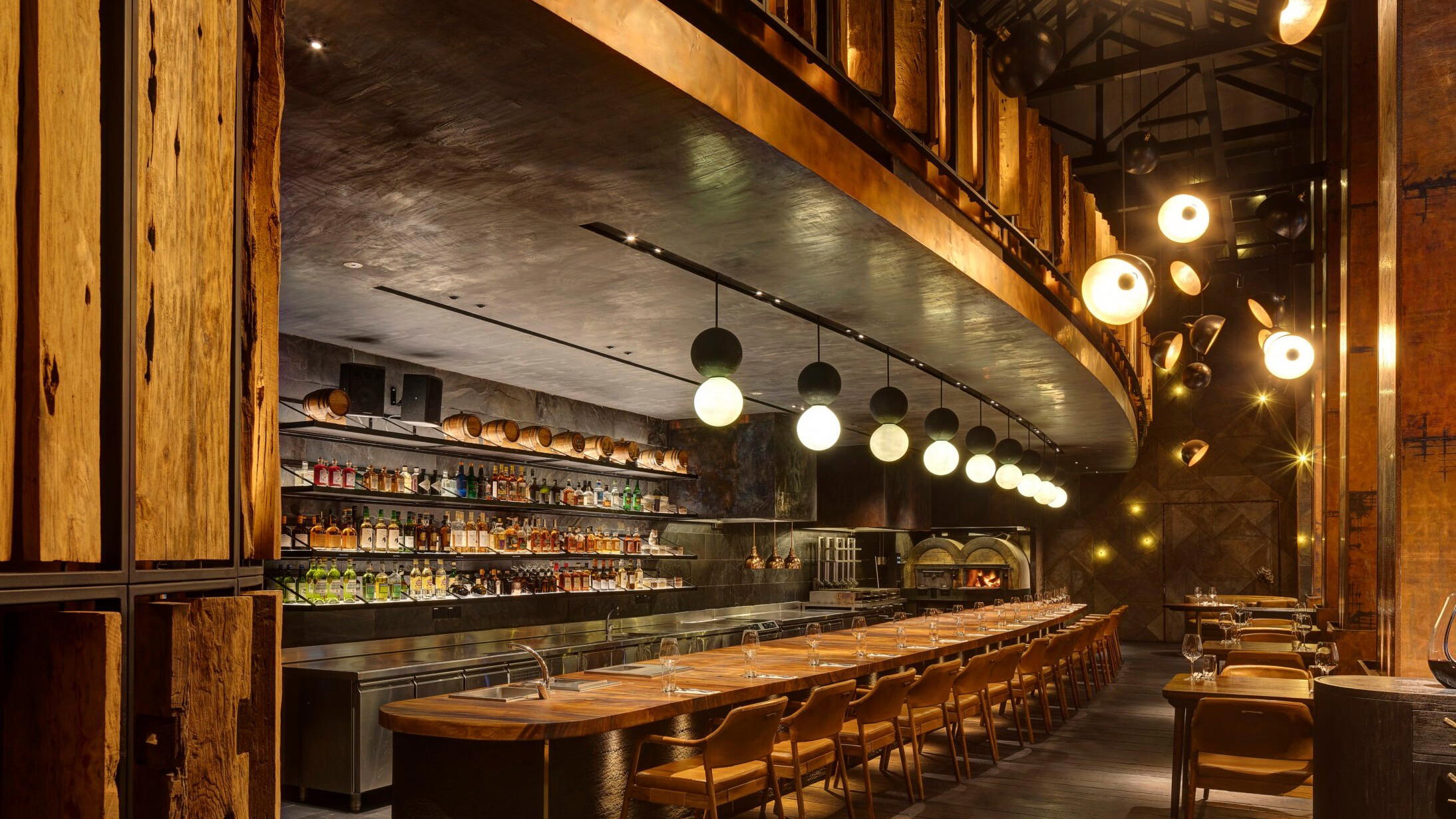
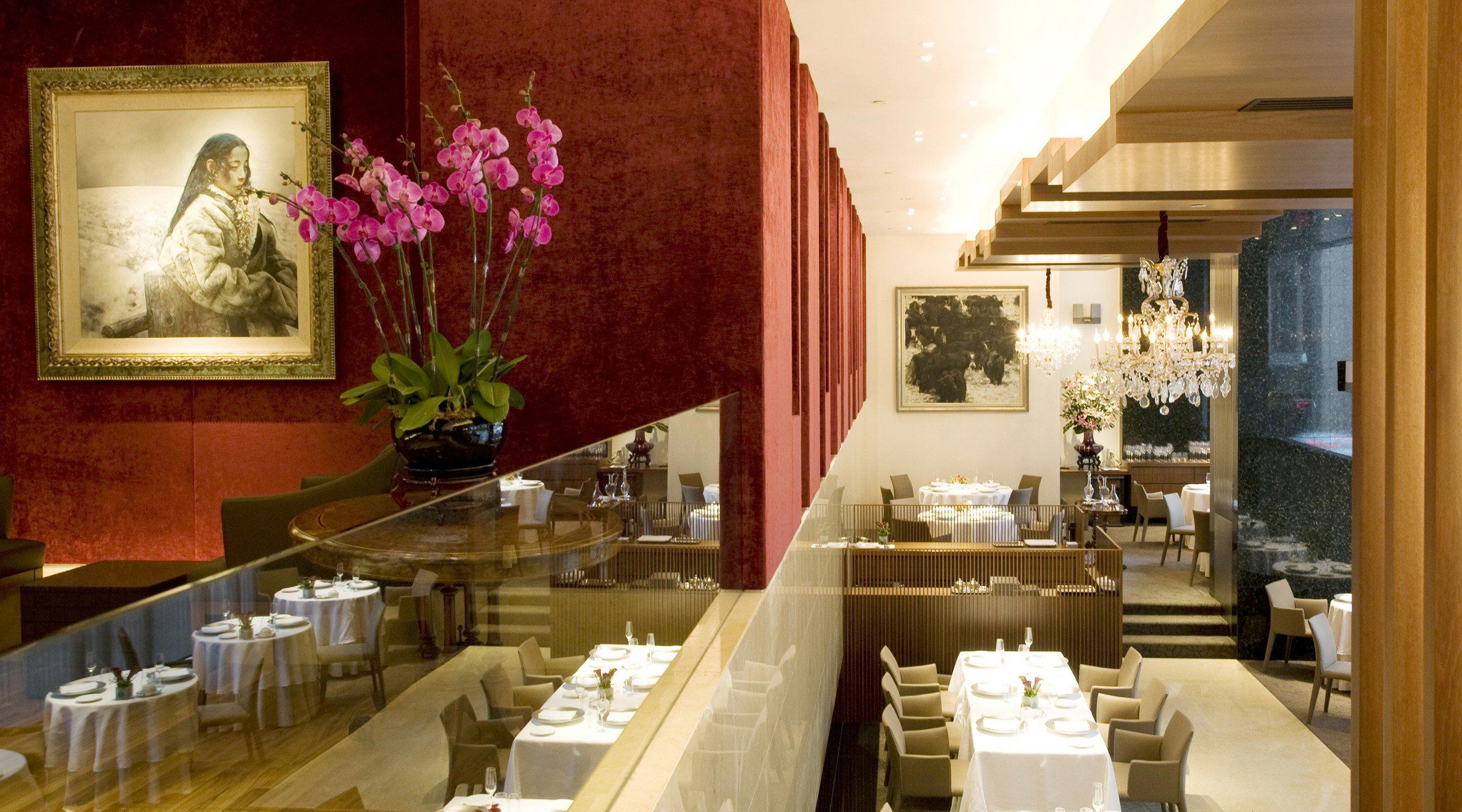
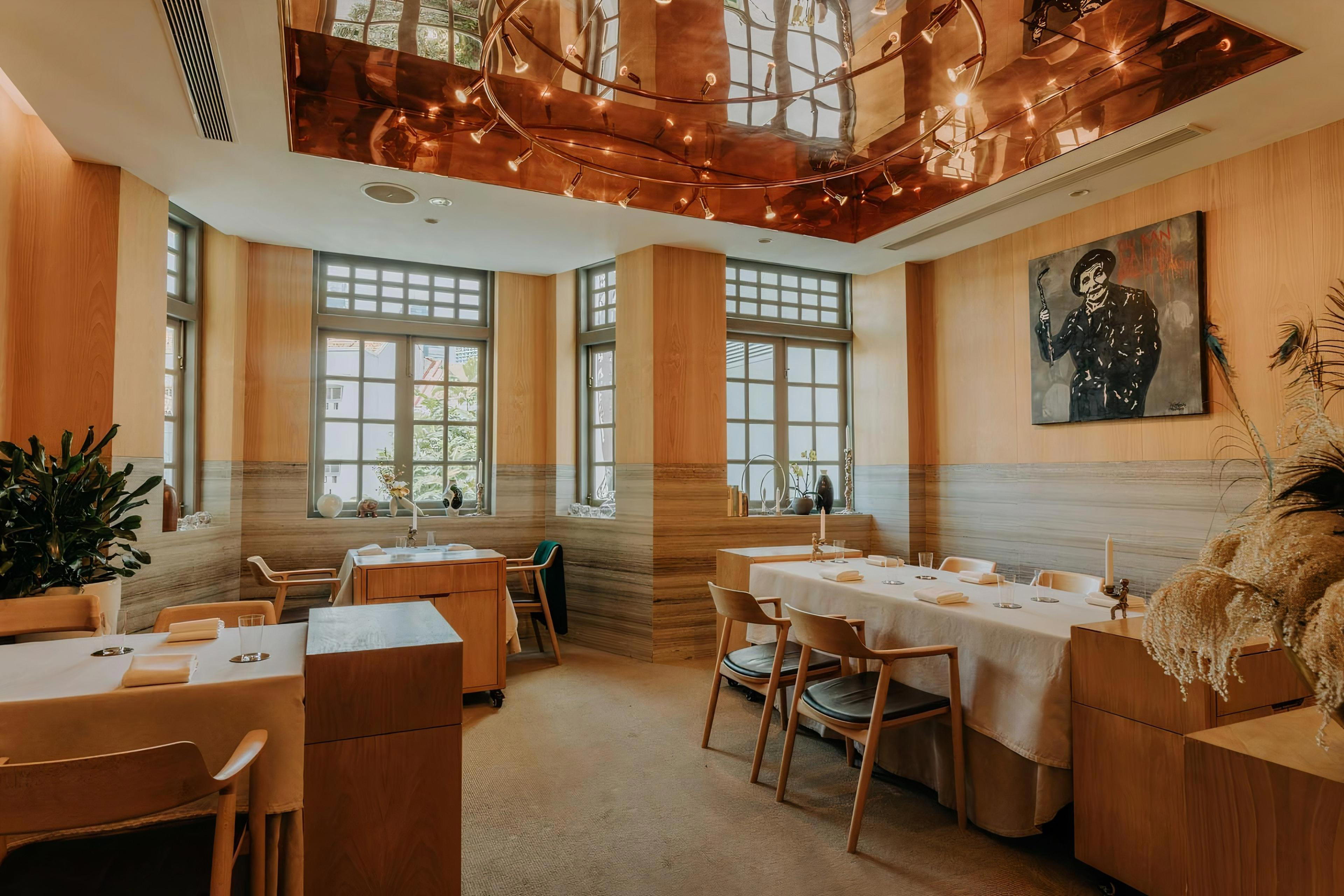
Bars in Singapore
Browse all →
At a Glance
- Lively
- Rustic
- Casual Hangout
- Family
- Open Kitchen
Bustling and lively hawker atmosphere with bright lighting, clean spacious seating, and colorful food displays creating an energetic communal dining experience.