Our verdict
Kim Heng (HK) Roasted Delights serves Hong Kong roasted meats at Kopitiam (214 Serangoon Avenue 4. #01-88.), with counter service, casual dress, and a quick, conversational pace.

Pearl is the En Primeur Club membership app, where members save venues, book tables and use the concierge.
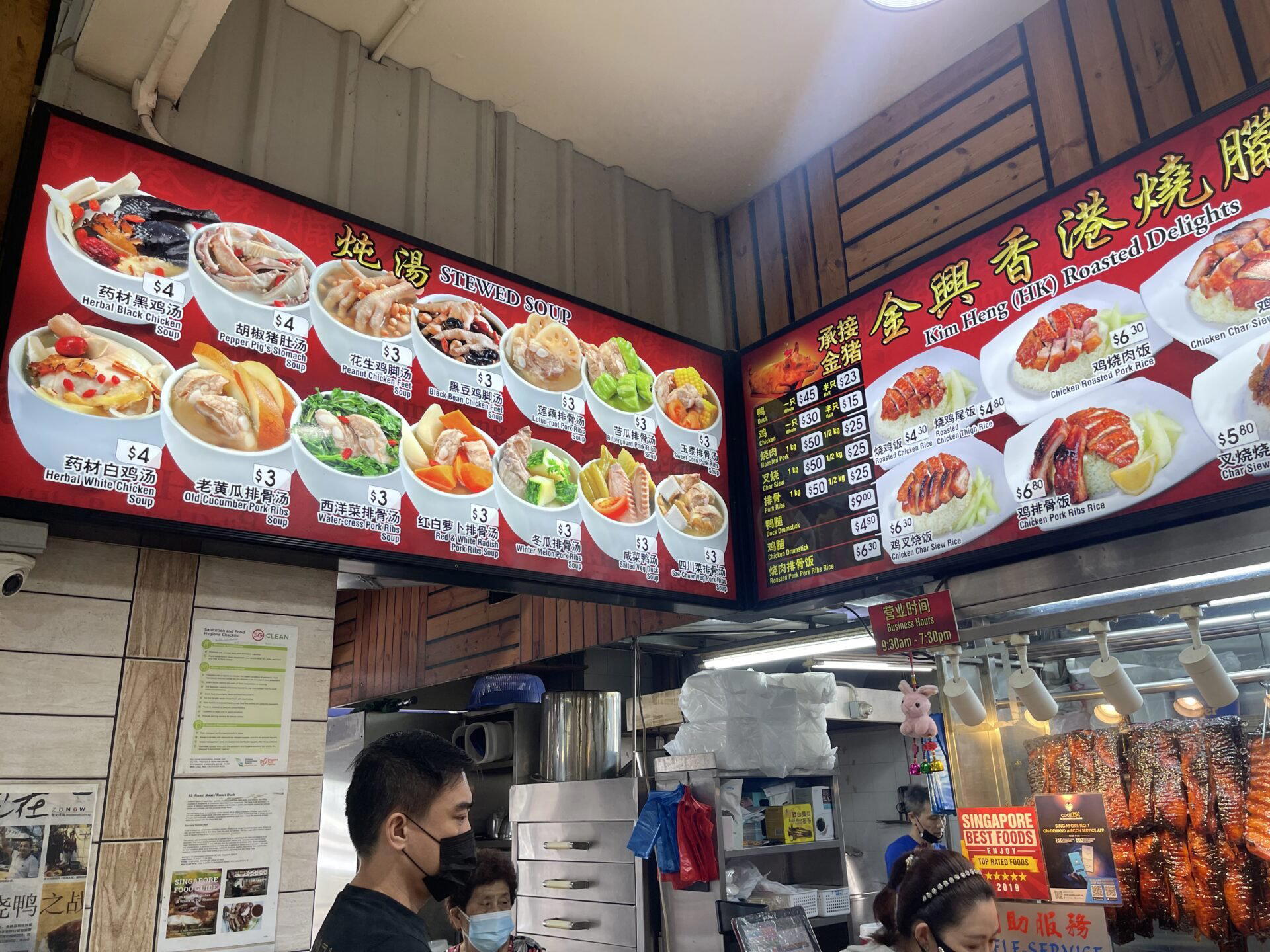
The menu
What to order
- Char Siew Roasted Pork Rice
- Roast Duck Rice
- Siew Yoke
Char Siu, Roast Duck, and the Kopitiam Counter
Singapore's hawker and kopitiam culture has long operated as a parallel fine-dining system, one where mastery is measured in decades of repetition, queues rather than reservation lead times, and the opinion of the regular over the review. The char siu stall and the roasted meats counter occupy a specific and respected tier within that system. These are specialisms with clear Hong Kong lineage: the Cantonese tradition of siu mei, where pork, duck, and goose are hung and roasted in wood-fired or gas ovens to achieve specific textures, lacquered skin, yielding fat, firm muscle, has crossed into Singapore's Chinese community and taken root in neighbourhood kopitiams across the island. Kim Heng (HK) Roasted Delights, operating from a kopitiam at 214 Serangoon Avenue 4, sits squarely inside that tradition.
Serangoon is one of Singapore's older mixed residential districts, and its food scene reflects that layering. The avenue's kopitiams draw locals rather than tourists, and the stalls within them tend toward depth of practice over breadth of offering. A roasted meats specialist in this setting competes not on novelty but on consistency, the same char siu, the same roast duck, executed the same way across hundreds of services. That demand for repetition is what separates the credible siu mei counter from the casual one.
The Siu Mei Tradition and What It Demands
Siu mei as a culinary tradition traces back to Guangdong province and carries specific technical requirements. Char siu, Cantonese barbecued pork, demands a balance between marinade penetration, caramelisation on the exterior, and moisture retention through the cook. Roast duck requires controlled rendering of subcutaneous fat while keeping the breast meat from drying. These are not forgiving preparations. The margin between correct and overcooked is narrow, and the margin between a well-marinated piece and a flat one is equally thin. Cantonese roasted meats counters in Singapore, particularly those identifying their lineage as Hong Kong-style, typically emphasise cleaner, less sweet profiles than some regional variants, with the pork's natural savour allowed to come through the glaze rather than being buried under it.
The Hong Kong designation in a stall's name carries meaning in Singapore's Chinese food community. It signals a stylistic position: a preference for precise caramelisation over heavy sauce, for the roast's own rendered drippings to carry flavour into the rice below it. Whether that signal holds at any given counter is a matter of execution, but the claim itself locates the stall within a recognised and debated tradition.
The Kopitiam as Context
Understanding Kim Heng (HK) Roasted Delights means understanding what a kopitiam is and what it is not. A kopitiam is a traditional coffee shop format common across Singapore and Malaysia, open-fronted, tiled, with individual stalls leasing space and operating independently under one roof. The format predates Singapore's independence and has remained relatively unchanged in structure even as the city has modernised around it. Eating at a kopitiam stall is not a casual compromise on the way to a restaurant; for a significant portion of Singapore's population, it is the preferred format for a meal, efficient, honest, and often the setting for the most technically accomplished versions of specific dishes you will find anywhere in the city.
In this context, the kopitiam counter at Serangoon Avenue 4 is not a budget alternative to something more formal. It is the primary venue for this kind of food. The comparison set for a roasted meats stall is other roasted meats stalls, not the Michelin-starred tasting menus at Odette or Zén, nor the fine Chinese dining at Imperial Treasure Fine Chinese Cuisine in Downtown Core.
Singapore's broader dining map runs from kopitiam counters like this one through mid-tier restaurants to the rarefied tiers occupied by Les Amis, Jaan by Kirk Westaway, and Meta. That full spectrum is part of what makes the city's food culture worth taking seriously. Our full Singapore restaurants guide maps those tiers in detail. The kopitiam level is not the bottom of that map, it is a distinct horizontal band with its own standards and internal hierarchy.
Neighbourhood and Reach
Serangoon Avenue 4 sits in the residential heartland of the northeast, a different register from the tourist-facing hawker centres of Newton or the heritage shophouses of Chinatown. Reaching it requires intention, a deliberate trip rather than a walk from a hotel. That distance from the tourist circuit is itself a signal about who the stall is cooking for. Stalls in this position build their reputation through word of mouth among residents, office workers in the surrounding area, and the kind of food-focused Singaporeans who track neighbourhood specialists the way other cities track restaurant openings.
For visitors staying in the central districts, the journey to Serangoon represents a commitment. The MRT reaches the area, and the trip from Dhoby Ghaut or Bugis is manageable. The question is whether the specific roasted meats on offer justify that commitment over the more accessible siu mei counters in the city centre. That is a question the stall itself must answer through the quality of its product on any given day.
Other neighbourhood specialists worth contextualising against Kim Heng include KTMW chicken rice tea-cafe in Bedok and 大巴窑93茶粿 in Kallang, both operating in residential districts with local rather than tourist-driven reputations. The pattern across these venues is consistent: neighbourhood location, specific specialisation, and a customer base built on return visits rather than first-time footfall. Asian Twist by 365 Food in Queenstown and Fu He Delights in Rochor represent further points in this distributed map of Singapore's everyday food culture.
For a broader cross-section of casual and mid-tier eating in Singapore's outer districts, Haidilao Hot Pot at Sun Plaza in Sembawang and Du Du Shou Shi in Jurong West offer a sense of how the city's residential dining scene operates at scale. The contrast with the concentrated fine-dining corridors of Orchard, home to Béni, or the international reach of venues like Le Bernardin in New York City and Atomix in New York City underscores how wide Singapore's food spectrum actually runs.
Planning Your Visit
Kim Heng (HK) Roasted Delights operates from Unit #01-88 within the kopitiam at 214 Serangoon Avenue 4, postal code 550214. No booking is required or possible, the format is walk-in, order at the counter, and collect. Kopitiam roasted meats counters typically sell out of specific cuts before the end of service, so arriving at or near opening is advisable if you are committed to a particular item. Prices will align with the kopitiam tier: significantly below any restaurant format, with portions priced per weight or as set plate-and-rice combinations. The setting is open, tiled, and communal, not suited to a quiet dinner, but entirely suited to the kind of direct, no-ceremony eating that defines this format. Families with children are well accommodated; the kopitiam environment is casual by design, and no dress expectations apply. The stall also sits within a broader kopitiam where other operators provide additional options, so the visit can accommodate mixed preferences within a group. For comparison-shopping within the neighbourhood, similar roasted meats counters exist across Serangoon, and the local familiarity with the format means most residents have a firm opinion on which counter is worth the detour. Etna Restaurant in Outram and Little Italy - Katong in Marine Parade offer a reminder that Singapore's outer districts support a wide range of cuisines alongside the Chinese food heritage that defines much of the kopitiam landscape.
Frequently asked questions
Is Kim Heng (HK) Roasted Delights okay with children?
A kopitiam setting is about as family-accessible as Singapore dining gets. The open-air format at 214 Serangoon Avenue 4 means no dress code, no reservation pressure, and communal tables that accommodate groups of any size. Walk-in, order at the counter, and eat, the format suits children without any adjustment.
What kind of setting is Kim Heng (HK) Roasted Delights?
Kim Heng (HK) Roasted Delights operates from Unit #01-88 inside a kopitiam, a traditional Singaporean coffee shop format with shared tables, open frontage, and counter ordering. This is a residential heartland stall in Serangoon, serving the neighbourhood rather than a tourist circuit. Expect plastic stools, overhead fans, and the focused efficiency of a stall that has one job to do.
What's the dish to order at Kim Heng (HK) Roasted Delights?
The stall's identity is siu mei, the Cantonese tradition of roasted meats that includes char siu (barbecued pork), roast duck, and roast pork. Char siu is the technical centrepiece of that tradition: the lacquered finish, the ratio of lean to fat, and the degree of caramelisation at the edges are the markers by which regular customers judge a siu mei stall. Order a mixed rice plate to assess the range.
What's Kim Heng (HK) Roasted Delights's location?
Kim Heng (HK) Roasted Delights is located at Kopitiam (214 Serangoon Avenue 4. #01-88.), 550214, Singapore.
Pricing, Compared
| Venue | Cuisine | Price | Awards | Notes |
|---|---|---|---|---|
| Kim Heng (HK) Roasted DelightsThis venue (the venue you are viewing) | Hong Kong Roasted Meats | $1–10 | Not listed | Not listed |
| Zén | Neo-Nordic with Japanese Influences | $500+ | 3 Michelin Stars · Michelin Guide 3 Stars | European Contemporary |
| Jaan by Kirk Westaway | Modern British Fine Dining | $200–300 | 2 Michelin Stars · Michelin Guide 2 Stars | British Contemporary |
| Born | Contemporary Fusion Fine Dining | $200–300 | 1 Michelin Star · Michelin Guide 1 Star | Creative Cuisine, Innovative |
| Burnt Ends | Modern Australian Barbecue | $100–150 | 1 Michelin Star · Michelin Guide 1 Star | Australian Barbecue, Barbecue |
| Iggy's | Modern European with Japanese Influence | $150–200 | 1 Michelin Star · Michelin Guide 1 Star | Modern European, European Contemporary |
Continue exploring
More in Singapore
Restaurants in Singapore
All restaurants in Singapore →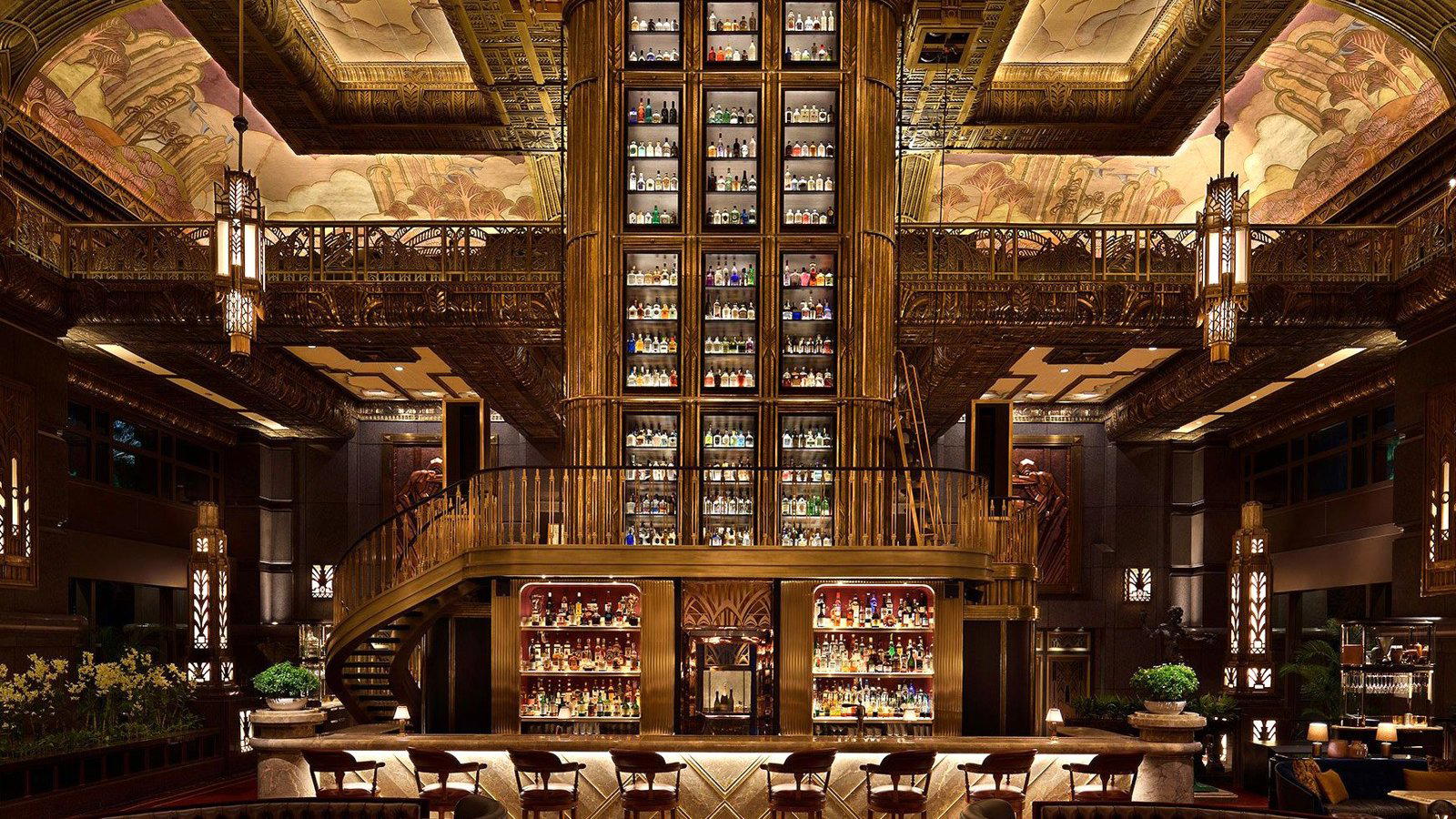
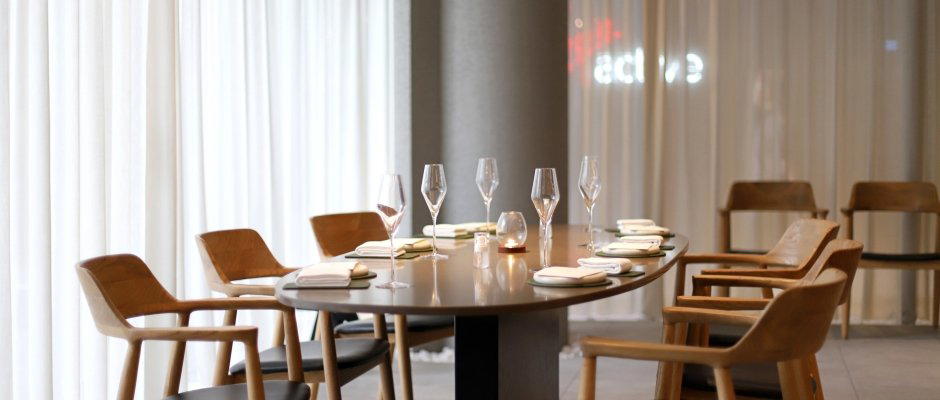
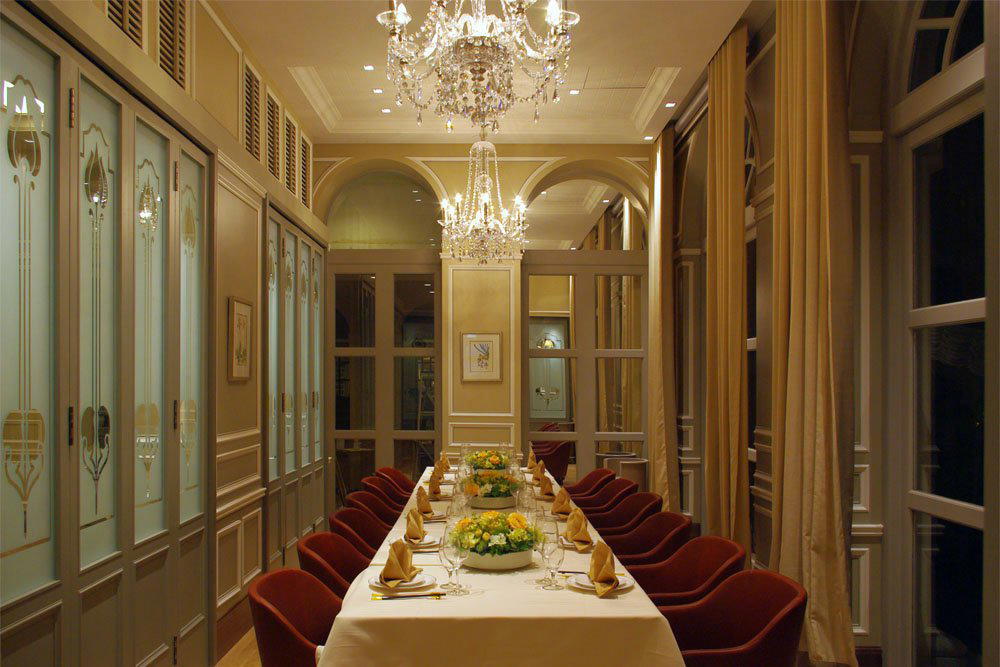
Bars in Singapore
All bars in Singapore →
Details
- Classic
- Casual Hangout
- A La Carte
Spacious hawker coffee shop seating with ceiling fans and comfortable table spacing.