On Rambla de Catalunya in the heart of Eixample, Chalito sits at a productive intersection: Barcelona's tradition of market-driven cooking meeting the kind of technical discipline that has made Spanish fine dining a reference point globally. The address places it among the city's more ambitious mid-to-upper tier options, where the question is never whether the ingredients are good, but what the kitchen does with them.
Pearl is the En Primeur Club membership app — saves, bookings, and concierge access live there. Same editors, same standards.
- Address
- Rambla de Catalunya, 12, Eixample, 08007 Barcelona, Spain
- Phone
- +34936814674
- Website
- chalito.es
- Directions
- Get directions
 Saves & bookings on Pearl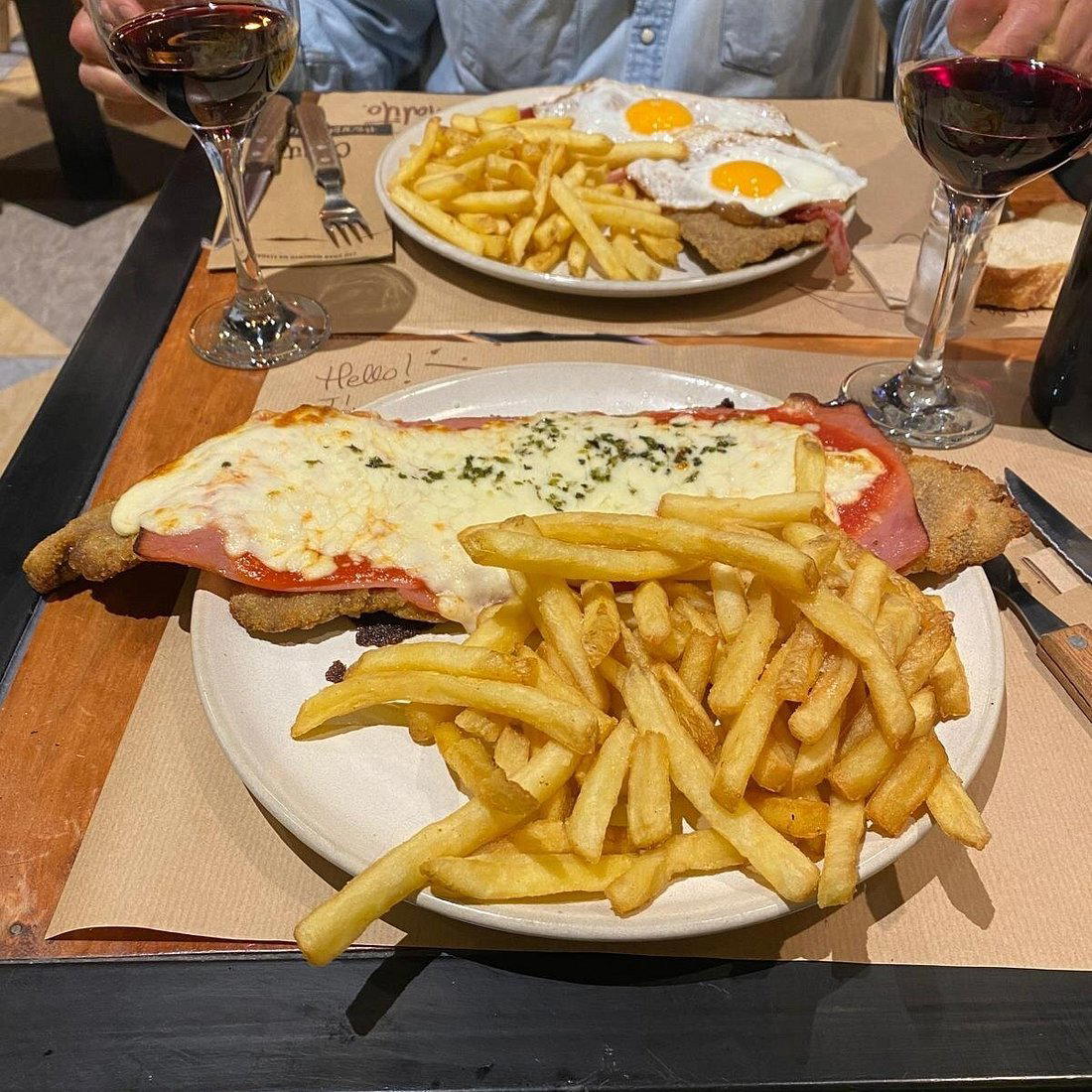
Where Eixample Meets the Kitchen
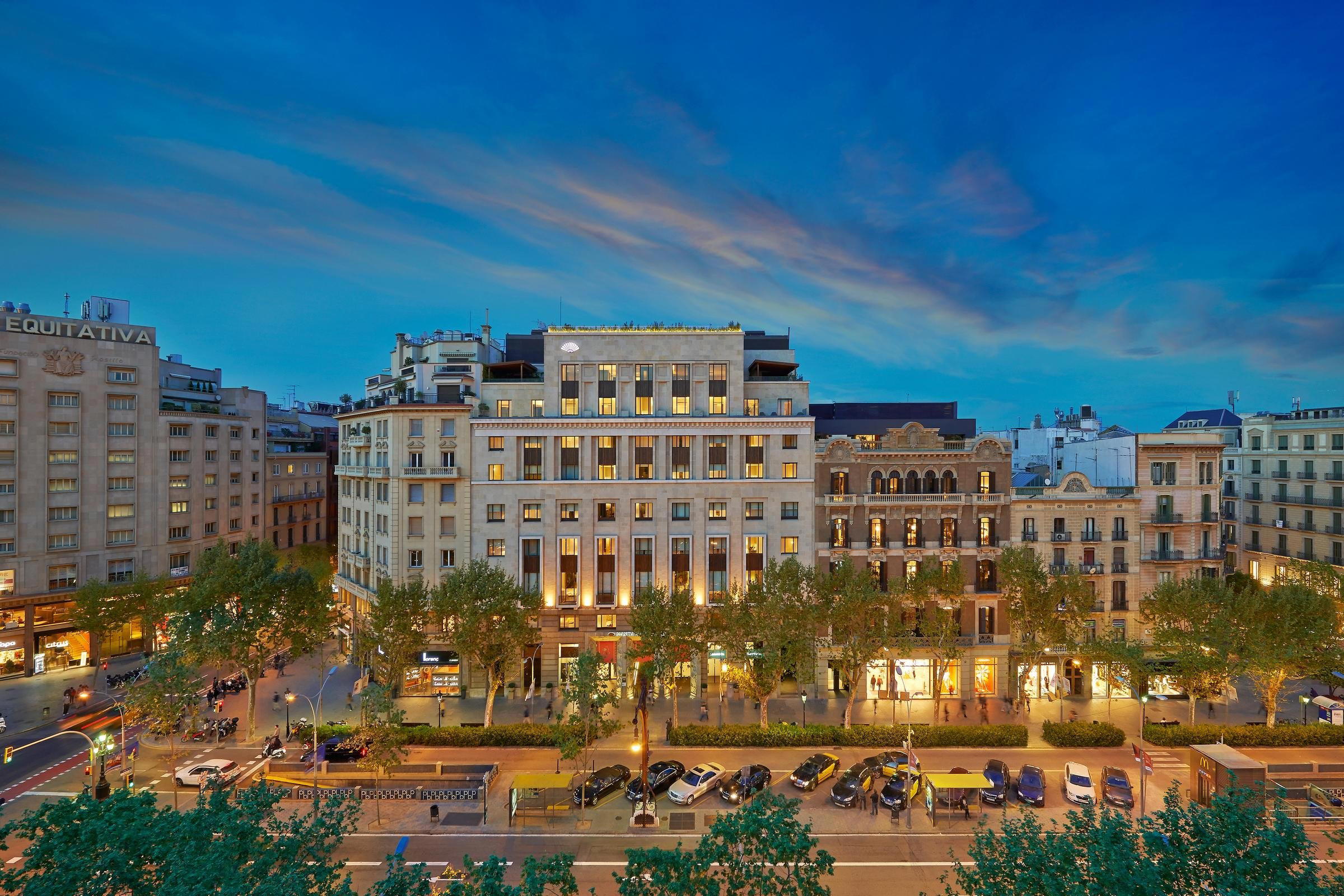
Rambla de Catalunya runs parallel to the famous Ramblas but carries a different register entirely: wider pavements, less tourist churn, the kind of sustained foot traffic that comes from residents rather than visitors. A restaurant at number 12 operates in this context, drawing from a neighbourhood that has long supported serious dining rather than quick turnover. Barcelona's Eixample grid, designed in the nineteenth century by Ildefons Cerdà, was built for commerce and bourgeois life in equal measure, and its restaurants have historically reflected that: places where a meal is a social occasion rather than a transaction. Chalito is an Argentine Milanesa Specialist in Barcelona.
The broader question for any kitchen on this stretch is which version of Barcelona cooking it aligns with. The city now splits clearly between two traditions: the mercat-anchored approach that prizes ingredient fidelity and seasonal discipline, and the technique-forward creative movement that gave Spain its international reputation through figures whose work extends from Disfrutar (Progressive, Creative) to Enigma (Creative). Particularly interesting addresses in the city are finding ways to work across both registers rather than commit entirely to one.
The Eixample Dining Register
Barcelona's fine dining conversation is dominated, at its upper tier, by a handful of addresses holding significant Michelin weight. Cocina Hermanos Torres (Creative) and Lasarte (Progressive Spanish, Creative) sit in that bracket, as does ABaC (Creative). These restaurants function as reference points for what formal creative cooking looks like in Catalonia. But the more interesting movement in recent years has been one tier below: kitchens that apply serious technical discipline to locally sourced product without seeking the formal recognition structure that comes with tasting menus above a certain price threshold.
This is the tension that defines serious eating in the city right now. Catalonia's larder is notable by any measure: fish from the Barceloneta market arriving daily from the Catalan coast, vegetables from the Maresme, wild mushrooms from the pre-Pyrenean foothills in autumn, and the kind of olive oil and cured products that form the backbone of Iberian cooking at its plainest. The challenge any ambitious kitchen faces is deciding how aggressively to transform those materials. Too much technique and you lose the ingredient; too little and you're producing food that, however good the raw product, doesn't justify the attention of a serious diner. Spain's most decorated restaurants have navigated that tension with considerable sophistication, from El Celler de Can Roca in Girona to Mugaritz in Errenteria, but the solutions at that level require resources and infrastructure that most kitchens don't have.
Local Ingredients, Global Technique: The Working Method
The editorial angle worth focusing on here is what has become a broadly shared approach in Spain's second tier of fine dining: sourcing with the rigour of a market kitchen, but applying methods that owe as much to French culinary tradition and modernist Spanish development as to regional habit. This is not fusion in any superficial sense. It is the application of knowledge, accumulated through training across different culinary cultures, to ingredients that are fundamentally local in character.
You see this pattern at work across the Spanish network of serious restaurants. Quique Dacosta in Dénia has built a body of work that transforms Mediterranean coastline produce through technical frameworks that would not look out of place in a modernist laboratory. Aponiente in El Puerto de Santa María has taken Andalusian seafood and applied methods so technically demanding that the cuisine has effectively created its own category. Ricard Camarena in València works with Valencian produce through a lens of precision that makes the sourcing visible rather than incidental. The pattern is consistent: the ingredient anchors the dish, and the technique serves the ingredient rather than replacing it.
Internationally, the same tension has been productive. Le Bernardin in New York City has spent decades demonstrating that French classical technique applied to American seafood produces something that neither tradition could have achieved alone. Lazy Bear in San Francisco works within a collaborative tasting format that draws on American ingredient traditions while applying a technical discipline more associated with European kitchens. The global movement of culinary training has made this cross-pollination the norm rather than the exception in serious restaurants.
For a kitchen on Rambla de Catalunya, this means operating within a competitive set that includes not just Barcelona neighbours but the broader Iberian conversation. Arzak in San Sebastián, Azurmendi in Larrabetzu, Martin Berasategui in Lasarte - Oria, and DiverXO in Madrid have collectively established a set of expectations about what Spanish fine dining can deliver at its most ambitious. Even restaurants not operating at that tier are judged by diners who have eaten at those counters, and the standard of sourcing and technical execution that Barcelona's serious dining public expects has been shaped by that wider conversation. Atrio in Cáceres shows that even outside the major urban centres, the expectation of ingredient fidelity and technical ambition has become a baseline, not a differentiator.
What to Order
What the Eixample location and Rambla de Catalunya address suggest is a kitchen oriented toward a local dining public that eats with frequency and expectation. In this part of Barcelona, the seasonal menu approach tends to be more reliable than fixed formats: a kitchen that adjusts to what the Boqueria or the Sant Antoni market is offering on a given week will generally outperform one locked into a static offering. For visitors cross-referencing against Barcelona's broader offer, the practical comparison is with the mid-tier creative addresses in Eixample rather than the full tasting-menu operations;
Know Before You Go
Address: Rambla de Catalunya, 12, Eixample, 08007 Barcelona, Spain
Booking: Reservation recommended.
Price range: €€.
Awards: No current award listings confirmed.
Side-by-Side Snapshot
Comparable venues nearby, for context on price, style, and recognition.
| Venue | Cuisine | Price | Notes |
|---|---|---|---|
| ChalitoThis venue — the venue you are viewing | Argentine Milanesa Specialist | $$ | Not listed |
| Ayres del Sur | Argentine Steakhouse | $$ | el Fort Pienc |
| Ana's | Italian Restaurant & Cocktail Bar | $$ | Eixample |
| TAPAS AVINYO | Authentic Spanish Tapas | $$ | Barri Gotic |
| Bardot @bardotbarcelona | Sophisticated Catalan Tapas | $$ | l'Antiga Esquerra de l'Eixample |
| Buena Vida Bar | Modern Spanish Tapas | $$ | la Vila de Gracia |
Continue exploring
More in Barcelona
Restaurants in Barcelona
Browse all →
Bars in Barcelona
Browse all →
Hotels in Barcelona
Browse all →
At a Glance
- Lively
- Casual
- Casual Hangout
- Family
- Extensive Wine List
Current opening hours
- Monday
- 12 PM–12 AM
- Tuesday
- 12 PM–12 AM
- Wednesday
- 12 PM–12 AM
- Thursday
- 12 PM–12 AM
- Friday
- 12 PM–12 AM
- Saturday
- 12 PM–12 AM
- Sunday
- 12 PM–12 AM
Hours can change for holidays and private events. Last verified .
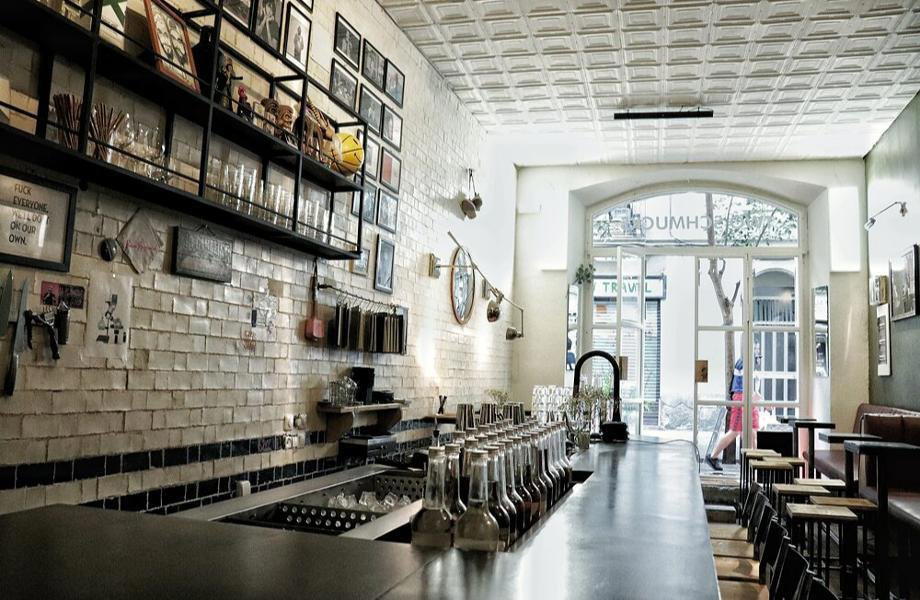
Energetic and lively atmosphere with a relaxed, welcoming vibe ideal for casual dining.