Ceviche Tempura
On the southwestern edge of Miami-Dade, Ceviche Tempura brings together the Peruvian-Japanese culinary tradition that has quietly reshaped Latin American cooking over the past four decades. The address puts it well outside the South Beach corridor, serving a neighborhood that often knows its dining options better than visitors do. For Miami's broader Nikkei dining scene, it occupies a position worth tracking.
Pearl is the En Primeur Club membership app — saves, bookings, and concierge access live there. Same editors, same standards.
- Address
- 13067 SW 112th St, Miami, FL 33186
- Phone
- +13052182238
- Website
- cevichetempura.com
- Directions
- Get directions
 Saves & bookings on Pearl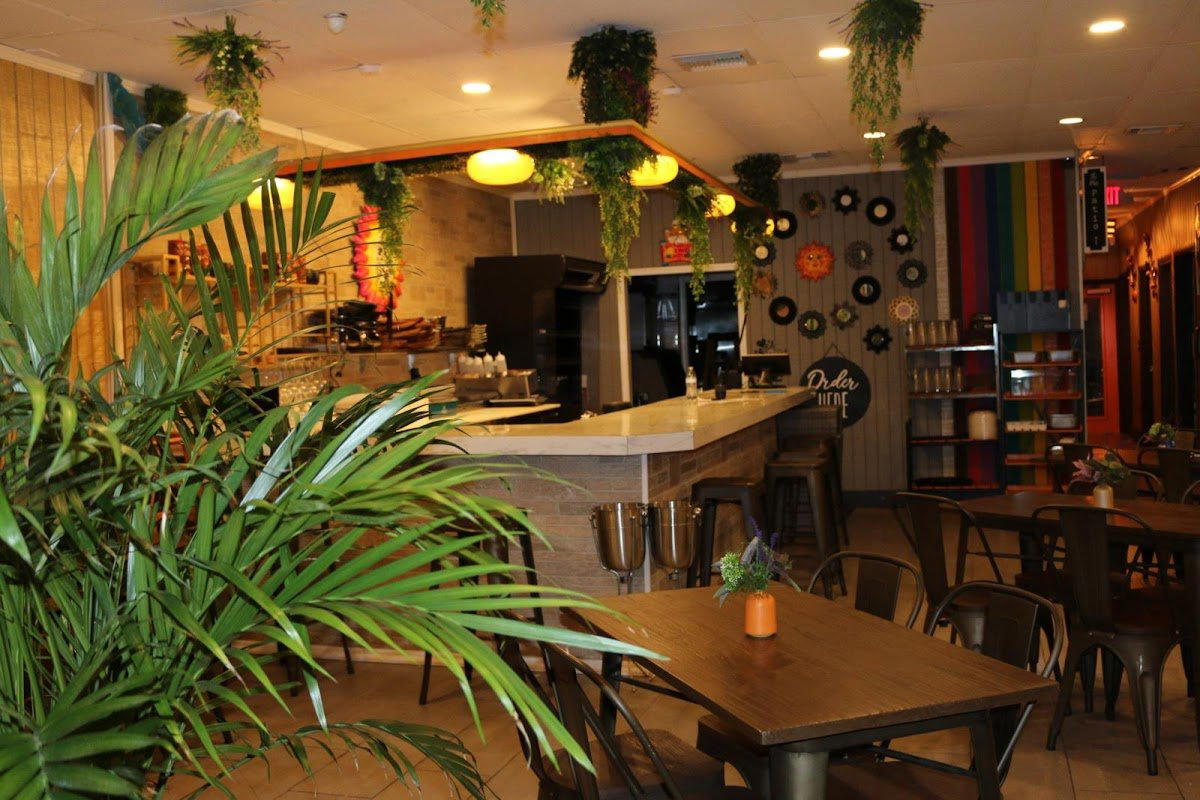
Where Miami's Nikkei Tradition Lands Outside the Spotlight
The southwestern reaches of Miami-Dade County — Kendall, Westchester, the sprawling residential grids below the Dolphin Expressway — rarely appear in the shortlist of neighborhoods that food media covers. The dining circuit that generates column inches runs through Wynwood, Brickell, the Design District, and the Beach. What that coverage pattern misses is a dense suburban restaurant culture built around immigrant communities with specific, historically grounded food traditions. Ceviche Tempura, at 13067 SW 112th Street, sits squarely in that overlooked geography.
The name itself is a compressed history lesson. Ceviche and tempura, placed together without explanation, signal the Nikkei tradition: the fusion of Peruvian and Japanese culinary practice that developed in Lima from the late nineteenth century onward, as Japanese immigrants adapted their techniques to the ingredients available on the Pacific coast of South America. The result was not a marketing concept but a genuine culinary hybrid, tiradito emerging from Japanese sashimi methods applied to Peruvian fish and citrus, tempura batter migrating into Peruvian kitchens and finding new applications. That tradition now has serious representation across major American cities, from dedicated Nikkei tasting menus to the Japanese-Peruvian influence visible at venues like ITAMAE in Miami's own Design District.
The Arc of a Nikkei Meal
Most useful way to think about Nikkei dining, and to understand what a restaurant like Ceviche Tempura is positioned to deliver, is as a progression rather than a menu of isolated dishes. The structure of a Nikkei meal tends to move from acid-forward raw preparations toward cooked, textured, and richer territory, tracking both Peruvian and Japanese logic simultaneously.
In the opening register, ceviche does the work that Japanese cuisine assigns to sashimi: raw protein, precise cut, immediate impact. The difference is in the marinade. Leche de tigre, the citrus, chili, and fish-juice liquid that cures the protein, brings acidity and heat that Japanese ponzu approximates but never quite replicates. Tiradito, a close cousin, drops the onion and extends the cut into longer slices that read more visually Japanese. These dishes ask for attention in the first minutes; they are designed to arrive cold and be eaten immediately.
From there, the Nikkei progression typically moves toward tempura, the Japanese frying technique applied to Peruvian ingredients, from seafood to local vegetables, and then toward heartier preparations: rice dishes influenced by both chaufa (Peruvian Chinese fried rice, itself a signal of how layered immigrant food history in Peru runs) and Japanese donburi formats. The meal builds toward warmth, fat, and weight, which is a structure Miami's climate actually suits: diners arrive from the heat and the kitchen takes them through a sequence that starts bright and acid-driven before settling into something more grounding.
This arc is precisely what distinguishes serious Nikkei cooking from the superficial version, where Japanese and Peruvian elements appear on the same menu without meaningful integration. The integration is the point. When the Miami dining conversation turns to multi-course sequencing and tasting progression, it usually names venues operating in the $$$$ tier, places like Ariete in Coconut Grove or Boia De in Little Haiti, where the format is explicit and the price reflects it. Nikkei dining at a neighborhood scale operates differently: the progression is embedded in the menu logic rather than announced as a tasting format, and the price point stays accessible to the surrounding community.
The Kendall-Southwest Miami Context
Southwest Miami-Dade has one of the highest concentrations of South American immigrant communities in the United States, with substantial Peruvian, Colombian, Venezuelan, and Bolivian populations. That demographic density supports a restaurant culture oriented toward authenticity and value rather than visibility. Venues in this corridor do not depend on food media coverage or tourist traffic; they depend on repeat customers who know what the dish is supposed to taste like.
That context matters for how Ceviche Tempura should be read. A restaurant with this name, at this address, is almost certainly calibrated to that community rather than to a downtown Miami clientele. The comparison set is not L'Atelier de Joël Robuchon Miami or Cote Miami in Brickell. It is the other Peruvian and Nikkei spots serving the same zip codes, where the quality standard is set by diners who grew up eating the food.
This is not a lesser tier of dining. Some of the most technically demanding food in any major American city exists in suburban immigrant restaurant corridors, where the customer base has zero tolerance for approximation. The same pattern holds in Los Angeles, Houston, Chicago, and New York. Miami's southwest quadrant follows it.
Nikkei in the Broader American Restaurant Picture
The Nikkei tradition has gained significant traction in American fine dining over the past decade. At one end of the spectrum, it informs the kaiseki-adjacent tasting menu format at places like Atomix in New York and the precision-driven progression at Smyth in Chicago. At the other, it lives in the neighborhood restaurants that have been cooking this way for thirty years without a press cycle. The critical conversation has caught up to the fine-dining expression of these traditions, with venues like Providence in Los Angeles and Le Bernardin in New York City demonstrating how Pacific-facing ingredient sourcing and Japanese technique can operate at the highest level of American seafood cooking.
What connects the neighborhood Nikkei spot to those reference points is the underlying logic of the cuisine: restraint with protein, acid as a structural element rather than a garnish, and a respect for the temperature and timing of each preparation. Those principles do not belong exclusively to the tasting menu format. They show up in a well-made ceviche at a formica-counter restaurant in Kendall just as clearly as they do in a $400 omakase in Midtown Manhattan.
For a full picture of where Miami's restaurant scene is moving, including the downtown and beachside venues that attract most of the international attention, see our full Miami restaurants guide. For other American restaurants where the tasting progression and multi-course sequencing define the experience, the range runs from The French Laundry in Napa and Blue Hill at Stone Barns in Tarrytown to Lazy Bear in San Francisco, Single Thread Farm in Healdsburg, Addison in San Diego, Emeril's in New Orleans, The Inn at Little Washington, and Atelier Moessmer Norbert Niederkofler in Brunico for an international point of comparison.
Know Before You Go
- Address: 13067 SW 112th St, Miami, FL 33186
- Neighborhood: Kendall / Southwest Miami-Dade
- Getting There: Car or rideshare is the practical option from central Miami; public transit access to this address is limited
- Hours: Not confirmed; verify before visiting
- Price Range: Not confirmed; southwest Miami-Dade neighborhood restaurants in this category typically run $15–$35 per person before drinks
At a Glance
- Lively
- Casual
- Family
- Group Dining
- Casual Hangout
- Date Night
- Standalone
- Beer Program
Current opening hours
- Monday
- 12–10 PM
- Tuesday
- 11 AM–10 PM
- Wednesday
- 11 AM–10 PM
- Thursday
- 11 AM–10 PM
- Friday
- 11 AM–10 PM
- Saturday
- 11 AM–10 PM
- Sunday
- 12–9 PM
Hours can change for holidays and private events. Last verified .
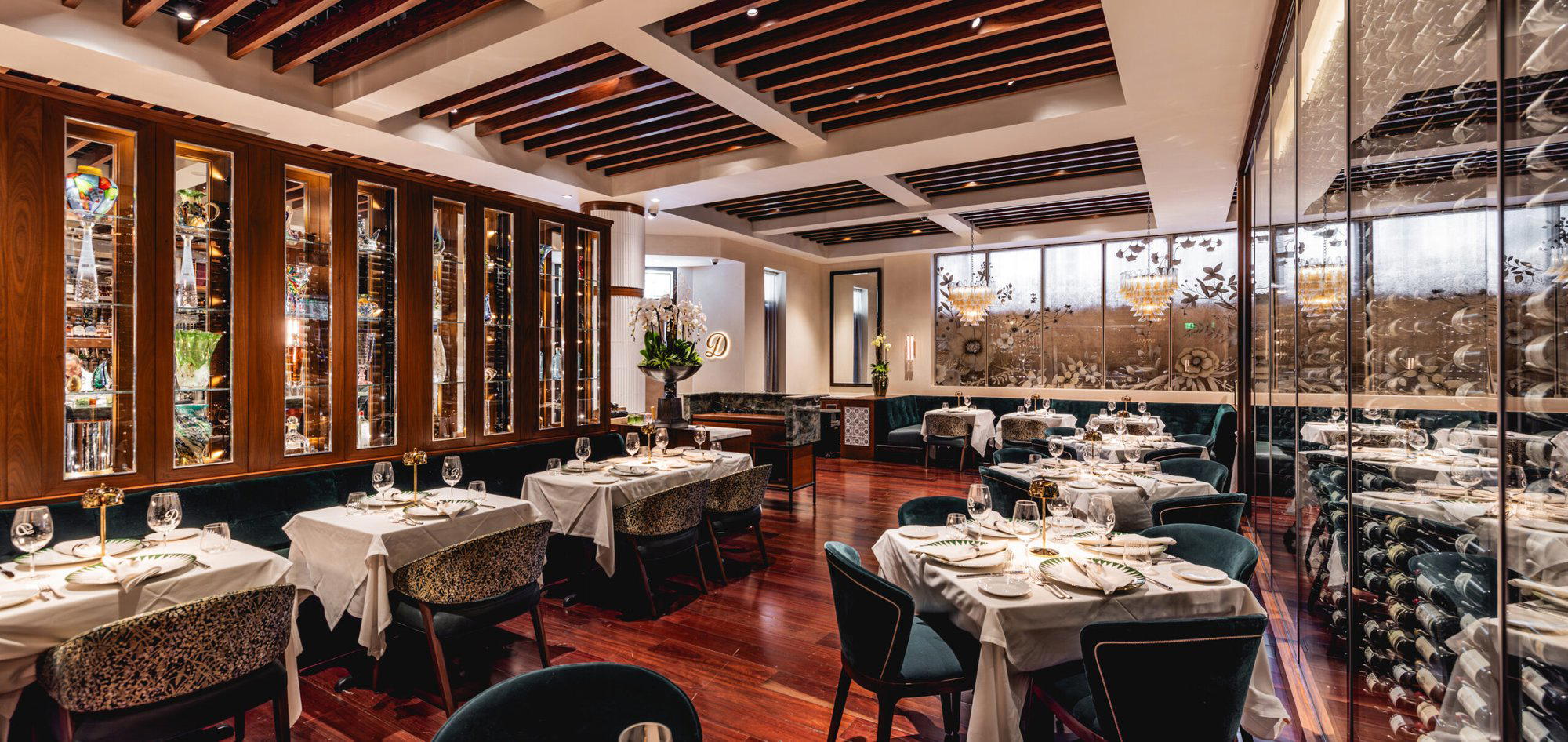
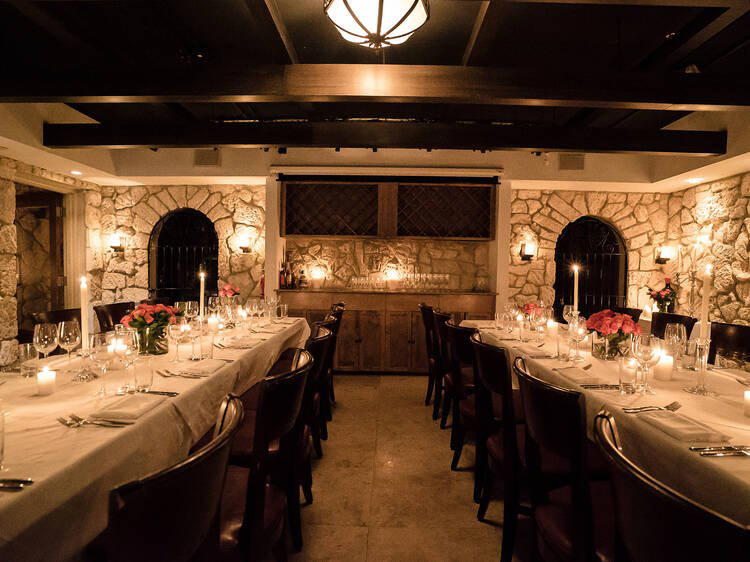
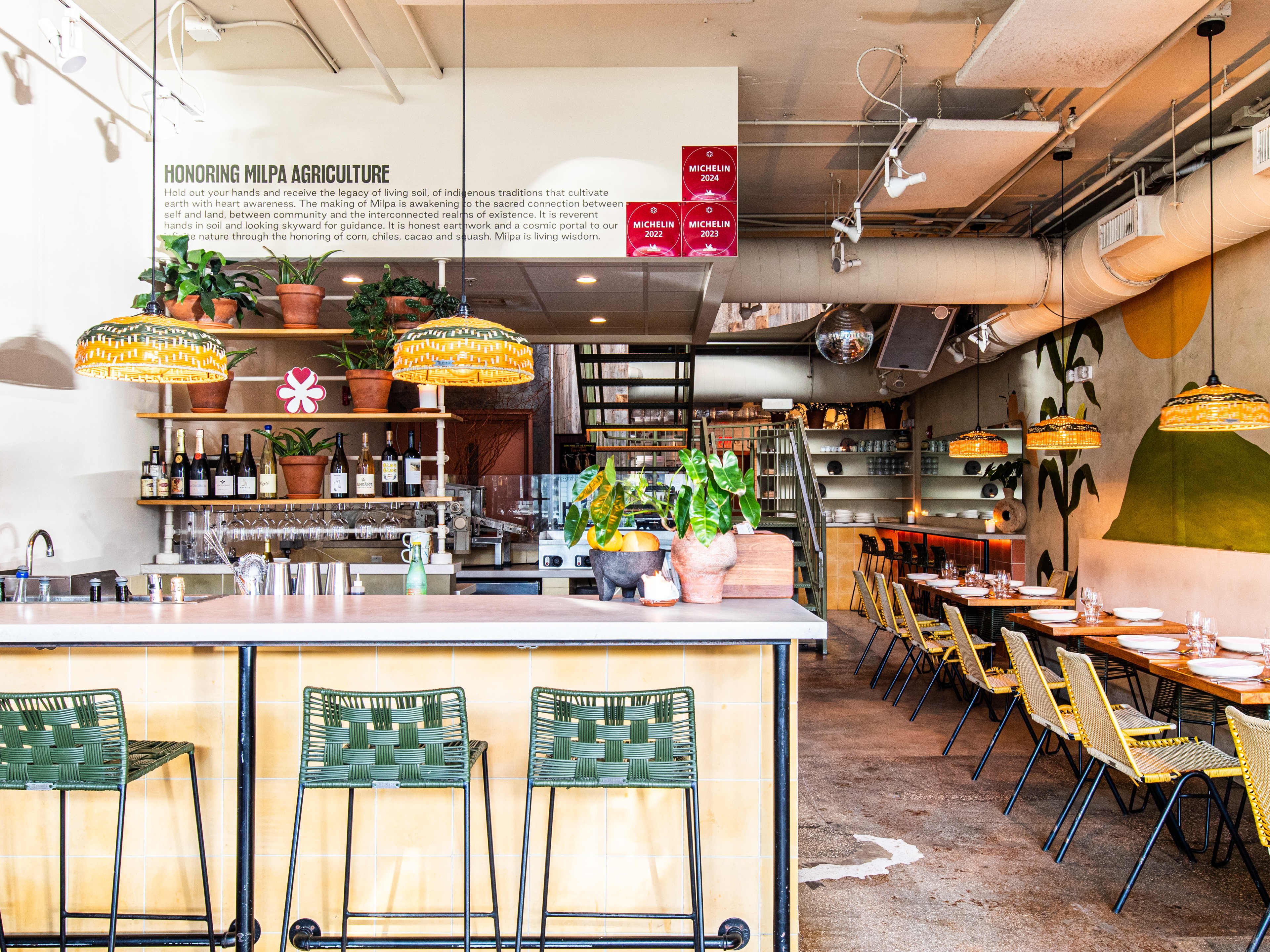
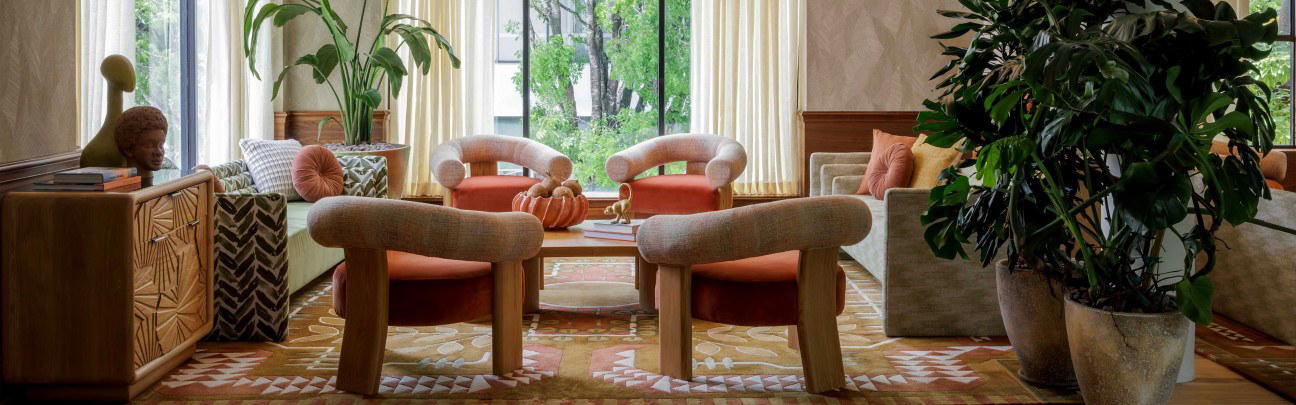
Casual, energetic dining space with warm hospitality; described as small but lively with attentive service staff.
Know Before You Go
- Getting there
- 13067 SW 112th St, Miami, FL 33186