Borondo
Borondo brings Colombian cooking into Miami’s broader Latin dining conversation, where corn, masa, arepas and regional memory matter as much as polish. The draw is not a generic Pan-Latin gloss but the specificity of Colombian cuisine in a city better known for Cuban, Peruvian and Venezuelan reference points.

Pearl is the En Primeur Club membership app — saves, bookings, and concierge access live there. Same editors, same standards.
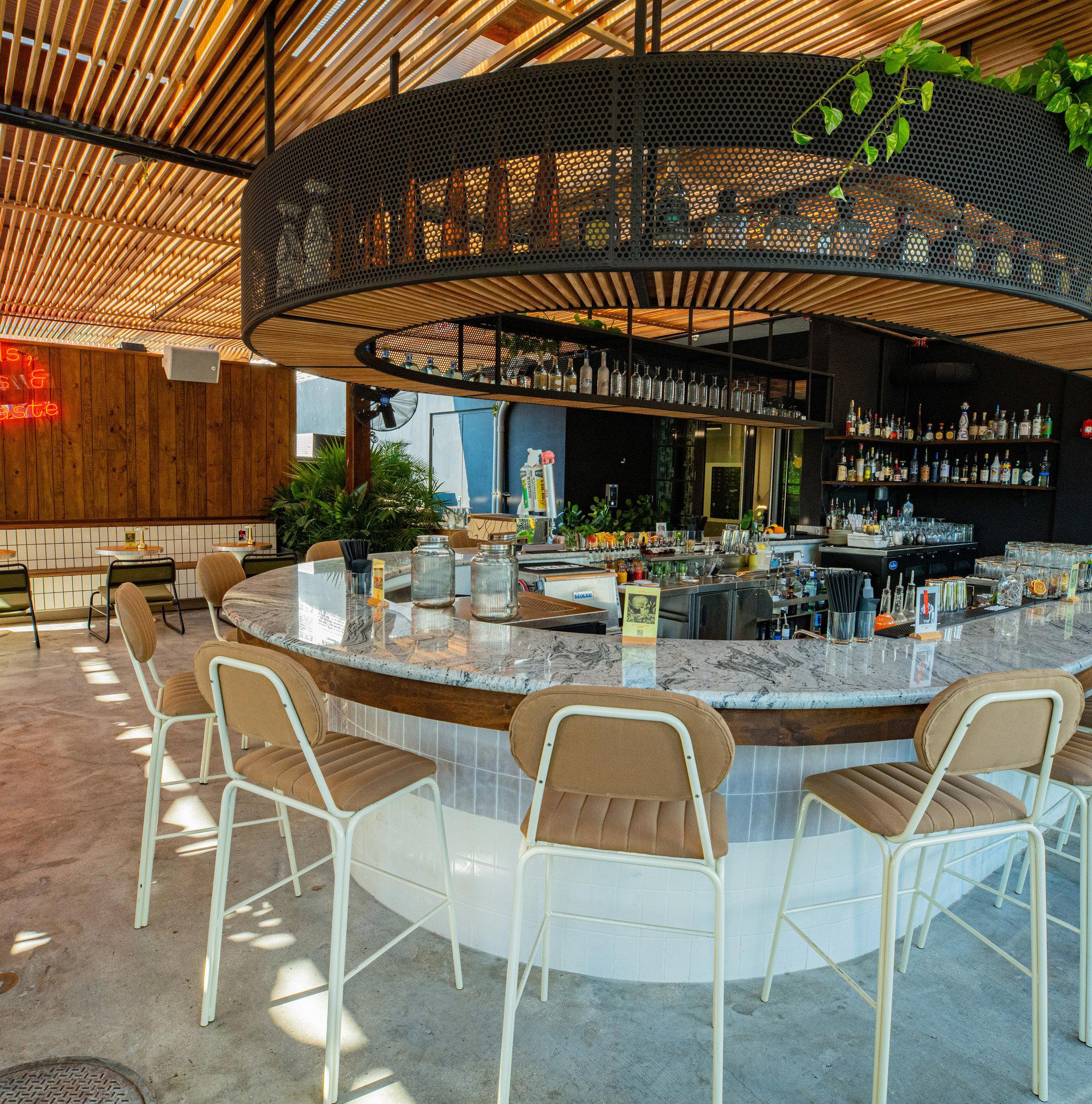
Miami’s Latin dining rhythm is easy to hear before a plate arrives: Spanish at the next table, salsa or reggaeton somewhere in the room, the smell of griddled corn moving through a space with the same authority as coffee. Colombian cooking belongs naturally in that register, but it is often flattened outside Colombia into arepas, empanadas and a few familiar comfort dishes. Borondo is useful because it points the conversation back to corn as structure, not garnish.
That matters in Miami, a city where Latin American food is often grouped by mood rather than technique. Cuban bread, Venezuelan arepas, Mexican masa, Peruvian corn and Colombian arepas all share a pantry logic, but they do not behave the same way. Colombian corn culture moves through regional arepas, envueltos, tamales, mazamorra and street snacks, with texture doing much of the storytelling. A serious Colombian table in Miami should make a diner think about grind, hydration, heat and the difference between corn as staple and corn as nostalgia.
Colombian corn culture gives the room its argument
The strongest way to read Borondo is through masa. Colombian cuisine is not built around a single national tortilla tradition in the Mexican sense; it is more fragmented, regional and domestic. Arepas shift from thin and crisp-edged to thicker, cheese-filled, sweet, pale, yellow, griddled or fried depending on where the reference point sits. That range gives Colombian restaurants a different burden in the United States: they have to translate without reducing the cuisine to a snack format.
Miami is a demanding city for that kind of translation. Diners already know how to compare a corn cake, a fritter, a sandwich and a stew across Latin American traditions, even if they would not phrase it that way. The Colombian category therefore has to be specific. Borondo’s Colombian identity places it in a narrower lane than the city’s broader Latin restaurants, and that specificity is the reason to pay attention. The question is not whether Colombian food can be comforting; it is whether a Miami restaurant can show the grain, dairy, meat and sauce logic that makes the cuisine distinct.
Nixtamalization often dominates English-language conversation about masa because Mexican food has shaped the vocabulary. Colombia’s corn traditions do not need to imitate that frame to be serious. Their importance lies in repetition: the everyday arepa, the corn-based breakfast, the fritter at a family gathering, the starch that anchors meat or beans rather than decorating them. In that sense, Borondo sits inside a wider correction now happening across American dining, where regional Latin cuisines are being read less as casual ethnic categories and more as systems with technique, memory and hierarchy.
Miami's Latin dining map is broad, but Colombian specificity is still a narrower lane
Within Miami, Colombian cooking has to compete for attention in a city already fluent in Latin American dining. Cuban restaurants define daily habits; Peruvian kitchens command seafood and sauce conversations; Venezuelan arepa counters have helped sharpen the city’s appetite for corn-based handhelds. Colombian restaurants need a different editorial claim. They are strongest when they resist the anonymous Pan-Latin middle and lean into dishes that carry regional identity, family-table repetition and street-food immediacy.
That is where Borondo has a clear role. The cuisine type alone gives the venue a sharper signal than a generic Latin American listing, and in Miami that signal matters. Colombian restaurants outside Colombia often act as gathering places first and critical dining rooms second, but the category deserves both readings. A good Colombian meal can be judged by the same standards applied elsewhere: balance of starch and fat, control of frying, freshness of sauces, seasoning in beans and broths, and whether corn arrives as a living foundation rather than a neutral carrier.
For a different Colombian register in the same city, El Cielo and Elcielo Miami show how Colombian references can move into a more formal dining grammar, while Borondo belongs to the broader question of how the cuisine reads when corn and comfort carry the argument.
How to think about the meal
The smart order at a Colombian restaurant starts with structure rather than appetite alone. Look first for the corn-based items, then for the dishes that show how the kitchen handles beans, rice, plantain, sauces and slow-cooked proteins. This is not a cuisine that needs theatrical plating to make its case. Its authority comes from the way starch, fat and acid are arranged, and from whether familiar dishes retain the directness that made them travel in the first place.
Miami diners with a broader curiosity about Latin and immigrant cooking can build a useful cross-country reading list from EP Club’s archive: Andres Carne de Res, Colombian in Cartagena and Carmen, Colombian in Medellín frame the cuisine from inside Colombia, while ¿Por Qué No? in Portland and 1-800-Lucky show how casual formats can become city habits. Other American examples, from Jōdo Saké Bar in Los Angeles to Onigiri Time in Pasadena, 'Ai Love Nalo in Waimanalo Beach, 'āina in San Francisco and 'Ama 'Ama in Kapolei, are reminders that regional food travels well when technique is not stripped away. In Miami, even seemingly distant addresses such as 'O Munaciello Coral Way and 100 Montaditos help show the city’s appetite for compact, identity-led formats.
The verdict is simple: Borondo is worth reading through the Colombian pantry rather than through the generic promise of Latin comfort food. Corn is the anchor, Miami is the amplifier, and the useful diner comes prepared to notice texture, regional cues and the difference between a cuisine being represented and a cuisine being simplified.
Reputation & Price
Comparable venues nearby, for context on price, style, and recognition.
| Venue | Cuisine | Price | Notes |
|---|---|---|---|
| BorondoThis venue — the venue you are viewing | Not listed | Not listed | Not listed |
| CalaMillor | Ludlum, Modern Spanish Cuisine | $$ | Not listed |
| Mykonos | Coral Way, Authentic Greek Mediterranean | $$ | Not listed |
| Burgermeister - Brickell | Brickell, American Burgers | $$ | Not listed |
| Rincon Escondido Tapas & Restaurant | Not listed | $$ | Edgewater, Spanish Tapas with Argentine Flair |
| Samurai | Suniland, Japanese Teppanyaki Steakhouse | $$ | Not listed |


At a Glance
- Energetic
- Lively
- Trendy
- Late Night
- Group Dining
- Celebration
- Casual Hangout
- Date Night
- Live Music
- Standalone
- Craft Cocktails
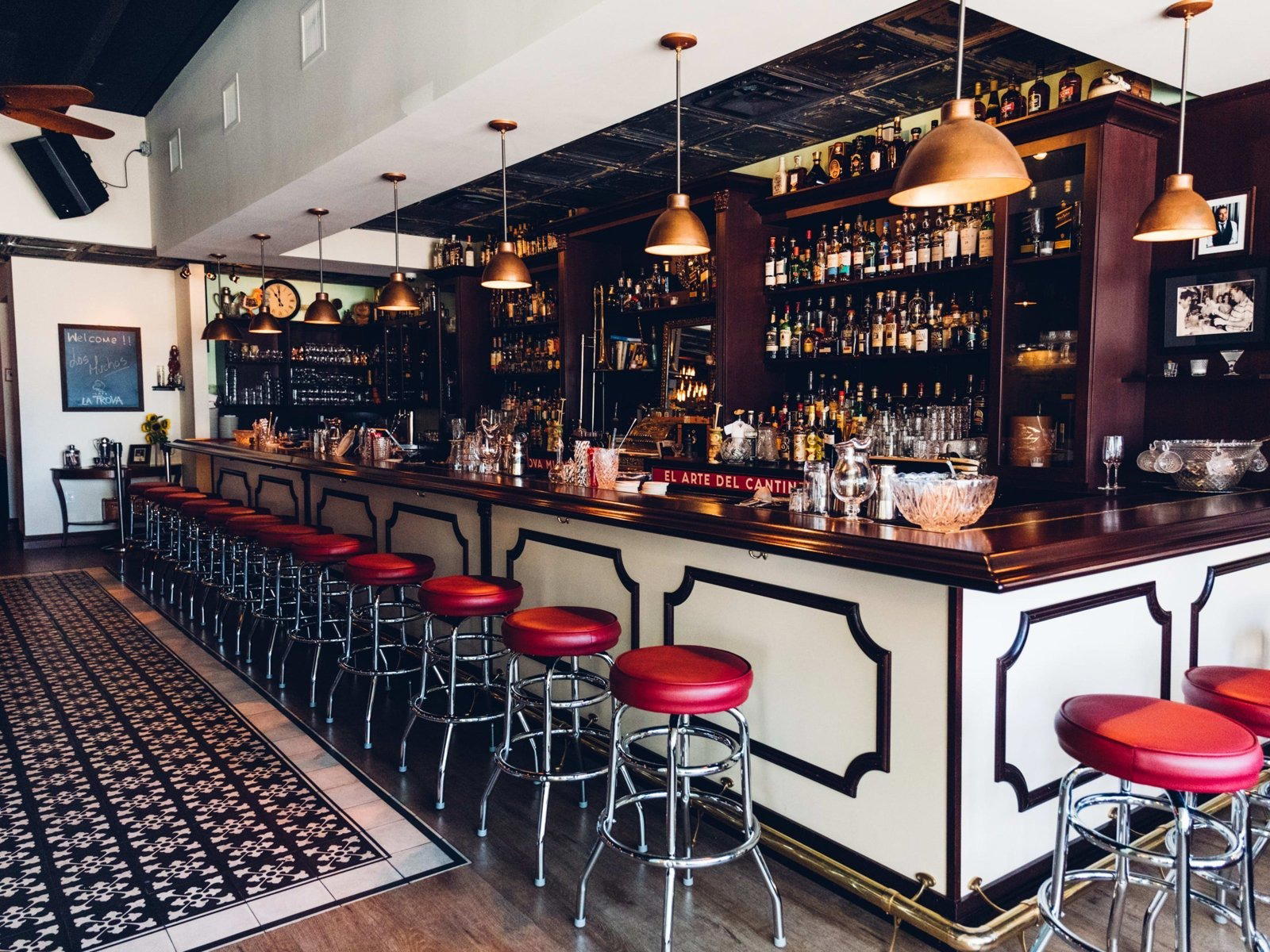
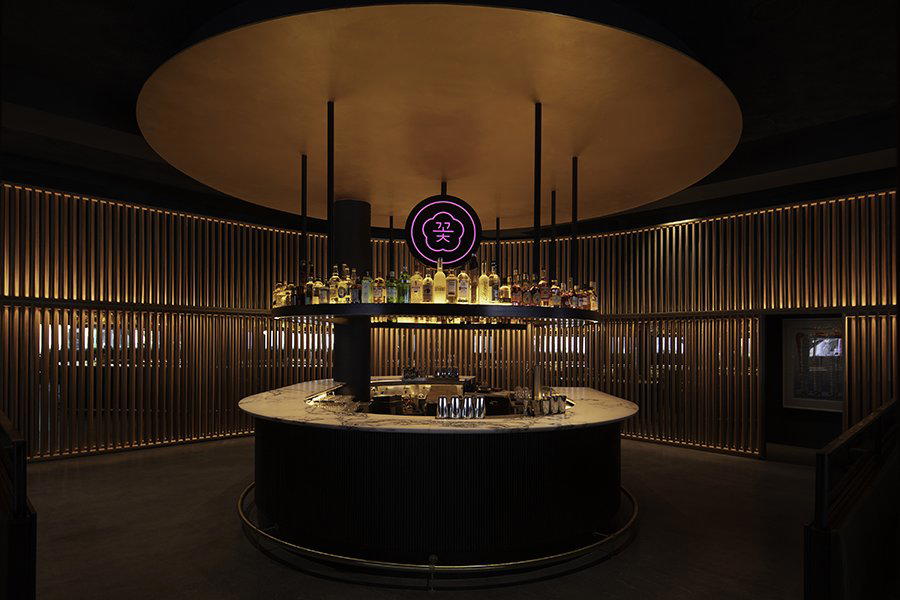
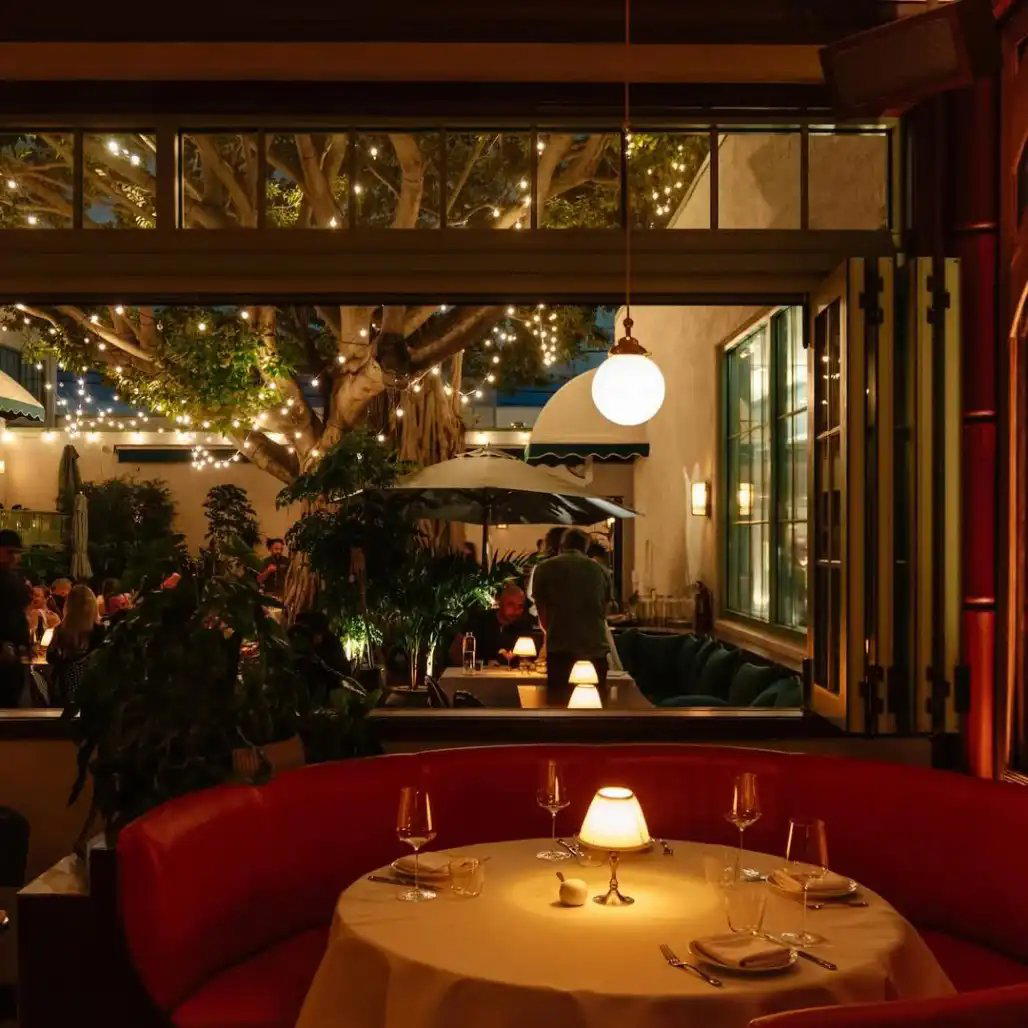
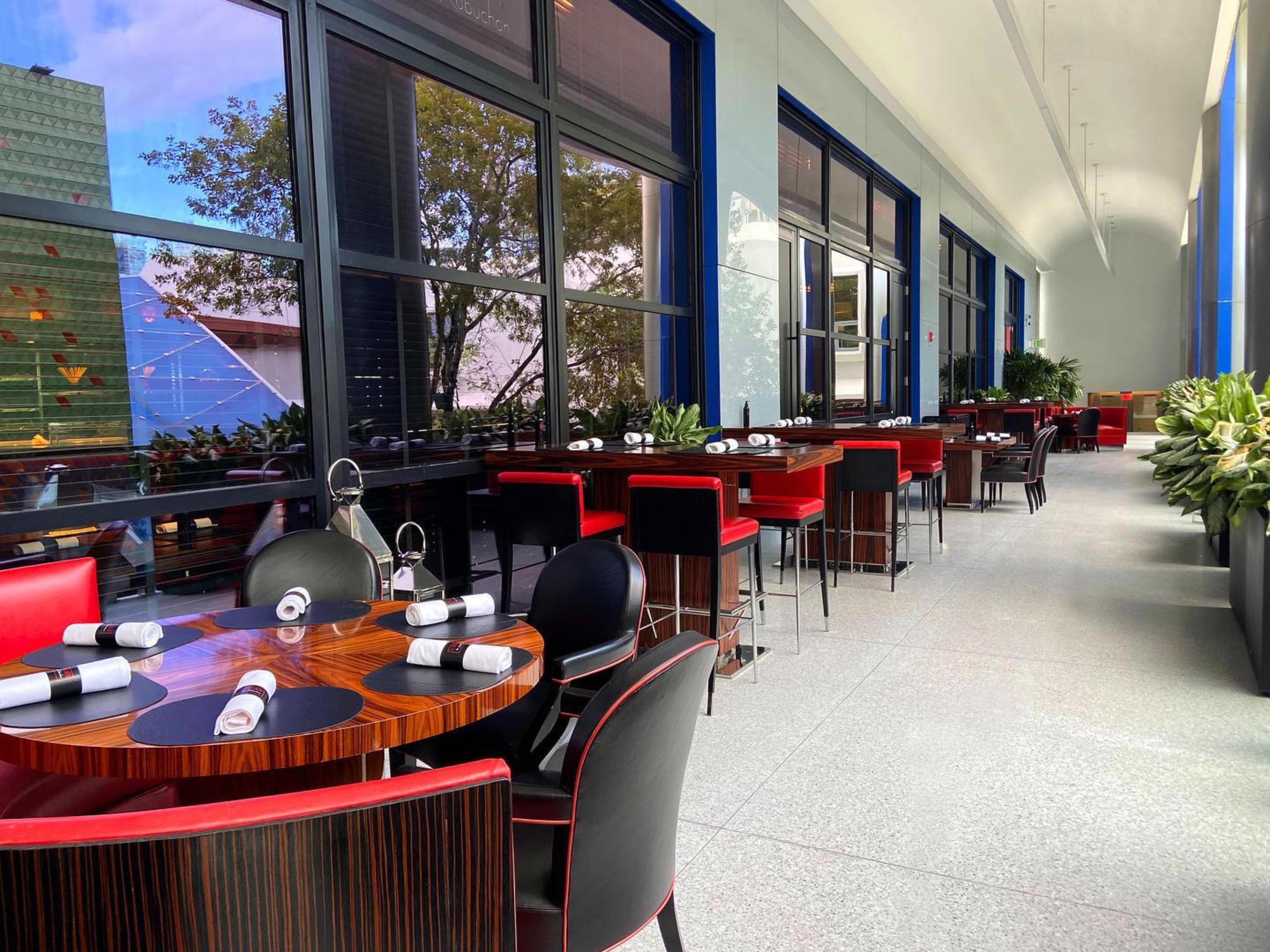
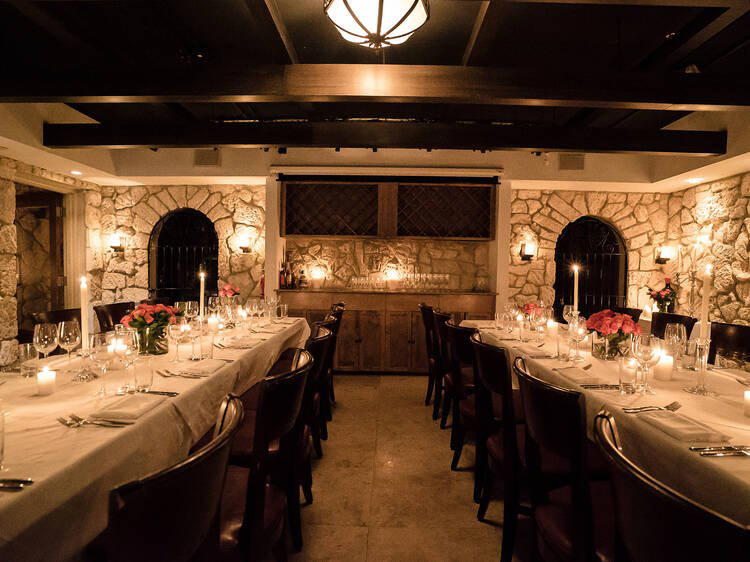
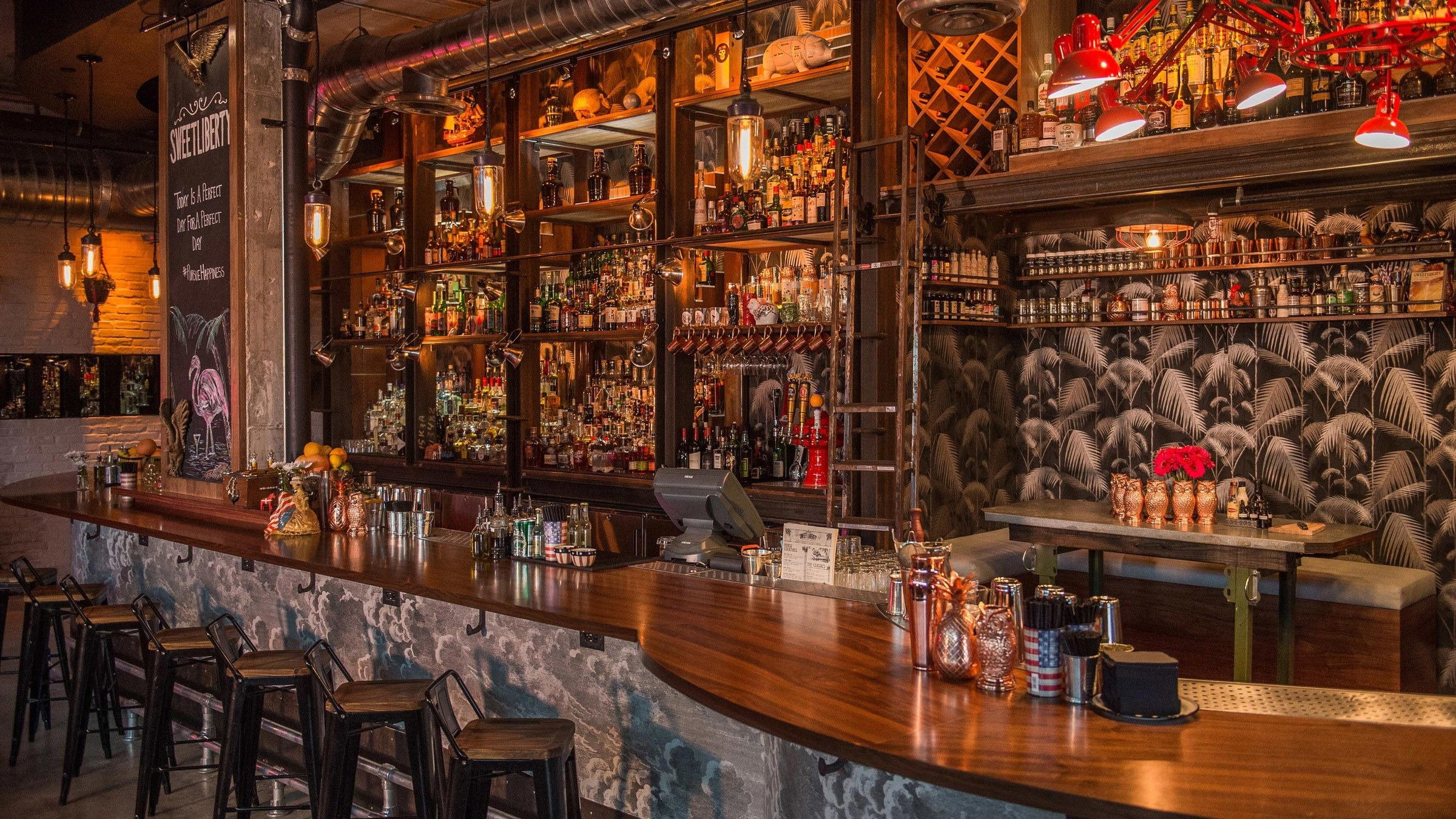
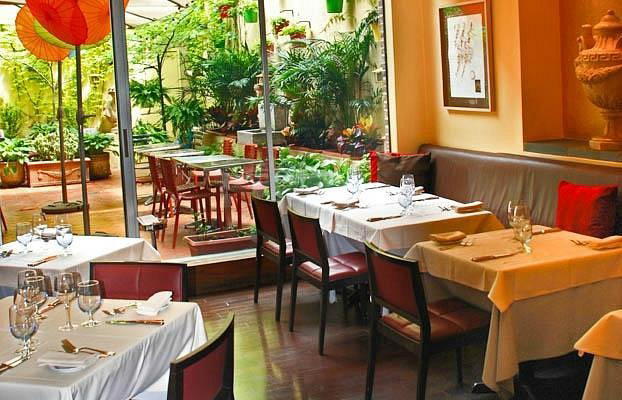
High-energy Latin nightlife atmosphere with loud music, dancing, and a party-focused lounge vibe geared to late-night crowds rather than sit-down dining.