
Cento sits on Sala Daeng in Bangkok's Bang Rak district, earning a White Star recognition from Star Wine List in April 2025, a signal of a serious wine program in a city increasingly attentive to the glass as well as the plate. The address places it within walking distance of Silom's established fine-dining corridor, where the competition for table and cellar is considerable.
Pearl is the En Primeur Club membership app — saves, bookings, and concierge access live there. Same editors, same standards.
- Address
- 120 Sala Daeng 1/1, Si Lom, Bang Rak, Bangkok 10500, Thailand
- Phone
- +66 94 567 7779
- Website
- centobangkok.com
- Directions
- Get directions
 Saves & bookings on Pearl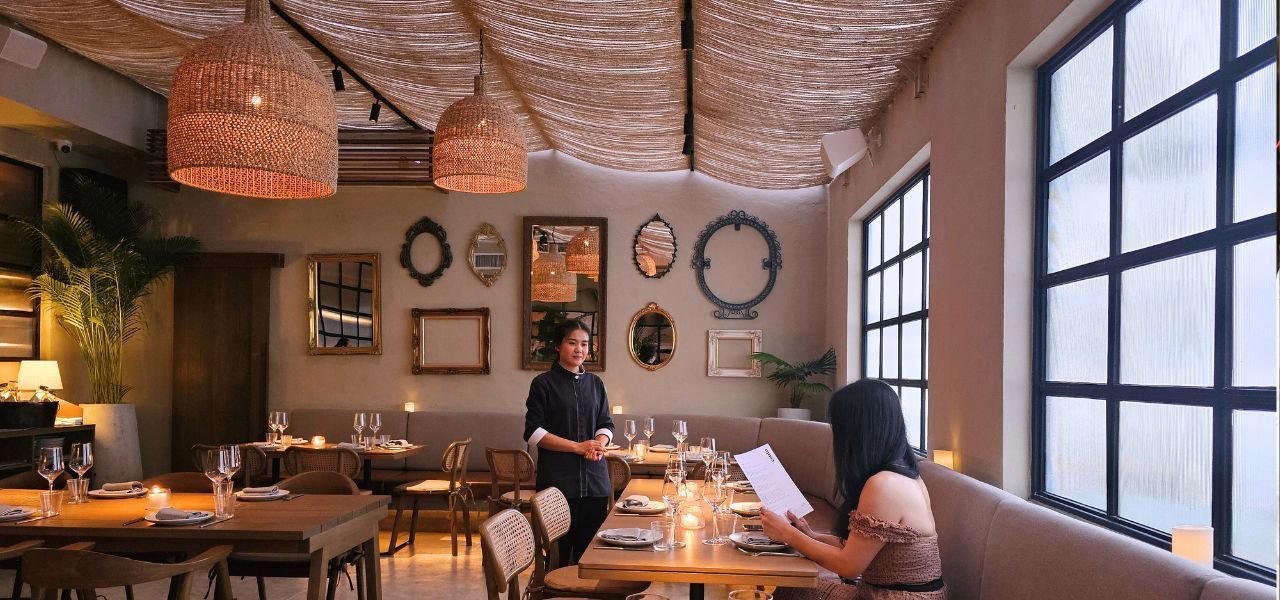
Wine in the Room: Bangkok's Evolving Fine-Dining Standard
Cento is a modern Italian trattoria in Bangkok, Thailand. Cento, at 120 Sala Daeng 1/1, operates in that space.
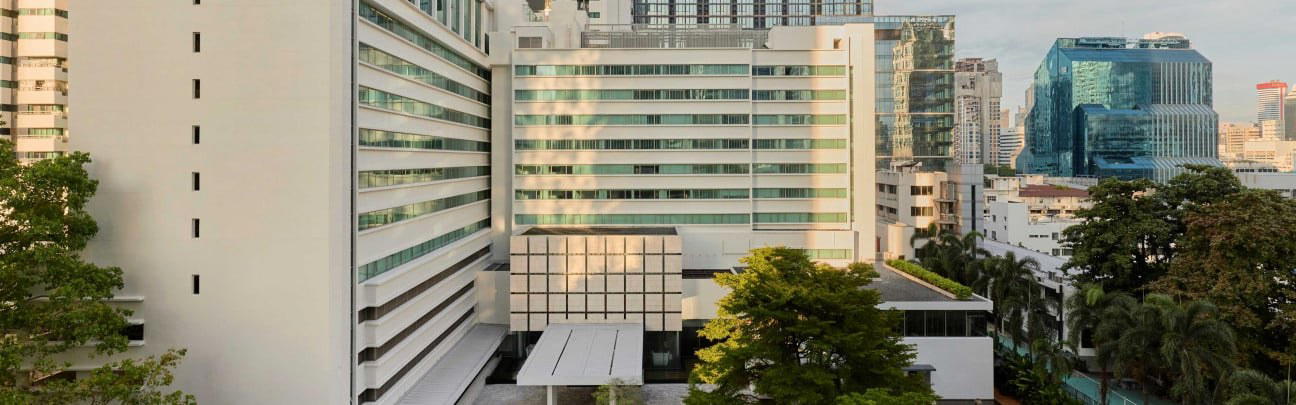
The Sala Daeng address is precise in what it signals. The soi connects Silom Road to the edge of Lumpini Park, placing Cento a short walk from the BTS station and within the same few blocks as a concentration of long-running hospitality businesses. Arriving on foot from the station, the density of the neighbourhood is apparent, shophouses, mid-century apartment blocks, and the occasional purpose-built restaurant building compressed into a stretch that feels more workaday than aspirational.
The White Star Signal
In April 2025, Cento was listed on Star Wine List and awarded a White Star. The Star Wine List recognition system is built specifically around wine program quality, and a White Star at the entry tier indicates a list that meets a defined curatorial standard rather than simply offering volume. In Bangkok, where several of the city's most discussed restaurants, Sühring (German) and Gaa (Modern Indian) among them, have built reputations that integrate serious wine service with their kitchen programs, receiving any Star Wine List designation places a restaurant in a specific conversation. It is a credential that speaks to list construction, producer selection, and service depth rather than to cellar scale alone.
For a Bangkok audience that has grown accustomed to evaluating restaurants across both food and beverage axes, that distinction matters. The city's wine market has matured considerably, and restaurants that invest in coherent wine programs attract a repeat clientele. A White Star, in that context, functions as a shorthand for the kind of list that rewards deliberate ordering rather than defaulting to whatever is familiar.
Italian and the Bangkok Context
Italian cuisine in Bangkok occupies an interesting position in the city's restaurant culture. Unlike Japanese, which carries deep local enthusiasm and a well-developed critical vocabulary, or Thai itself in its contemporary fine-dining forms, Italian often struggles to resolve the tension between imported authenticity and local adaptation. The ingredients that anchor Italian cooking, specific regional cheeses, cured meats, particular olive oils, arrive in Bangkok at cost and at quality compromises imposed by transit and import regulation. The restaurants that navigate this honestly tend to build around what travels well: pasta technique, wine-friendly simplicity, and a kitchen logic that prizes restraint over elaboration.
Cento's wine program is central to the proposition. That is consistent with how Italian restaurants at a certain level tend to operate globally: the list is not an afterthought to the food but a co-equal reason to be there. The same logic applies at Cento.
Bangkok's Wider Fine-Dining Reach
Silom is one node in a Bangkok dining scene that has expanded far beyond the central districts. Elsewhere in Thailand, Aeeen in Chiang Mai, Agave in Ubon Ratchathani, and The Spa in Lamai Beach reflect how far the country's hospitality ambitions now extend geographically. Even historically rich food cities like Ayutthaya, home to Nai Khlong Boat Noodles in Phra Nakhon Si Ayutthaya, are drawing the kind of attention that used to stop at the capital's ring road.
Within Bangkok specifically, the competitive set for a wine-forward restaurant at Sala Daeng is both geographically tight and diverse in its ambitions. Silom rewards visitors who approach it with some prior knowledge of what each address is actually doing, rather than treating the whole corridor as interchangeable.
Planning Your Visit
Cento is located at 120 Sala Daeng 1/1 in the Si Lom subdistrict of Bang Rak. The BTS Sala Daeng station and MRT Silom station both place you within a few minutes' walk. Given the White Star wine recognition and the density of competition in the neighbourhood, this is not a casual walk-in address during peak dining hours, Thursday through Saturday evenings in particular see high demand across the Silom corridor. Reservations are essential.
Cost and Credentials
Comparable venues nearby, for context on price, style, and recognition.
| Venue | Cuisine | Price | Awards | Notes |
|---|---|---|---|---|
| CentoThis venue — the venue you are viewing | Si Lom, Modern Italian Trattoria | $$$ | Not listed | Not listed |
| Salvia | Not listed | $$$ | Not listed | Siam Square, Italian Osteria with Wood-Fired Pizza and Handmade Pasta |
| Di Vino | Watthana Khwaeng, Authentic Italian | $$ | Not listed | Not listed |
| Riva del Fiume | Klong San, Modern Italian | $$$ | Michelin Plate | Not listed |
| Biscotti | Not listed | $$$ | Not listed | Siam Square, Authentic Italian Fine Dining |
| L'Oliva Ristorante Italiano & Wine Bar | Khlong Tan, Authentic Abruzzese Italian | $$$ | Not listed | Not listed |
Recognition history
Dated appearances from independent guides and award organizations, with the underlying list record or original source where available.
Star Wine List
Star Wine List
At a Glance
- Elegant
- Intimate
- Cozy
- Sophisticated
- Romantic
- Date Night
- Celebration
- Special Occasion
- Group Dining
- Standalone
- Design Destination
- Open Kitchen
- Extensive Wine List
- Craft Cocktails
- Sommelier Led
- Local Sourcing
Current opening hours
- Monday
- 5:30 PM–12 AM
- Tuesday
- 5:30 PM–12 AM
- Wednesday
- 5:30 PM–12 AM
- Thursday
- 5:30 PM–12 AM
- Friday
- 5:30 PM–12 AM
- Saturday
- 5:30 PM–12 AM
- Sunday
- 5:30 PM–12 AM
Hours can change for holidays and private events. Last verified .
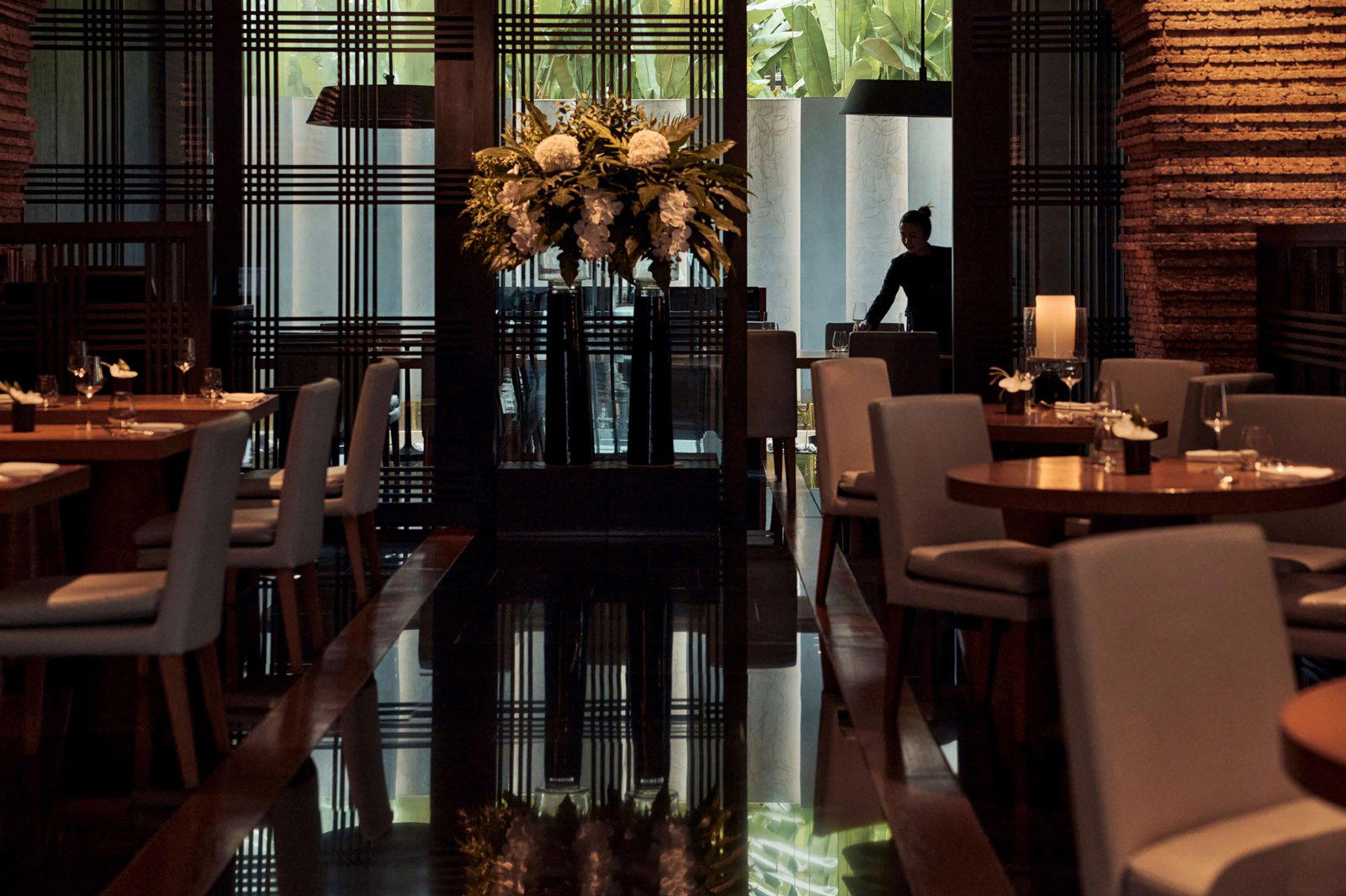
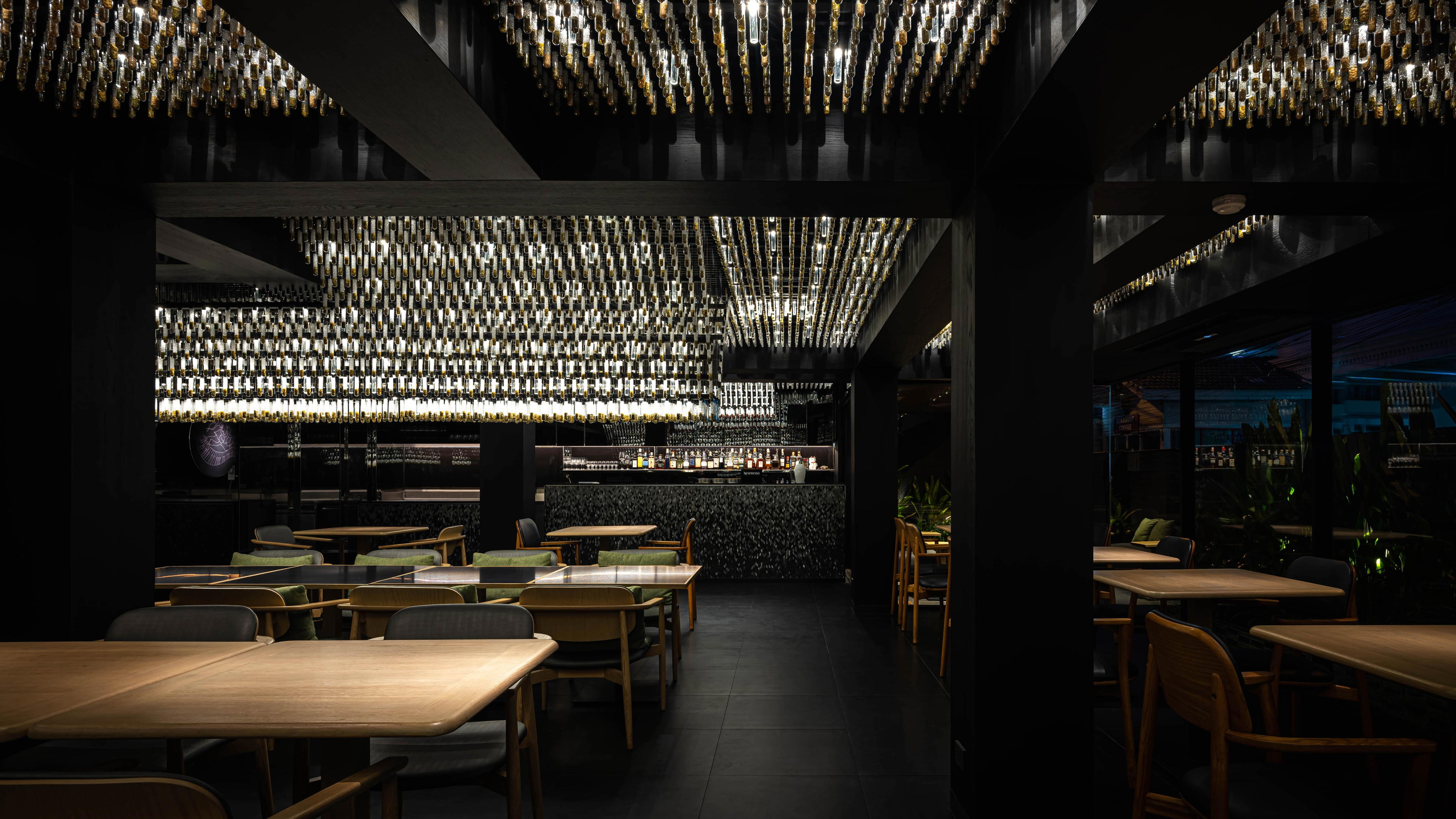
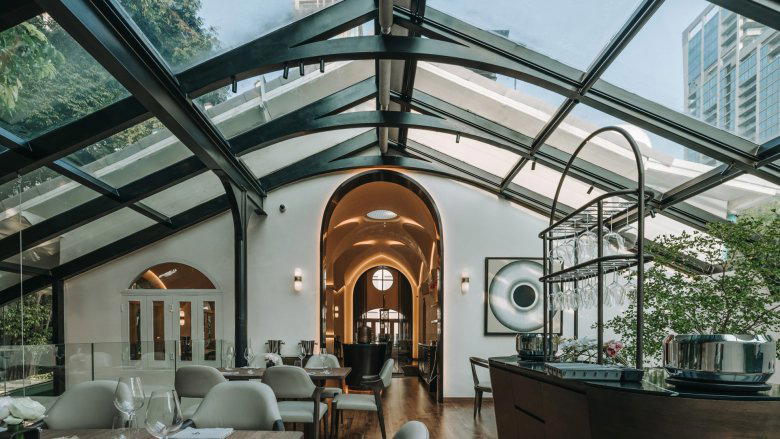
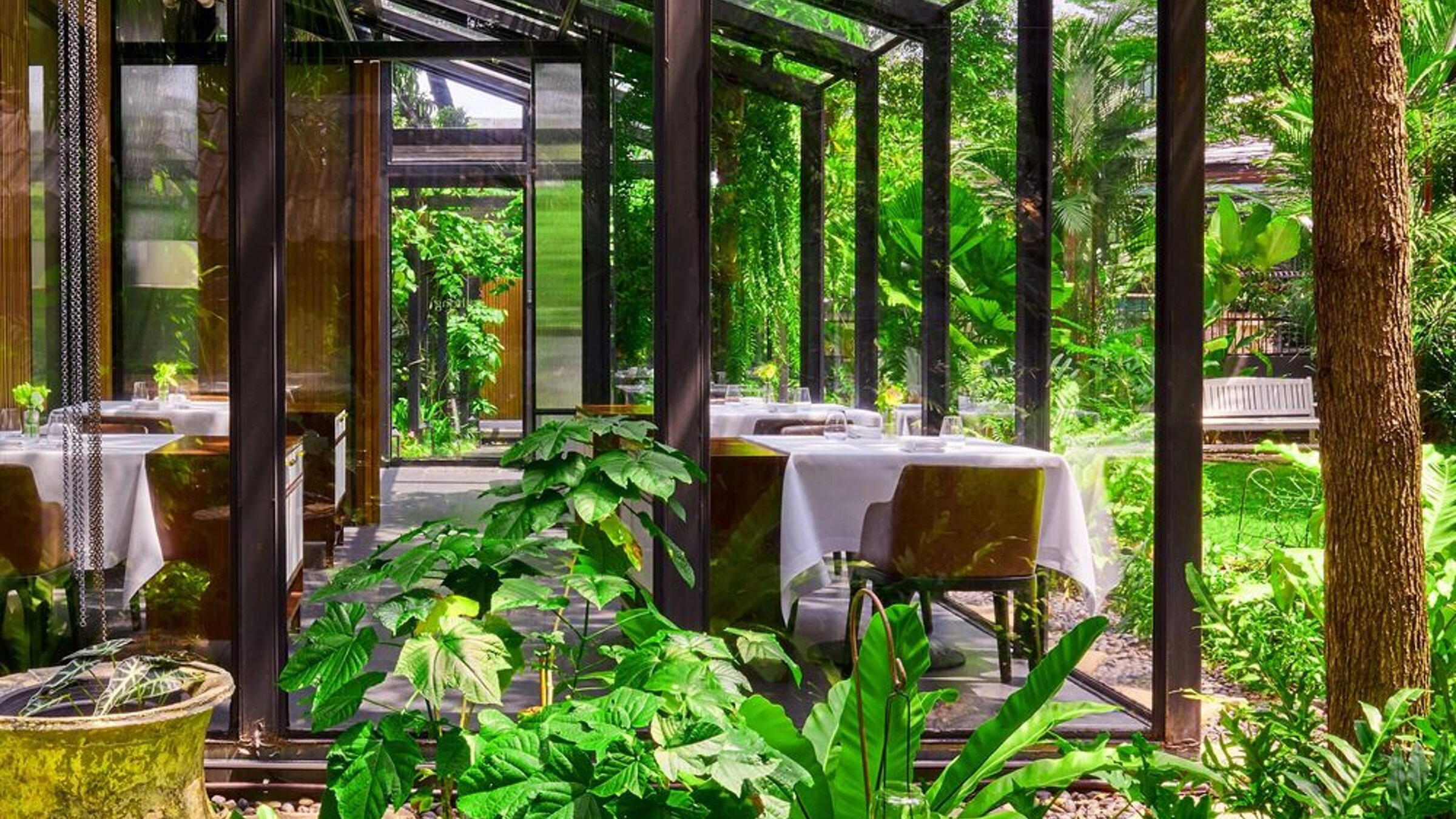
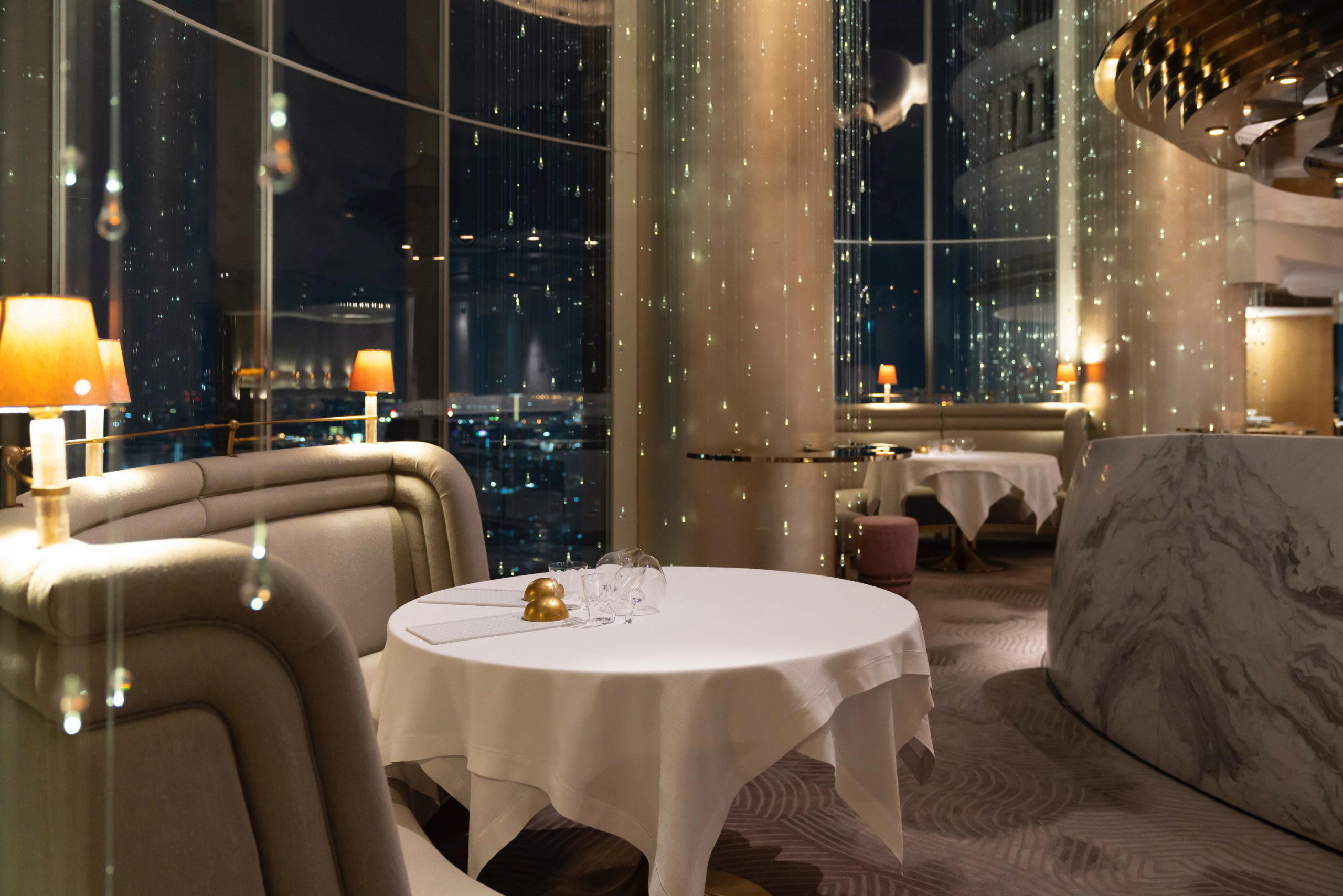
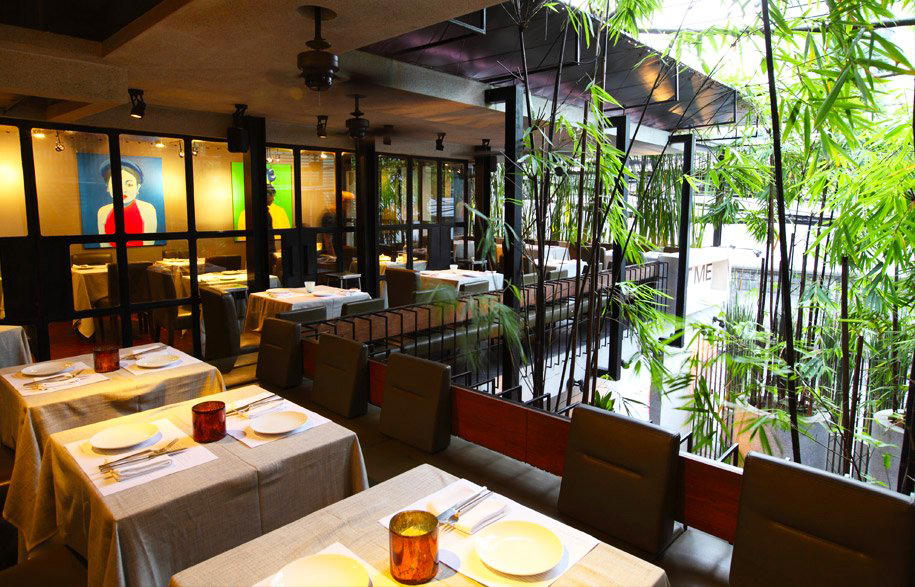
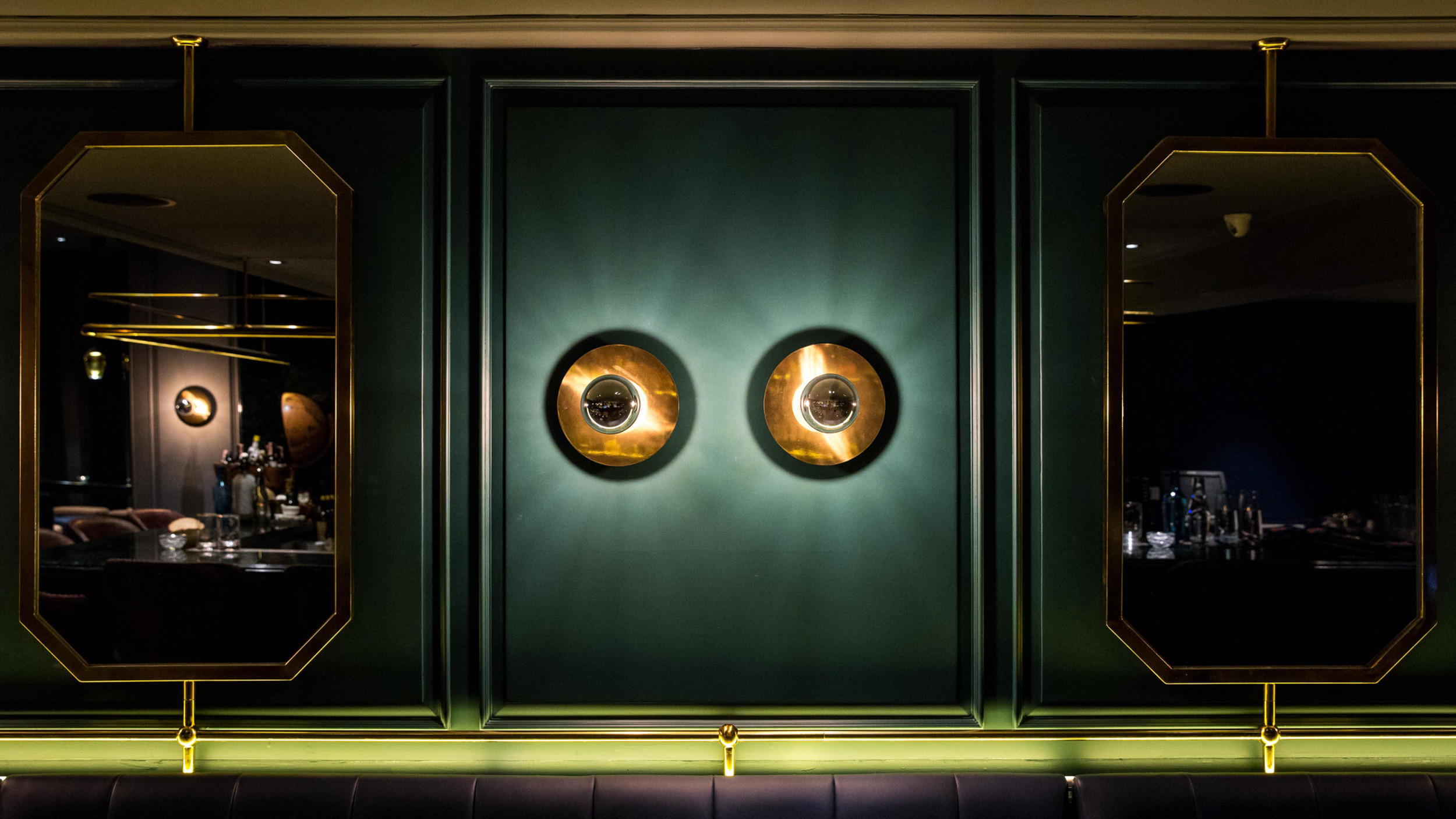
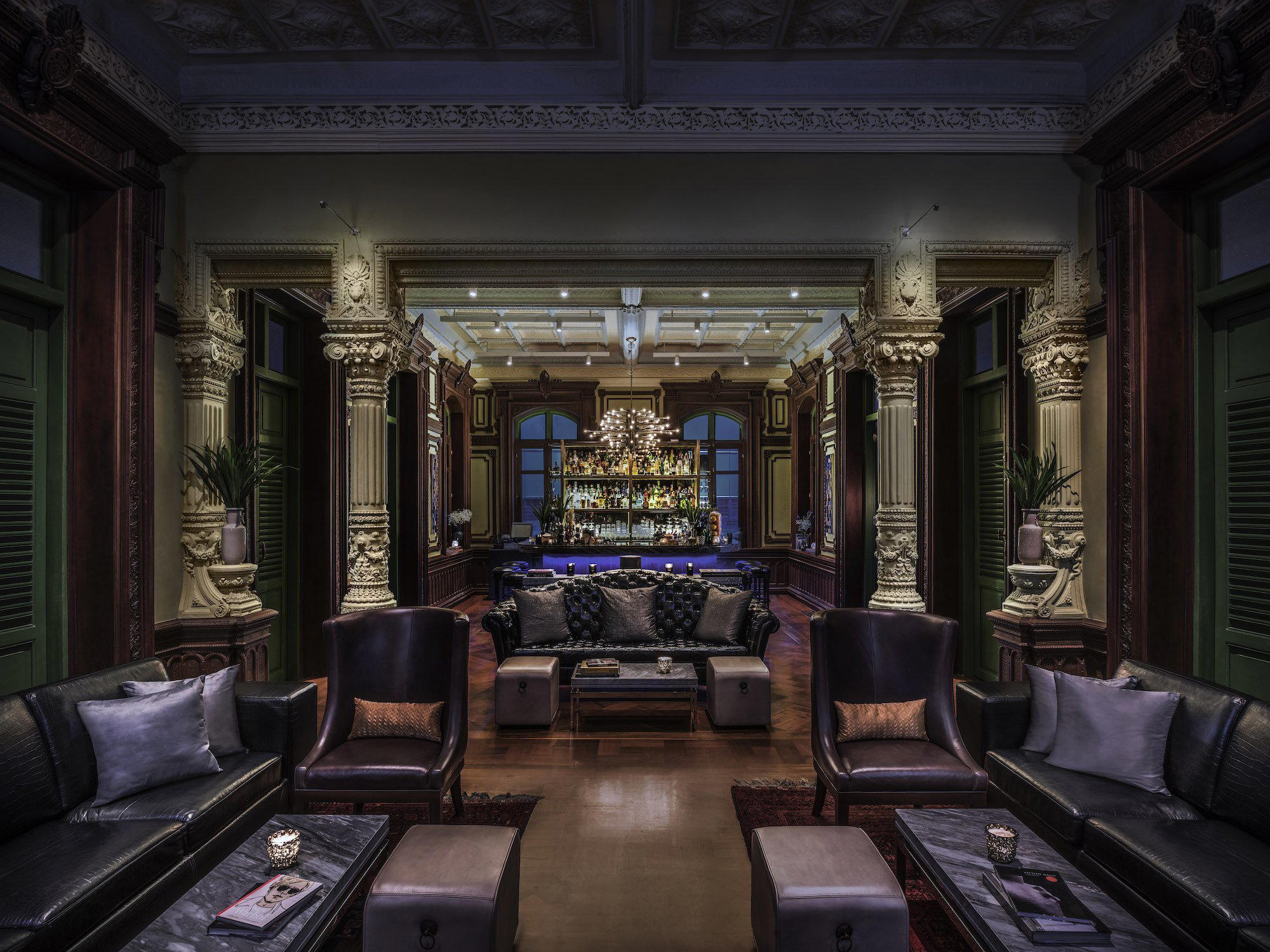
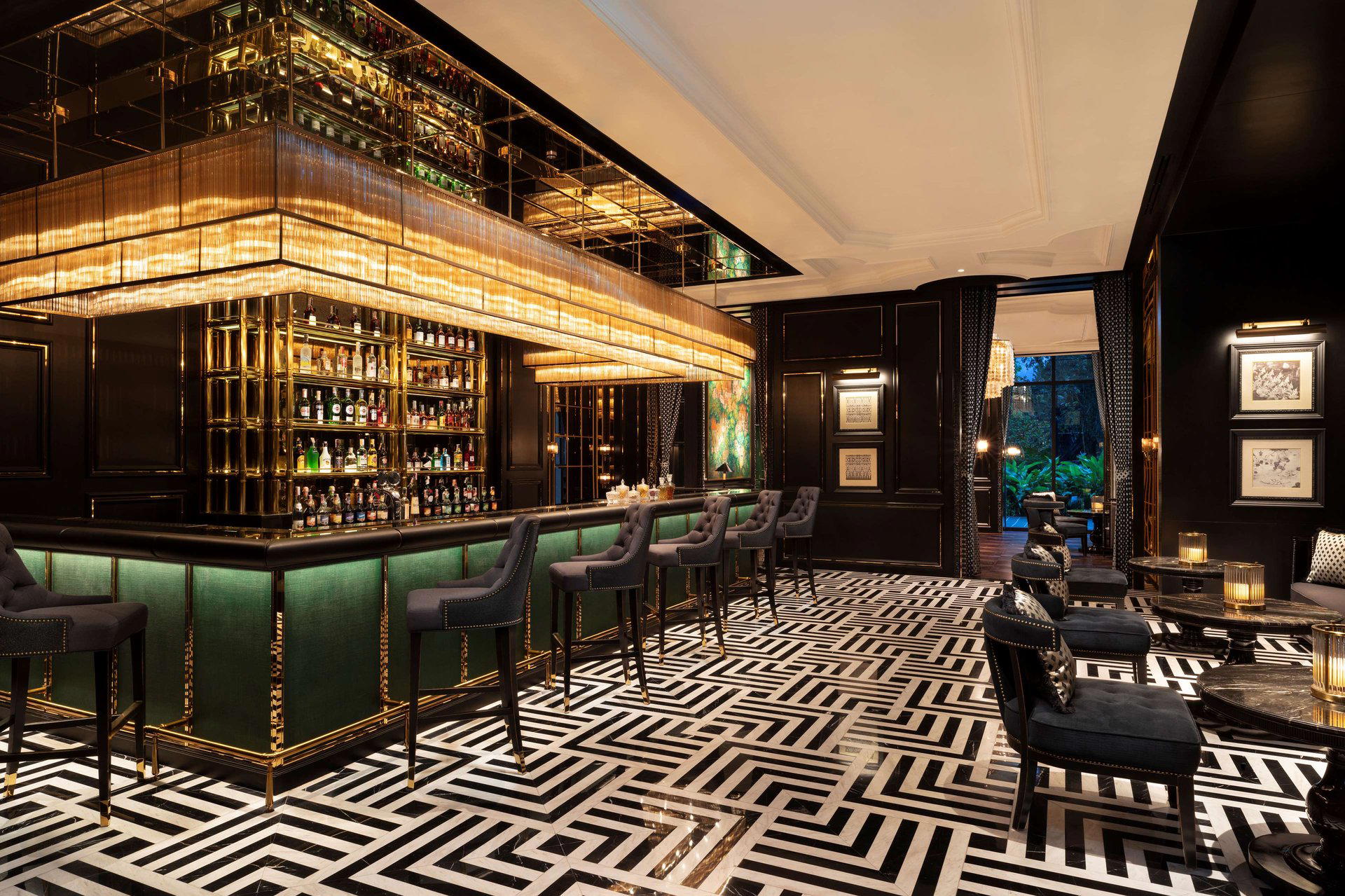
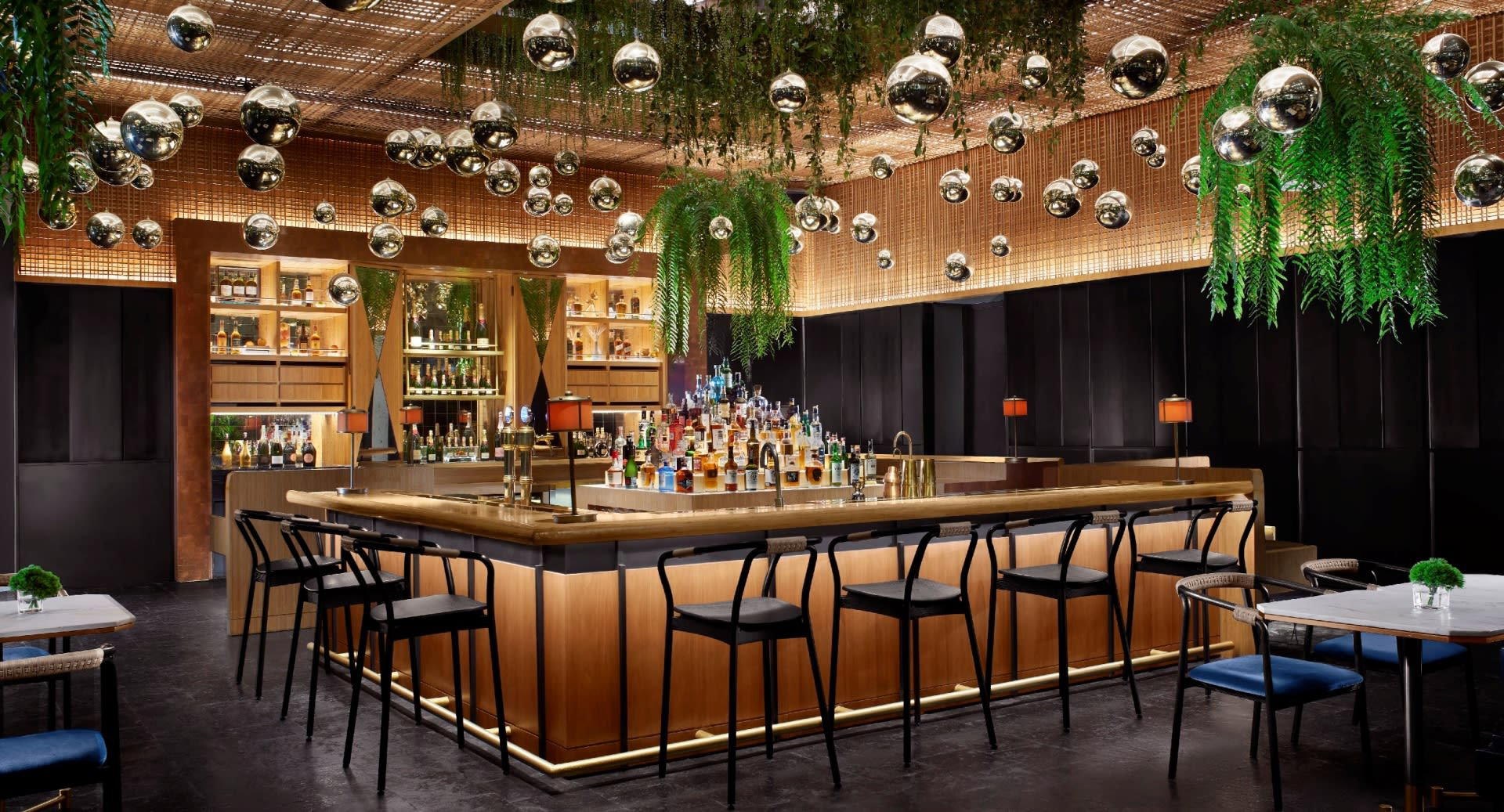
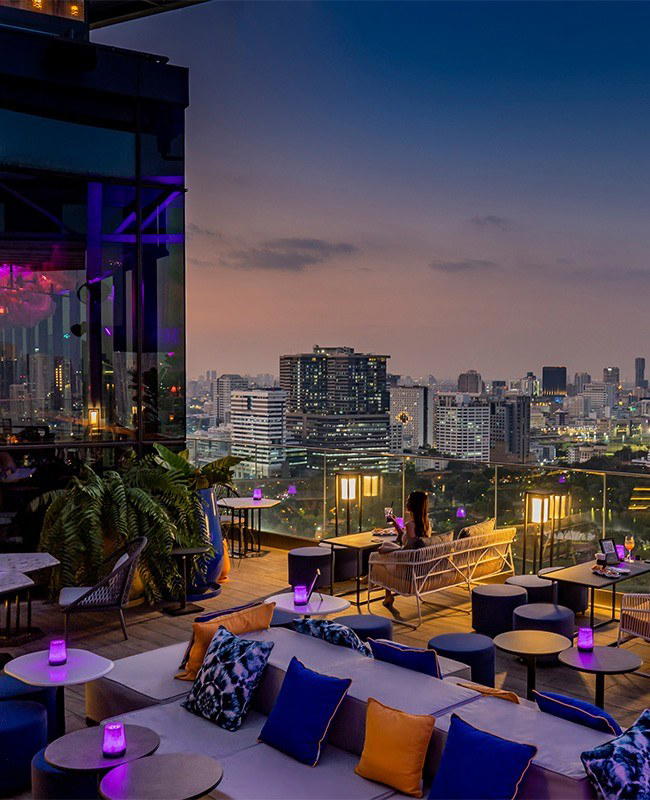
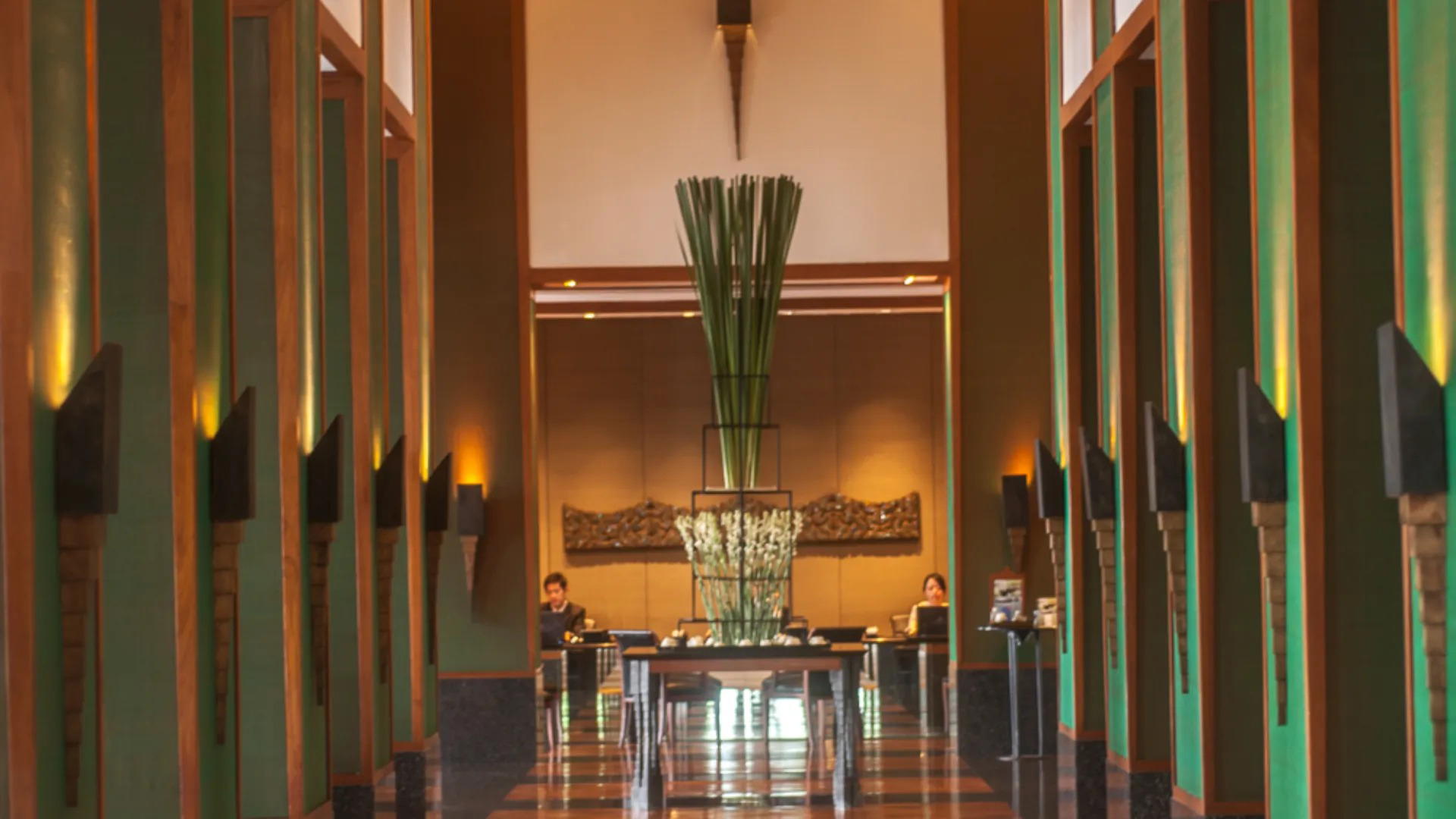
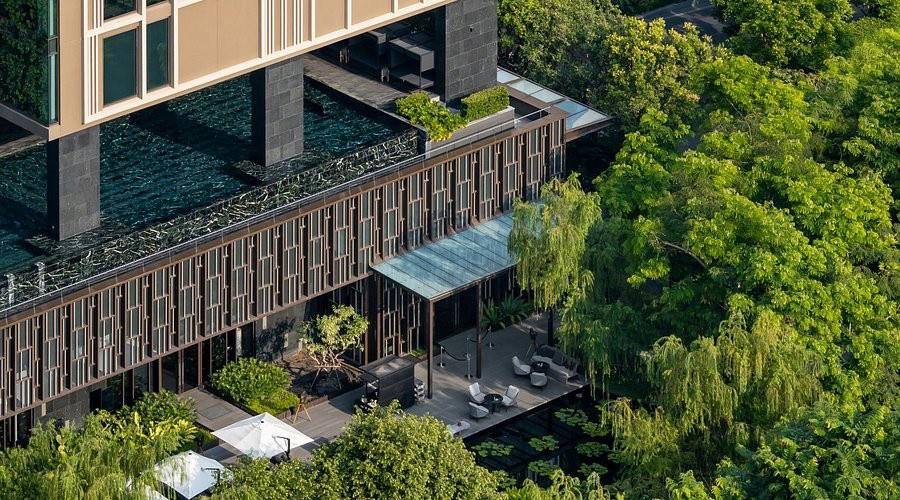
Warmly designed with simple materials and dimmed lighting creating an intimate, all-night experience; described as a welcoming oasis with elegant, polished details and meticulous attention to comfort.