
Au Vieux Porche sits on Eguisheim's medieval Rue des 3 Châteaux and holds a Michelin Plate for 2024 and 2025, signalling consistent kitchen standards within Alsace's most visited village. The menu draws from the regional larder, choucroute, game, and locally sourced produce, in a setting that reflects the half-timbered architecture surrounding it. At the €€ price tier, it represents the honest, ingredient-led end of Alsatian traditional dining.
Pearl is the En Primeur Club membership app — saves, bookings, and concierge access live there. Same editors, same standards.
- Address
- 16 Rue des 3 Châteaux, 68420 Eguisheim, France
- Phone
- +33 3 89 24 01 90
- Website
- auvieuxporche.fr
- Directions
- Get directions
 Saves & bookings on Pearl
Alsace on a Plate: What Eguisheim's Traditional Kitchens Are Cooking
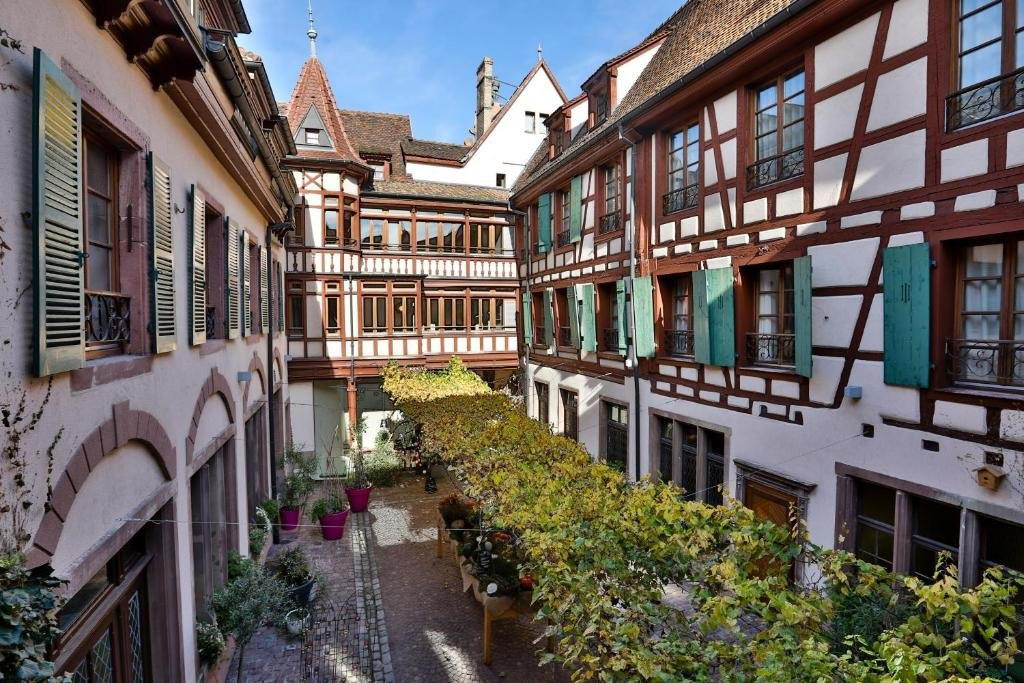
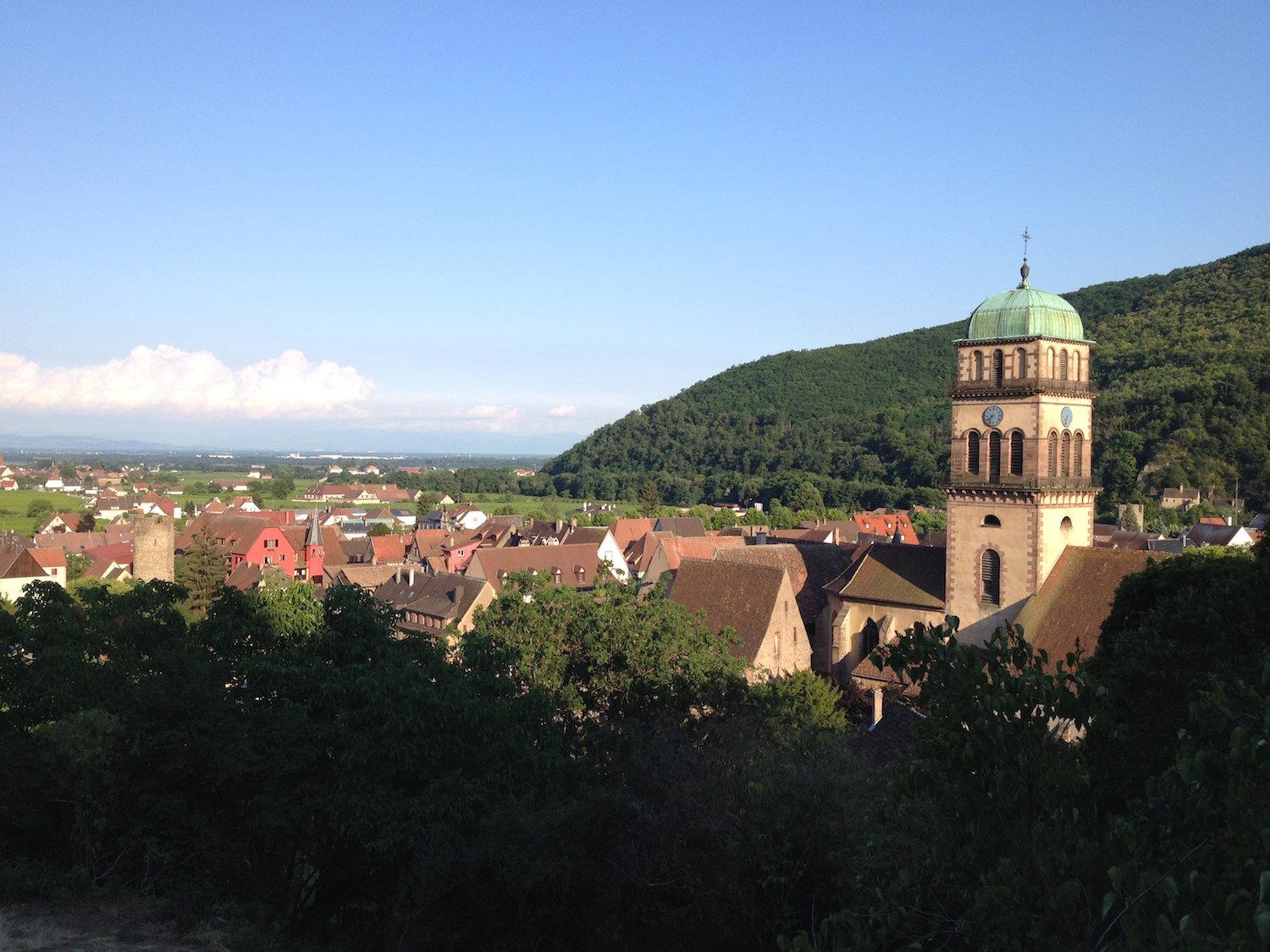
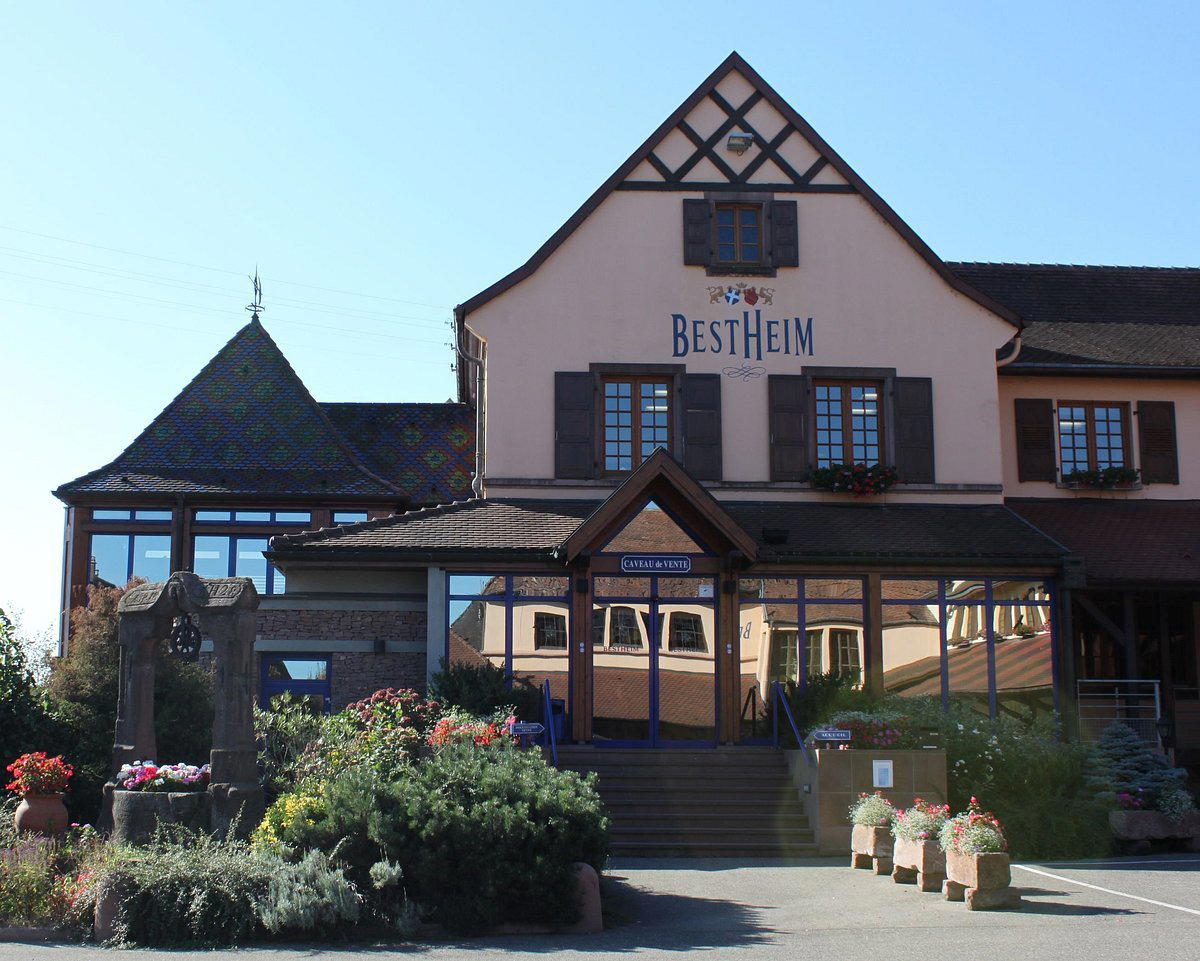
Au Vieux Porche is a Traditional Alsatian French restaurant in Eguisheim, France, with a 2025 Michelin Plate and an average price of about $40 per person. Approach Eguisheim on a grey autumn afternoon and the village reads like a stage set: concentric lanes of half-timbered façades in ochre and rose, geraniums still clinging to window boxes, the faint smell of wood smoke threading through cold air. Rue des 3 Châteaux, where Au Vieux Porche occupies number 16, runs beneath the ruined towers that give the street its name. The physical context matters here because it frames how the kitchen operates. Eguisheim is not a city where restaurants compete on novelty. The expectation, reinforced by centuries of Alsatian hospitality tradition, is fidelity to the regional larder and the seasonal rhythms that govern it.
That tradition places Alsace in an unusual position within French gastronomy. While the country's most decorated addresses, from Alléno Paris au Pavillon Ledoyen to Mirazur in Menton, work in the idiom of creative transformation, the Alsatian canon resists that impulse. The region's cooking identity is rooted in proximity: to the Rhine valley farms, the Vosges forests, the wine villages themselves. Sourcing is not a marketing position here; it is the structural logic of what appears on the plate.
Where the Ingredients Come From and Why That Shapes the Menu
Alsatian traditional cuisine is one of France's most ingredient-specific regional traditions. The choucroute is fermented from local cabbage, slow-acidified in stoneware vessels using methods that predate modern food processing. Game from the Vosges, venison, wild boar, pheasant, moves through kitchen menus as the hunting calendar dictates, not as a decorative gesture toward rusticity. Foie gras from the region's own producers sits alongside tarte flambée bases made from fromage blanc sourced within the département. These are not luxury ingredients in the usual sense; they are terroir ingredients, and their quality depends on the integrity of local agricultural networks that have survived industrial consolidation.
Au Vieux Porche positions itself within that tradition. The Michelin Plate designation, held in both 2024 and 2025, signals that the kitchen meets the guide's threshold for good cooking without requiring the innovation framework that Michelin stars demand. The Plate is a meaningful credential in the context of traditional regional cuisine because it evaluates execution and ingredient quality rather than conceptual ambition. In Alsace, where the competition for Michelin recognition is fierce, sustained Plate status across consecutive years indicates a kitchen that does not drift. For comparison, Auberge de l'Ill in Illhaeusern operates at a fundamentally different price register. Au Vieux Porche operates at €€, placing it among the accessible mid-tier of Alsatian dining where the ingredient sourcing argument is made through cooking rather than price architecture.
The Alsatian Traditional Format and How It Reads at the Table
Traditional Alsatian menus follow a logic that is worth understanding before sitting down. The cooking is generous by French standards: portions are calibrated against a regional culture of agricultural labour and long winters rather than against the tasting-menu philosophy that governs mountain gastronomy in Megève or the produce-first minimalism of Bras in Laguiole. Starters may move through charcuterie made from Alsatian pork, followed by main courses built around braised or roasted proteins from local suppliers, finished with desserts that lean on Alsatian pastry traditions including Kougelhopf-adjacent preparations and fruit tarts using Vosges orchard produce.
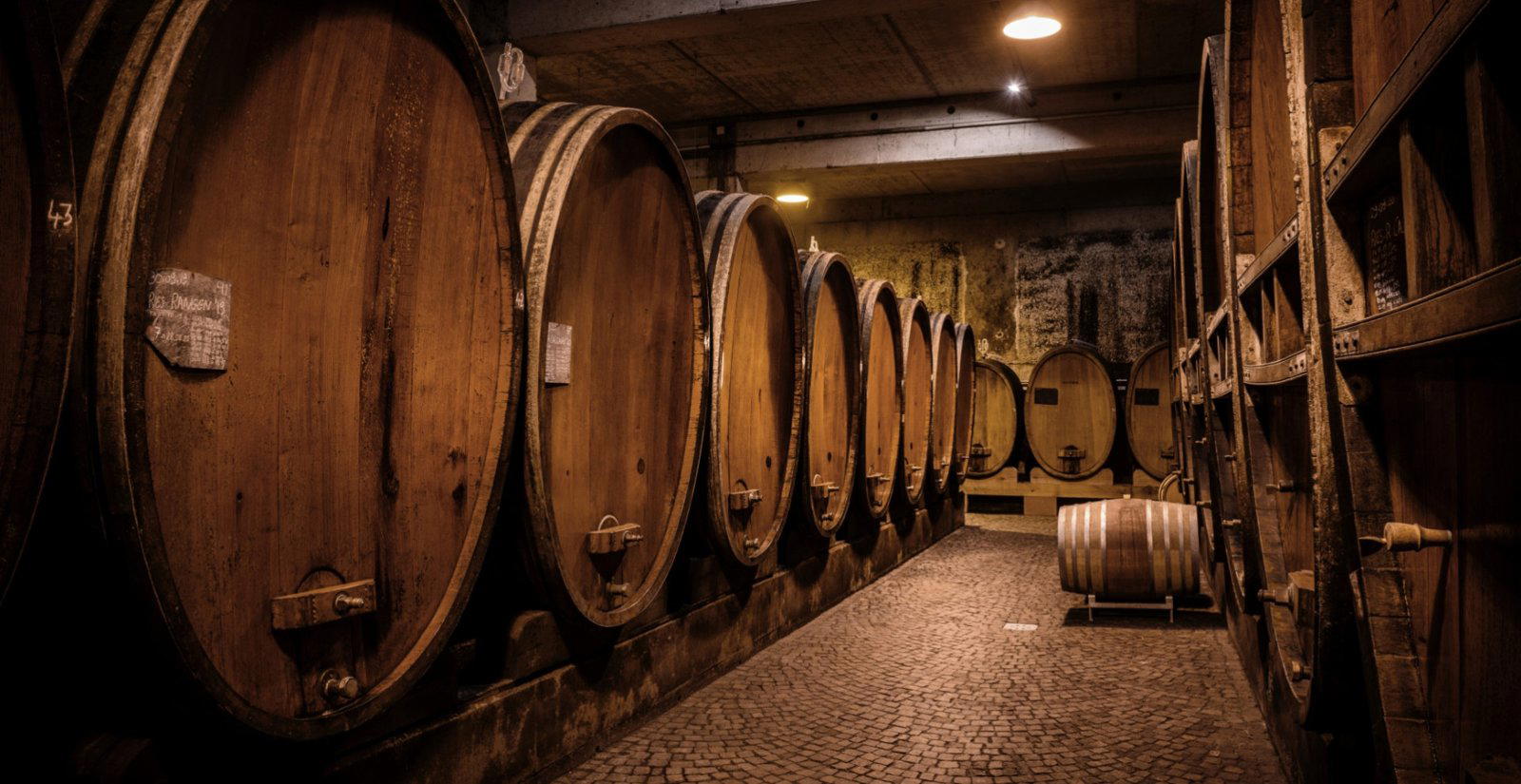
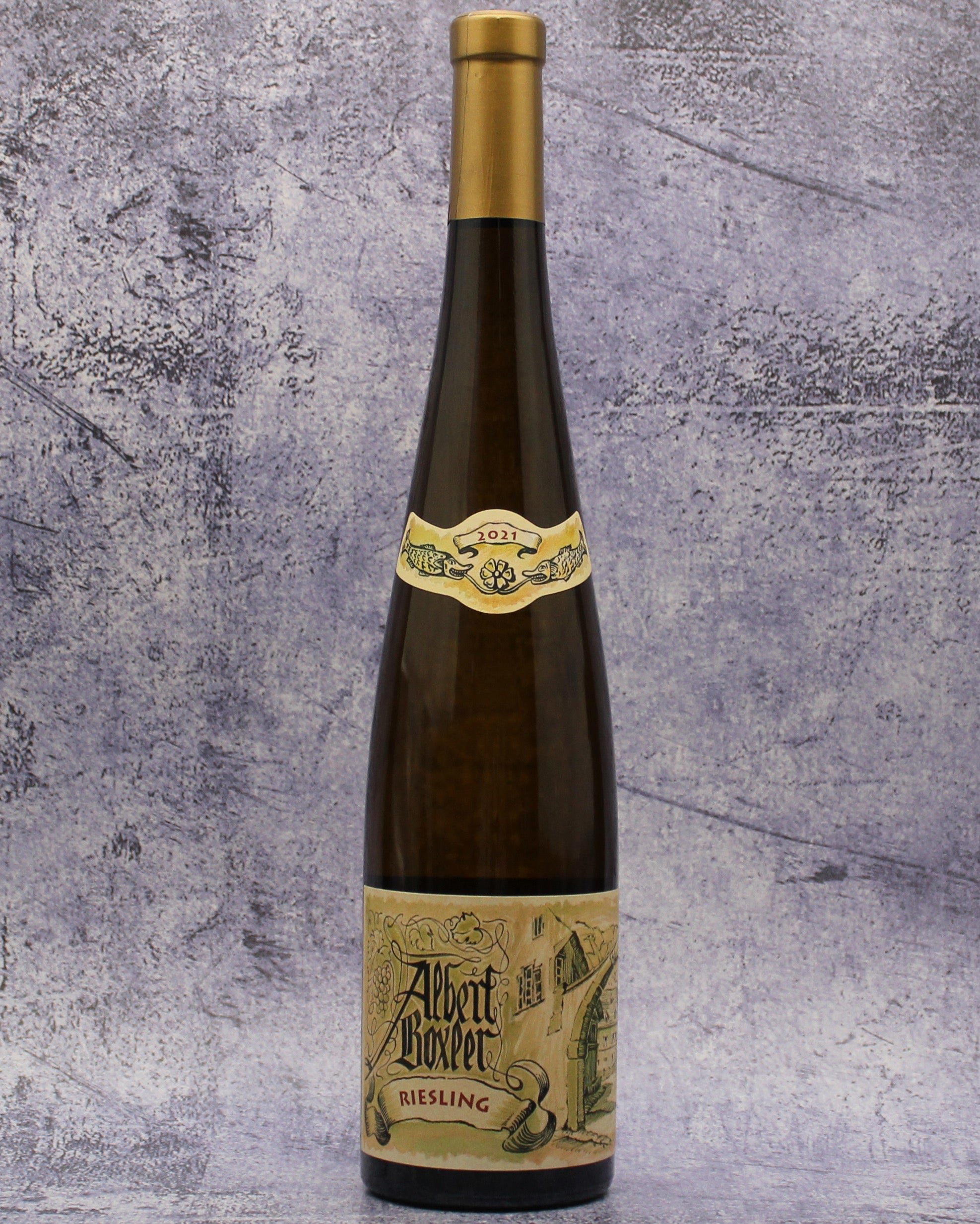
The wine pairing logic is regional by default. Eguisheim sits at the southern end of the Route des Vins d'Alsace, surrounded by grand cru vineyards. Riesling, Gewurztraminer, and Pinot Gris from the local cooperatives and independent domaines provide the natural accompaniment structure. A meal in this setting that strays to Burgundy or Bordeaux misses the point of the terroir argument the kitchen is making.
Eguisheim's Place in the Alsatian Dining Map
Eguisheim is a small village, fewer than 1,700 residents, and its restaurant density relative to population is unusually high, driven by tourism from the Route des Vins and day-trip traffic from Colmar, approximately six kilometres to the north. The competition among traditional restaurants in the village is therefore local and concentrated. Le Pavillon Gourmand represents the modern cuisine strand of the village's dining offer, working with a different register and price point. The restaurant holds its ground in the traditional sector, where the repeat-visitor rate from regional French travellers and wine-focused tourists tends to be high.
For readers building a broader Alsatian itinerary, Au Crocodile in Strasbourg provides the regional capital's reference point for classical French cooking, while the village dining circuit along the Route des Vins offers a more distributed, countryside-paced alternative. France's broader traditional cuisine tradition, represented at its most storied level by addresses like Paul Bocuse - L'Auberge du Pont de Collonges and Troisgros in Ouches, sets the long-arc context within which Alsatian regional cooking operates as a distinct and geographically specific branch.
Readers interested in how traditional cuisine functions in other French regions can compare approaches through Auberge Grand'Maison in Mûr-de-Bretagne or explore the Champagne region's kitchen tradition through Assiette Champenoise in Reims. The contrast with coastal Iberian approaches is also instructive, Auga in Gijón demonstrates how a seafood-anchored terroir argument differs structurally from the landlocked, forest-and-farm sourcing logic of Alsace.
Planning a Visit
The restaurant is located at 16 Rue des 3 Châteaux in Eguisheim, within walking distance of the village centre and its ring of medieval fortifications. The €€ price positioning means a full meal with wine sits comfortably within the mid-range of regional dining costs. Eguisheim is most easily reached from Colmar, which has TGV connections to Paris and direct rail links across Alsace. Given the village's popularity during peak summer and harvest season, booking ahead is advisable, particularly for weekend lunches when wine-route visitors fill tables quickly.
What People Recommend at Au Vieux Porche
The setting in a historic half-timbered building on one of Eguisheim's most photographed streets adds to the reception, though the review volume suggests the cooking earns its scores independently. The Michelin Plate in 2024 and 2025 corroborates what the review aggregate implies: a kitchen operating at a reliable standard within its traditional regional brief, without pretension and without significant variation from the format its audience expects.
At-a-Glance Comparison
Comparable venues nearby, for context on price, style, and recognition.
| Venue | Cuisine | Price | Awards | Notes |
|---|---|---|---|---|
| Au Vieux PorcheThis venue — the venue you are viewing | Traditional Alsatian French | $$ | Michelin Plate | Not listed |
| Le Pavillon Gourmand | Traditional Alsatian French | $$$ | Michelin Plate | Eguisheim |
| Caveau Heuhaus | Traditional Alsatian Winstub | $$ | Not listed | Eguisheim |
| Caveau d'Eguisheim | Traditional Alsatian Brasserie | $$$ | Not listed | Eguisheim |
| Auberge aux 4 Saisons | Modern Alsatian Bistro | $$ | Michelin Plate | Munster |
| Winstub Arnold | Traditional Alsatian Winstub | $$ | Michelin Plate | Itterswiller |
Recognition history
Dated appearances from independent guides and award organizations, with the underlying list record or original source where available.
Michelin Plate
Michelin
Michelin Plate
Michelin
Michelin Plate
Michelin
Continue exploring
More in Eguisheim
Restaurants in Eguisheim
Browse all →
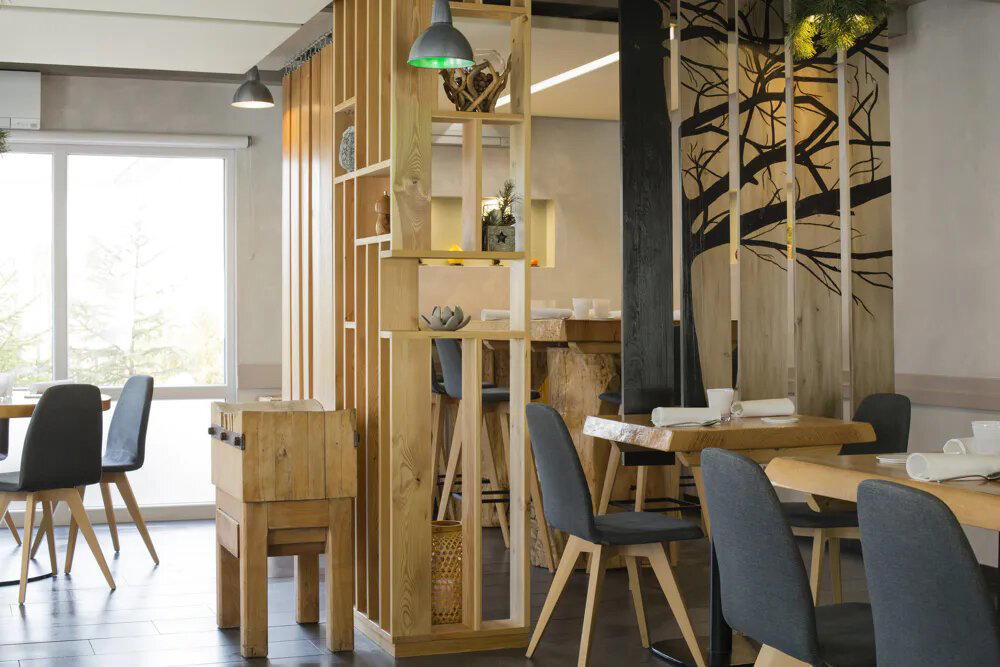
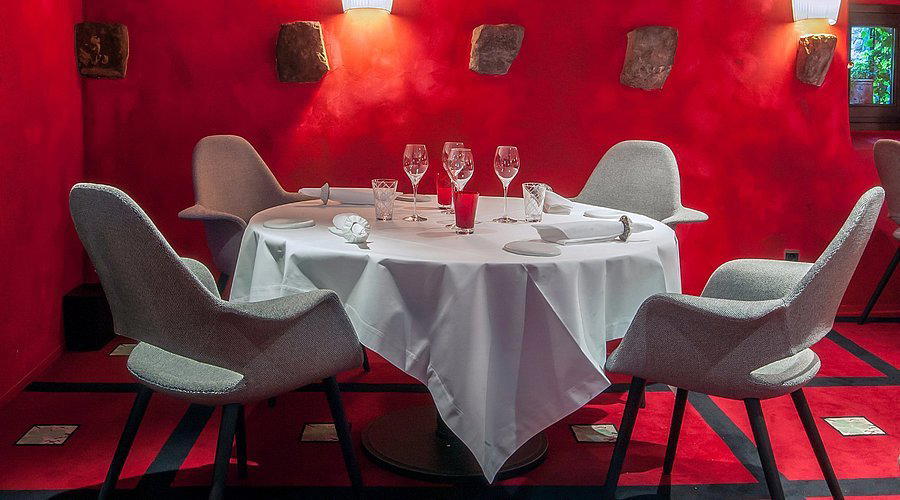
Bars in Eguisheim
Browse all →


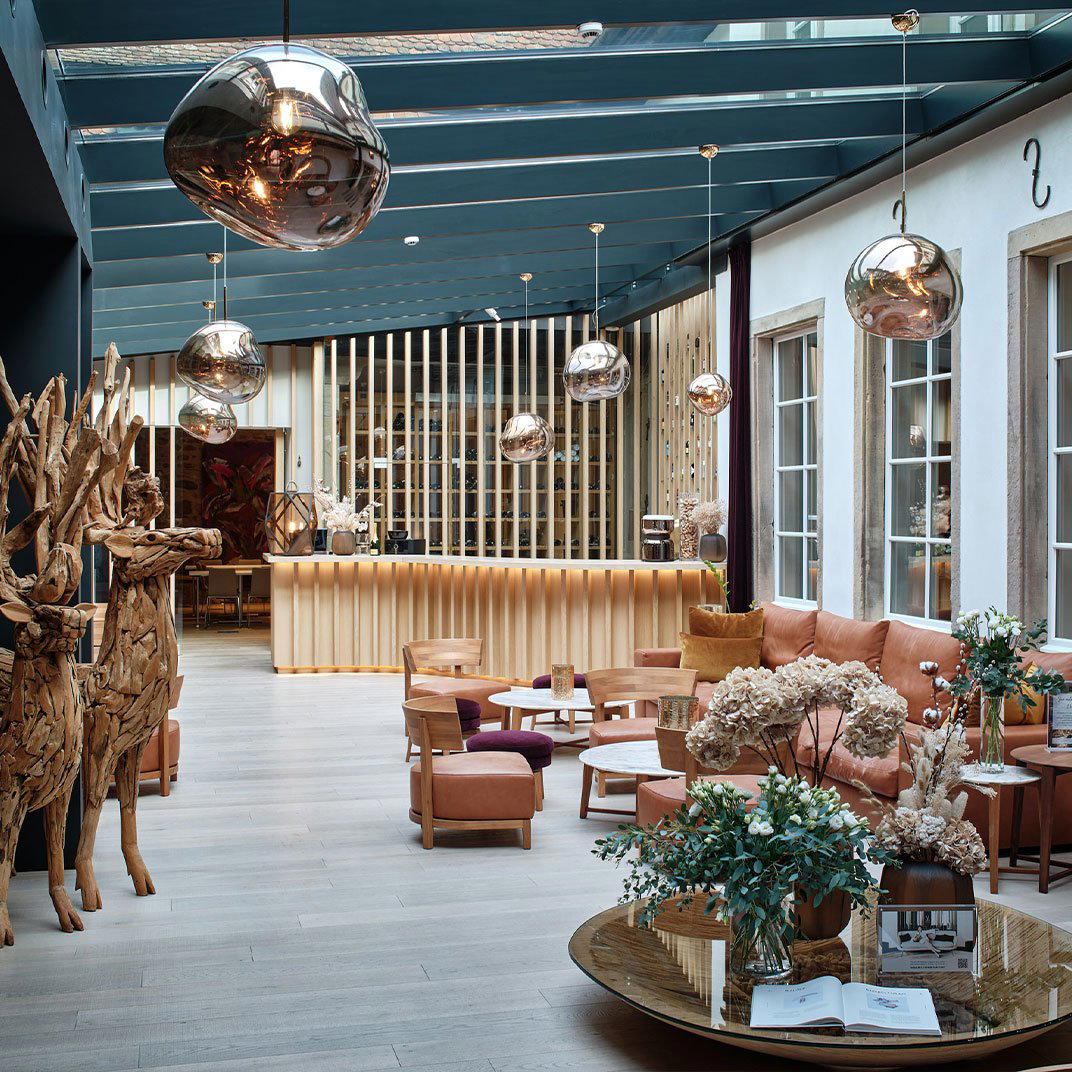
Hotels in Eguisheim
Browse all →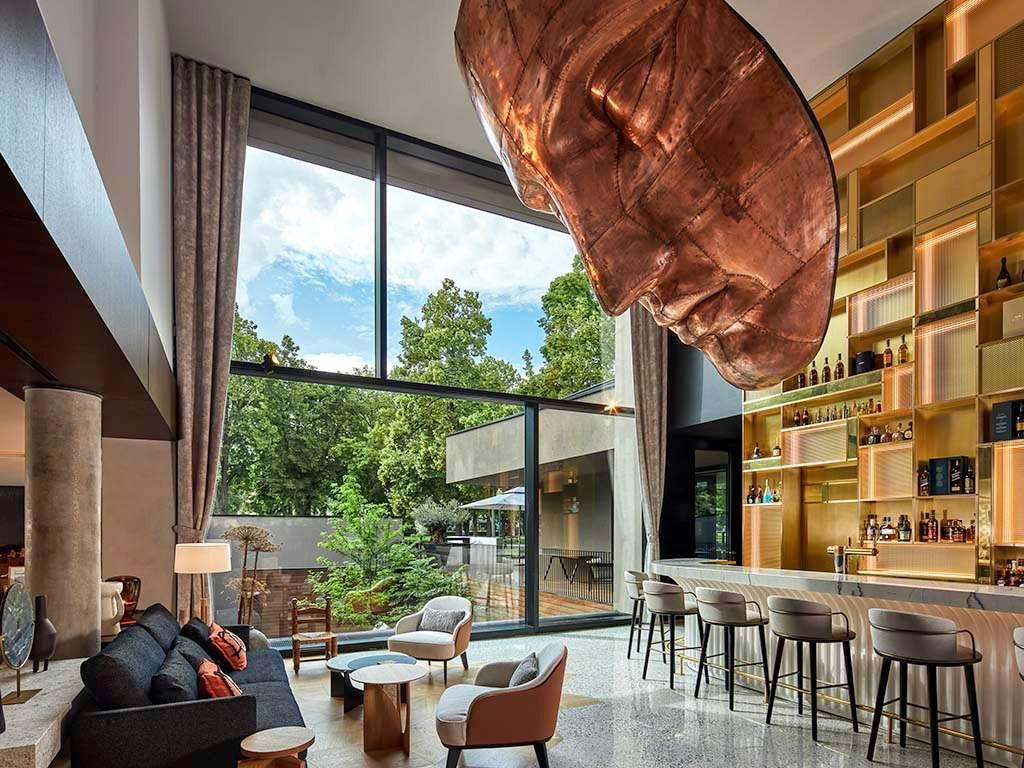
At a Glance
- Rustic
- Cozy
- Elegant
- Classic
- Intimate
- Date Night
- Family
- Special Occasion
- Historic Building
- Terrace
- Extensive Wine List
- Local Sourcing
- Vineyard
Current opening hours
- Monday
- Closed
- Tuesday
- Closed
- Wednesday
- 12–2 PM, 7–8:45 PM
- Thursday
- 12–2 PM, 7–8:45 PM
- Friday
- 12–2 PM, 7–8:45 PM
- Saturday
- 12–2 PM, 7–8:45 PM
- Sunday
- 12–2 PM
Hours can change for holidays and private events. Last verified .
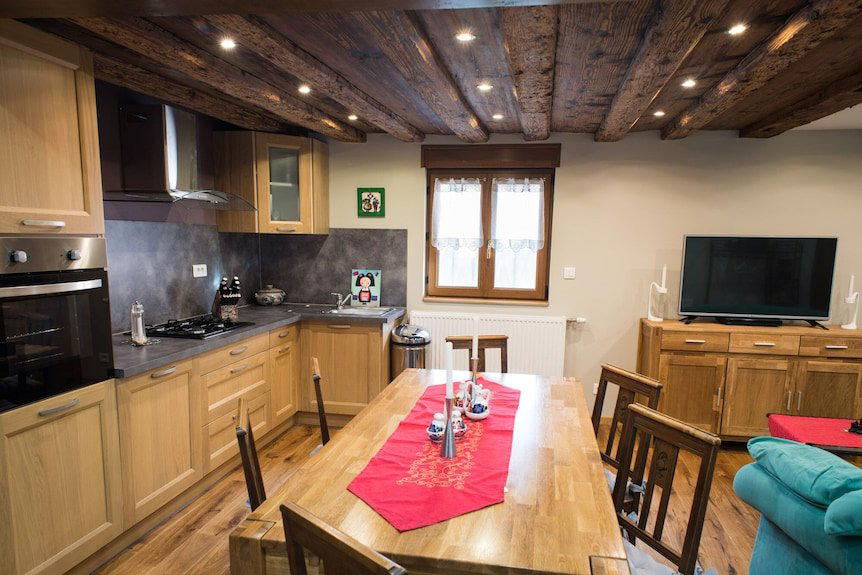
Charming character-filled interior blending warmth, local authenticity, and elegance with white tablecloths, fresh flower bouquets, and cozy atmosphere praised in guest reviews.