
I Pupi holds a Michelin star and, since 2025, operates from the lower floor of Villa Palagonia, an 18th-century palazzo in Bagheria once described by Goethe. Chef Tony Lo Coco's kitchen works across four tasting menus and a full à la carte, with Sicilian ingredients driving every dish. A chef's table, a wine cellar of around 1,300 labels, and multiple dining rooms make this one structured fine-dining address in the town.
Pearl is the En Primeur Club membership app — saves, bookings, and concierge access live there. Same editors, same standards.
- Address
- Vicolo Cavallotti, 11, 90011 Bagheria PA, Italy
- Phone
- +39 091 902579
- Website
- ipupiristorante.it
- Directions
- Get directions
 Saves & bookings on Pearl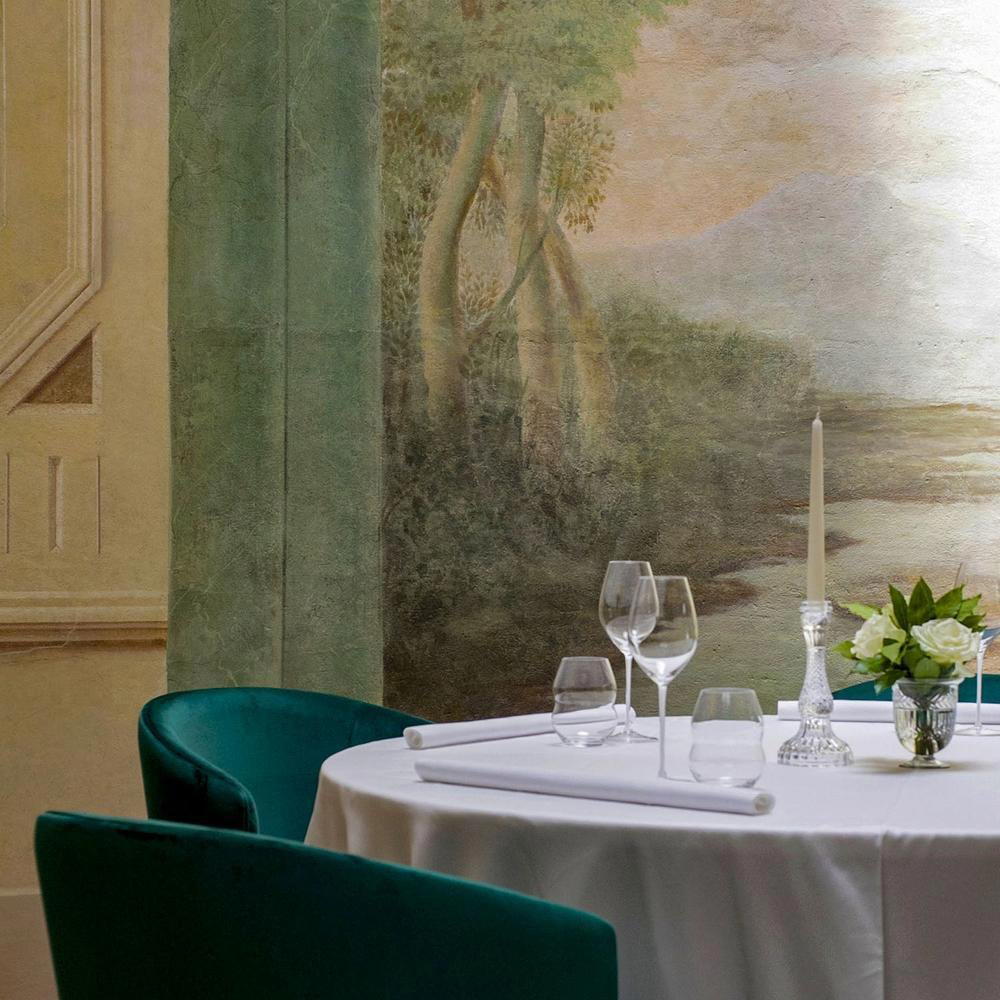
A Palazzo as the Starting Point
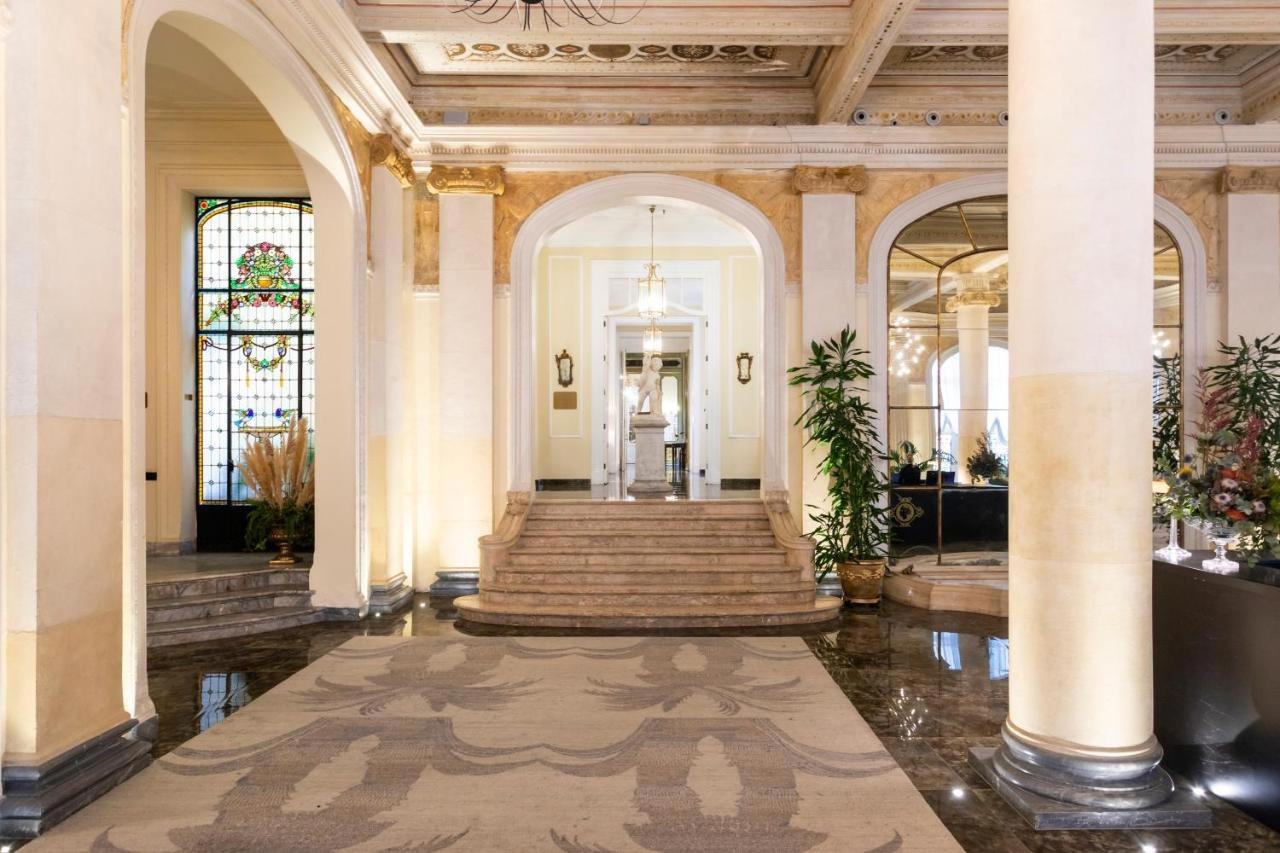
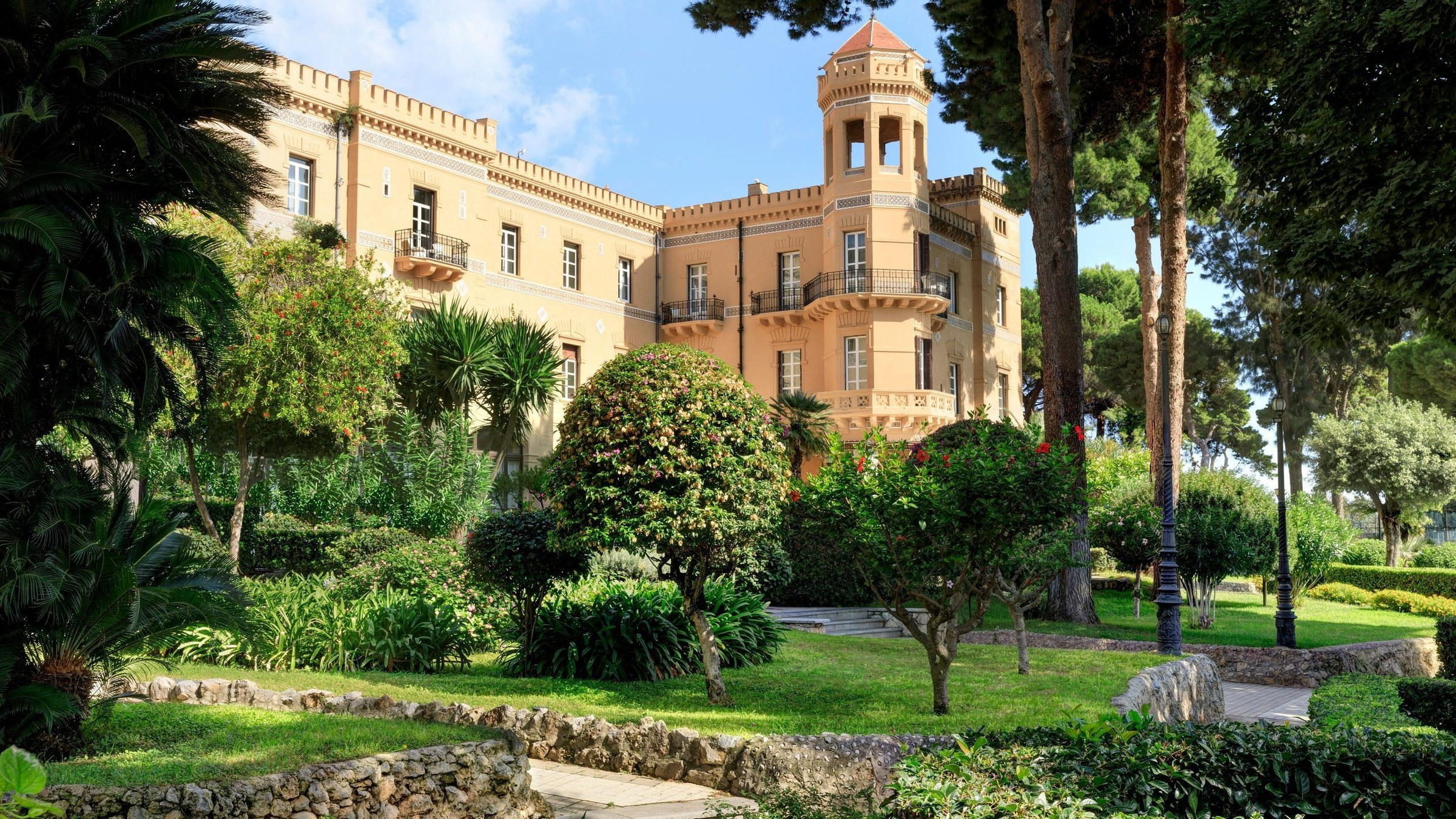
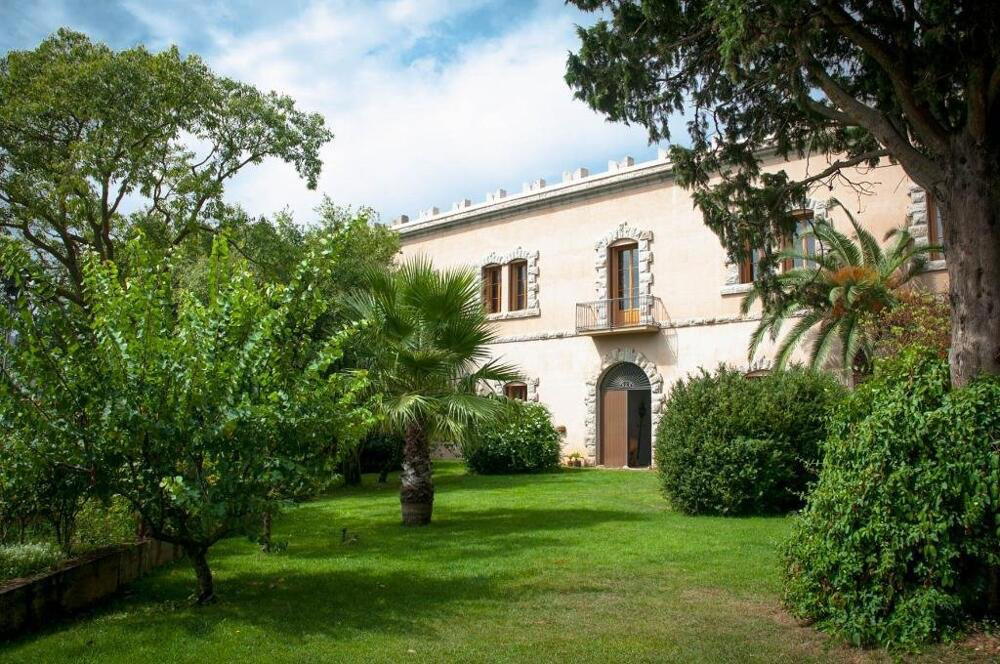
I Pupi is a one-star Michelin restaurant in Bagheria, Sicily, where Bagheria is not a city that announces its ambitions quietly. The town, roughly 15 kilometres east of Palermo along the Sicilian north coast, was built around the summer villas of Palermitan nobility, and several of those baroque structures survive in varying states of grandeur. Villa Palagonia is especially documented: the 18th-century palazzo drew commentary from travellers on the Grand Tour, including Johann Wolfgang von Goethe, who described its eccentric statuary and theatrical interiors in his Italian Journey. In 2025, I Pupi moved into the lower floor of that building, shifting from its previous address to occupy a space where the architecture does a considerable amount of the work before the kitchen even begins.
The physical setting belongs to a pattern visible elsewhere in Italian fine dining: historic structures repurposed as fine-dining containers, where the provenance of the building extends the provenance argument of the food. At Enoteca Pinchiorri in Florence or Le Calandre in Rubano, the dining environment carries its own historical register. At Villa Palagonia, the context is both more specific and more local: you are eating Sicilian food in a building that has been part of Sicilian cultural memory for three centuries.
Sicilian Ingredients as the Organising Principle
Sicily's produce identity is unusually concentrated for an island of its size. The combination of volcanic soil in the east, coastal fishing traditions along every shore, and centuries of Arab, Norman, and Spanish agricultural influence has produced an ingredient base that serious Sicilian kitchens now treat as a competitive asset rather than a constraint. Capers from Pantelleria, pistachios from Bronte, tuna from Favignana, wild herbs from inland hillsides, and the citrus groves that run along the coast between Palermo and Messina all feed into a regional pantry that is specific enough to make sourcing decisions meaningful.
I Pupi's kitchen, under chef Tony Lo Coco, organises its menus around that pantry. The approach covers meat and fish in equal measure, which is less common at this price tier than it might seem: many Sicilian fine-dining restaurants lean heavily toward seafood, given the island's coastal reputation. Working both categories with the same sourcing discipline reflects the full range of the island's agricultural and pastoral traditions rather than defaulting to the more commercially legible option. The result, across four tasting menus and an extensive à la carte, is a map of Sicilian production expressed through a kitchen that personalises and interprets rather than replicates tradition directly.
The Format: Four Menus, a Chef's Table, and 1,300 Wine Labels
Fine dining in southern Italy has not converged on a single format the way some northern European markets have. The choice between tasting menu and à la carte remains genuinely open at many serious restaurants, and I Pupi maintains both. Four distinct tasting menus give the kitchen room to organise around different themes or seasonal priorities, while an extensive à la carte allows guests to build their own progression. This dual-format approach is increasingly rare at the Michelin-starred level, where most kitchens have consolidated around a single tasting structure for operational reasons.
The chef's table accommodates four guests and positions them close enough to observe the kitchen working. In Italian fine dining, the chef's table has a specific cultural weight: it connects to the tradition of the cuoco as host rather than merely technician, and at this address the setting inside a historic palazzo makes that role more layered still. Reserving the chef's table requires planning beyond the standard booking window; it is one controlled and specific way to experience the kitchen's priorities.
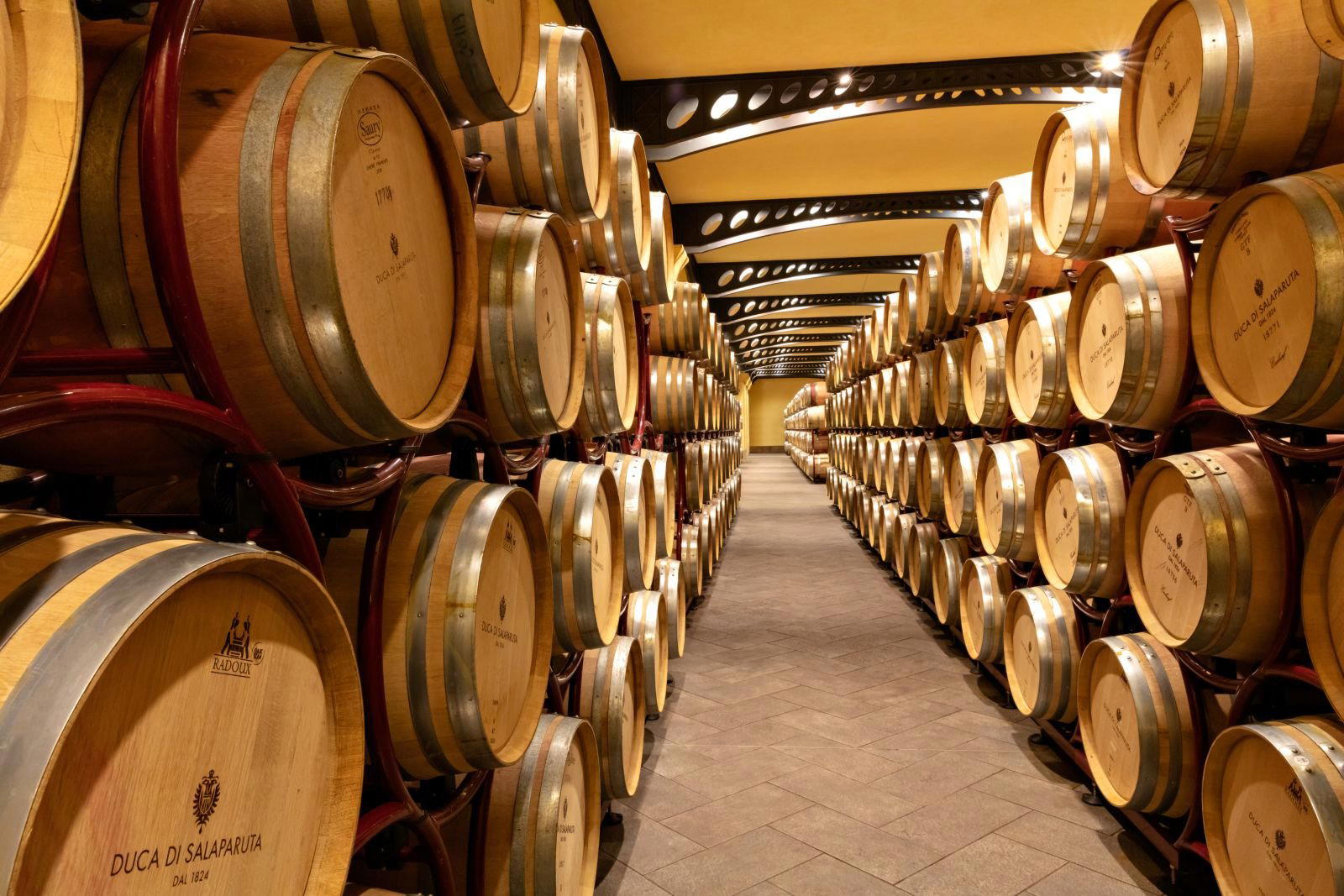
The wine cellar, situated on the first floor of the palazzo, holds around 1,300 labels. For a single-star restaurant in a town of this size, that depth is significant. It signals a programme built for serious wine engagement rather than a functional list assembled to accompany food. Sicily's own wine production has undergone a well-documented transformation over the past two decades, with native varieties including Nerello Mascalese, Nero d'Avola, Carricante, and Grillo now appearing on international fine-wine lists alongside their mainland Italian counterparts. A 1,300-label cellar in this context likely covers both that regional depth and the broader Italian and international canon.
Where I Pupi Sits in the Italian Fine-Dining Map
A single Michelin star places I Pupi in a specific tier of Italian fine dining: recognised, technically serious, and worth a dedicated visit, but operating below the multi-star bracket occupied by restaurants like Osteria Francescana in Modena, Piazza Duomo in Alba, or Reale in Castel di Sangro. The more relevant comparison for understanding I Pupi's position is within the Sicilian fine-dining cohort. La Capinera in Taormina and Mec Restaurant in Palermo operate in the same regional register, and together these addresses define what serious Sicilian cooking looks like at the starred level.
What distinguishes I Pupi within that cohort is the combination of location, setting, and the scope of its offering. Most starred Sicilian restaurants concentrate in Palermo, Catania, or the tourist-heavy northeast coast around Taormina. Bagheria sits outside those clusters, which means I Pupi draws guests who have made a deliberate choice to come rather than diners who happen to be staying nearby. That self-selection tends to affect the room's character. On the mainland, destination restaurants in smaller towns, including Dal Pescatore in Runate or Quattro Passi in Marina del Cantone, carry a similar dynamic: the journey is part of the commitment, and the tables tend to reflect it.
The Same Team, Two Addresses
The former address now operates as TuMa, a modern osteria running in parallel to the flagship. This kind of bifurcation, where a serious kitchen maintains a more accessible sibling address, has become a recognisable model in Italian dining. It allows the fine-dining operation to sharpen its focus while the second address captures a different price point and register. TuMa's presence means the team's cooking is available at more than one level of commitment, which is worth knowing if the €€€€ pricing of I Pupi doesn't fit the trip. Bagheria's proximity to Palermo also makes it viable as a day trip from the city, with the villa district providing context beyond the meal itself.
For readers assessing the broader regional creative dining scene, Līmū (Creative) in Bagheria offers a different angle on the town's ambitions, and Enrico Bartolini in Milan or Atelier Moessmer Norbert Niederkofler in Brunico illustrate how Italian fine dining operates at the three-star tier for those building a broader comparative itinerary across the country.
Planning a Visit
I Pupi is open Monday from 7:30 PM to 10 PM; Tuesday from 7:30 PM to 11 PM; Wednesday through Friday from 7:30 PM to 10 PM; Saturday from 12:30 PM to 10 PM; and Sunday from 12:30 PM to 2:30 PM. The address is Vicolo Cavallotti, 11, 90011 Bagheria. The price per person is about $85, and the chef's table for four is one reservation-sensitive option. The palazzo setting means the dining rooms vary in character, and the mezzanine space is configured for smaller, more private groups.
Side-by-Side Snapshot
Comparable venues nearby, for context on price, style, and recognition.
| Venue | Cuisine | Price | Awards | Notes |
|---|---|---|---|---|
| I PupiThis venue — the venue you are viewing | Modern Sicilian Fine Dining | $$$ | Michelin 1 Star | Not listed |
| Līmū | Modern Sicilian Fine Dining | $$$$ | Michelin 1 Star | Historic Centre |
| TuMa | Traditional Sicilian Trattoria | $$ | Bib Gourmand | Bagheria |
| Cetaria | Contemporary Campanian Seafood | $$$ | Michelin 1 Star | Baronissi |
| Otto Geleng | Modern Sicilian Fine Dining | $$$$ | Michelin 1 Star | Taormina |
| Il Bavaglino | Creative Sicilian Fine Dining | $$$$ | Michelin 1 Star | Terrasini |
Recognition history
Dated appearances from independent guides and award organizations, with the underlying list record or original source where available.
Michelin 1 Star
Michelin
Michelin 1 Star
Michelin
Michelin 1 Star
Michelin
Continue exploring
More in Bagheria
Restaurants in Bagheria
Browse all →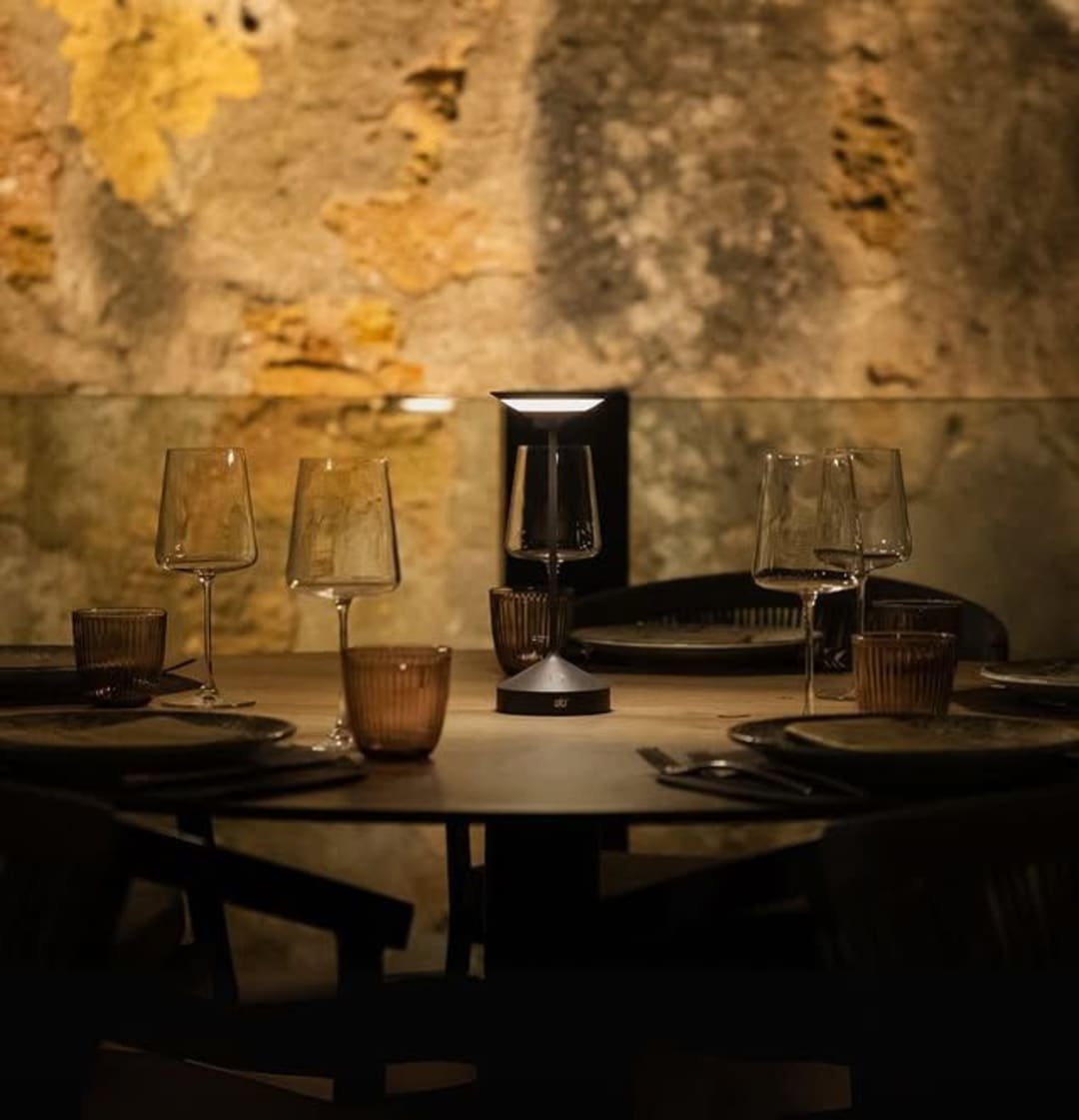
Bars in Bagheria
Browse all →
Hotels in Bagheria
Browse all →

At a Glance
- Elegant
- Intimate
- Rustic
- Sophisticated
- Date Night
- Special Occasion
- Celebration
- Chefs Counter
- Wine Cellar
- Extensive Wine List
- Sommelier Led
- Local Sourcing
Current opening hours
- Monday
- 7:30–10 PM
- Tuesday
- 7:30–11 PM
- Wednesday
- 7:30–10 PM
- Thursday
- 7:30–10 PM
- Friday
- 7:30–10 PM
- Saturday
- 12:30–10 PM
- Sunday
- 12:30–2:30 PM
Hours can change for holidays and private events. Last verified .
Elegant dining rooms with a chef’s table, well-stocked wine cellar, and intimate mezzanine; atmosphere described as romantic, relaxed, and professional by guests.