

Arzábal occupies a considered position inside the Museo Reina Sofía complex, placing it at the intersection of Madrid's museum-dining culture and the broader Spanish commitment to produce-led cooking. The setting alone frames expectations differently from a standalone restaurant. Visitors arrive for art and find a table worth returning for on its own terms.
Pearl is the En Primeur Club membership app — saves, bookings, and concierge access live there. Same editors, same standards.
- Address
- Museo Nacional Centro de Arte Reina Sofía, Edificio Sabatini, C. de Sta. Isabel, 52, Centro, 28012 Madrid, Spain
- Phone
- +34915286828
- Website
- arzabal.com
- Directions
- Get directions
 Saves & bookings on Pearl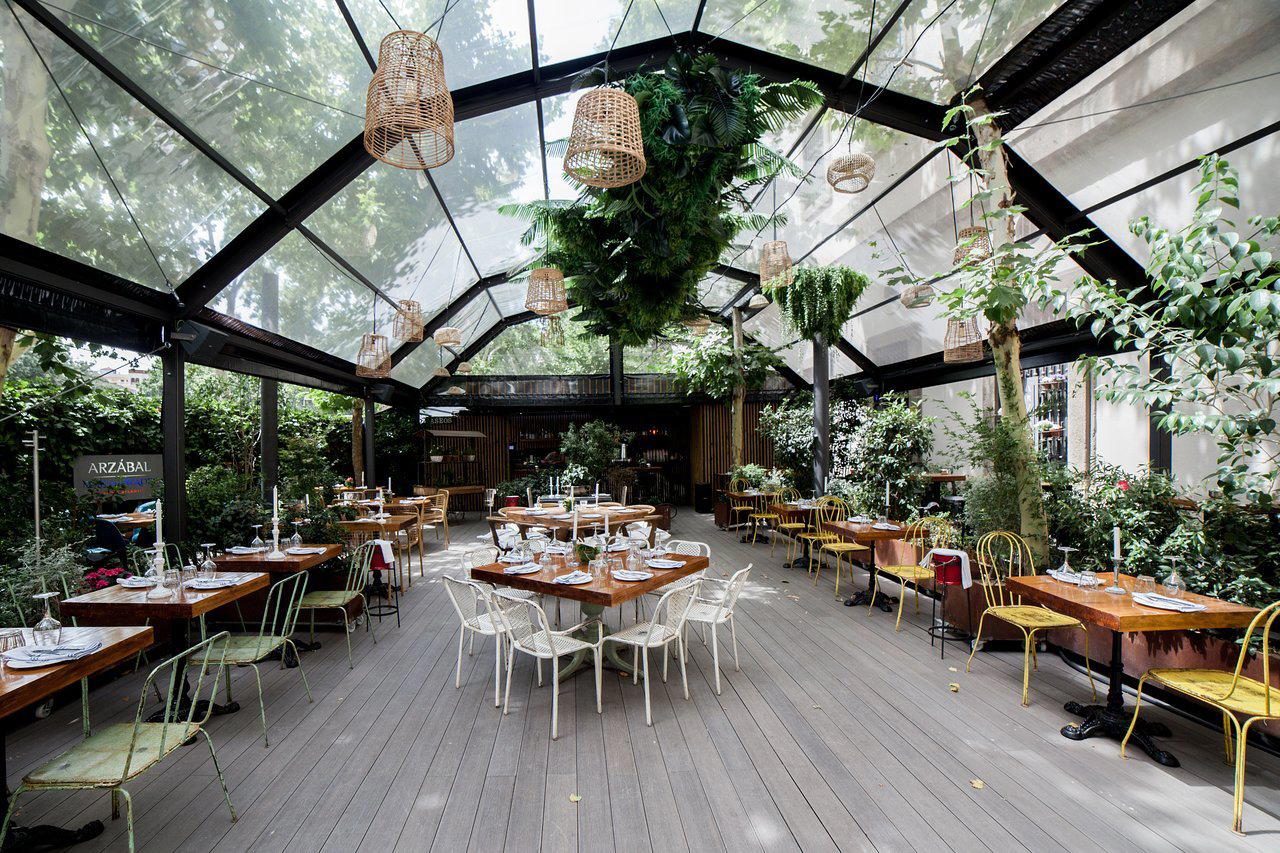
Where the Museum Ends and the Meal Begins
Madrid's museum corridor along the Paseo del Prado has always generated an interesting dining problem: how do you feed a serious audience without defaulting to the institutional catering model that has defined museum restaurants across Europe for decades? The Museo Nacional Centro de Arte Reina Sofía's Edificio Sabatini address sets a specific context before a single dish arrives. The building that houses Arzábal carries the weight of one of Spain's most significant contemporary art collections, and the dining experience inside responds to that context rather than ignoring it. Arriving through the Sabatini entrance, visitors pass from the considered restraint of the museum's permanent collection into a room that shares the same architectural sobriety, a relationship between form and function that defines the better end of institutional dining in Europe.
Museum Dining, Reconsidered
Across European capitals, the museum restaurant has undergone a slow rehabilitation over the past fifteen years. In London, New York, and Paris, a handful of spaces have broken the assumption that proximity to art means a concession to convenience. Madrid's version of this shift is legible at Arzábal. The venue sits within the Reina Sofía complex not as an afterthought but as a deliberate counterpoint to the gallery floors above, a space that serves modern Spanish tapas to museum visitors and locals alike. That positioning places it in a small peer group alongside places like the café at the Fundació Joan Miró in Barcelona and the dining programmes associated with major cultural institutions in northern Europe, spaces where the curatorial instinct extends from the walls to the plate.
For Madrid specifically, this matters because the city's broader restaurant culture has moved decisively toward produce integrity and sourcing transparency over the past decade. The multi-Michelin-starred houses that define Madrid's dining conversation, venues like DiverXO, Coque, Deessa, DSTAgE, and Paco Roncero, have each in their own way anchored menus to specific Spanish producers, seasonal rhythms, and regional identity. Arzábal operates at a different price point and format, but its address within an institution of this stature creates an implicit responsibility to reflect something of that same seriousness.
The Sustainability Frame in Spanish Cooking
Spain's most discussed kitchens have increasingly framed their sourcing decisions in environmental terms. Azurmendi in Larrabetzu has built an internationally recognised sustainability programme into the physical fabric of its building. Aponiente in El Puerto de Santa María has restructured its menu around underutilised marine species to reduce pressure on overfished stocks. Mugaritz in Errenteria has long questioned the assumptions behind ingredient selection. These are the reference points against which sourcing claims in Spanish dining are measured, and they have raised the baseline expectation across the market.
Within Madrid, the conversation around ethical sourcing has filtered into mid-market and neighbourhood venues as well as the high-end tier. A restaurant operating inside a national cultural institution carries a particular obligation here: the audience walking through the Reina Sofía is self-selecting for cultural engagement, and a dining programme that reflects considered sourcing choices speaks to that audience more directly than generic seasonal menus. Arzábal's position within the Reina Sofía complex means it sits within a building that is itself a public resource, which sharpens the question of what the kitchen chooses to put on the plate and where it comes from.
The broader Spanish kitchen tradition that Arzábal draws from, the Madrid taberna model with its emphasis on daily-market produce and a short, rotating offer, is inherently lower-waste than tasting-menu formats. A well-run taberna buys what the market offers that morning, builds a small menu around it, and operates without the mise en place overhead of a multi-course kitchen. That structural efficiency is not glamorous, but it represents a more direct relationship between season, supply, and plate than many higher-profile sustainability claims in fine dining. For context on how this approach plays out at different scale and ambition levels across Spain, compare the programmes at El Celler de Can Roca in Girona, Cocina Hermanos Torres in Barcelona, and Ricard Camarena in València, three kitchens that have each developed distinct positions on seasonal sourcing within the Spanish framework.
The Reina Sofía Address as Context
Location shapes expectation in ways that transcend the menu. A restaurant embedded in the Reina Sofía attracts a visitor profile that is passing through the museum district, often on foot from the Prado or the Thyssen-Bornemisza, and frequently pressed for time. That context pulls the experience toward accessibility rather than ceremony, a midday meal between Picasso and Dalí rather than an evening occasion. Internationally, the comparison point is something closer to the restaurants associated with major museums in New York or Paris, spaces like the one referenced in discussions of Le Bernardin in New York City as a benchmark for serious dining in a city that takes its food audience seriously, or the community-driven format of Lazy Bear in San Francisco, which has shown that institutional seriousness and approachability are not opposites.
The Spanish regional frame adds another layer. Madrid's dining identity has always been pulled between its role as a capital aggregating stronger examples from every Spanish region and its own specific traditions: cocido madrileño, offal, the roasting traditions of the meseta. A restaurant at the Reina Sofía sits at the intersection of these pulls, serving an international museum audience alongside the city's own regulars. Stronger examples from Spain's regional kitchens, from Arzak in San Sebastián to Quique Dacosta in Dénia to Martin Berasategui in Lasarte-Oria to Atrio in Cáceres, each maintain a clear regional identity. A Madrid venue serving this particular audience has the more complex task of deciding which version of Spanish food it wants to represent.
Planning Your Visit
Arzábal's location within the Reina Sofía means opening hours follow the museum's rhythm more than a conventional restaurant schedule, with lunch service the primary window for most visitors. The Edificio Sabatini entrance on Calle de Santa Isabel 52 in the Centro district places the venue within walking distance of the Atocha transport hub, making it direct to reach from most parts of the city. Given the museum crowd and the relatively contained space, arriving early in the service window or planning a late lunch is the practical approach for anyone wanting a seated meal without a long wait.
Cost Snapshot
Comparable venues nearby, for context on price, style, and recognition.
| Venue | Cuisine | Price | Notes |
|---|---|---|---|
| ArzábalThis venue — the venue you are viewing | Lavapies, Modern Spanish Tapas | $$$ | Not listed |
| La Mi Venta | Palacio, Traditional Spanish Castilian | $$$ | Not listed |
| Abascal | Almagro, Modern Spanish Tapas | $$$ | Not listed |
| Maché Restaurant | Not listed | $$$ | Barrio de las Letras, Modern Spanish Tapas |
| Taberna pirámide | Lavapies, Traditional Spanish Tapas | $$$ | Not listed |
| Ramón Freixa Tradición | Recoletos, Traditional Spanish Cuisine | $$$ | Not listed |
Recognition history
Dated appearances from independent guides and award organizations, with the underlying list record or original source where available.
Guía Repsol 1 Sol
Guía Repsol
Macarfi 7.1 Food Rating
Macarfi
At a Glance
- Lively
- Classic
- Elegant
- Casual Hangout
- Group Dining
- Special Occasion
- Open Kitchen
- Terrace
- Extensive Wine List
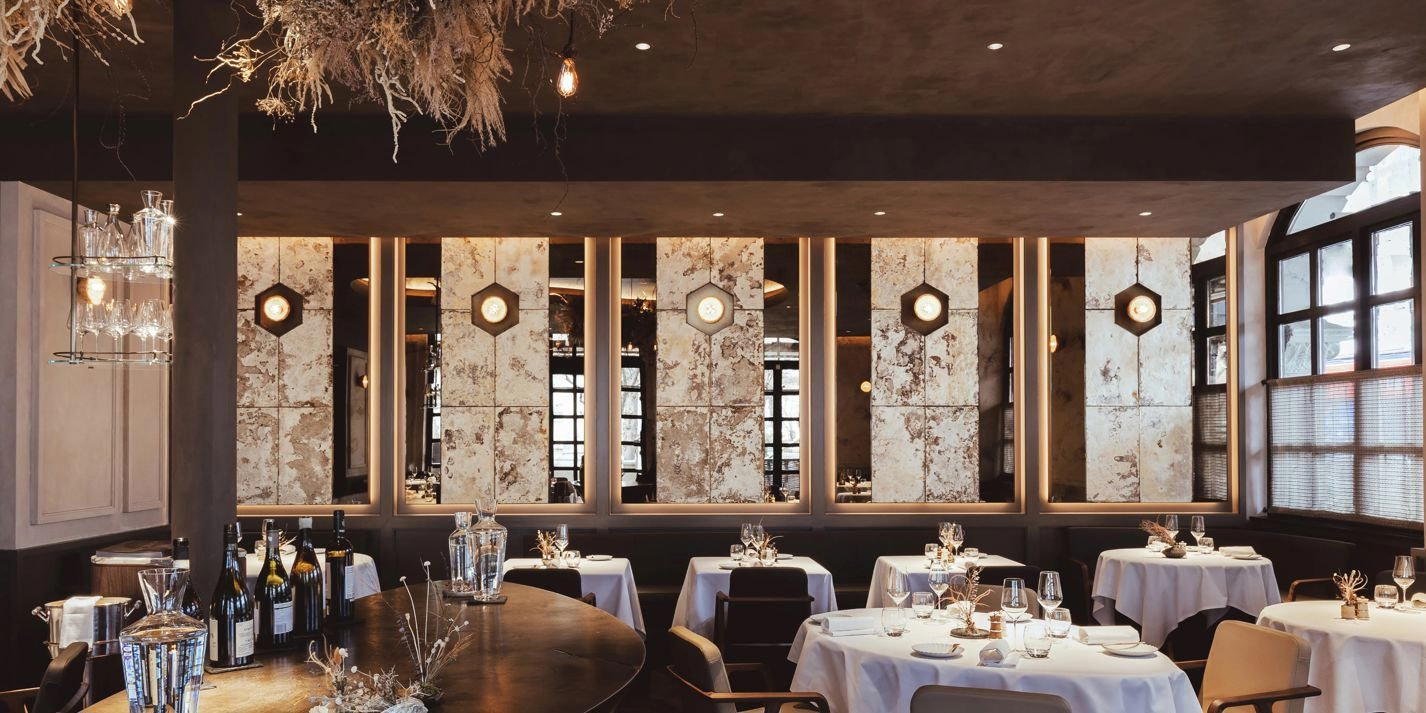
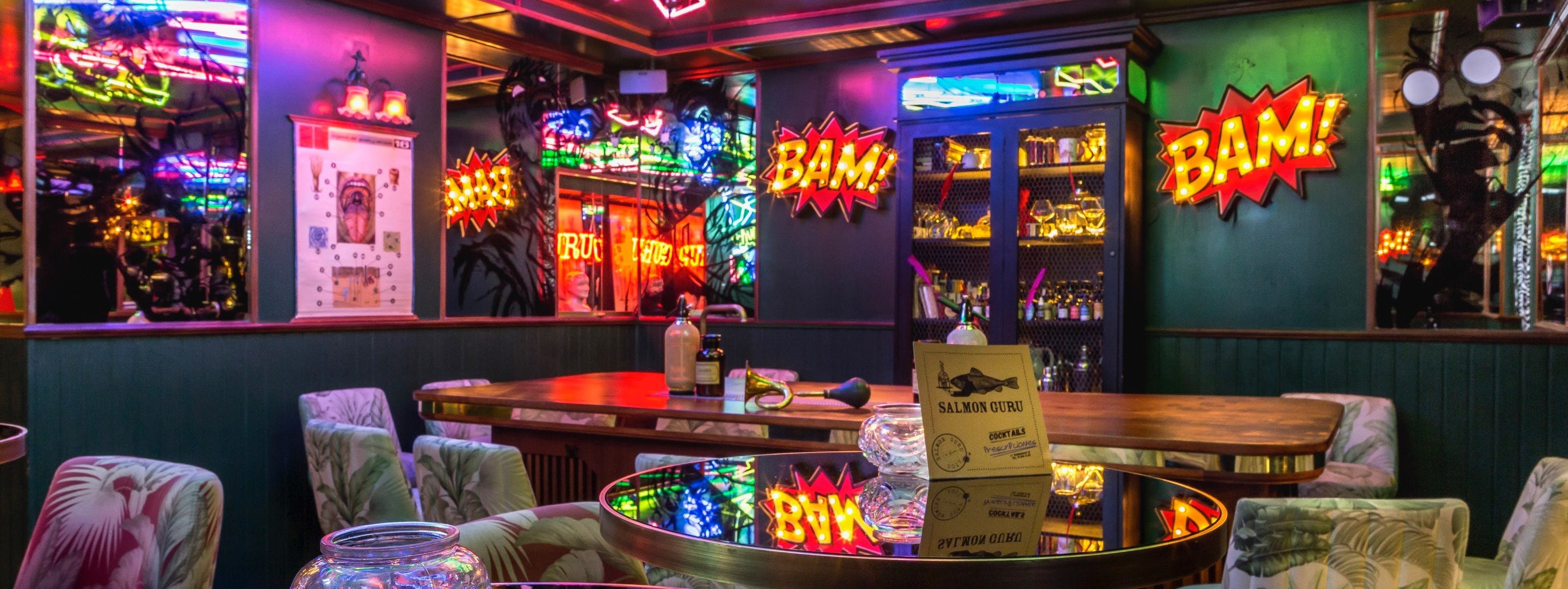
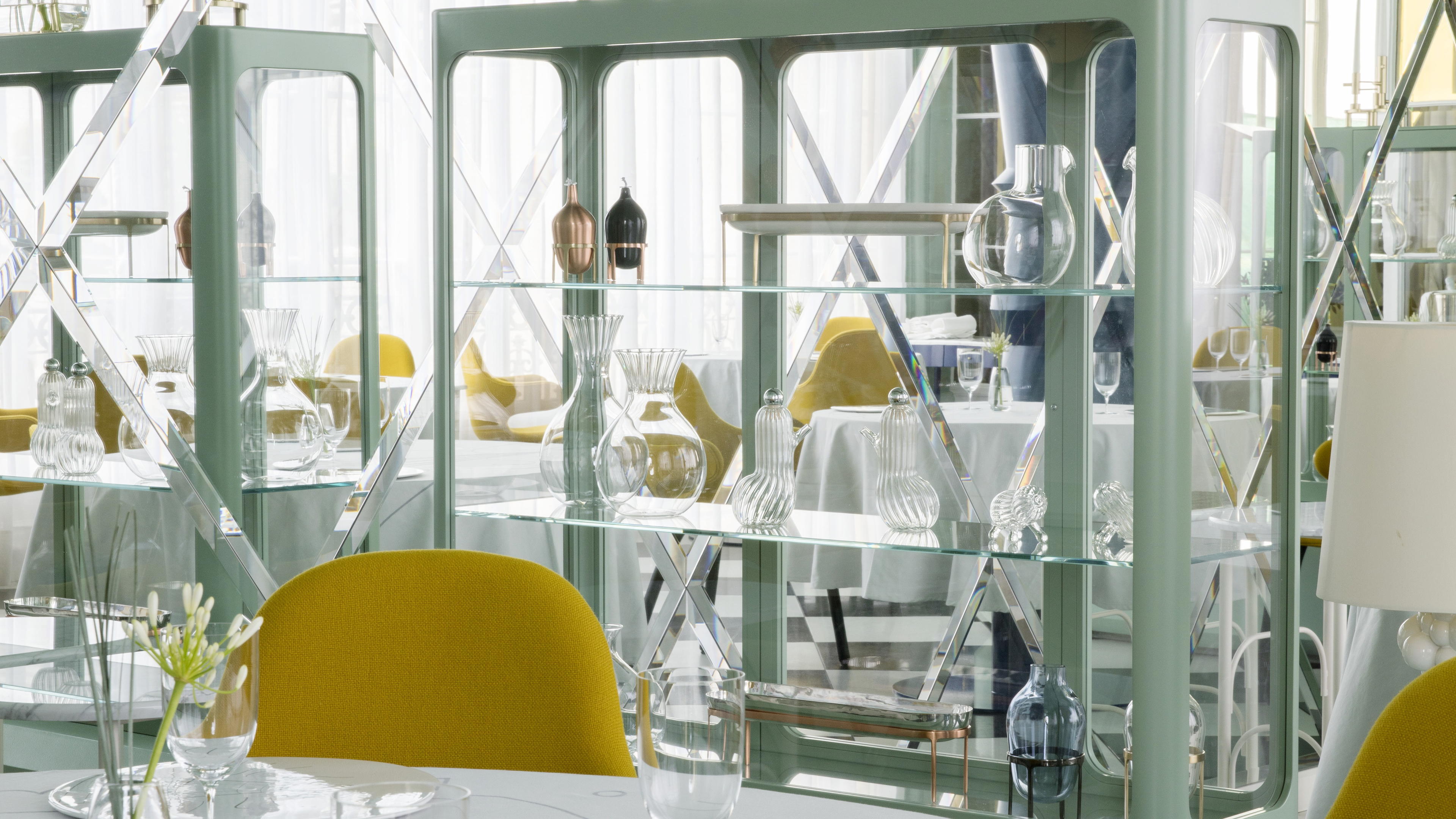
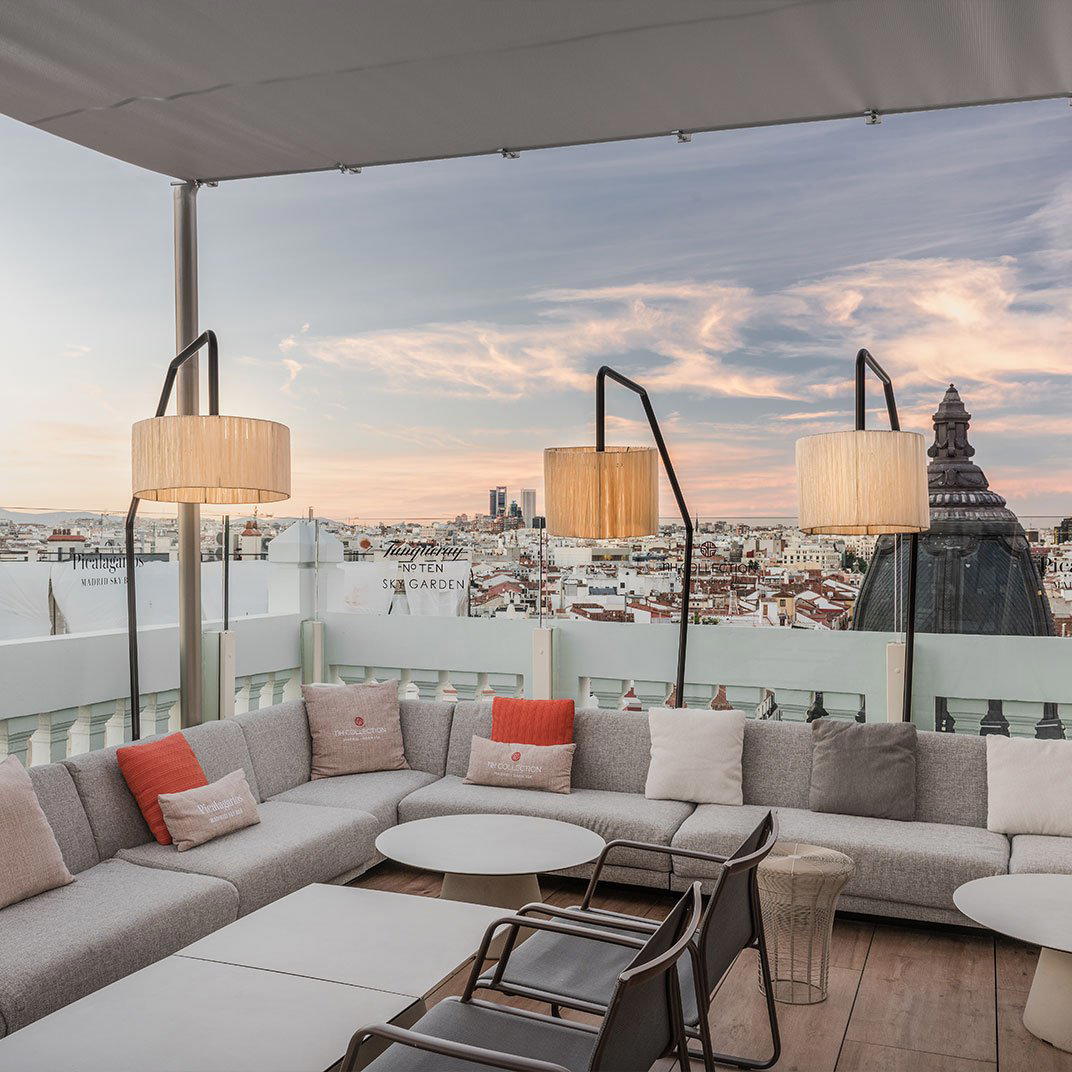
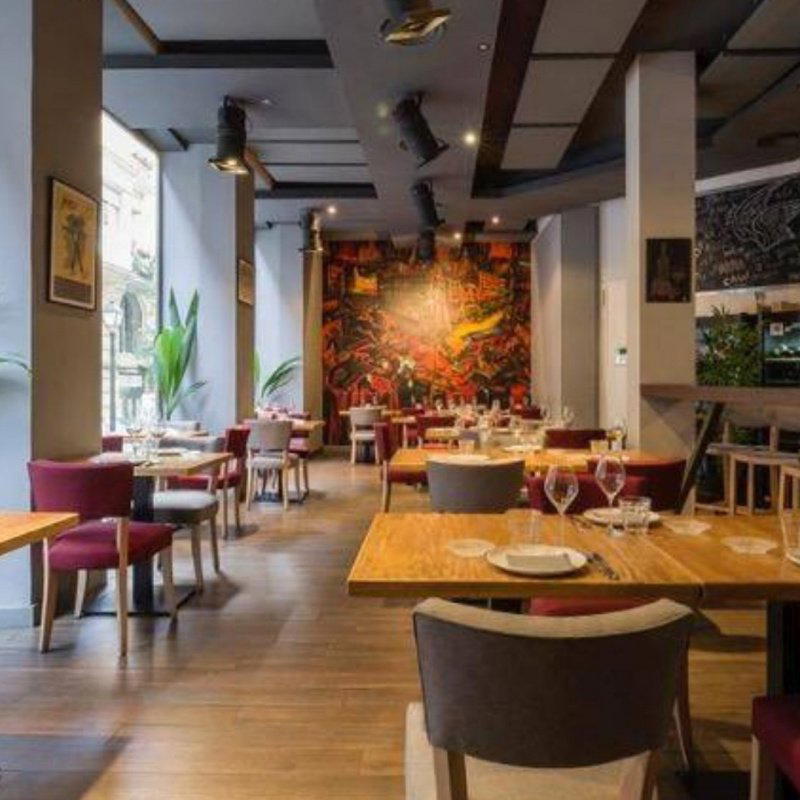
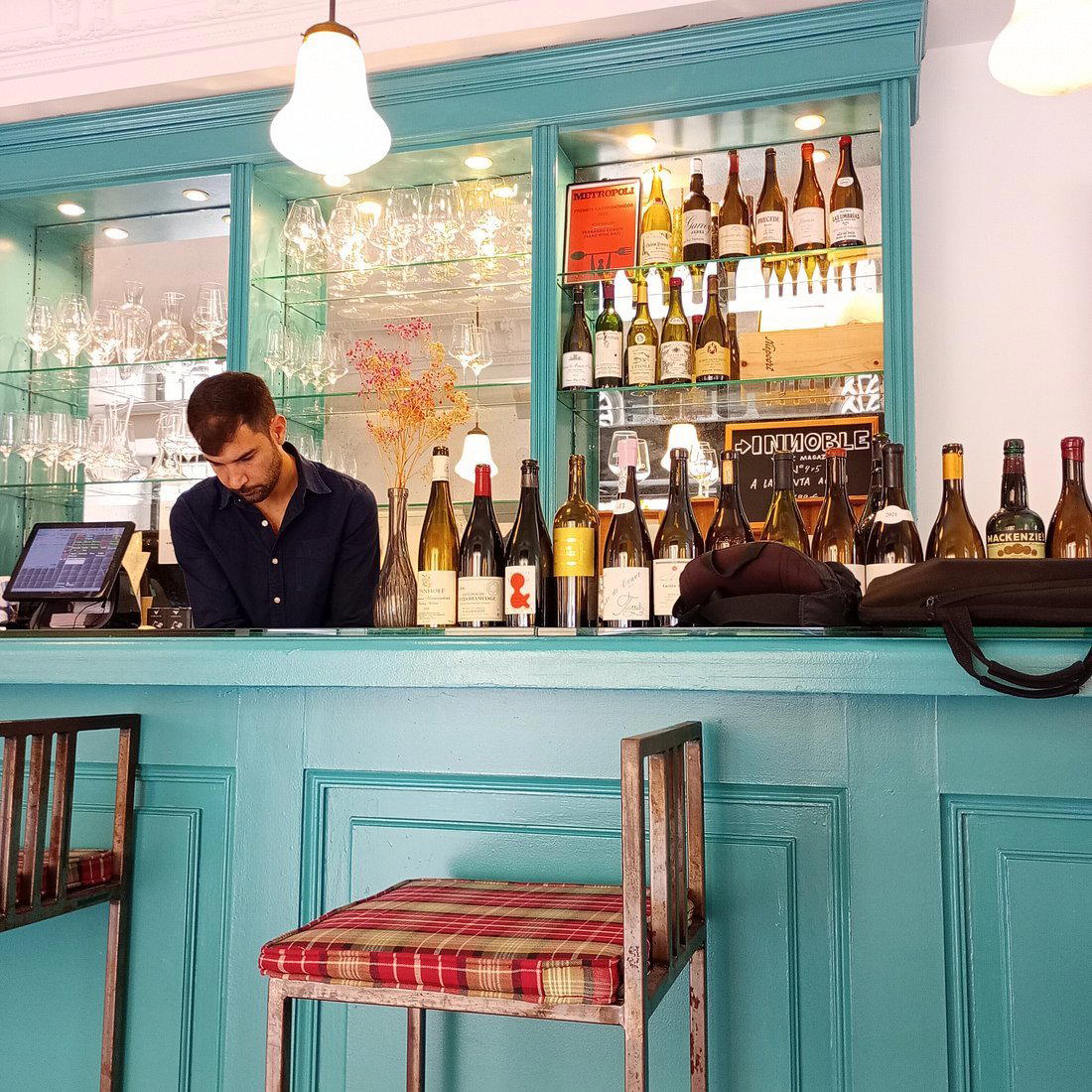
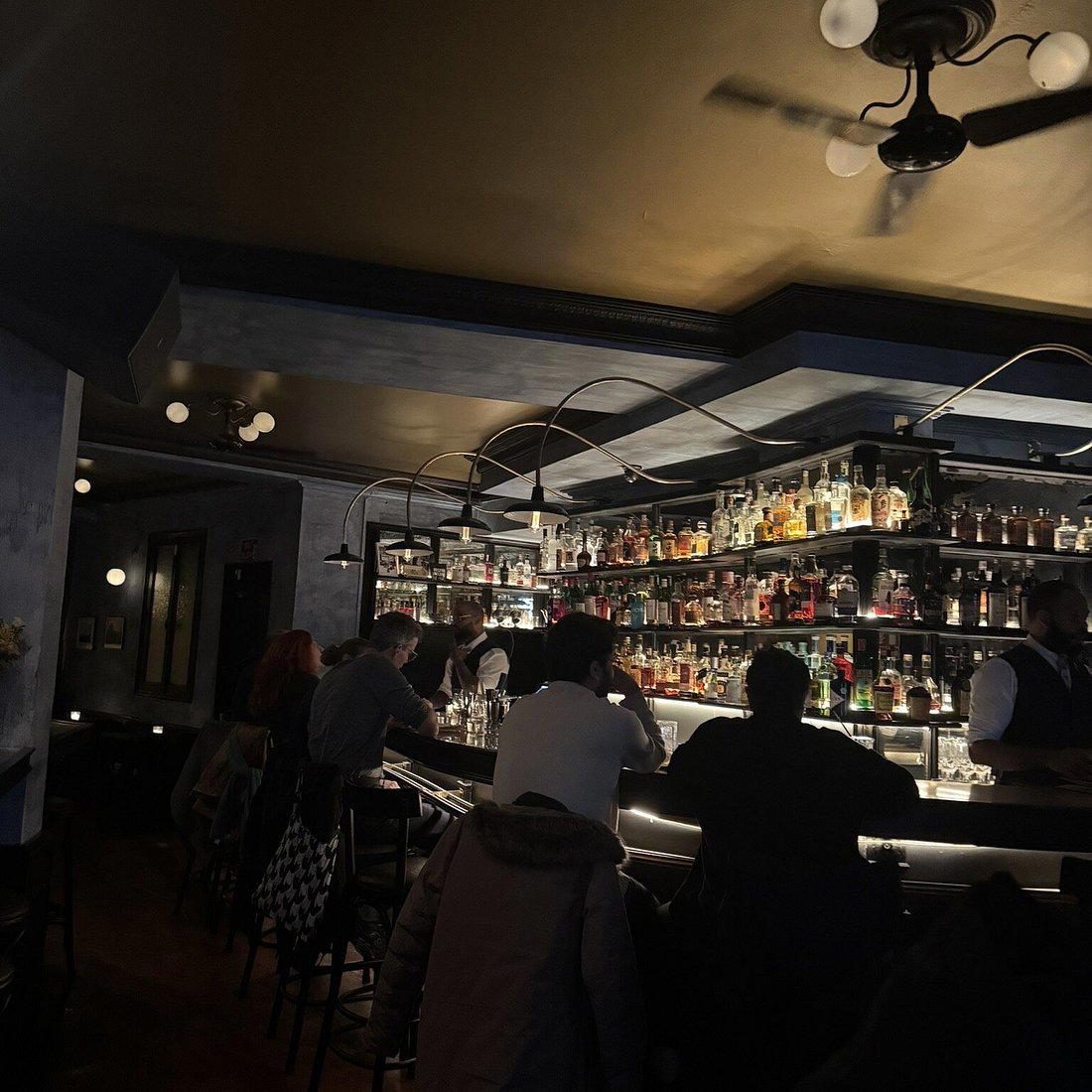
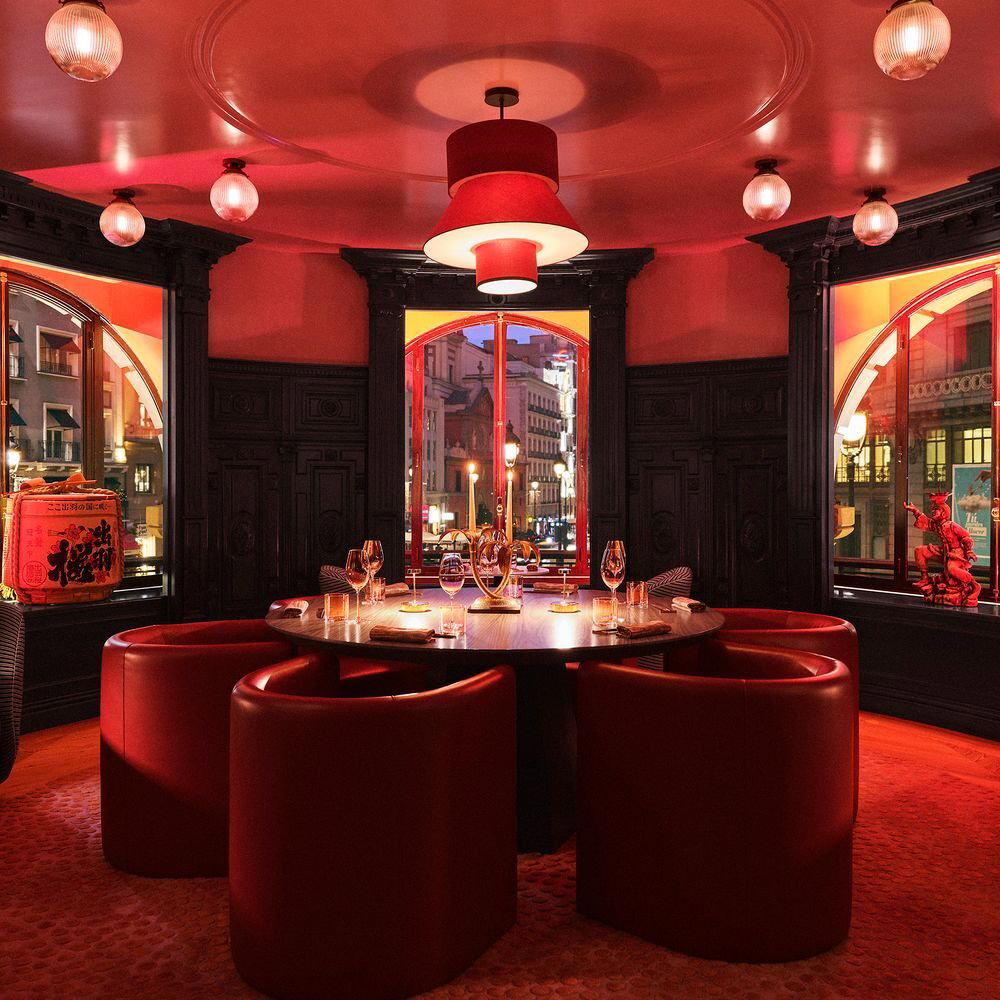
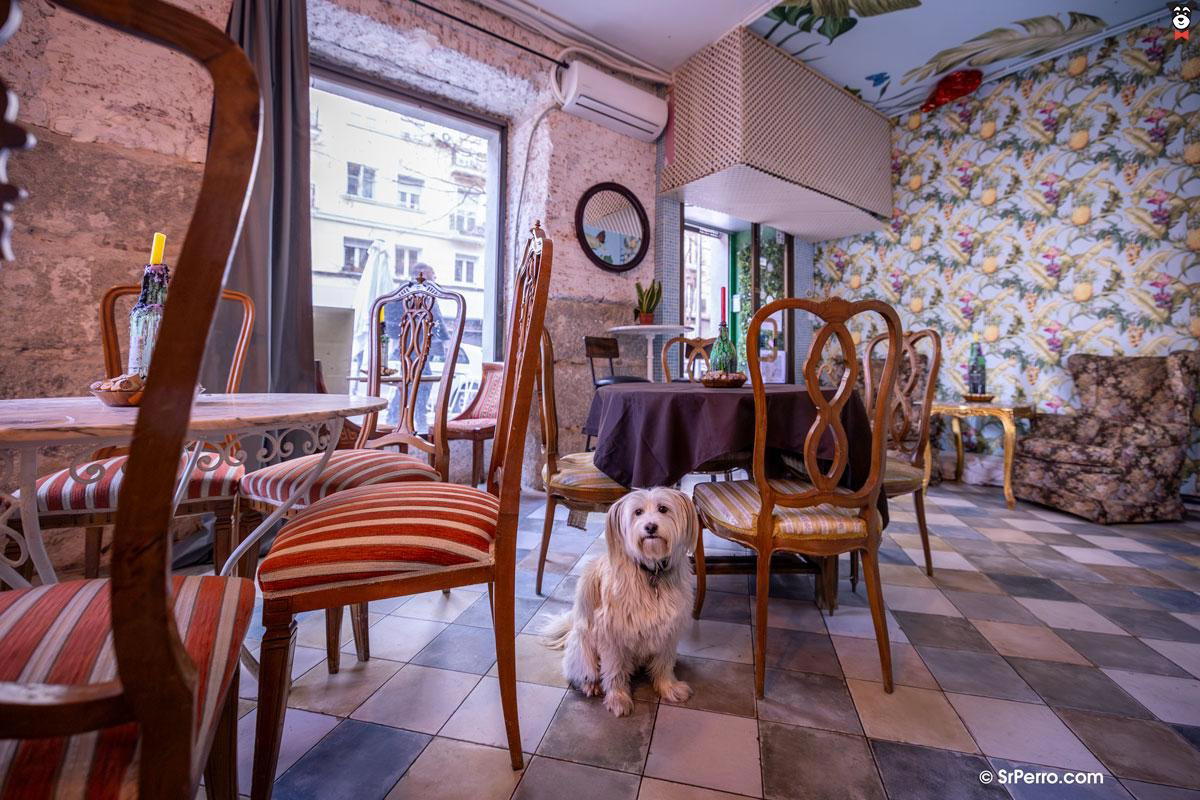
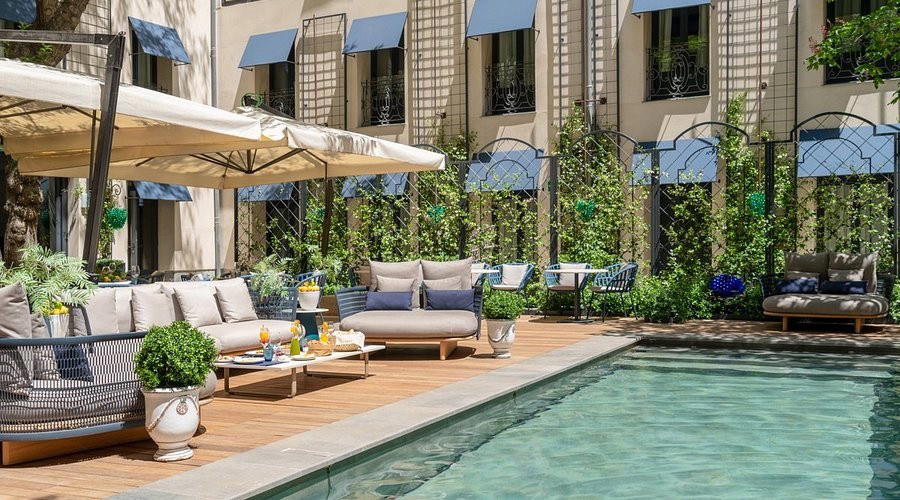
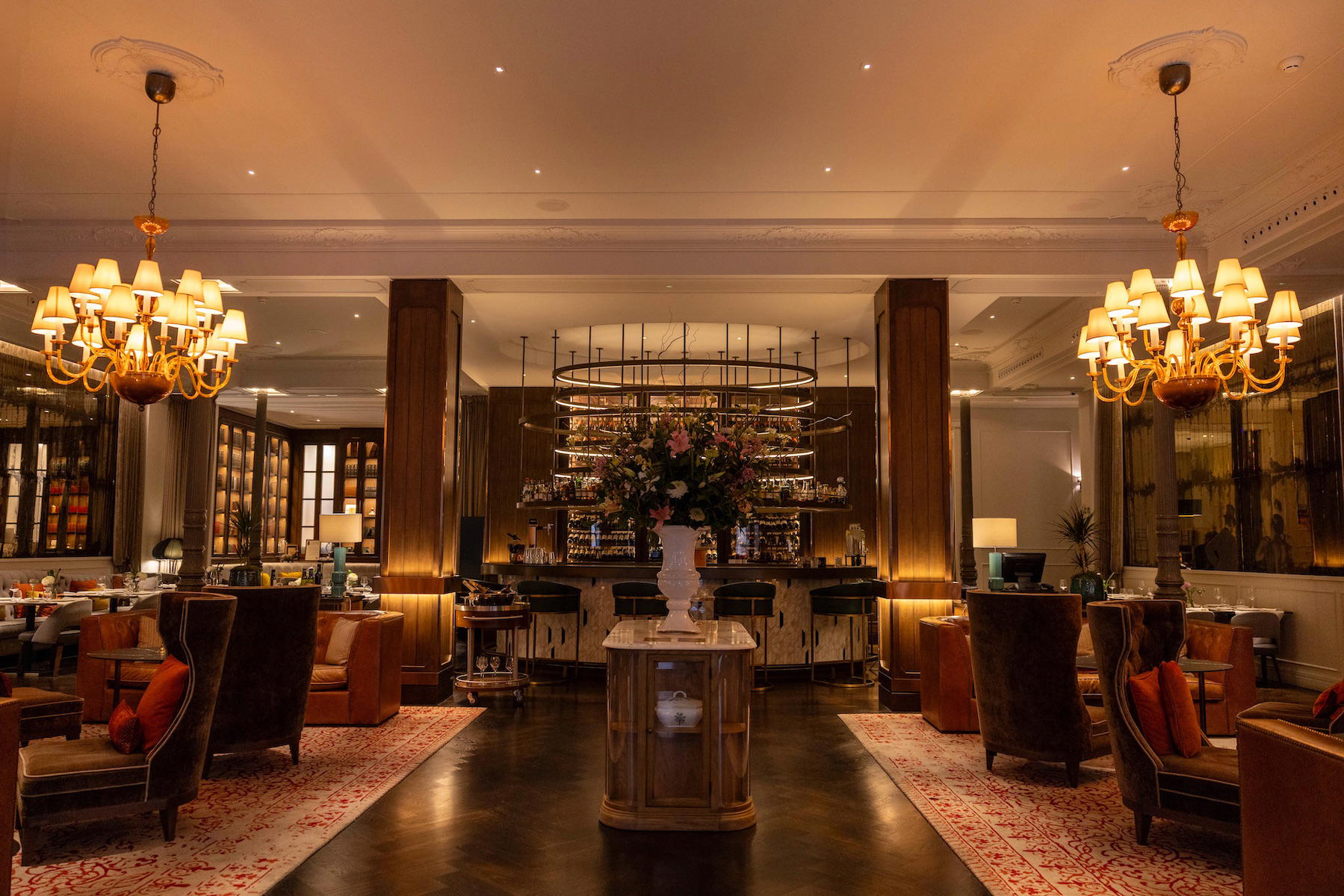
Dynamic and inviting atmosphere with tasteful décor, lively bar areas, and elegant spaces combining marble, wood, and stadium elements for warmth and character.