
We're Smart World 2 Radishes
Our verdict
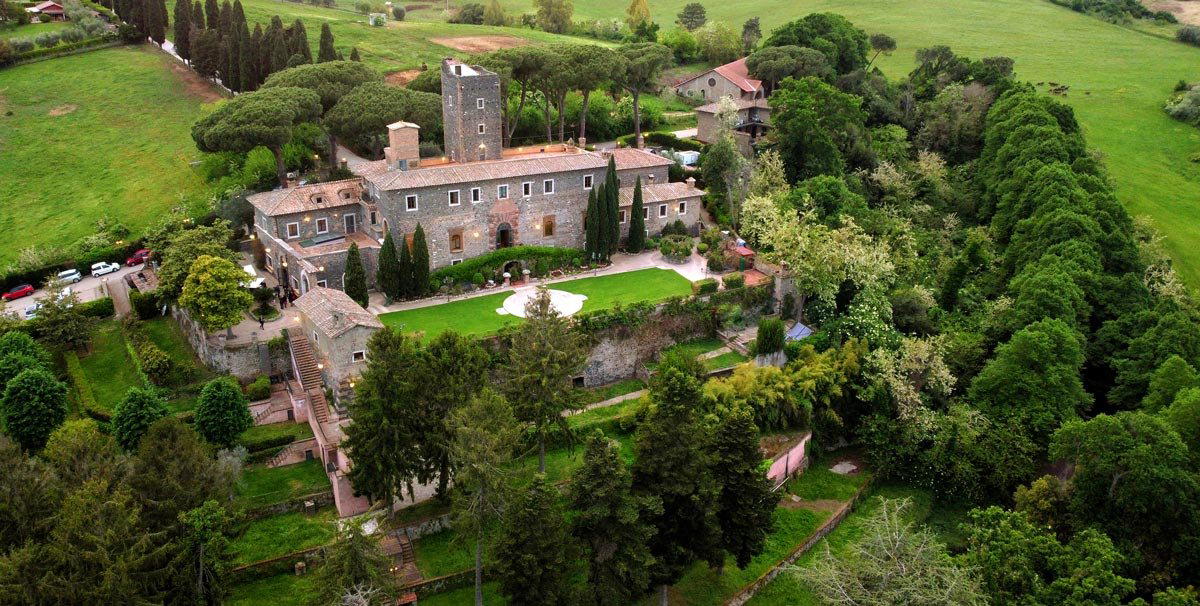
A medieval castle built between the 12th and 13th centuries on the ruins of a Roman villa, Castello della Castelluccia sits in the hills just outside Rome and serves a kitchen grounded in seasonal, locally sourced ingredients with a notably strong plant-forward selection. The setting, historic halls or open terraces with views over the Roman countryside, places it in a category of its own among the capital's destination dining options.

Pearl is the En Primeur Club membership app, where members save venues, book tables and use the concierge.
The menu
What to order
- Fettuccine della Locanda
- Raviolini di magro with asparagus and parmesan
- Picanha beef
- Sacher torte a modo mio
- Zuppa di frutti rossi
Dining Outside the City Walls
Rome's premium restaurant scene concentrates heavily within the ring road: Michelin-decorated counters such as La Pergola, creative fine-dining rooms like Il Pagliaccio and Enoteca La Torre, and neighbourhood-rooted trattorie all operate within the dense urban fabric. Castello della Castelluccia works in the opposite direction. The property sits in the green hills northwest of the city, technically still within the comune, at Via Carlo Cavina 40, and the drive out is part of the proposition. By the time the castle towers come into view through the tree line, the diner has already crossed a threshold that no city-centre dining room can manufacture.
That physical separation is not incidental. A significant strand of Italian regional cooking has always been tied to the land surrounding a building, and a kitchen embedded in a working estate or historic rural property operates under a different set of pressures and possibilities than one supplied by a central market. Castello della Castelluccia belongs to that tradition: the countryside framing is not decorative, it is structural to how the kitchen sources and how the guest experiences the food.
Eight Centuries of Provenance
The castle dates to the 12th and 13th centuries, constructed on the footprint of an earlier Roman villa. That layering of occupation, Roman, medieval, early modern, is common enough in the Lazio countryside, but the building's documented social history adds a specific kind of credential. Pope Pius VII and Queen Christina of Sweden are among the named guests recorded over its eight-century lifespan. The building has been hosting significant tables for considerably longer than most restaurant formats have existed.
This history is relevant beyond atmosphere. Properties with deep provenance in the Roman hills have typically maintained a relationship with the agricultural land around them, and that continuity shapes what a kitchen can access. The Locanda al Castello della Castelluccia frames its cooking around seasonal, locally sourced ingredients, a phrase that carries more weight in a setting like this than it does on a city-centre menu, where the same language sometimes functions as marketing shorthand rather than operational reality.
A Kitchen Built Around Seasonal Sourcing
The editorial angle that matters most at Castelluccia is ingredient origin. The Locanda's kitchen is described as tradition-led, with seasonal and locally sourced produce at its core. Vegetables occupy a central position on the menu, and the plant-focused selection is presented not as a dietary accommodation but as a deliberate culinary statement, dishes crafted with care and technical attention rather than assembled as an afterthought for non-meat eaters.
This positions Castelluccia within a broader Italian cooking tradition that has always placed the orto, the kitchen garden, at the centre of the plate. Long before plant-forward became a trend in European fine dining, the Roman and Lazio culinary calendar was organised around seasonal vegetables: artichokes in spring, puntarelle through winter, broad beans and pecorino in the transitional months. A kitchen operating from a country estate in the hills around Rome has direct access to that seasonal rhythm in a way that urban competitors do not. Compare this sourcing logic with the approach at places like Atelier Moessmer Norbert Niederkofler in Brunico, where mountain territory dictates the menu's architecture, or the deep regional rootedness of Dal Pescatore in Runate: in each case, geography and provenance do more editorial work than any single technique or signature dish.
For diners who want to understand what the Roman countryside actually produces in a given season, Castelluccia makes that case more directly than the capital's urban fine-dining rooms, where sourcing from the same region is a choice rather than a consequence of location.
The Setting: Halls, Terraces, and the Countryside View
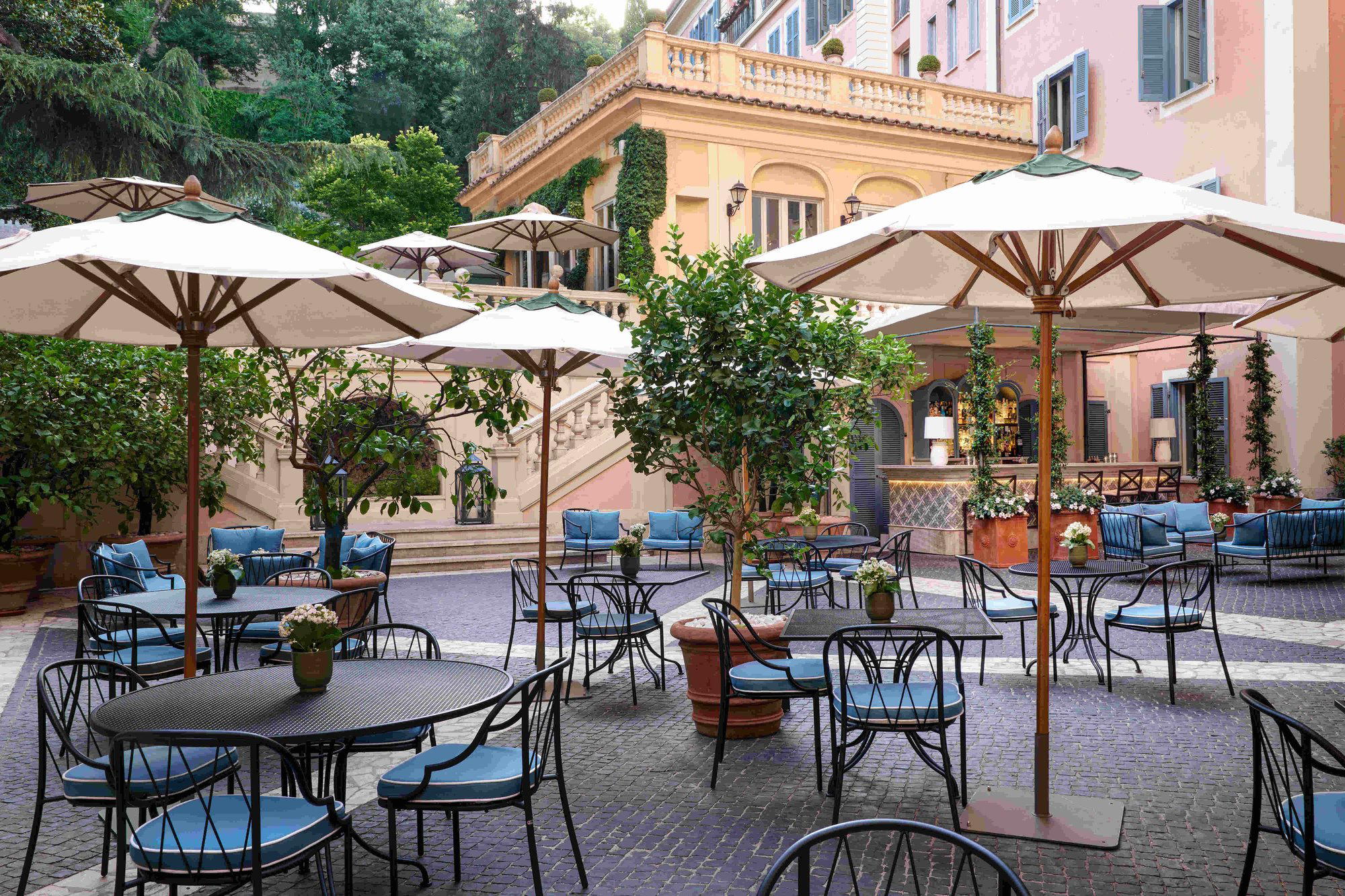
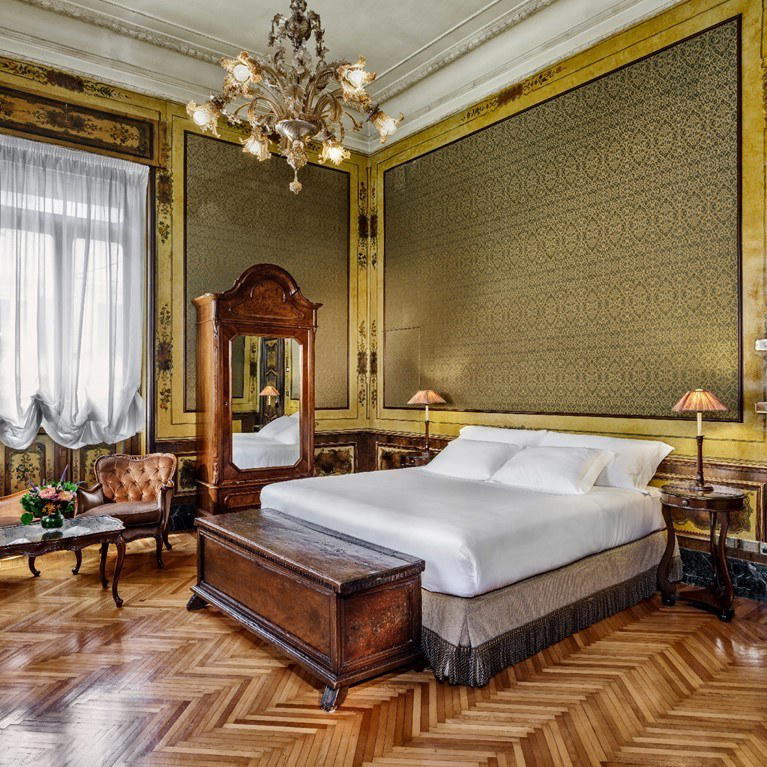
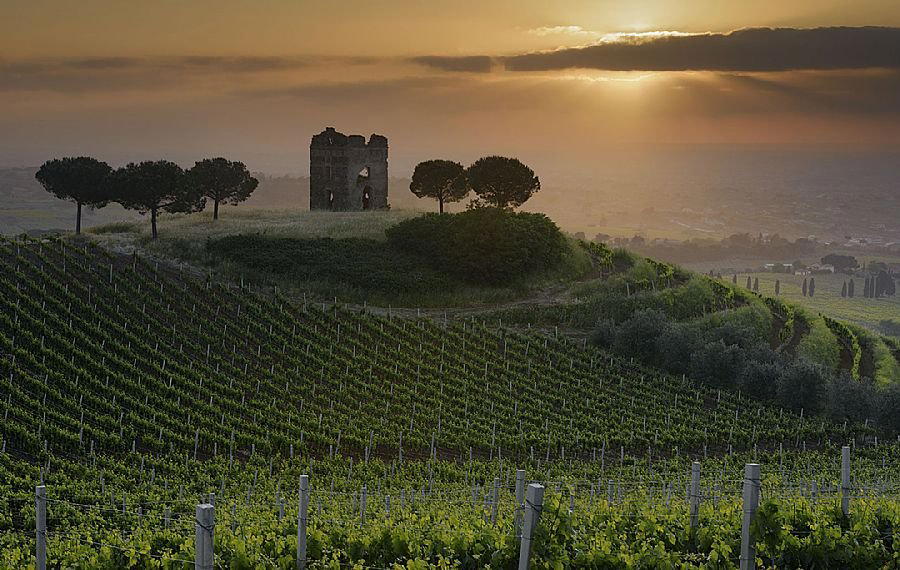
The Locanda offers two distinct dining environments: the castle's interior halls, with the weight of medieval stone and period proportions, and the outdoor terraces, where centuries-old trees frame a view over the Roman campagna. These are not interchangeable. The halls carry the register of a formal historic interior; the terraces offer the particular pleasure of eating in the open air with a landscape that has changed relatively little since the building was constructed.
Italian dining has a long tradition of treating the view as a course in itself, and the countryside prospect from a hilltop property outside Rome is a specific regional experience. Properties like this sit in a category adjacent to, but distinct from, the decorated urban restaurants, closer in spirit to the agriturismo tradition, though operating at a higher level of culinary finish. For context on how Rome's fine-dining spectrum distributes across the city and its surroundings, see our full Rome restaurants guide.
Where Castelluccia Sits in the Broader Rome Dining Picture
Rome's decorated restaurant scene is well documented. Acquolina, Achilli al Parlamento, and the creative end of the city's dining spectrum are all concentrated in the urban core, where competition and visibility are highest. Castelluccia does not compete on those terms.
Internationally, this format has its own distinguished lineage. The country-house restaurant or castle dining tradition appears across Italy, from the estate-rooted kitchens of Tuscany to the border-region precision of Le Calandre in Rubano, and each iteration succeeds or fails on how well the location and the kitchen reinforce each other. At Castelluccia, the medieval architecture, the countryside view, the documented historical pedigree, and a kitchen that draws on seasonal local produce represent a coherent set of signals pointing in the same direction.
For those building a broader Rome itinerary, the city's hotel, bar, and experience programming are equally worth mapping in advance: see our full Rome hotels guide, our full Rome bars guide, and our full Rome experiences guide for context on the wider offering.
Planning a Visit
Castello della Castelluccia is located at Via Carlo Cavina 40, in the hills northwest of Rome. The property is a short drive from the city centre, and given its rural setting, arriving by car is the practical approach for most visitors. Given the setting and the format, this is the kind of table that rewards advance planning rather than a spontaneous decision on the night. The outdoor terraces are seasonal by nature, so timing a visit for the warmer months, late spring through early autumn, makes the most of the countryside dining experience. For broader context on what else Rome and the surrounding region offer at the table, our Rome restaurants guide and our Rome wineries guide provide the full picture.
Frequently asked questions
What's the address for Castello della Castelluccia?
Castello della Castelluccia is located at Via Carlo Cavina, 40, 00123 Roma RM, Italy, Rome.
What distinctions does Castello della Castelluccia have?
Castello della Castelluccia has received recognition including: Nestled among the green hills of the Roman countryside, just a few kilometers from the center of Rome, the Locanda al Castello della Castelluccia offers a gastronomic experience that combines authentic flavors with timeless charm. The resta….
What's the signature dish at Castello della Castelluccia?
The kitchen does not publish a fixed signature dish. The Locanda's stated approach centres on seasonal, locally sourced ingredients, with vegetables taking a central role across the menu. Specific dishes rotate with the seasons, so the most reliable guide is to check directly with the restaurant ahead of your visit.
What's the best way to book Castello della Castelluccia?
The property is located at Via Carlo Cavina 40 in the hills northwest of Rome. Given the historic setting and limited seating across the castle halls and terraces, advance reservation is advisable.
What makes Castello della Castelluccia worth seeking out?
The castle was built between the 12th and 13th centuries on the ruins of a Roman villa, and the dining rooms occupy those original medieval interiors. That combination of verified historical provenance and working kitchen is rare within a short drive of central Rome. Notable past guests have included Pope Pius VII and Queen Christina of Sweden, which gives the property a documented place in European history beyond its restaurant credentials.
Is Castello della Castelluccia good for vegetarians?
Yes. The Locanda explicitly positions vegetables at the centre of its menu, with a dedicated selection of plant-based dishes described as carefully crafted rather than afterthoughts. This is a deliberate kitchen stance, not a token concession, making it a more considered choice for vegetarians than most comparable castle dining venues around Rome.
Can you dine outdoors at Castello della Castelluccia, and what is the view like?
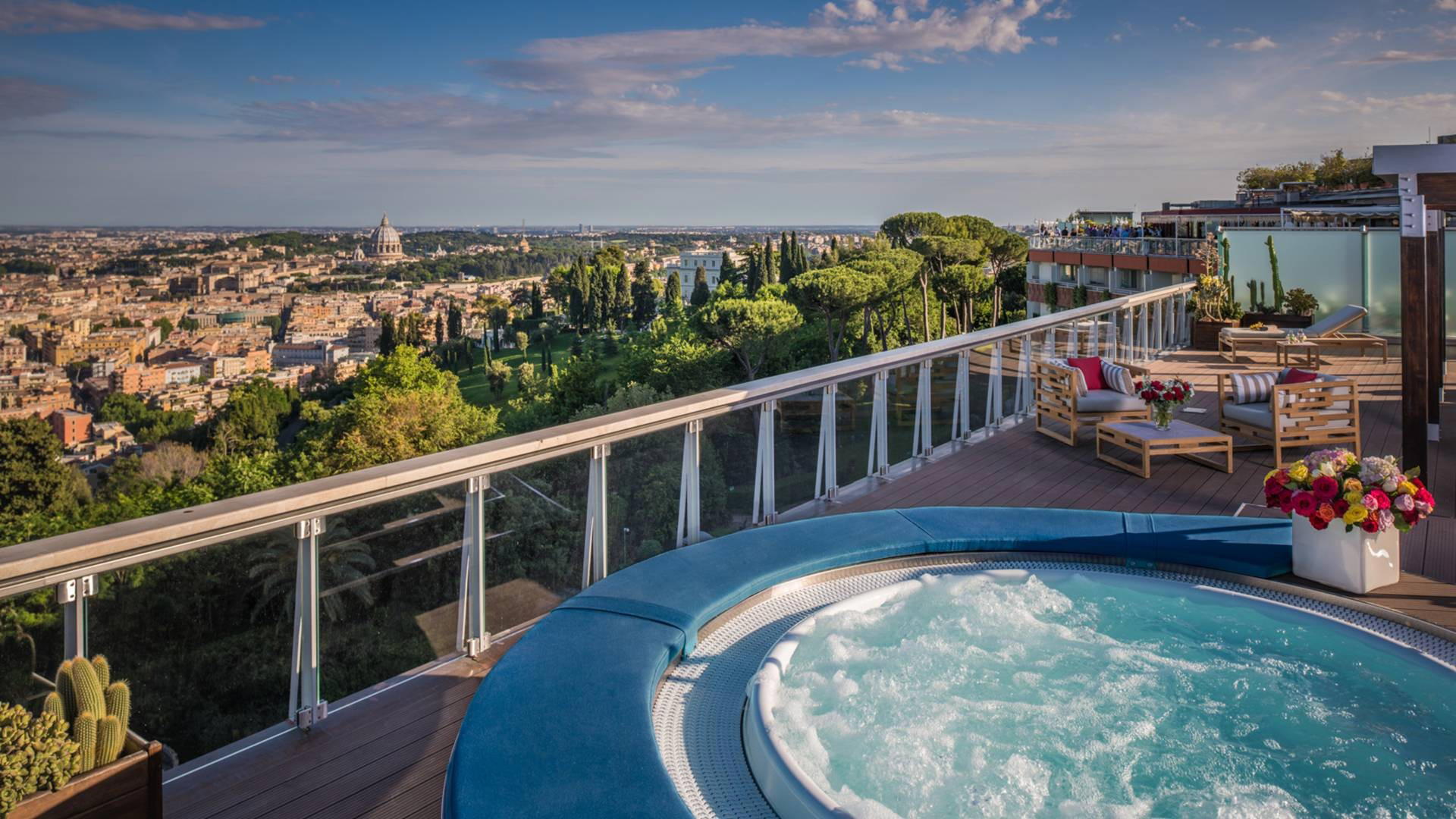
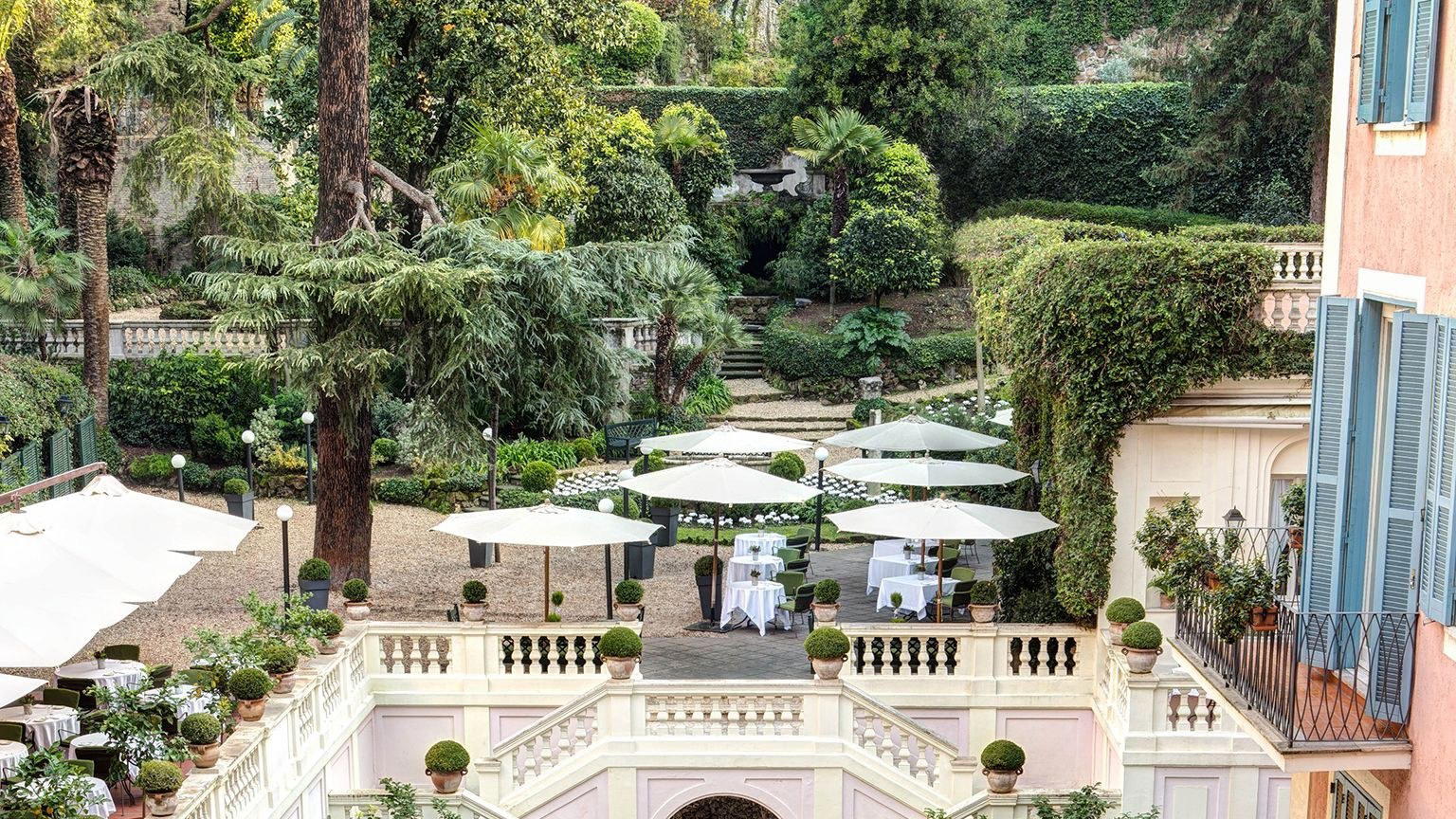
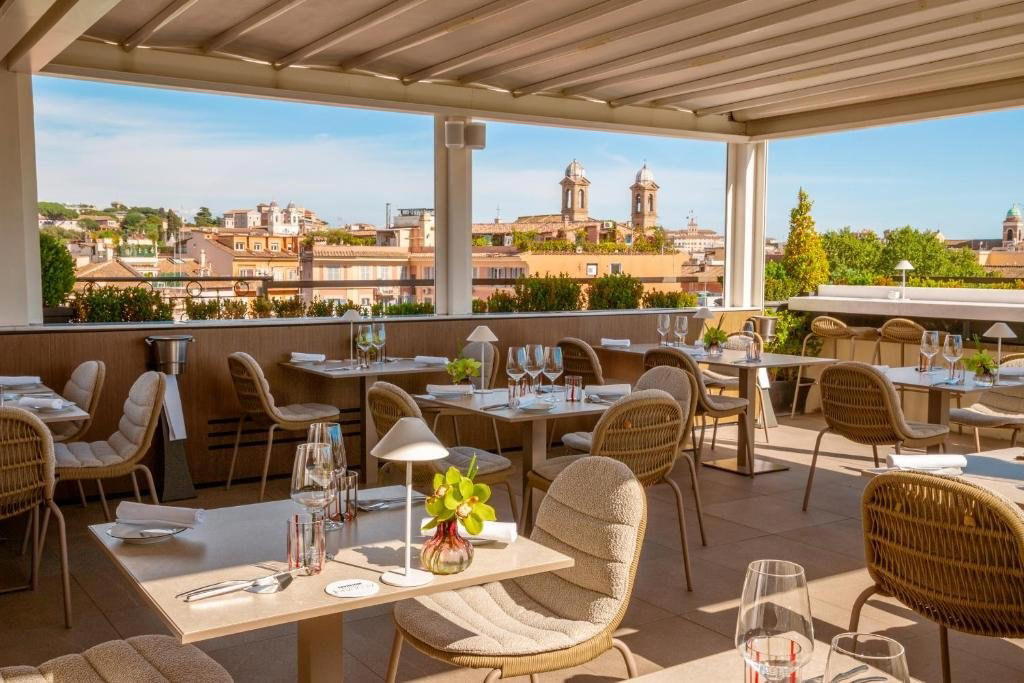
The Locanda offers outdoor terrace dining surrounded by centuries-old trees, with an open view across the Roman countryside. The castle sits in the green hills northwest of Rome, so the terrace outlook is genuinely rural despite the proximity to the city. Interior seating in the castle halls is also available for guests who prefer the medieval stone setting.
Side-by-Side Snapshot
Comparable venues nearby, for context on price, style, and recognition.
| Venue | Cuisine | Price | Awards | Notes |
|---|---|---|---|---|
| Castello della CastellucciaThis venue (the venue you are viewing) | Modern Mediterranean Italian | Not listed | We're Smart World 2 Radishes | Not listed |
| Casina Valadier | Traditional Roman-Italian Fine Dining | $100–150 | Not listed | Campo Marzio |
| Enoteca L’antidoto | Modern Italian Small Plates with Natural Wines | $50–100 | Not listed | Trastevere |
| eqvo | Modern Italian Seafood | $50–100 | Not listed | Settecamini |
| Pommidoro dal 1890 Ristorante | Traditional Roman Trattoria | Not listed | Not listed | Tiburtino |
Recognition history
Dated appearances from independent guides and award organizations, with the underlying list record or original source where available.
We're Smart World 2 Radishes
We're Smart World
Continue exploring
More in Rome
Restaurants in Rome
All restaurants in Rome →
Bars in Rome
All bars in Rome →

Details
- Romantic
- Elegant
- Rustic
- Scenic
- Classic
- Intimate
- Sophisticated
- Date Night
- Special Occasion
- Celebration
- Family
- Group Dining
- Historic Building
- Garden
- Terrace
- Hotel Restaurant
- Extensive Wine List
- Garden
- A La Carte
- Vegetarian Friendly
Current opening hours
- Monday
- 8 AM–8 PM
- Tuesday
- 8 AM–8 PM
- Wednesday
- 8 AM–8 PM
- Thursday
- 8 AM–12 AM
- Friday
- 8 AM–12 AM
- Saturday
- 8 AM–12 AM
- Sunday
- 8 AM–8 PM
Hours can change for holidays and private events. Hours as of .
Tranquil and romantic atmosphere with candlelit dinners, lush greenery surroundings, and elegant historic interiors featuring frescoes and antique furnishings.