Caseros

Caseros has earned back-to-back Michelin Bib Gourmand recognition in 2024 and 2025 for delivering traditional Argentine cooking at a price point that puts it firmly outside the city's fine-dining circuit. Located on Av. Caseros in San Telmo, it draws a mixed crowd of neighbourhood regulars and informed visitors who prioritise honest cooking over spectacle.
Pearl is the En Primeur Club membership app — saves, bookings, and concierge access live there. Same editors, same standards.
- Address
- Av. Caseros 486, C1152AAN Cdad. Autónoma de Buenos Aires, Argentina
- Phone
- +54 11 4307-4729
- Website
- facebook.com
- Directions
- Get directions
 Saves & bookings on Pearl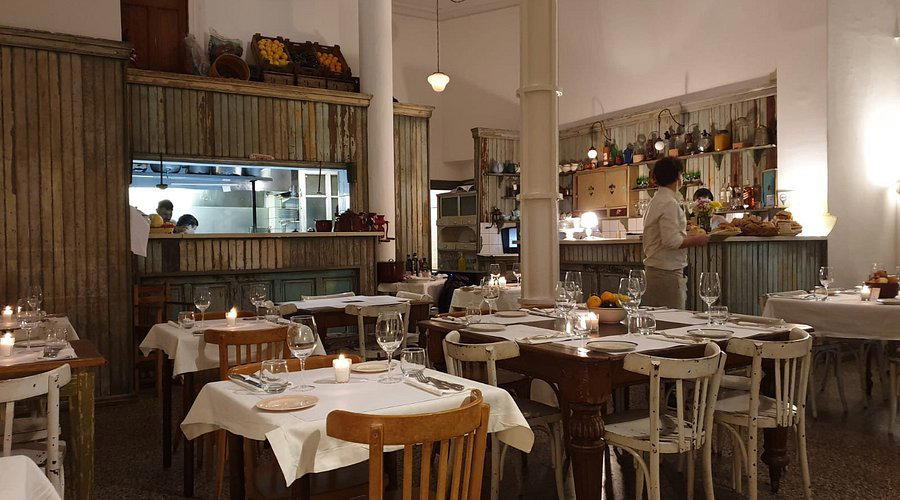
San Telmo's Appetite for the Everyday
San Telmo has always run on a different frequency from Palermo or Puerto Madero. The streets around Plaza Dorrego trade in antique stalls, Sunday fairs, and the kind of neighbourhood restaurants that have never needed a publicist. Av. Caseros, which cuts through the southern edge of the barrio toward Parque Lezama, carries that same unhurried register: low-key storefronts, produce markets, the smell of charcoal drifting from kitchen vents by early evening. Walking toward the restaurant, there is nothing that signals destination dining in any conventional sense. That is, in part, the point.
Caseros the restaurant sits inside this context and draws its logic from it. Traditional Argentine cooking at a single-dollar-sign price tier is not a niche in Buenos Aires, it is the city's default mode, the cuisine most porteños eat most of the time. What changes the calculus here is the Michelin Bib Gourmand, awarded in both 2024 and 2025. The Bib Gourmand designation, which Michelin defines as good cooking at a moderate price, is a different credential from a star. It does not signal technical ambition or avant-garde plating. It signals consistent, honest execution at a price that does not punish the diner. Two consecutive years of that recognition, in a city where the guide is still relatively new and selective, puts Caseros in a specific and small peer group.
Traditional Cooking and What That Actually Means in Buenos Aires
Argentine traditional cuisine is not a single register. It spans the wood-fired asado grammar of places like Don Julio (Argentinian Steakhouse) and La Cabaña at the premium end, through the mid-market parrillas that anchor every neighbourhood, down to the bodegones, the old tavern-style rooms where a plate of milanesa or a cazuela arrives without ceremony and the wine comes in a jug. Caseros operates within this bodegón or traditional-restaurant tradition, where the menu reads like a record of what Argentine families have always cooked: braised meats, stuffed pastas that carry Italian-immigrant DNA, offal preparations that have never gone out of fashion in Buenos Aires even as they became unfashionable in other Western cities.
The contrast with the city's creative end is useful for orientation. Aramburu (Modern Argentinian, Creative) holds two Michelin stars and operates at the $$$$ tier with a tasting format. Trescha (Modern Cuisine) and Crizia (Contemporary) occupy a similar register of ambition and price. Caseros is not in conversation with that tier. Its competitive reference is closer to El Preferido de Palermo, another traditional Argentine room with Michelin attention and a loyal neighbourhood base. The difference is geography and atmosphere: El Preferido operates in a brighter, more polished Palermo space; Caseros carries the quieter, older-city feeling of San Telmo.
The Wine Question at This Price Point
Buenos Aires sits at an interesting intersection for wine. Argentina produces Malbec at scale from Mendoza, but the country also grows a wide range of varieties, Torrontés from Salta, Cabernet Franc and Bonarda from cooler sub-regions, sparkling wines from Patagonia, that rarely reach tourist-facing lists. The bodegón tradition has historically served wine from the barrel or jug, which is cheap and functional but tells the diner almost nothing about origin or producer. The editorial angle worth noting at a Bib Gourmand room at the $ tier is what happens to the wine program when price pressure is real.
Traditional rooms at this price often default to house wine that functions as a beverage rather than an accompaniment. The more interesting model, one that places like Azafrán in Mendoza demonstrate at a different price point, is a by-the-glass program that introduces drinkers to smaller Argentine producers without requiring a full bottle commitment. A room earning Bib Gourmand recognition twice over is doing something right with value, and that logic can extend to the glass as much as the plate.
For visitors building a wider Argentina wine picture, the country's producing regions extend well beyond Buenos Aires itself. Cavas Wine Lodge in Alto Agrelo and the restaurants at properties like EOLO - Patagonia's Spirit in El Calafate or Awasi Iguazu in Puerto Iguazu serve as good reference points for regional diversity. For a closer day-trip, La Bamba de Areco in San Antonio de Areco offers traditional estancia cooking within reach of the city. And for comparable Bib Gourmand-level traditional cooking in European contexts, Auberge Grand'Maison in Mûr-de-Bretagne and Auga in Gijón share the same Michelin philosophy of rewarding honest, regionally grounded cooking over spectacle.
Who Eats Here and When
Rooms that rely primarily on visitors to sustain their rating tend to drift; rooms with a loyal local contingent are held to a different standard of consistency. San Telmo itself draws tourists on weekends for the Feria de San Telmo, and the streets around Parque Lezama see a more local weekday rhythm. Arriving on a weekday evening, before the Sunday tourist flow concentrates the neighbourhood, is likely to produce a more representative experience of what Caseros does for its regular clients.
El Colibri in Santa Catalina represents a comparable commitment to traditional cooking in a rural Argentine setting, which is useful context for visitors building a broader picture of what the country's kitchen traditions look like outside the capital.
Planning Your Visit
Caseros is located at Av. Caseros 486, in the San Telmo barrio of Buenos Aires, close to the Parque Lezama end of the street. The $ price tier places it in the accessible range for a Buenos Aires meal, and the Bib Gourmand recognition means it draws more attention than a typical room at this price, so arriving early or confirming availability ahead of time is sensible. Checking current hours and booking approach directly before you go is the practical path.
What Regulars Order at Caseros
What do regulars order at Caseros?
Caseros is known for slow-braised cuts, house-made pastas, and offal dishes rooted in the bodegón tradition. What the Bib Gourmand recognition signals, across Michelin's own stated criteria, is that the room delivers traditional Argentine cooking at a price point where value is demonstrably real. In the bodegón tradition that Caseros appears to sit within, the reliable orders tend to be the preparations that require greater time: slow-braised cuts, house-made pastas, offal dishes that depend on sourcing and patience rather than technique display. Asking the room what has been cooking longest that day is usually the right question.
Cuisine Lens
Comparable venues nearby, for context on price, style, and recognition.
| Venue | Cuisine | Price | Awards | Notes |
|---|---|---|---|---|
| CaserosThis venue — the venue you are viewing | Authentic Argentine Home-Style | $$ | Bib Gourmand | Not listed |
| La Alacena Trattoria | Traditional Italian Trattoria | $$ | Bib Gourmand | Once |
| Elena | Contemporary Argentinian Steakhouse | $$$$ | Michelin Plate | Centro |
| Reliquia | Contemporary Argentine | $$$ | Bib Gourmand | Palermo |
| El Perón Perón | Argentine Bar & Grill | $$ | Not listed | Once |
| Picarón | Contemporary Argentinian Fusion Small Plates | $$ | Michelin Plate | Chacarrita |
Recognition history
Dated appearances from independent guides and award organizations, with the underlying list record or original source where available.
Michelin Bib Gourmand
Michelin
Michelin Bib Gourmand
Michelin
Michelin Bib Gourmand
Michelin
Continue exploring
More in Buenos Aires
Restaurants in Buenos Aires
Browse all →
Bars in Buenos Aires
Browse all →
Hotels in Buenos Aires
Browse all →
Wineries in Buenos Aires
Browse all →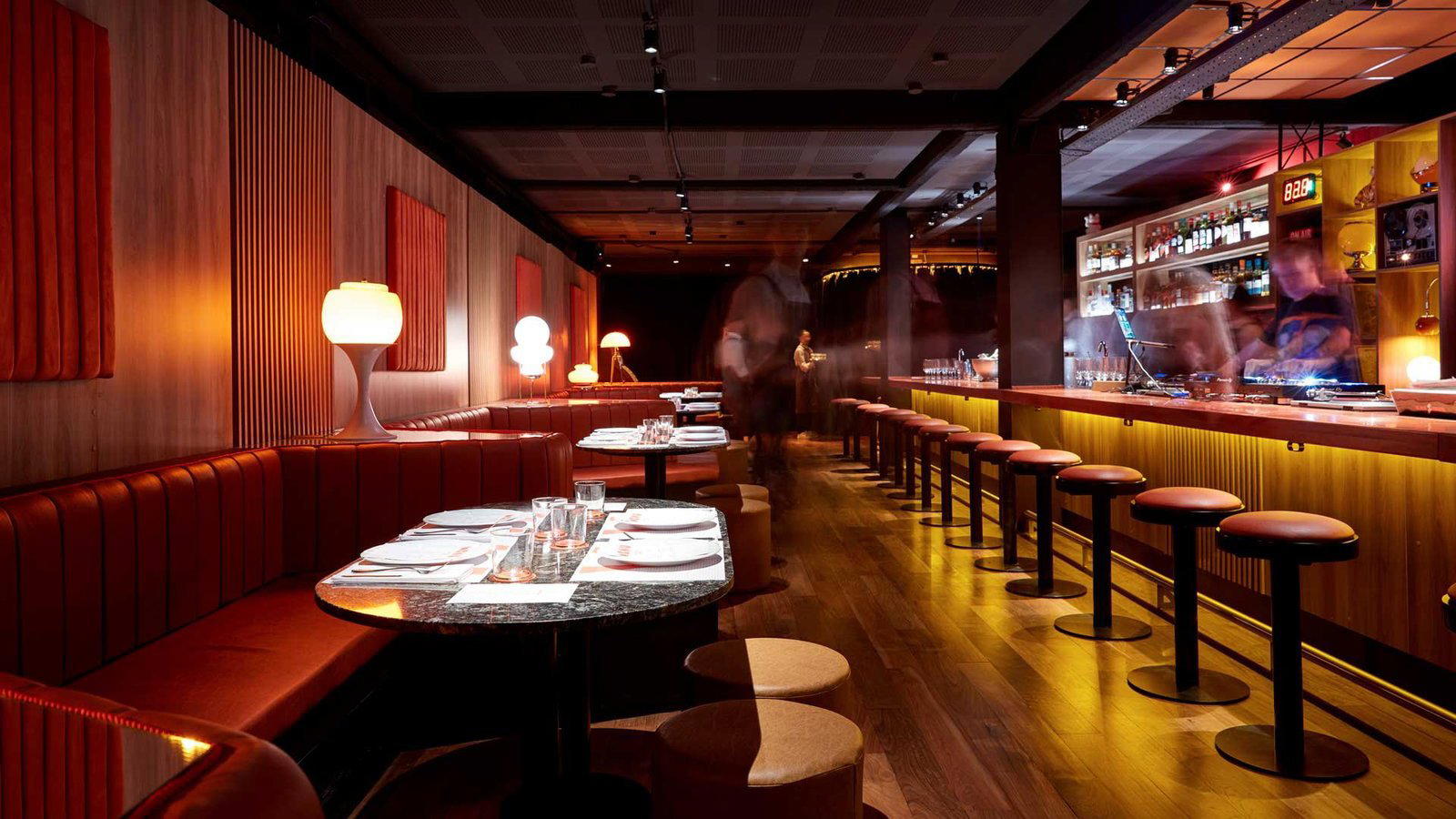
At a Glance
- Cozy
- Classic
- Elegant
- Casual Hangout
- Date Night
- Family
- Open Kitchen
- Street Scene
Current opening hours
- Monday
- Closed
- Tuesday
- 10 AM–11:30 PM
- Wednesday
- 10 AM–11:30 PM
- Thursday
- 10 AM–11:30 PM
- Friday
- 10 AM–11:30 PM
- Saturday
- 10 AM–11:30 PM
- Sunday
- 10 AM–8 PM
Hours can change for holidays and private events. Last verified .
Bright and cozy with high ceilings, light-filled space, spacious layout, and classic retro decor.