CASA TEO
On Petrarca in Polanco, Casa Teo occupies a neighbourhood where the gap between casual and serious cooking has narrowed considerably. With limited public data available, it sits within a district that rewards in-person discovery, a pattern common to a generation of Mexico City addresses that prefer word-of-mouth to digital visibility. Arrive with an open agenda and adjust expectations to the room, not the algorithm.
 Discover on Pearl
Pearl is the En Primeur Club membership app — saves, bookings, and concierge access live there. Same editors, same standards.
- Address
- Petrarca 254, Polanco, Polanco V Secc, Miguel Hidalgo, 11570 Ciudad de México, CDMX, Mexico
- Phone
- +52 55 5929 1848
- Website
- teo.casa
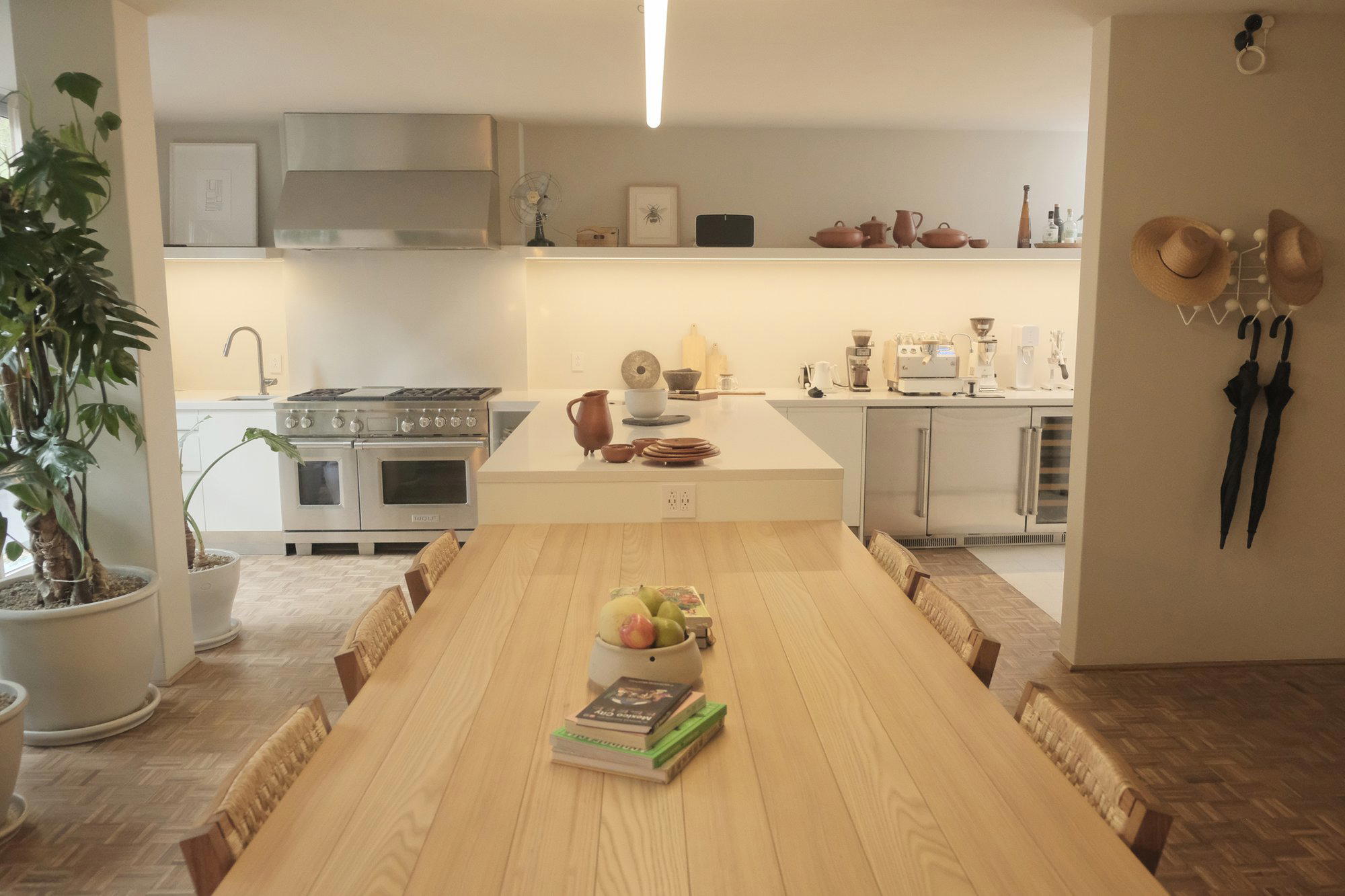
Polanco and the Quiet End of the Street
Petrarca 254 sits in the western reaches of Polanco's fifth section, a few blocks from the neighbourhood's louder commercial spine. This part of Miguel Hidalgo has a different register from the avenue-facing restaurants that court heavy foot traffic: addresses here tend to be smaller, less signposted, and deliberately low-profile. That physical positioning is itself a form of editorial statement. In a city where the highest-profile dining rooms, Pujol and Quintonil included, have become destinations requiring advance planning and institutional recognition, a venue that operates without a published phone number or website occupies a different tier of visibility.
Mexico City's dining scene has split, over the past decade, between two operating logics. The first is the internationally legible fine-dining model, built on tasting menus, reservation systems, and awards cycles. The second is a quieter network of neighbourhood rooms that sustain themselves through local regulars and earned reputation rather than algorithmic discovery. Casa Teo, at Petrarca 254 in Polanco, reads as part of that second tradition. The effect is the same: it filters its audience before they arrive.
What the Sourcing Conversation Looks Like in This Part of Mexico City
Mexico City's most discussed restaurants of the past decade have made ingredient provenance a central argument. At Pujol, the kitchen's relationships with heritage corn suppliers have become part of the restaurant's public identity. At Quintonil, foraged and market-sourced ingredients from the Valley of Mexico are foregrounded in the menu narrative. Further afield, Animalón in Valle de Guadalupe and Olivea Farm to Table in Ensenada have built their entire identities around direct producer relationships. This sourcing conversation has become the dominant intellectual framework for serious Mexican cooking, from Levadura de Olla in Oaxaca to KOLI Cocina de Origen in Monterrey.
A Polanco address like Casa Teo operates within that context whether or not it foregrounds it explicitly. The neighbourhood sits between the upscale residential fabric of Lomas de Chapultepec and the denser commercial pulse of Presidente Masaryk. Its market culture runs through the Mercado de Polanco on Molière, where vendors supply local kitchens with produce from around the Estado de México and beyond. Any kitchen working at this address with any seriousness is drawing from that supply chain, even if it does not advertise the fact. The question for any serious diner visiting this part of the city is not whether sourcing matters, but how legible that sourcing is meant to be.
Compare that to the explicit farm-to-table signalling at Sud 777 in Pedregal, or the biodynamic sourcing narrative at Lunario in El Porvenir. Some rooms make the supply chain part of the dining experience itself; others let the food make the case without the annotation. Casa Teo's limited public profile suggests it leans toward the latter mode, though that reading should be treated as provisional until confirmed by the room itself.
Reading the Room: What the Address Tells You
Polanco's fifth section is not the part of the neighbourhood that shows up in most hotel concierge recommendations. That alone places Casa Teo in a different competitive set from the Masaryk-adjacent rooms that absorb the bulk of tourist dining spend. This is the part of Polanco where residents eat, where the dining room is more likely to be full on a Tuesday than on a Saturday, and where the absence of a reservation widget is less unusual than it might appear from the outside.
the decision to eat somewhere with minimal digital presence is itself a curatorial act. Travellers accustomed to the booking infrastructure of restaurants like Rosetta in Roma Norte, or the internationally familiar formats of Le Bernardin in New York City or Lazy Bear in San Francisco, will need to calibrate differently here. The absence of a reservation system is not a signal of informality so much as a different theory of hospitality, one where the room, not the platform, does the filtering.
Rooms that operate this way tend to reward visitors who arrive having done the groundwork: asking locally, cross-referencing with people who have eaten there, and arriving with some flexibility on timing. It is a mode of dining that has more in common with a neighbourhood trattoria in a Roman rione than with the curated discovery economy that governs most premium travel planning.
Placing Casa Teo in Mexico's Wider Restaurant Conversation
Mexico's restaurant scene has diversified significantly beyond its capital. Le Chique in Puerto Morelos, Arca in Tulum, HA' in Playa del Carmen, Pangea in San Pedro Garza García, and Alcalde in Guadalajara all represent distinct regional expressions of the same broader movement toward serious, sourcing-conscious Mexican cooking. What connects them is not format or price point but a shared commitment to reading the local supply chain as a creative resource.
Casa Teo, at its Petrarca address, sits within that national conversation from a Polanco vantage point. Polanco has historically been associated with Mexico City's more cosmopolitan dining register, European formats, international wine lists, clientele drawn from the business and diplomatic communities. The neighbourhood's kitchen culture has shifted considerably in recent years, with a younger generation of operators bringing a more locally grounded approach to a district that once defaulted to imported references. Em represents one expression of that shift at the fine-dining end; neighbourhood rooms like Casa Teo, to the extent they reflect a similar sensibility, represent another point on the same axis.
How to Approach a Visit
At Casa Teo, the practical approach is direct: visit in person to gauge current hours and availability, or ask locally at nearby hotels and businesses in the Petrarca corridor. Polanco's fifth section is walkable from the Polanco metro station on Line 7, and the address is accessible by ride-share from most central Mexico City neighbourhoods in under thirty minutes depending on traffic. Arriving at an off-peak hour, mid-afternoon or early evening on a weekday, is likely to yield better information about the room than arriving on a weekend without prior knowledge. Treat the visit as an exercise in the kind of low-infrastructure dining discovery that the city's more interesting rooms have always rewarded.
At-a-Glance Comparison
Comparable venues nearby, for context on price, style, and recognition.
| Venue | Cuisine | Price | Awards | Notes |
|---|---|---|---|---|
| CASA TEOThis venue — the venue you are viewing | Contemporary Mexican Fine Dining | $$$ | , | |
| La Distral | Contemporary Mexican Grill & Tequila Bar | $$$ | , | Tabacalera |
| Arango | Modern Mexican Cocina de Raíces | $$$ | , | Tabacalera |
| Palominos | Sonoran Steakhouse | $$$ | , | Del Valle Norte |
| Rocasal | Contemporary International with Mexican Influences | $$$ | , | Pedregal de San Jeronimo |
| Alfil Restaurante | Mexican-Middle Eastern Fusion | $$$ | , | Condesa |
Continue exploring
More in Mexico City
Restaurants in Mexico City
Browse all →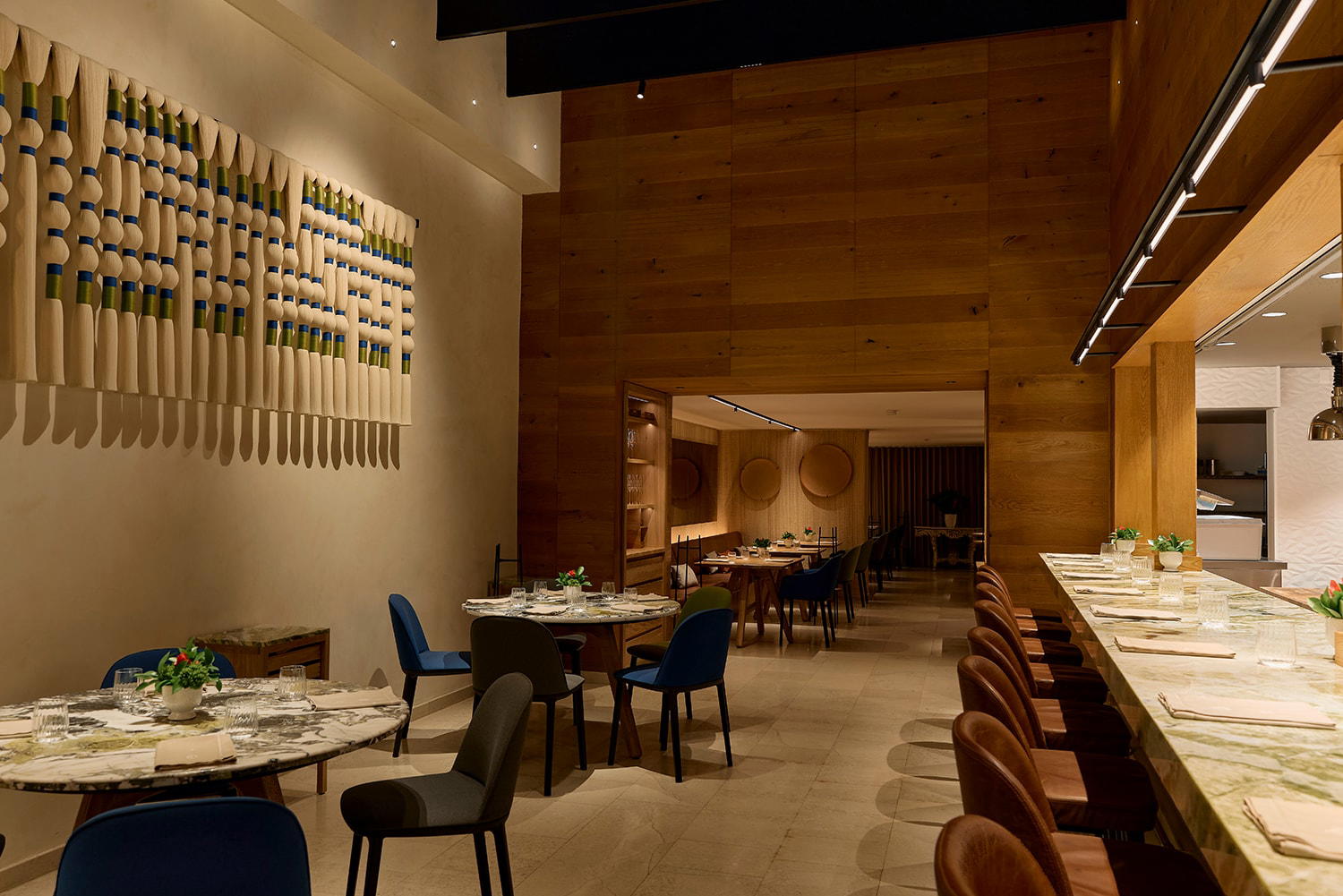
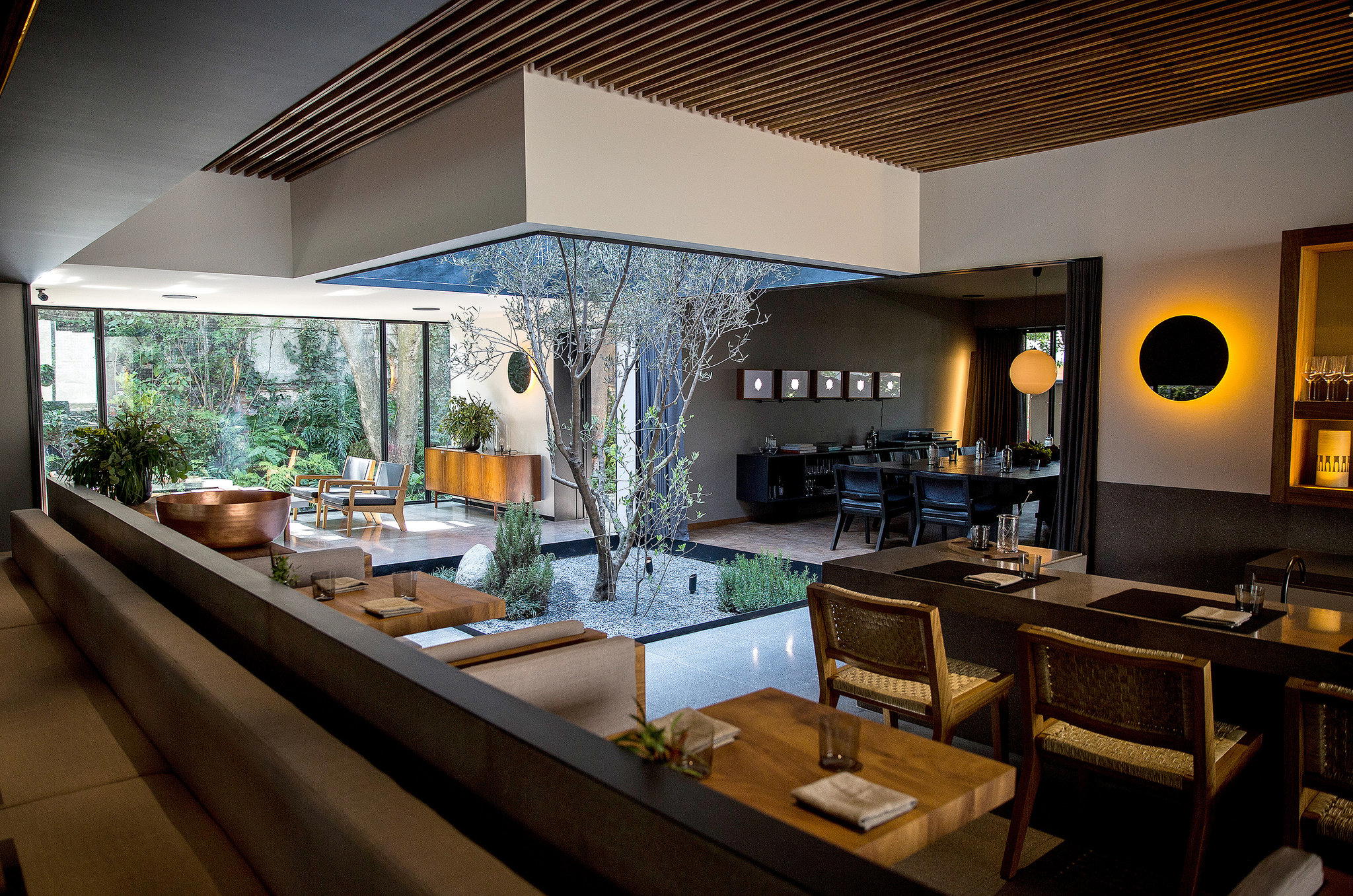
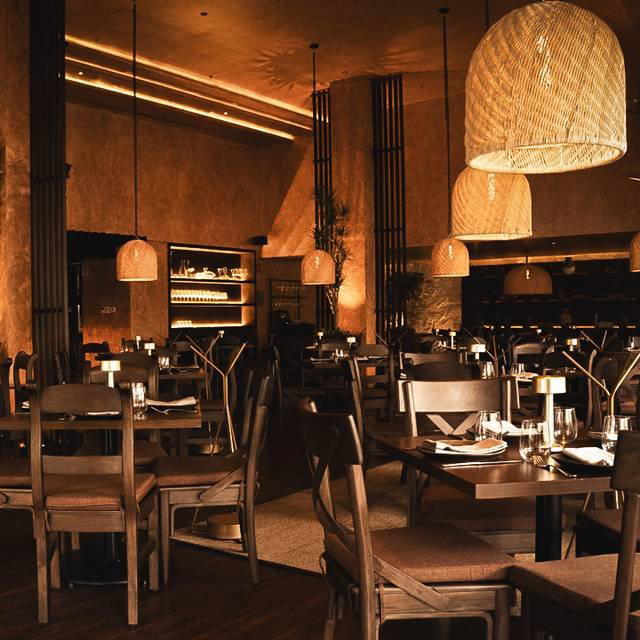
Bars in Mexico City
Browse all →
At a Glance
- Intimate
- Minimalist
- Cozy
- Private Event
- Special Occasion
- Group Dining
- Open Kitchen
- Private Dining
- Design Destination
- Historic Building
- Local Sourcing
- Garden
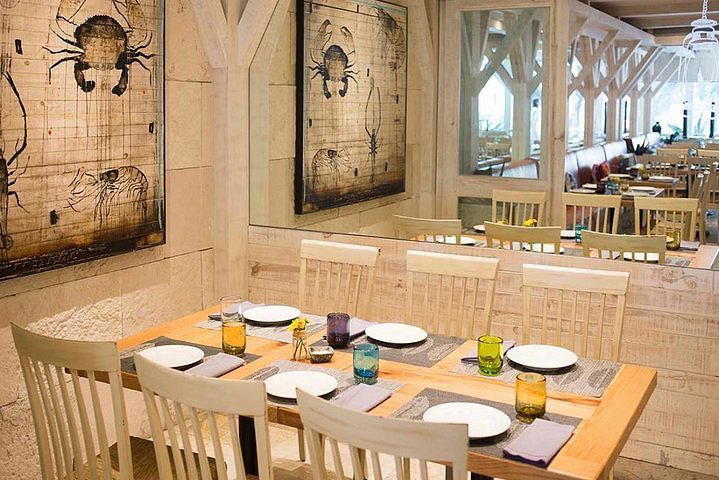
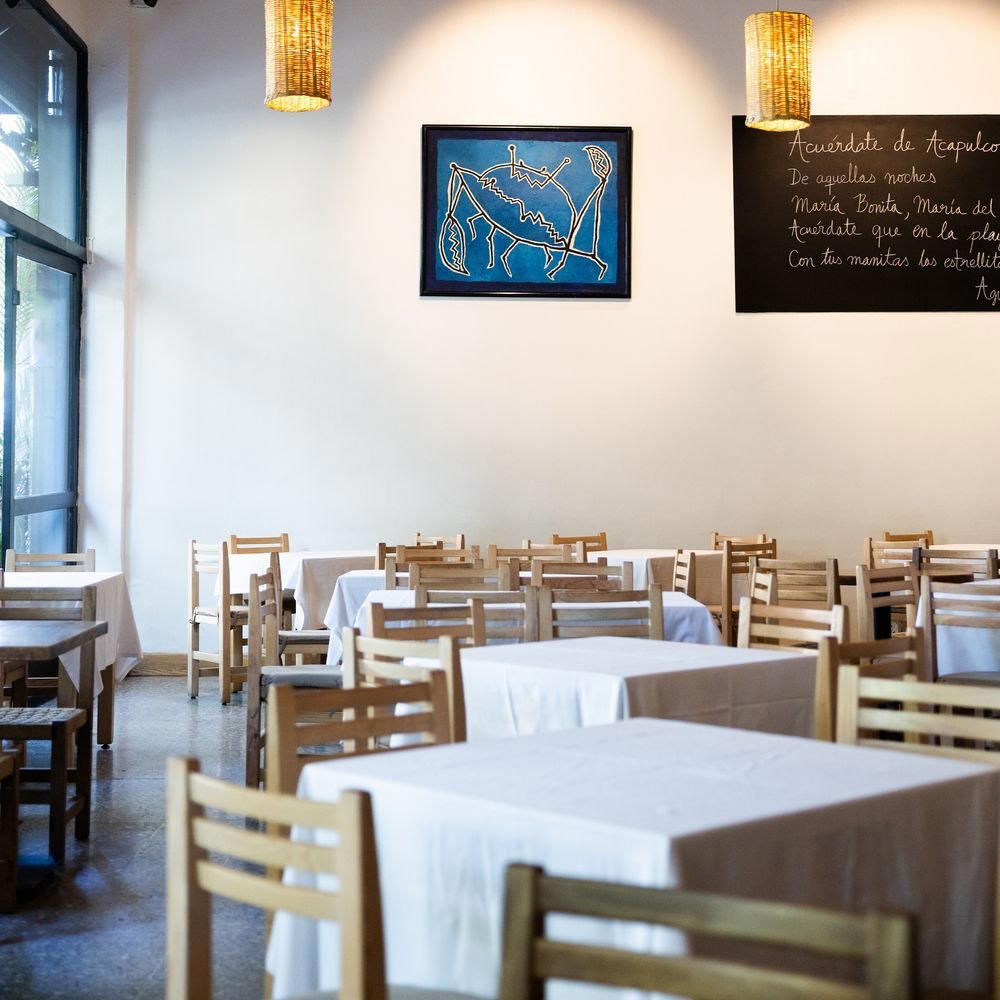
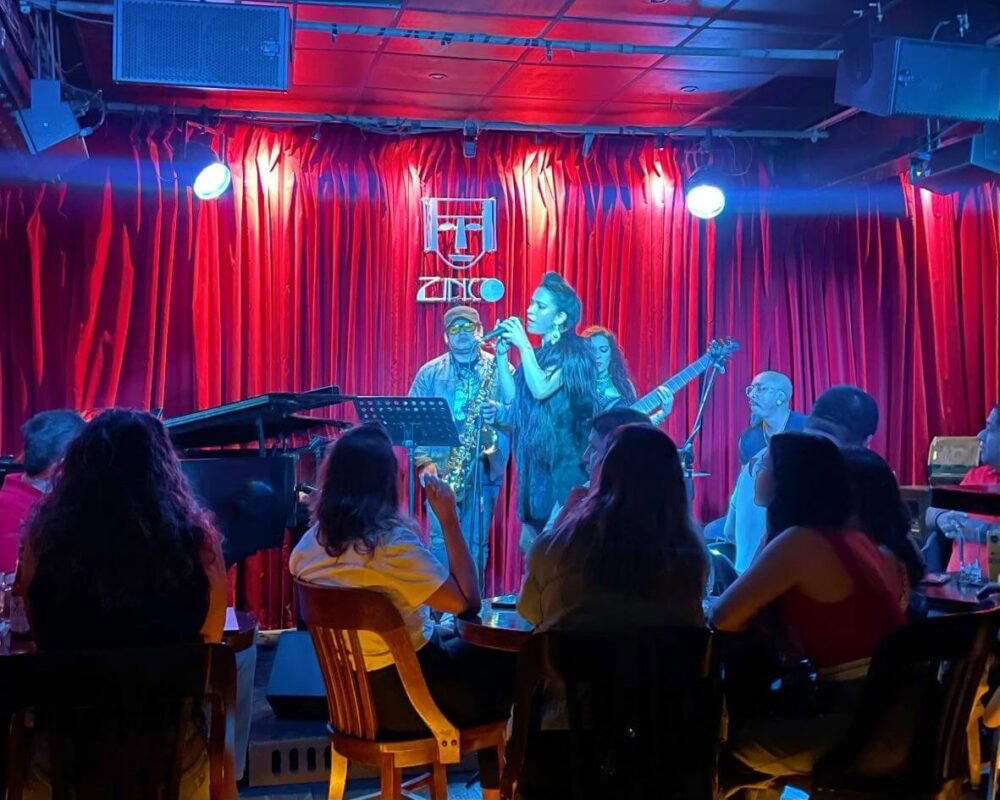
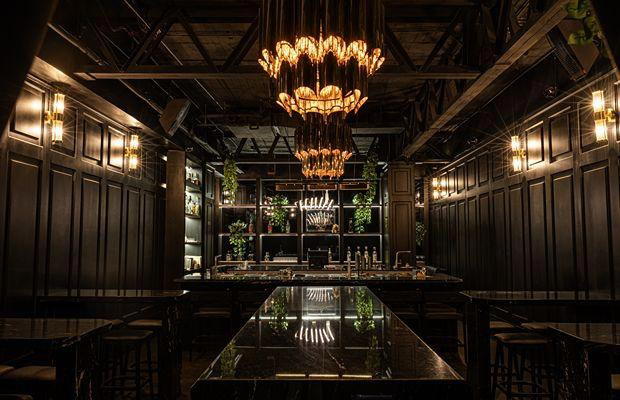
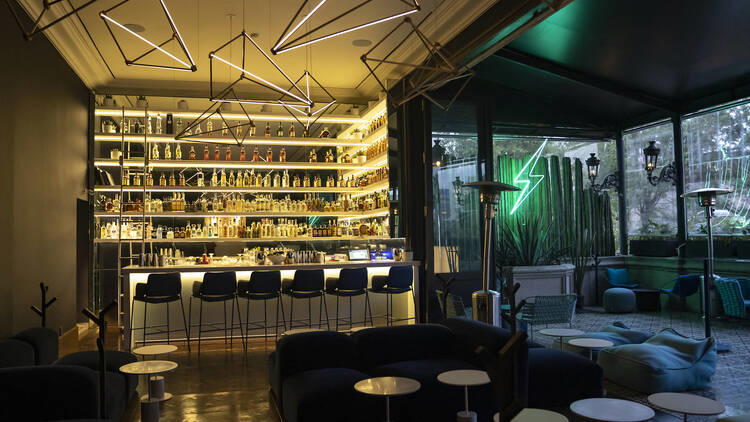
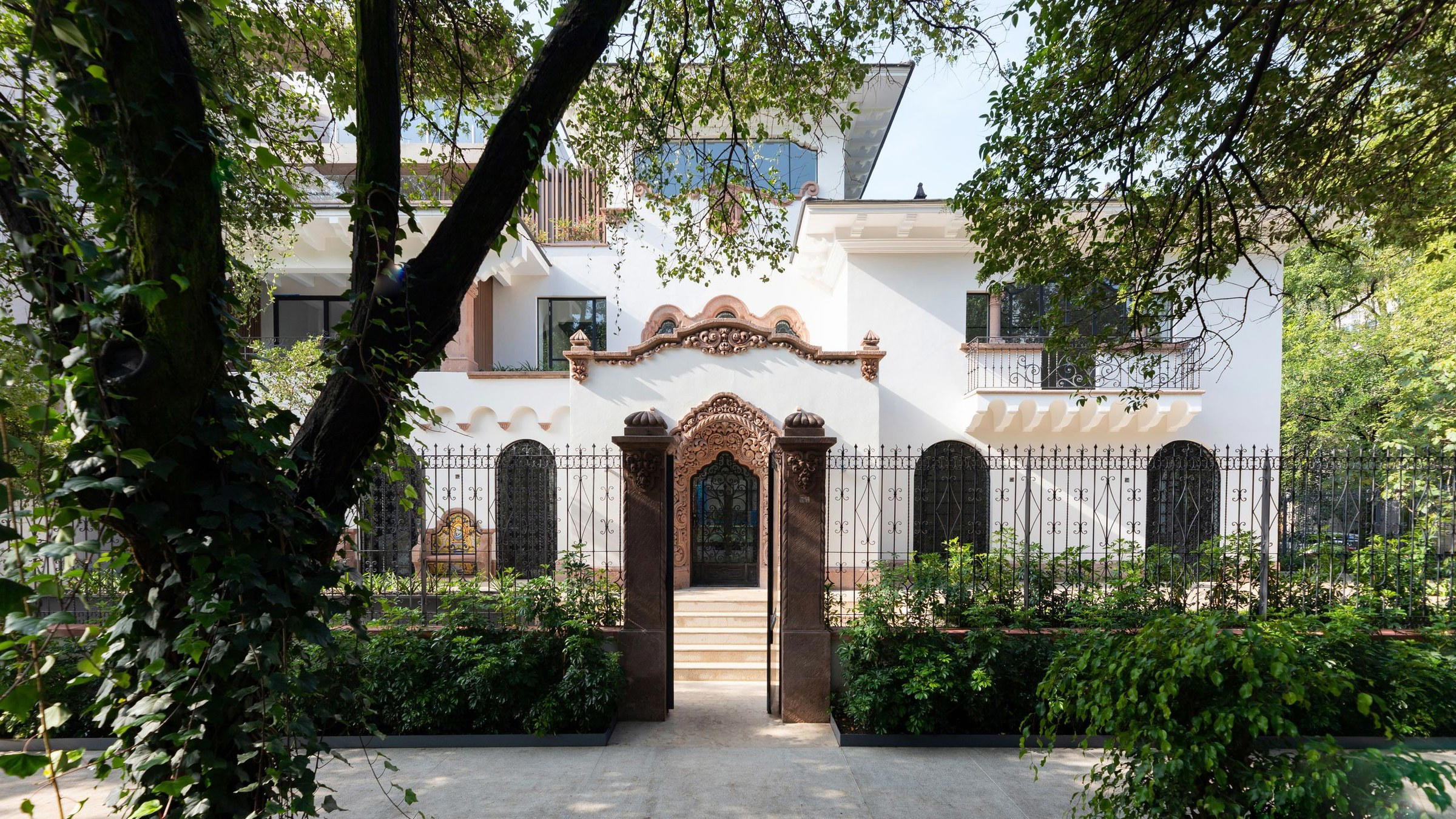
Light-filled, intimate, and peaceful with dim, warm lighting; designed as a quiet, cozy hideaway with an emphasis on creativity and reflection rather than commercial dining.