Casa del Fuego
Casa del Fuego occupies a corner of Cuauhtémoc, Mexico City's most creatively charged dining district, where fire-led cooking traditions intersect with a contemporary urban dining scene. The address on Río Nazas places it within reach of the capital's serious restaurant corridor, alongside venues that have reshaped what modern Mexican cooking looks like at the table.
Pearl is the En Primeur Club membership app — saves, bookings, and concierge access live there. Same editors, same standards.
- Address
- Río Nazas 50, Cuauhtémoc, 06500 Ciudad de México, CDMX, Mexico
- Phone
- +52 55 5535 7620
- Website
- cucuruchocafe.com
- Directions
- Get directions
 Saves & bookings on Pearl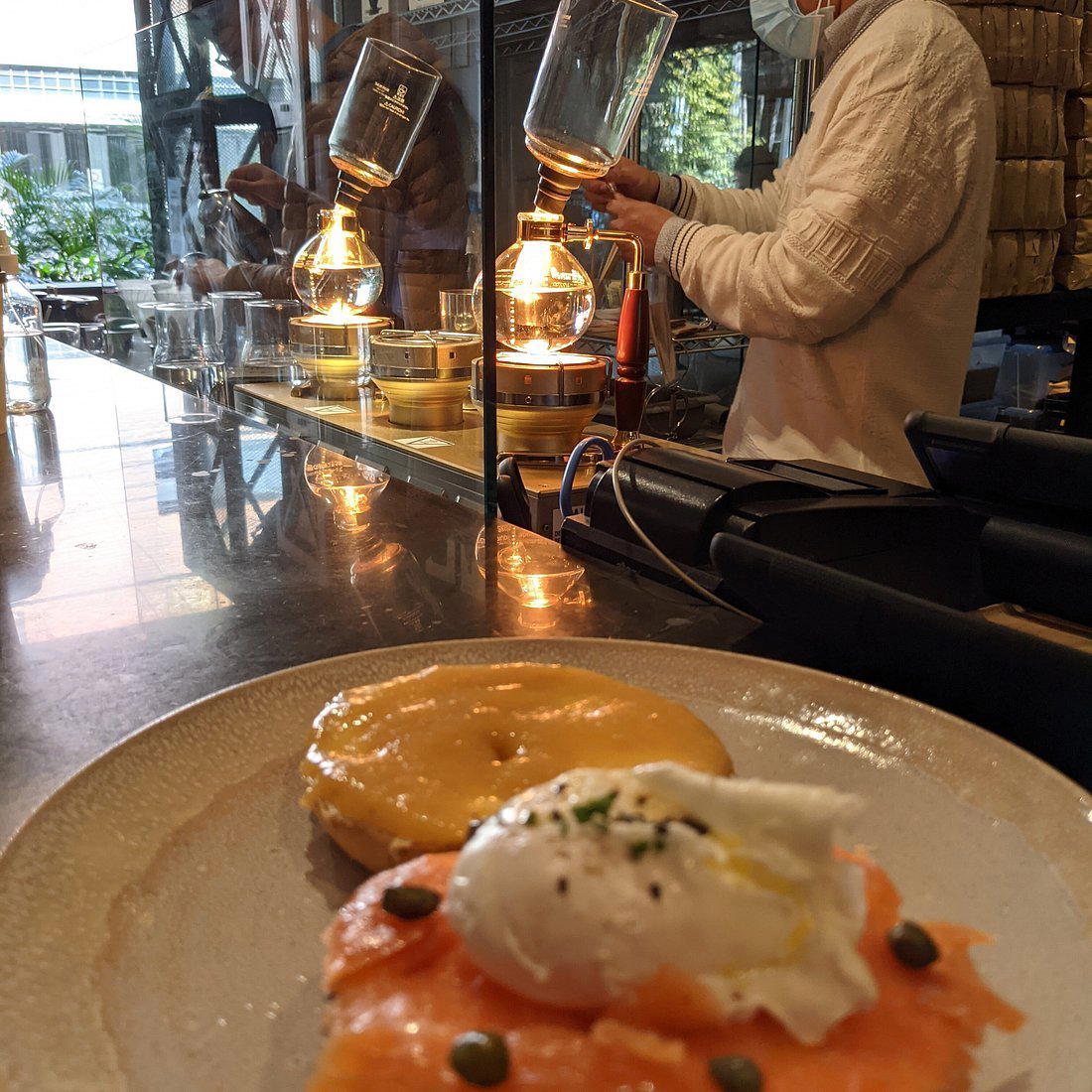
Where Fire Meets the Table
Cuauhtémoc has quietly become the district where Mexico City's dining scene does its most considered work. The colonias that branch off Reforma and Álvaro Obregón host a concentration of serious kitchens that few international visitors map before arrival, sitting between the tourist-legible glamour of Polanco and the bohemian density of Roma Norte. Río Nazas, a street that cuts through this middle ground, is where Casa del Fuego holds its address — a location that tells you something about the kind of restaurant it intends to be: neither showcase nor secret, but deliberately placed within a neighbourhood that rewards the curious over the casual.
The name itself, translated directly as House of Fire, signals an organizing principle rather than a decorative gesture. In the broader arc of Mexican culinary tradition, fire is not a technique so much as a lineage. From the pit-roasted meats of the Yucatán to the comal-driven cooking of Oaxaca and the open-flame carnitas traditions of Michoacán, heat applied directly and deliberately is the connective tissue of the country's regional cooking. Restaurants that claim that lineage in an urban fine-dining context carry a specific responsibility: to translate live-fire discipline into a format that reads as coherent rather than theatrical.
The Ritual of the Meal
Mexico City's more serious restaurants have largely moved away from the à la carte model toward structured, sequenced dining — a format that reflects both the influence of international tasting-menu culture and a deeper alignment with how Mexican food actually works at its most intentional. The meal, in this tradition, is not a transaction of individual dishes but a progression: snacks that establish provocation, a middle passage of heavier technique, and a close that circles back to something rooted. Pujol and Quintonil, the two addresses that have done most to define what premium Mexican dining looks like internationally, both use this sequencing, and the restaurants that have emerged in their wake across the capital tend to operate within the same grammar.
At Casa del Fuego, the fire-led premise shapes not just what arrives at the table but when, and in what order. Live-fire cooking imposes its own pacing: char takes time, resting matters, and smoke is a flavour that requires calibration across a sequence rather than isolation in a single course. The ritual of eating here, in that sense, is partially determined by the kitchen's technical commitments rather than by a menu designed for maximum optionality. That discipline, when it works, produces meals with a coherent internal logic, each course arriving as a consequence of what came before rather than as an independent proposition.
The setting in Cuauhtémoc reinforces this orientation toward considered, unhurried dining. The district lacks the social pressure of Polanco, where restaurants often carry the weight of being seen at as much as eating at. Here, the meal is more likely to be the point. That quieter social register suits a kitchen whose techniques reward attention: smoke, char, and rendered fat are not flavours that announce themselves loudly, and diners who approach the table without agenda tend to register them most clearly.
Mexico City's Fire-Forward Dining Cohort
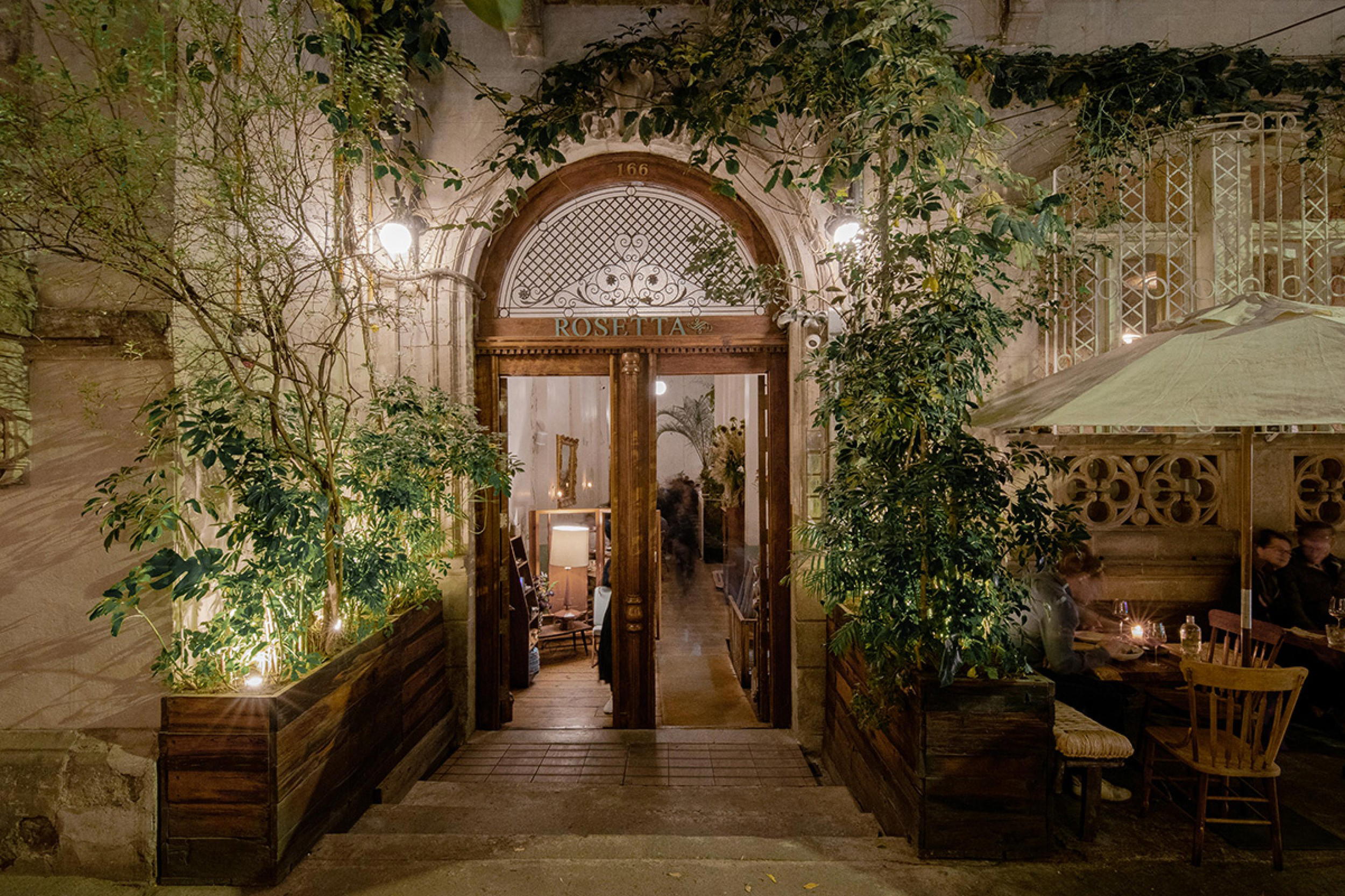
Casa del Fuego sits within a growing tier of Mexico City restaurants that have organized their identity around a single dominant technique or ingredient philosophy, rather than around regional cuisine or international fusion. Em has built around the traditions of a single region; Rosetta operates through a disciplined Italian-Mexican lens; Sud 777 has staked out creative territory in Pedregal. The broader pattern across Mexico's fine-dining tier is one of increasing specificity: chefs and restaurants that narrow their frame rather than widen it, betting that depth reads as authority.
Outside the capital, that same impulse has produced some of Mexico's most focused kitchens. Animalón in Valle de Guadalupe has built an identity around open-fire cooking in a wine-country setting, demonstrating that the live-fire format translates particularly well into the rhythm of a long, unhurried lunch. KOLI Cocina de Origen in Monterrey and Levadura de Olla in Oaxaca have approached ingredient-origin specificity from different regional angles. Alcalde in Guadalajara has used a similar discipline to place Jalisco cooking in an international frame. The national conversation around serious Mexican dining is now conducted across multiple cities and formats, and Casa del Fuego enters it at a moment when the capital is no longer the only reference point. For wider context on how the city's dining scene is structured, our full Mexico City restaurants guide maps the territory across neighbourhoods and price tiers.
The international frame matters here too. The move toward fire-led, technique-specific restaurants is not a Mexican phenomenon in isolation: Lazy Bear in San Francisco has built a decade-long reputation around communal fire-informed cooking, and Le Bernardin in New York City remains the reference point for how deep technical commitment to a single element, in their case, fish, can sustain a restaurant's identity across decades. The question for any fire-led kitchen is whether the commitment runs deep enough to serve as a genuine organizing principle, or whether it functions as branding that fades once the novelty dissipates.
Planning Your Visit
Casa del Fuego is located at Río Nazas 50, in the Cuauhtémoc borough of Mexico City, postal code 06500. The address sits in an area well served by the city's metro network and accessible via rideshare from both the Roma and Polanco hotel corridors within ten to fifteen minutes depending on traffic. Given that confirmed operational details, hours, reservation policy, current pricing, are not publicly available through standard channels at time of writing, contacting the restaurant directly before planning a visit is advisable. Mexico City's more serious kitchens at this address tier typically require advance booking, and weekend tables at fire-led restaurants in the capital tend to move faster than midweek slots. If Casa del Fuego follows the patterns of comparable venues in Cuauhtémoc, arriving with a reservation rather than attempting walk-in dining will be the more reliable approach. For comparison of price positioning, Pujol operates at the city's leading price tier, while Rosetta and comparable addresses in Roma and Cuauhtémoc typically run at a more accessible mid-range. Those planning broader Mexican dining trips may also consider coastal and regional options: Le Chique in Puerto Morelos, HA' in Playa del Carmen, Arca in Tulum, Olivea Farm to Table in Ensenada, Pangea in San Pedro Garza García, and Lunario in El Porvenir each represent distinct regional takes on the broader movement Casa del Fuego participates in from the capital.
- pour over coffee
- beet hummus with poached egg
- berry French toast
- caramelized banana French toast
- salmon bagels
- avocado toast
Continue exploring
More in Mexico City
Restaurants in Mexico City
Browse all →
Bars in Mexico City
Browse all →
At a Glance
- Cozy
- Trendy
- Modern
- Solo
- Brunch
- Casual Hangout
- Standalone
- Open Kitchen
- Craft Cocktails
- Local Sourcing
Current opening hours
- Monday
- Closed
- Tuesday
- 8 AM–2 PM
- Wednesday
- 8 AM–2 PM
- Thursday
- 8 AM–2 PM
- Friday
- 8 AM–2 PM
- Saturday
- 8 AM–2 PM
- Sunday
- 8 AM–2 PM
Hours can change for holidays and private events. Last verified .
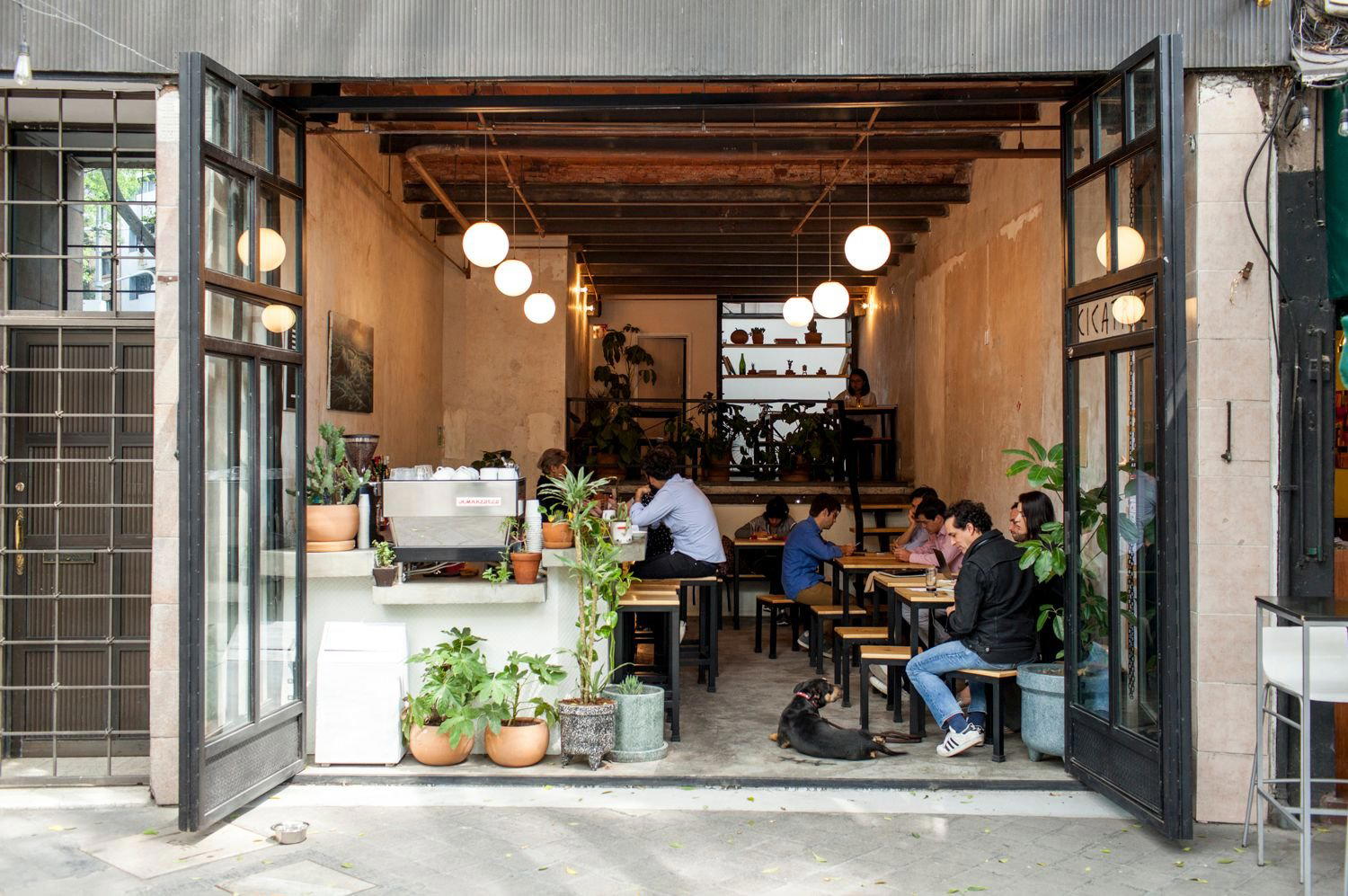
Intimate, minimalist café with a focus on coffee craftsmanship; cozy and welcoming atmosphere designed for coffee enthusiasts and breakfast lovers.
Know Before You Go
- Getting there
- Río Nazas 50, Cuauhtémoc, 06500 Ciudad de México, CDMX, Mexico