La Vicenta
Our verdict
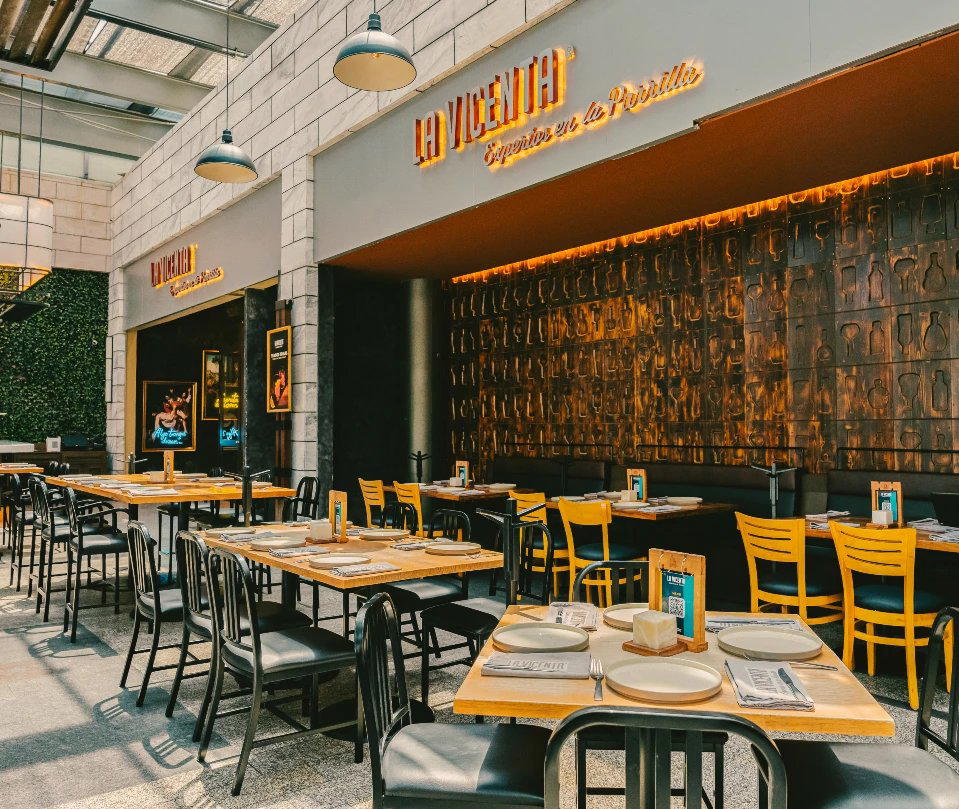
La Vicenta occupies a distinctive position in Mexico City's Azcapotzalco borough, operating out of Parque Vía Vallejo, a setting that places it well outside the Roma-Condesa circuit where most of the capital's recognizable restaurant names cluster. The address alone signals an intentional departure from the predictable, and the kitchen's orientation toward ingredient sourcing gives the food a different kind of specificity than the tasting-menu establishments that dominate critical conversation in CDMX.

Pearl is the En Primeur Club membership app, where members save venues, book tables and use the concierge.
The menu
What to order
- Filete Chemita
- Chile en Nogada
- Wings with BBQ or Buffalo sauce
- Rib Eye
- Grilled Chicken
North of the Centro: What Azcapotzalco Says About a Restaurant Before You Sit Down
Mexico City's dining geography is not evenly distributed. The restaurants that appear most often in international coverage Pujol, Quintonil, Em, Sud 777, operate within a relatively tight southern arc, drawing from a concentration of professional kitchens, food media, and a clientele accustomed to $$$$ pricing. Azcapotzalco, the borough that houses La Vicenta at Calzada Vallejo 1090, sits to the northwest of Tlatelolco, in territory that most international visitors pass through on a highway rather than on foot. A restaurant choosing to anchor itself at Parque Vía Vallejo is making a statement about where it belongs, and, by extension, about who it is cooking for.
That kind of positioning is not rare in Mexico's broader dining scene. Across the country, some of the kitchens operating with the sharpest sense of place are located far from high-tourist corridors: Levadura de Olla in Oaxaca, KOLI Cocina de Origen in Monterrey, Animalón in Valle de Guadalupe. Each operates in a context that shapes what ends up on the plate. La Vicenta belongs to this pattern of restaurants that derive part of their identity from the decision to be somewhere specific rather than somewhere convenient.
The Ingredient Question in Mexico City's Current Kitchen Conversation
The most substantive shift in Mexican fine dining over the past decade has not been technique, it has been supply chain. The kitchens that have drawn the most sustained critical interest, from Rosetta in Roma Norte to Alcalde in Guadalajara, have each articulated a position on where their produce, proteins, and heritage ingredients come from. In some cases that means direct relationships with small producers; in others it means seasonal menus that track what is available from particular regions rather than what is fashionable in global gastronomy.
Mexico's ingredient diversity is genuinely vast. The country contains thirty-two states with distinct agricultural zones, from the high-altitude valleys of Oaxaca where heirloom corn varieties have been cultivated for millennia to the coastal systems that supply shellfish and tropical produce to kitchens in Playa del Carmen and Puerto Morelos, where restaurants like HA' and Le Chique have built programs around local marine ecology. A Mexico City restaurant that engages seriously with this geography is working with a pantry of unusual depth.
La Vicenta's position in Azcapotzalco, adjacent to what was historically one of the city's more industrialized corridors, creates an interesting tension with any sourcing-forward identity. It suggests either a tight local focus on the produce markets and suppliers that serve the northern boroughs, or a deliberate choice to bring ingredients from elsewhere into a neighborhood that does not typically receive that kind of culinary attention. Either reading is more interesting than the direct farm-to-table narrative that has become rote in many restaurant districts.
Comparing the Tier: What La Vicenta Is and Is Not
For reference, the capital's range runs from accessible neighborhood spots operating at under 300 MXN per head to multi-course tasting menus at Pujol or Quintonil that sit at the top of the $$$$ bracket and compete internationally. Restaurants like Rosetta and Comedor Jacinta occupy a middle register where the cooking is serious but the format is more relaxed and the cover price reflects that. Based on its location outside the premium dining districts, La Vicenta most likely operates closer to that accessible-to-mid tier, though this should be confirmed directly before booking.
What that price positioning implies, if accurate, is that the kitchen's ingredient choices carry more weight as a differentiator. At the high end of the market, provenance is assumed and priced in. At the middle tier, a genuine sourcing commitment represents a deliberate trade-off, allocating food cost to ingredients rather than to the architectural interiors or central addresses that partly justify high-end pricing elsewhere. This is the model that has made restaurants like Olivea Farm to Table in Ensenada, Lunario in El Porvenir, and Huniik in Merida worth tracking: each has made a localized ingredient identity the center of the proposition rather than a supporting detail.
For international visitors whose dining benchmark is set by the technical ambition of, say, Le Bernardin in New York or Atomix, La Vicenta represents a different kind of value claim, one rooted in place and sourcing logic rather than in technique or format prestige. Pangea in San Pedro Garza García has operated on a similar premise in Monterrey for years, demonstrating that this kind of positioning can sustain serious critical interest over the long term.
Getting There and Arriving With the Right Expectations
Parque Vía Vallejo is a commercial development along Calzada Vallejo, one of the main north-south arterials in the northwestern city. The address, Calz. Vallejo 1090, Santa Cruz de las Salinas, is accessible via the Metro (Line 6 runs through Azcapotzalco) or by rideshare from central neighborhoods, which typically takes fifteen to twenty-five minutes depending on traffic, longer during peak evening hours on weekdays. Drivers should account for Vallejo's traffic patterns, which reflect its function as a working commercial corridor rather than a leisure district.
The Parque Vía Vallejo context means La Vicenta operates within a commercial park format rather than a standalone street-level address. Visitors arriving for the first time should confirm the exact entrance point and parking access before the visit. The neighborhood itself carries none of the curated ambiance of Polanco or Roma, which for some readers is precisely the point: the cooking has to carry the experience on its own terms.
For a fuller picture of where La Vicenta sits within Mexico City's broader dining map, see our full Mexico City restaurants guide.
Know Before You Go
Address: Parque Vía Vallejo, Calz. Vallejo 1090, Sta Cruz de las Salinas, Azcapotzalco, 02340 CDMX, Mexico
Borough: Azcapotzalco, northwest Mexico City
Access: Metro Line 6 (Azcapotzalco area); rideshare from Roma or Condesa approximately 20–30 minutes
Pricing: Not confirmed, verify directly before booking
Hours: Not confirmed, verify before traveling from across the city
Frequently asked questions
Is La Vicenta better for a quiet night or a lively one?
La Vicenta sits inside Parque Vía Vallejo, a commercial development on Calzada Vallejo in Azcapotzalco, a working north-side borough that draws locals rather than the international crowds that fill Polanco or Roma Norte tables. That address alone tends to filter the room toward a neighbourhood rhythm rather than a scene.
Where is La Vicenta in Mexico City?
La Vicenta is located at Parque Vía Vallejo, Calz. Vallejo 1090, Sta Cruz de las Salinas, Azcapotzalco, 02340 CDMX, Mexico, Mexico City.
Is La Vicenta worth the trip from central Mexico City to Azcapotzalco?
The address, Calz. Vallejo 1090 in the Santa Cruz de las Salinas neighbourhood, places La Vicenta well outside the dining corridors that dominate international Mexico City coverage. Restaurants that hold audiences this far north of the Centro typically do so on the strength of the food rather than foot traffic or proximity to hotel clusters. Whether the journey fits your itinerary depends on confirmed hours and format, which the venue can provide directly.
What's the must-try dish at La Vicenta?
What the Azcapotzalco address does signal is a kitchen oriented toward local regulars rather than visiting food press, the kind of context that often produces tightly edited menus where the staff know the order better than any list would. Ask the team directly when you arrive, or when you call ahead.
A Tight Comparison
Comparable venues nearby, for context on price, style, and recognition.
| Venue | Cuisine | Price | Notes |
|---|---|---|---|
| La VicentaThis venue (the venue you are viewing) | Mexican Charcoal Grill | $20–30 | Not listed |
| La Imperial Centro Santa Fe | Traditional Mexican Cantina | $20–30 | Centro Comercial Santa Fe, Traditional Mexican Cantina |
| El Bajío | Traditional Regional Mexican | $10–20 | San Álvaro, Traditional Regional Mexican |
| Primos | Modern Mexican Bistro | $20–30 | Bosque de Chapultepec, Modern Mexican Bistro |
| Taquería La Popular Arcos | Contemporary Mexican Taquería | $10–20 | Cooperativa Palo Alto, Contemporary Mexican Taquería |
Continue exploring
More in Mexico City
Restaurants in Mexico City
All restaurants in Mexico City →
Bars in Mexico City
All bars in Mexico City →



Details
- Lively
- Energetic
- Casual
- Group Dining
- Casual Hangout
- Celebration
- After Work
- Late Night
- Open Kitchen
- Standalone
- Beer Program
- A La Carte
- Family Style
- Beer
- Cocktails
- Vegetarian Friendly
- Vegan Options
- Gluten Free Options
Current opening hours
- Monday
- 1–10 PM
- Tuesday
- 1–10 PM
- Wednesday
- 1–10 PM
- Thursday
- 1 PM–1 AM
- Friday
- 1 PM–1 AM
- Saturday
- 1 PM–1 AM
- Sunday
- 1–10 PM
Hours can change for holidays and private events. Hours as of .
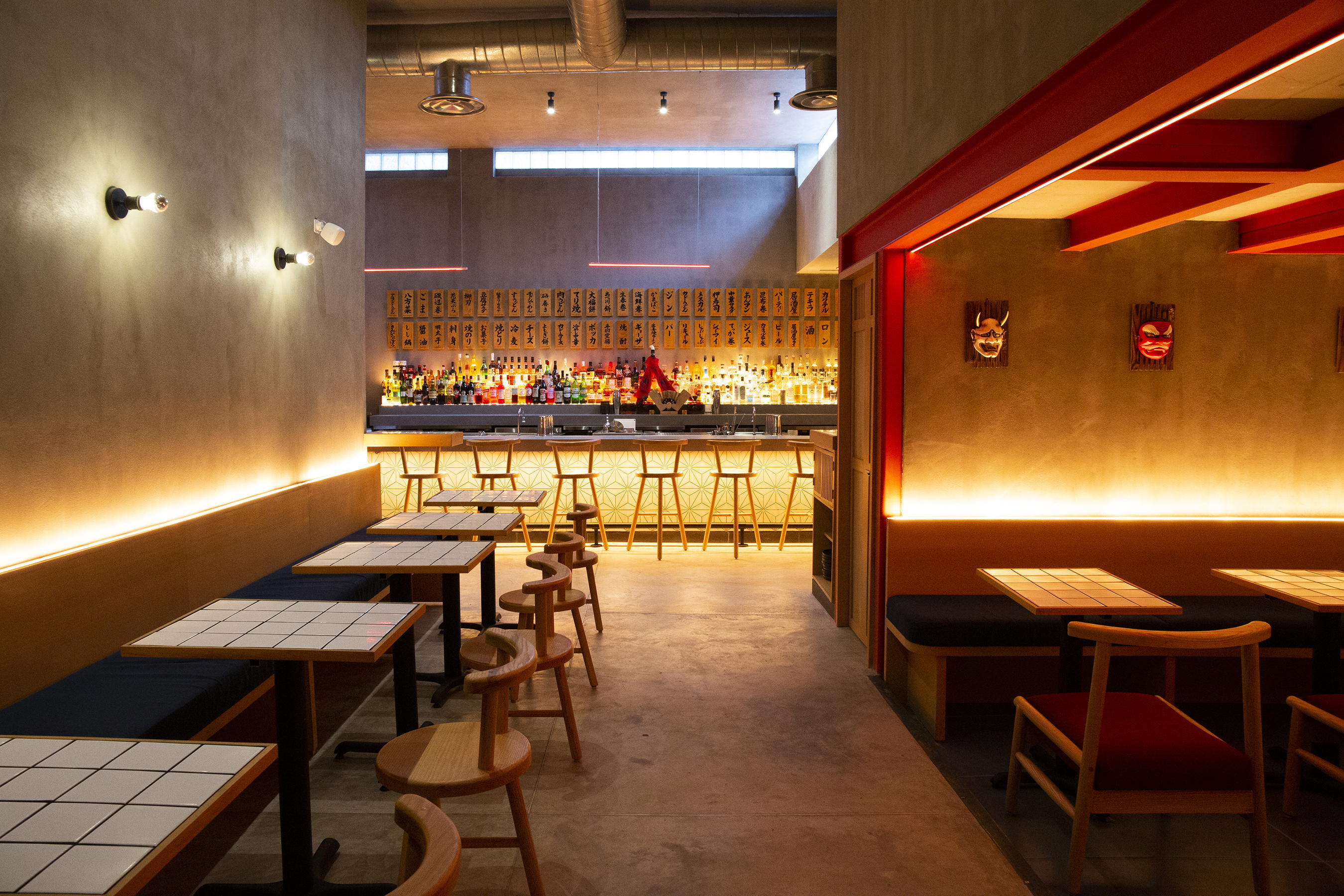
Laid-back and energetic with a young concept, featuring screens throughout for sports viewing and an inviting, casual vibe that feels like home.