

Tabelog Bronze #42
Our verdict
Casa del cibo gives Hachinohe’s Italian dining a serious local-produce argument rather than a borrowed urban template. The draw is not scale but focus: a 12-seat, reservation-only format, repeated Tabelog Award Bronze recognition, and cooking framed around Aomori and Hachinohe ingredients, especially fish.

Pearl is the En Primeur Club membership app, where members save venues, book tables and use the concierge.
The menu
What to order
- House tagliatelle with wild boar ragù
- Hachinohe bouillabaisse
- Seafood linguine
- Buffalo mozzarella with local tomatoes
Minatotakadai is not postcard Aomori dining. It is residential Hachinohe, closer to daily life than destination theatrics, and that matters. In a prefecture often read through markets, apples, seafood counters, and ryokan tables, Italian cooking must justify itself by place, not imported polish. Casa del cibo does that in a small room where the local larder is the argument: Hachinohe fish, Aomori produce, wine service, and a scale that keeps the meal closer to regional conversation than grand performance.
Tabelog places the restaurant in Italian, but the more useful reading is coastal Aomori through Italian grammar. Hachinohe is one of northern Japan’s working seafood cities, and Italian technique frames that produce differently from the bowls, grills, and izakaya formats that dominate much of the local map. The appeal is not novelty; it is the discipline of using European structure without losing the address.
Hachinohe ingredients, Italian structure
Aomori’s food identity is unusually broad for a northern prefecture: inland apples, serious Pacific-side seafood, cold-climate vegetables, and a dining culture that need not mimic Tokyo to persuade. The stronger restaurants understand geography as a competitive asset. In Hachinohe, that often means fish first, but the deeper reading is seasonality under constraint: short summers, cold waters, and produce with sharper edges than in warmer regions.
Casa del cibo fits that pattern. Tabelog describes Italian cooking featuring ingredients from Hachinohe and Aomori, with particular attention to fish. The phrasing is not decorative; it defines the lane. Italian dining in Japan can tilt toward luxury import culture, but regional cities are often more interesting in reverse, using pasta, sauce work, wine, and pacing to focus local supply. Here, the signal is not a named signature dish or chef mythology. It is the sourcing premise.
The awards reinforce it. The restaurant has been a Tabelog Award Bronze winner from 2022 through 2026 and appeared in Tabelog Italian EAST 100 selections in 2021, 2023, and 2025. For a 12-seat restaurant in Hachinohe, that continuity says more than one citation. It places the room in a national Italian conversation while keeping it outside the usual metropolitan corridor. Readers building a wider Aomori itinerary can compare that specificity with the sharper local categories found in Akai Ringo, Dan Dan, Hata Zen, and Ikeda Farm.
A small-room format with a serious price signal
The economics show how to place the meal. Dinner sits in the JPY 15,000 to JPY 19,999 band, with review-based dinner spending higher at JPY 20,000 to JPY 29,999. That is beyond casual local Italian and into Hachinohe’s special-occasion tier. By comparison, Dan Dan is listed around JPY 4,000 to JPY 4,999, while Minato Shokudo sits around JPY 1,000 to JPY 1,999. They are not direct substitutes; they show Aomori’s spread, from everyday seafood and local drinking to a compact destination meal built around course pacing and wine.
Room scale sharpens the point. Twelve seats, including four counter seats and private rooms, create a different meal from larger city restaurants where luxury is expressed through staff choreography and design. Here, the format suggests concentration: fewer covers, tighter timing, and a clearer link between ingredient choices and the table. Private rooms broaden the audience. This is not only a couple’s dinner; it can work for a small family group or business meal, if the group wants a quiet, contained setting rather than a lively night out.
Wine matters because it marks the restaurant as Italian rather than simply local fine dining with pasta courses. A sommelier and wine emphasis give the meal a structure that separates it from Aomori’s seafood counters and izakaya formats. That does not make it more meaningful, but it does make it more deliberate. For travellers, the question is not whether Italian food belongs in Hachinohe. It is whether the kitchen can make Aomori ingredients read differently without erasing where they came from.
How it fits an Aomori food trip
Aomori rewards travellers who do not treat the prefecture as one dining scene. Aomori City, Hirosaki, and Hachinohe pull in different directions, and Hachinohe’s strength is its Pacific relationship. Casa del cibo works well as the composed dinner in an itinerary otherwise built around markets, seafood breakfasts, sake, and rural produce. It changes the register: not another local-specialty checklist, but a formal interpretation of the same region.
That distinction helps planning across categories. A traveller pairing Hachinohe dining with city stops can use our full Aomori restaurants guide for the wider food map, then widen the trip through our full Aomori hotels guide, our full Aomori bars guide, our full Aomori wineries guide, and our full Aomori experiences guide. For a lighter contrast inside the prefecture, gelato natura due sits in a different register entirely, useful after several heavier meals.
The broader Japan comparison is instructive. Regional dining often looks stronger when not forced into Tokyo standards. A meal in Hachinohe should not be judged by resemblance to the capital’s Italian counters, but by whether it makes northern produce feel specific. For readers extending beyond Aomori, EP Club’s Japan coverage ranges from -Grilled beef Sukiyaki- KAMAKURA TANUKIAN 鎌倉 たぬき庵 in Kamakura and. 鮪と炭火焼き うお炭 秋葉原店 in Tokyo to.cafe in Osaka.know in Kumamoto, (Shoku) Vietnam in Kawasaki, and [Curry Senmon Ten] Maruyama Kyoju. in Sapporo. For Japanese food culture viewed from abroad, Jōdo Saké Bar in Los Angeles and Onigiri Time in Pasadena show how differently regional cues travel outside Japan.
The editorial case is clear: this is the Aomori Italian table for travellers who care less about spectacle than ingredient origin. Repeated Tabelog Bronze recognition supplies the trust signal; Hachinohe sourcing gives it a reason to exist; the small-room format keeps the experience focused. In a prefecture with stronger food identity than many visitors expect, that combination has real weight.
Frequently asked questions
Would Casa del cibo be comfortable with kids?
Yes, children are welcome, and strollers are welcome too. The restaurant advises using a private room when bringing children, which fits the 12-seat layout in Aomori.
Is Casa del cibo better for a quiet night or a lively one?
It reads as a quiet, controlled room rather than a lively one. With 12 seats, reservation-only service, and dinner set around Tue to Fri 18:45, it suits a slower meal more than a high-energy night out.
What time does Casa del cibo open and close?
Hours at Casa del cibo: Tue, Wed, Thu, Fri 18:45 - 22:00.
What's Casa del cibo's location?
Casa del cibo is located in Aomori.
What's the standout thing about Casa del cibo?
Its clearest credential is consistency: Tabelog Bronze awards in 2022, 2023, 2024, 2025, and 2026, plus selection for Tabelog Italian EAST "Tabelog 100". The room is small, with 4 counter seats and private rooms, so the format feels as deliberate as the recognition.
Can Casa del cibo adjust for dietary needs?
The public record confirms private rooms, take-out, and a sommelier, but it does not list a formal dietary-accommodation policy. The practical move is to use the reservation-only system and the listed contact number, 050-5570-8120, to confirm specifics before booking. Check the venue's official channels for the latest details.
Comparable venues nearby, for context on price, style, and recognition.
| Venue | Cuisine | Price | Awards | Notes |
|---|---|---|---|---|
| Casa del ciboThis venue (the venue you are viewing) | Italian with Aomori Local Ingredients | $100–150 | Tabelog Bronze #42 | Not listed |
| OSTERIA ENOTECA DA SASINO | Farm-to-Table Italian | $150–200 | Tabelog Bronze #344 | Chuo Hirosaki |
| アルチェントロ | Locally-Sourced Italian with Tohoku Ingredients | $50–100 | Tabelog 100 #62 | Aomori |
| Strauss | Viennese pastry & cafe | $10–20 | Tabelog 100 #5 | Shinmachi |
| Nano Hana | Japanese Regional Fine Dining | $100–150 | Tabelog 100 #11 | Honcho |
| Yo | Japanese Cuisine | Not listed | Tabelog Bronze #521 | Aomori |
Recognition history
Dated appearances from independent guides and award organizations, with the underlying list record or original source where available.
Tabelog Bronze #42
Tabelog
The Japan Times Destination Restaurants Destination Restaurants Selection #1
The Japan Times Destination Restaurants
Full recognition history (4 entries)
Tabelog 100 #39 · No. 39
Tabelog · Tabelog 100 - Italian - EAST - 2025
Tabelog Bronze
Tabelog
Continue exploring
More in Aomori
Details
- Intimate
- Elegant
- Quiet
- Sophisticated
- Date Night
- Special Occasion
- Business Dinner
- Celebration
- Open Kitchen
- Private Dining
- Sommelier Led
- Local Sourcing
- Farm To Table
- Tasting Menu
- A La Carte
- Counter Dining
- Wine Pairing
- Allergy Accommodating
Current opening hours
- Monday
- Closed
- Tuesday
- 7–10 PM
- Wednesday
- 7–10 PM
- Thursday
- 7–10 PM
- Friday
- 7–10 PM
- Saturday
- 12:15–3 PM, 7–10 PM
- Sunday
- Closed
Hours can change for holidays and private events. Last verified .
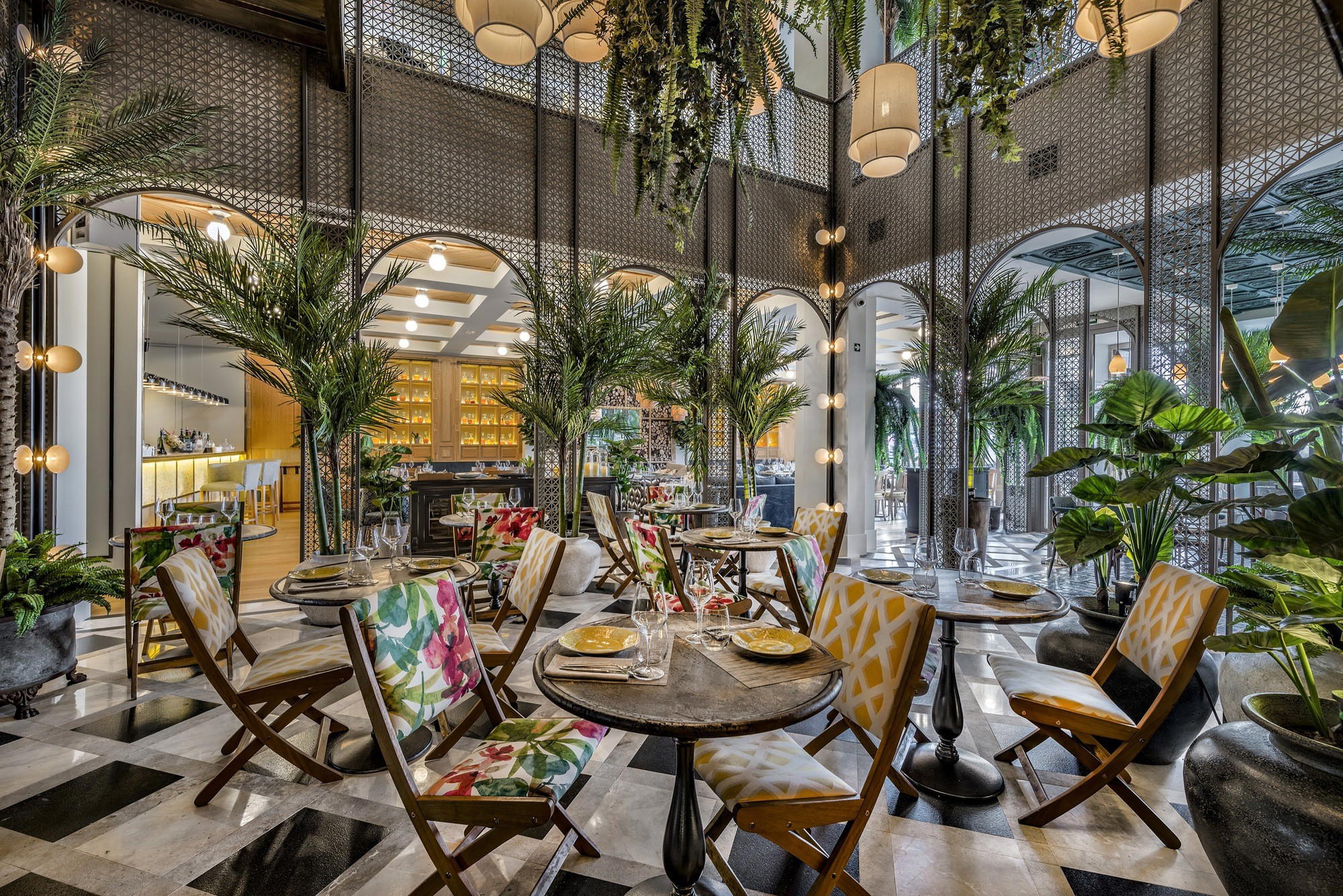
Calm, natural-modern space with natural wood, simple tables, and focused lighting that keeps attention on food; relaxed formality with attentive service and deliberate pacing.