Google: 4.8 · 234 reviews
Casa da Flor Restaurante sits on Av. Guaicurus in the rural outskirts of Itaporã, near Dourados, placing it squarely within Mato Grosso do Sul's agricultural heartland. The address alone signals something about the food: proximity to source matters here. For travellers curious about Brazil's interior dining scene, it represents a distinct alternative to the country's urban restaurant corridors.
 Discover on Pearl
Pearl is the En Primeur Club membership app — saves, bookings, and concierge access live there. Same editors, same standards.
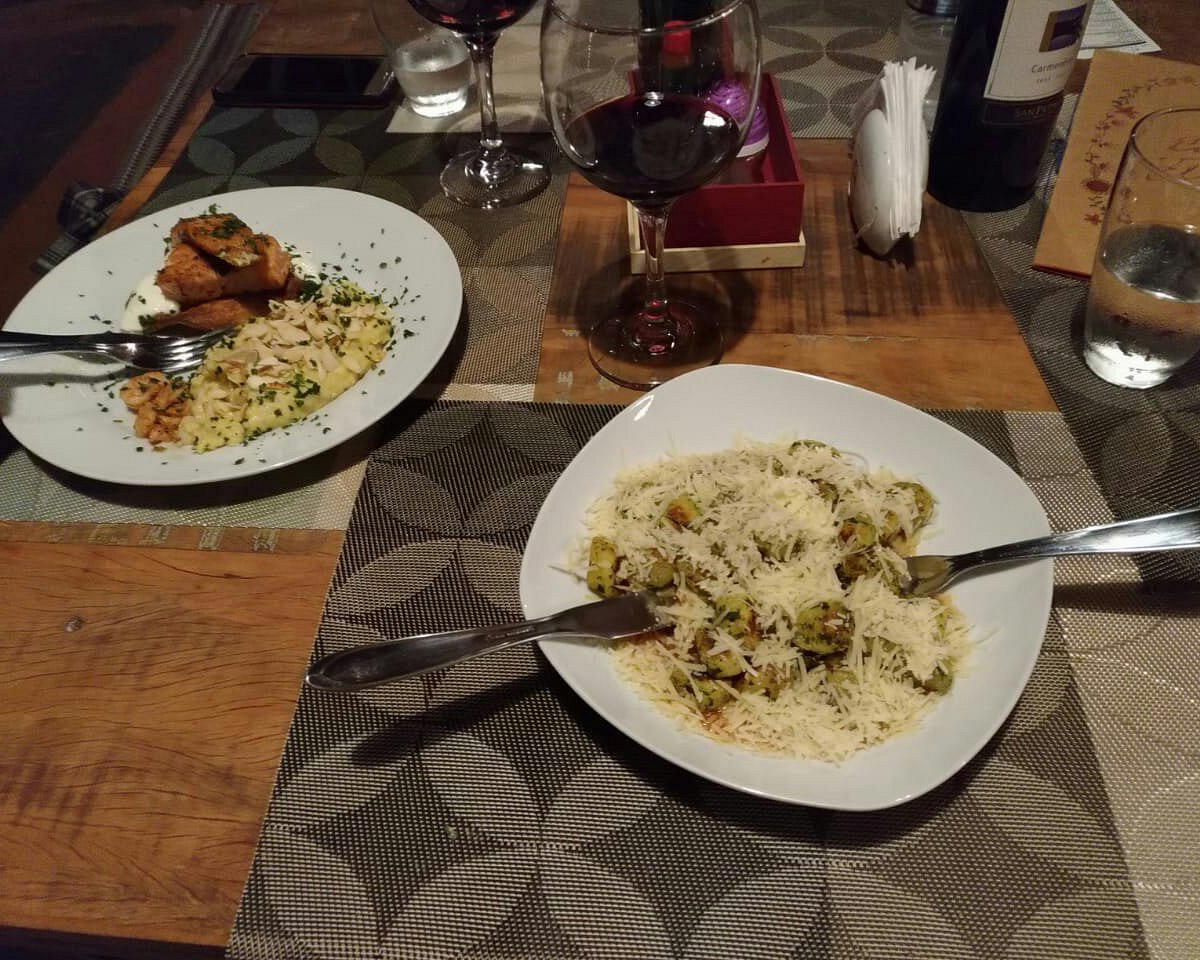
Where the Address Tells You Something About the Food
Drive out along Av. Guaicurus past the edge of Dourados and the city gives way quickly. By kilometre 8, the zona rural of Itaporã has taken over: open land, working properties, the particular quiet of Brazil's agricultural interior. This is the physical context for Casa da Flor Restaurante, and in Brazil's expanding conversation about farm-proximate dining, that context carries weight. The restaurants generating the most critical attention in the country right now, from D.O.M. in São Paulo to Oteque in Rio de Janeiro, share a preoccupation with sourcing provenance. A restaurant positioned literally inside agricultural land in Mato Grosso do Sul is operating within that same broader shift, even if it sits far outside the urban circuits where that shift gets documented.
The Mato Grosso do Sul Ingredient Story
Mato Grosso do Sul is one of Brazil's most productive agricultural states. It leads the country in cattle ranching by volume, produces significant grain and soy harvests, and sits adjacent to the Pantanal, the world's largest tropical wetland, which supplies a distinct range of freshwater fish and regional biodiversity not found in the country's coastal or highland zones. For restaurants in this region, the sourcing question isn't abstract. The supply chain from land to kitchen can be measured in minutes rather than days. That compression matters for ingredient quality in ways that urban restaurants, however technically accomplished, cannot fully replicate through logistics alone.
Dourados itself functions as the commercial hub for this agricultural region, drawing suppliers, producers, and a local dining culture shaped by the rhythms of the land rather than tourism or export-facing hospitality. Restaurants operating in this context, like Casa da Flor in the rural fringe, are working within a food tradition that predates the farm-to-table branding that urban diners now pay a premium to access. The tradition here is simply what proximity to source has always produced: cooking shaped by what grows, grazes, or swims nearby. Elsewhere in Brazil, you see this same dynamic at work in different regional registers, from Orixás | North Restaurant in Itacaré with its Bahian coastal sourcing to Lobby Café in Belém, where Amazonian ingredients define the pantry.
Rural Dining in Brazil's Interior: A Distinct Format
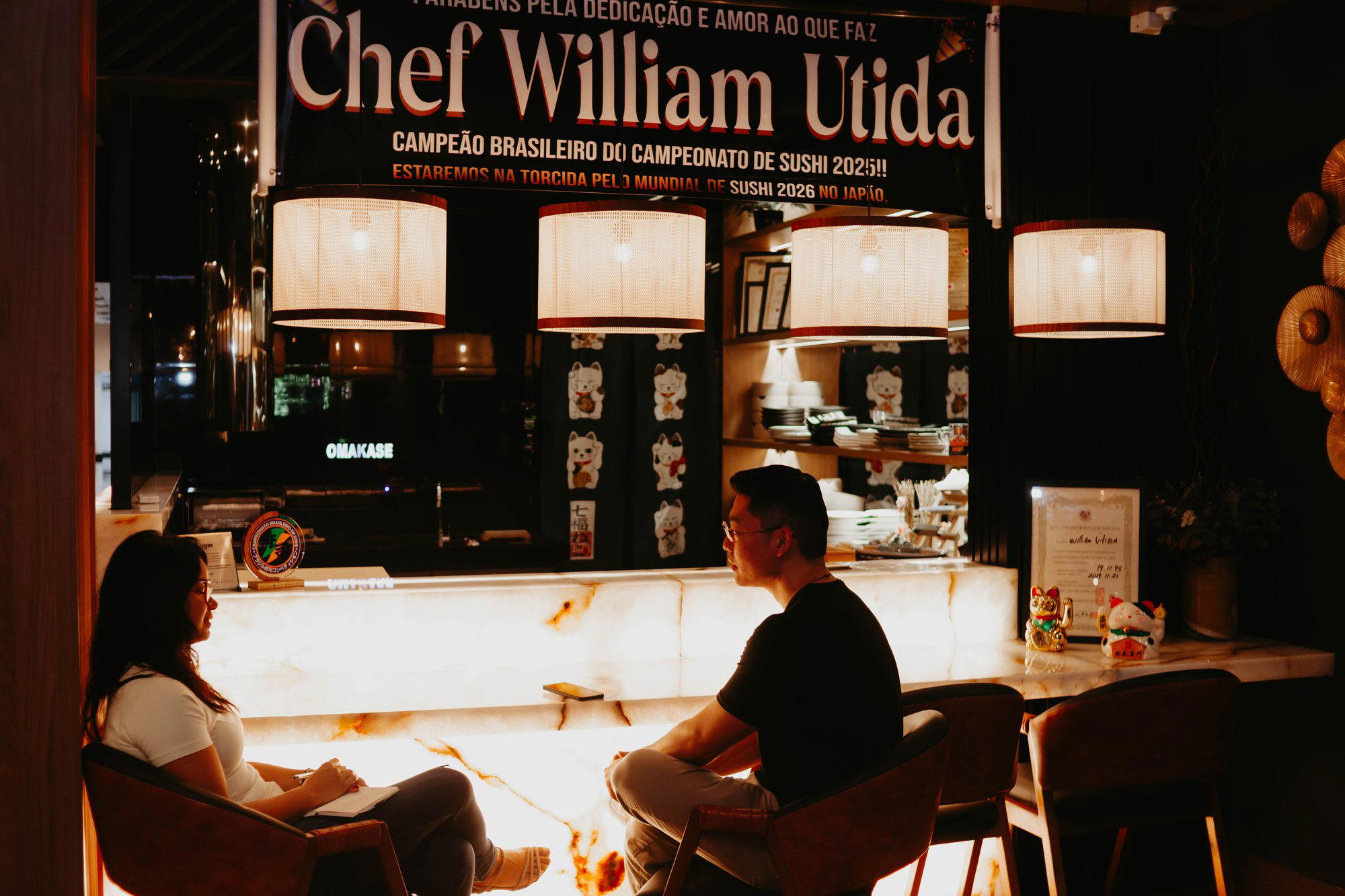
Brazil's interior restaurant culture operates differently from its coastal counterparts. Portions tend to be substantial. Cooking is often direct and technique-light, allowing primary ingredients to carry the plate. Regional dishes in Mato Grosso do Sul frequently feature charque (dried salted beef), sobá noodles introduced by the Japanese community that settled heavily around Dourados in the twentieth century, and freshwater fish preparations using pacu and pintado from the Pantanal system. This is a culinary geography with real specificity, not a generic Brazilian interior. The Japanese-Brazilian cultural layering in Dourados, for example, is visible enough that the city supports dedicated sushi dining; Utida Sushi represents that niche in the local scene.
For a restaurant positioned on the rural edge of this city, the format implied by the location is likely generous, grounded, and ingredient-forward rather than technique-led. Rural Brazilian restaurants of this type often operate around the almoço (midday meal) as their primary service, drawing families, workers, and travellers stopping between regional destinations. The physical setting, open land rather than a city block, typically informs the atmosphere: more space, more air, a pace that doesn't hurry anyone toward the door. Comparable rural-adjacent properties across Brazil, such as Mina in Campos do Jordão or Birosca S2 in Belo Horizonte, demonstrate how this format can operate across different regional contexts while maintaining a consistent emphasis on local sourcing and informal hospitality.
Dourados in the Broader Brazilian Restaurant Picture
Brazil's serious restaurant culture tends to concentrate discussion around São Paulo, Rio de Janeiro, and a handful of destination cities: Gramado draws visitors to places like Primrose and Castelo Saint Andrews; Curitiba has built a reputation through restaurants like Manu; Salvador produces distinctive work at places like Manga. Dourados doesn't appear on that circuit, and that absence reflects access rather than quality. The city is a twelve-hour drive from São Paulo or a short flight from Campo Grande, and its dining scene serves a local population rather than a travelling food press. That dynamic, common to Brazil's interior cities, means good restaurants exist without the critical infrastructure to document them at a national level.
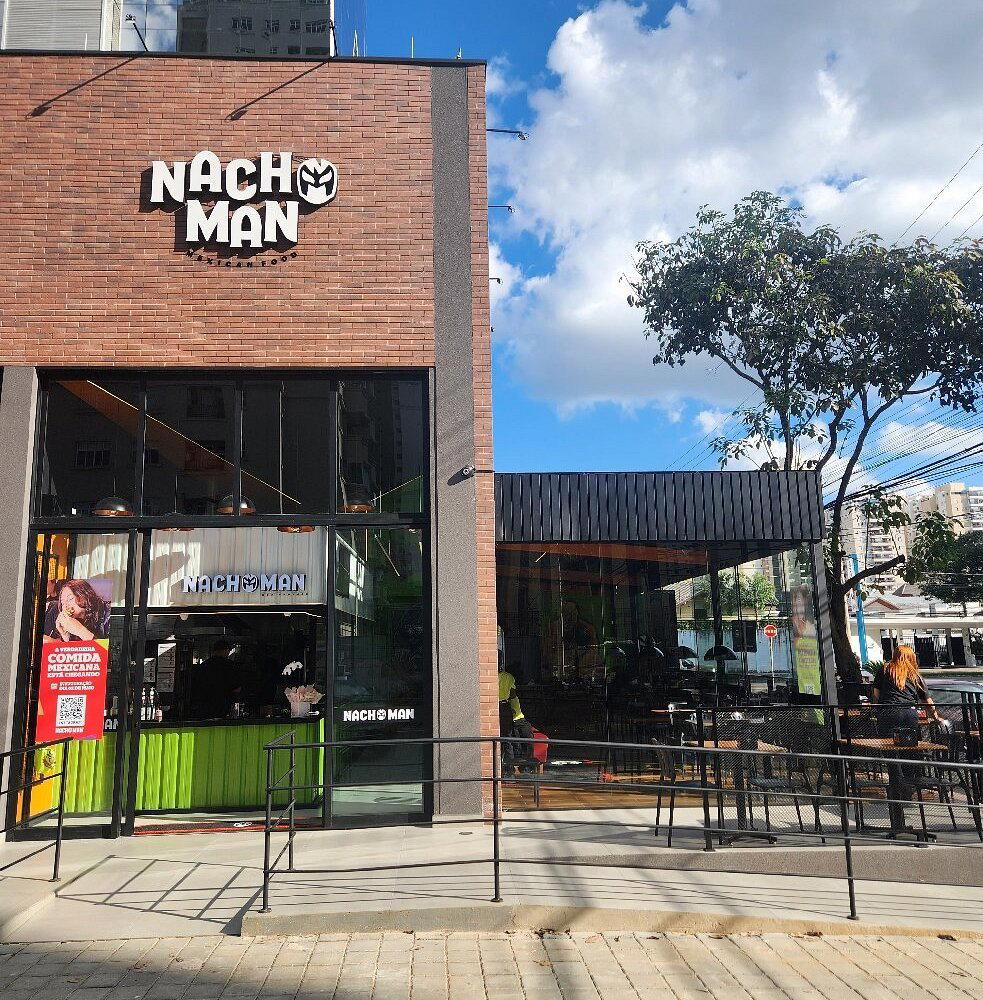
Within Dourados, the restaurant tier that Casa da Flor occupies can be read alongside other local options. Nacho Man Dourados and Santo Canto represent different points on the local dining spectrum. Our full Dourados restaurants guide maps the broader scene for travellers planning time in the city.
The international comparison points are instructive more for contrast than for equivalence. Le Bernardin in New York City and Lazy Bear in San Francisco operate in cities where critical infrastructure, awards bodies, and a dense food media presence shape how restaurants are perceived and priced. A rural restaurant in Mato Grosso do Sul operates without those mechanisms, which produces a different relationship between quality and recognition. It also tends to produce a different relationship between price and output: ingredient quality remains high because the supply chain is short, but the price architecture doesn't carry the urban premium. Olivetto Restaurante E Enoteca in Campinas sits closer to the middle ground, a regional city with more critical infrastructure than Dourados, and represents the kind of step up in formal recognition that tends to come with urban proximity.
Planning a Visit
Casa da Flor Restaurante is located at Av. Guaicurus, km 8, in the rural zone of Itaporã, near Dourados, Mato Grosso do Sul. The address puts it outside the city centre, so a car is the practical choice for getting there. No booking platform, website, or phone number is currently verified in the public record, which is typical for rural Brazilian restaurants that operate primarily through local word of mouth and walk-in trade. Visiting mid-week and arriving at the start of the lunch service, generally around noon in this regional tradition, is the approach most likely to secure a table without difficulty.
A Quick Peer Check
These are the closest comparables we have in our database for quick context.
| Venue | Cuisine | Price | Awards | Notes |
|---|---|---|---|---|
| Casa da Flor Restaurante | This venue | |||
| Nacho Man Dourados | ||||
| Santo Canto | ||||
| Utida Sushi |
Continue exploring
More in Dourados
Restaurants in Dourados
Browse all →
At a Glance
- Romantic
- Rustic
- Quiet
- Hidden Gem
- Scenic
- Date Night
- Casual Hangout
- Special Occasion
- Garden
- Historic Building
- Standalone
- Garden
Rustic and romantic atmosphere with warm, natural lighting in a historical building surrounded by nature; intimate and peaceful setting away from urban bustle.