Our verdict
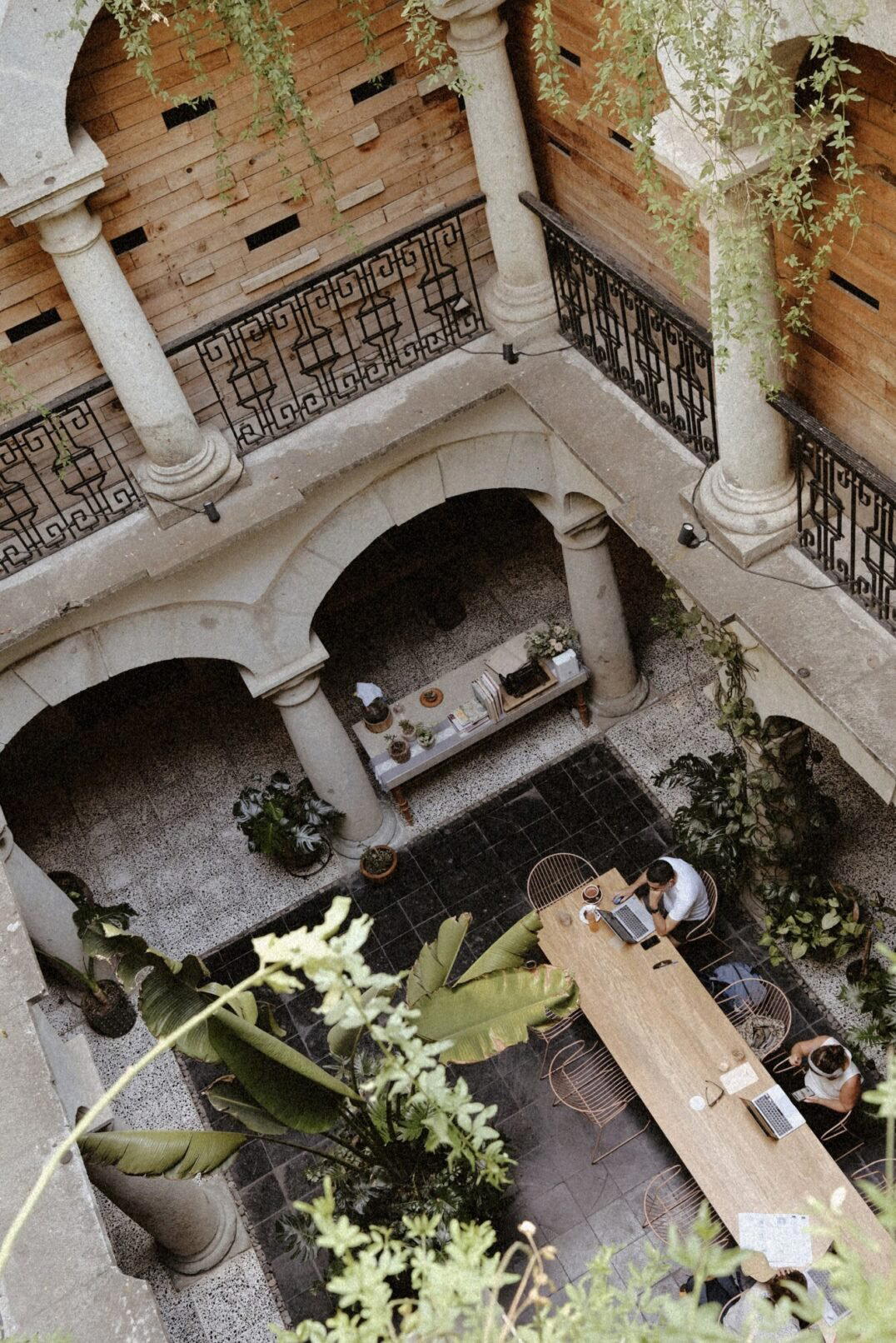
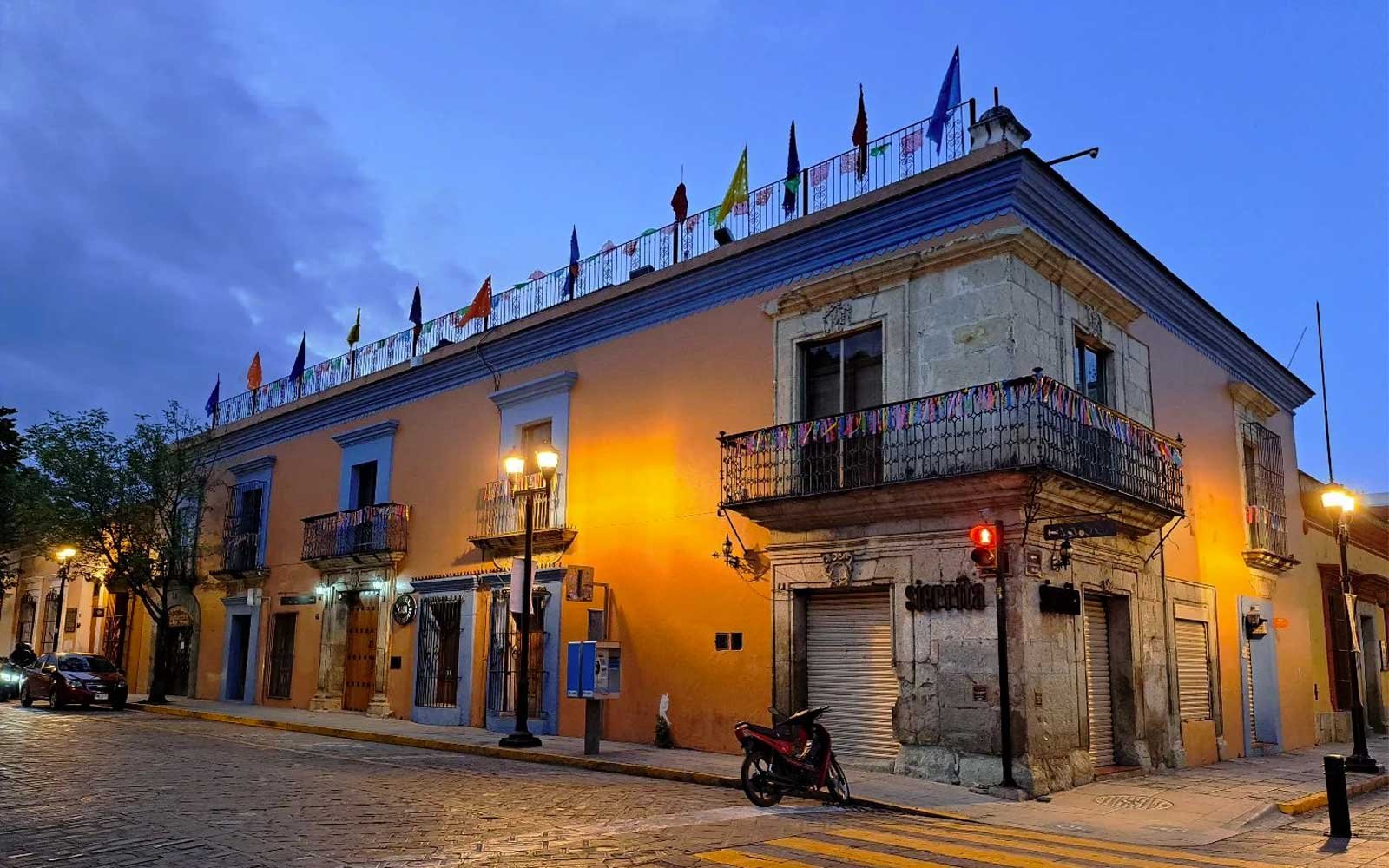
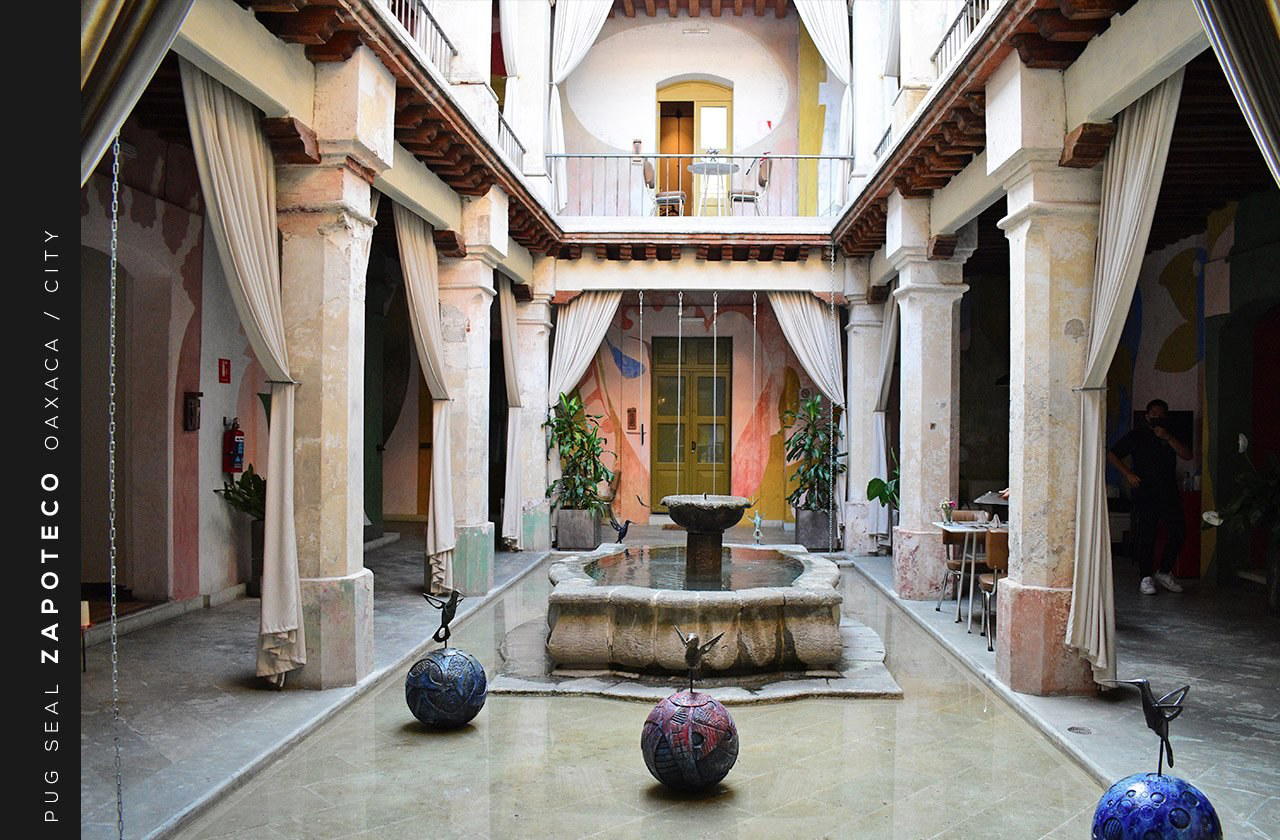
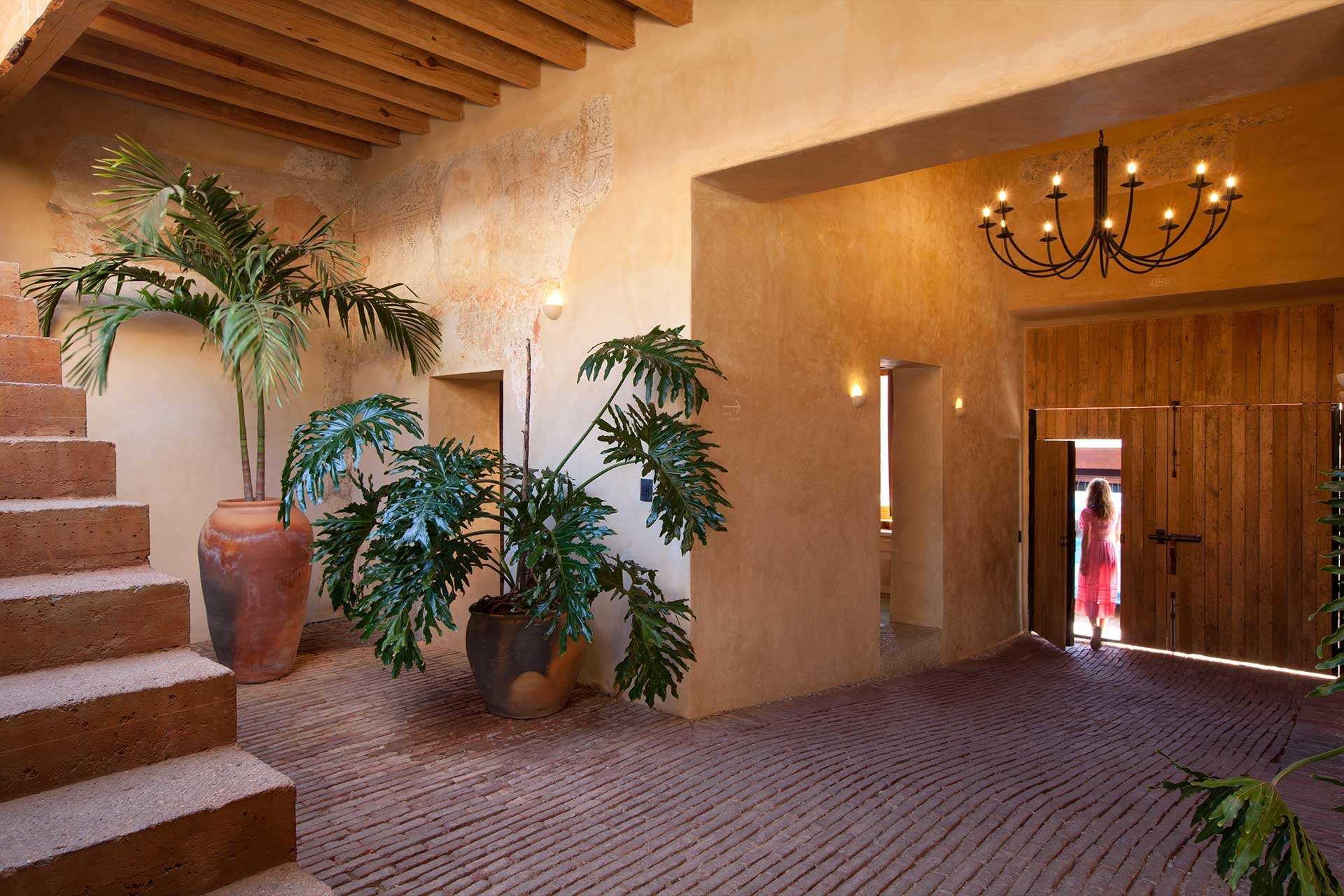
Portal del Palacio occupies a historic address on Benito Juárez in the heart of Oaxaca City's Centro, placing it within walking distance of the zócalo and the city's most established dining corridor. The setting draws on the colonial architecture that defines this part of the city, where portales, covered archways, have hosted commerce and conversation for centuries. It sits in a neighbourhood where tradition and contemporary Mexican dining intersect with particular density.

Pearl is the En Primeur Club membership app, where members save venues, book tables and use the concierge.
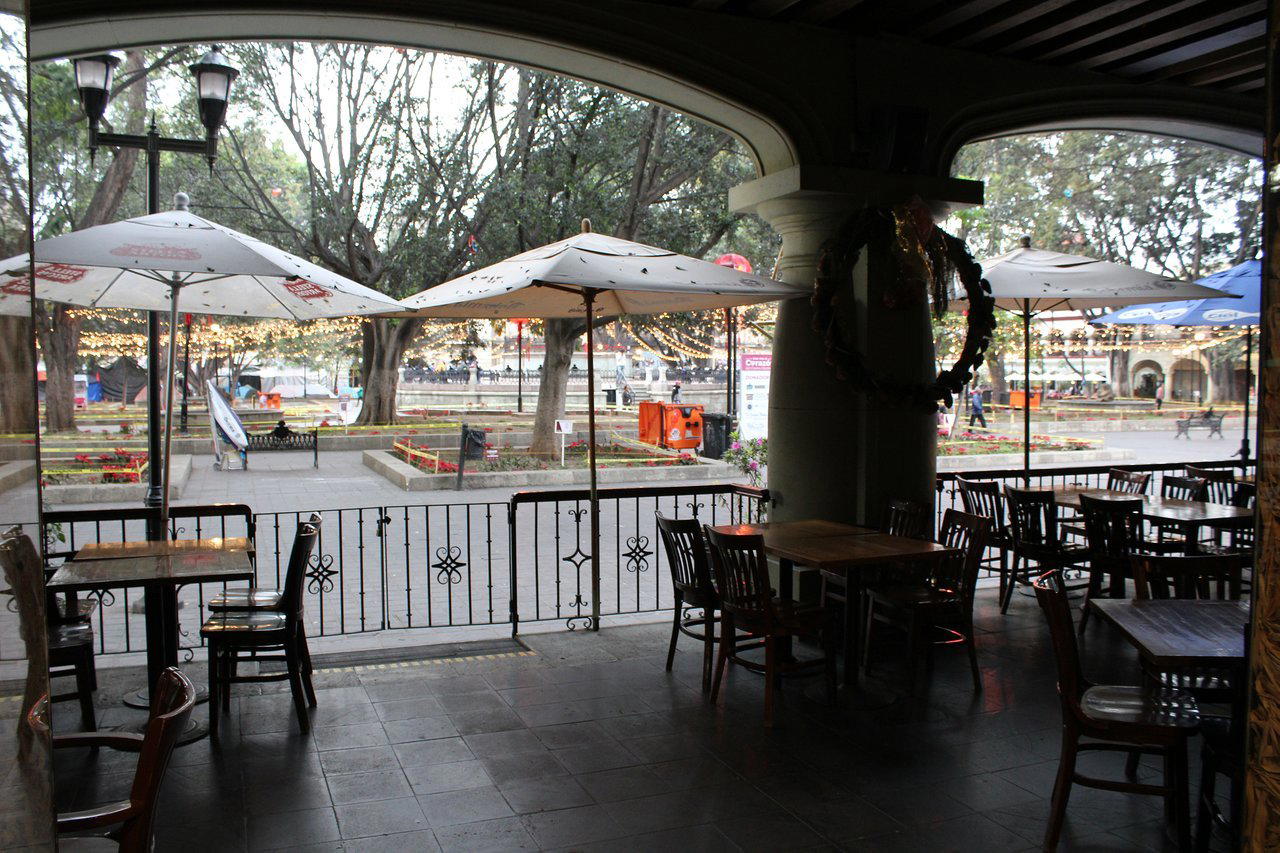
Where the Portal Faces the Plaza
There is a particular quality to eating under the portales of Oaxaca City's Centro that has nothing to do with the food itself. The covered archways that line the streets surrounding the zócalo were built for shade and commerce, and they still deliver both. Sound moves differently under stone colonnades: the percussion of the city, vendors, street musicians, the low hum of foot traffic, arrives softened, as if through a filter. Portal del Palacio sits within this architectural logic, on Benito Juárez in the Centro district, and its address alone positions it within one of Mexico's most concentrated pockets of culinary and cultural heritage.
Oaxaca's Centro has spent the last two decades accumulating dining options across every price tier, from market comedores selling tlayudas at midday to more composed operations drawing visitors from across Mexico and internationally. The neighbourhood's dining character is shaped less by a single dominant style than by the layering of indigenous Zapotec food traditions, colonial-era cooking, and a more recent generation of chefs working between those poles. Portal del Palacio's location on this axis places it in dialogue with that longer history, whatever its specific format.
The Sensory Register of a Colonial Dining Address
Walking the Centro in Oaxaca engages the senses in a particular sequence. The smell of copal smoke drifts from churches and market stalls. Chocolate, ground in the Mercado 20 de Noviembre a few blocks away, puts a faint bitterness in the air on certain mornings. Mezcal, poured freely at the area's bars and cantinas, carries its smoky mineral character into the afternoon hours. These are the atmospheric conditions that frame any meal in this part of the city, the context into which a restaurant on Benito Juárez arrives before a single dish is served.
Venues in this corridor compete partly on position. Proximity to the zócalo concentrates foot traffic and tourist flow, but it also places restaurants in direct proximity to peers operating at various levels of ambition. Bar Jardin Zocalo and Catedral Restaurant both operate in the Centro orbit and occupy different points on the spectrum between casual and composed. Casa Crespo represents the more structured end of the neighbourhood's offering, as does Cafe Los Cuiles, which has built a reputation for Oaxacan ingredients presented with care. Portal del Palacio shares a postcode with this group and draws from the same pool of visitors navigating the city's dining options for the first time or the fifth.
Oaxaca's Dining Logic, and What It Demands of a Restaurant
Oaxaca's food reputation rests on specific foundations: seven moles, the breadth of its chiles, memelas, enfrijoladas, and the particular cheese and chocolate traditions tied to its valleys. This is one of Mexico's most ingredient-specific cuisines, and the city's better restaurants are generally evaluated against how honestly they engage with those ingredients rather than how dramatically they depart from them. Venues that try to reframe Oaxacan food through a generic contemporary-Mexican lens tend to read as less convincing than those that work closer to source. Levadura de Olla Restaurante is one local operation that has built credibility through precisely this kind of ingredient fidelity.
The comparison set for any serious Centro restaurant extends nationally. Mexico's dining scene has produced internationally recognised operations at Pujol in Mexico City, Alcalde in Guadalajara, and KOLI Cocina de Origen in Monterrey, all of which have raised the standard of reference for what regional-ingredient-led cooking can look like when executed with precision. Globally, operations like Le Bernardin in New York City and Lazy Bear in San Francisco demonstrate what sustained format discipline produces at the highest level. The context matters because Oaxaca receives visitors calibrated against international benchmarks, and the city's leading tables are increasingly measured by that standard.
Other Mexican dining destinations worth placing on the same itinerary include Animalón in Valle de Guadalupe, Le Chique in Puerto Morelos, HA' in Playa del Carmen, Pangea in San Pedro Garza Garcia, Olivea Farm to Table in Ensenada, and Lunario in El Porvenir. Each represents a distinct regional expression of Mexican cooking, and Oaxaca sits among them as the country's most ingredient-dense food city. Boulenc, operating from the Centro with a focus on fermentation and bread, shows how even a narrow format can command serious attention in this city.
Planning a Visit to the Centro
The Centro district rewards walking. The zócalo, Santo Domingo church, and the Mercado Benito Juárez are all within a few hundred metres of each other, and the density of restaurants, mezcalerías, and coffee operations means that a single afternoon can cover considerable ground without requiring transport. Oaxaca City is most active between October and March, when the dry season keeps temperatures moderate and the city's cultural calendar runs at full pace. The Guelaguetza festival in July draws large crowds and increases reservation pressure across the better-known venues, while the Day of the Dead celebrations in late October and early November represent the other concentrated peak. Visiting outside those windows typically means shorter waits and more availability, though the city's year-round tourism base means the Centro is rarely quiet.
For visitors planning to cover the city's dining range, our full Oaxaca City restaurants guide maps the neighbourhood by format and price tier. The Centro offers the highest concentration of options, but the city's dining has expanded into surrounding barrios, and some of the more considered operations now operate at a deliberate remove from the tourist core.
Frequently asked questions
What's Portal del Palacio's location?
Portal del Palacio is located at OAX_RE_BENITO JUAREZ, Centro, 68000 Oaxaca, Mexico, Oaxaca City.
Is Portal del Palacio a good option for experiencing Oaxacan cuisine near the zócalo?
Its address on Benito Juárez in the Centro places it within the core of Oaxaca City's historic district, where the density of mezcalerías, chocolate producers, and market stalls reflects the depth of the region's food culture. Oaxaca holds a UNESCO designation for its intangible cultural heritage, and the city's centro is where that culinary identity is most concentrated. For visitors working through the Centro on foot, covering Santo Domingo, the zócalo, and the Mercado Benito Juárez, Portal del Palacio sits on a logical route.
What should I order at Portal del Palacio?
Ask what is prepared that day rather than anchoring to a fixed list; Oaxacan cooking at this latitude follows seasonal and market logic. The Mercado Benito Juárez is steps away and gives useful context for what is in season before you sit down.
Do I need a reservation for Portal del Palacio?
Given its position in Oaxaca City's Centro near the zócalo, foot traffic is high on weekends and during festival periods such as Guelaguetza in July. Arriving early in the lunch window or contacting the venue directly before a visit is the practical approach.
What is Portal del Palacio known for?
Portal del Palacio is positioned on the OAX_RE_BENITO JUAREZ strip in Oaxaca City's Centro, placing it within the covered arcade addresses that have historically served as the social and gastronomic axis of the city. The portales format, covered archways facing the main plaza, is one of the most recognisable dining contexts in Mexican colonial urban design, and Oaxaca City's version draws both local residents and visitors navigating the concentration of heritage sites in the immediate area.
Comparable Venues
Comparable venues nearby, for context on price, style, and recognition.
| Venue | Cuisine | Price | Notes |
|---|---|---|---|
| Portal del PalacioThis venue (the venue you are viewing) | Upscale Seafood | $30–50 | Not listed |
| Red Indian Chilli | Authentic Indian Curry House | $10–20 | 2006700010204 |
| Tlayudas Libres Doña Martha | Oaxacan Tlayudas | $10–20 | 2006700010204 |
| Aguacate Oaxaca | Vegetarian Mexican | $10–20 | 2006700010882 |
| La Casa de la Abuela | Traditional Oaxacan | Not listed | 2006700010952 |
| Casa Crespo | Authentic Oaxacan | $30–50 | 2006700010882 |
Continue exploring
More in Oaxaca
Restaurants in Oaxaca
All restaurants in Oaxaca →
Bars in Oaxaca
All bars in Oaxaca →
Hotels in Oaxaca
All hotels in Oaxaca →
Details
- Elegant
- Scenic
- Sophisticated
- Date Night
- Business Dinner
- Special Occasion
- Terrace
- Panoramic View
- Historic Building
- Local Sourcing
- Street Scene
- A La Carte
Sophisticated and refined with elegant surroundings overlooking the lively central plaza of Oaxaca City.