
A Michelin Bib Gourmand holder in the Kleinwalsertal valley, Carnozet delivers seasonal Alpine country cooking at a price point that sits well below the region's fine-dining tier. Chef Yuichiro Akiyoshi works with locally sourced produce and traditional Walser preparations, with Michelin singling out the grey cattle goulash with Walser Knöpfle as a standout..
Pearl is the En Primeur Club membership app — saves, bookings, and concierge access live there. Same editors, same standards.
- Address
- Oberseitestraße 6, 6992 Hirschegg, Austria
- Phone
- +43 5517 608540
- Website
- arosahotels.de
- Directions
- Get directions
 Saves & bookings on Pearl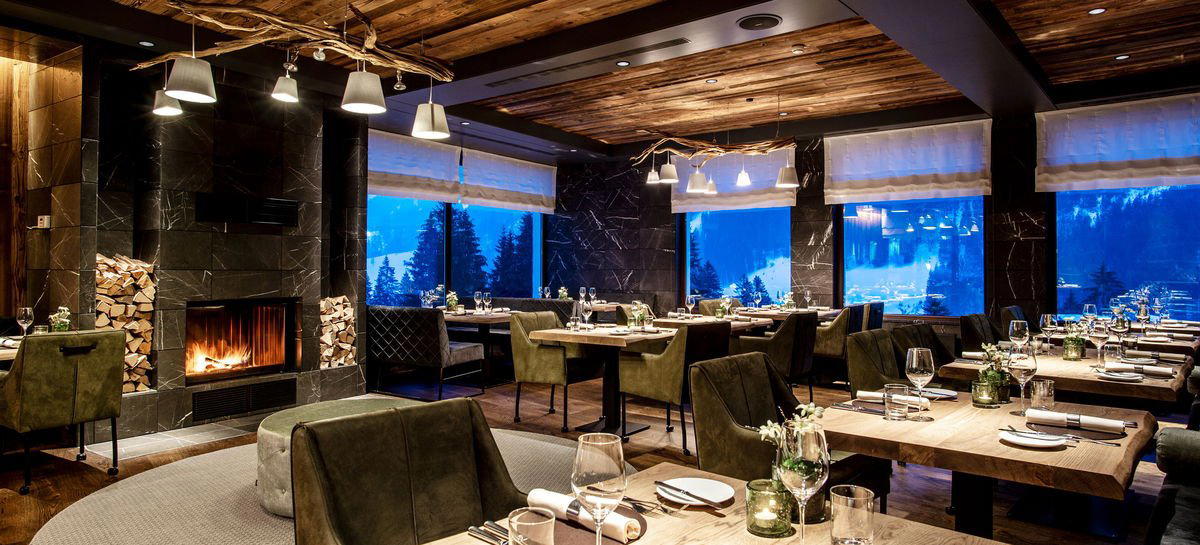
Alpine Country Cooking at Altitude
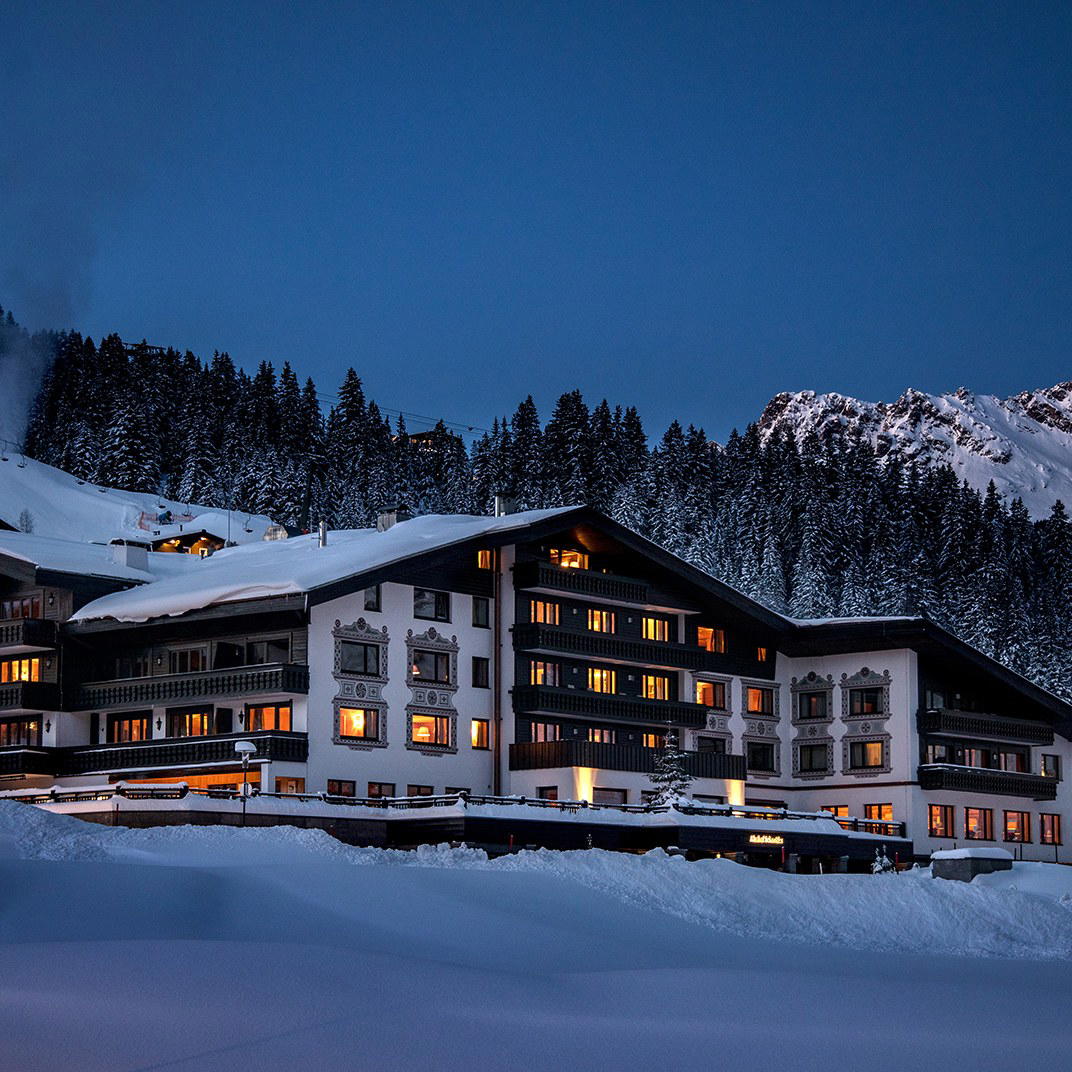
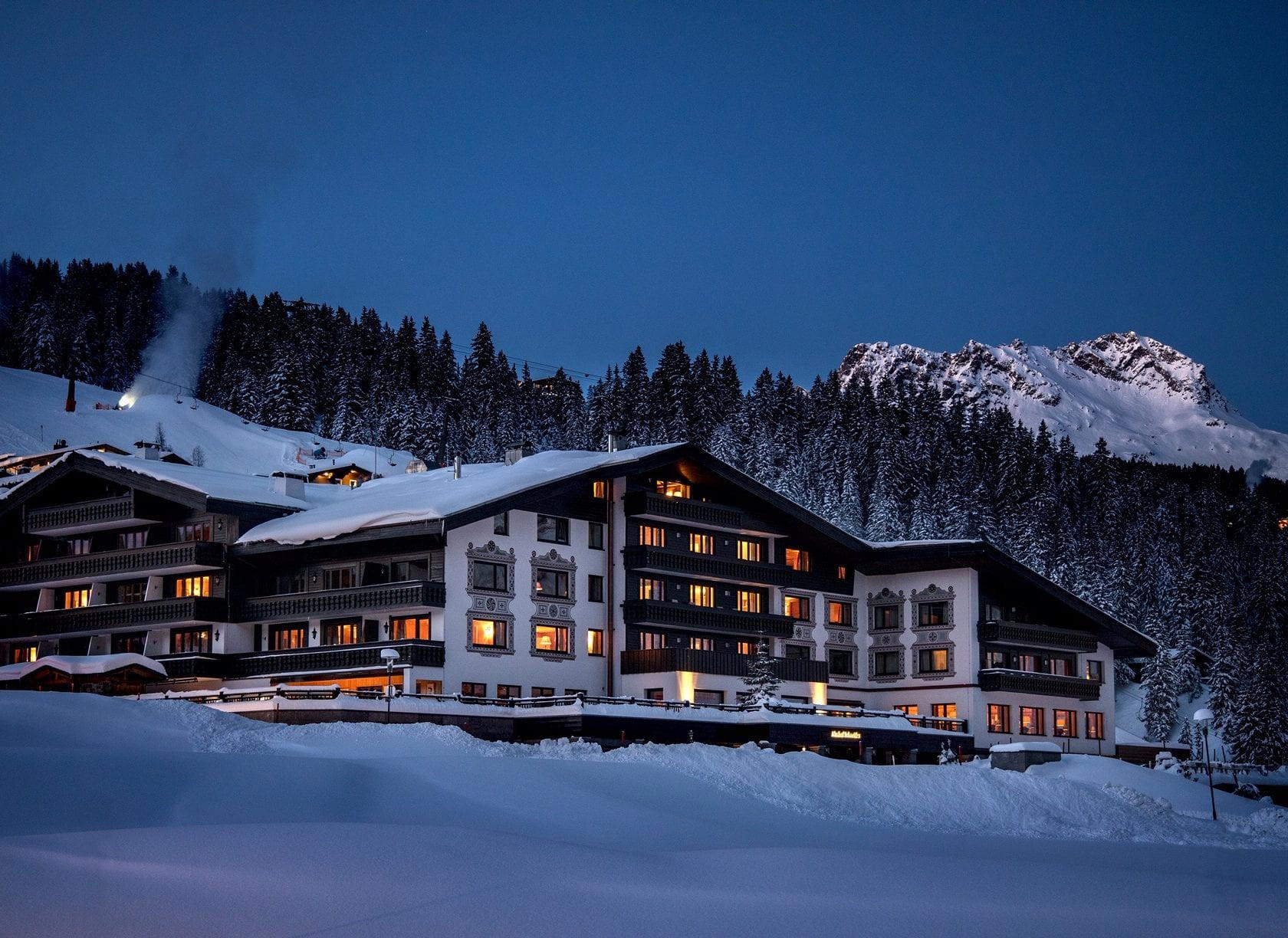
The Kleinwalsertal valley sits in a geographic oddity: Austrian territory accessible by road only through Germany, which has kept it insulated from the kind of tourist throughput that flattens regional character elsewhere in the Alps. Restaurants here operate within a culinary tradition shaped by Walser settlers whose cooking vocabulary, built around mountain cattle, dairy, and foraged produce, remains legible on menus to this day. On Oberseitestraße in Hirschegg, Carnozet occupies this tradition directly, with an interior that reads as a considered modern interpretation of Alpine style rather than a heritage pastiche, and a kitchen led by head chef Yuichiro Akiyoshi working almost entirely from locally sourced seasonal produce.
At the €€ price range, Carnozet sits in a different competitive tier from the high-altitude fine-dining circuit that includes Griggeler Stuba in Lech or Gourmetrestaurant Tannenhof in Sankt Anton am Arlberg. Where those counters push Austrian Alpine cooking into tasting-menu territory, Carnozet operates as a well-executed regional restaurant where the ingredients and technique carry the meal rather than elaborate format or ceremony. That positioning aligns with its Michelin Bib Gourmand recognition in 2025, a distinction Michelin reserves for places offering good cooking at moderate prices rather than for restaurants competing on ambition alone.
The Chef and the Regional Tradition He Works Within
Akiyoshi's background introduces an unusual dynamic into a kitchen rooted in Central European mountain cooking. Japanese chefs working in Western Alpine traditions have become a recognisable phenomenon in upper-end European dining: meticulous knife discipline, sensitivity to produce quality, and a tendency toward restraint rather than richness can translate productively into cuisines that are themselves built on precision with simple ingredients. At Carnozet, the evidence of that cross-cultural alignment sits in what Michelin describes as an appealing selection of seasonal dishes, constructed mostly from local sourcing, and in the specificity with which traditional Walser preparations are handled.
The grey cattle goulash with Walser Knöpfle, which Michelin explicitly recommends, represents the kind of dish where regional identity and kitchen technique converge. Grey cattle, a hardy Alpine breed with leaner, more flavourful meat than commercial beef, has been central to mountain farming communities for centuries. Walser Knöpfle, the local variant of spaetzle, belongs to the pasta traditions of the German-speaking Alpine arc. A goulash built from grey cattle and finished with Knöpfle is not a dish invented for a menu; it is an expression of what the valley produces and how its people have historically cooked. Executing it well requires understanding the ingredient rather than transforming it. That Michelin chose it as a specific recommendation, rather than describing the menu in general terms, suggests the kitchen applies real craft to something that could easily be rendered as mere comfort food.
For context on what serious Austrian regional cooking looks like across the country's range, Obauer in Werfen and Landhaus Bacher in Mautern an der Donau both hold multi-star recognition at the premium end of that tradition. Döllerer in Golling an der Salzach shows what happens when Alpine ingredient logic is pushed toward contemporary fine dining at the €€€€ tier. Steirereck im Stadtpark in Vienna sits at the apex of Austrian creative cooking at three Michelin stars. Carnozet is not competing with any of these on ambition or format; it is doing something else entirely, and doing it well enough for Michelin to recognise it.
The Kleinwalsertal Dining Scene
Hirschegg supports a small but considered restaurant community for a valley of its size. Kilian Stuba offers creative cooking at the other end of the ambition spectrum, while Sonnenstüble works in a French register. The presence of these different registers in a compact mountain valley says something about the dining culture that has developed here, partly shaped by the ski and hiking tourism that drives year-round traffic but never entirely captured by it. Carnozet fits the village-restaurant archetype that Austrian and German dining cultures have long valued: a place with a clear identity, a tight seasonal menu, and a relationship to local farming that goes beyond sourcing rhetoric.
Country cooking as a Michelin category, represented at the same level internationally by 21.9 in Piobesi d'Alba and Andrea Monesi - Locanda di Orta in Orta San Giulio, tends to be evaluated on honesty of execution and fidelity to a regional ingredient story rather than technique for its own sake. Carnozet's Bib Gourmand places it in that evaluative frame. It is not being assessed against Ikarus in Salzburg or Kräuterreich by Vitus Winkler in Sankt Veit im Pongau; it is being assessed on whether it delivers what it proposes to deliver, clearly and with good value.
Michelin's description adds a further point worth noting: friendly service. In Alpine resort contexts, the relationship between front-of-house warmth and cooking quality is not always correlated. Restaurants that lean on location or ski-season captive audiences can let one or both slip. That Michelin mentions both together suggests Carnozet maintains consistency across the full dining experience rather than relying on the food alone to carry the visit.
Planning Your Visit
Carnozet is at Oberseitestraße 6 in Hirschegg, within the Kleinwalsertal valley in Vorarlberg. The valley's access from Austria requires entering through Bavaria, so visitors arriving from most Austrian cities will route through Germany regardless of intended destination.
Side-by-Side Snapshot
Comparable venues nearby, for context on price, style, and recognition.
| Venue | Cuisine | Price | Awards | Notes |
|---|---|---|---|---|
| CarnozetThis venue — the venue you are viewing | Modern Alpine Inn Cuisine | $$ | Bib Gourmand | Not listed |
| Sonnenstüble | Modern Regional German | $$$ | Michelin Plate | Hirschegg |
| Kilian Stuba | Modern Alpine Fine Dining | $$$$ | Michelin 1 Star | Hirschegg |
| Gründler's Genießer Wirtshaus | Modern Tyrolean Regional Cuisine | $$$ | Bib Gourmand | Achenkirch |
| Lechtaler Stube | Classic Austrian with Regional Influences | $$$ | Michelin Plate | Oberlech |
| Schwanen | Organic Austrian Fine Dining | $$$ | Bib Gourmand | Bizau |
Recognition history
Dated appearances from independent guides and award organizations, with the underlying list record or original source where available.
Michelin Bib Gourmand
Michelin
Michelin Bib Gourmand
Michelin
Michelin Bib Gourmand
Michelin
Continue exploring
More in Hirschegg
Restaurants in Hirschegg
Browse all →
Bars in Hirschegg
Browse all →


Hotels in Hirschegg
Browse all →

At a Glance
- Cozy
- Rustic
- Classic
- Intimate
- Date Night
- Family
- Celebration
- Special Occasion
- Hotel Restaurant
- Terrace
- Panoramic View
- Extensive Wine List
- Beer Program
- Farm To Table
- Local Sourcing
- Organic
- Mountain
Current opening hours
- Monday
- 6:30–9 PM
- Tuesday
- 6:30–9 PM
- Wednesday
- 6:30–9 PM
- Thursday
- 6:30–9 PM
- Friday
- 6:30–9 PM
- Saturday
- 6:30–9 PM
- Sunday
- 6:30–9 PM
Hours can change for holidays and private events. Last verified .
Warm and inviting with rustic wooden beams, sun-baked spruce paneling, crackling open fireplace, and black-and-white vintage photographs creating a comfortable Alpine atmosphere.