Kesslers Walsereck
Kesslers Walsereck sits in Hirschegg at the heart of the Kleinwalsertal, a valley where Austrian alpine cooking is shaped by altitude, season, and proximity to source. The address alone signals a kitchen that draws on the Vorarlberg highlands rather than lowland supply chains. For visitors working through Mittelberg's dining options, it occupies a distinct position in the local scene.
Pearl is the En Primeur Club membership app — saves, bookings, and concierge access live there. Same editors, same standards.
- Address
- Gerbeweg 18, 6992 Hirschegg, Austria
- Phone
- +43551754140
- Website
- naturhotel.at
- Directions
- Get directions
 Saves & bookings on Pearl
Where the Kleinwalsertal Shapes What Ends Up on the Plate
The Kleinwalsertal is one of Austria's more unusual geographic facts: a valley accessible by road only from Germany, yet politically and economically Austrian. That isolation has historically pushed its kitchens toward local supply by necessity as much as philosophy. Kesslers Walsereck is a restaurant in Hirschegg, Austria, serving Organic Austrian Regional Cuisine at Gerbeweg 18. The village sits above 1,100 metres, and at that altitude, the growing season is compressed, livestock move between pastures according to strict seasonal rhythms, and foraging windows are short. These constraints define what alpine kitchens in the Kleinwalsertal have always done: work closely with what is available nearby, preserve what they can, and let the calendar rather than the import catalogue set the menu.
Across the Vorarlberg highlands more broadly, this approach has produced a distinct regional cooking character that differs from the richer, more elaborate Austrian traditions found in Vienna or Salzburg. Where Steirereck im Stadtpark in Vienna operates at the apex of Austrian fine dining with a different set of supply relationships, the mountain kitchens of Vorarlberg work within tighter geographic boundaries. The result tends toward directness: fewer components, more legible sourcing, and cooking that reflects the altitude rather than works against it.
The Ingredient Logic of a Highland Alpine Kitchen
The Kleinwalsertal's culinary identity is built on a short list of reliable sources: Bregenzerwald dairy, highland beef and lamb, freshwater fish from the valley's streams, and an alpine herb palette that changes through the seasons. Kitchens in Hirschegg and Mittelberg that take their ingredient sourcing seriously work within these categories. Dairy from Vorarlberg's mountain farms carries a fat profile and flavour depth that lowland milk doesn't replicate, and it shows in sauces, soups, and pastry work across the region's better tables.
This ingredient logic positions Kesslers Walsereck within a wider category of alpine restaurants where provenance is structural rather than decorative. The comparison is worth making against the broader Austrian mountain dining scene: restaurants like Griggeler Stuba in Lech and Gourmetrestaurant Tannenhof in Sankt Anton am Arlberg have built recognised programs around similar highland sourcing frameworks, though operating at different price and formality tiers. In Mittelberg itself, Haller's (Classic Cuisine) represents the classic-cuisine end of the local range at the €€ tier, giving the valley a sense of how the dining spectrum runs locally.
The Walser people, who settled this valley centuries ago from the Upper Valais, brought with them a tradition of resourceful mountain cooking that has never entirely disappeared. Dishes rooted in that heritage: kässpatzen, alpine soups, cured meats, and preparations built around dairy and rye, remain reference points for kitchens in the area that want to stay connected to place rather than trend.
Setting and Atmosphere in the Kleinwalsertal
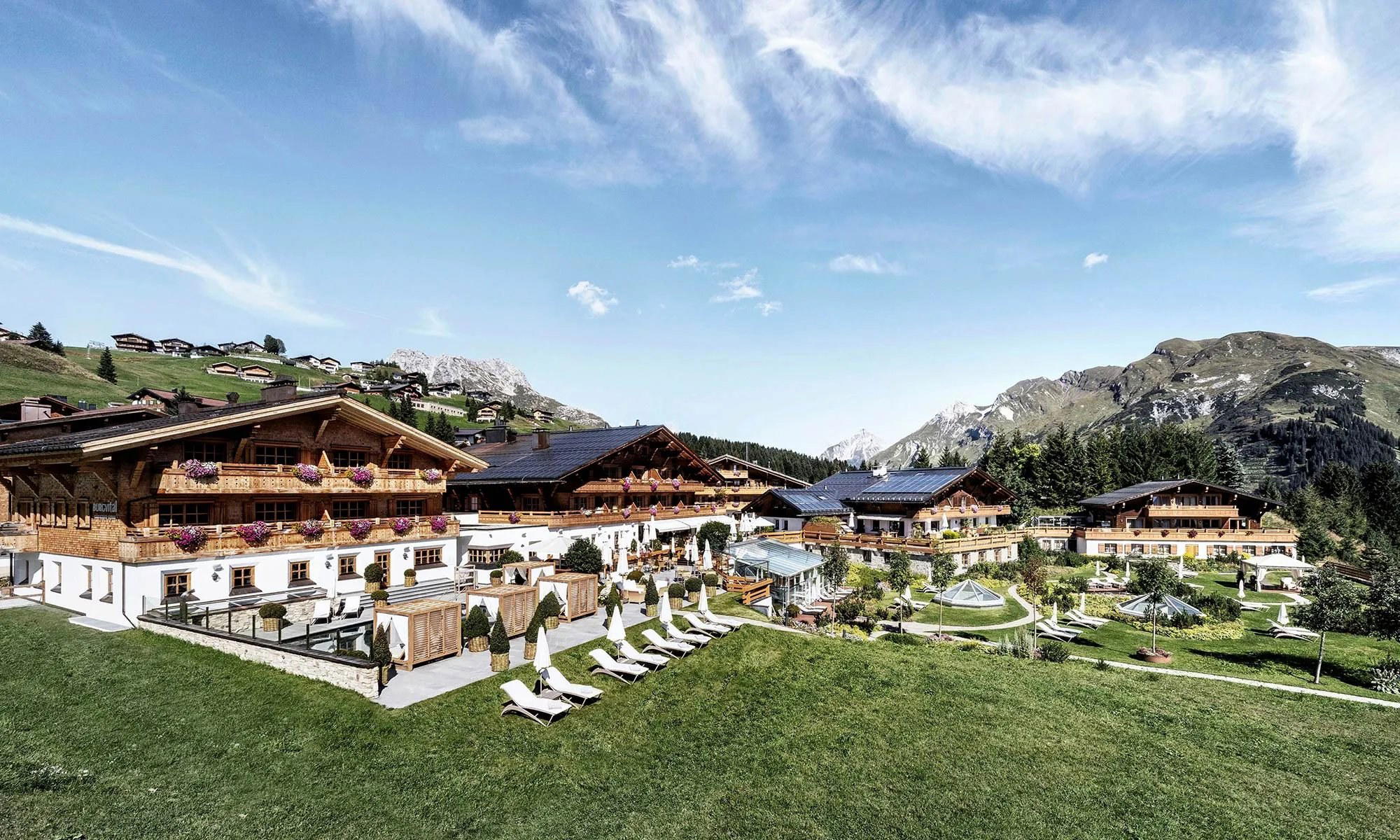
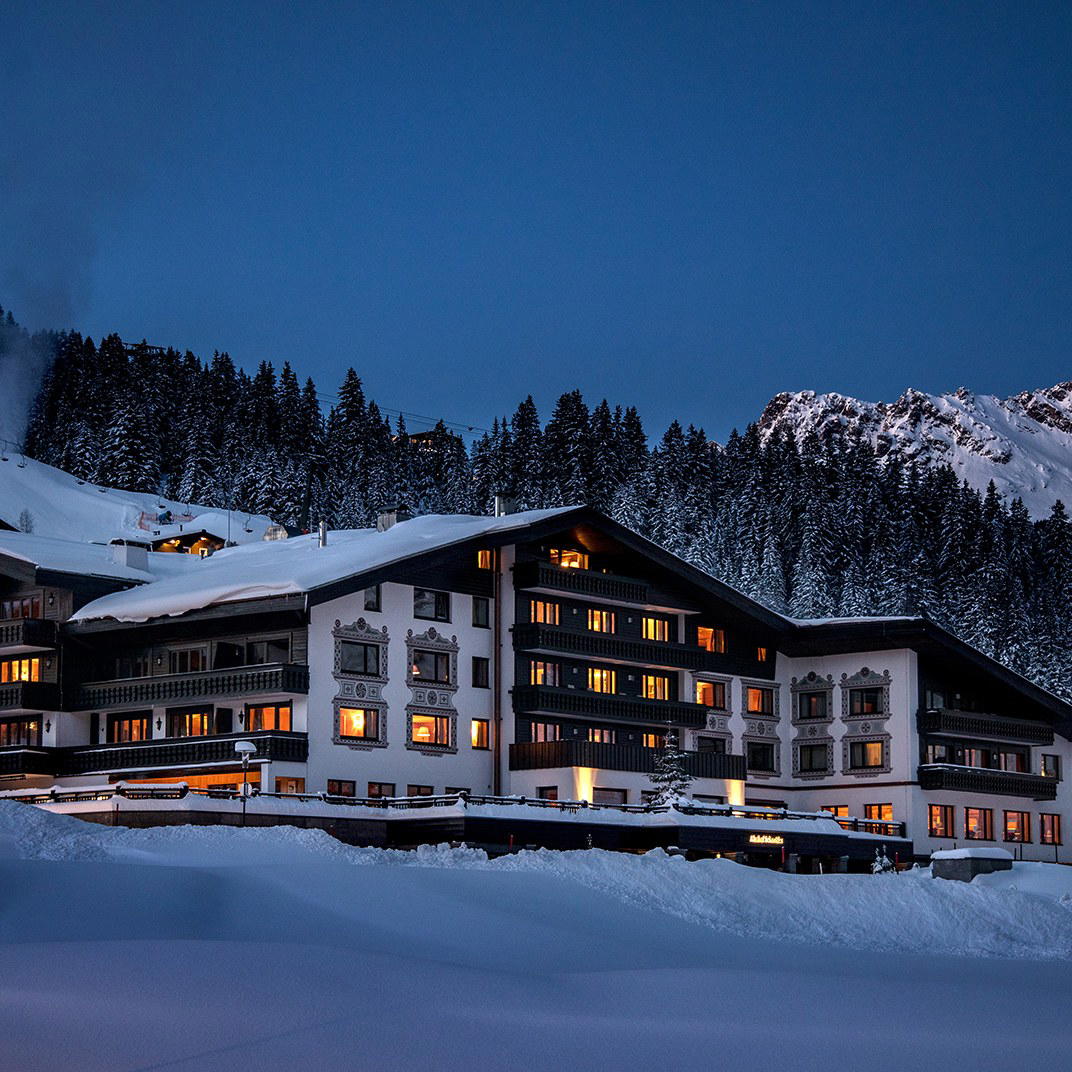
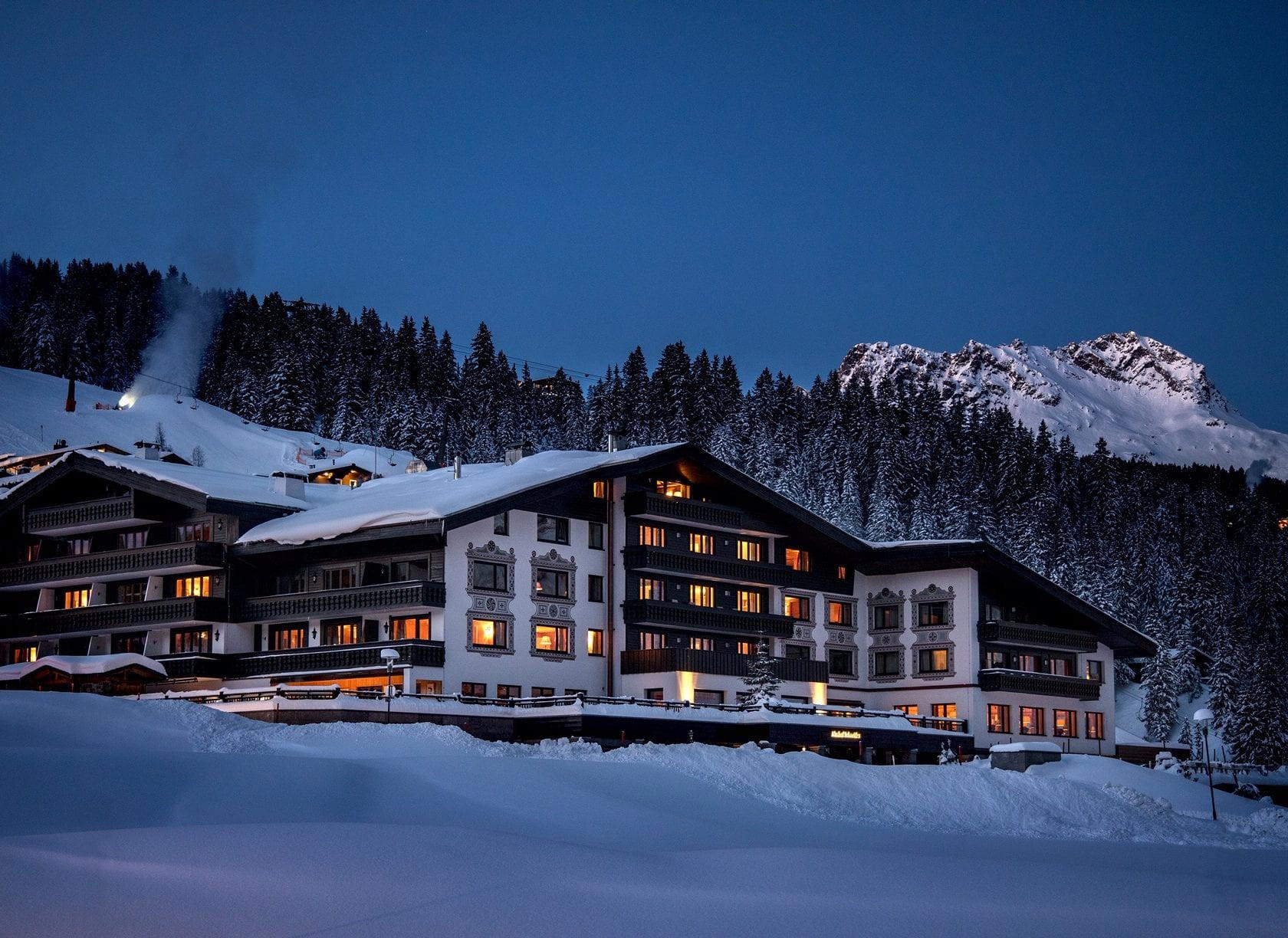
Arriving in Hirschegg from Oberstdorf to the north, the valley opens gradually, framed by the Allgäu Alps on either side. The village architecture is solidly Vorarlberg: timber-heavy, low-pitched rooflines, buildings that sit with the landscape rather than impose on it. Kesslers Walsereck's address on Gerbeweg places it within the village's residential texture rather than on any main commercial strip.
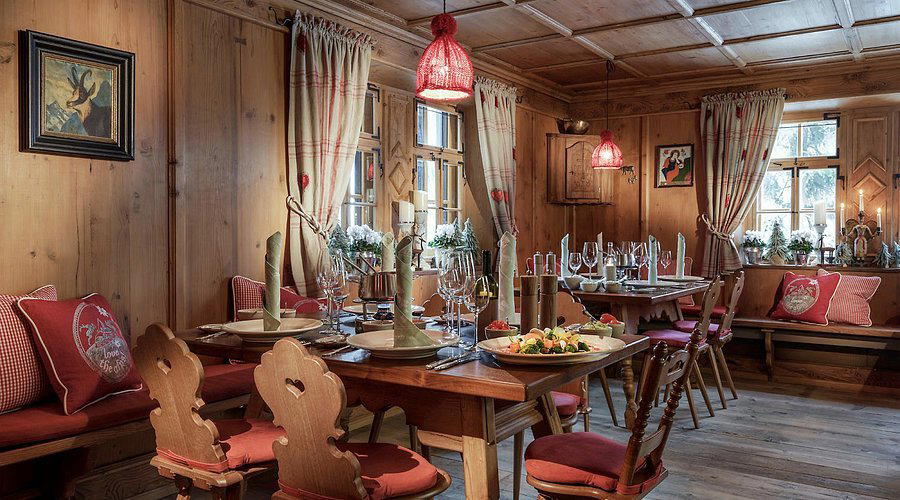
Alpine restaurant atmospheres in this price tier and setting tend toward the comfortable and unhurried. The expectation is not the stripped-back minimalism of an urban tasting counter but the warmth of a room built for winter evenings, with timber and textile absorbing sound and retaining heat. Neighbouring venues in Mittelberg's scene, including Sonnenstüble, Carnozet, and Das Naturhotel Chesa Valisa, each offer their own version of this register. The valley's dining scene rewards multiple evenings of exploration rather than a single-venue focus.
Context Within Austrian Alpine Dining
Austria's mountain restaurant scene has developed considerable range over the past two decades. At the recognised end, kitchens like Döllerer in Golling an der Salzach and Obauer in Werfen have pushed alpine-sourced cooking into international critical conversation. Further afield, Ikarus in Salzburg operates with a rotating guest-chef model that places it in a different category entirely. Herb-focused programs like Kräuterreich by Vitus Winkler in Sankt Veit im Pongau demonstrate how specific alpine ingredient categories can anchor an entire kitchen identity. Closer to the Kleinwalsertal, Restaurant 141 by Joachim Jaud in Mieming and Schwarzer Adler in Hall in Tirol represent the Tyrolean end of the alpine dining spectrum, while Landhaus Bacher in Mautern an der Donau and Ois in Neufelden pull in different Austrian regional directions altogether.
The restaurant sits within the Kleinwalsertal tier of this spectrum: not the kind of destination that draws visitors from Vienna or abroad solely on the basis of its own reputation, but the kind of address that rewards guests already in the valley who want cooking that reflects the place they are in. That is a coherent and honest position for a mountain restaurant to occupy.
Planning Your Visit
Hirschegg is reached most directly by road from Oberstdorf in Germany, a route that makes the Kleinwalsertal one of the more accessible Austrian alpine valleys despite its geographic enclosure.
Comparable Spots, Quickly
Comparable venues nearby, for context on price, style, and recognition.
| Venue | Cuisine | Price | Awards | Notes |
|---|---|---|---|---|
| Kesslers WalsereckThis venue — the venue you are viewing | Organic Austrian Regional Cuisine | $$$ | Not listed | Not listed |
| Carnozet | Authentic Austrian Inn Cuisine | $$ | Not listed | Hirschegg |
| Sonnenstüble | Modern Austrian Regional | $$$ | Not listed | Hirschegg |
| Das Naturhotel Chesa Valisa | Organic Austrian Regional | $$$ | Not listed | Kleinwalsertal |
| Haller's | Alpine-Adriatic Fine Dining | $$$ | Michelin Plate | Mittelberg |
| Schönblick-Mehdafu | Regional Austrian Fine Dining | $$$ | Not listed | Eichenberg |
Continue exploring
More in Mittelberg
Restaurants in Mittelberg
Browse all →
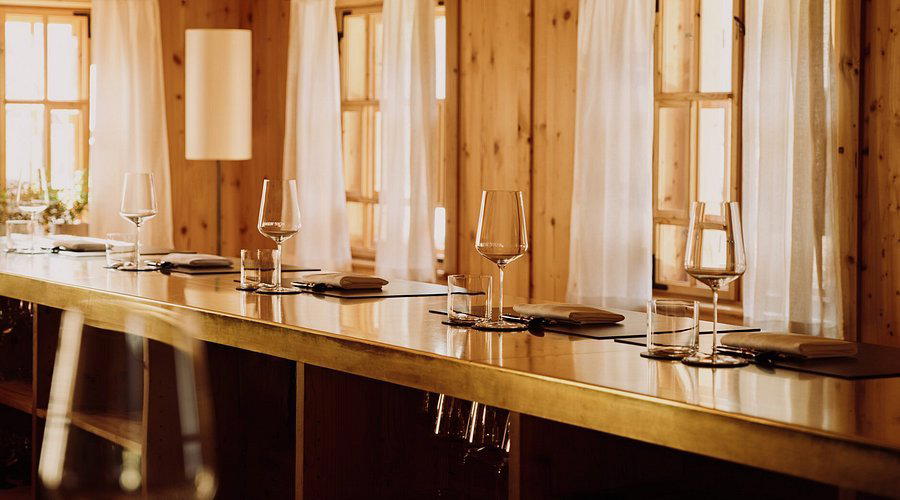
Bars in Mittelberg
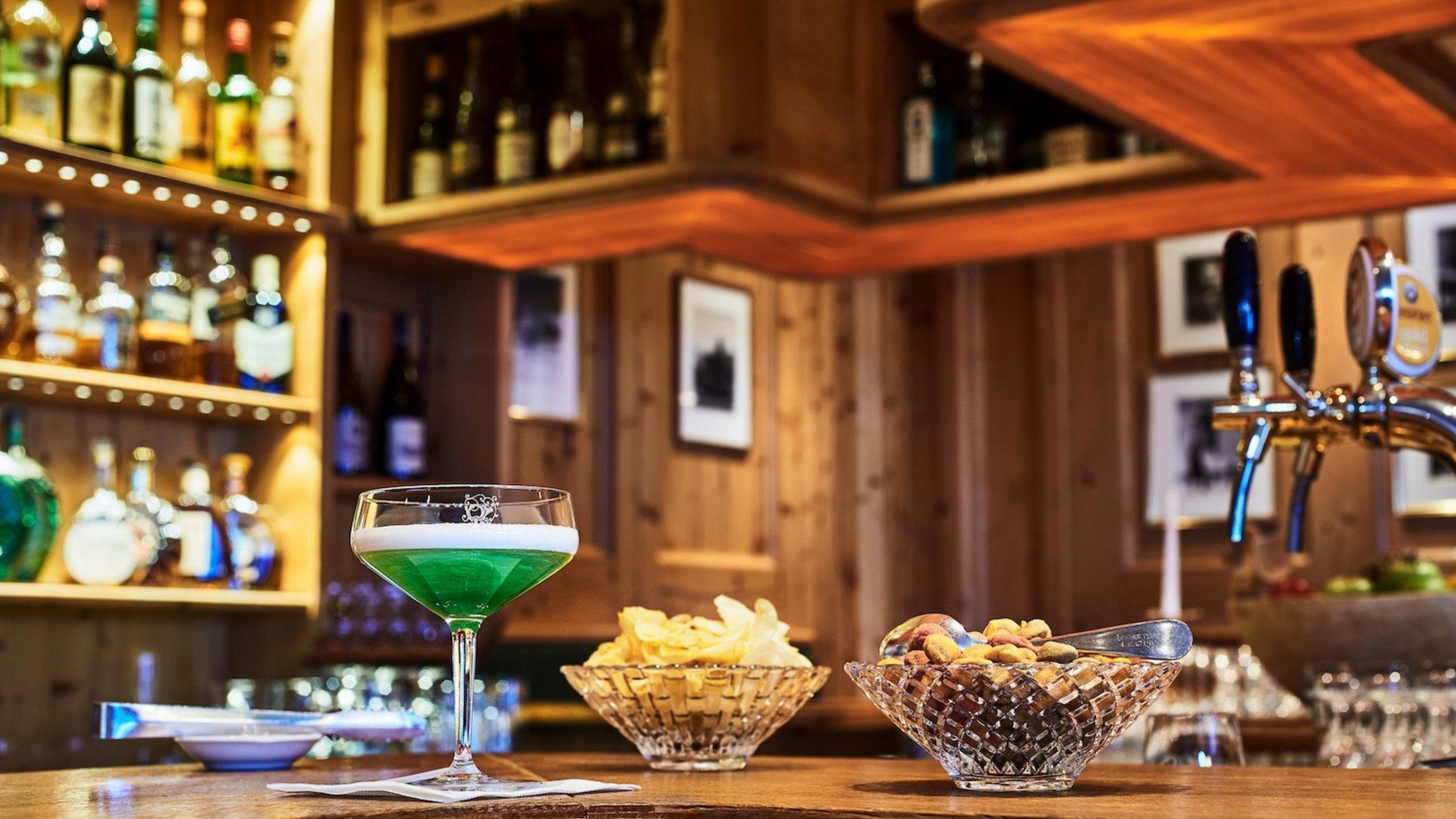
Browse all →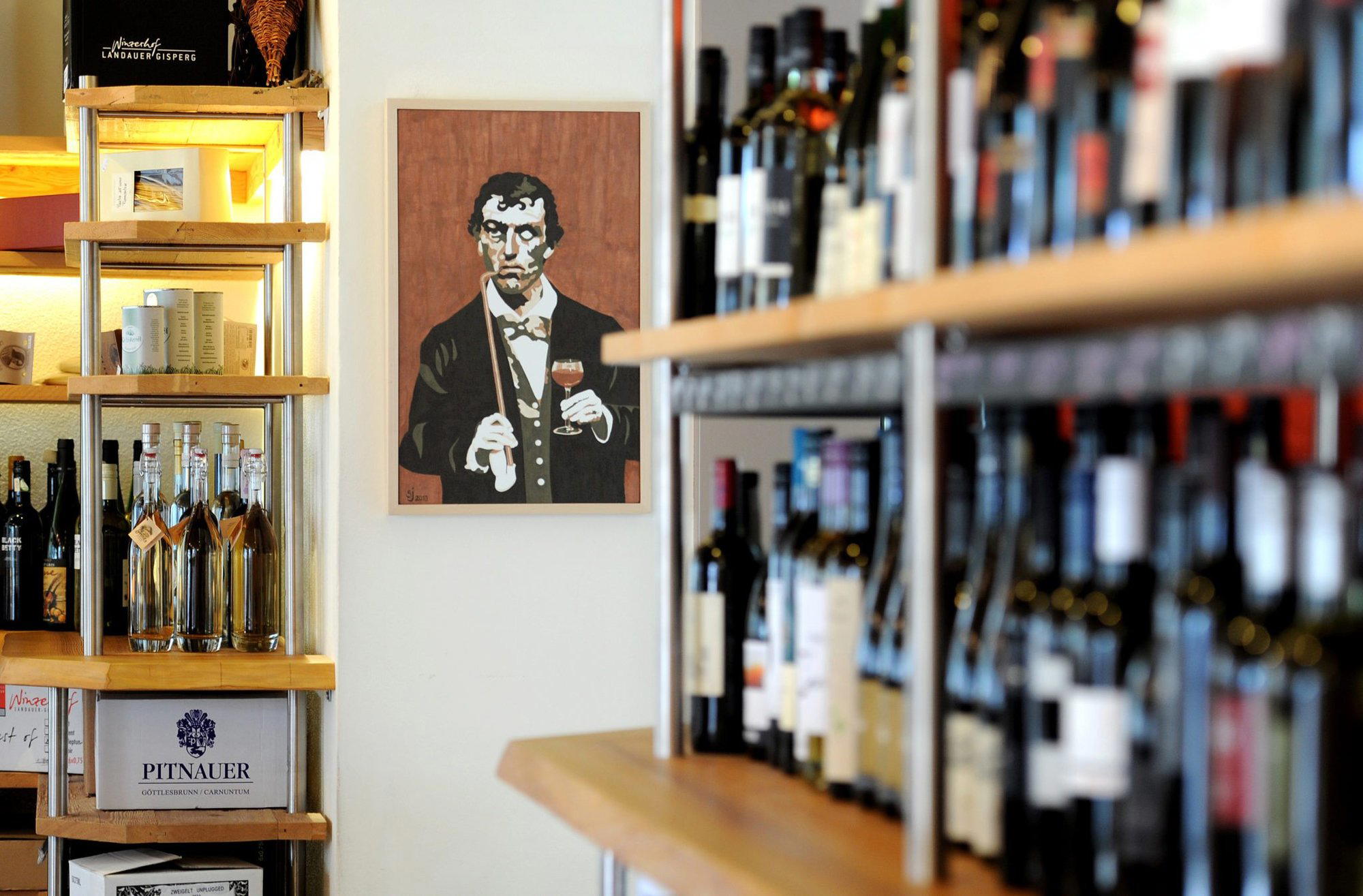


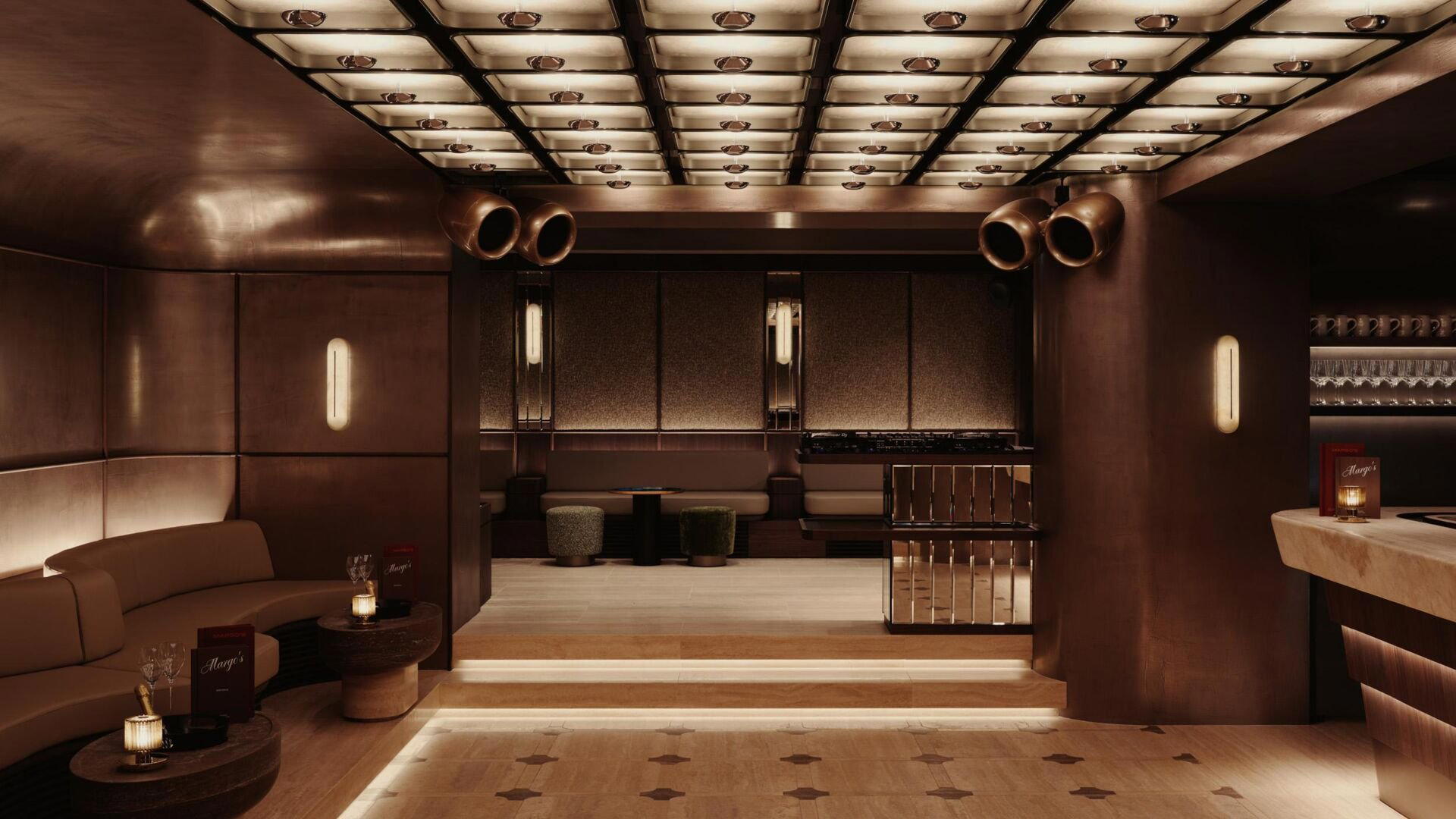
Hotels in Mittelberg
Browse all →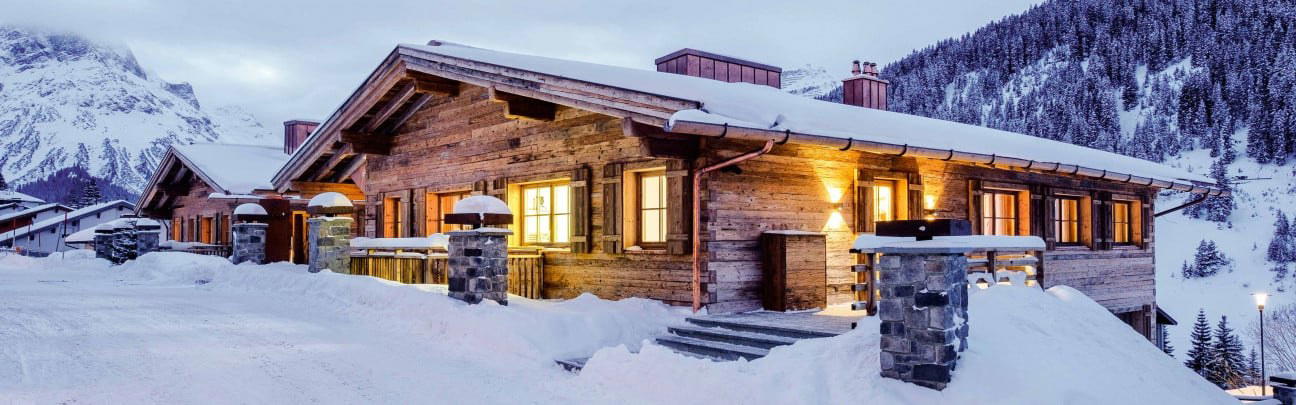

At a Glance
- Cozy
- Rustic
- Scenic
- Intimate
- Special Occasion
- Family
- Celebration
- Terrace
- Open Kitchen
- Extensive Wine List
- Organic
- Local Sourcing
- Mountain
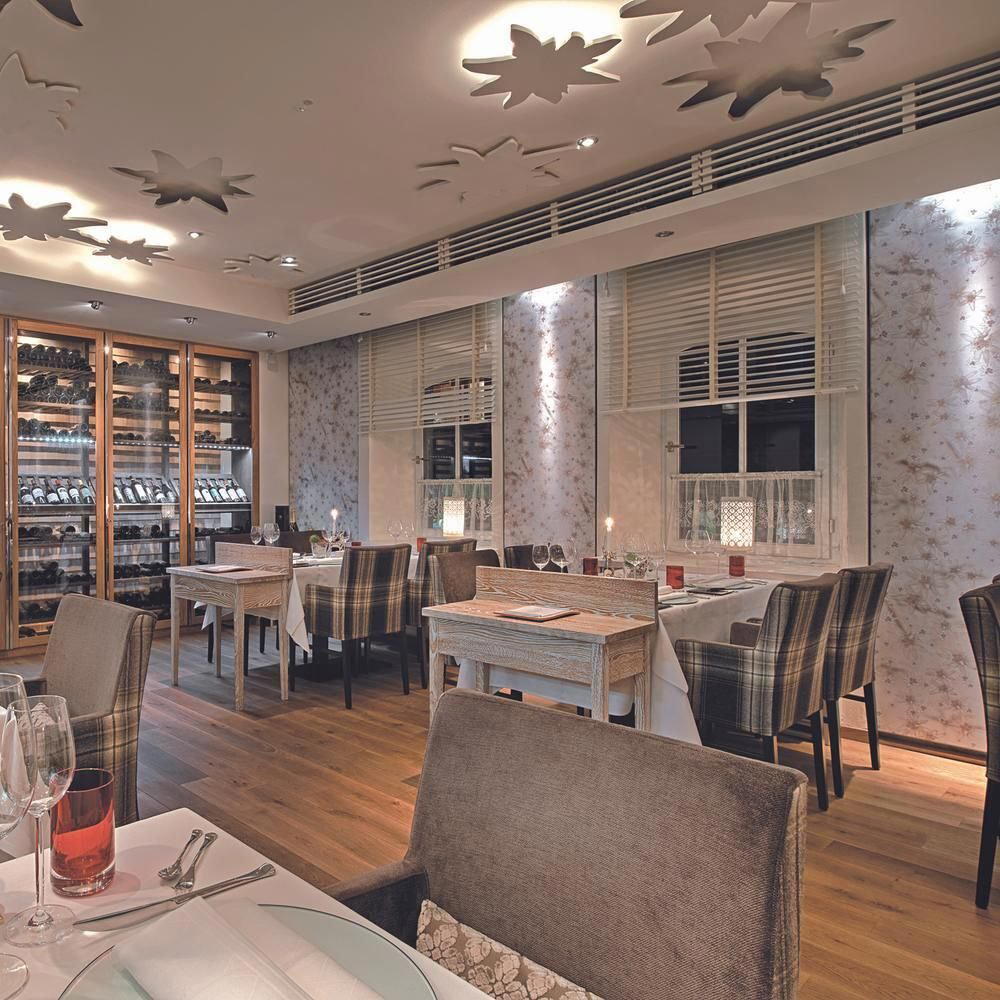
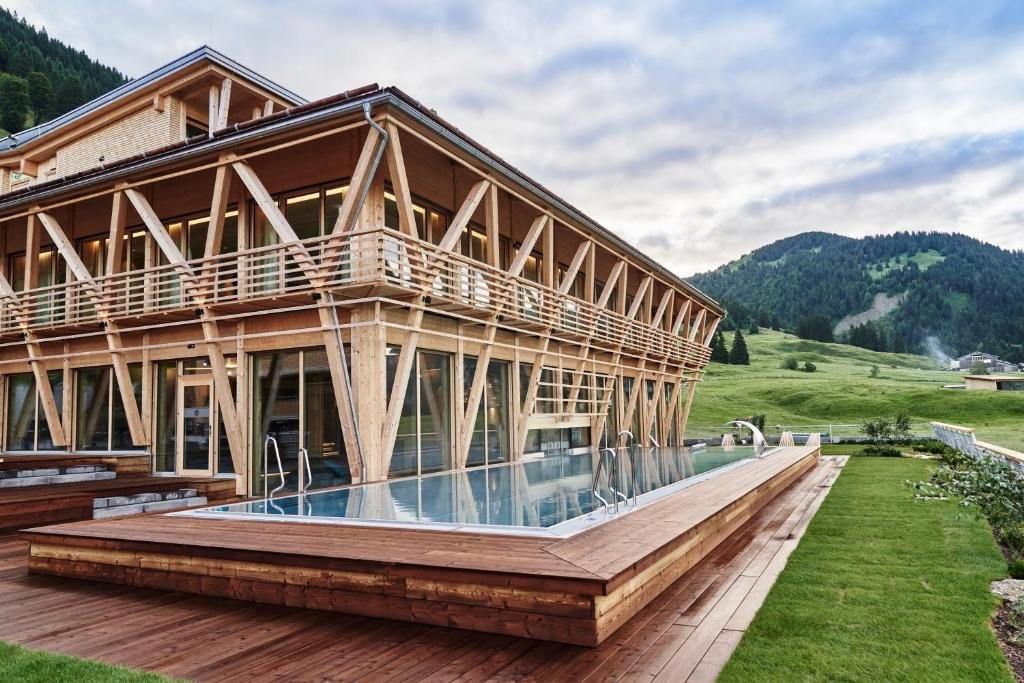
Gemütliche, ruhige Atmosphäre mit Blick übers Tal, warme Beleuchtung und natürlichem, einladendem Design.