
Sonnenstüble brings French culinary technique to the Alpine village of Hirschegg in Austria's Kleinwalsertal, earning consecutive Michelin Plate recognition in 2024 and 2025. At the €€ price point, it sits in the accessible tier of the valley's dining scene, where classical discipline meets mountain setting in a way that justifies serious attention from anyone spending time in the region.
Pearl is the En Primeur Club membership app — saves, bookings, and concierge access live there. Same editors, same standards.
- Address
- Oberseitestraße 34, 6992 Hirschegg, Austria
- Phone
- +43 5517 5587
- Website
- birkenhoehe.com
- Directions
- Get directions
 Saves & bookings on Pearl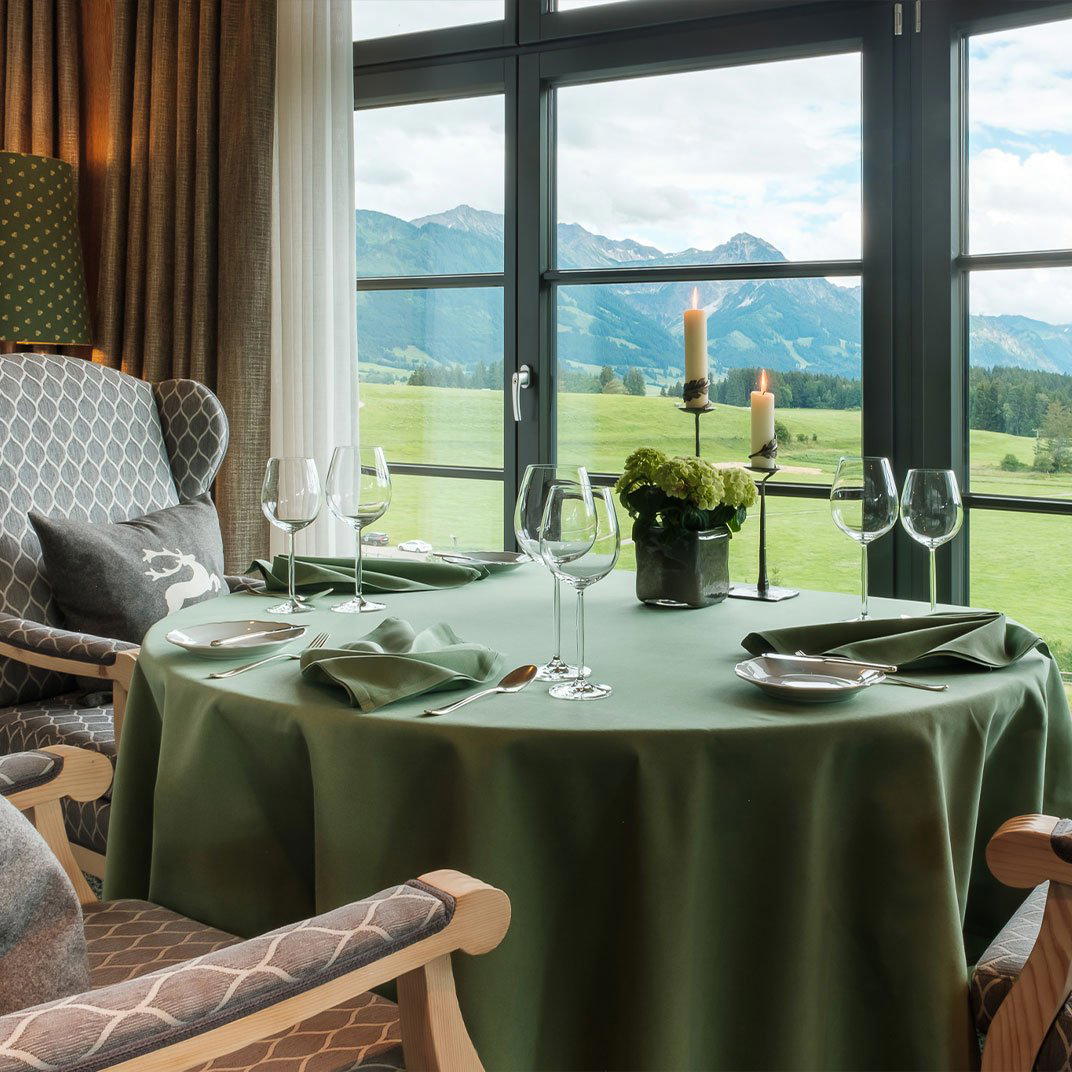
French Technique in an Alpine Village
The Kleinwalsertal is one of those Austrian valleys that exists slightly outside normal geography: accessible only from Germany, surrounded by peaks, and home to a dining scene that punches above what its size suggests. In Hirschegg, the central settlement of the valley, the prevailing culinary register runs toward hearty Alpine cooking, the kind of food that makes sense after a day on the slopes. Against that backdrop, a restaurant committed to French technique represents a deliberate choice, one that says more about where serious Alpine dining is developing than about any single kitchen's preferences.
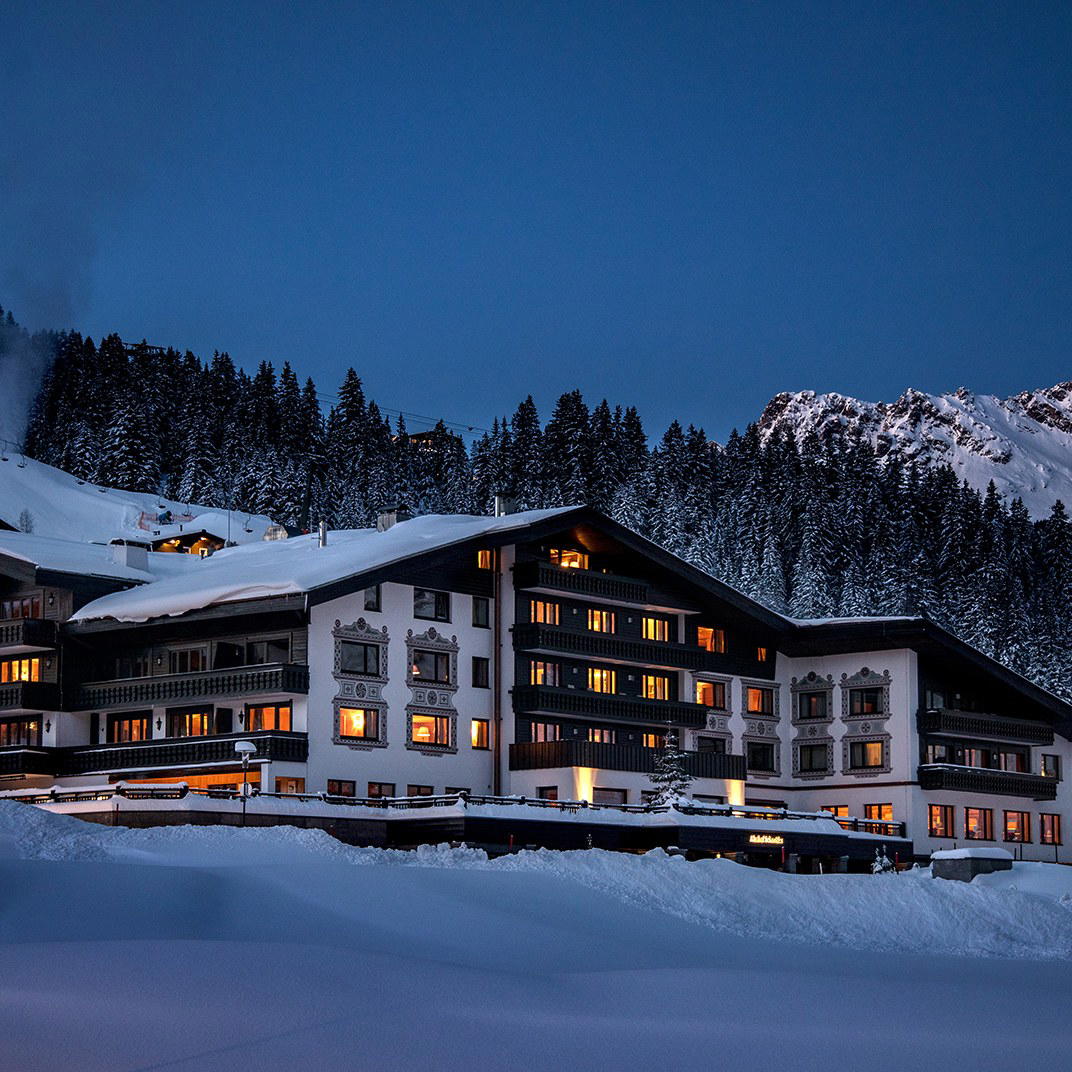
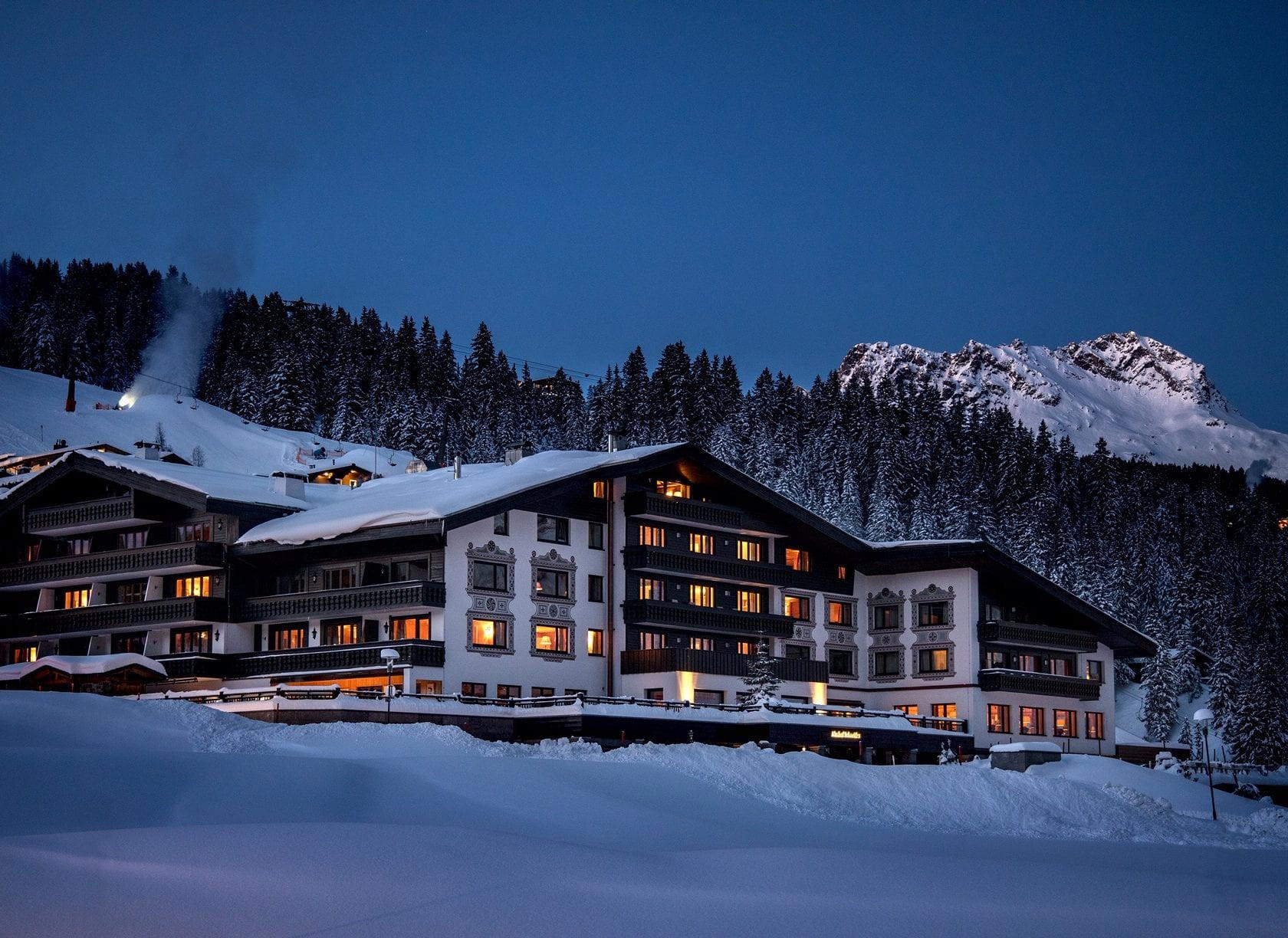
Sonnenstüble, located at Oberseitestraße 34, occupies that position. The address places it in a quiet residential stretch of Hirschegg, away from the more tourist-facing parts of the village. Arriving on foot, the scale is domestic rather than grand: the kind of building that rewards those who came specifically, rather than those who wandered past. That self-selecting quality is part of what defines the mid-tier Michelin Plate bracket,
Where the Michelin Plate Actually Sits
The Michelin Plate, awarded consecutively in 2024 and 2025, signals something specific: cooking that meets the guide's standard for quality ingredients prepared with skill, without yet crossing into the star tier. In Austria's Alpine west, that recognition carries genuine weight. The regional comparison set includes Griggeler Stuba in Lech and Gourmetrestaurant Tannenhof in Sankt Anton am Arlberg, both of which operate at higher price points and with the infrastructure of larger resort towns behind them. Sonnenstüble's €€ positioning means it is working at a different tension point: serious technique without the premium pricing that usually accompanies it in this geography.
Across Austria more broadly, the kitchens that attract sustained Michelin attention tend to polarise between classically rooted houses and those pursuing aggressive reinvention. Steirereck im Stadtpark in Vienna and Ikarus in Salzburg sit at the creative, high-investment end. Obauer in Werfen anchors the classical side with decades of accumulated recognition. Döllerer in Golling an der Salzach has built a reputation for contemporary Alpine cooking that bridges both registers. Sonnenstüble's French orientation places it in a different conversation: not Austrian identity cooking, but the kind of classical European framework that travels across borders and finds expression wherever a trained kitchen applies it.
The French Frame in an Alpine Context
French cuisine in the Alps has its own logic. The proximity to France and Switzerland means the culinary influence has never been purely academic in this part of Europe. Mountain produce, dairy, game, foraged ingredients, adapts naturally to classical French treatment, and the region has produced kitchens that use that alignment without forcing it. Internationally, the tension between classical French rigour and modern reinterpretation defines particularly discussed dining of the past decade: the Hotel de Ville Crissier in Crissier operates at the apex of that classical tradition, while Sézanne in Tokyo represents how far that framework can travel and evolve in a completely different cultural context.
At the Michelin Plate level, the question is usually less about radical innovation and more about whether classical standards hold consistently. Consecutive recognition across two guide cycles suggests a kitchen that has stabilised its approach rather than chasing novelty. In a valley with limited dining options at this standard, that consistency has real practical value for visitors who want reliable quality without the price commitment of the region's starred alternatives.
Hirschegg's Dining Context
The Kleinwalsertal's restaurant scene is shaped by its unusual geography and its seasonal visitor base. The valley draws walkers in summer and skiers in winter, and the better kitchens have learned to serve both audiences without collapsing into generic resort food. Within Hirschegg specifically, Sonnenstüble shares the dining map with Kilian Stuba, which operates at the creative end of the local scene, and Carnozet, which takes a country cooking approach. The three restaurants represent meaningfully different orientations, which is more culinary range than most villages of this size can support. Sonnenstüble's French positioning fills a specific gap: it is neither especially experimental option nor especially rustic, but the one most aligned with classical European dining discipline.
Elsewhere in Austria's Alpine west, kitchens worth benchmarking against include Kräuterreich by Vitus Winkler in Sankt Veit im Pongau, Restaurant 141 by Joachim Jaud in Mieming, and Ois in Neufelden, each of which brings a distinct regional character to serious cooking.
Planning a Visit
Sonnenstüble sits in the €€ price bracket, around $60 per person. That accessibility, combined with a setting that attracts a concentrated visitor population during peak ski and hiking seasons, means demand at key times likely outpaces casual walk-in availability. Booking ahead is recommended, particularly for winter weekends. The address at Oberseitestraße 34 is easy to reach on foot from much of Hirschegg's accommodation.
Style and Standing
Comparable venues nearby, for context on price, style, and recognition.
| Venue | Cuisine | Price | Awards | Notes |
|---|---|---|---|---|
| SonnenstübleThis venue — the venue you are viewing | Modern Regional German | $$$ | Michelin Plate | Not listed |
| Carnozet | Modern Alpine Inn Cuisine | $$ | Bib Gourmand | Hirschegg, Kleinwalsertal |
| Kilian Stuba | Modern Alpine Fine Dining | $$$$ | Michelin 1 Star | Hirschegg |
| Pfeffermühle | Modern Austrian Alpine Fine Dining | $$$ | Michelin Plate | Lech am Arlberg |
| Walserstuba | Walser Regional Austrian | $$$ | Michelin Plate | Riezlern |
| Wirtschaft Traube | Modern Austrian Regional | $$$ | Michelin Plate | Klösterle |
Recognition history
Dated appearances from independent guides and award organizations, with the underlying list record or original source where available.
Michelin Plate
Michelin
Michelin Plate
Michelin
Michelin Plate
Michelin
Continue exploring
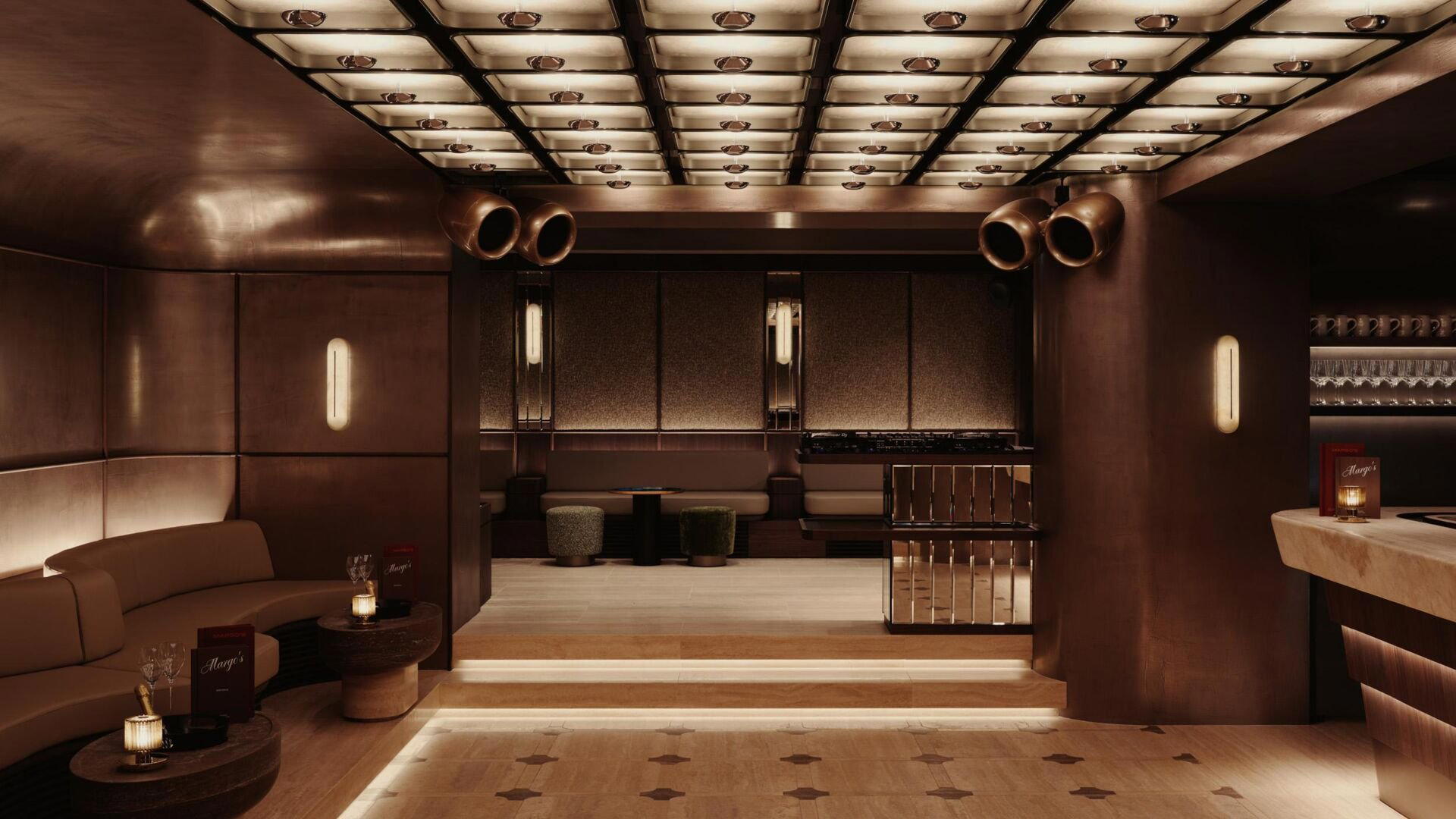
More in Hirschegg
Restaurants in Hirschegg
Browse all →
Bars in Hirschegg
Browse all →


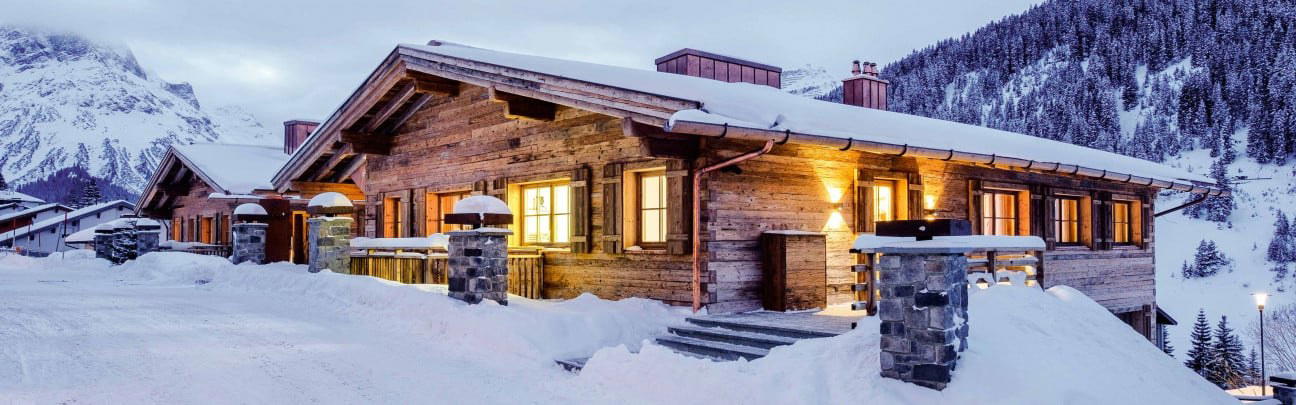
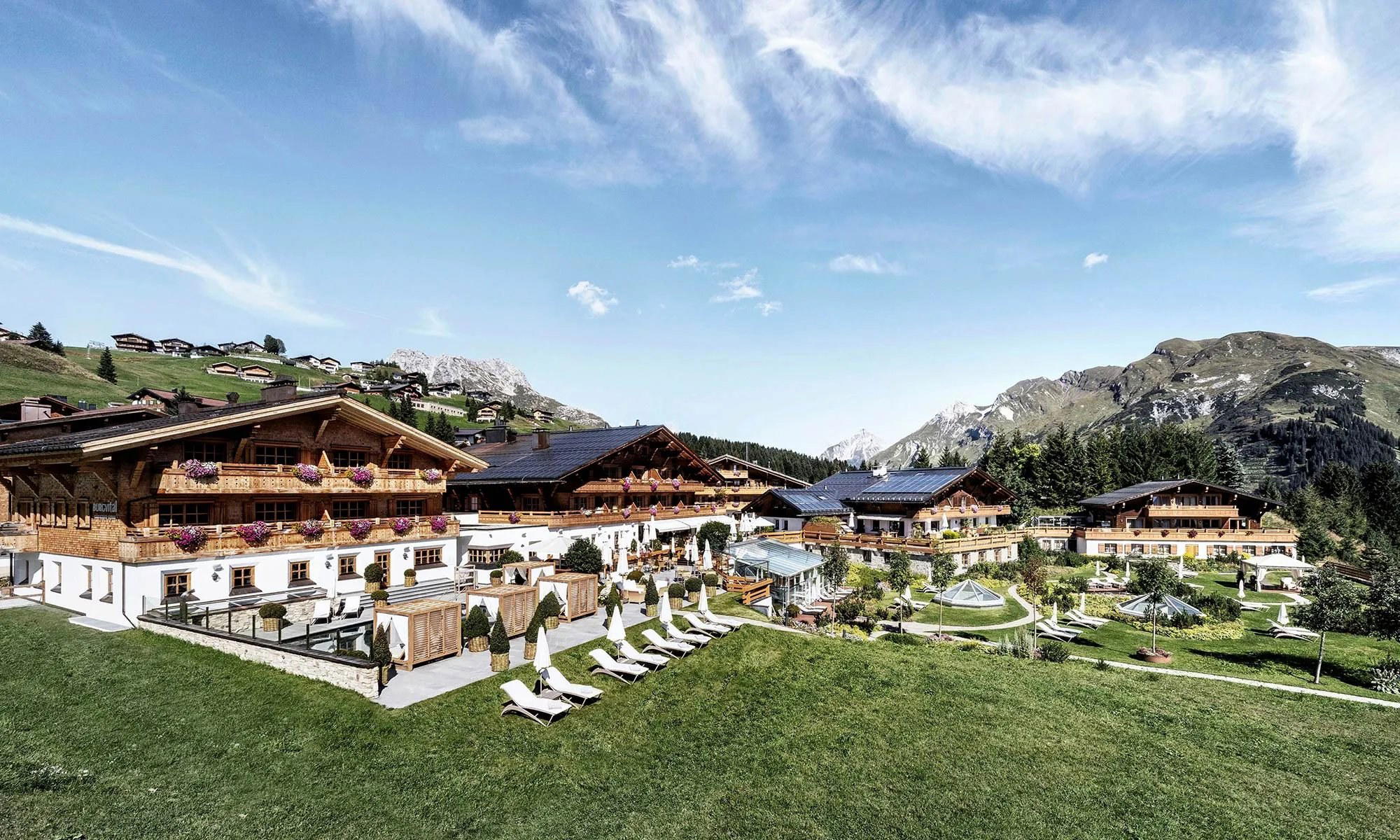
Hotels in Hirschegg
Browse all →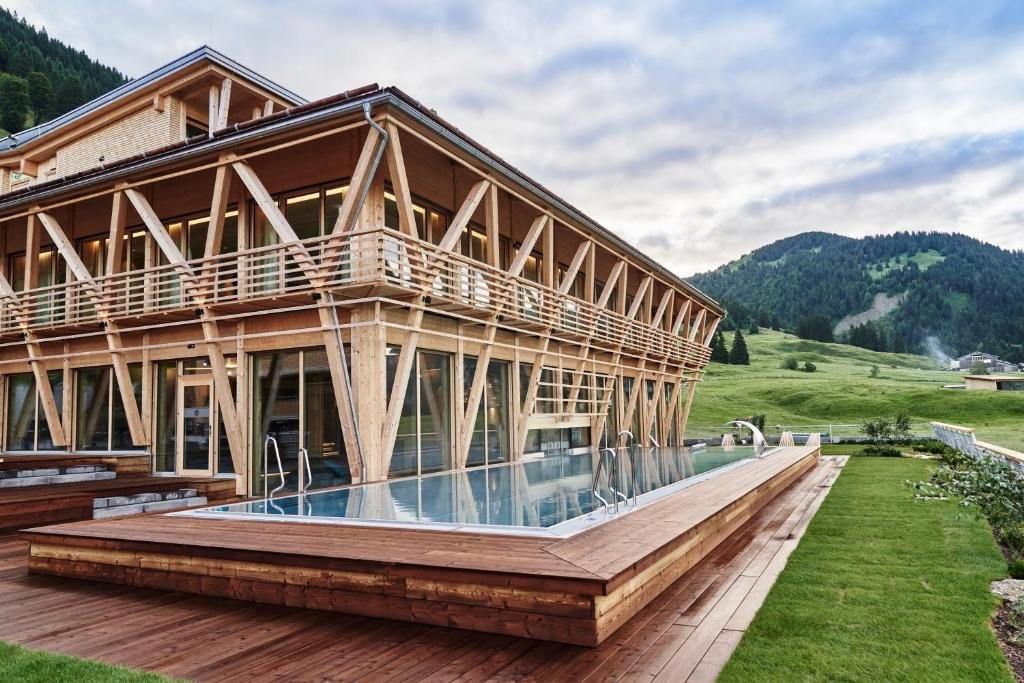

At a Glance
- Cozy
- Rustic
- Scenic
- Intimate
- Date Night
- Special Occasion
- Hotel Restaurant
- Historic Building
- Sommelier Led
- Local Sourcing
- Mountain
Current opening hours
- Monday
- Closed
- Tuesday
- 7–10 PM
- Wednesday
- 7–10 PM
- Thursday
- Closed
- Friday
- 7–10 PM
- Saturday
- 7–10 PM
- Sunday
- Closed
Hours can change for holidays and private events. Last verified .
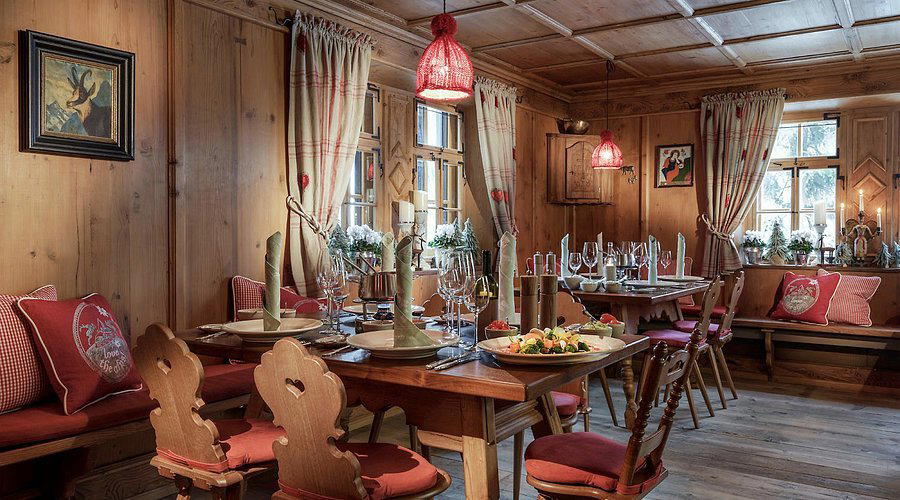
Warm wood panelling and tiled stove create a cosy, tranquil atmosphere.