Carlotto


Michelin Plate · Wine Spectator Award of Excellence
Our verdict
A chic trattoria newcomer on East 19th Street, Carlotto channels Southern Italian-American cooking through ingredient-led dishes and a wine program that leans heavily into Piedmont and Tuscany. The 2,500-bottle cellar, overseen by Wine Director Aaron Zebrook, and a comprehensive amaro selection make it one of the more complete Italian tables in the Gramercy Park corridor. Dinner only, priced at $40–$65 for a typical two courses.

Pearl is the En Primeur Club membership app, where members save venues, book tables and use the concierge.
The menu
What to order
- Rigatoni calabrese
- Burrata
- Meatballs
- Focaccia
- Tiramisu
Brick, Light, and the Logic of the Open Kitchen
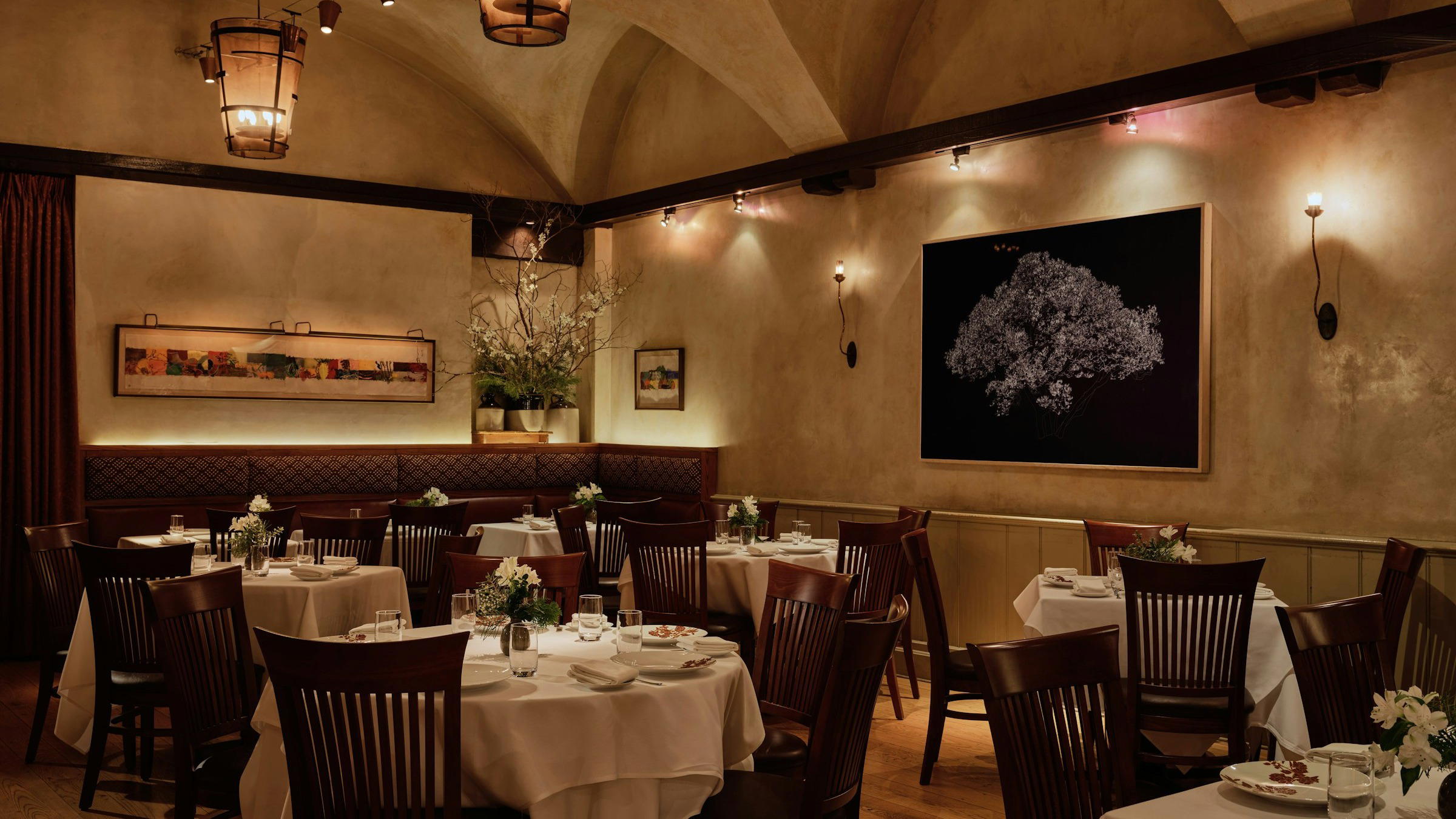
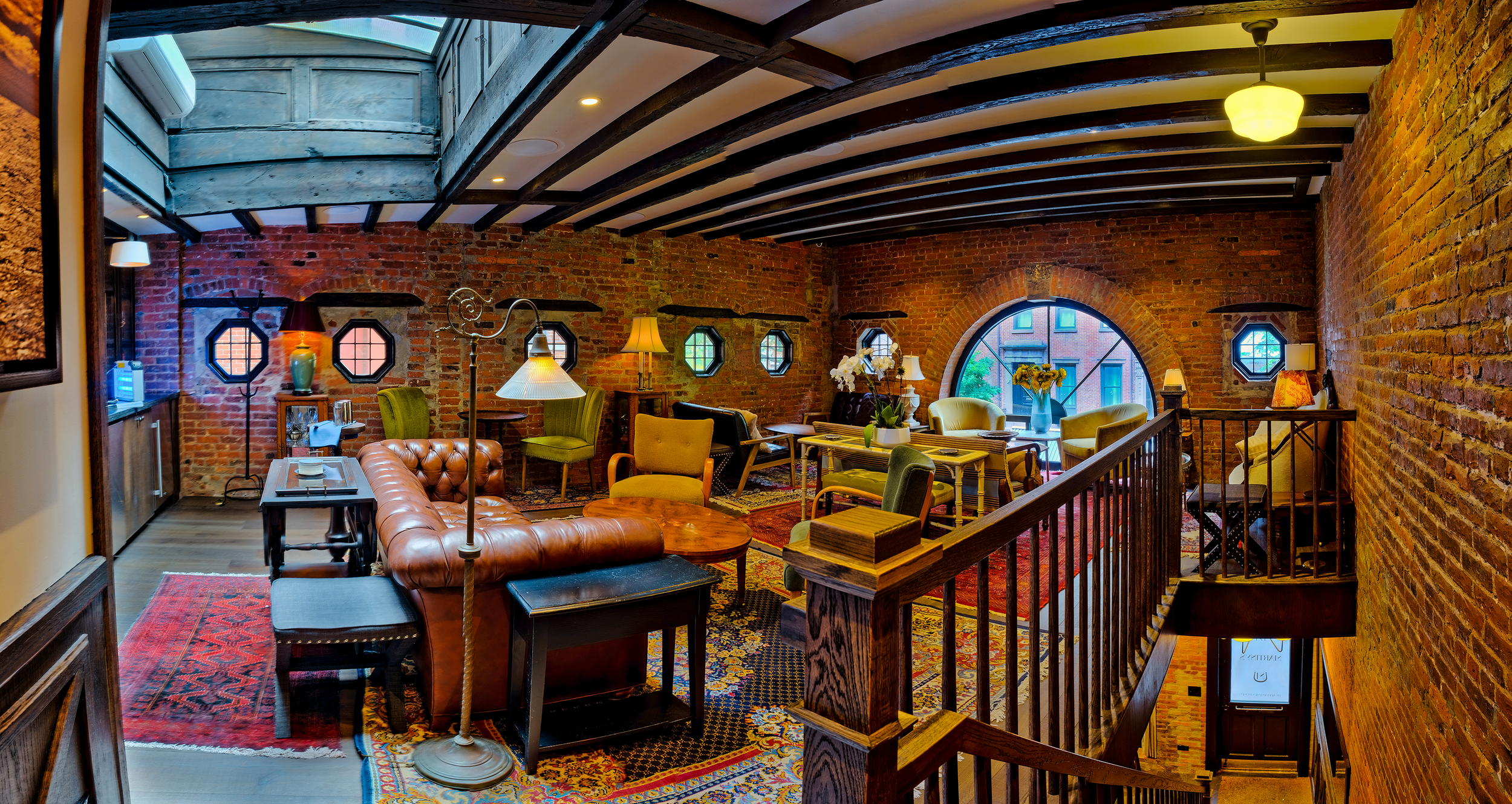
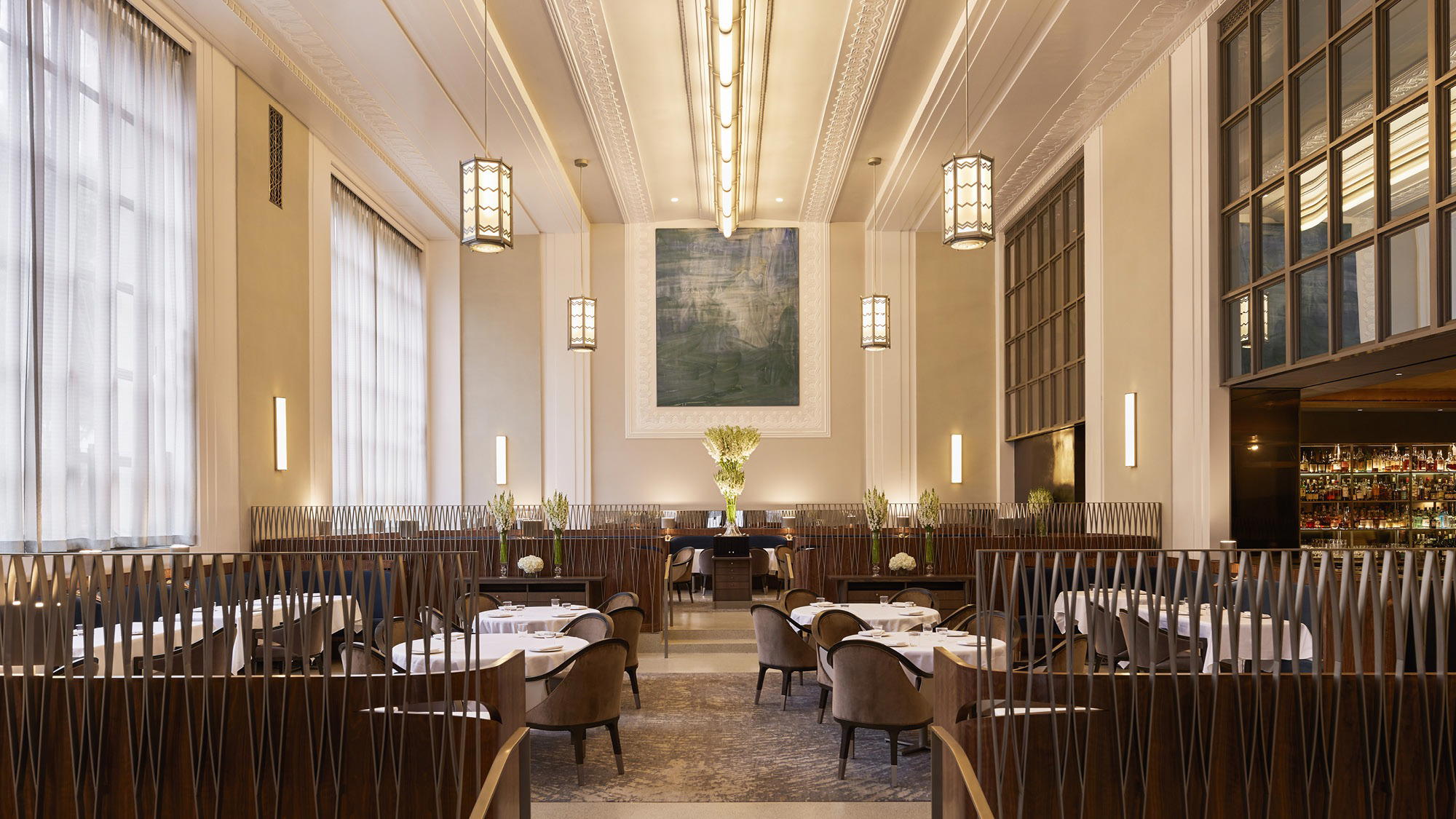
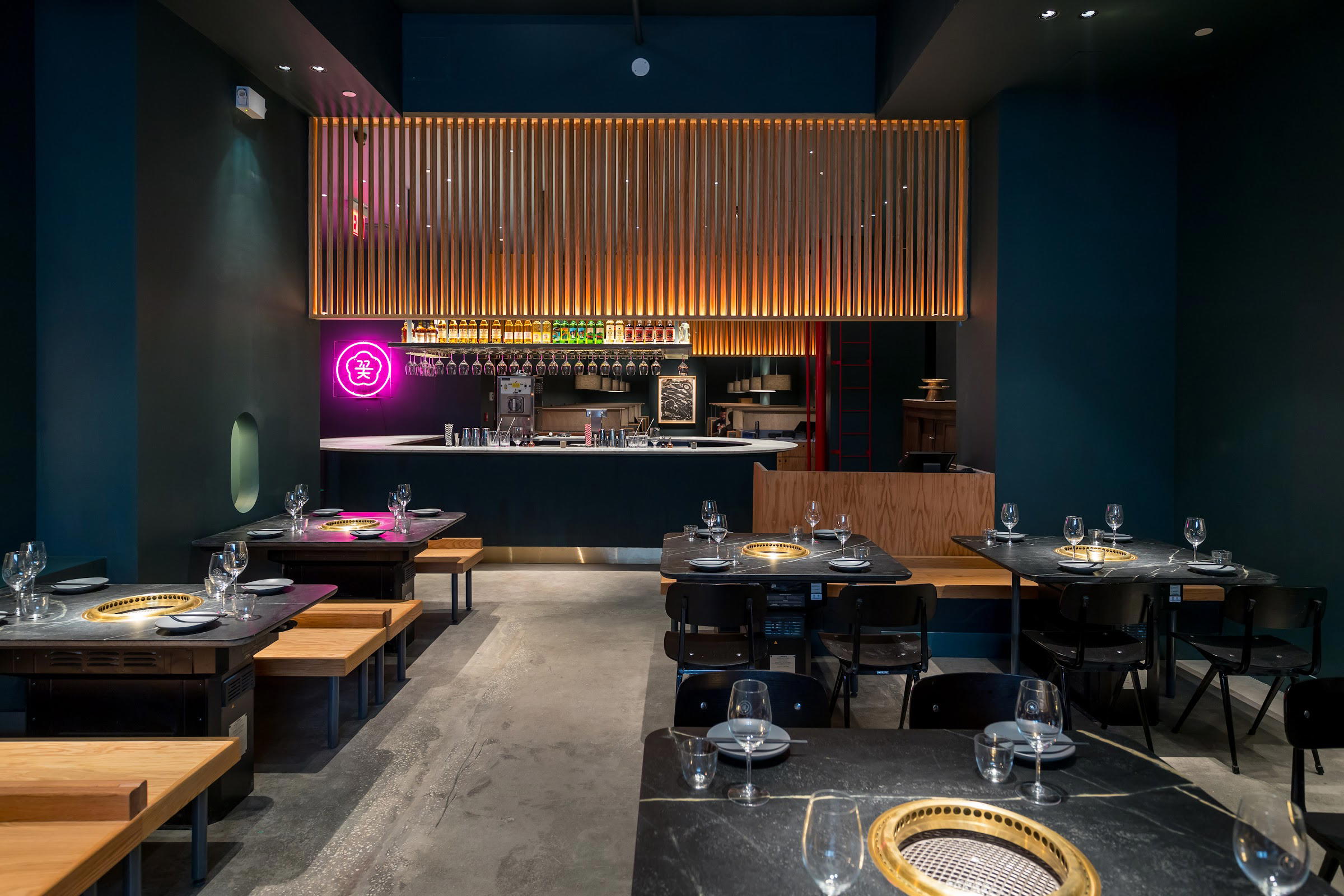
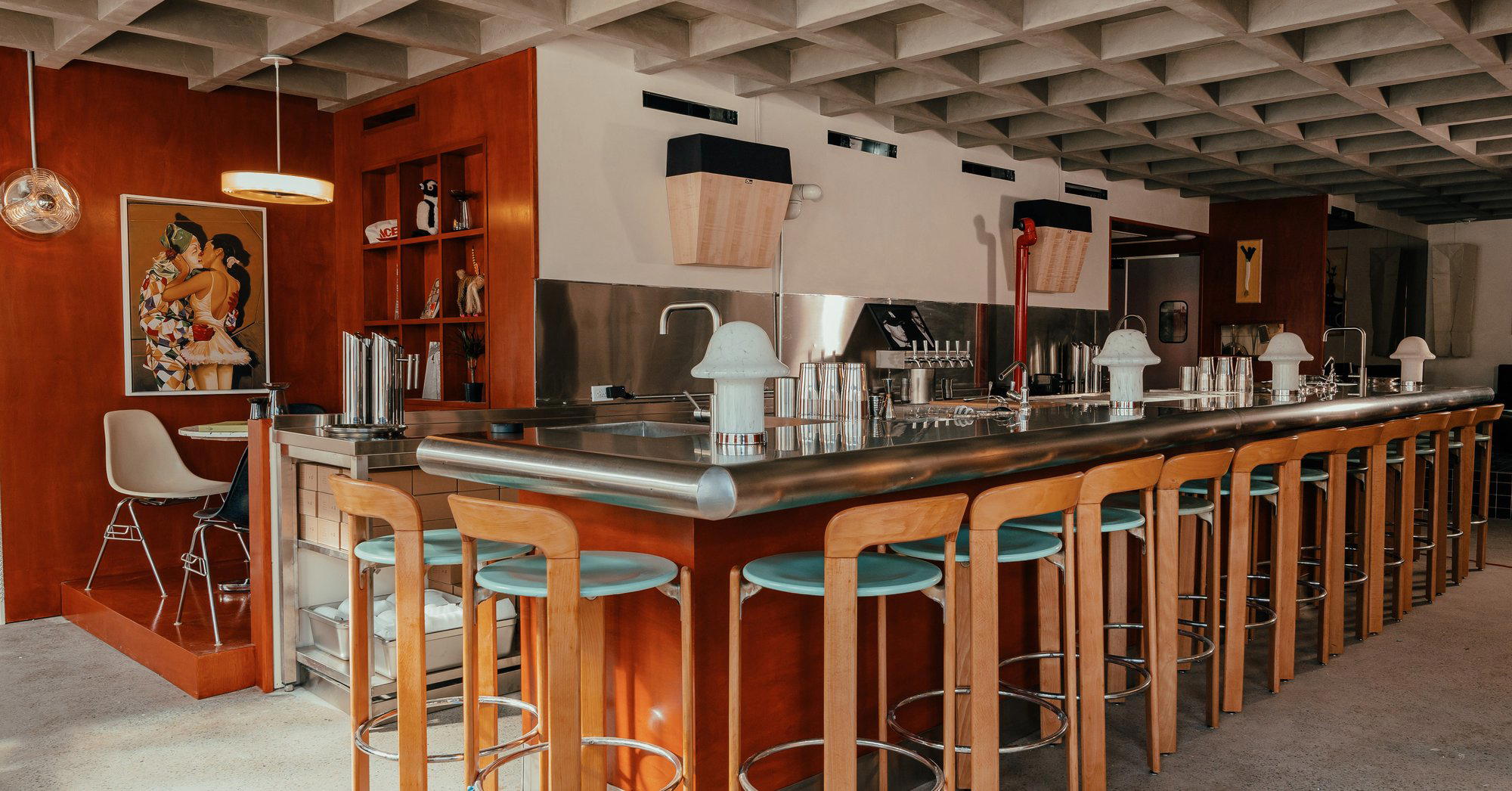
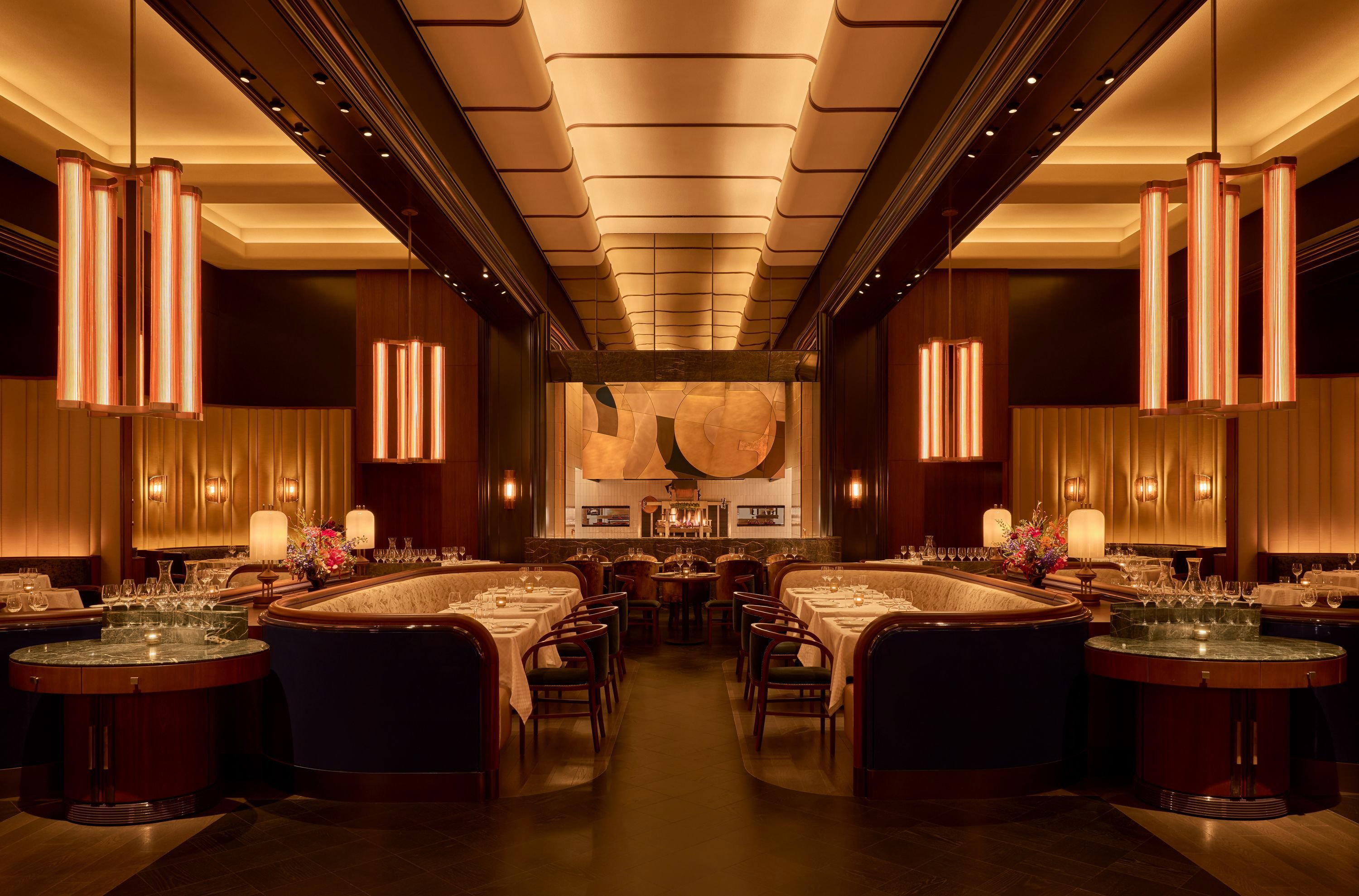
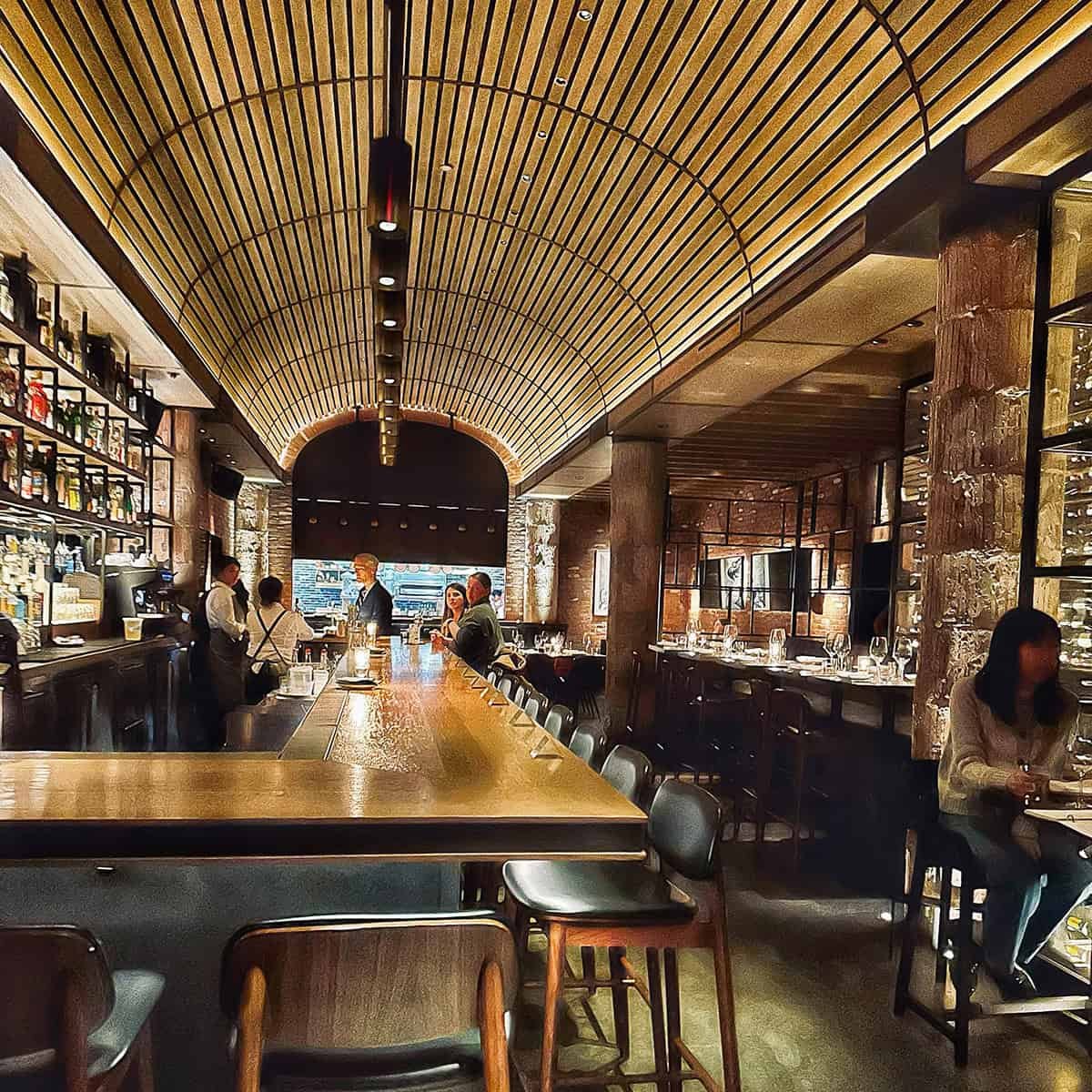
Gramercy Park has long operated as one of Manhattan's more self-contained dining corridors: a residential density that sustains neighbourhood restaurants without the tourist churn of Midtown, and close enough to the Flatiron to pull office traffic on weekday evenings. The block around East 19th Street already carries significant competition, from long-established destination restaurants to newer wine-forward bistros. Into that environment, Carlotto arrives with exposed brick walls, warm amber lighting, and a fully open kitchen positioned toward the rear of the dining room. The effect is deliberate: this is a room built around the visible labour of cooking, where the kitchen becomes part of the evening's entertainment rather than something hidden behind a pass.
That open-kitchen format has become a reliable shorthand for a certain kind of Italian-American hospitality in New York, where the theatrics of service are supplemented by the actual sight of preparation. At Carlotto, the combination of the warmly lit interior and the working kitchen creates what reads as an urban trattoria sensibility: convivial rather than hushed, active rather than static. It positions the restaurant in a different tier from the white-tablecloth Italian dining rooms that still occupy parts of the Upper East Side and Midtown, and aligns it instead with the current generation of ingredient-focused neighbourhood tables that have reshaped downtown Manhattan's Italian dining options over the past decade.
Where the Ingredients Come From and Why That Matters
Southern Italian-American cooking in New York has a long and complicated history, but the contemporary version practiced at restaurants like Carlotto is less about nostalgia than about sourcing clarity. The beef carpaccio on the current menu illustrates the point: tissue-thin slices of beef tenderloin are finished with Burgundy truffle and aged pecorino, two ingredients that require real supply-chain specificity. The aioli carries a light smoke character. None of this is incidental. The dish represents a model of Italian-American cooking where the quality of the primary protein and the finishing ingredients do the argumentative work, rather than technique or transformation.
The Alaskan king crab risotto follows similar logic. King crab, sourced from Alaskan fisheries that operate under some of the more tightly managed harvest controls in North American seafood, arrives as a meaty counterpoint to sweet corn in a dish that uses the richness of the crab rather than drowning it in butter or stock. The pairing of shellfish and corn is a recognisably American move inside an Italian format, and it marks the kitchen's interest in translating Italian structure through local and seasonal ingredient choices rather than importing everything wholesale from Italy. Chef Andy Kitko's approach, as evidenced by the menu's construction, sits at that intersection without treating it as a novelty.
This sourcing orientation connects to a broader pattern across New York's better contemporary Italian tables. The city's proximity to Northeast fishing grounds, its access to domestic producers of aged cheese and cured meats, and the increasing availability of high-quality Italian pantry imports have collectively raised the floor for what ingredient-led Italian cooking can look like. Carlotto's menu reflects that raised floor without reaching for the formal tasting-menu structure that marks the higher price tier. A two-course dinner here runs $40–$65, placing it in the $$ cuisine pricing bracket and making it notably accessible relative to the $$$ to $$$$ range of comparable contemporary Italian formats in Manhattan. For context, places like Acru and Barawine occupy different positioning in New York's current wine-forward dining scene, while César and YingTao offer separate editorial angles on what Manhattan's neighbourhood dining currently looks like across different cuisine categories.
The Wine Program: Depth in Piedmont and Tuscany
Italian wine lists in New York restaurants exist on a wide spectrum, from perfunctory selections anchored by commercial Chiantis to serious regional programs built around small producers. Carlotto's cellar, managed by Wine Director Aaron Zebrook, sits in the latter category. With 225 selections across a 2,500-bottle inventory, the list concentrates its ambition in Piedmont and Tuscany, the two Italian regions that currently command the most collector attention and critical credibility in the American market.
A $$$ wine pricing tier indicates a meaningful proportion of bottles at $100 and above, which is consistent with a Piedmont-focused program where current-release Barolo and Barbaresco from serious producers regularly exceed that threshold. The corkage fee is set at $50, which places it in the mid-range for Manhattan restaurants that accept outside bottles. For guests who want to bring something from their own collection, particularly given the list's Piedmont and Tuscany concentration, that fee is reasonable but not a bargain.
The amaro selection deserves separate attention. Digestivo programs in New York Italian restaurants are frequently afterthoughts, a shelf of standard bottles offered without context or depth. Carlotto's approach is different: the selection includes vintage varieties, which signals a level of curation that few comparable restaurants attempt. The house affogato, served with amaro, is the natural conclusion.
Carlotto in the Context of New York's Italian Dining Tier
New York's Italian restaurant scene splits broadly between formal white-tablecloth institutions, high-volume neighbourhood trattorias, and a middle tier of wine-forward, ingredient-focused restaurants that take the food seriously without demanding a $$$$ price commitment. Carlotto occupies that middle tier, and it does so with more program depth than the category average. The wine list's scale, the sourcing specificity of the menu, and the amaro program collectively signal a kitchen and front-of-house operation that is working above the typical neighbourhood trattoria level, even while maintaining the convivial atmosphere that defines the format.
For comparison, the upper bracket of New York Italian dining, which would include formal tasting-menu formats, operates at a substantially higher price point and with a different hospitality register entirely. The $$$$ tier represented by restaurants like Le Bernardin in the French-seafood category, or the ambitious contemporary formats seen at Bridges, is a different conversation. Carlotto is not positioned against those rooms. It is positioned against the better end of Manhattan's neighbourhood Italian options, and on that basis, the combination of ingredient quality, wine depth, and room atmosphere makes it a credible addition to the Gramercy corridor. General Manager Steph Heins and Leading Table LLC round out the operational team.
For readers exploring New York City more broadly, EP Club maintains guides to restaurants, hotels, bars, wineries, and experiences across the city. You can also explore comparable contemporary formats further afield, from Emeril's in New Orleans and Lazy Bear in San Francisco to Alinea in Chicago, Single Thread Farm in Healdsburg, The French Laundry in Napa, Providence in Los Angeles, Jungsik in Seoul, and Alo in Toronto.
Planning Your Visit
| Detail | Carlotto | Comparable Tier |
|---|---|---|
| Cuisine Pricing | $$ ($40–$65, two courses) | $$–$$$ |
| Wine Pricing | $$$ (many bottles $100+) | $$–$$$ |
| Wine Inventory | 2,500 bottles, 225 selections | Typically 100–200 selections |
| Corkage Fee | $50 | $35–$75 typical range |
| Service | Dinner only | Varies |
| Address | 100 E 19th St, New York, NY 10003 | Gramercy/Flatiron |
| Benchmark for neighbourhood tier |
See our full New York City restaurants guide, our full New York City hotels guide, our full New York City bars guide, our full New York City wineries guide, and our full New York City experiences guide for broader city planning.
Frequently asked questions
Would Carlotto be comfortable with kids?
Carlotto's warmly lit, exposed-brick interior and open kitchen set a relaxed urban trattoria tone rather than a formal dining-room atmosphere, which makes it more accommodating than white-tablecloth Italian institutions in Manhattan. That said, the dinner-only format and a serious 2,500-bottle wine program suggest the room skews toward adult diners. Families with older children comfortable at a sit-down dinner table should be fine; it is not a venue designed around younger kids.
How would you describe the vibe at Carlotto?
The room runs on warmly lit interiors, exposed brick walls, and the low-level theatre of a bustling open kitchen visible from the back of the dining room, closer in feel to a polished neighbourhood trattoria than a special-occasion destination. The hospitality, overseen by General Manager Steph Heins, is noted for being attentive without formality. At $40–$65 for a typical two-course dinner, the pricing reinforces that accessible-but-considered register.
What kind of recognition has Carlotto received?
Carlotto has received recognition including: Though it's steps from Gramercy Park, an area already brimming with dining choices, Carlotto is a chic and elegant newcomer worthy of attention. It has just the right mix of Southern Italian-American cuisine and impeccable hospitality, wher….
What do people recommend at Carlotto?
Three dishes draw consistent attention: the beef carpaccio, where tissue-thin tenderloin slices are topped with smoky aioli, Burgundy truffle, and pecorino; a risotto with Alaskan king crab and sweet corn; and the amaro list, which includes vintage varieties and is extensive enough to function as a destination in itself. The amaro program pairs particularly well with an affogato to close the meal. Chef Andy Kitko oversees the kitchen.
What's the cuisine at Carlotto?
Is Carlotto expensive?
Pricing at Carlotto is listed as $$$.
Price and Recognition
| Venue | Cuisine | Price | Awards | Notes |
|---|---|---|---|---|
| CarlottoThis venue (the venue you are viewing) | Southern Italian-American Trattoria | $50–100 | Michelin Plate · Wine Spectator Award of Excellence | Not listed |
| Le Bernardin | French Seafood Fine Dining | $300–500 | 3 Michelin Stars · World's 50 Best #13 | French, Seafood |
| Atomix | Modern Korean Tasting Menu | $300–500 | 2 Michelin Stars · World's 50 Best #7 | Modern Korean, Korean |
| Masa | Seasonal Hokkaido Tempura Omakase | $150–200 | Tabelog 100 #34 | Sushi, Japanese |
| Per Se | French Fine Dining Tasting Menu | $300–500 | 3 Michelin Stars · World's 50 Best #40 | French, Contemporary |
| Eleven Madison Park | Contemporary Plant-Based Fine Dining | $300–500 | 3 Michelin Stars · World's 50 Best #4 | French, Vegan |
Recognition history
Dated appearances from independent guides and award organizations, with the underlying list record or original source where available.
Michelin Plate
Michelin
Wine Spectator Award of Excellence
Wine Spectator
Full recognition history (3 entries)
Wine Spectator Award of Excellence
Wine Spectator