Bridges





Bridges occupies a warm, amber-toned room on Chatham Square in Chinatown, where chef Sam Lawrence draws from global culinary traditions to produce a menu that resists easy categorisation. Awarded a Michelin Plate in 2025 and recognised by Star Wine List, the restaurant operates at a mid-premium price point that places it well below the city's starred tasting-menu circuit while cooking with comparable ambition.
Pearl is the En Primeur Club membership app — saves, bookings, and concierge access live there. Same editors, same standards.
- Address
- 9 Chatham Square, New York, NY 10038
- Website
- bridges-nyc.com
- Directions
- Get directions
 Saves & bookings on Pearl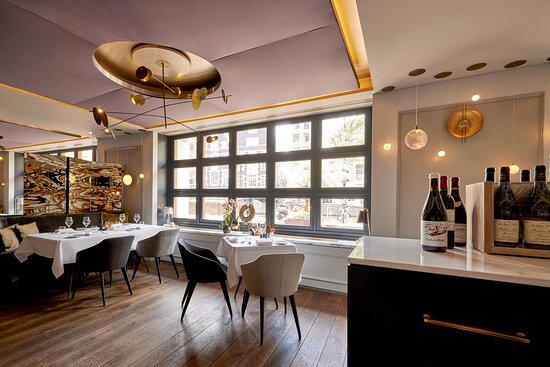
Chinatown's Shifting Dining Identity
For most of the past two decades, Chinatown sat below the radar of New York's serious restaurant conversation. The neighbourhood's reputation rested on regional Chinese cooking, roast duck windows, hand-pulled noodle shops, dim sum parlours operating since the 1970s, while the critical spotlight moved between the Flatiron, the West Village, and Williamsburg. What has changed recently is not the Chinese dining that defines the area but the arrival of a small cohort of chefs choosing Chatham Square and its surrounding blocks precisely because the rents allow ambition without the $400-a-head price architecture required uptown. Bridges, which opened on Chatham Square in 2024 and earned a Michelin Plate by 2025, is the clearest expression of that shift. For comparable neighbourhood context, YingTao and César occupy adjacent positions in the same evolving quarter.
The Room Before the Plate
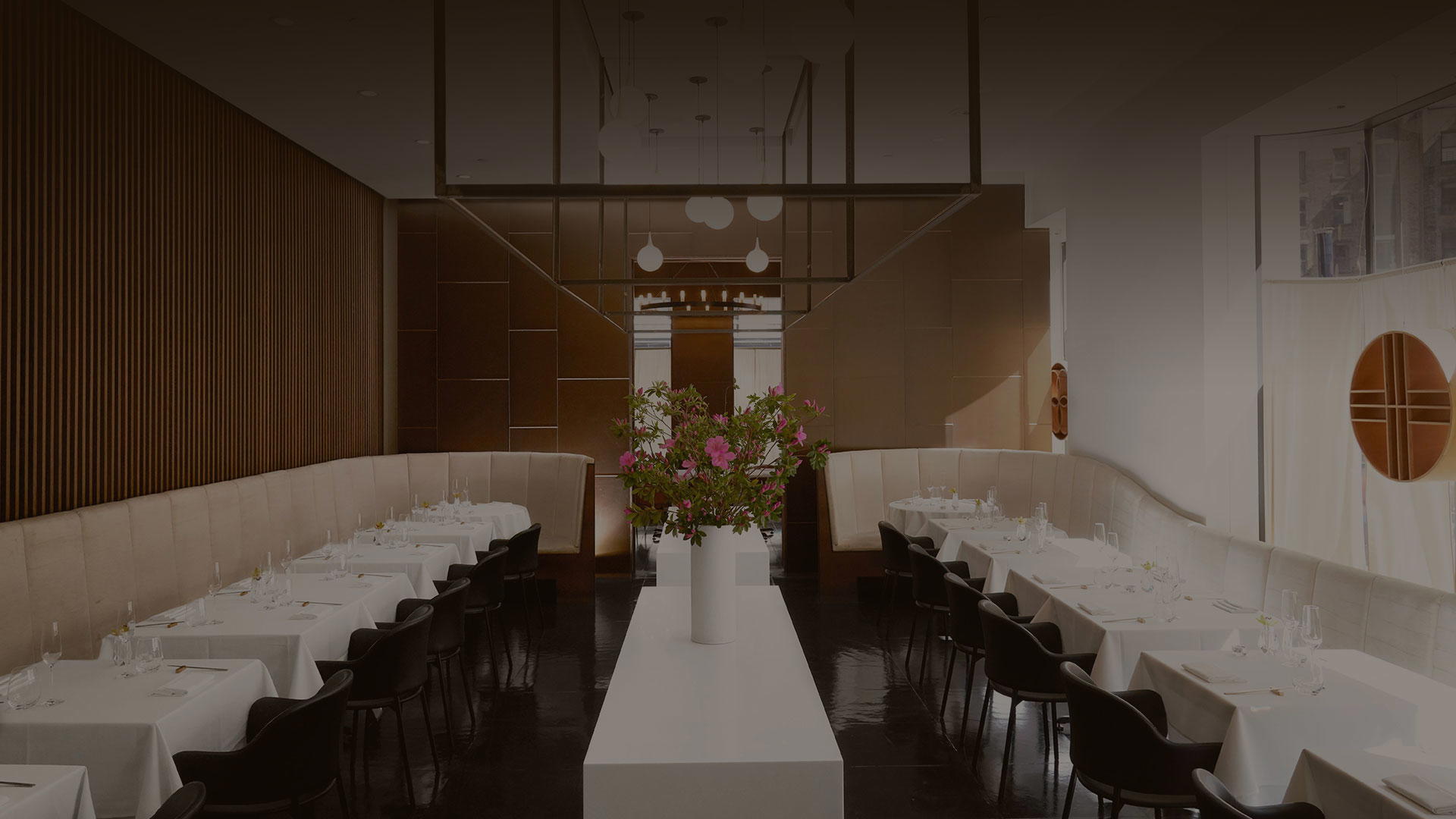
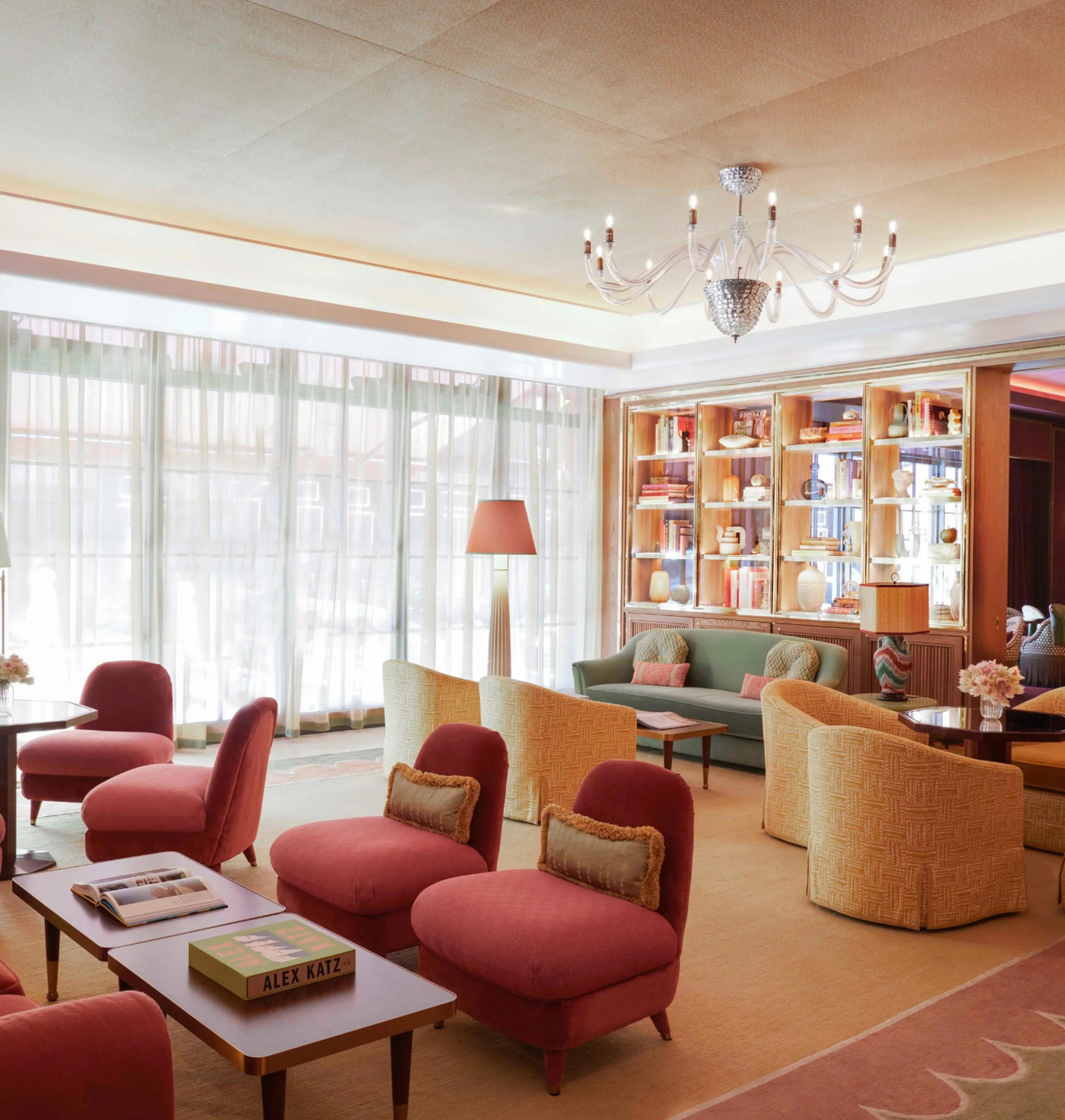
The amber-toned dining room at Bridges reads as a deliberate counter-position to the stripped concrete and theatrical lighting that defines much of New York's contemporary restaurant design. Interior designer Billy Cotton's minimalist approach uses warmth rather than drama: the space feels closer to a Parisian bistro in ease and comfort than to the high-ceremony rooms of Midtown's starred restaurants. There is art on the walls, but the room does not perform. The effect is that the cooking, when it arrives, carries more weight, the kitchen's drive and ambition register more clearly against a backdrop that does not compete for attention. That calibrated restraint in the room design is, in itself, an editorial statement about what kind of restaurant Bridges intends to be.
A Menu Built From Global Sourcing, Not Global Branding
The contemporary restaurant category in New York has fractured into recognisable subtypes: the hyper-seasonal farm-to-table format, the single-cuisine modern interpretation, and the ingredient-first global synthesis. Bridges operates in that third mode, and its sourcing logic reflects it. Chef Sam Lawrence composes a tight menu that draws ingredients and techniques from multiple traditions without subordinating any of them to a fixed national framework.
Comté tart is a useful illustration of how that sourcing works in practice. Comté is a French AOC cheese produced in the Jura mountains under strict geographic designation, it has a specific minerality and texture that changes with affinage. Using it in custard form rather than as a garnish or grating cheese is a technical decision that prioritises the cheese's melting qualities over its sharp mature notes. The wine-soaked mushrooms that leading it bring umami depth and acidity from fermentation. Two ingredients from different sourcing traditions, combined around texture and flavour logic rather than regional coherence.
House-aged duck breast follows a similar pattern: ageing duck at the restaurant level is uncommon outside specialist butchery-focused operations. It concentrates flavour and changes the muscle texture in ways that factory-standard prep does not. A shellfish-infused chile crisp alongside potato purée introduces coastal ingredient logic into what would otherwise be a classic French preparation. The cured tuna with black trumpet mushrooms and dates pairs a briny, sea-sourced protein with a forest mushroom and a dried fruit whose sweetness anchors both. None of these combinations follow a regional template. They follow ingredient logic.
Chocolate hazelnut tart that closes the menu is described in Michelin's published notes as having the makings of a classic, a significant claim for a restaurant less than a year old at the time of review.
Where Bridges Sits in the New York Spectrum
New York's top end of contemporary dining is currently dominated by restaurants operating at the $$$$ tier with multi-course tasting formats. Within New York itself, the Michelin three-star tier (Le Bernardin, Masa, Per Se) requires a financial commitment that effectively excludes casual repeat visits. Atomix at the two-star level operates a multi-course Korean-contemporary format at high price.
Bridges prices at $$$, placing it in a mid-premium band where the cooking ambition is comparable to starred peers but the format remains à la carte and the room stays accessible. That positioning reflects a broader pattern across contemporary American cities: restaurants with serious kitchens choosing neighbourhood contexts and mid-range pricing as a deliberate operating model rather than a concession. Lazy Bear in San Francisco, Single Thread Farm in Healdsburg, and Providence in Los Angeles each demonstrate how that ambition scales differently by market. The Michelin Plate designation, awarded in 2025, confirms that the guide's inspectors found consistent cooking quality despite Bridges being less than a year into its operation.
That dual recognition at this price point and neighbourhood is uncommon in New York's current dining map.
Booking and Planning
| Venue | Cuisine | Price Tier | Key Award | Location |
|---|---|---|---|---|
| Bridges | Contemporary | $$$ | Michelin Plate (2025), Star Wine List White Star | Chinatown, Manhattan |
| Atomix | Modern Korean | $$$$ | Michelin 2 Stars | Midtown South |
| Eleven Madison Park | French / Vegan | $$$$ | Michelin 3 Stars | Flatiron |
| Per Se | French / Contemporary | $$$$ | Michelin 3 Stars | Columbus Circle |
Bridges is located at 9 Chatham Square, New York, NY 10038, in the southern end of Chinatown accessible from multiple subway lines serving the Canal Street corridor. The restaurant opened in 2024 and the Michelin Plate arrived within the first year of operation, which signals a kitchen that was performing at a consistent level from early in its run. Booking details are best confirmed directly; given the critical attention the restaurant received through 2024 and into 2025, tables on peak evenings move quickly. For broader points of comparison across American contemporary dining, Emeril's in New Orleans and The French Laundry in Napa represent different moments in how American kitchens have engaged with global sourcing across different eras.
In Context: Similar Options
Comparable venues nearby, for context on price, style, and recognition.
| Venue | Cuisine | Price | Awards | Notes |
|---|---|---|---|---|
| BridgesThis venue — the venue you are viewing | Modern Small Plates | $$$ | Michelin 1 Star | Not listed |
| Oxomoco | Modern Wood-Fired Mexican | $$$ | Michelin 1 Star | Greenpoint |
| Lei | Modern Chinese | $$$ | Michelin Plate, James Beard | Chinatown-Two Bridges |
| Oiji Mi | Modern Korean Fine Dining | $$$ | Michelin 1 Star | Midtown South-Flatiron-Union Square |
| Icca | Edomae Omakase | $$$$ | Michelin 1 Star | Tribeca-Civic Center |
| Kochi | Modern Korean Tasting Menu | $$$$ | Michelin 1 Star | Hell's Kitchen |
Recognition history
Dated appearances from independent guides and award organizations, with the underlying list record or original source where available.
Opinionated About Dining Casual in North America Highly Recommended
Opinionated About Dining
Star Wine List
Star Wine List
Esquire Best New Restaurants
Esquire
Michelin 1 Star
Michelin
New York Times Best Restaurants in New York City
New York Times
Continue exploring
More in New York City
Restaurants in New York City
Browse all →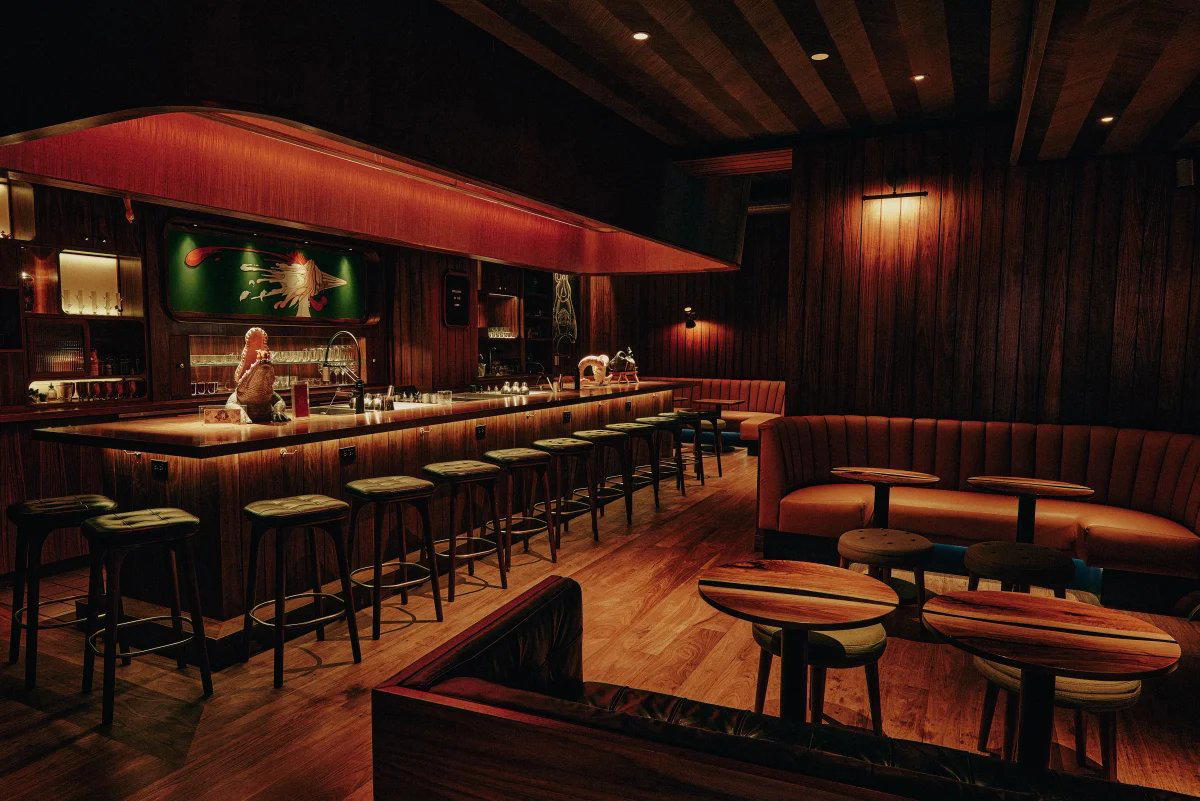
Bars in New York City
Browse all →
Hotels in New York City
Browse all →


Wineries in New York City
Browse all →


At a Glance
- Modern
- Elegant
- Sophisticated
- Date Night
- Special Occasion
- Open Kitchen
- Natural Wine
- Natural Wine
Current opening hours
- Monday
- 5:30–10 PM
- Tuesday
- 5:30–10 PM
- Wednesday
- 5:30–10 PM
- Thursday
- 5:30–10 PM
- Friday
- 5:30–10 PM
- Saturday
- 5:30–10 PM
- Sunday
- 5:30–10 PM
Hours can change for holidays and private events. Last verified .
Dimly lit with modern sleek design, cool gray walls, tan floors, and warm amber tones creating an elegant yet casual bistro atmosphere.