
Cardamom. belongs to Osaka’s compact curry-counter tradition, where the room matters as much as the plate: eight counter seats, no private rooms, and a format built for focused, low-friction eating. Its Tabelog Curry WEST 100 selection in 2024, plus earlier selections in 2019, 2020, 2022, and 2023, place it among Kansai’s better-documented curry specialists rather than a casual neighbourhood afterthought.
Pearl is the En Primeur Club membership app — saves, bookings, and concierge access live there. Same editors, same standards.
- Address
- 6 Chome-5-3 Tenjinbashi, Kita Ward, Osaka, 530-0041, Japan
- Phone
- +81 6-6358-7223
- Website
- cardamon.cocolog-nifty.com
 Saves & bookings on Pearl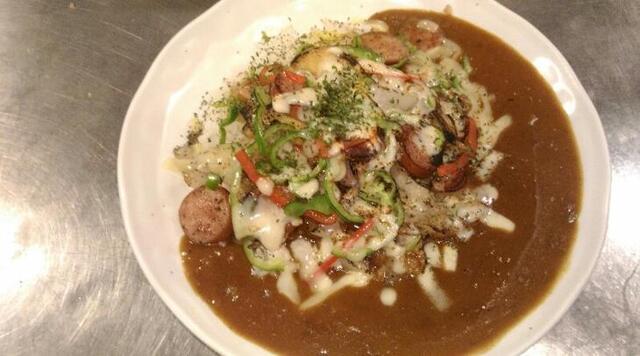
Approaching a serious Osaka curry counter rarely feels ceremonial. The signal is scale: narrow frontage, a small queue if timing is poor, and a room built for turnover rather than lingering. Cardamom. fits that grammar with an eight-seat counter and no private-room buffer, making the cooking station, plates, and waiting rhythm one experience. In a city fluent in quick eating, this is not compromise; it is the format.
Osaka’s curry culture sits between traditions: Japanese-style Western cooking, with roux-based comfort and postwar yoshoku lineage; spice-curry Osaka, looser and contemporary, with sharper aromatics and rice-plate composition; and compact specialists that operate like lunch counters, where little theatre exposes execution. Cardamom. is listed across curry and yoshoku, placing it closer to European-style curry than maximalist spice plates.
An eight-seat counter turns curry into a close-range format
Design here is operational, not decorative. Eight counter seats create a restaurant without soft edges: no banquette distance, private room, or back corner for a leisurely group meal. The counter compresses the exchange between kitchen and diner, changing how curry reads. Rice, sauce, cutlet or beef, and sides arrive as a direct sequence rather than a staged tasting menu. The room asks for attention, not ceremony.
That compactness explains why Osaka curry counters can command serious followings without luxury signals. A small room turns a modestly priced category into a precision test: consistency, timing, and heat retention matter more than tableware or service choreography. Cardamom. has been selected for Tabelog Curry WEST 100 in 2024, with listed selections also in 2019, 2020, 2022, and 2023. In Japan’s restaurant culture, repeated category recognition is a stronger signal than broad hype because it places the venue within a defined field of curry specialists.
The better comparison is not Osaka tasting-menu dining, but tightly focused, category-led rooms. A city guide moving from 551 Horai (551蓬莱) to 52CHO-ME BAKERY, .cafe, 99 Pizza Napoletana Gourmet, and a canto (Italian) shows how Osaka rewards narrow specialization across price tiers. Cardamom. belongs to that logic: the proposition is specific, the room small, and the format does not pretend to be broader.
European-style curry, yoshoku logic, and why the category matters
Visitors often flatten Japanese curry into one comfort-food idea, but the better reading is regional and stylistic. Yoshoku curry carries Western-influenced technique filtered through Japanese dining habits: sauce structure, rice compatibility, and a meal built for everyday repetition. Osaka adds impatience for fuss, valuing places that do one thing confidently with little explanation.
Cardamom. sits in the European-style curry lane, with public menu language pointing to thick-cut beef curry, pork cutlet curry, and a changing limited-time option. Those details define the kitchen’s lane rather than serve as a shopping list. Beef curry and katsu curry are benchmarks in this style: they test sauce depth, coating, portion balance, and whether richness turns heavy. In a counter room, ambience offers no cover.
The Tabelog score of 3.69 adds a Japan-specific signal. International diners often import Western review-site expectations, but in Japan scores above the mid-threes can already indicate strong local traction, especially in casual categories. Combined with repeated Curry 100 recognition, the number places Cardamom. in a documented specialist tier, not merely near-station convenience.
Within Osaka, that tier differs from the small-plate and tavern economy represented by Tabibito Chef no Thai Shokudo KHAO, Anello Stand, DIVA, Shokudo Kuro Usagi, and SANWA COFFEE WORKS Tenma honten. Those names occupy different moods and budgets; an eight-seat curry counter narrows the decision to a concise meal, a category-specific benchmark, and a room whose seating plan enforces focus.
How to read it within a wider Osaka itinerary
For travellers building an Osaka food day, Cardamom. works better as a precision stop than an entire-evening anchor. Around Tenjinbashisuji Rokuchome, the practical advantage is everyday Osaka rather than staged destination dining. That context suits curry: the category thrives close to routine, even when recognition lifts a counter into guide-worthy territory.
The useful editorial move is to pair it with a wider city map, not treat it as an isolated trophy. For restaurants, start with Our full Osaka restaurants guide. For where to stay, compare neighbourhood access through Our full Osaka hotels guide. Drinking routes are better handled separately through Our full Osaka bars guide, while broader trip planning can extend into Our full Osaka experiences guide and, for regional drinking context, Our full Osaka wineries guide.
Its appeal becomes clearer against Japan’s broader casual-specialist network. Compare the category focus with [Curry Senmon Ten] Maruyama Kyoju. in Sapporo, the compact dining logic of [ki:] in Kyoto, or the everyday formats behind.know in Kumamoto and (Shoku) Vietnam in Kawasaki. Farther afield, the same low-capacity, category-led thinking appears in different registers at Jōdo Saké Bar in Los Angeles and Onigiri Time in Pasadena. Even contrast entries such as -Grilled beef Sukiyaki- KAMAKURA TANUKIAN 鎌倉 たぬき庵 in Kamakura and. 鮪と炭火焼き うお炭 秋葉原店 in Tokyo underline the point: Japan’s casual dining strength often lives in narrow rooms with clear rules.
The critical case for Cardamom. rests on three things: counter architecture, the yoshoku-curry lane, and repeated category recognition. It is not a luxury room and need not be judged as one. Its value is sharper: a small Osaka counter using a familiar dish category as a measure of discipline.
Quick Comparison
Comparable venues at the same tier for side-by-side context.
| Venue | Cuisine | Price | Notes |
|---|---|---|---|
| Cardamom.This venue — the venue you are viewing | Authentic Japanese European-style curry house | $$ | Not listed |
| カドヤ食堂 本店 | Classic Osaka Chuukasoba Ramen | $$ | Nishi-Ku / Nishi-Nagahori |
| Grill Baranoki | Japanese-style Western (Yoshoku) | $$ | Chūō |
| Yakiyaki Okamoto | Teppanyaki & Okonomiyaki | $$ | Tennōji |
| Soba Kiri Tensho | Traditional Japanese soba noodle shop | $$ | Hirakata |
| Teuchi Soba Noda | Traditional Hand-made Soba | $$ | Katano City |
Recognition history
Dated appearances from independent guides and award organizations, with the underlying list record or original source where available.
Tabelog 100 #24 · No. 24
Tabelog · Tabelog 100 - Curry - WEST - 2024
Continue exploring
More in Osaka
Restaurants in Osaka
Browse all →




Bars in Osaka
Browse all →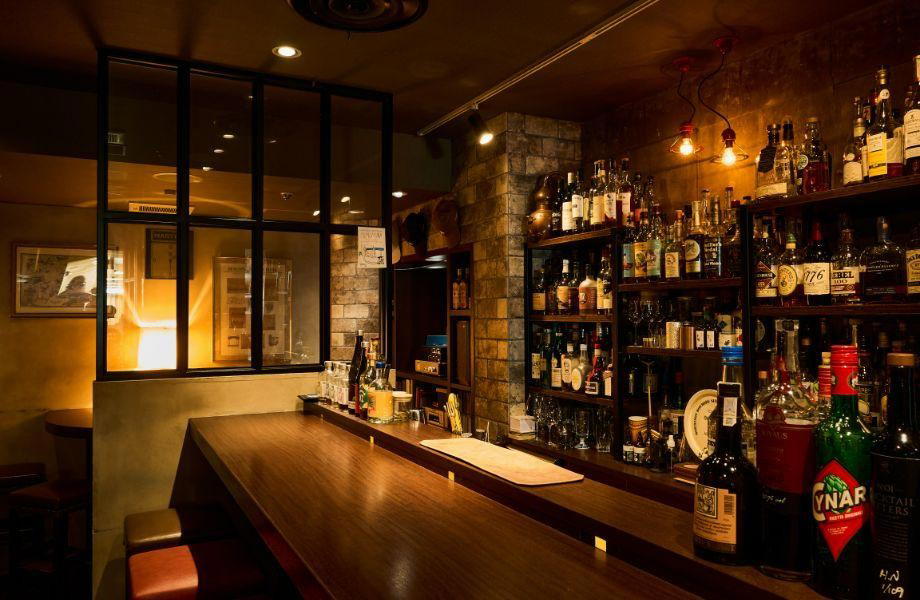
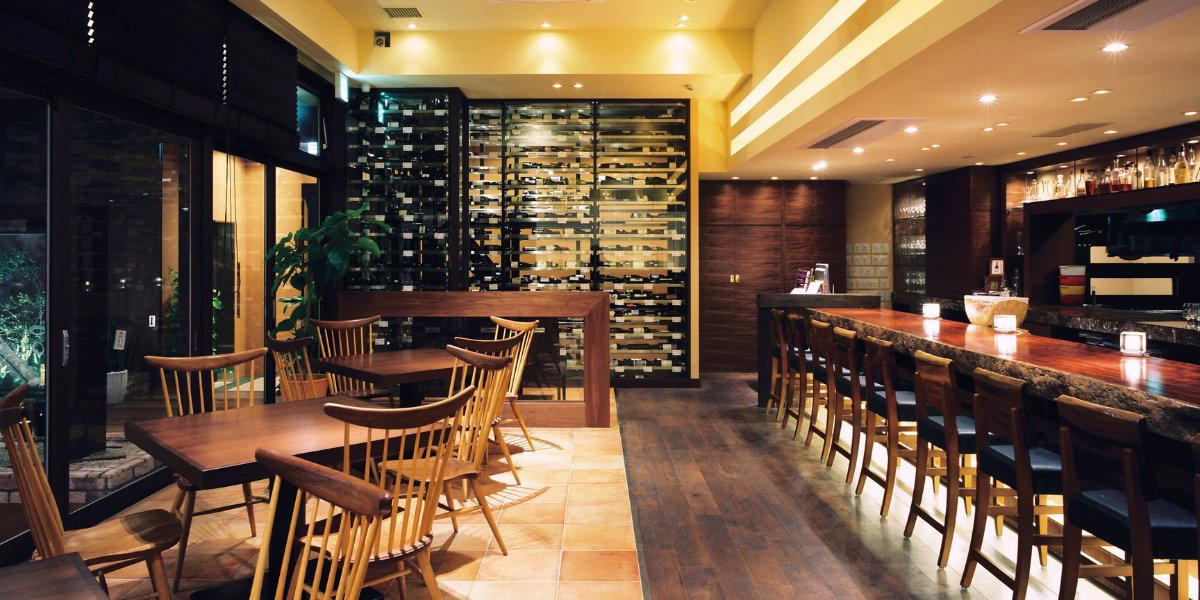



Hotels in Osaka
Browse all →

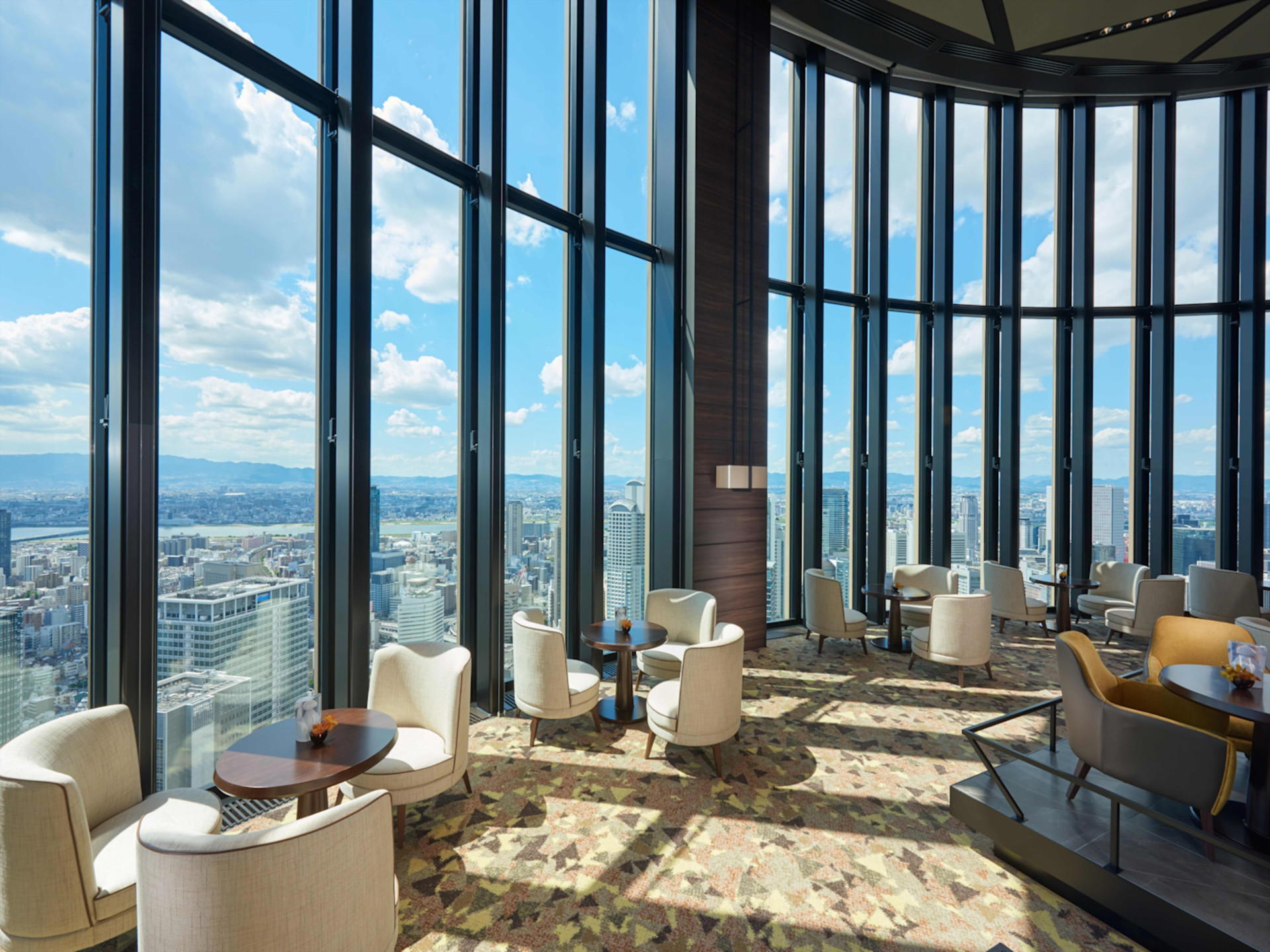


Wineries in Osaka
Browse all →
At a Glance
- Cozy
- Classic
- Solo
- Casual Hangout
- After Work
- Chefs Counter
- Standalone
- Street Scene
Current opening hours
- Monday
- 11:30 AM–3 PM
- Tuesday
- Closed
- Wednesday
- 11:30 AM–3 PM, 5:30–8:30 PM
- Thursday
- 11:30 AM–3 PM, 5:30–8:30 PM
- Friday
- 11:30 AM–3 PM, 5:30–8:30 PM
- Saturday
- 11:30 AM–3 PM
- Sunday
- 11:30 AM–3 PM
Hours can change for holidays and private events. Last verified .
A small, counter-only curry shop with a cozy, classic Japanese ‘yoshoku’ feel; guests sit shoulder-to-shoulder at the counter while the owner cooks in an open kitchen, creating a warm, casual, neighborhood atmosphere.