
Grill Baranoki belongs to Osaka’s compact yoshoku tradition: Western-derived cooking filtered through Japanese lunch-counter discipline. Its Tabelog 100 Yoshoku WEST 2025 selection, 10-seat scale, and steak-adjacent category place it in a narrower bracket than the city’s louder casual dining circuit, with a menu structure that rewards diners who understand yoshoku as comfort food with standards.
Pearl is the En Primeur Club membership app — saves, bookings, and concierge access live there. Same editors, same standards.
- Address
- 1 Chome-16-14 Higashishinsaibashi, Chuo Ward, Osaka, 542-0083, Japan
- Phone
- +81 6-6271-7417
- Website
- instagram.com
 Saves & bookings on Pearl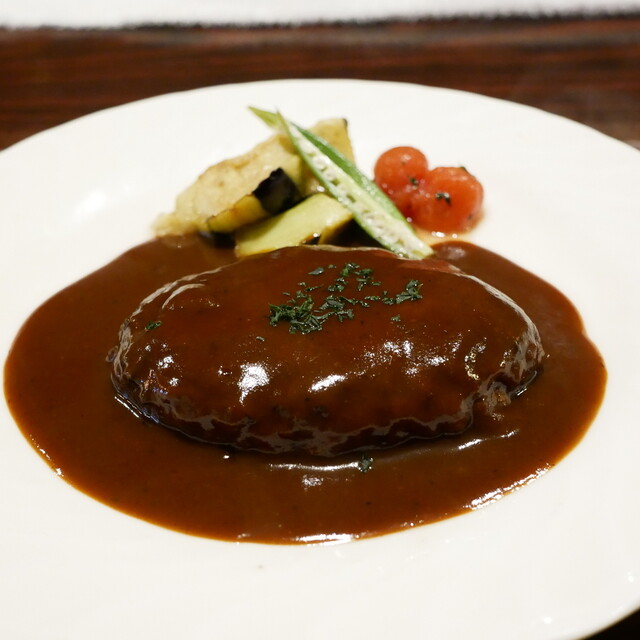
Higashishinsaibashi is restaurant noise: stacked signs, late-day foot traffic, and the pull between Namba’s appetite and Shinsaibashi’s shopping tempo. Here, older yoshoku feels almost countercultural: not kaiseki ceremony, ramen throughput, or izakaya sprawl, but small-room, plate-by-plate cooking built from cutlets, grills, sauces, rice, and Japan’s habit of making imported forms behave with local precision.
That is the lens for Grill Baranoki. Its recognition in Tabelog 100 Yoshoku WEST 2025 matters because visitors often treat yoshoku too casually, as Japan’s diner food. In Osaka, the category sits between comfort and craft: technical enough to expose weak kitchens, familiar enough to punish overstatement. It lives or dies by proportion, heat control, sauce work, and timing, not expensive theatre.
Yoshoku in Osaka works when the menu stays disciplined
The menu architecture tells an Osaka story. Enduring yoshoku restaurants keep the frame narrow: Japanese-style Western cooking, steak, rice-friendly sauces, sensible lunch portions, and dinner formats that tighten the room. Grill Baranoki is categorized as yoshoku and steak, placing it in the classic grill-house branch rather than the café-ish omnibus version covering every nostalgic plate in Japan’s postwar Western canon.
That distinction matters. Yoshoku sprawls when a kitchen chases curry, omurice, hamburger steak, fried prawns, gratin, cutlets, steaks, and sandwiches at once. A smaller grill-led format promises not encyclopedic range but familiar structures made exact. Read the restaurant that way, not as a tasting-menu reveal.
The Tabelog score of 3.71, with Tabelog 100 Yoshoku selections in 2020, 2022, 2023, and 2025, gives it a public track record in a category where local regulars often judge more harshly than tourists. The 2025 WEST list is a useful regional signal, framing it among western Japan’s yoshoku specialists rather than Osaka’s general restaurant field: rooms where demi-glace culture, pan work, and knife-and-fork comfort carry the meal.
For how the category sits beside the city’s other formats, Our full Osaka restaurants guide is the better map. Osaka rewards diners who do not reduce every meal to sushi counters or luxury beef rooms. Its appeal is range: bakeries such as 52CHO-ME BAKERY, snack institutions like 551 Horai (551蓬莱), and specialist rooms such as 99 Pizza Napoletana Gourmet all occupy different lanes of the same appetite-driven city.
A small counter-scale room changes the stakes
Capacity is part of the argument. A room listed at 10 seats for lunch and 8 seats for dinner cannot behave like a high-volume yoshoku hall. The format feels closer to a workshop than a dining room: the kitchen’s rhythm is exposed, anonymity is limited, the buffer between order and plate is thin, and diners expecting a large casual restaurant’s elasticity may miss the point.
That smallness explains why yoshoku here can feel more personal than its price category suggests. Osaka has cheaper, louder, faster meals; the point is controlled familiarity. Compared with Noro, in a higher dinner-spend bracket, or Angetsu, in a lower-budget band, Grill Baranoki lands mid-register, selling category confidence rather than luxury signaling. Sui Okazaki, Yoshitaka, and Kita Mura belong to different Japanese dining traditions, underlining how specific yoshoku is as a decision. This is not a substitute for oden, kappo, or a broader Japanese dinner; it is a separate craving.
The area sharpens that choice. Higashishinsaibashi and nearby Shinsaibashi are built for grazing, shopping breaks, late meals, and second stops, but a small yoshoku grill resists drift and asks for a defined meal. That suits travelers who want Osaka without making every dinner spectacle. The city’s hospitality map is broader than restaurants, so planning across Our full Osaka hotels guide, Our full Osaka bars guide, Our full Osaka wineries guide, and Our full Osaka experiences guide helps place a meal like this in the right part of the day.
How to read the meal against Osaka's wider table
Osaka is often flattened into street-food caricature, but its restaurant culture is layered: counter sushi, kappo, udon, okonomiyaki, kushikatsu, bakeries, coffee rooms, Italian specialists, and yoshoku grills all compete for attention. Grill Baranoki preserves a category travelers can overlook while chasing more obvious Japanese markers. Yoshoku is Japanese because it absorbed Western technique and domesticated it so thoroughly that it no longer needs to perform foreignness.
Ordering strategy is simple: follow the grill-and-yoshoku identity rather than treating the menu as a general Western restaurant. Ask not “what is the signature?” but “which plates express the kitchen’s core grammar?” Here, that usually means dishes where sauce, browning, doneness, and rice compatibility do the work. Do not expect elaborate plating or chef biography as the main event; the merit is a mature kitchen making familiar forms behave.
The practical texture matters. Cash-only payment and a small seat count place this closer to old Osaka dining habits than app-driven convenience culture. Lunch and dinner function differently at this scale, so treat it as a planned stop, not a flexible fallback. Children of school age are welcomed under stated conditions, private rooms are not part of the format, and parking is not provided, reinforcing neighborhood-restaurant logic rather than destination-dining infrastructure.
For Japan itineraries built around category contrast, this pairs better with other sharply defined formats than with more of the same. In Osaka, that might mean a canto (Italian) for another imported tradition translated through local discipline, or or.cafe for a lighter daytime stop. Beyond Osaka, the same logic applies to focused Japanese rooms: -Grilled beef Sukiyaki- KAMAKURA TANUKIAN 鎌倉 たぬき庵 in Kamakura, 鮪と炭火焼き うお炭 秋葉原店 in Tokyo.know in Kumamoto, (Shoku) Vietnam in Kawasaki, [Curry Senmon Ten] Maruyama Kyoju. in Sapporo, and [ki:] in Kyoto each make a clearer case when judged by format rather than travel hype.
The lesson extends beyond Japan. Specialist dining rooms in Los Angeles and Pasadena, including Jōdo Saké Bar in Los Angeles and Onigiri Time in Pasadena, show how narrow formats can carry more authority than broader menus. The restaurant belongs to that same editorial category: not expansive, not showy, but legible. It is for diners who know Osaka’s depth is often found in small rooms with a firm idea of what belongs on the menu and what does not.
Fast Comparison
Comparable venues to anchor price and recognition.
| Venue | Cuisine | Price | Notes |
|---|---|---|---|
| Grill BaranokiThis venue — the venue you are viewing | Japanese-style Western (Yoshoku) | $$ | Not listed |
| DINING | Japanese Kaiseki and Teppanyaki | Not listed | Osaka |
| Havana | Creative Japanese Izakaya & Stand-Up Bar | $$ | Chūō |
| Udon to Osake Karahori Kinugawa | Udon and Sake | $$ | Chūō |
| Yakitori Shokudo | Yakitori & Izakaya | $$ | Kita |
| Okonomiyaki Chigusa | Traditional Osaka Okonomiyaki & Teppan Grill | $$ | Kita |
Recognition history
Dated appearances from independent guides and award organizations, with the underlying list record or original source where available.
Tabelog 100 #21 · No. 21
Tabelog · Tabelog 100 - Yoshoku - WEST - 2025
Continue exploring
More in Osaka
Restaurants in Osaka
Browse all →




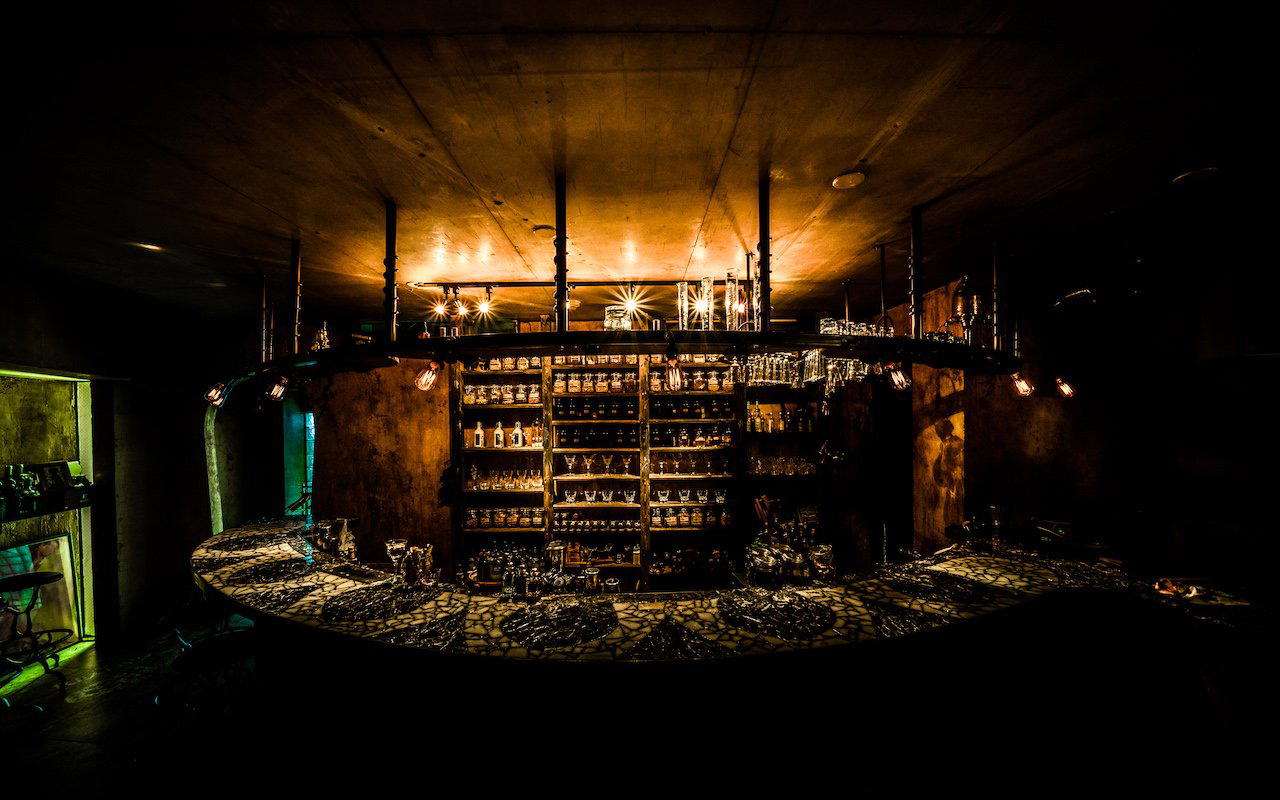
Bars in Osaka
Browse all →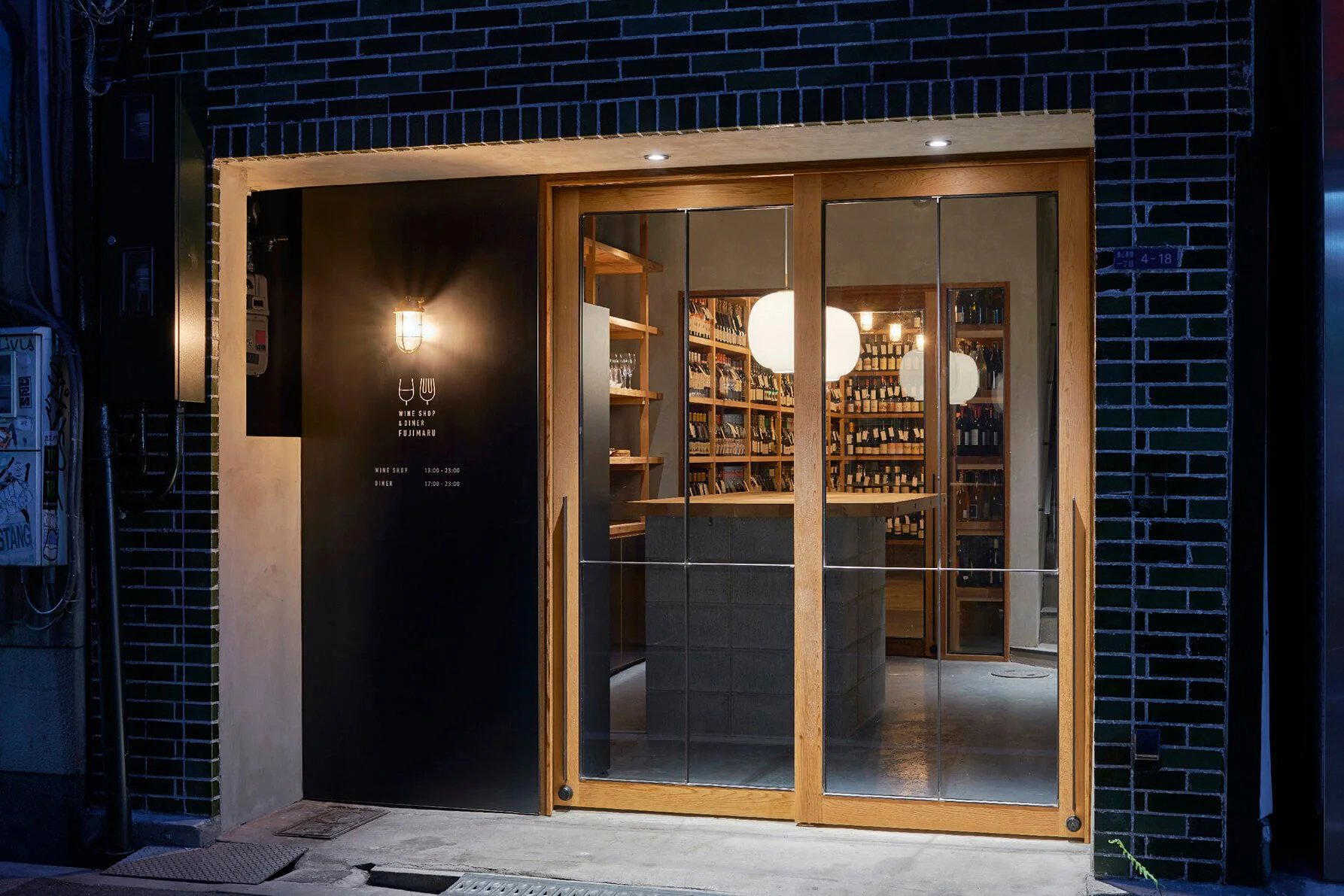


Hotels in Osaka
Browse all →




Wineries in Osaka
Browse all →
At a Glance
- Classic
- Cozy
- Group Dining
- Casual Hangout
- After Work
- Standalone
Current opening hours
- Monday
- Closed
- Tuesday
- 12–2:30 PM, 6–9:30 PM
- Wednesday
- 12–2:30 PM, 6–9:30 PM
- Thursday
- 12–2:30 PM, 6–9:30 PM
- Friday
- 12–2:30 PM, 6–9:30 PM
- Saturday
- 12–2:30 PM, 6–9:30 PM
- Sunday
- 12–2:30 PM, 6–9:30 PM
Hours can change for holidays and private events. Last verified .
Retro, relaxed, and intimate-feeling Japanese Western dining with a classic neighborhood restaurant character.