Carbonara
On Lenin Avenue in central Yekaterinburg, Carbonara brings an Italian culinary tradition into one of Russia's most industrially significant cities. The restaurant takes its name from one of Rome's most debated pasta forms, positioning itself within a dining scene that has grown more internationally oriented over the past decade. For visitors exploring Ural-region dining, it sits alongside a small tier of European-concept restaurants in the city centre.
Pearl is the En Primeur Club membership app — saves, bookings, and concierge access live there. Same editors, same standards.
- Address
- Lenin Ave, 25, Yekaterinburg, Sverdlovsk Oblast, Russia, 620014
- Phone
- +73432663306
- Website
- carbonara.rest
- Directions
- Get directions
 Saves & bookings on Pearl
Italian Pasta Culture in the Heart of the Urals
Yekaterinburg sits at the geographic boundary between Europe and Asia, a position that has shaped its cultural self-understanding for generations. The city's restaurant scene reflects that ambiguity: it draws on both the European fine-dining traditions that took hold in Moscow and St. Petersburg through the 1990s and early 2000s, and on a distinctly Ural sensibility that resists pure imitation. Within that context, Italian-concept restaurants occupy a particular niche. They are neither novelty nor afterthought; they represent one of the more durable European influences on Russian urban dining, partly because Italian cuisine, built on technique, ingredient quality, and regional specificity, translates well across cultures.
Carbonara is an Italian pasta and pizza restaurant at Lenin Ave, 25, Yekaterinburg, serving casual meals at about $15 per person. The carbonara form has become something of a flashpoint in global food culture: purists insist on guanciale, Pecorino Romano, eggs, and black pepper with no cream, while adapted versions circulate widely across the world's Italian-influenced restaurants. Choosing carbonara as a restaurant name in Yekaterinburg is, in its own quiet way, a positioning statement, a signal toward the Roman tradition rather than the broadly generic. Whether that signal extends through every element of the menu is a question the visitor must resolve in the dining room itself.
The Setting: Lenin Avenue and Its Restaurant Tier
Lenin Avenue is Yekaterinburg's central artery, the address where civic institutions, retail anchors, and a concentration of the city's more established restaurants converge. A restaurant on this street operates in a specific competitive bracket: visible enough to attract visitors arriving from other Russian cities or abroad, pressured enough by rent and footfall expectations to maintain a certain consistency of format. It is not the kind of address associated with experimental or low-key neighbourhood dining; it is where Yekaterinburg puts its more polished face forward.
The physical approach along Lenin Avenue gives the city its mid-century Soviet architectural scale, punctuated now by contemporary signage and the general retail activity of a regional capital of roughly 1.5 million people. Restaurants on this stretch tend toward the presentable and broadly accessible, sitting between the casual café tier and the formal banquet-hall tradition that persists in Russian dining culture. Carbonara occupies that middle ground, as a named Italian concept on a prominent central address.
BEEFSTROGANOFF GRILL works within the Russian classical tradition, while Khmeli Suneli takes its reference points from the Caucasus. АГОНЬ BBQ Ratskeller addresses the grill-and-fire format that has grown significantly across Russian cities in recent years. Carbonara's Italian framing places it in a distinct lane from all three.
The Carbonara Tradition: Why the Name Carries Weight
To understand what a restaurant named Carbonara is reaching for, it helps to understand the dish's history in the Italian canon. Carbonara belongs to the Lazio tradition, specifically Rome, alongside cacio e pepe and amatriciana, a group of pasta preparations defined by their minimal ingredient lists and the technical demand those minimal lists place on the cook. There is no hiding behind complexity; the dish succeeds or fails on the emulsification of fat and egg, the quality of the cured pork, and the timing of the pasta itself. In Italy, this simplicity carries regional pride and intense debate. Outside Italy, carbonara has become among the more replicated and, in strict Roman terms, most altered pasta dishes in global circulation.
Russian cities have engaged with Italian dining since the early post-Soviet period, when Italian restaurants were among the first European concepts to establish themselves in Moscow and then diffuse outward to regional capitals. The tier has matured considerably. Where 1990s Italian concepts in Russia tended toward the generic and pizza-heavy, the current generation of Italian-reference restaurants in cities like Yekaterinburg operates with more specificity, whether in pasta form, regional Italian sourcing signals, or wine programming. A restaurant naming itself after a specific Roman preparation rather than a generic Italian geography sits at that more specific end of the spectrum.
Across Russia's wider dining scene, the ambition to engage seriously with European culinary traditions has been demonstrated most forcefully in Moscow and St. Petersburg. Twins Garden in Moscow and Bourgeois Bohemians in Sankt-Peterburg represent the upper register of that engagement. Regional cities like Yekaterinburg operate in a different bracket, with a dining public that is sophisticated but less saturated with high-concept options, which can allow a well-executed Italian concept to occupy meaningful ground. For comparison across Russia's regional dining spread, Leo Wine & Kitchen in Rostov, SEASONS in Kaliningrad, and Alanskaya Kukhnya in Krasnodar each illustrate how different Russian regional cities are building their own distinct dining identities.
Planning a Visit
Carbonara is located at Lenin Avenue 25, Yekaterinburg, placing it within direct walking distance of the city's central hotels and transport points. The Lenin Avenue address is among the more accessible in the city by public transit. As with many Russian restaurants at this address tier, booking ahead is advisable for weekend evenings, particularly given Yekaterinburg's growing profile as a business and cultural destination. Reservations are recommended. Dress tends toward smart-casual on Lenin Avenue; the venue's central position and Italian concept framing suggest the same register.
Birch in St. Petersburg, COCOCO Bistro, Astoria Cafe, and Primorskiy Prospekt, 72 in Staraya Derevnya each represent different registers of the city's current offer. Further afield, Restaurant Baran-Rapan in Sochi and Tsarskaya Okhota in Zhukovka reflect how Russia's resort and suburban dining has evolved. For international context on serious European-influenced cooking in a completely different register, Le Bernardin in New York City and Lazy Bear in San Francisco represent the level at which technique-led concepts are benchmarked globally. Closer to Yekaterinburg's own European-influenced niche, La Colline in Bolshoye Sareyevo shows how European culinary framing has taken root across Russia's broader geography.
A Pricing-First Comparison
Comparable venues nearby, for context on price, style, and recognition.
| Venue | Cuisine | Price | Notes |
|---|---|---|---|
| CarbonaraThis venue — the venue you are viewing | City Center, Italian Pasta & Pizza | $$ | Not listed |
| BEEFSTROGANOFF GRILL | Belinskogo, Steakhouse & Grill | $$$ | Not listed |
| АГОНЬ BBQ Ratskeller | Not listed | $$ | Ploschad 1905 goda, German BBQ & Beer Hall |
| Khmeli Suneli | Not listed | $$ | Ploshchad 1905 Goda, Authentic Georgian |
| Korean BBQ гриль | Not listed | $$ | Northwestern District, Korean Table-Top BBQ Grill |
| Paloma Cantina | Nevskiy, Authentic Mexican Cantina | $$ | Not listed |
Continue exploring
More in Yekaterinburg
Restaurants in Yekaterinburg
Browse all →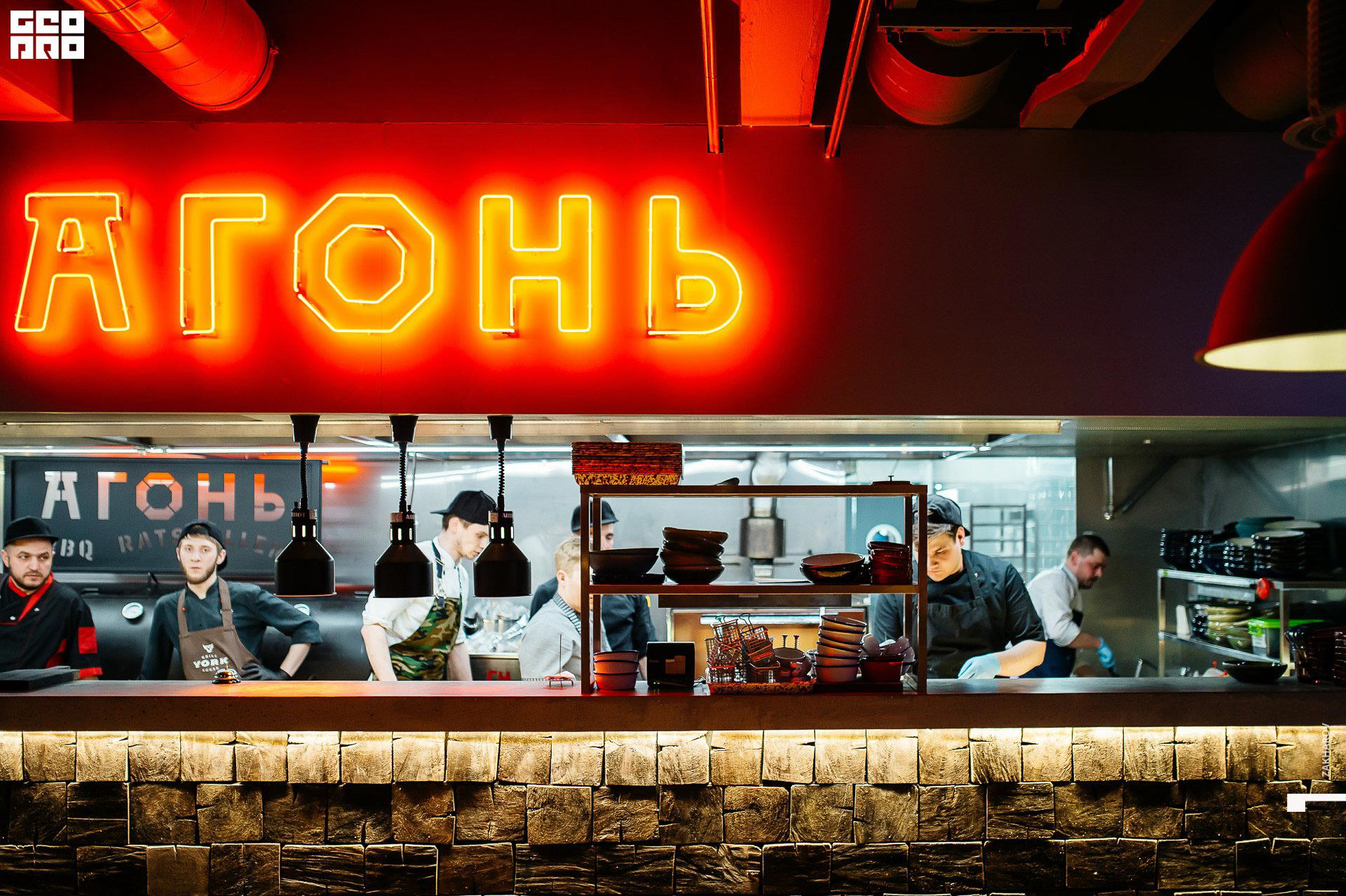
At a Glance
- Cozy
- Family
- Casual Hangout
- Open Kitchen
- Extensive Wine List
Current opening hours
- Monday
- 12–11 PM
- Tuesday
- 12–11 PM
- Wednesday
- 12–11 PM
- Thursday
- 12–11 PM
- Friday
- 12 PM–12 AM
- Saturday
- 12 PM–12 AM
- Sunday
- 12–11 PM
Hours can change for holidays and private events. Last verified .
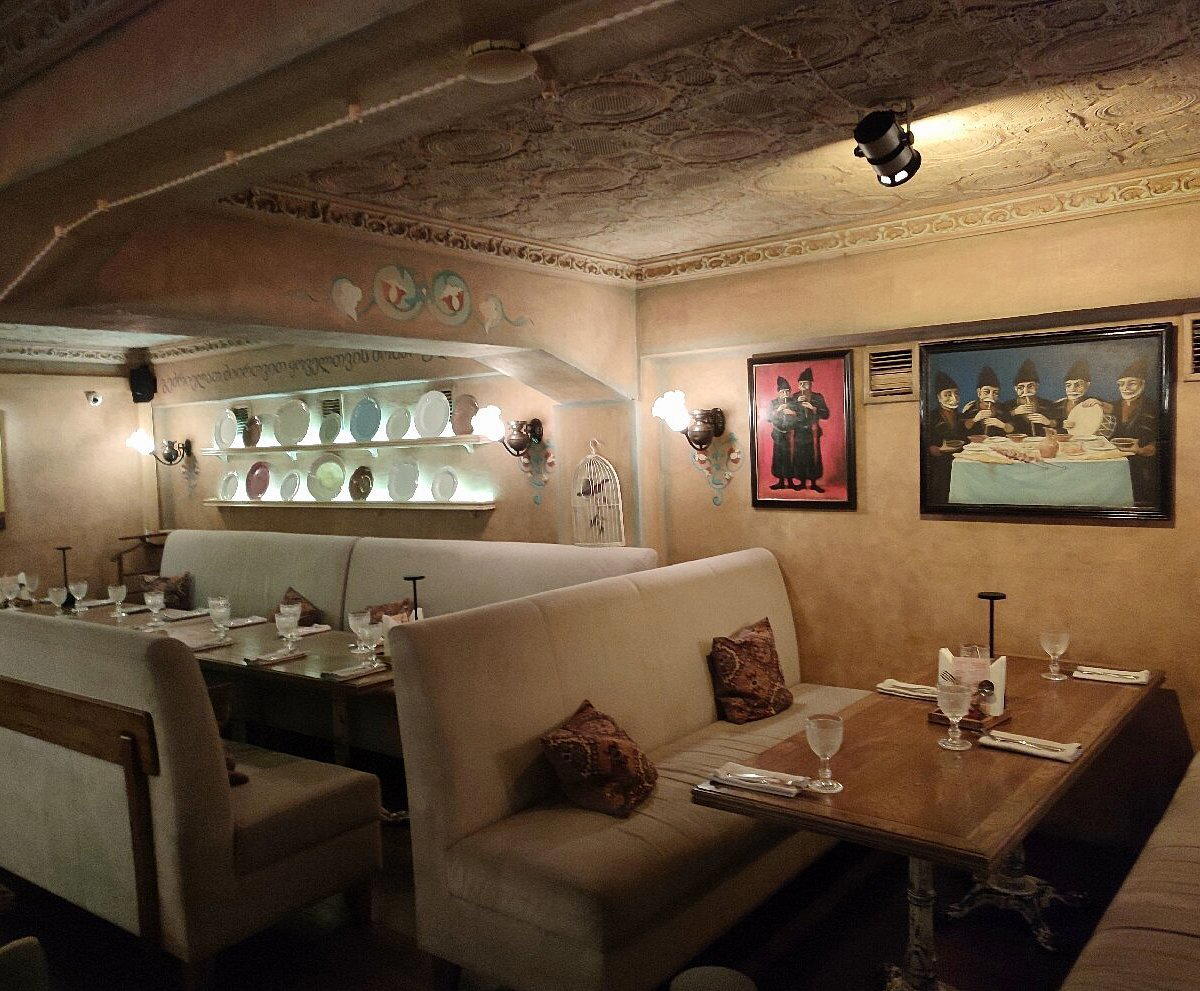
Cozy and relaxed atmosphere with family-friendly vibes.