Capoue Ixelles (Boondael)
Capoue Ixelles sits on Chaussée de Boondael in the Ixelles commune of Brussels, a neighbourhood where the city's appetite for serious, ingredient-led cooking runs deep. The address places it in a residential pocket that rewards those who seek out the local rather than the obvious. For context on the broader dining scene, see our full Ter Kameren restaurants guide.
Pearl is the En Primeur Club membership app — saves, bookings, and concierge access live there. Same editors, same standards.
- Address
- Chau. de Boondael 395A, 1050 Ixelles, Belgium
- Phone
- +32 495 89 36 59
- Website
- capoue.com
- Directions
- Get directions
 Saves & bookings on Pearl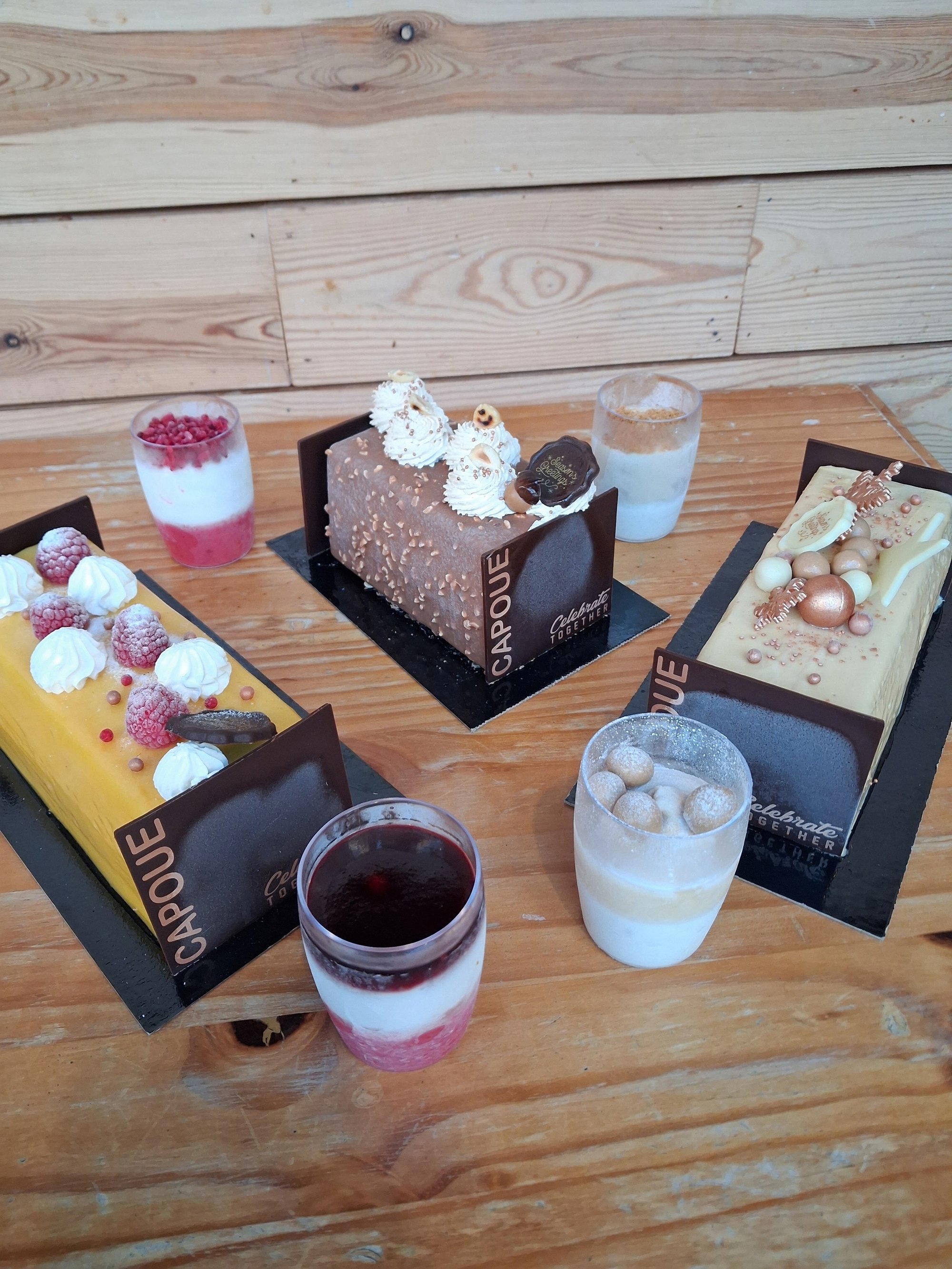
Boondael and the Ixelles Approach to Sourcing
The stretch of Chaussée de Boondael that runs through Brussels' Ixelles commune is not where first-time visitors tend to look for serious cooking. That is, in part, the point. The Boondael end of Ixelles has long attracted a crowd that prefers neighbourhood permanence to the kind of visibility that comes with an address near the European institutions or the grands boulevards. The restaurants that survive here do so on repeat custom, which creates a different kind of pressure than critical acclaim alone. Kitchens have to earn the walk on merit, week after week, from the same tables.
Capoue Ixelles (Boondael) is an artisanal ice cream and gelato shop at Chaussée de Boondael 395A in Ixelles, Brussels, with. Ixelles as a whole sits at the intersection of the city's French-speaking culinary tradition and a newer, ingredient-focused sensibility that has been reshaping Brussels dining for the better part of a decade. That shift mirrors what has happened in comparable dense European cities: as fine-dining formality has loosened, the conversation has moved toward what is on the plate and, more specifically, where it came from.
Where Ingredient Sourcing Defines the Register
Belgium's proximity to some of Northern Europe's most productive agricultural zones gives its restaurant kitchens a structural advantage. The Ardennes supply game and aged charcuterie; the North Sea coast delivers flatfish and crustaceans that compete with anything the French Atlantic can offer; market gardens in Flemish Brabant and Wallonia keep seasonal produce circuits relatively short. The restaurants in Belgium that have built reputations on ingredient integrity, places like Hof van Cleve - Floris Van Der Veken in Kruishoutem, Boury in Roeselare, and Willem Hiele in Oudenburg, have used those supply networks deliberately rather than incidentally.
In Brussels itself, the sourcing conversation plays out differently than in the Flemish countryside. Urban kitchens have to work harder to maintain supplier relationships that rural kitchens can manage with a shorter drive. The ones that do it well tend to anchor their menus to seasonal availability, adjusting as produce windows open and close rather than locking in a fixed card. Bozar Restaurant in Brussels is among those that have committed to that framework at a high level, and it sits in a recognisably different tier, in terms of formality and occasion, than a neighbourhood address like Capoue.
What Capoue's Boondael location suggests is a more embedded version of the same instinct. The Ixelles market tradition is strong, with the Flagey market drawing producers from within a hundred kilometres of the city every weekend. Kitchens in the commune that source locally do so in a context where the raw material is genuinely available and where the clientele is informed enough to notice when it is and when it is not. That is a different kind of accountability than a seasonal tasting menu at a destination address.
The Brussels Neighbourhood Restaurant Tier
Belgium's most discussed restaurants tend to cluster in the Flemish cities or in high-profile Brussels institutions. The mid-tier neighbourhood category, meaning serious kitchens without starred ambition, operates with considerably less external attention. Vrijmoed in Gent and La Durée in Izegem illustrate the range at the creative end of that spectrum; Le Chalet de la Forêt in Uccle, just across the commune boundary from Ixelles, operates at the formal end.
Capoue fits into this neighbourhood tier, where quality has to hold up without the signalling infrastructure of awards or destination-level booking waits. Restaurants in this bracket are harder to assess from a distance because they are not generating the paper trail that critics and platforms use to calibrate a room. What they generate instead is loyalty, the kind that fills a Thursday service in November without a promotional push.
For context on comparable addresses elsewhere in Belgium, Cuchara in Lommel, Ralf Berendsen in Neerharen, and Castor in Beveren represent a similar tier in their respective cities: serious kitchens working without sustained critical infrastructure around them. d'Eugénie à Emilie in Baudour and La Table de Maxime in Our extend that comparison further into Wallonia. Internationally, the embedded neighbourhood format maps broadly to what Lazy Bear in San Francisco and, at a different scale, Le Bernardin in New York City represent in their own markets: kitchens defined by a point of view rather than an address with ambient prestige.
Approaching Capoue: What to Expect
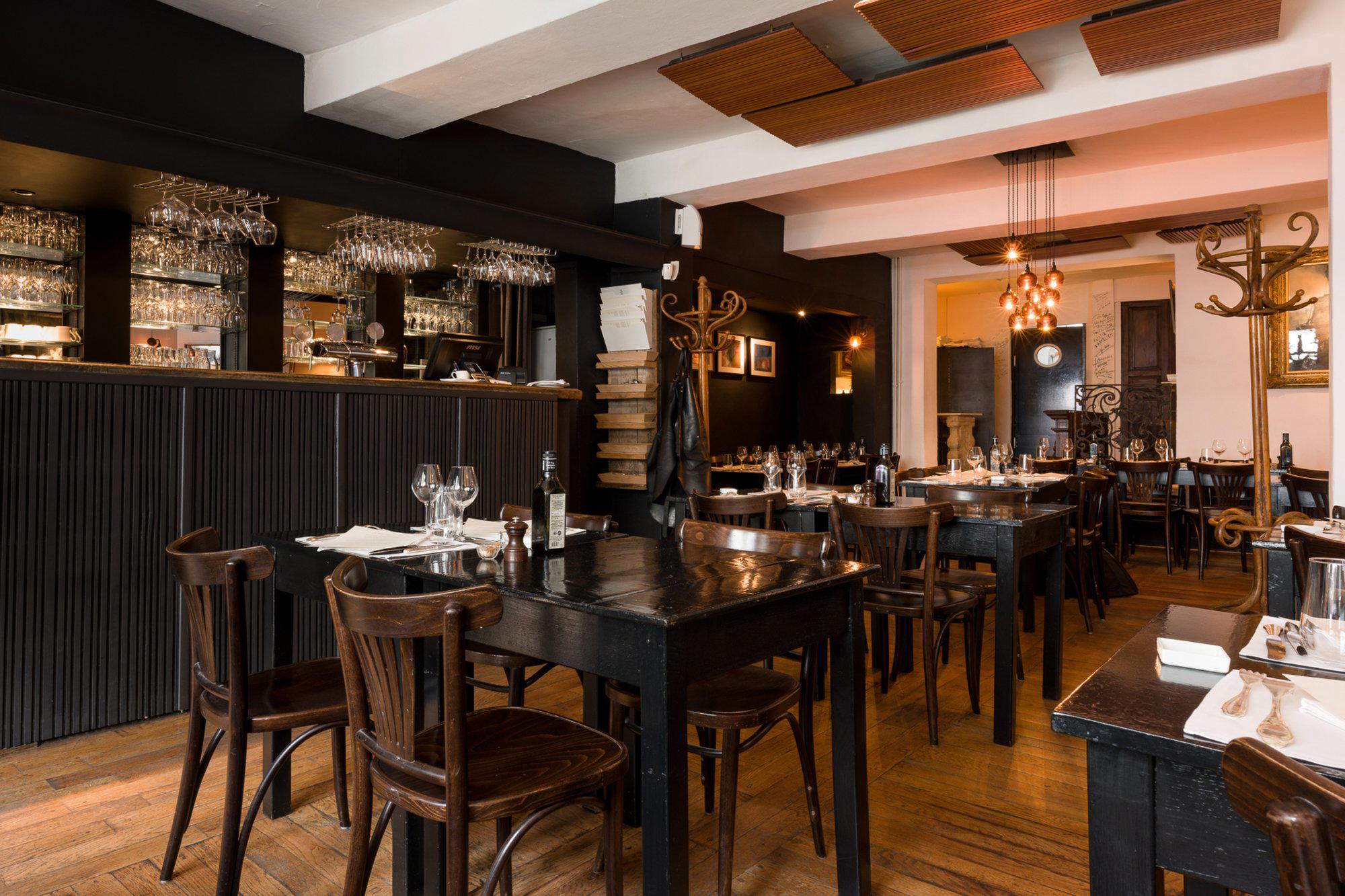
Chaussée de Boondael runs southeast from the Flagey end of Ixelles toward the Université Libre de Bruxelles campus and the Boondael ponds beyond. The character of the street shifts as it extends: more residential, less commercial, with the rhythm of a corridor that connects rather than anchors. Number 395A is toward the quieter end of that run. The approach is functional rather than atmospheric, which is typical of Brussels neighbourhood addresses that have not been styled for footfall. Trams on the nearby lines make the address reachable from central Brussels without significant transit complexity.
Capoue is walk-in friendly and typically opens Mon to Thu and Sun from 2 to 6 PM, and Fri to Sat from 2 to 10 PM. A nearby comparable for cross-referencing occasion type is Av. Louise 390, which operates in a different register but gives a sense of the price positioning available in the broader commune. De Jonkman in Sint-Kruis is a useful reference point for the standard that ingredient-led Belgian cooking can reach at the upper end of the neighbourhood format.
Side-by-Side Snapshot
Comparable venues nearby, for context on price, style, and recognition.
| Venue | Cuisine | Price | Notes |
|---|---|---|---|
| Capoue Ixelles (Boondael)This venue — the venue you are viewing | Artisanal Ice Cream & Gelato | $$ | Not listed |
| Av. Louise 390 | Hidden French Bistro | $$$ | Ter Kameren |
| Lio | Chocolatier, Pâtissier & Glacier | $$ | Lasne |
| À L'infintiste | Modern Belgian with Mediterranean Influences | $$ | Zuid |
| MINA Handmade Chocolates | Handmade Vegan Chocolates | $$ | Sint-Genesius-Rode |
| Van Dender Chocolates | Bean-to-Bar Belgian Chocolates | $$ | Groot Bijgaarden |
Continue exploring
More in Ter Kameren
Restaurants in Ter Kameren
Browse all →
Bars in Ter Kameren
Browse all →
At a Glance
- Cozy
- Casual Hangout
- Family
- Standalone
- Garden
Current opening hours
- Monday
- 2–6 PM
- Tuesday
- 2–6 PM
- Wednesday
- 2–6 PM
- Thursday
- 2–6 PM
- Friday
- 2–10 PM
- Saturday
- 2–10 PM
- Sunday
- 2–6 PM
Hours can change for holidays and private events. Last verified .
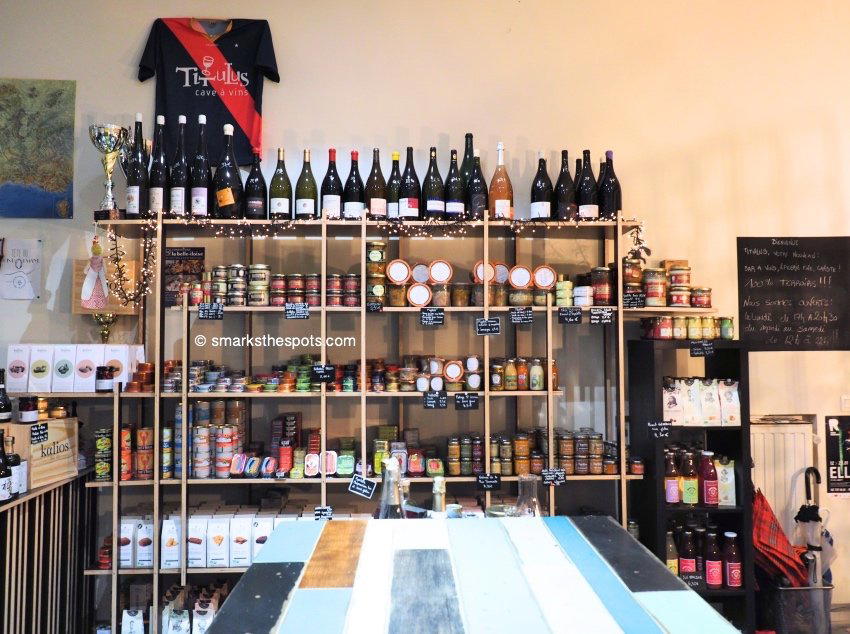
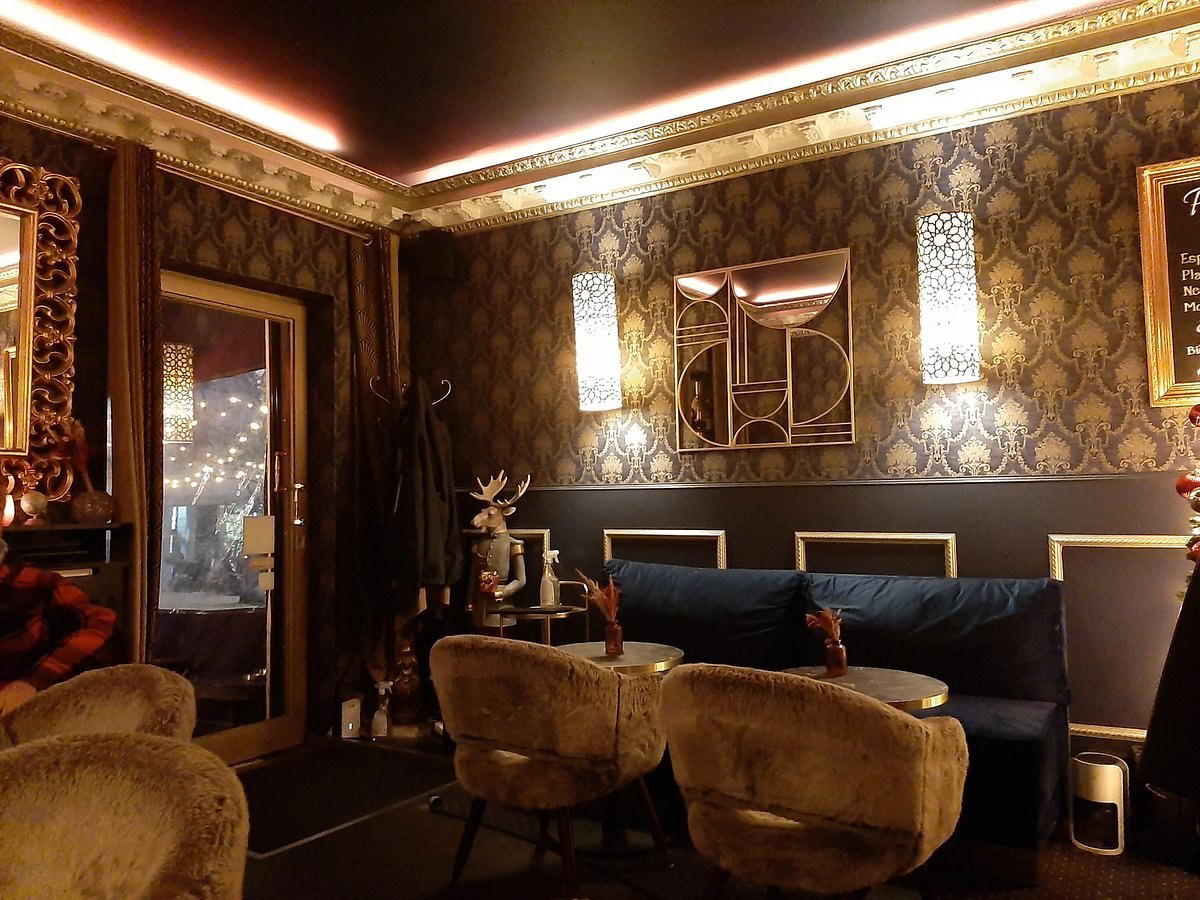
Bright, airy, and cozy spot with friendly service.