Lio occupies a quiet address on Chemin du Ruisselet in Lasne, a commune southeast of Brussels where rural Brabant farmland shapes the dining character as much as any kitchen philosophy. Set within Belgium's ingredient-conscious fine dining circuit, Lio represents the kind of address that rewards advance research before the drive out from the capital. Check current details directly before visiting.
Pearl is the En Primeur Club membership app — saves, bookings, and concierge access live there. Same editors, same standards.
- Address
- Chem. du Ruisselet 1, 1380 Lasne, Belgium
- Phone
- +32478458900
- Website
- chezlio.be
- Directions
- Get directions
 Saves & bookings on Pearl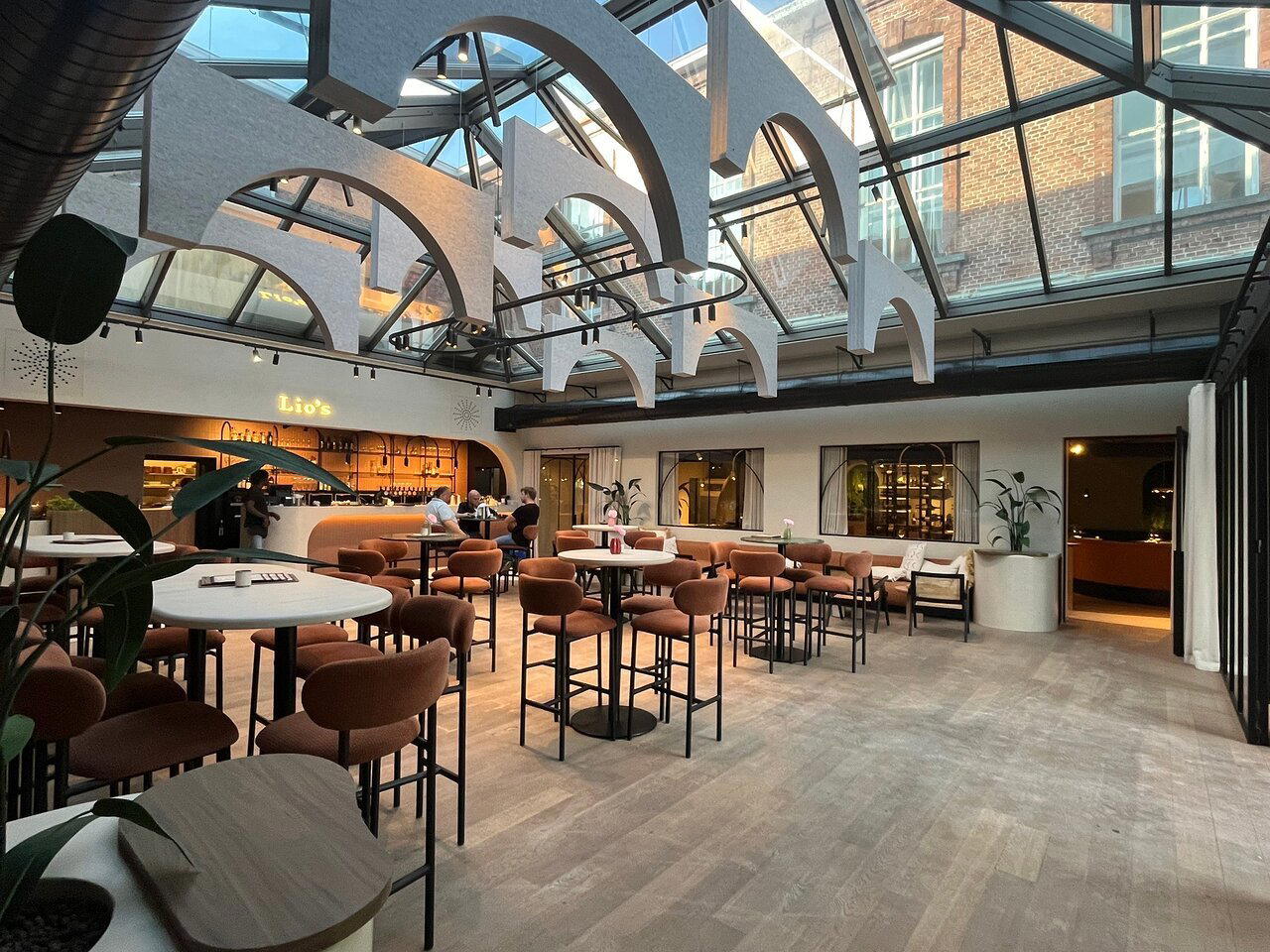
Where Brabant Farmland Meets the Table
The road to Lasne from Brussels takes you through a particular kind of Belgian countryside: gentle rolling pasture, hedgerow-edged lanes, and the occasional farmstead that doubles as a supplier for the region's more serious kitchens. This is not the Belgium of city-centre brasseries and moules-frites at volume. Lasne and the surrounding Brabant Wallon communes occupy a quieter tier of Belgian dining, one where proximity to producers, rather than proximity to a central train station, tends to drive the address decisions of the restaurants that matter. Lio, at Chemin du Ruisselet 1, sits within that logic.
Belgium's fine dining geography is more distributed than outsiders tend to assume. The country's highest-profile addresses are scattered across Flanders and Wallonia as often as they are concentrated in Brussels, from Hof van Cleve in Kruishoutem and Boury in Roeselare to Zilte in Antwerp and Willem Hiele in Oudenburg. The pattern holds in Wallonia too, with addresses like L'air du Temps in Liernu and La Table de Maxime in Our drawing committed diners well outside any urban centre. Rural locations in Belgium are not a compromise: they are frequently a deliberate choice, one that signals direct access to the land and the producers on it.
The Ingredient Question in Brabant Wallon
In the Belgian fine dining context, sourcing from regional producers is less a differentiating feature than a baseline expectation. What separates kitchens operating at serious levels is not whether they source locally, but the specificity and depth of those supplier relationships. Brabant Wallon has the agricultural infrastructure to support this kind of cooking: market gardens, small livestock farms, and the foraging terrain that Wallonian kitchens have drawn on for decades. Restaurants across this part of Belgium that have attracted sustained recognition, such as d'Eugénie à Emilie in Baudour and Castor in Beveren, tend to foreground those sourcing relationships as a structural part of how their menus are built and changed across the year.
The commune of Lasne itself has a small but coherent dining scene. La Cabosse d'Or, La Saline, and Le Messager de Bruxelles each occupy different registers of the local offer, from casual to more considered. For a fuller picture of what Lasne's tables offer across styles and price points, the EP Club Lasne restaurants guide maps the full range. Lio's address on Chemin du Ruisselet places it within walking distance of the kind of semi-rural setting that lends itself to longer, unhurried meals, the kind that make the drive from Brussels feel proportionate rather than excessive.
Positioning Lio in the Wider Belgian Circuit
Belgium rewards diners who are willing to research before committing to a reservation. The country's Michelin footprint is dense relative to its size, and the competition for recognition among smaller, non-urban kitchens is genuine. Venues operating in quieter communes tend to rely on a combination of word-of-mouth, editorial coverage, and the kind of accumulated booking intelligence that serious diners share within networks. This is the tier where addresses like Bartholomeus in Heist, De Jonkman in Sint-Kruis, and La Durée in Izegem have built their reputations, often without the volume of passing traffic that sustains a Brussels address like Bozar Restaurant.
For context on what the most ambitious kitchens in this register aim for internationally, addresses like Le Bernardin in New York and Atomix in New York illustrate how ingredient sourcing, seasonal discipline, and tasting menu architecture operate at the upper end of the global fine dining conversation. Belgian kitchens in Lasne's orbit are not directly competing with those addresses, but the editorial standards they aspire to are shaped by the same underlying logic: fewer, better ingredients, handled with restraint and precision.
Planning a Visit to Lio
Lasne is accessible by car from central Brussels in roughly 25 to 30 minutes under normal traffic conditions, making it a viable lunch or dinner destination rather than a day trip. The commune is not well-served by public transport at the level of frequency that would make car-free arrival direct, so most diners arrive by vehicle. The address at Chemin du Ruisselet 1 is specific and quiet, the kind of location where arriving with navigation confirmed in advance is sensible rather than optional.
For the broader Lasne dining picture, the EP Club city guide remains the most current editorial reference.
How Lio Lasne compares with similar nearby venues.
| Venue | Cuisine | Price |
|---|---|---|
| Auberge de la Roseraie | French | €€€ |
| La Table Benjamin Laborie | French Contemporary | €€€ |
| Maison Alain Bianchin | Creative | €€€ |
| Les Tilleuls | Home Cooking | €€ |
Continue exploring
More in Lasne
Restaurants in Lasne
Browse all →
Bars in Lasne
Browse all →
Hotels in Lasne
Browse all →
Wineries in Lasne
Browse all →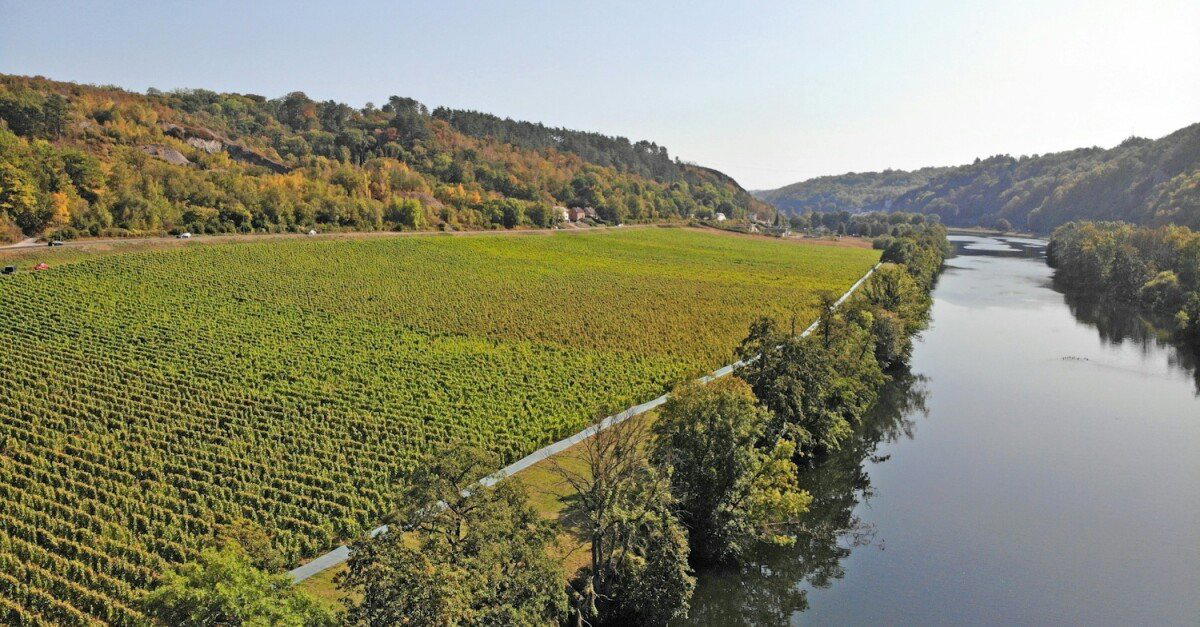
At a Glance
- Cozy
- Elegant
- Casual Hangout
- Brunch
- Standalone
Current opening hours
- Monday
- Closed
- Tuesday
- 10 AM–6 PM
- Wednesday
- 10 AM–6 PM
- Thursday
- 10 AM–6 PM
- Friday
- 10 AM–6 PM
- Saturday
- 10 AM–6 PM
- Sunday
- Closed
Hours can change for holidays and private events. Last verified .
Charming tea room atmosphere for savoring chocolates, pastries, and artisanal ice creams.
Know Before You Go
- Getting there
- Chem. du Ruisselet 1, 1380 Lasne, Belgium