The Room and What It Communicates
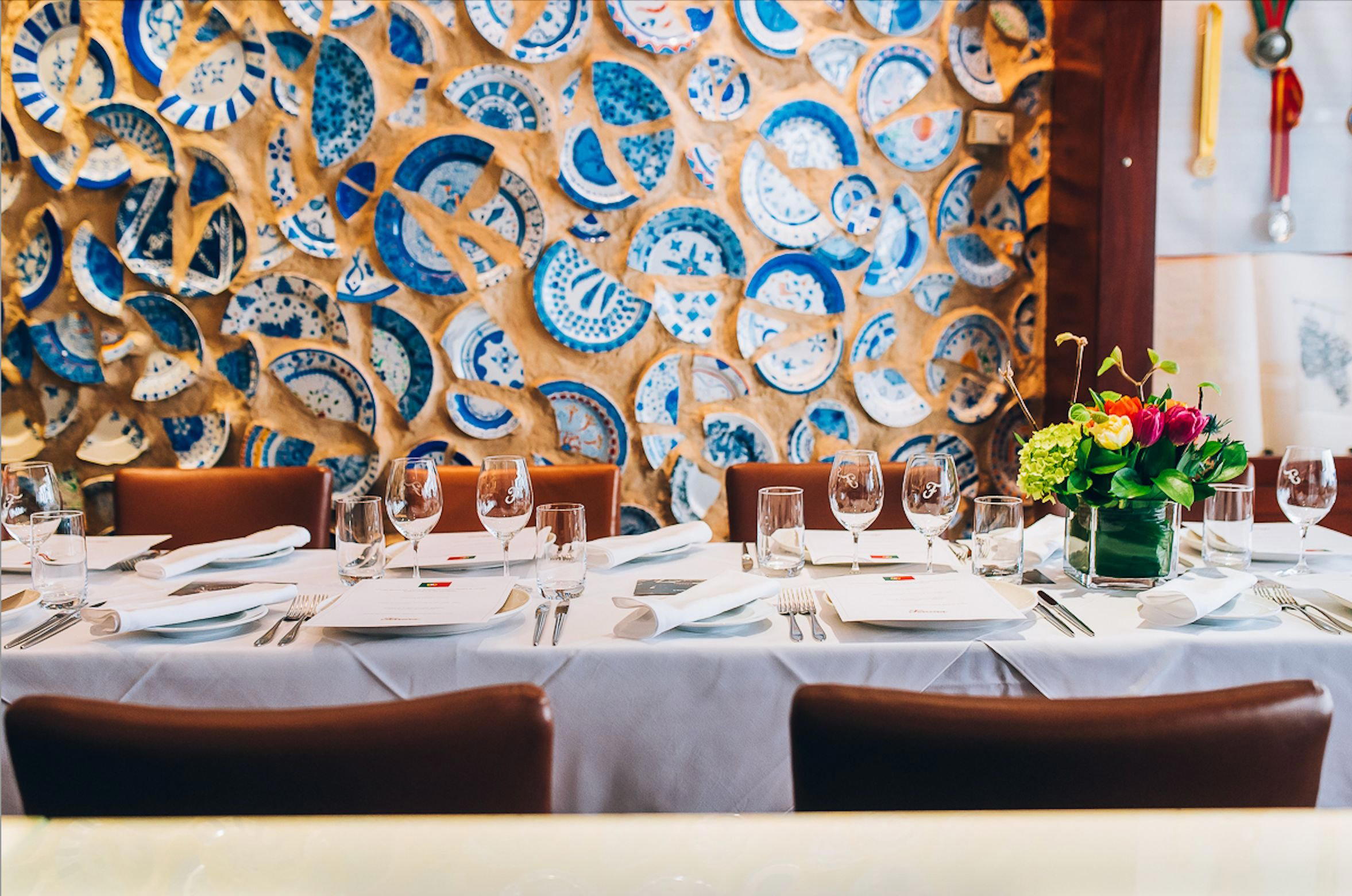
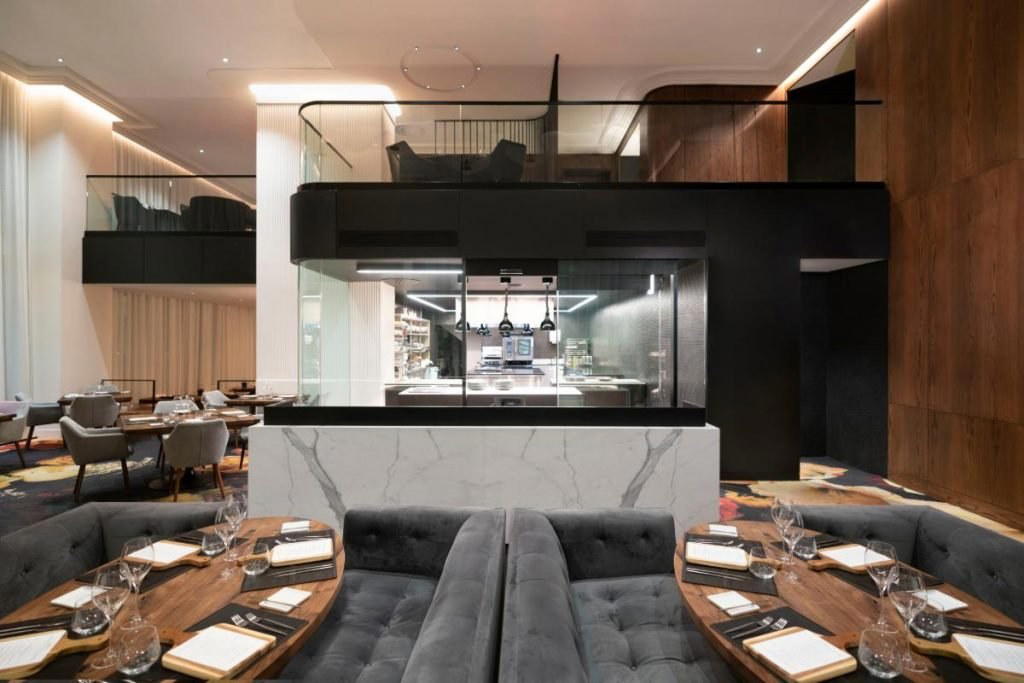
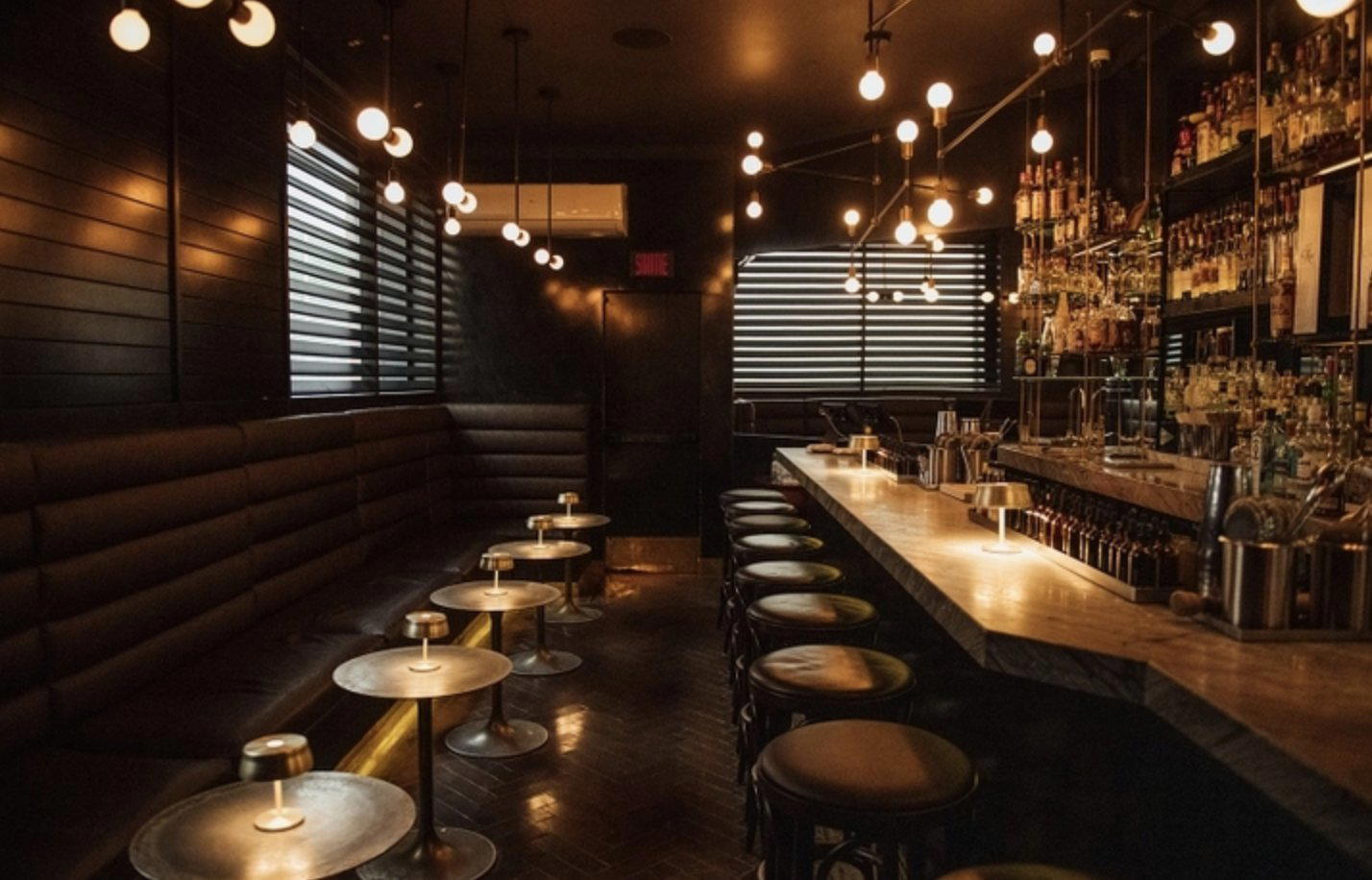
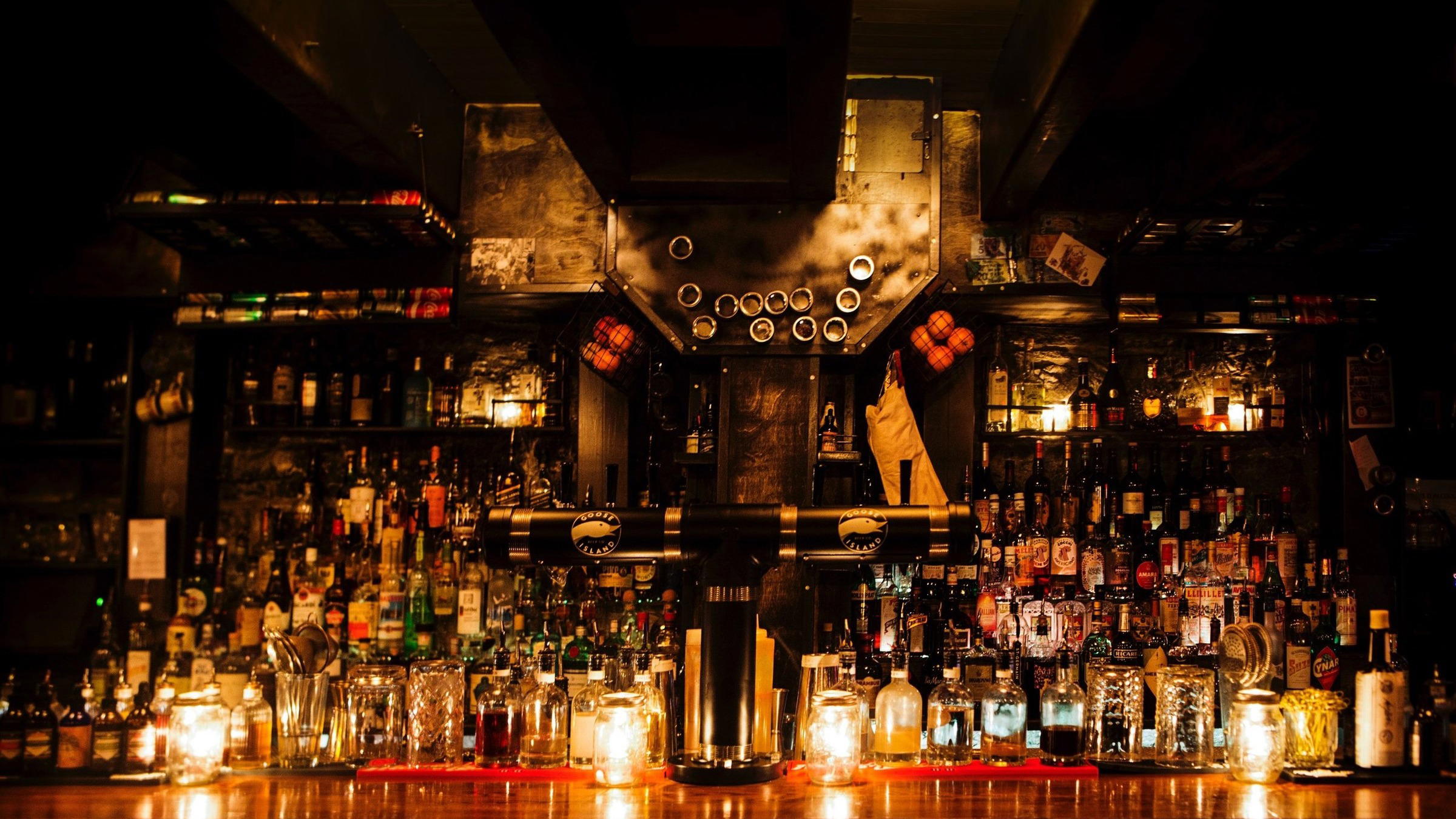
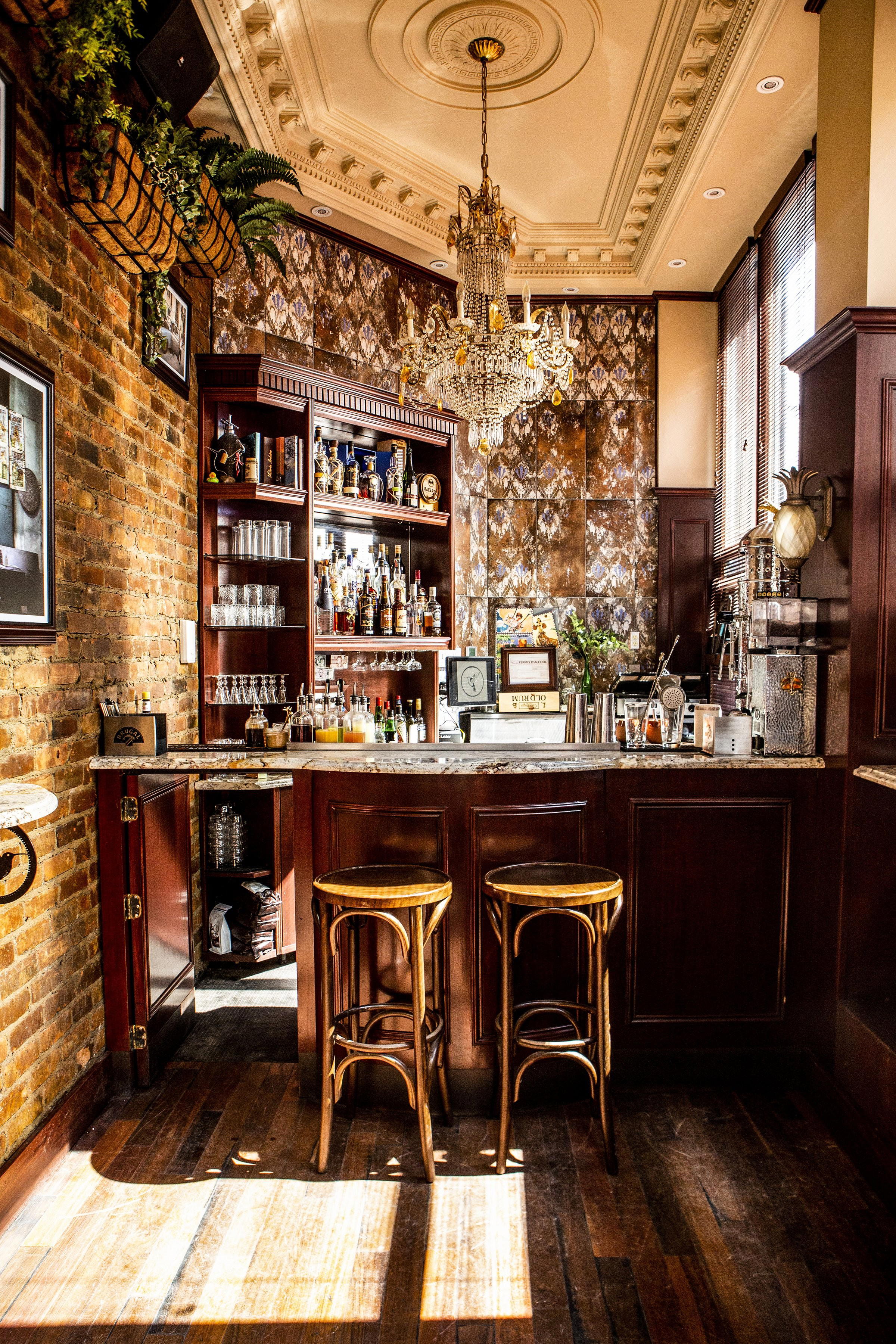
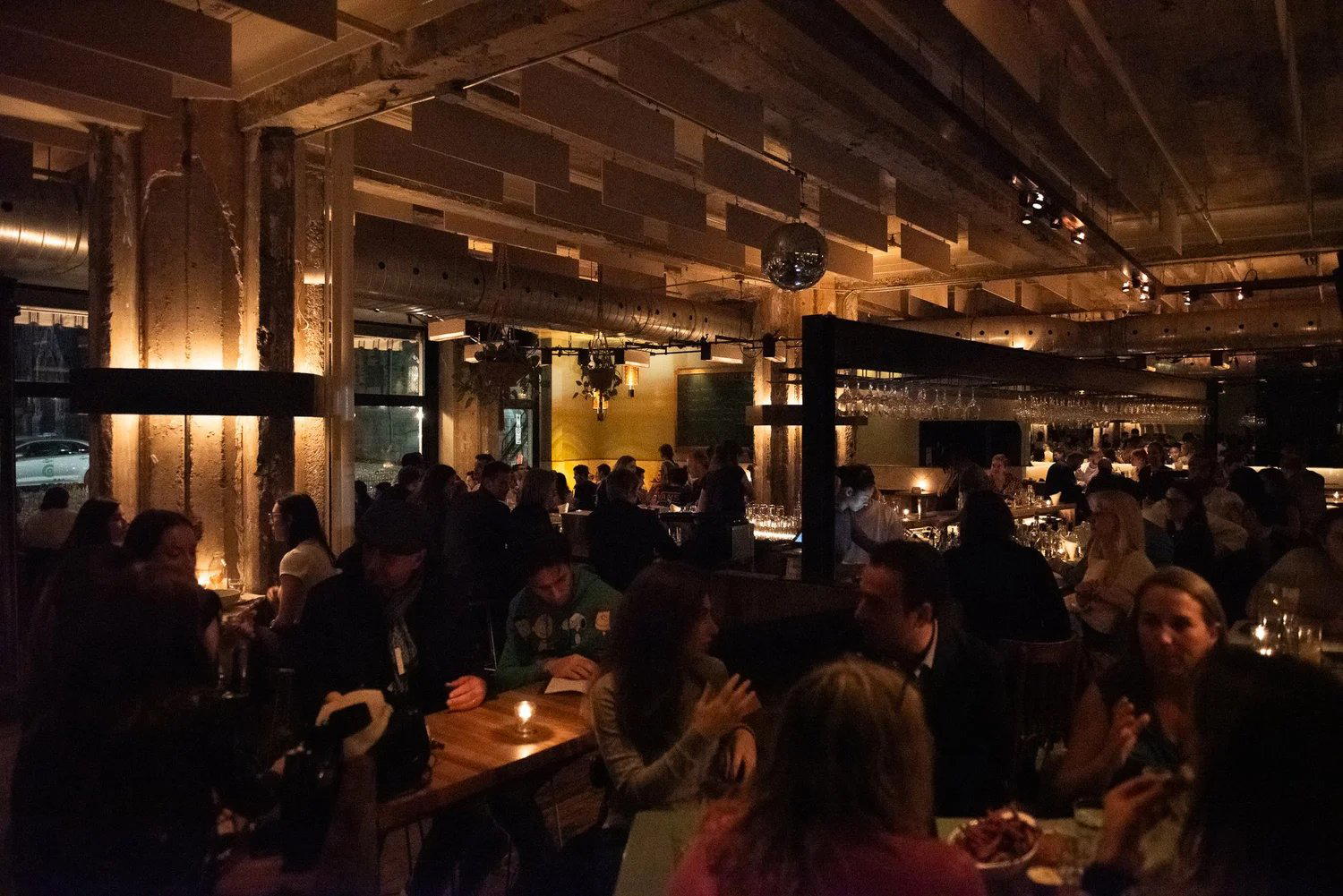
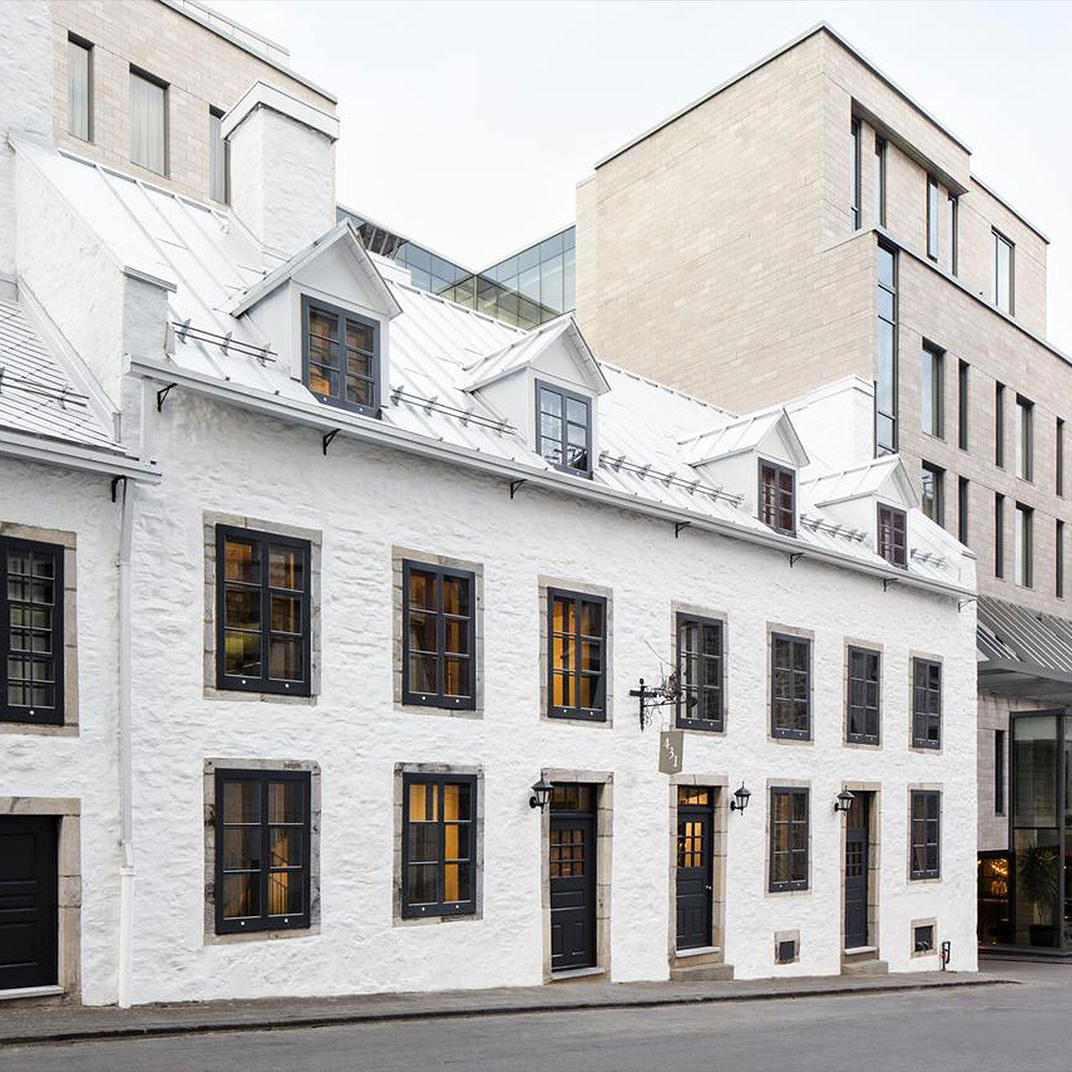
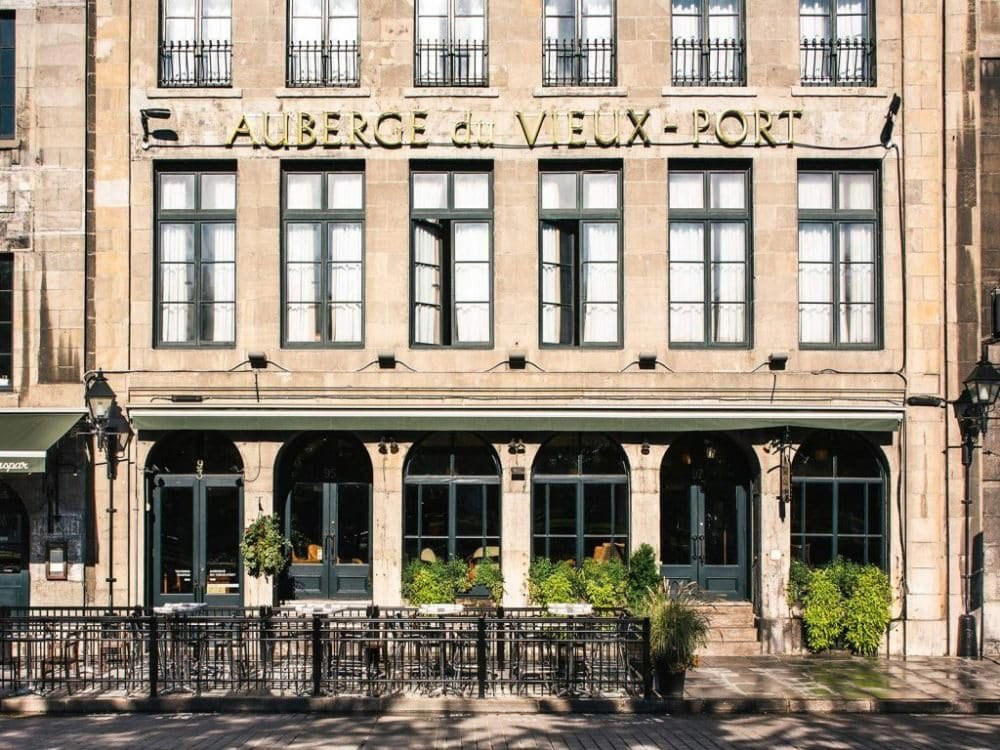
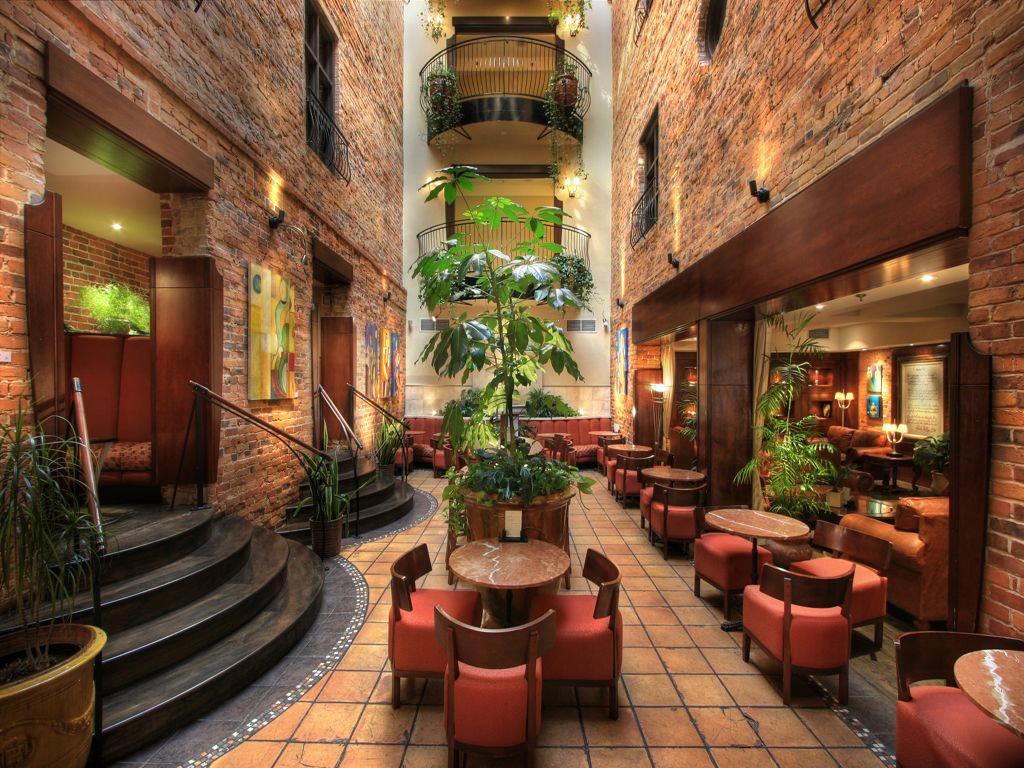
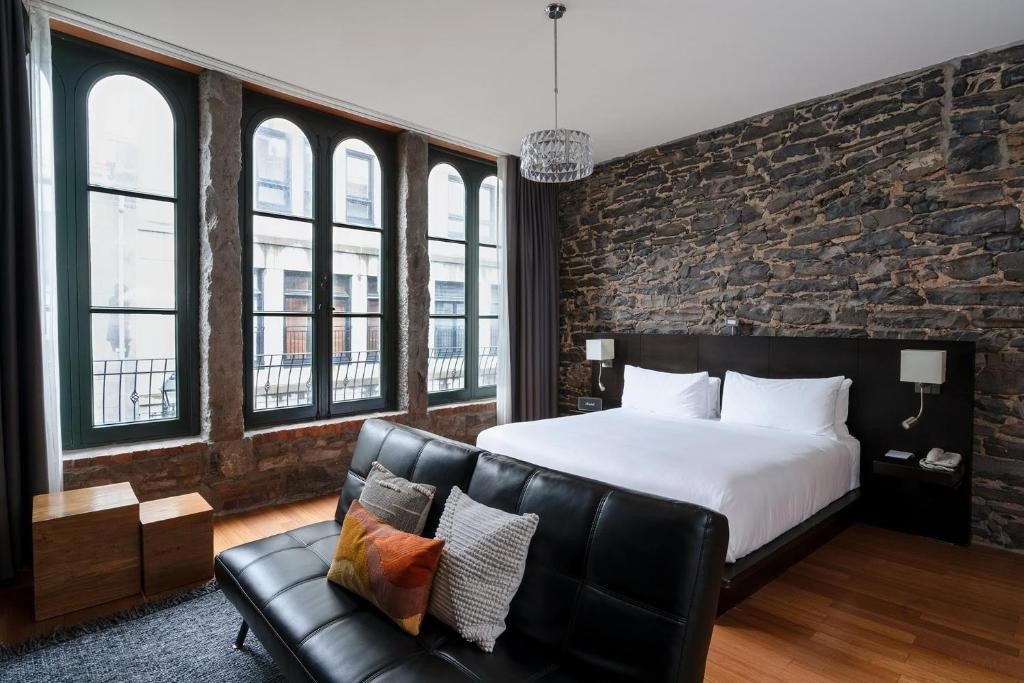
Old Montreal buildings carry their history in the walls. The exposed stone that appears in so many restaurants along this corridor is not a design choice so much as a structural fact: the buildings are old, the stone is thick, and the rooms are naturally quiet, contained, and warm in a way that newer construction rarely replicates. These spaces reward a certain kind of cooking, the kind that does not need theatrical plating or a sound system to feel complete. The sensory register is already set by the architecture.
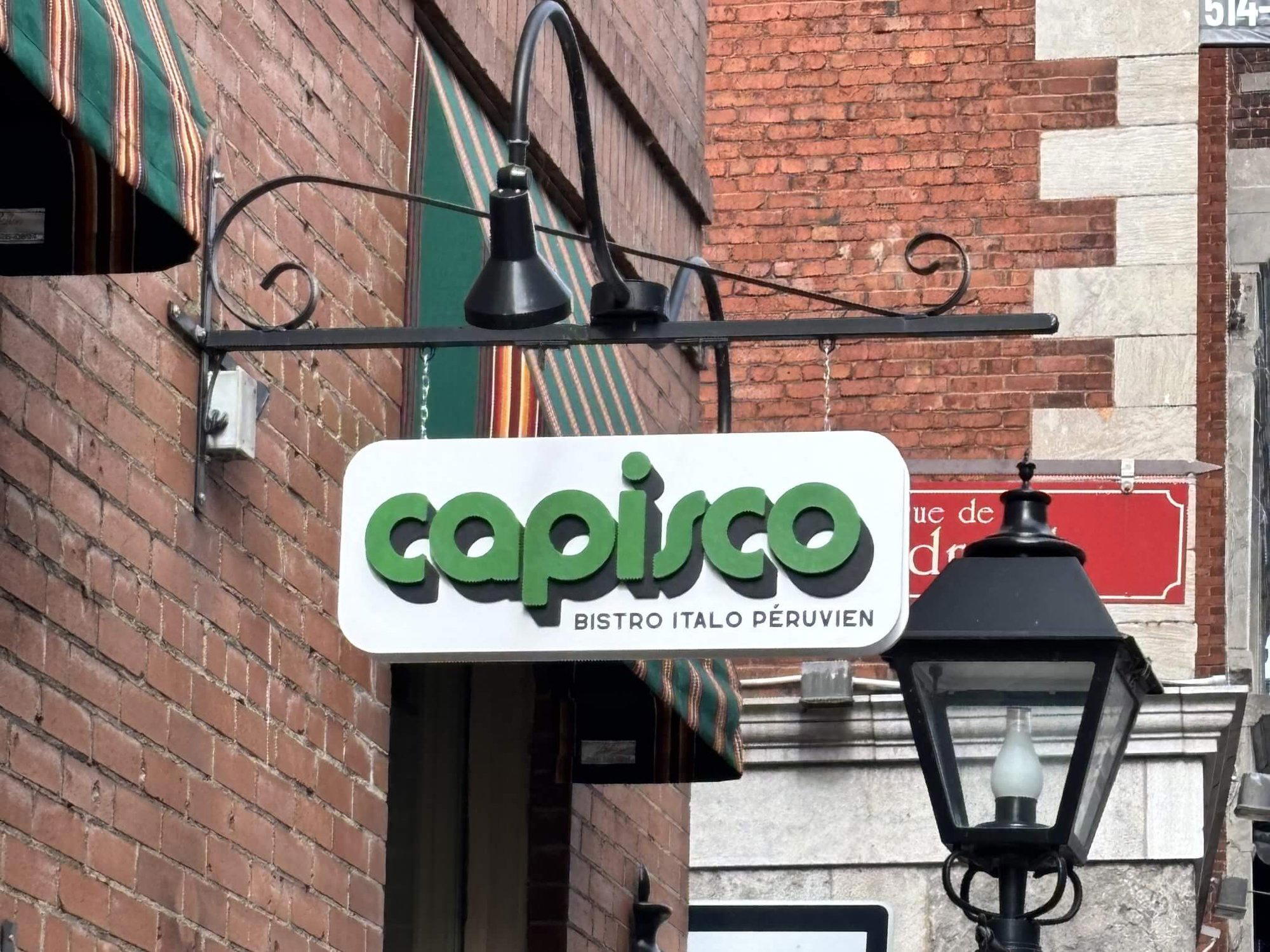
That context matters for how you read any restaurant on this street. A room with stone walls and low light on Saint-Paul East carries an implicit promise of seriousness. It would take deliberate effort to make such a space feel casual or rushed. Capisco inherits that promise along with the address.
Where Capisco Sits in the Old Montreal Dining Picture
Old Montreal has never been a monolithic dining neighbourhood. The tourist trade supports a layer of restaurants that would not survive in Outremont or Rosemont, but the corridor also holds tables that compete seriously with the city's leading. 3 Pierres 1 Feu and Abu el Zulof are among the addresses in the area that have built reputations extending beyond the weekend visitor circuit. Capisco's position on Saint-Paul places it in the same conversation, and its presence on EP Club's Montreal radar reflects that it has earned attention from the kind of diner who cross-references multiple sources before committing to a reservation.
For a fuller picture of where Capisco sits within the city's dining options, our full Montreal restaurants guide maps the scene across neighbourhoods and price tiers. Montreal rewards the effort of understanding its geography: the city's leading eating is distributed widely, and the Old Montreal addresses represent one node among many.
The Wider Canadian Context
Montreal does not exist in isolation as a fine-dining city. Across Canada, a generation of serious restaurants has emerged at the intersection of local sourcing and classical technique. Tanière³ in Quebec City has built an international reputation on hyper-regional ingredients interpreted through rigorous method. Alo in Toronto operates at the top of the tasting-menu tier in English Canada. Further west, AnnaLena in Vancouver and Restaurant Pearl Morissette in Lincoln represent the wine-country and neighbourhood-restaurant poles of the same ambition. Even at greater distance, addresses like Eigensinn Farm in Singhampton, Fogo Island Inn Dining Room in Joe Batt's Arm, and Narval in Rimouski suggest that ambitious cooking has spread well beyond the major urban centres.
Within that national picture, Montreal holds a specific position: it is the city where French technique arrived earliest and stayed most deeply embedded, and where the bistro tradition coexists with modernist ambition in a way that does not quite happen anywhere else in the country. An address on Saint-Paul East inherits that layered culinary history, whether or not the menu is explicitly French.
For readers arriving from other dining cities, it is worth noting that Montreal's price ceiling is lower than Toronto's or New York's, which means the mid-tier buys more here. A three-dollar-sign room in Montreal often delivers what would require four in Manhattan. Le Bernardin in New York City and Lazy Bear in San Francisco set a reference point for what the top tier looks like in larger markets; Montreal's serious tables compete on quality while operating at a structural cost advantage.
Planning Your Visit
Old Montreal is accessible by metro (Champ-de-Mars station puts you a short walk from Saint-Paul Est) and considerably less convenient by car, given parking constraints in the old city. The neighbourhood is densest with visitors on Friday and Saturday evenings, and weekday bookings on Saint-Paul tend to feel calmer in pace. For out-of-town visitors combining dining with exploration, the area around the Old Port rewards time before or after a meal: the Bonsecours Market, the waterfront promenade, and the side streets between Notre-Dame and Saint-Paul all repay slow attention.
Readers planning broader Quebec itineraries might also consider The Pine in Creemore, Busters Barbeque in Kenora, or Cafe Brio in Victoria as points of comparison that illustrate how different the regional dining registers can be across the country.
Know Before You Go
- Address: 85 Rue Saint-Paul Est, Old Montreal, QC H2Y 3R1
- Neighbourhood: Old Montreal (Vieux-Montréal)
- Getting There: Champ-de-Mars metro station (Orange Line); short walk south to Saint-Paul Est
- Hours: Confirm directly before visiting, as hours on Saint-Paul Est vary by season
- Parking: Limited in the old city; public transit or walking from nearby hotels recommended