On Rue Beaubien in Montreal's Rosemont-La Petite-Patrie neighbourhood, La Belle Tonki occupies a stretch of the city where ingredient-driven cooking and local sourcing have become the defining grammar of the dining scene. The address places it squarely within a cluster of neighbourhood restaurants that have moved Montreal's conversation about food well beyond the downtown core.
Pearl is the En Primeur Club membership app — saves, bookings, and concierge access live there. Same editors, same standards.
- Address
- 1335 Rue Beaubien E, Montréal, QC H2G 1K7, Canada
- Phone
- +15144190660
- Website
- labelletonki.ca
- Directions
- Get directions
 Saves & bookings on Pearl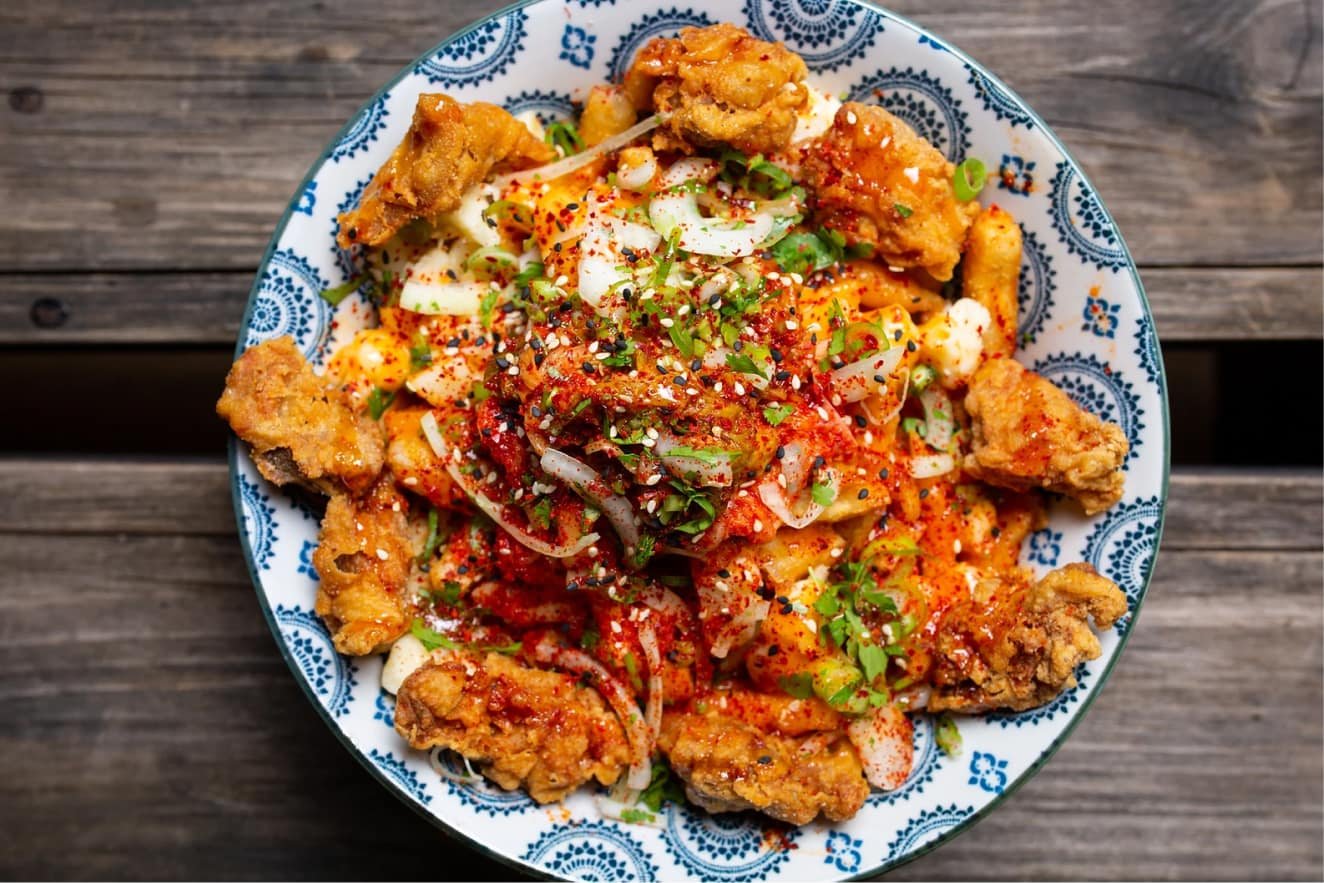
Rue Beaubien and the Neighbourhood Restaurant That Earns Its Place
Montreal's most interesting restaurant energy has been migrating east and north for years. The concentration of serious cooking on and around Rue Beaubien in Rosemont-La Petite-Patrie reflects a broader pattern in the city: chefs who might once have gravitated toward the Plateau or Old Montreal are choosing quieter, denser residential streets where rents allow longer menus, smaller margins, and closer relationships with the people who eat there regularly. La Belle Tonki, at 1335 Rue Beaubien Est, sits inside that pattern.
Approaching from the Beaubien metro station, the street reads like a working neighbourhood that has accumulated culinary ambition without announcing it. Fromageries, depanneurs, and family-run restaurants share blocks with the kind of room that generates genuine local loyalty. It is also the environment in which ingredient sourcing tends to matter most, because the customer base is local enough to notice when something changes and consistent enough to hold a kitchen accountable.
Where the Food Comes From, and Why That Question Matters in Montreal
Quebec's agricultural geography gives Montreal restaurants a sourcing argument that few North American cities can match at the same price tier. The province's short growing season concentrates flavour into a narrow window, and the network of small producers supplying the city's better kitchens has deepened considerably over the past decade. This is the context in which a restaurant on Rue Beaubien competes, not just against other neighbourhood rooms, but against a standard of ingredient provenance that has become a credibility marker across the city's dining scene.
In this environment, the difference between a restaurant that talks about local sourcing and one that structures its menu around it becomes legible quickly to a regular diner. The farms supplying Quebec kitchens span the Eastern Townships, the Laurentians, and the market gardens of Montérégie. A kitchen that builds genuine relationships with those producers tends to show it through seasonal specificity: what is on the plate changes when the supply changes, not when a marketing calendar suggests it should. That discipline is what separates the more credible neighbourhood rooms from those that invoke local sourcing as a branding gesture.
At the summit of the price tier, addresses like Jérôme Ferrer's Europea and the institutions around Toqué operate with the infrastructure and visibility that comes from decades of recognition. Mid-tier modern cuisine rooms like Mastard and Sabayon have built followings on technically serious cooking at more accessible price points. Neighbourhood restaurants on Rue Beaubien compete in a different register entirely, one where proximity, consistency, and sourcing credibility carry more weight than formal recognition.
The Rosemont Dining Scene as a Competitive Frame
Rosemont-La Petite-Patrie has produced a cluster of restaurants that function as genuine community anchors rather than destination addresses. This matters for how you read any individual venue on the street. The competition here is not primarily for tourist covers or pre-theatre bookings. It is for the trust of people who eat out several times a week within walking distance of their homes. That is a more demanding audience in some respects, and a more forgiving one in others. Menus can take risks that a downtown room cannot afford, because the regulars have the context to understand what a kitchen is attempting. Ingredient-driven cooking, in particular, benefits from this kind of audience.
Other addresses in the city's neighbourhood dining conversation worth holding in parallel include 3 Pierres 1 Feu and Abu el Zulof, both of which operate with the kind of neighbourhood specificity that distinguishes the east end's dining character from the more tourist-visible west.
Montreal in the Canadian Context
Understanding where a Montreal neighbourhood restaurant fits requires some sense of where Montreal itself fits in Canada's dining geography. Quebec's food culture operates with a degree of insularity that is protective rather than parochial, the French-language market, the provincial agricultural identity, and the city's deep bistro tradition all create conditions that are genuinely different from what you find in Toronto or Vancouver. A restaurant at this address in Rosemont is not competing with Alo in Toronto or AnnaLena in Vancouver. It is operating inside a local system with its own criteria and its own customer base.
That is a different scale of ambition from what a neighbourhood restaurant can sustain, but it establishes the ceiling against which Montreal kitchens are implicitly measured when they make ingredient provenance part of their identity. Elsewhere in Canada, analogous commitments to place-based sourcing have defined addresses like Narval in Rimouski, Restaurant Pearl Morissette in Lincoln, The Pine in Creemore, and the foundational work at Eigensinn Farm in Singhampton. The tradition of cooking close to source is not a Montreal invention, but Quebec's agricultural specificity gives it a particular local character.
Planning a Visit
La Belle Tonki is at 1335 Rue Beaubien Est, directly accessible from the Beaubien metro station on the orange line, which makes it one of the more direct neighbourhood addresses to reach from central Montreal without a car. For a street-level restaurant in this part of Rosemont, the practical advice is consistent with the neighbourhood norm: arrive with some flexibility, as booking policies and hours at independently run rooms in this tier shift with the season and the kitchen's capacity. Checking directly with the restaurant before planning a visit is the reliable approach given the absence of a confirmed online booking platform.
At-a-Glance Comparison
Comparable venues nearby, for context on price, style, and recognition.
| Venue | Cuisine | Price | Notes |
|---|---|---|---|
| La Belle TonkiThis venue — the venue you are viewing | Asian Fusion with Montreal Twist | $$ | Not listed |
| Mauvais Garçons | Modern Fusion Tapas | $$ | Petit Bourgogne |
| Capisco | Italian-Peruvian Fusion Bistro | $$$ | Vieux Montréal |
| Hiatus | Franco-Japanese Fusion | $$$ | Golden Square Mile |
| RESTAURANT MAÏS | Gluten-Free Mexican Tacos | $$ | Mile End |
| Byblos Le Petit Cafe | Traditional Persian | $$ | Parc-Laurier |
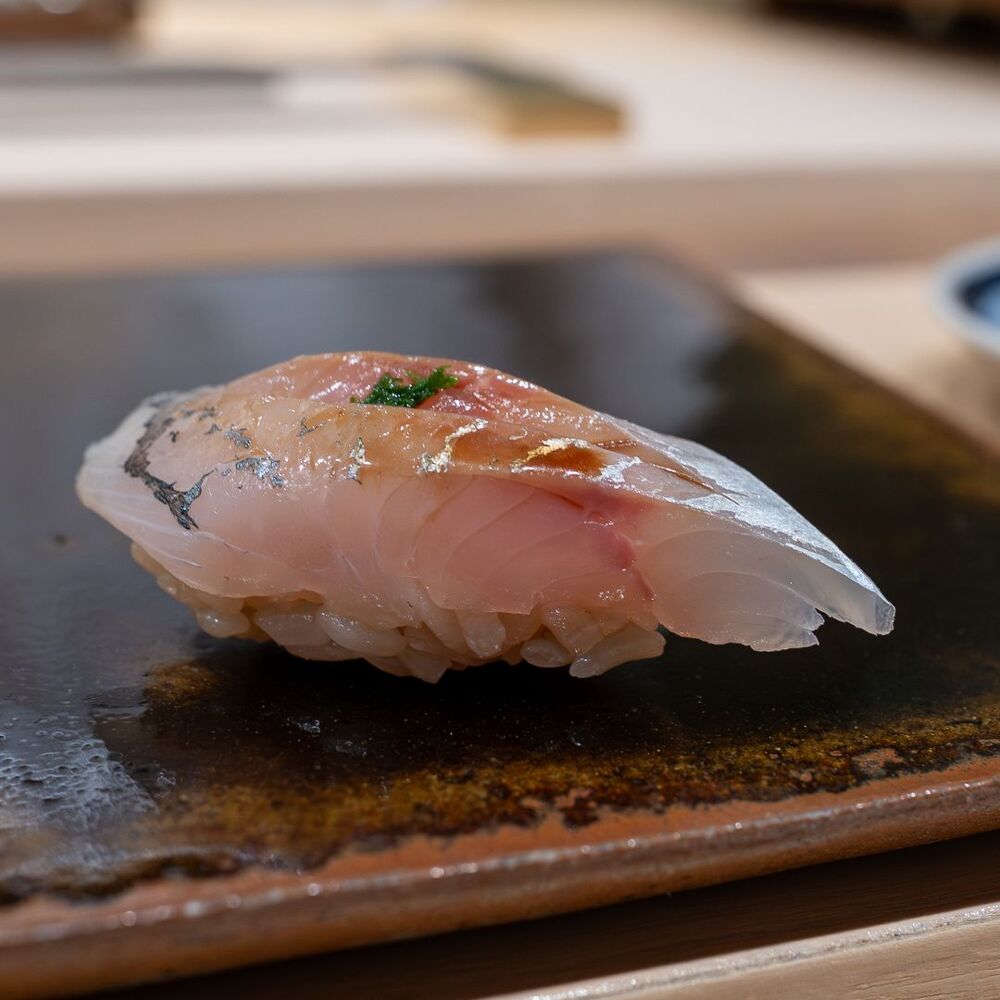
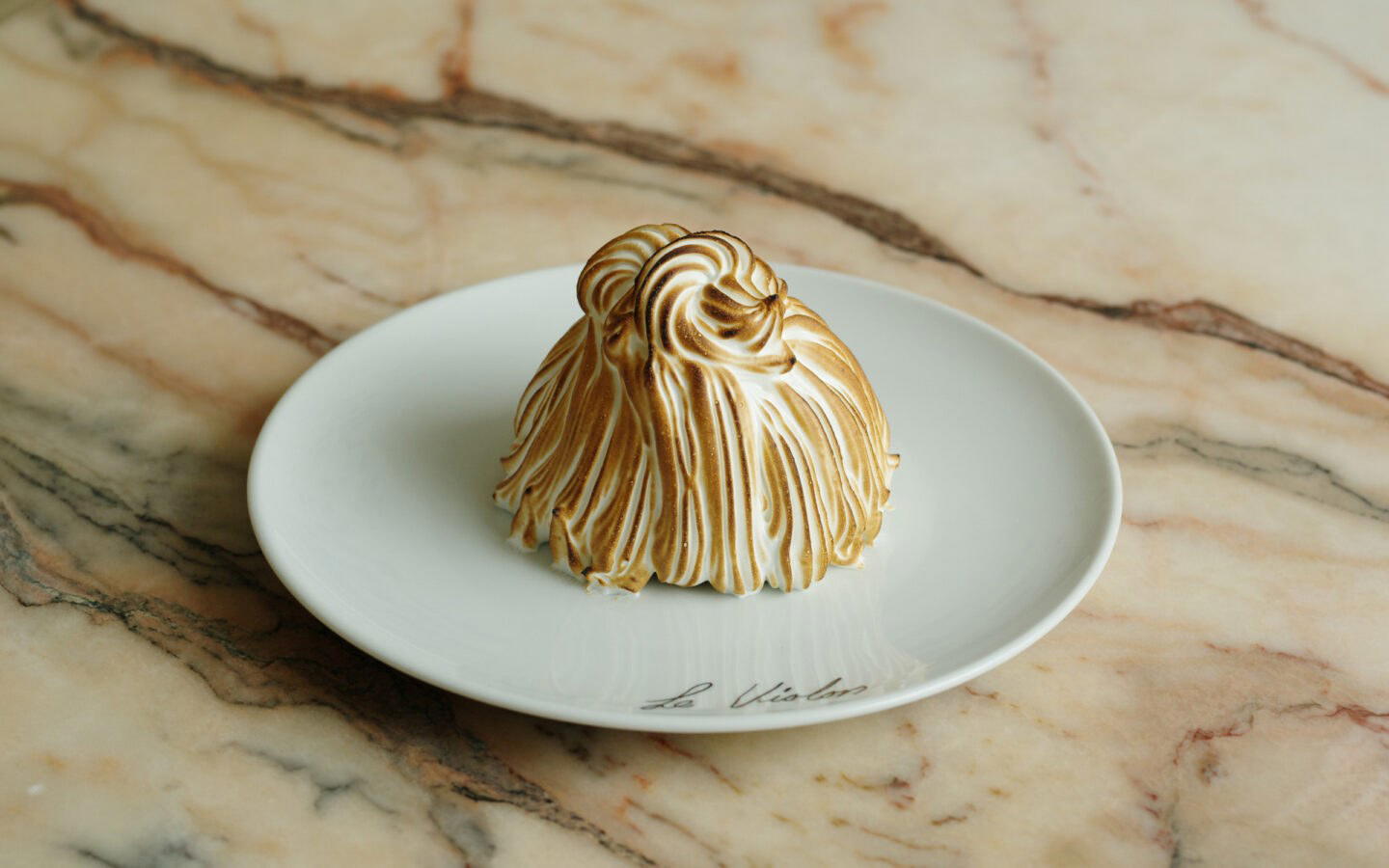
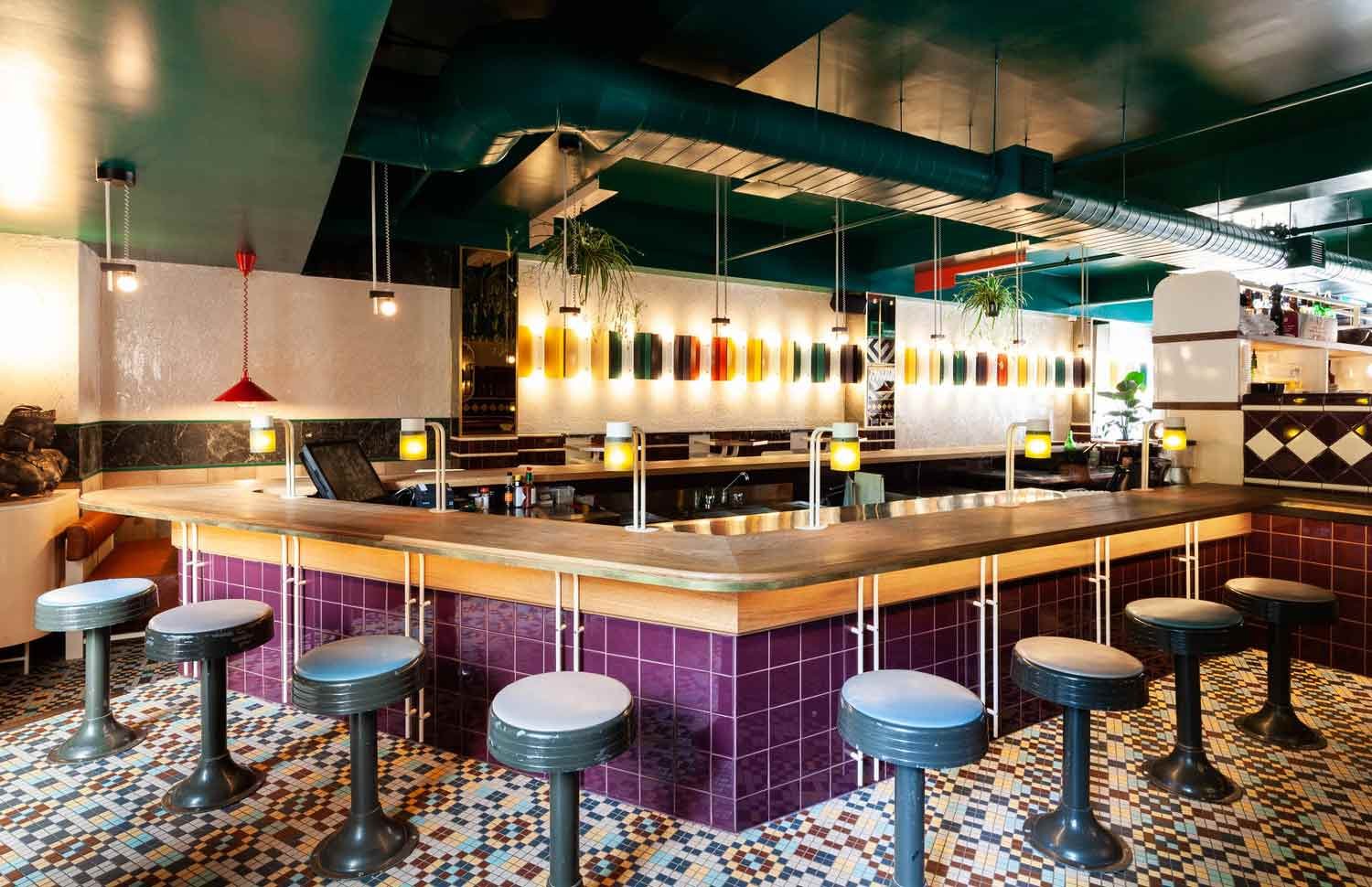
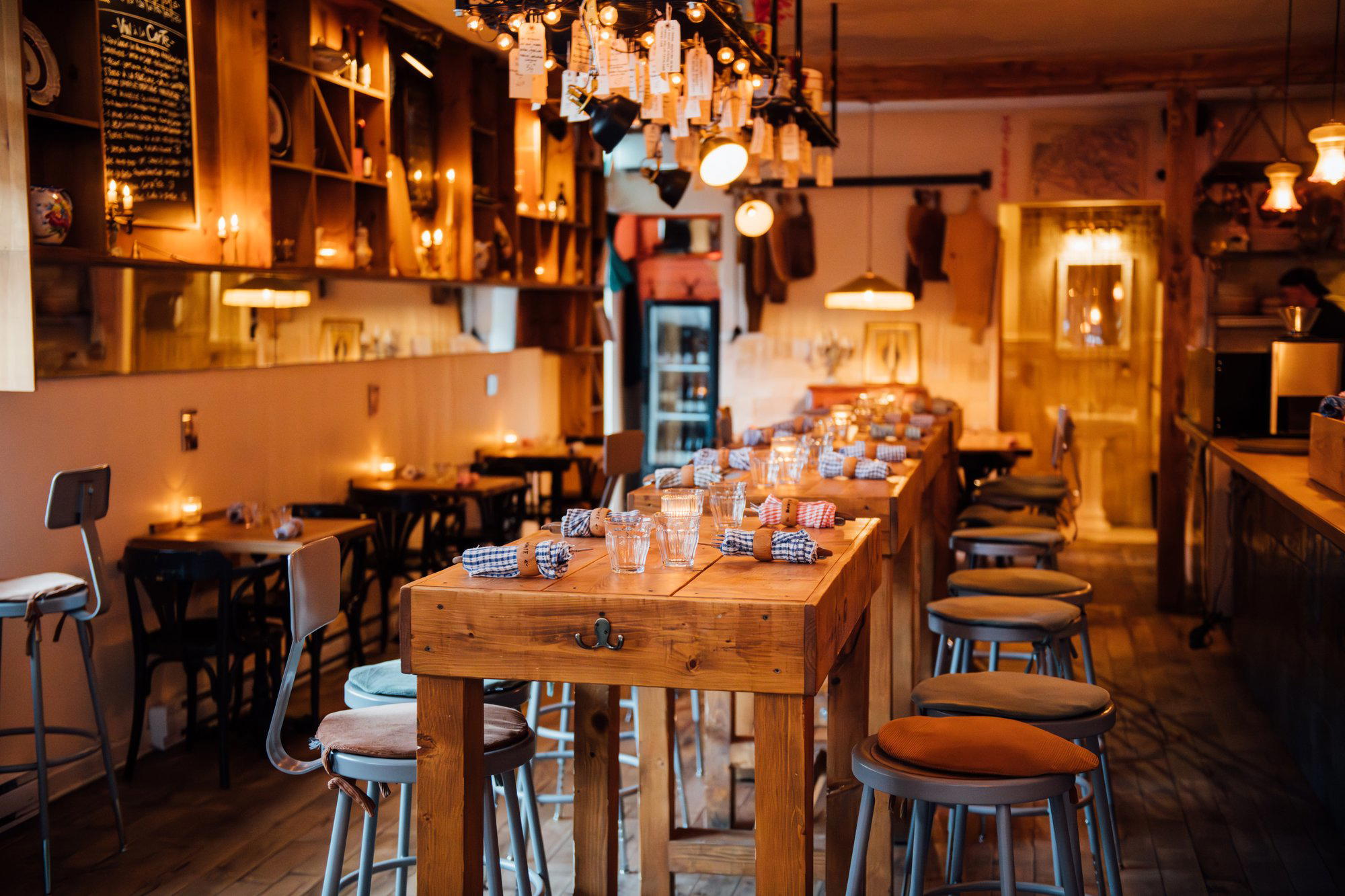
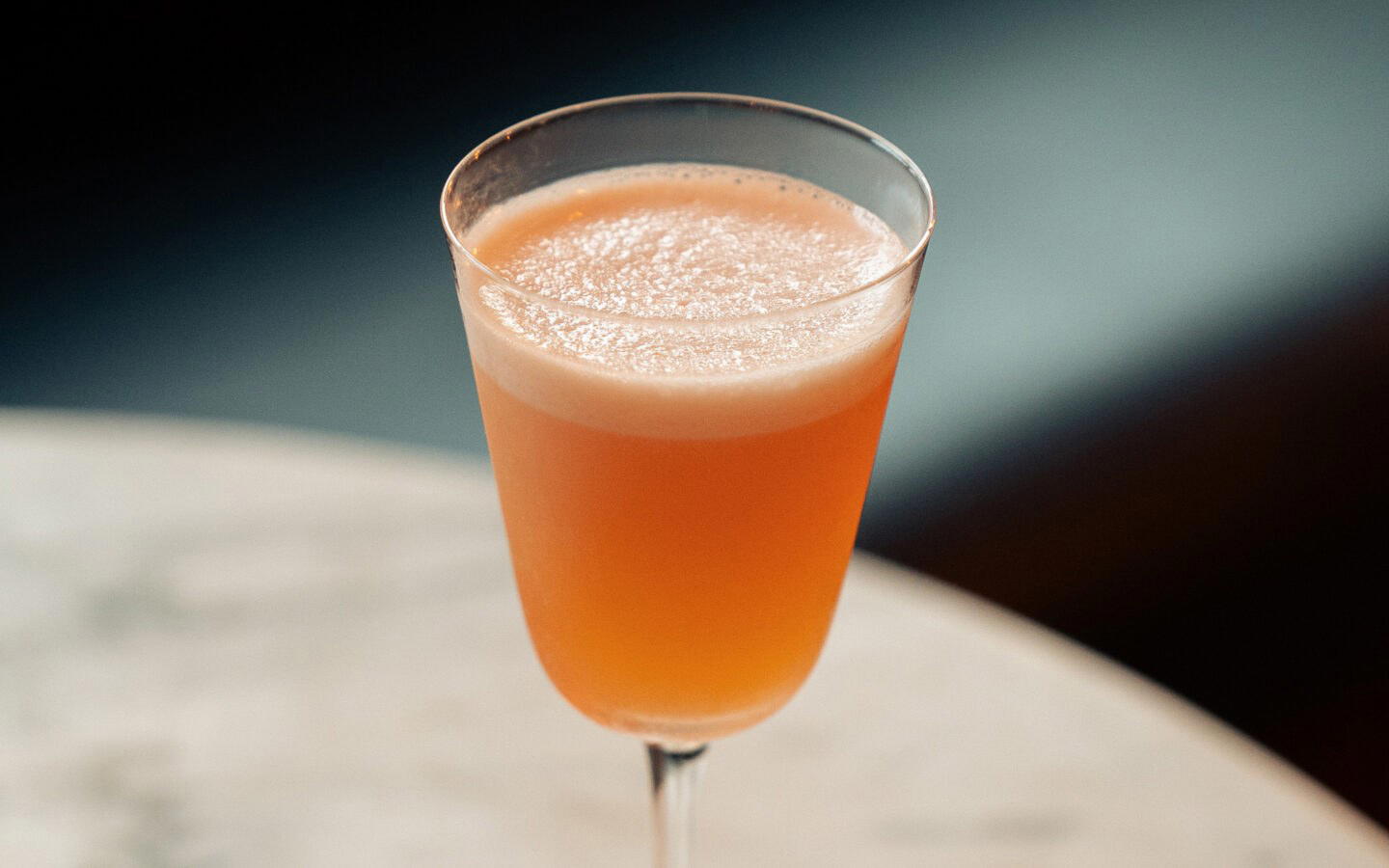
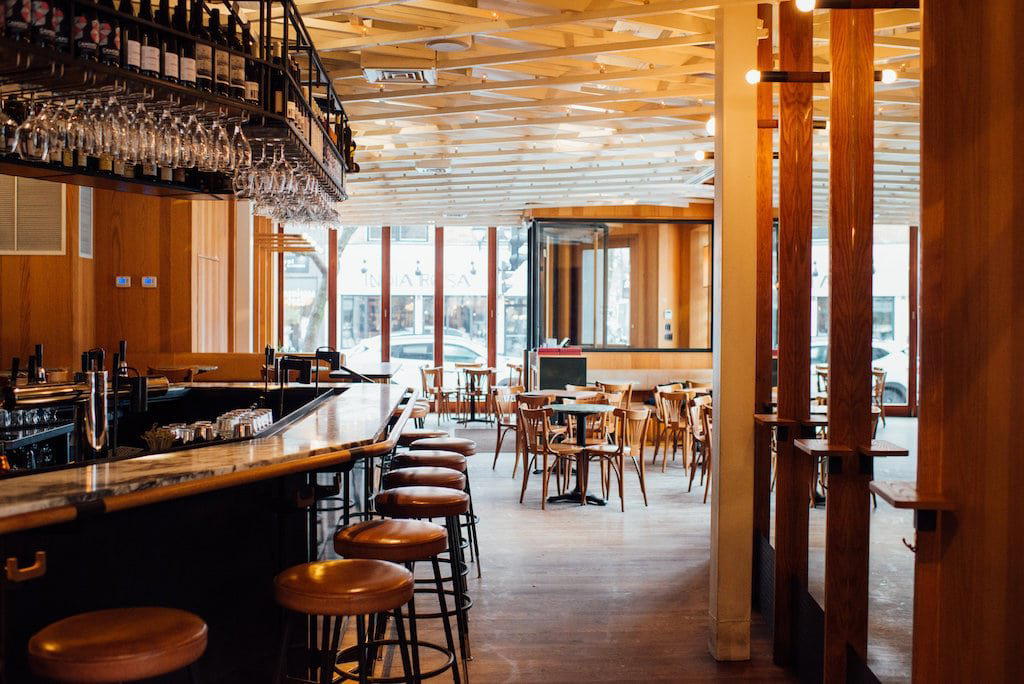
At a Glance
- Lively
- Trendy
- Energetic
- Casual Hangout
- Group Dining
Current opening hours
- Monday
- Closed
- Tuesday
- Closed
- Wednesday
- 5–10 PM
- Thursday
- 5–10 PM
- Friday
- 5–11 PM
- Saturday
- 5–11 PM
- Sunday
- 5–10 PM
Hours can change for holidays and private events. Last verified .
Dynamic and lively with hip-hop influences in decor and service, creating a house party vibe full of positive energy.