
A Cantonese and dumpling address in Nishi-Umeda with a Tabelog Chinese WEST 100 selection for 2026, Canton Ryori Minsei Hiruton puraza uesuto ten sits in Osaka’s practical, repeat-driven Chinese dining tier rather than the theatrical end of the city’s restaurant scene. The draw is not novelty; it is a room built for regular use, group meals, family tables, and a wider drinks program than many casual Chinese counters.
Pearl is the En Primeur Club membership app — saves, bookings, and concierge access live there. Same editors, same standards.
- Address
- Japan, 〒530-0001 Osaka, Kita Ward, Umeda, 2 Chome−2−2 ヒルトンプラザ ウエスト B2F
- Phone
- +81 6-6345-5435
- Website
- tabelog.com
 Saves & bookings on Pearl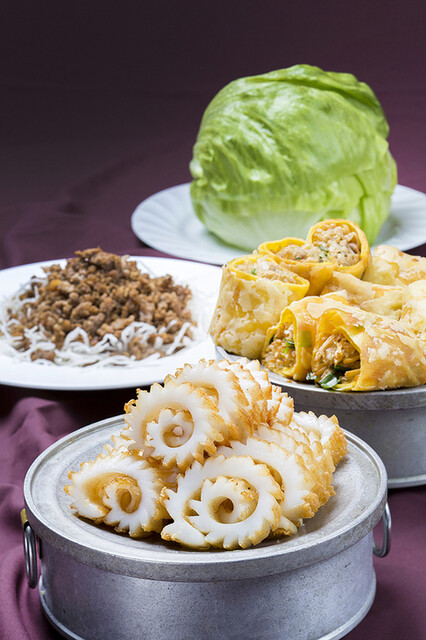
The approach is pure Umeda: polished commercial corridors, basement-level dining, office traffic, shopping bags, and the steady rhythm of people who know exactly where they are going. Osaka’s Chinese restaurants often split between quick dumpling counters, banquet rooms, and small chef-led kitchens; this address belongs to the middle category that locals use repeatedly because it solves several dining problems at once. Cantonese cooking, dumplings, private rooms, non-smoking seating, and a 92-seat room make it a practical answer for lunch, family meals, and evening gatherings without pushing into hotel-dining formality.
That is the key to reading Canton Ryori Minsei Hiruton puraza uesuto ten correctly. It is not trying to perform rarity. Its value lies in durability: a Cantonese restaurant in Nishi-Umeda with enough scale for groups, enough structure for planned meals, and enough recognition to separate it from anonymous station-area Chinese dining. Selection for Tabelog Chinese WEST “Tabelog 100” in 2026, with earlier selections in 2024 and 2021, gives it a credible public signal in a category where repeat custom often matters more than spectacle.
Nishi-Umeda Chinese dining built around repeat use
Umeda’s restaurant map rewards convenience, but convenience alone rarely earns loyalty. The stronger addresses in this part of Osaka work because they match the way the district is used: business lunches before a train, family meals after shopping, group dinners where private space matters, and meals that do not demand a long tasting-menu commitment. In that context, Cantonese cooking is a flexible language. It can handle seafood, dumplings, banquet-style sharing, and lighter lunches without forcing a single format on the table.
The listed categories, Chinese and dumpling, place the restaurant in a familiar Osaka lane, yet the broader signals point to a more complete operation than a quick gyoza stop. The drinks list includes sake, shochu, wine, and cocktails, and the service notes include BYO drinks, take-out, celebrations, and a sommelier. Those details matter because they show why regulars return: not for a single named dish, but for a restaurant that can stretch from weekday lunch to a planned dinner without changing neighbourhoods.
Within the immediate comparison set, the price and format position are instructive. Shabu Tei Nishiumeda ten occupies a lower-cost shabu-shabu lane, The Grand Cafe and CHOCOLATIER PALET D'OR Oosaka serve different daytime and dessert uses, Pluie dete sits closer on dinner spend but in another genre, and Lawry’s The Prime Rib, Osaka moves into a higher steakhouse bracket. This Cantonese room occupies a useful middle ground: more structured than a snack stop, less ceremonial than a luxury dining room, and better suited to mixed groups than a narrow counter format.
The regulars' logic: rooms, rhythm, and familiar categories
Restaurants that keep regulars in Osaka tend to be legible. The guest knows the occasion before opening the menu: lunch with colleagues, dinner with parents, a birthday where private seating helps, a table where children are welcome, or a meal with friends near several rail lines. The restaurant’s private-room range, including small table rooms and semi-private seating depending on booking status, explains much of its repeat appeal. In a city where many serious meals take place at counters or compact dining rooms, space itself becomes a dining asset.
The Cantonese frame also carries a certain expectation: balance across the meal rather than a single climax. Osaka diners understand the grammar of shared Chinese tables, where dumplings, seafood, rice or noodle dishes, and banquet-style courses can be adjusted to appetite and occasion. The restaurant’s own food note emphasizes fish, which fits Cantonese cooking’s broader respect for clean handling and sauce restraint, but no specific signature dish is publicly established enough to build a claim around. The wiser order is category-led: use dumplings as an anchor, add seafood if the table wants the kitchen’s stated strength, and let the group size shape the rest.
The 2026 Tabelog Chinese WEST 100 selection is useful here not as a trophy line, but as a filter. Tabelog’s Hyakumeiten lists tend to reward restaurants with deep local usage and category credibility, not only fine-dining polish. A 3.67 Tabelog score in this segment suggests a venue with sustained approval in a competitive field, particularly meaningful in Osaka, where casual Chinese, dumpling houses, department-store dining, and hotel-adjacent restaurants all fight for the same mealtime traffic.
How to place it in an Osaka itinerary
This is a restaurant to use when the plan calls for reliable Chinese cooking in Umeda rather than a destination built around theatre. It pairs naturally with a day centred on Osaka Station, Nishi-Umeda, Kitashinchi, or the Hilton Plaza West area, and it makes more sense for groups than for travellers chasing a tiny counter experience. The room’s scale, private-room options, and children-welcome policy make it especially relevant for multi-generation dining, while the drinks range gives adult tables more flexibility than a basic station restaurant.
For readers mapping the wider city, the contrast is useful. Osaka’s dining identity stretches from bakery and cafe stops such as .cafe and 52CHO-ME BAKERY to snack-culture institutions such as 551 Horai (551蓬莱), then out to genre specialists including 99 Pizza Napoletana Gourmet and a canto (Italian). This Cantonese address belongs to the city’s practical dining infrastructure: not a detour for novelty, but a useful, award-recognized room in a transport-heavy district.
Planning beyond one meal is easier when Osaka is treated as a set of overlapping circuits rather than a single restaurant hunt. Use Our full Osaka restaurants guide for dining context, Our full Osaka hotels guide for where to stay, Our full Osaka bars guide for after-dinner drinking, Our full Osaka wineries guide for wine-related listings, and Our full Osaka experiences guide for cultural planning. For broader Japan and overseas comparisons, EP Club also covers -Grilled beef Sukiyaki- KAMAKURA TANUKIAN 鎌倉 たぬき庵 in Kamakura. 鮪と炭火焼き うお炭 秋葉原店 in Tokyo.know in Kumamoto, (Shoku) Vietnam in Kawasaki, [Curry Senmon Ten] Maruyama Kyoju. in Sapporo, [ki:] in Kyoto, Jōdo Saké Bar in Los Angeles, and Onigiri Time in Pasadena.
Nearby-ish Comparables
Comparable venues by price and recognition.
| Venue | Cuisine | Price | Notes |
|---|---|---|---|
| Canton Ryori Minsei Hiruton puraza uesuto tenThis venue — the venue you are viewing | Traditional Cantonese & Dim Sum in Hilton Plaza West | $$$ | Not listed |
| Tenshin Kobo Kowloon | Dim sum & Yum cha | $$ | Higashisumiyoshi |
| Miwa Tei | Casual Chinese with Tantanmen & Seafood | $$ | Fukushima |
| Nama Gyoza Seizo Tokoro Tenshin no Kimochi | Handmade Gyoza & Taiwanese Mazesoba Izakaya | $$ | Taishō |
| Fukushima Koto | Cantonese Chinese | $$ | Kita |
| Sushi Akazu | Traditional Edomae Omakase Sushi with Red Vinegar Rice | $$$ | Kita |
Recognition history
Dated appearances from independent guides and award organizations, with the underlying list record or original source where available.
Tabelog 100 #37 · No. 37
Tabelog · Tabelog 100 - Chinese cuisine - WEST - 2026
Continue exploring
More in Osaka
Restaurants in Osaka
Browse all →




Bars in Osaka
Browse all →



Hotels in Osaka
Browse all →



Wineries in Osaka
Browse all →
At a Glance
- Modern
- Elegant
- Cozy
- Sophisticated
- Business Dinner
- Group Dining
- Family
- Celebration
- After Work
- Private Event
- Private Dining
- Hotel Restaurant
Current opening hours
- Monday
- 11 AM–2:30 PM, 5–9:30 PM
- Tuesday
- 11 AM–2:30 PM, 5–9:30 PM
- Wednesday
- 11 AM–2:30 PM, 5–9:30 PM
- Thursday
- 11 AM–2:30 PM, 5–9:30 PM
- Friday
- 11 AM–2:30 PM, 5–9:30 PM
- Saturday
- 11 AM–2:30 PM, 5–9:30 PM
- Sunday
- 11 AM–2:30 PM, 5–9:30 PM
Hours can change for holidays and private events. Last verified .
A stylish, modern-retro Chinese dining room with spacious, comfortable seating and a relaxed yet polished atmosphere suited to both everyday meals and formal banquets.