
Tenshin Kobo Kowloon puts Osaka’s dim sum and yum cha culture into a compact Tanabe setting, with counter seating and tatami tables rather than hotel-restaurant ceremony. Its 2026 Tabelog 100 selection for Chinese cuisine in WEST Japan gives it a clear trust signal, while the format makes the value case: focused Chinese cooking in a small room, not a sprawling banquet experience.
Pearl is the En Primeur Club membership app — saves, bookings, and concierge access live there. Same editors, same standards.
- Address
- Japan, 〒546-0031 Osaka, Higashisumiyoshi Ward, Tanabe, 4 Chome−1−27 フルーレゾン田辺本町 106
- Phone
- +81 6-6654-7718
- Website
- instagram.com
 Saves & bookings on Pearl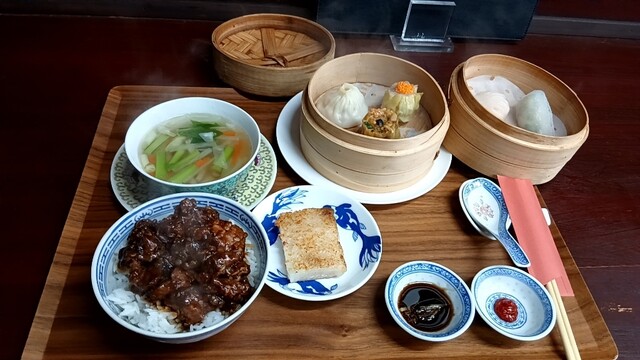
Tanabe is not the Osaka first-time visitors usually build around. Away from louder dining corridors, this small dim sum room has a different charge: less performance, more concentration. At Tenshin Kobo Kowloon, the compact setting, counter seating and tatami tables make the meal feel closer to a local Chinese kitchen than a destination dining room. In Osaka, that matters: value is judged less by theatrics than by whether format, cooking focus and recognition align.
Osaka’s Chinese dining scene has several personalities: quick-service comfort, represented by places such as 551 Horai (551蓬莱), and higher-ticket rooms where Chinese cooking moves toward course-menu polish. Dim sum and yum cha occupy a specific lane: technique-heavy, labour-intensive and often best read in smaller rooms with controlled pacing. Tenshin Kobo Kowloon belongs to that lane, with Tabelog naming it to the 2026 Chinese cuisine WEST “Tabelog 100” list. In a city where casual lunch can sit under JPY 1,000 and serious dinner can climb quickly, that recognition gives the restaurant a defined position, not vague neighbourhood charm.
Dim sum in Osaka works hardest when the room is small
Dim sum rewards precision: wrappers, steaming, frying, filling ratios and the rhythm between kitchen and table. A large dining room can turn that into volume; a small one can turn it into focus. Tenshin Kobo Kowloon’s 18-seat layout, split between a six-seat counter and three tatami tables, places it in the latter camp. The counter supports solo dining, while tatami tables suit families and small groups. That mix is unusually useful in Osaka, where specialist restaurants often skew either counter-only or group-oriented.
The value proposition is not abundance, but category discipline. In Osaka, Udon Yukino and Kama Hiro cover the low-cost noodle end, PiEDRA sits in a mid-priced European bracket and Soba Kiri Oshiro occupies a soba-focused lane. The restaurant prices against a different expectation: Chinese cooking with handwork in a small-seat format. The comparison is less cuisine-for-cuisine than how Osaka diners allocate money. Udon buys speed and comfort; a dim sum meal here buys a narrower craft category, recognised in 2026 by a major Japanese restaurant-listing award.
That distinction helps travellers planning beyond the obvious downtown run. Osaka’s food reputation is often flattened into takoyaki, okonomiyaki, kushikatsu and late-night street energy. Those traditions matter, but they do not explain the whole map. Neighbourhood Chinese specialists, bakeries, coffee shops and small-format restaurants create day-to-day depth. Together they show a city where smaller addresses can carry as much editorial interest as headline districts.
The recognition matters because the category is easy to underrate
Tabelog’s Chinese cuisine WEST “Tabelog 100” selection is the clearest external signal attached to the restaurant. It places the restaurant inside a regional conversation, not just a local one, significant for dim sum in Japan. Chinese cooking in Kansai competes with long-established Cantonese hotel dining, neighbourhood gyoza counters, ramen-adjacent Chinese menus and new-wave tasting formats. A specialist dim sum and yum cha address needs more than pleasant familiarity to register in that field.
The restaurant’s Tabelog score of 3.73 adds context. Japanese restaurant scoring on the platform is conservative compared with many international review systems; movement above the mid-threes often signals sustained diner confidence rather than casual popularity. The score is not a universal ranking, but it supports the broader picture: a small Osaka Chinese restaurant consistent enough to draw recognition beyond its ward.
For visitors, the editorial question is simple: what does this meal add to an Osaka itinerary? It is not the obvious first stop for a short trip built around Dotonbori and market snacking. It suits diners who already understand Osaka’s casual canon and want a shift toward specialist Chinese technique. That is where the value becomes persuasive. The experience does not rely on luxury cues; it relies on a narrow category, small room and recognised place within western Japan’s Chinese dining field.
How to place it within a wider Osaka plan
Tanabe asks for a more intentional route than central Namba or Umeda. That can be an advantage. Building a day around less touristed dining pockets often gives a cleaner read of Osaka than stacking famous streets back to back. Use Our full Osaka restaurants guide for the meal map, then widen the planning lens through Our full Osaka hotels guide, Our full Osaka bars guide, Our full Osaka wineries guide and Our full Osaka experiences guide. The strongest Osaka trips usually mix central convenience with at least one neighbourhood meal showing how residents actually eat.
Readers comparing Japanese regional dining beyond Osaka can place this address beside -Grilled beef Sukiyaki- KAMAKURA TANUKIAN 鎌倉 たぬき庵 in Kamakura. 鮪と炭火焼き うお炭 秋葉原店 in Tokyo.know in Kumamoto, (Shoku) Vietnam in Kawasaki, [Curry Senmon Ten] Maruyama Kyoju. in Sapporo, and [ki:] in Kyoto. For a transpacific contrast in Japanese-adjacent drinking and casual formats, see Jōdo Saké Bar in Los Angeles and Onigiri Time in Pasadena.
The critical read: the restaurant is most compelling as a value-led specialist stop, not a grand occasion restaurant. Its award recognition, small seating plan, non-smoking room, private-use availability and suitability for solo diners and families make it unusually flexible for a category that often forces trade-offs. The appeal is precise: Chinese dim sum and yum cha in a compact Osaka neighbourhood room, with enough external validation to justify the detour.
Standing Among Peers
Nearby venues at a similar price tier for orientation.
| Venue | Cuisine | Price | Notes |
|---|---|---|---|
| Tenshin Kobo KowloonThis venue — the venue you are viewing | Dim sum & Yum cha | $$ | Not listed |
| Shokudo Kuro Usagi | Modern Chinese Izakaya | $$ | Kita |
| Fukushima Koto | Cantonese Chinese | $$ | Kita |
| Kuro Hitsuji Youniku Kushiten BLACK SHEEP | Charcoal-grilled lamb Chinese with natural wine | $$ | Kita |
| Bakabon | Ramen & Sichuan Chinese | $$ | Kita |
| Suigyoza no Mise Harbin | Traditional Chinese dumpling house | $$ | Ibaraki |
Recognition history
Dated appearances from independent guides and award organizations, with the underlying list record or original source where available.
Tabelog 100 #100 · No. 100
Tabelog · Tabelog 100 - Chinese cuisine - WEST - 2026
Continue exploring
More in Osaka
Restaurants in Osaka
Browse all →




Bars in Osaka
Browse all →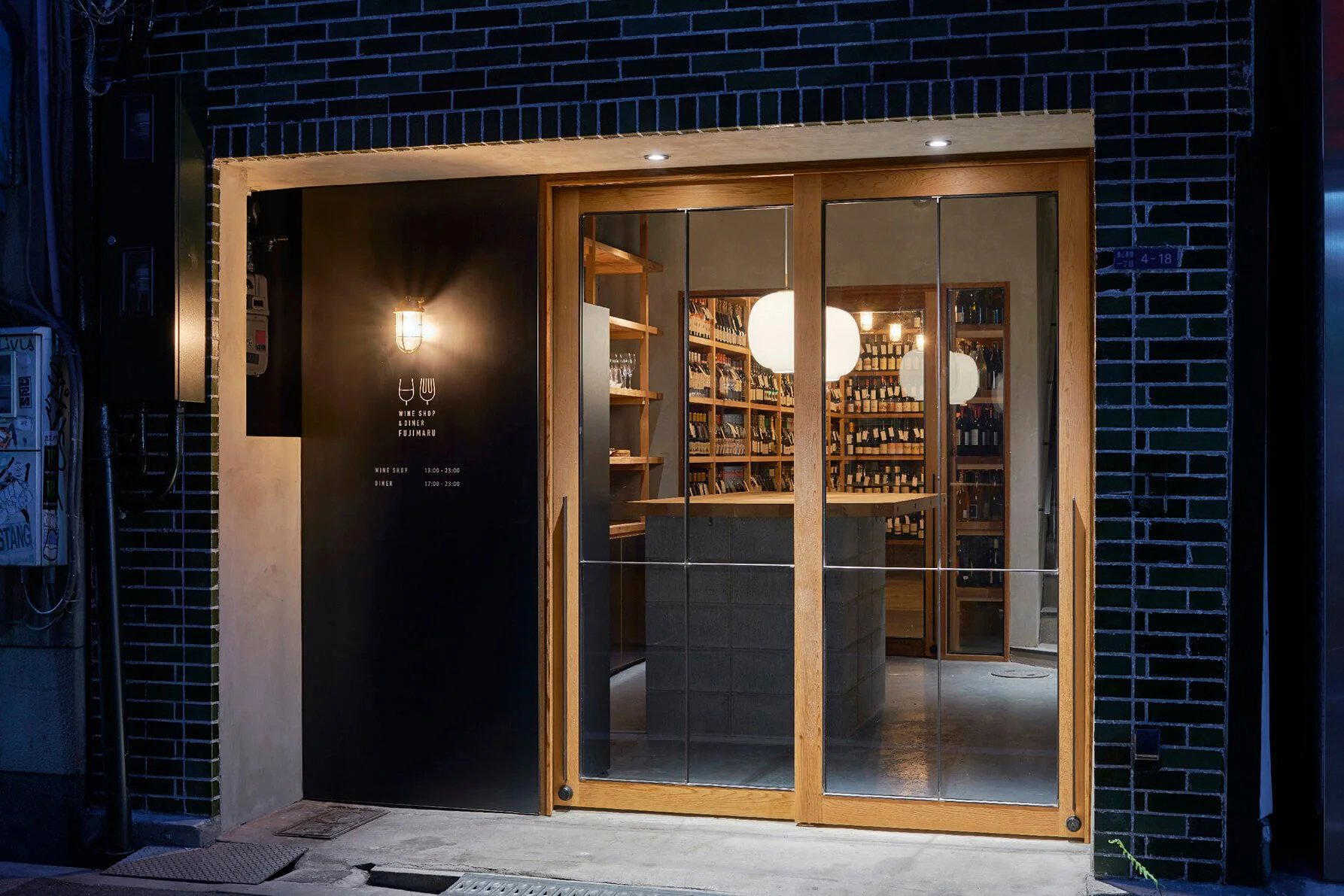
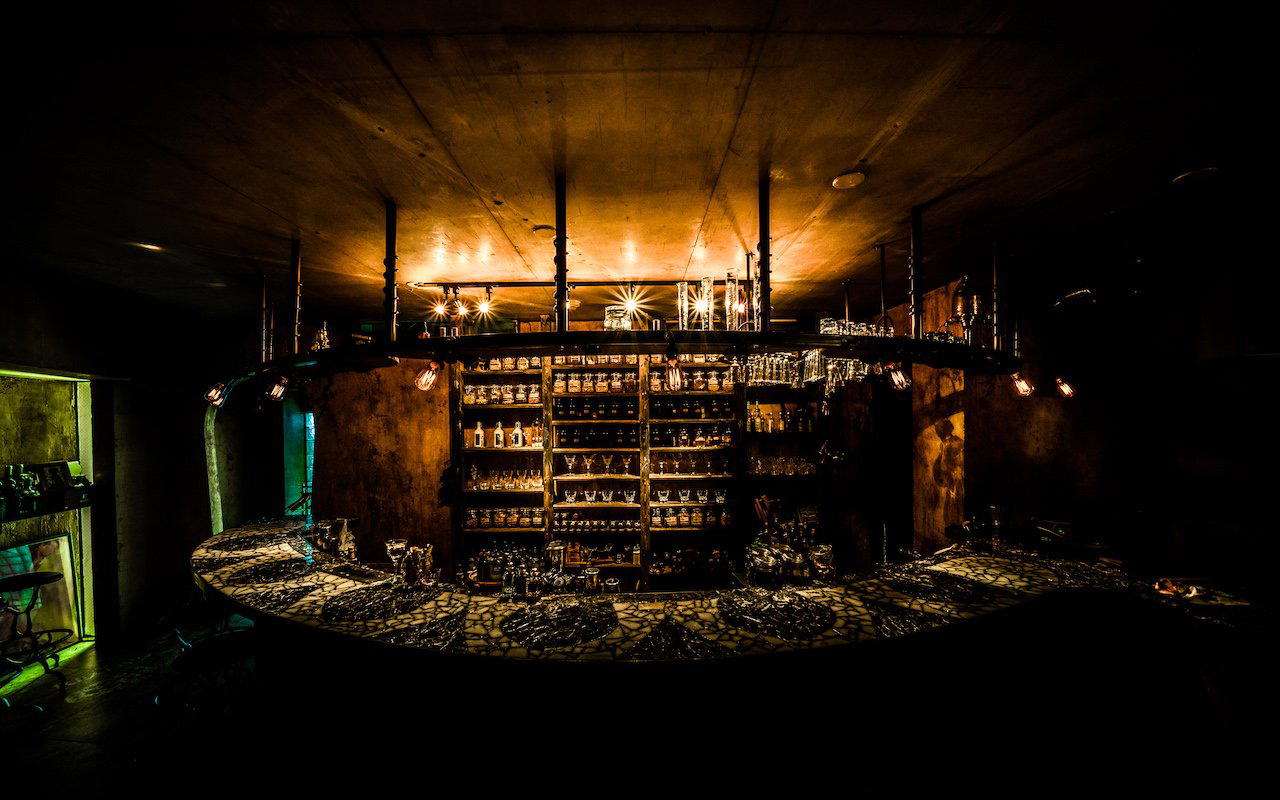


Hotels in Osaka
Browse all →



Wineries in Osaka
Browse all →
At a Glance
- Family
- Solo
- Standalone
Current opening hours
- Monday
- Closed
- Tuesday
- 11:30 AM–2 PM, 6–9 PM
- Wednesday
- 11:30 AM–2 PM, 6–9 PM
- Thursday
- 11:30 AM–2 PM
- Friday
- 11:30 AM–2 PM, 6–9 PM
- Saturday
- 11:30 AM–2 PM, 6–9 PM
- Sunday
- 11:30 AM–2 PM
Hours can change for holidays and private events. Last verified .