Our verdict
On a quiet residential street in Hamburg's Uhlenhorst district, Ristorante Piccobello occupies a niche that the city's Italian dining scene has historically underserved: the neighbourhood trattoria with genuine local roots.

Pearl is the En Primeur Club membership app — saves, bookings, and concierge access live there. Same editors, same standards.
- Address
- Schenkendorfstraße 30, 22085 Hamburg, Germany
- Phone
- +494940222536
- Hours
- Mon–Sat 5–11 PMSun Closed
- Website
- ristorante-piccobello.com
- Directions
- Get directions
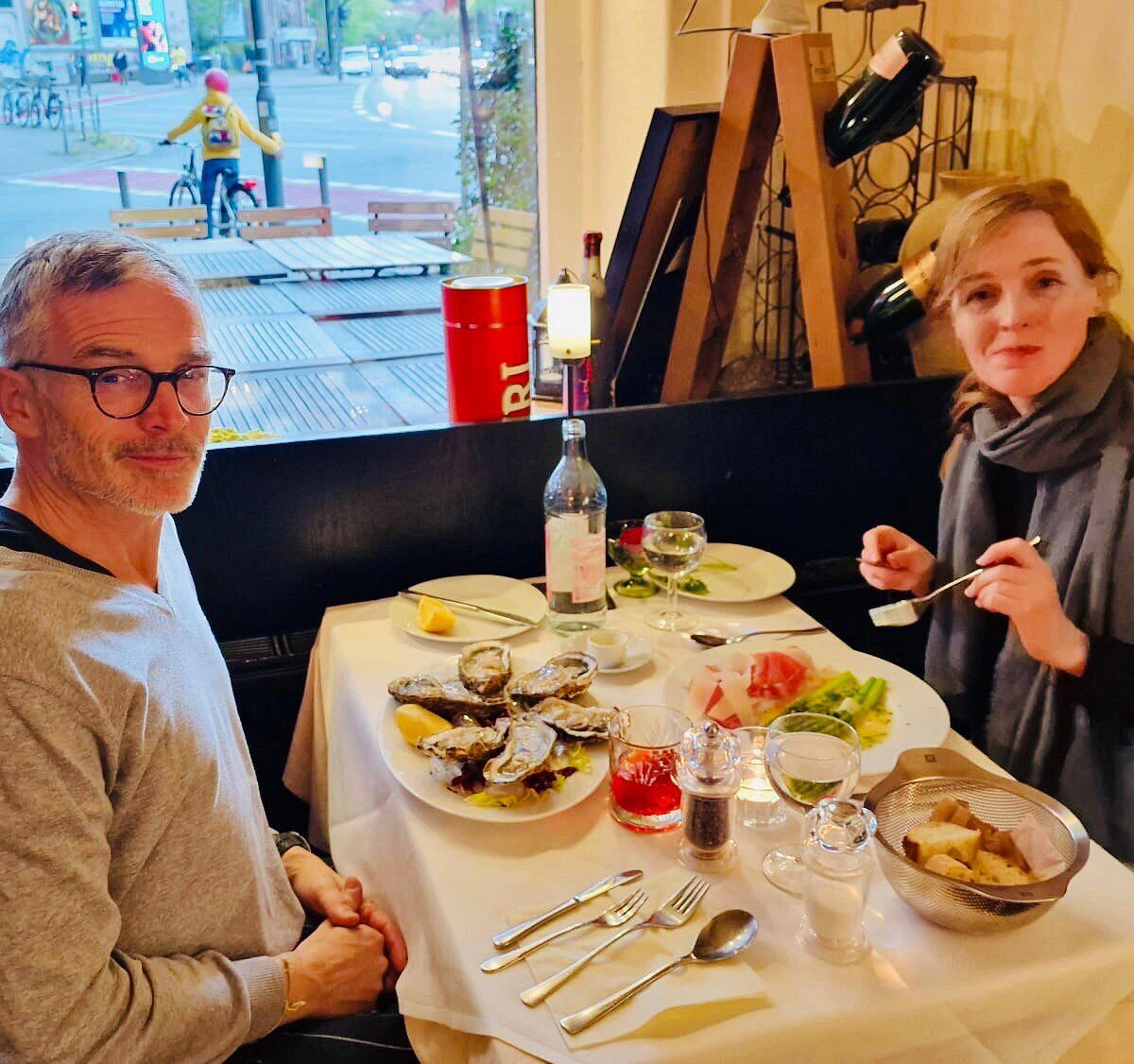
A Quieter Register of Italian Dining in Hamburg
Hamburg's restaurant scene tends to concentrate its critical attention on a handful of addresses. The Table Kevin Fehling and Restaurant Haerlin occupy the city's formal fine-dining bracket, pulling international visitors alongside local regulars. bianc works a modern Mediterranean register at the €€€€ tier. What sits below that concentrated spotlight is a broader category of neighbourhood restaurants that Hamburg residents actually use on a weekly basis, and it is into this less-documented tier that Ristorante Piccobello, on Schenkendorfstraße in Uhlenhorst, falls.
Uhlenhorst is one of Hamburg's more composed residential quarters, east of the Alster lakes, populated by apartment buildings from the late nineteenth and early twentieth centuries and the kind of independent businesses that serve a local clientele rather than a tourist circuit. A restaurant on Schenkendorfstraße is not positioned to intercept foot traffic from the Speicherstadt or the Elbphilharmonie. It is positioned for the people who live nearby, and that distinction shapes everything about how a place like this tends to operate.
The Ritual of the Neighbourhood Italian
Italian restaurants in German cities occupy a specific cultural position that is worth understanding before you sit down. They are not, for the most part, attempting to replicate a regional Italian dining experience with doctrinal accuracy. They are a particular hybrid: dishes that arrived in Germany with postwar migration and then evolved alongside local taste, now running in parallel with a newer wave of more ingredient-led, regionally specific Italian cooking. The gap between those two traditions is wide, and where a given restaurant sits within it tells you a great deal about the pace of the meal, the depth of the wine list, and the degree of ceremony expected at the table.
The neighbourhood trattoria format, of which Piccobello is a representative, tends to operate at a slower and less pressurised register than the formal bracket. Courses are not orchestrated with the precision of a tasting menu. The expectation is that you will order in stages, that the kitchen will accommodate adjustments, and that the space between antipasto and secondo is a pause for conversation rather than a gap to be managed. Germany's broader fine-dining tradition, visible at addresses like Schwarzwaldstube in Baiersbronn or Vendôme in Bergisch Gladbach, prizes a different kind of formality. The neighbourhood Italian works against that current deliberately, offering a lower-temperature version of the evening.
That ritual informality is not absence of care. In the better examples of this category, it reflects a different set of priorities: consistency over spectacle, hospitality over service choreography, the return visit over the first impression.
Hamburg's Italian Dining in Context
Italian food in Hamburg spans a wider range than the city's fine-dining reputation might suggest. At the leading end, chefs trained in northern Italy or working with Italian-adjacent techniques appear at addresses with formal menus and corresponding price points. At the opposite end, fast-casual pizza and pasta operations serve the lunch and after-work crowd across the city's commercial zones. The neighbourhood trattoria sits between those poles and is, in many respects, the format that most consistently serves the city's actual eating habits rather than its aspirational ones.
Hamburg's Italian options at the mid-tier are less extensively documented by major award bodies than the formal bracket. Lakeside and 100/200 Kitchen hold different positions in the creative dining conversation, while the Italian-rooted operators in residential neighbourhoods like Uhlenhorst, Eppendorf, and Winterhude function largely outside that recognition infrastructure. Nationally, the German fine-dining circuit includes destinations like Aqua in Wolfsburg, JAN in Munich, and ES:SENZ in Grassau, all operating in a different register entirely. Internationally, the contrast with addresses like Le Bernardin in New York City or Atomix in New York City is categorical. Piccobello does not compete in that space, nor is it trying to.
What the Location Signals
Schenkendorfstraße 30 places Piccobello in a part of Hamburg that rewards the reader who approaches the city as a residential network rather than a tourist itinerary. Uhlenhorst sits close to the Außenalster's eastern bank, within reasonable distance of Mundsburg U-Bahn station. It is a neighbourhood where the restaurants that survive do so because locals return, not because a guidebook sends them. That is a different and, in some respects, more demanding form of quality control than award cycles provide.
For visitors to Hamburg who have already covered the expected ground, or for those who prefer to eat where the city's residents eat rather than where critics have pointed, residential neighbourhood addresses like this one offer a genuinely different experience of the city. The full Hamburg restaurants guide covers the broader range of options across price tiers and districts. Exploring further afield in Germany's fine-dining circuit, addresses like Victor's Fine Dining by Christian Bau in Perl, Waldhotel Sonnora in Dreis, Schanz in Piesport, and Bagatelle in Trier represent the country's most recognised formal dining, while CODA Dessert Dining in Berlin occupies a specialist format at the opposite creative end of the spectrum.
Planning Your Visit
Because confirmed operational data for Piccobello is limited, the table below contextualises it against Hamburg peers at different price points to help calibrate expectations before booking.
| Venue | Price Tier | Format | Booking Lead Time |
|---|---|---|---|
| Ristorante Piccobello | Not confirmed | Neighbourhood Italian | Likely short; confirm directly |
| The Table Kevin Fehling | €€€€ | Creative tasting menu | Several weeks minimum |
| bianc | €€€€ | Modern Mediterranean | 1-3 weeks typical |
| Lakeside | €€€€ | German lakeside dining | 1-2 weeks typical |
Frequently asked questions
Is Ristorante Piccobello good for families?
Piccobello's position on Schenkendorfstraße 30 in a Hamburg residential quarter points toward the kind of Italian restaurant that serves the neighbourhood as much as destination diners. That format typically accommodates families without the formality constraints of Hamburg's fine-dining tier. Booking ahead for groups is advisable regardless of crowd size.
What kind of setting is Ristorante Piccobello?
The address on Schenkendorfstraße places Piccobello in a Hamburg district that reads as genuinely local rather than tourist-facing. This is the register of the neighbourhood Italian: a setting where regulars hold tables and the room functions as an extension of the surrounding streets rather than a destination stage. It sits at a different register from Hamburg showpieces like The Table Kevin Fehling or Restaurant Haerlin.
Where exactly is Ristorante Piccobello in Hamburg and what neighbourhood does it serve?
Piccobello is at Schenkendorfstraße 30, 22085 Hamburg, placing it in the Eilbek and Hohenfelde corridor east of the Außenalster lake. This part of Hamburg is a residential network of pre-war apartment blocks and local commerce, largely outside the tourist and fine-dining circuits that concentrate around HafenCity and the city centre. For Italian dining in Hamburg, it represents the neighbourhood end of the spectrum rather than the destination end.
Where is Ristorante Piccobello located?
Ristorante Piccobello is located at Schenkendorfstraße 30, 22085 Hamburg, Germany, Hamburg.
How hard is it to get a table at Ristorante Piccobello?
No booking data is confirmed for Piccobello, and the venue's phone and website are not on public record through EP Club's database. For a neighbourhood Italian on a residential Hamburg street, demand tends to peak on Friday and Saturday evenings. Calling ahead or visiting during off-peak hours is the safest approach until more reservation data is available.
What do critics highlight about Ristorante Piccobello?
The restaurant operates in a part of Hamburg that rarely draws critical column inches, which often means it holds its audience through consistency rather than award cycles. Documented critical assessments have not been confirmed at this time.
Cuisine-First Comparison
Comparable venues nearby, for context on price, style, and recognition.
| Venue | Cuisine | Price | Notes |
|---|---|---|---|
| Ristorante PiccobelloThis venue — the venue you are viewing | Traditional Italian Trattoria | $20–30 | Not listed |
| Trattoria Cento Lire | Traditional Italian Trattoria | $20–30 | St. Pauli |
| Tazzi Pizza | Authentic Neapolitan Pizza | $30–50 | St. Pauli |
| Andronaco-Bistro | Traditional Italian Pizza & Bistro | $10–20 | HafenCity |
| I Vigneri | Authentic Regional Italian Osteria | Not listed | Hamburg-Altstadt |
| Farina meets Mehl | Neapolitan Pizza and Italian | $30–50 | Neumuehlen |
Continue exploring
More in Hamburg
Restaurants in Hamburg
Browse all →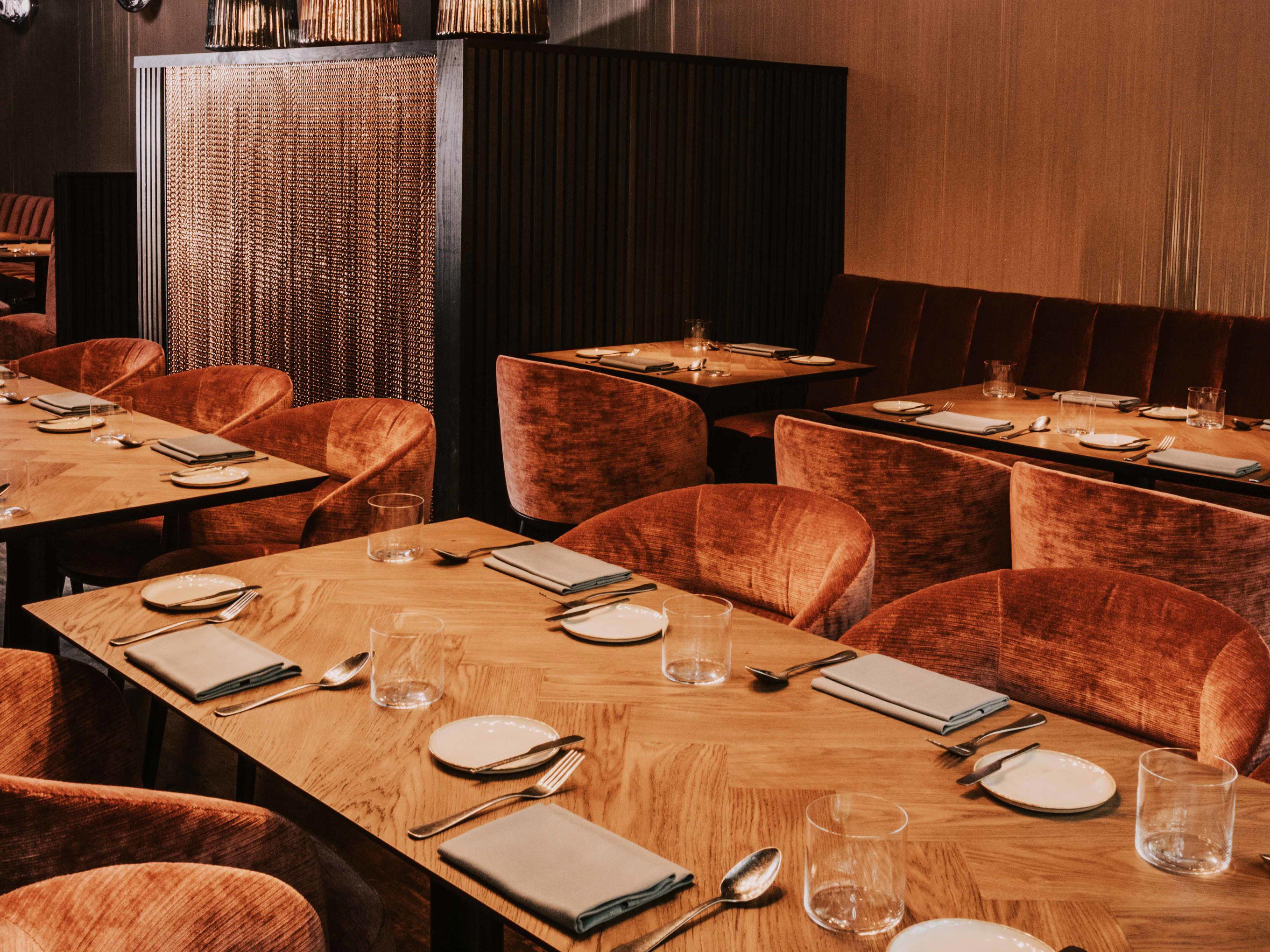
Bars in Hamburg
Browse all →
Hotels in Hamburg
Browse all →
Wineries in Hamburg
Browse all →
Details
- Cozy
- Intimate
- Classic
- Date Night
- Casual Hangout
- Standalone
- A La Carte
- Gluten Free Options
- Vegetarian Friendly
Current opening hours
- Monday
- 5–11 PM
- Tuesday
- 5–11 PM
- Wednesday
- 5–11 PM
- Thursday
- 5–11 PM
- Friday
- 5–11 PM
- Saturday
- 5–11 PM
- Sunday
- Closed
Hours can change for holidays and private events. Last verified .
Cozy family-like atmosphere with beautiful ambiance, relaxed outdoor seating, and lively yet relaxed vibe.