Italian dining in São José do Rio Preto occupies a specific cultural niche in interior São Paulo state, where European immigrant lineages run deep and pasta is a serious matter. Cantinella Restaurante Italiano on Rua Redentora represents that tradition in a neighbourhood setting, with a kitchen focused on Italian-rooted cooking in a region where Italian-Brazilian heritage shapes the table.
Pearl is the En Primeur Club membership app — saves, bookings, and concierge access live there. Same editors, same standards.
- Address
- R. Redentora, 2612 - Vila Redentora, São José do Rio Preto - SP, 15015-780, Brazil
- Phone
- +551732318436
- Website
- cantinella.com.br
- Directions
- Get directions
 Saves & bookings on Pearl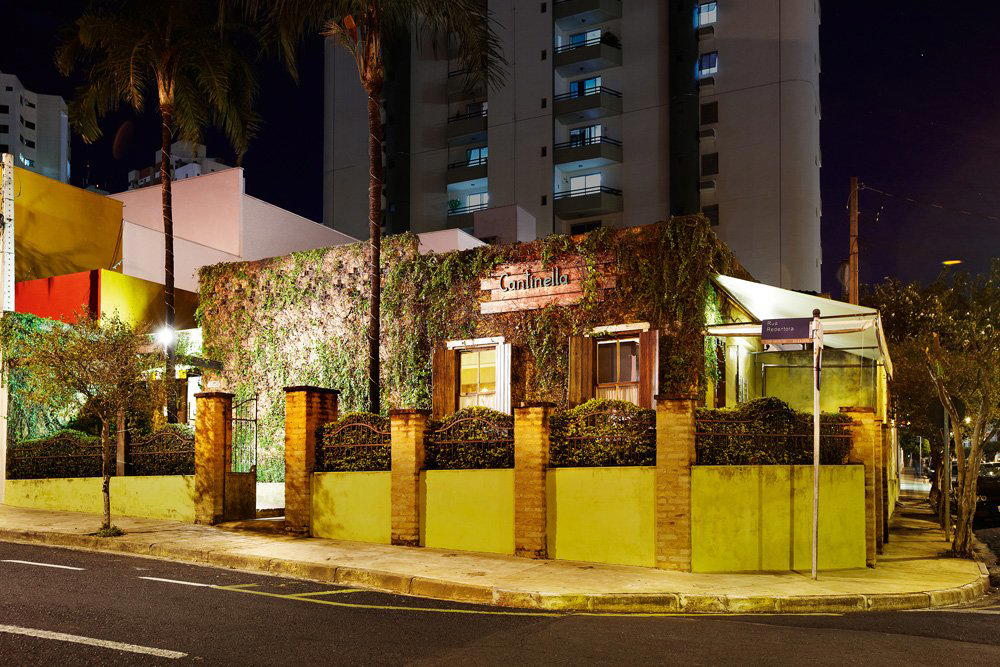
Italian Roots in Interior São Paulo
São José do Rio Preto sits in the northwest of São Paulo state, roughly equidistant from the state capital and the Mato Grosso do Sul border, and its restaurant culture reflects a city that built itself on agricultural commerce and European immigration. The Italian thread runs particularly strong here. Across the interior of São Paulo state, from Campinas through Ribeirão Preto and into the northwest, Italian-Brazilian communities have maintained a distinct culinary identity that is neither transplanted European nor fully absorbed into mainstream Brazilian cooking. It occupies a third position: a living, local tradition in which pasta-making, slow-braised meats, and the rhythm of the Sunday table carry real cultural weight. Cantinella Restaurante Italiano on Rua Redentora, in the Vila Redentora neighbourhood, operates inside that tradition.
What the Neighbourhood Signals
Vila Redentora is a residential district, and a restaurant establishing itself at address number 2612 on a street named for redemption suggests something about its orientation: this is neighbourhood dining, not downtown showcase. In Brazilian cities of São José do Rio Preto's scale, roughly 400,000 people, particularly credible Italian restaurants tend not to cluster in the commercial centre. They develop in areas where the local customer base eats regularly, where regulars drive the menu's stability, and where the pressure to perform for tourist traffic doesn't dilute the kitchen's priorities. This residential positioning is common across the interior São Paulo Italian dining tradition, and it's worth reading as a feature rather than a limitation. Compare this approach with how Olivetto Restaurante E Enoteca in Campinas has developed a loyal following in a similar interior-São Paulo Italian context, or how Mina in Campos do Jordão has built a distinct identity in a smaller São Paulo state city.
The Sourcing Logic Behind Italian Cooking in Brazil
The editorial angle that matters most for understanding any traditional Italian restaurant in interior Brazil is sourcing. Italian cooking in its classical form is built on the principle of short supply chains: local flour for pasta, local pork for salumi, local tomatoes for sauce. When that tradition transplants to Brazil, it either degrades into generic approximation or it finds local equivalents that honour the spirit of the original. The interior of São Paulo state offers genuine advantages here. The region produces some of Brazil's most consistent pork, and the grain-growing areas to the west supply flour to local mills. The tomato-growing belts of the state interior feed into commercial and artisanal supply chains that a kitchen with established relationships can access at quality levels unavailable to restaurants sourcing through national distributors.
This matters because Italian cooking at the traditional end, the cantina model rather than the contemporary fine-dining Italian model seen at restaurants like Oteque in Rio de Janeiro or D.O.M. in São Paulo, is not primarily a technique story. It is a sourcing story. The pasta tastes the way it does because of the eggs and flour. The ragu develops the way it does because of the cut of meat and the time allowed to it. A cantina that has been operating in the same neighbourhood long enough to develop supplier relationships with local producers occupies a different position than one relying on centralised wholesale supply. The name Cantinella signals an allegiance to the cantina format, the informal, produce-driven Italian dining house, rather than the ristorante register.
Italian-Brazilian Dining Beyond the Major Centres
Brazilian food criticism has historically concentrated on São Paulo and Rio, and the restaurants that attract international attention, from Manu in Curitiba to Manga in Salvador, represent the cosmopolitan end of a much wider dining culture. The interior cities, São José do Rio Preto included, maintain culinary traditions that the major-city critical apparatus rarely examines. Italian-Brazilian cooking in these cities exists largely outside the award circuits. There are no Michelin inspectors making regular visits to Vila Redentora. The Primrose in Gramado and Castelo Saint Andrews in Gramado benefit from a tourist-heavy southern context that brings critical attention; the Italian restaurants of interior São Paulo generally do not.
This absence of formal recognition is not evidence of quality failure. It is evidence of a different relationship between a restaurant and its community. The relevant standard in Vila Redentora is not whether a dish would satisfy a São Paulo food critic; it is whether a family that has been eating there for fifteen years keeps coming back. That standard, lower in profile but higher in some respects in terms of sustained accountability, shapes what a cantina in this context becomes over time. For comparison, the regional authenticity argument plays out differently in the northeast, where Orixás North Restaurant in Itacaré operates against a distinct regional culinary identity, and in the Amazon context represented by Lobby Café in Belém.
How to Approach a Visit
The address on Rua Redentora puts Cantinella in a residential zone that rewards arriving by car or rideshare rather than on foot from the city centre. São José do Rio Preto is navigable by app-based transport, and the Vila Redentora neighbourhood is accessible without difficulty. Reservations are recommended. This is standard practice for neighbourhood restaurants of this type across interior Brazil, where digital infrastructure for reservations often lags the actual quality of the kitchen. Visitors to the region who want broader context on the São Paulo state interior dining scene, from cantina-format Italian to regional Brazilian, will find relevant reference points in venues like Birosca S2 in Belo Horizonte and Açaí da Barra in Presidente Prudente, which reflect the range of informal dining formats in this part of Brazil.
For those travelling across a wider Brazilian itinerary, understanding the cantina register that Cantinella represents helps calibrate expectations. This is the register of a community restaurant where Italian-Brazilian tradition is maintained through repetition and local sourcing rather than through innovation or critical performance. In a country where that tradition is genuinely under pressure from chain dining, a functioning neighbourhood cantina in Vila Redentora represents something worth understanding on its own terms. Additional regional context is available through State of Espírito Santo in Rio Bananal and Açaí Cuiabano in Cuiabá, which together illustrate the diversity of interior Brazilian dining traditions beyond the major urban centres. The Aero Burguer e Grill in Santa Cruz do Sul rounds out the picture of informal neighbourhood dining in smaller Brazilian cities where community loyalty drives the room.
Comparable Spots, Quickly
Comparable venues nearby, for context on price, style, and recognition.
| Venue | Cuisine | Price | Notes |
|---|---|---|---|
| Cantinella Restaurante ItalianoThis venue — the venue you are viewing | Traditional Italian Trattoria | $$ | Not listed |
| Ital'in House | Italian Pasta House | $$ | Aeroporto |
| Casa de Massas Zarattini | Italian Pasta House | $$$ | Centro |
| Calzone | Italian | $$ | Centro |
| Cantina Fellini | Traditional Italian Trattoria | $$ | Cambuí |
| Cantinho Oriental | Japanese Sushi & Rodizio | $$ | Centro (Downtown Limeira) |
Continue exploring
More in Imperial
Restaurants in Imperial
Browse all →
At a Glance
- Cozy
- Classic
- Intimate
- Date Night
- Family
- Standalone
- Extensive Wine List
Current opening hours
- Monday
- Closed
- Tuesday
- 11:30 AM–2:30 PM, 7–11 PM
- Wednesday
- 11:30 AM–2:30 PM, 7–11 PM
- Thursday
- 11:30 AM–2:30 PM, 7–11 PM
- Friday
- 11:30 AM–2:30 PM, 7–11 PM
- Saturday
- 11:30 AM–2:30 PM, 7–11 PM
- Sunday
- 11:30 AM–2:30 PM
Hours can change for holidays and private events. Last verified .
Charming Italian ambiance with pleasant lighting and cozy setting.