Our verdict
In Marília's Centro district, Casa de Massas Zarattini occupies a position that says something about how interior São Paulo eats: with a directness and loyalty to Italian-Brazilian pasta traditions that the state's larger cities have largely traded for modernity. Located at Rua Álvares Cabral 435, it is the kind of address that locals return to on a schedule rather than an occasion, which in a mid-sized Brazilian city is its own form of credibility.

Pearl is the En Primeur Club membership app, where members save venues, book tables and use the concierge.
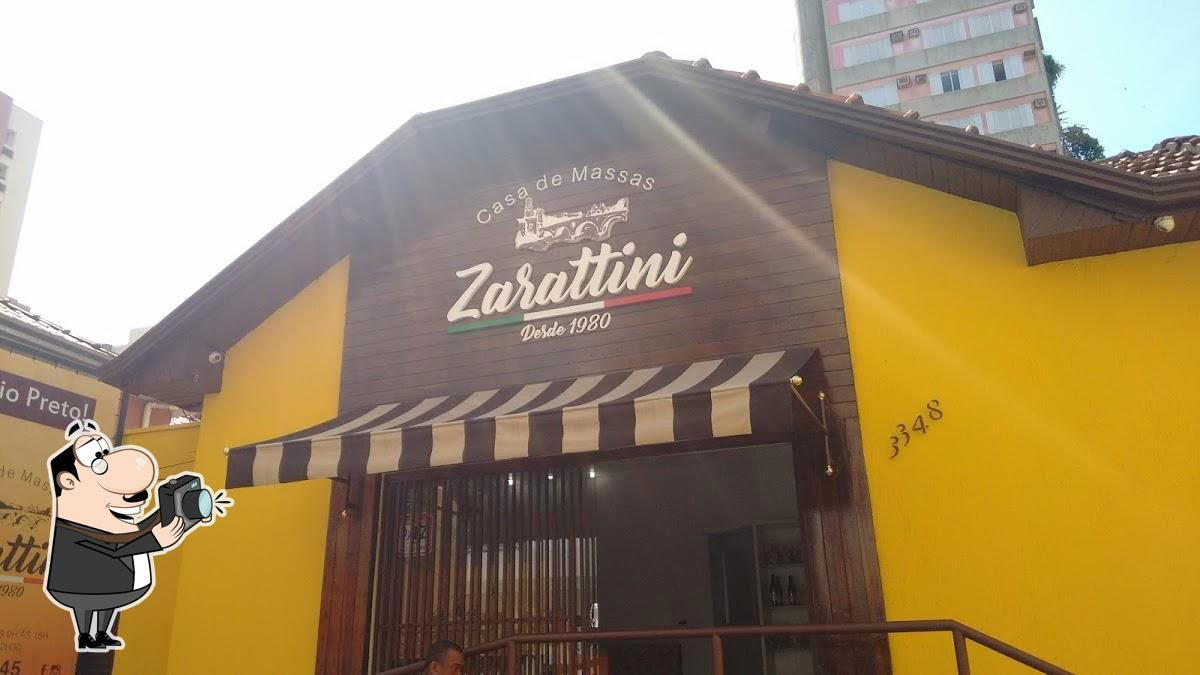
Where Interior São Paulo Keeps Its Pasta Traditions
Marília sits roughly 440 kilometres west of São Paulo city, deep enough into the interior of the state that its dining culture operates on its own terms. The city is not chasing the tasting-menu format that has defined prestige dining at places like Oteque in Rio de Janeiro or D.O.M. in São Paulo. What Marília has, in common with a handful of mid-sized Brazilian interior cities, is a deep institutional memory of Italian immigration, and the pasta houses that emerged from that settlement are still doing serious work. Casa de Massas Zarattini, on Rua Álvares Cabral in Centro, is one of those addresses.
The name itself signals the lineage. Casa de Massas, house of pastas, is a format that predates contemporary restaurant categories in São Paulo state. These are not trattorias performing Italianness for a tourist audience. They are community anchors, often multigenerational, where the measure of quality is consistency rather than novelty. Zarattini, as a surname, points toward the Veneto and Lombard immigration waves that settled the coffee-growing regions of São Paulo in the late nineteenth and early twentieth centuries. That heritage is the editorial context in which this address makes sense.
The Ingredient Logic Behind Interior Pasta Culture
To understand what a Casa de Massas in Marília is doing, it helps to understand what ingredient sourcing looks like at this latitude and in this food culture. São Paulo state's interior produces wheat, eggs from small farms, and a range of cured pork products that reflect Italian-Brazilian synthesis rather than direct import. The pasta traditions of this region were never about replicating Bologna or Naples precisely, they were about making something coherent from what the land and the community provided.
That sourcing logic separates a place like Zarattini from both the high-modernist Brazilian restaurants, think Manu in Curitiba or Manga in Salvador, where ingredient provenance is a stated program, and from the Italian-inflected fine dining that places like Olivetto Restaurante E Enoteca in Campinas have developed toward wine-pairing formality. The casa de massas format occupies a different tier: it sources regionally because that is what has always been available, not because it is making a philosophical argument about terroir. The result is food that carries its geography without advertising it.
Interior São Paulo's pasta culture also reflects a calibration of richness, ragùs built from local pork and slow cooking, sauces that lean toward fat and depth rather than acidity and brightness. These are dishes designed for a climate that is hot for most of the year but that draws on cold-weather Italian culinary logic, adapted over a century into something distinctly Paulista. That tension is part of what makes the food at addresses like Zarattini worth attention from anyone moving through the region.
The Address and What It Signals
Rua Álvares Cabral 435 sits in Marília's Centro, the commercial and civic heart of a city of roughly 230,000 people. Centro in a city of this scale means proximity to everything civic, banks, government offices, the old commercial streets, and it means a lunchtime economy. In interior Brazil, the midday meal is still the main event for a significant portion of the population, and a restaurant planted in Centro is structuring its business around that rhythm.
This is a different operating logic from the dinner-forward, reservation-driven model that defines the upper tiers of Brazilian dining, from Mina in Campos do Jordão to Primrose in Gramado. What it shares with those addresses is a seriousness about a specific food tradition, even if the format, price point, and audience are entirely different. For a visitor to Marília, the Centro location means the restaurant is accessible on foot from the main hotel zones and requires no particular planning to reach during the standard midday window.
For a broader sense of what Marília's dining scene contains, Le Marché Bistro & Empório Gourmet represents the city's other approach to quality eating, more European in framing, more oriented toward the evening dining occasion. The two addresses serve different moments in the day and different appetites in the visitor, and our full Marilia restaurants guide maps that full range.
How This Fits the Broader Brazilian Pasta Conversation
Brazil's Italian-heritage dining occupies a wide spectrum. At the high end, it has produced serious enoteca culture, as seen at Olivetto in Campinas, and contemporary Italian-Brazilian fusion in São Paulo. At the other end, it sustains thousands of neighbourhood pasta houses across the interior of São Paulo, Paraná, and Rio Grande do Sul. The casa de massas format sits in the middle of that range, more intentional than a neighbourhood cantina, less theatrically positioned than a fine dining Italian address.
Internationally, the analogy might be a well-regarded regional trattoria in Emilia-Romagna: not the kind of address that earns a Michelin star, but the kind that earns thirty years of local loyalty and the occasional detour from a well-travelled visitor who knows what they are looking for. The contrast with a place like Le Bernardin in New York City or Lazy Bear in San Francisco is almost categorical, different food cultures, different operating models, different definitions of what a restaurant is for.
In the Brazilian interior specifically, the pasta house tradition has proved more durable than many observers expected. While coastal cities have moved aggressively toward modernity, Birosca S2 in Belo Horizonte and Orixás in Itacaré are examples of restaurants that have recalibrated Brazilian regional identity, the interior has largely held its culinary inheritance. That is not conservatism for its own sake. It reflects a community's continued appetite for a food culture that is genuinely its own.
Planning Your Visit
Casa de Massas Zarattini is located at Rua Álvares Cabral, 435, Centro, Marília, SP 17501-100. Given the Centro location and the lunch-anchored rhythm typical of interior São Paulo pasta houses, midday visits are the most natural fit. Marília is served by regional road connections from São Paulo city, making it accessible as either a destination or a stop on a longer São Paulo state itinerary that might also include Campos do Jordão or the wine-producing zones further south.
Frequently asked questions
Is Casa de Massas Zarattini okay with children?
Centro pasta houses in mid-sized interior São Paulo cities like Marília typically serve a broad cross-section of local families, and the casa de massas format, built around shared plates and straightforward pasta courses, suits multi-generational tables. The Rua Álvares Cabral address puts the restaurant in a practical, accessible part of the city rather than a nightlife-oriented zone. Nothing in the venue's profile suggests a formal or adults-only environment.
What's the overall feel of Casa de Massas Zarattini?
The format is rooted in Marília's Italian-Brazilian inheritance: a lunch-anchored pasta house in the city's commercial Centro rather than anything shaped by contemporary dining trends. At 440 kilometres west of São Paulo city, Marília's dining culture runs on its own terms, and a casa de massas here reads as a neighbourhood institution serving the local community. Expect a functional, family-oriented room rather than a chef-driven dining room.
How does a casa de massas in Marília differ from Italian restaurants in São Paulo city?
Interior São Paulo's casa de massas format preserves a culinary lineage that larger urban restaurants have frequently transformed through fine-dining reinterpretation or fusion. In Marília, a city of roughly 230,000 people deep into the state's west, the tradition stays closer to the Italian-immigrant household cooking that established it, pasta made and served in volume, for local families, without the enoteca framing or tasting-menu structure common in São Paulo city.
What dish is Casa de Massas Zarattini famous for?
EP Club does not hold confirmed signature dish data. Within the casa de massas tradition of interior São Paulo, the format typically centres on house-made pasta sold by weight or in set portions, drawing on Italian-heritage staples that have been adapted over generations in the region. For confirmed menu details, visiting in person or calling ahead is the reliable approach.
In Context: Similar Options
| Venue | Cuisine | Price | Awards | Notes |
|---|---|---|---|---|
| Casa de Massas ZarattiniThis venue (the venue you are viewing) | Italian Pasta House | $10–20 | Not listed | Not listed |
| Oteque | Modern Seafood Fine Dining | $100–150 | 1 Michelin Star · World's 50 Best #38 | Modern Brazilian, Modern Cuisine |
| D.O.M. | Modern Brazilian Amazonian Fine Dining | $150–200 | 2 Michelin Stars · World's 50 Best #74 | Modern Brazilian, Creative |
| Evvai | Modern Italian-Brazilian Fusion | $200–300 | 3 Michelin Stars · World's 50 Best #95 | Contemporary Italian, Modern Cuisine |
| Lasai | Modern Brazilian Fine Dining | Not listed | 2 Michelin Stars · World's 50 Best #28 | Regional Brazilian, Modern Cuisine |
| Maní | Modern Creative Brazilian | $50–100 | 1 Michelin Star · World's 50 Best #67 | Brazilian - International, Creative |
Continue exploring
More in Marilia
Restaurants in Marilia
All restaurants in Marilia →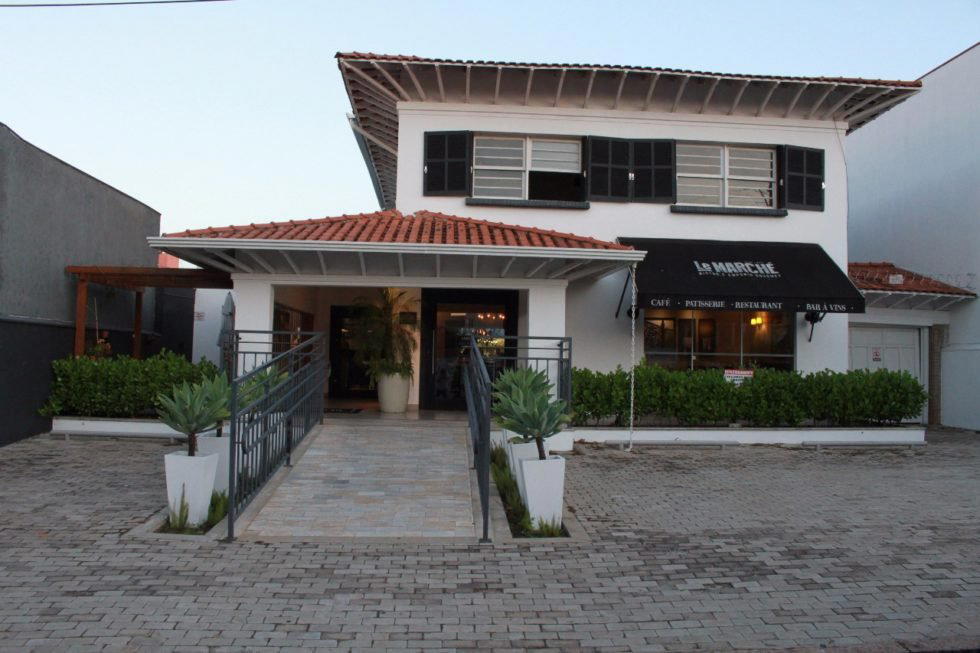
Details
- Classic
- Family
- Standalone
- Local Sourcing
- A La Carte
Current opening hours
- Monday
- 8 AM–6 PM
- Tuesday
- 8 AM–6 PM
- Wednesday
- 8 AM–6 PM
- Thursday
- 8 AM–6 PM
- Friday
- 8 AM–6 PM
- Saturday
- 8 AM–6 PM
- Sunday
- 8 AM–12:30 PM
Hours can change for holidays and private events. Hours as of .