Our verdict
A calzone-focused address on Praça Totó Sampaio in Jaú, São Paulo state, Calzone sits within a mid-sized interior city where Italian-Brazilian culinary heritage runs deep. The restaurant draws on a regional tradition of folded, filled dough that spread through São Paulo's hinterland during the twentieth-century Italian immigration wave. For visitors touring the Jau dining circuit, it offers a grounded, locally rooted alternative to the city's broader casual eating options.

Pearl is the En Primeur Club membership app — saves, bookings, and concierge access live there. Same editors, same standards.
The menu
What to order
- Polpetone
The Italian Inheritance of São Paulo's Interior
The rolled and folded pizzas that arrived in Brazil with Calabrian and Neapolitan immigrants in the late nineteenth and early twentieth centuries did not stay in São Paulo city. They moved inland, carried by the same families who planted coffee across the state's red earth. Jaú, a city of roughly 140,000 people in the central-west of São Paulo state, sits squarely in that migration corridor. Its food culture reflects a century of Italian-Brazilian layering: wood-fired dough traditions adapted to local wheat, family recipes translated across generations, and a civic pride in comfort food that is taken as seriously here as tasting menus are in the capital.
Calzone operates within that inherited framework. Its address on Praça Totó Sampaio, in the Chácara Canhos district, places it on a named public square — the kind of location that in Brazilian interior cities tends to signal a neighbourhood institution rather than a transient venture. Public squares in cities like Jaú function as social infrastructure: they anchor daily life, and a restaurant that faces one is, almost by default, part of the community's rhythm rather than apart from it.
Calzone as a Format, Not Just a Name
The calzone itself is a useful lens for understanding how Italian food evolved differently in Brazil's interior compared to coastal cities. In its original Neapolitan form, the calzone is a folded pizza, sealed at the edge and baked or fried, designed to be eaten on the move. In the hands of São Paulo state's Italian-descended communities, the format acquired local flavour profiles and became a staple of the informal dining circuit — distinct from the sit-down pizza culture of São Paulo city, and distinct again from the esfiha tradition that also runs through the region (Jaú has its own well-regarded entries in that category, including Anderam Esfiharia).
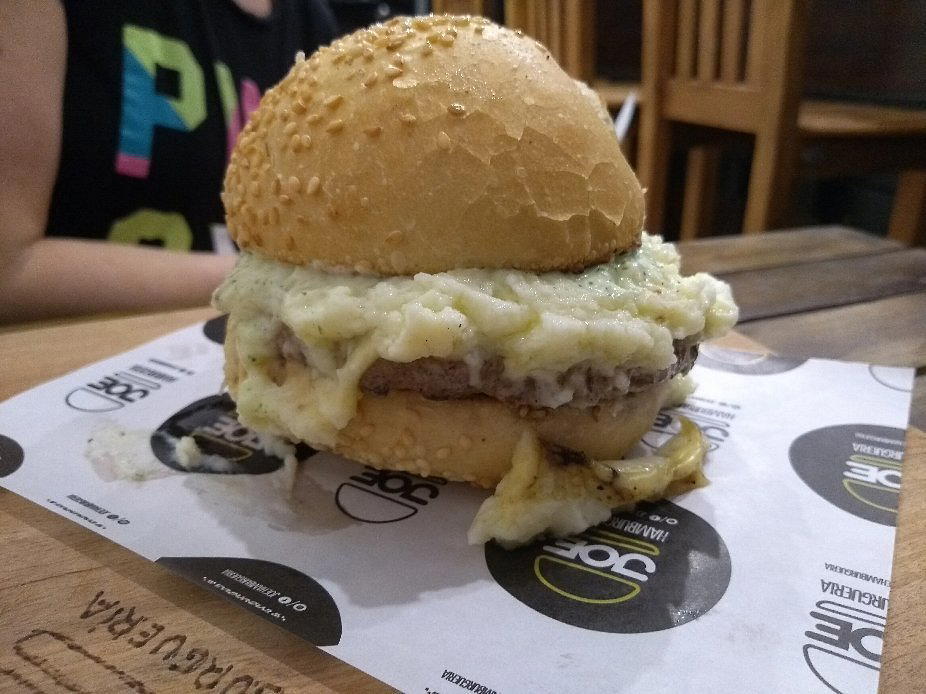
The naming of a restaurant after the dish itself is a statement of intent in that context. It tells you what the kitchen considers primary. This is not a venue where the calzone appears as a section of a broader Italian menu; it is the editorial claim of the whole operation. That kind of focused positioning is more common in interior São Paulo than in the capital, where restaurants tend to diversify to cover a wider customer spread. Jaú's dining scene, which also includes casual burger formats like Joe Hamburgueria, leans toward venues that do one thing and build an audience around it.
Jaú's Dining Context
Jaú does not appear in Brazil's headline restaurant coverage. The Michelin Guide Brazil, which now covers São Paulo city, Rio de Janeiro, and selected tourist corridors, does not extend to cities of Jaú's size. That means venues here are evaluated through a different set of signals: word-of-mouth, civic reputation, and longevity. The absence of formal award infrastructure is not the same as the absence of quality; it reflects the geography of critical attention in a country where the restaurant media concentrates heavily on São Paulo and Rio.
For comparison, the kind of modern Brazilian cooking that draws international attention, represented at the highest level by venues like Oteque in Rio de Janeiro and D.O.M. in São Paulo, operates in a parallel economy of recognition and pricing. Interior São Paulo's restaurant culture sits in a different register, priced and positioned for a local population rather than for food tourism. That distinction is not a hierarchy; it is a different kind of value proposition. The equivalent in other Brazilian states might be Birosca S2 in Belo Horizonte, which occupies a neighbourhood-rooted position in a larger city context. For travellers interested in how regional culinary traditions persist outside the spotlight, the interior São Paulo circuit, including venues in cities like Jaú, offers a less mediated version of Brazilian food culture than the capital's more self-conscious dining scene. The full Jau restaurants guide maps the broader options across the city.
Across Brazil more broadly, the Italian-Brazilian food tradition has produced distinct regional expressions. The Serra Gaúcha in Rio Grande do Sul is perhaps the most documented, with wine-country restaurants building menus around the Italian colonial inheritance. São Paulo's interior represents a different branch of the same family tree, less touristic, more integrated into everyday civic life. Venues like Mina in Campos do Jordão and Olivetto Restaurante E Enoteca in Campinas represent the more formal end of that tradition in São Paulo state; Calzone in Jaú occupies its informal, neighbourhood-anchored counterpart.
Planning a Visit
Jaú is accessible by road from São Paulo city, the journey runs roughly 300 kilometres on the SP-300 and connecting highways, placing it within day-trip range for travellers based in the capital. The city has no commercial airport, so surface transport is the standard approach. The Praça Totó Sampaio address is in the Chácara Canhos district, which is a residential neighbourhood rather than a commercial strip, consistent with the kind of community-rooted positioning described above. No booking details, hours, or pricing are available in published records for Calzone, so direct contact or an in-person visit on arrival is advisable. Interior São Paulo restaurants at this level of informality often operate on walk-in models during standard lunch and dinner service windows, but confirmation before a dedicated visit is sensible.
For travellers building a broader São Paulo state itinerary, pairing Jaú with other interior cities allows a reading of regional food culture that the capital alone cannot provide. Further afield, Brazilian food culture at the regional level is well illustrated by venues such as Manga in Salvador, Orixás | North Restaurant in Itacaré, and Lobby Café in Belem, each operating in a distinct regional register that reflects the geographic and cultural breadth of Brazilian dining beyond the São Paulo-Rio axis.
Frequently asked questions
Where do I go for Calzone?
Calzone is located at Praça Totó Sampaio, 07 - Chácara Canhos, Jaú - SP, 17200-000, Brazil, Jau.
How does Calzone in Jaú connect to Brazil's Italian immigration history?
The calzone format arrived in Brazil's interior with Calabrian and Neapolitan immigrants in the late nineteenth and early twentieth centuries, and towns like Jaú — roughly 300 kilometres from São Paulo city along the SP-300 — developed their own interpretation of the dish largely removed from the coastal restaurant industry. Calzone on Praça Totó Sampaio sits within that lineage, operating in a neighbourhood context where the format has been shaped by local ingredients and regional taste rather than by urban trend cycles. It is one of the more direct expressions of that inheritance in the state's interior.
What do people recommend at Calzone?
Given that the venue's name is the dish itself, the calzone format is the central draw — a folded, sealed pizza rooted in the Calabrian and Neapolitan immigration tradition that shaped food culture across São Paulo's interior. The address on Praça Totó Sampaio places it in a neighbourhood setting where local regulars tend to know the rotating options better than any fixed menu list.
Do they take walk-ins at Calzone?
No reservation policy is publicly documented for Calzone at Praça Totó Sampaio 07, Jaú. For a venue of this size and context in a mid-sized interior São Paulo city, walk-in dining is common practice, but confirming directly before making the 300-kilometre drive from São Paulo city is advisable. No phone number or website is currently listed to do so remotely.
What makes Calzone worth seeking out?
Calzone in Jaú represents a format of Italian-Brazilian cooking that does not appear in Michelin Guide Brazil coverage, which currently focuses on São Paulo city, Rio de Janeiro, and selected coastal regions. That absence is not a weakness — it reflects how Italian immigrant food traditions evolved independently in the interior, producing a distinct register of pizza and calzone that differs from what São Paulo city restaurants serve. For anyone travelling the SP-300 corridor, Jaú sits roughly 300 kilometres from the capital and offers a reference point for that interior culinary lineage.
Price Lens
| Venue | Cuisine | Price | Awards | Notes |
|---|---|---|---|---|
| CalzoneThis venue — the venue you are viewing | Italian | Not listed | Not listed | Not listed |
| Oteque | Modern Seafood Fine Dining | $100–150 | 1 Michelin Star · World's 50 Best #38 | Modern Brazilian, Modern Cuisine |
| D.O.M. | Modern Brazilian Amazonian Fine Dining | $150–200 | 2 Michelin Stars · World's 50 Best #74 | Modern Brazilian, Creative |
| Evvai | Modern Italian-Brazilian Fusion | $200–300 | 3 Michelin Stars · World's 50 Best #95 | Contemporary Italian, Modern Cuisine |
| Lasai | Modern Brazilian Fine Dining | Not listed | 2 Michelin Stars · World's 50 Best #28 | Regional Brazilian, Modern Cuisine |
| Maní | Modern Creative Brazilian | $50–100 | 1 Michelin Star · World's 50 Best #67 | Brazilian - International, Creative |
Continue exploring
More in Jau
Details
- Cozy
- Classic
- Family
- Casual Hangout
- Historic Building
- A La Carte
Current opening hours
- Monday
- Closed
- Tuesday
- 7–10:30 PM
- Wednesday
- 7–10:30 PM
- Thursday
- 7–10:30 PM
- Friday
- 7–10:30 PM
- Saturday
- 7–10:30 PM
- Sunday
- Closed
Hours can change for holidays and private events. Last verified .
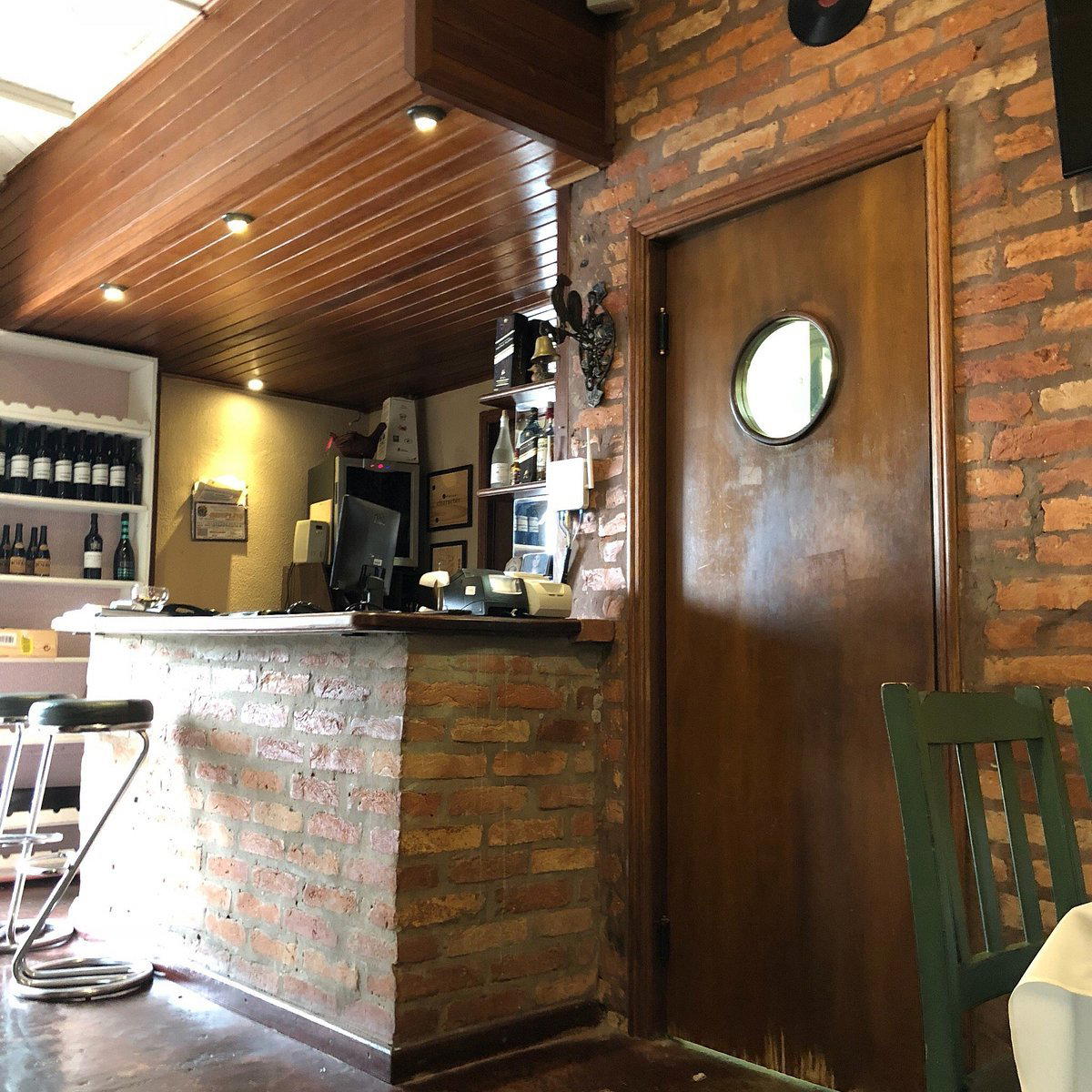
Cozy cantina-like atmosphere with wonderful, well-prepared dishes.