Cantina Pastasciutta Boulevard Laçador
Our verdict
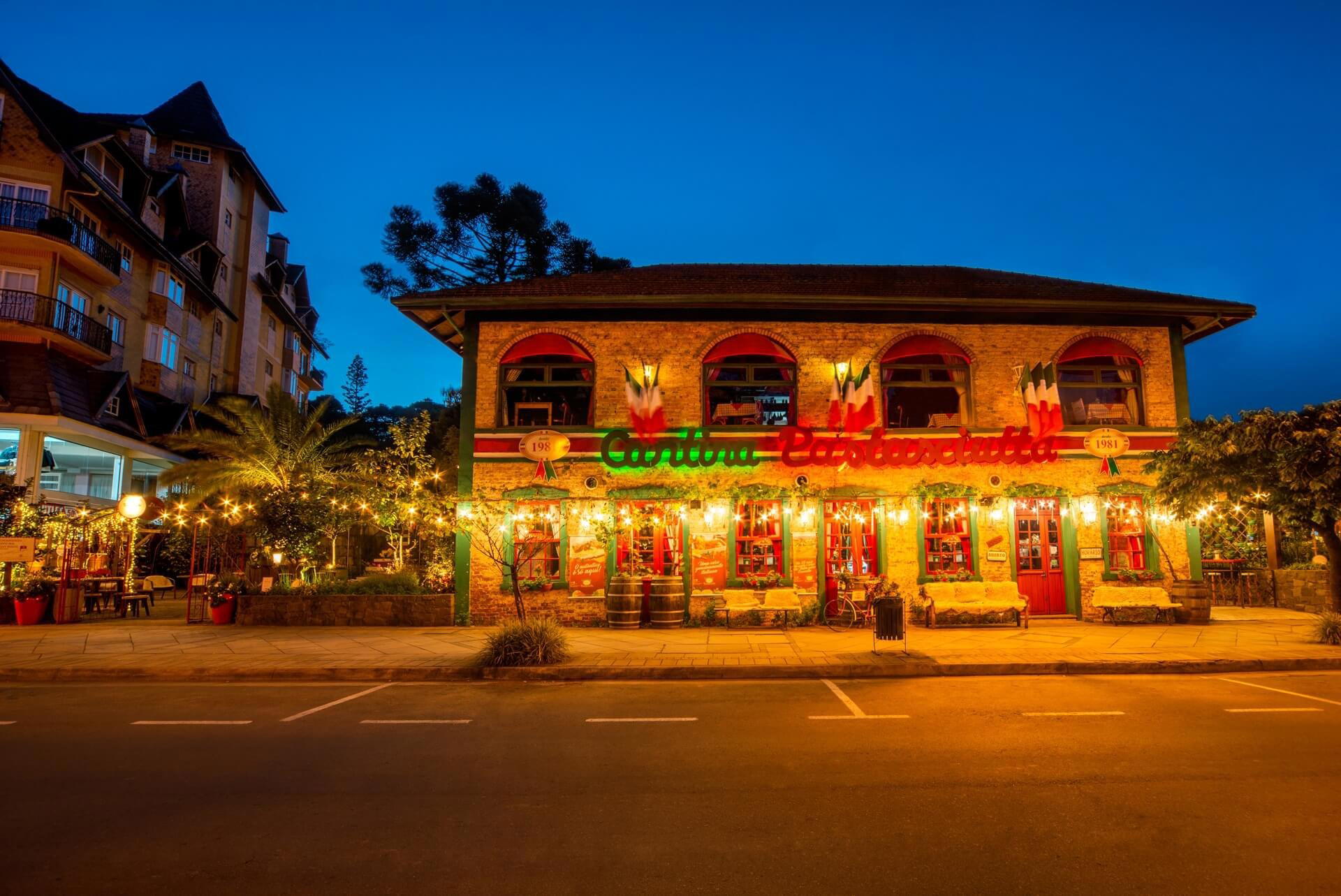
The address places it inside a dining corridor where pasta houses have competed for decades, making it a reference point for anyone tracing how Gaúcho cooking absorbed and reinterpreted Italian immigration.

Pearl is the En Primeur Club membership app, where members save venues, book tables and use the concierge.
The menu
What to order
- Spaghetti carbonara
- Burrata
- Filetto 4 formaggio
The word pastasciutta is worth pausing on. In Italian culinary vocabulary it distinguishes pasta served without broth, dried or fresh pasta dressed with sauce, from pasta in soup or pasta cooked in liquid. That the name leads with this distinction signals something deliberate about the kitchen's emphasis: pasta is the argument, not the backdrop.
Where Ingredient Sourcing Shapes the Cantina Character
The relationship between a cantina and its raw materials has always been the line between a place that serves food and a place that means something.
That investigative instinct matters more at a cantina than at a formal restaurant, because the format is defined by transparency. There is no tasting menu architecture to obscure the quality of individual components. Pasta is pasta: if the dough is well-made from good flour, it holds sauce differently, has a different pull under the tooth, and carries flavour that neutral commercial pasta cannot.enprimeurclub.com/restaurants/oteque-rio-de-janeiro-restaurant) and D.O.M. in São Paulo demonstrates a similar sensibility at the neighbourhood bistro level in Minas Gerais. A cantina on Avenida dos Estados in São João is therefore not swimming against the current; it is the current for a particular demographic and occasion type.
For comparison within the city, the dining corridor includes options that pull in different directions. Le Bateau Ivre and Primrose in Gramado serve a very different visitor profile in a tourist-oriented mountain town, while Manu in Curitiba and Olivetto Restaurante E Enoteca in Campinas, State of Espírito Santo in Rio Bananal, and Mina in Campos do Jordão provide useful counterpoints to the Italian-inflected South.
Planning Your Visit
Cantina Pastasciutta Boulevard Laçador is located at Av. The São João neighbourhood is accessible from the city centre by car in under fifteen minutes depending on traffic; public bus lines along the Avenida corridor make it reachable without a vehicle. Given the cantina format, this is the kind of address that typically fills early on Friday and Saturday evenings, so an early arrival or prior reservation call is a reasonable precaution.
Frequently asked questions
Is Cantina Pastasciutta Boulevard Laçador suitable for children?
Porto Alegre's cantina format has historically been built around extended family meals, and the Italian-Brazilian tradition that venues like this one operate within is among the most child-accommodating in the city's dining culture. The São João neighbourhood setting on Av. dos Estados, 111 reflects that community character. Expect a room where children are a normal part of the table, not an afterthought.
Is Cantina Pastasciutta Boulevard Laçador better for a quiet night or a lively one?
Cantinas in Porto Alegre occupy a social middle ground, rarely silent, because the format encourages extended meals and table conversation, but rarely loud in the way a bar-forward venue would be. At Av. dos Estados, 111 in São João, the surrounding neighbourhood dynamic leans residential and local, which tends to keep the room at a convivial rather than chaotic pitch. It suits both, depending on when you arrive.
How does Cantina Pastasciutta Boulevard Laçador connect to Porto Alegre's Italian immigration history?
Porto Alegre sits at the southern end of a corridor shaped by over a century of Italian immigration, stretching up through the serra gaúcha into towns like Caxias do Sul and Bento Gonçalves. A cantina in São João operating under the pastasciutta name is explicitly positioning itself within that lineage, it is a category of dining that predates the city's more recent restaurant diversification. The address on Av. dos Estados, one of the neighbourhood's older commercial spines, reinforces that continuity.
What's the best thing to order at Cantina Pastasciutta Boulevard Laçador?
The name is the argument: pastasciutta, the Italian term for dry pasta served with sauce, signals where the kitchen has planted its flag. In a cantina that leads with pasta as its defining category, those dishes are the logical anchor of any meal. The Italian immigration corridor running through Porto Alegre and up into the serra gaúcha gives this style of cooking a regional legitimacy that goes well beyond nostalgia.
How do I find Cantina Pastasciutta Boulevard Laçador?
Cantina Pastasciutta Boulevard Laçador is located at Av. dos Estados, 111 - São João, Porto Alegre - RS, 90200-000, Brazil, Porto Alegre.
Fast Comparison
Comparable venues nearby, for context on price, style, and recognition.
| Venue | Cuisine | Price | Awards | Notes |
|---|---|---|---|---|
| Cantina Pastasciutta Boulevard LaçadorThis venue (the venue you are viewing) | Genuine Italian Pasta House | Not listed | Not listed | Not listed |
| CIAO | Traditional Neapolitan Pizzeria | $20–30 | 50 Top Pizza Latin America #47 | Porto Alegre |
| NB Steak Ramiro Barcelos | Modern Brazilian Churrascaria | $30–50 | Not listed | Floresta |
| NB Steak | Modern Brazilian Steakhouse Rodízio | $50–100 | Not listed | Boa Vista |
| Takêdo | Modern Japanese Fusion | Not listed | Not listed | Bela Vista |
| Le Bistrot Gourmet | Contemporary International Bistro | Not listed | Not listed | Boa Vista |
Continue exploring
More in Porto Alegre
Restaurants in Porto Alegre
All restaurants in Porto Alegre →
Bars in Porto Alegre
All bars in Porto Alegre →
Details
- Cozy
- Family
- Casual Hangout
- Group Dining
- Standalone
- A La Carte
- Family Style
- Vegetarian Friendly
Current opening hours
- Monday
- 11:30 AM–11 PM
- Tuesday
- 11:30 AM–11 PM
- Wednesday
- 11:30 AM–11 PM
- Thursday
- 11:30 AM–11 PM
- Friday
- 11:30 AM–11 PM
- Saturday
- 11:30 AM–11 PM
- Sunday
- 11:30 AM–11 PM
Hours can change for holidays and private events. Hours as of .
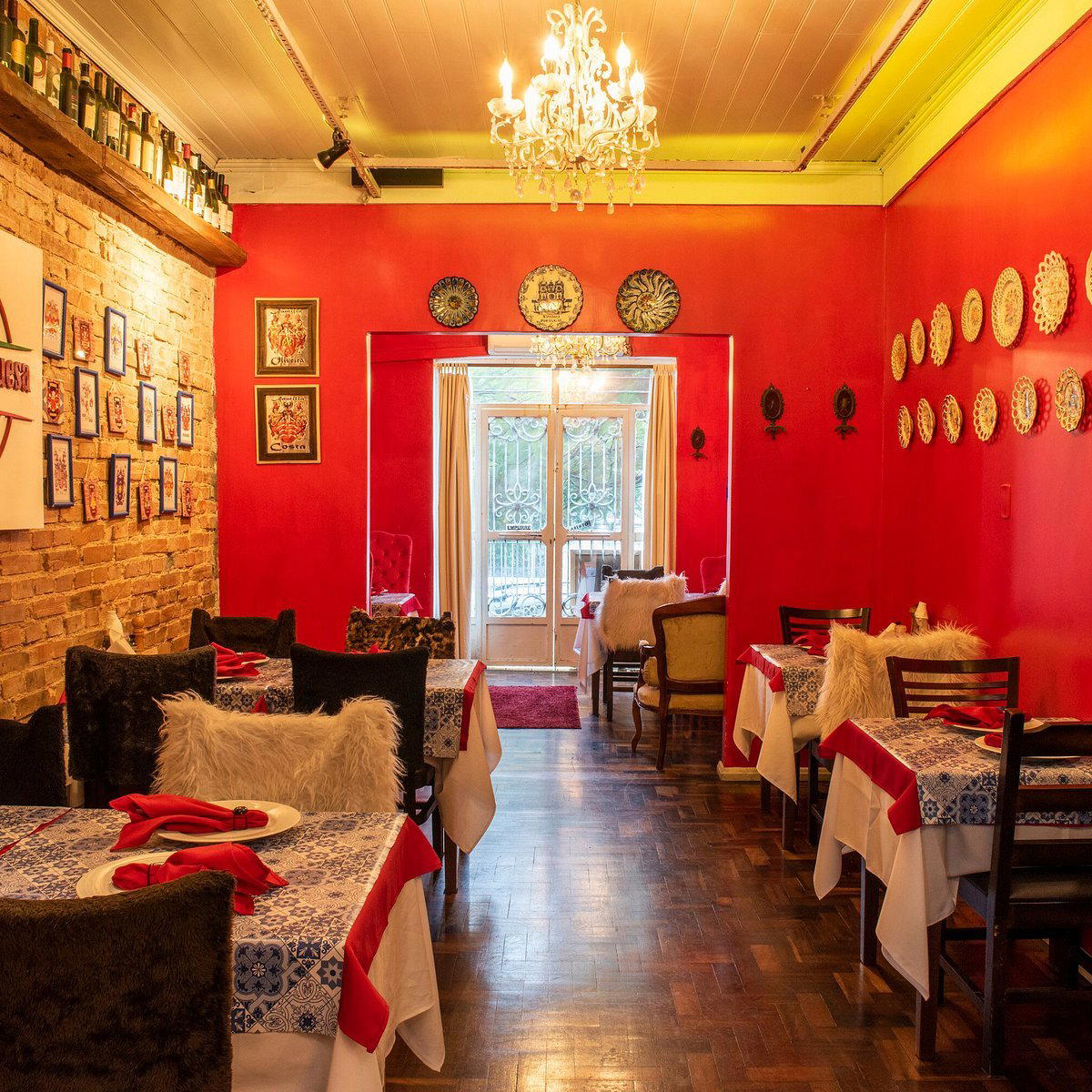
Cozy, family-friendly atmosphere with thematic Italian decor.