1 Michelin Star · Star Wine List
Our verdict
Cannubi by Umberto Bombana brings classical Italian technique to the Dusit Thani Bangkok, with a 350-label wine cellar overseen by a dedicated sommelier team and recognition from Star Wine List's White Star programme. The room pairs warm lighting and plush seating with a view over a courtyard waterfall, offering both a concise set lunch and a full dinner tasting format. In Bangkok's increasingly competitive fine-dining tier, it occupies a specific niche: European classicism executed with confidence in a Southeast Asian capital.

Pearl is the En Primeur Club membership app, where members save venues, book tables and use the concierge.
The menu
What to order
- Homemade Tagliolini with Alba White Truffle
- White Truffle Menu
Refined Italian in Bangkok's Fine-Dining Tier
Bangkok's premium dining scene has matured considerably over the past decade. The city that once relied on hotel restaurants as the default address for serious European cooking now hosts a generation of standalone rooms Sühring for German precision, Côte by Mauro Colagreco for Mediterranean modernism, that have earned Michelin recognition and pulled the market upward. Into this environment, Cannubi by Umberto Bombana occupies a distinct position: a hotel-anchored Italian room that draws on classical European roots without retreating into the safe, institutional cooking that once defined the category.
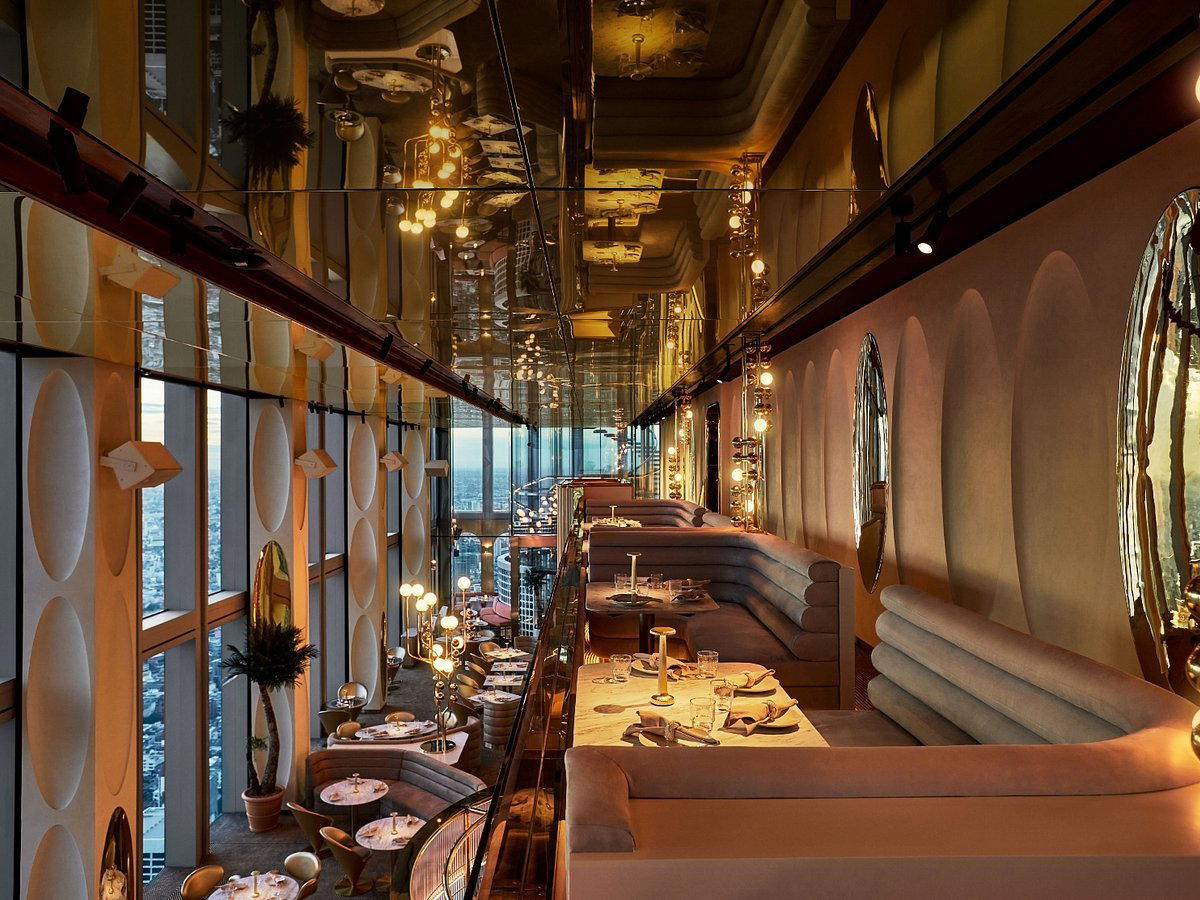
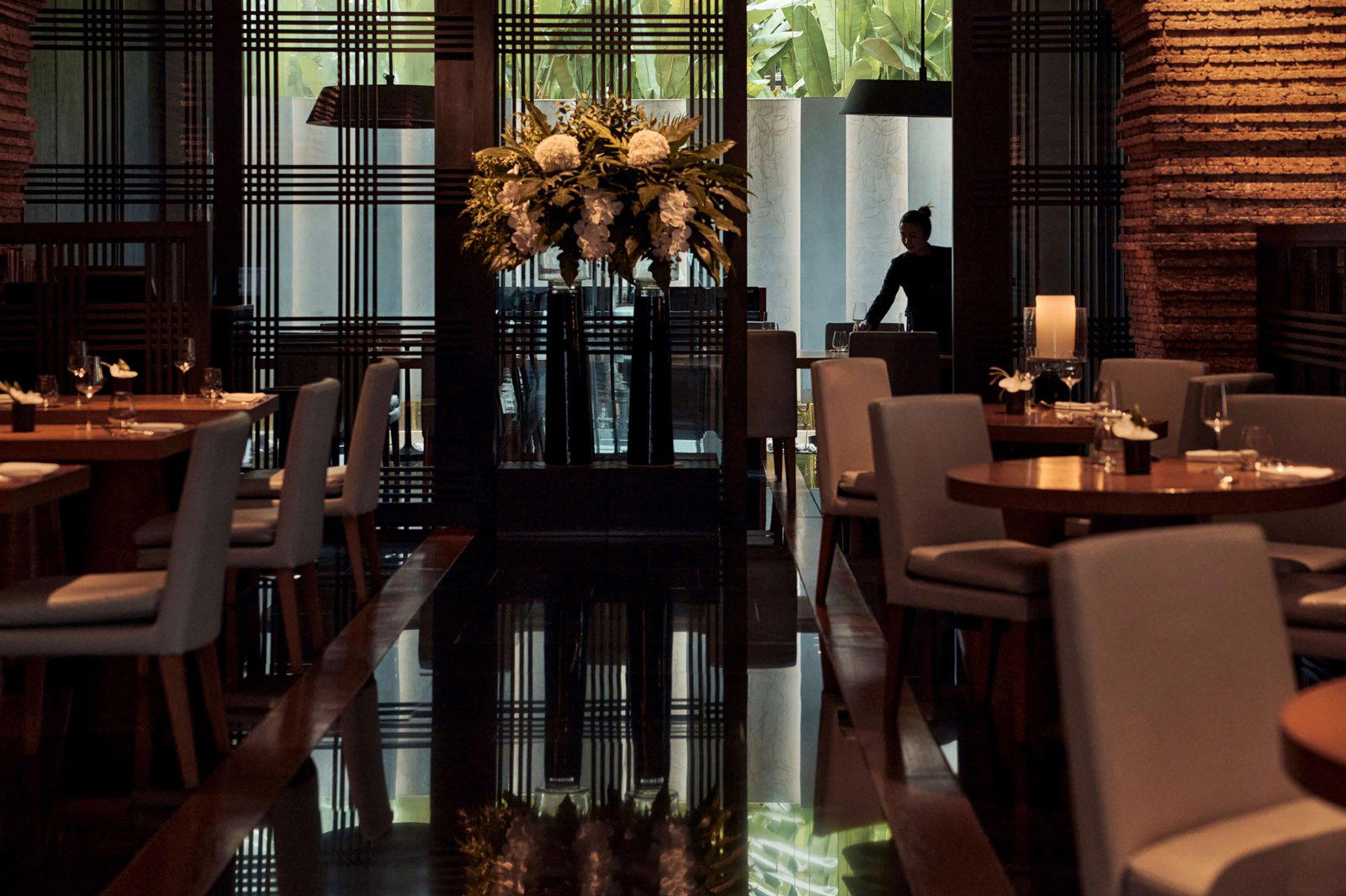
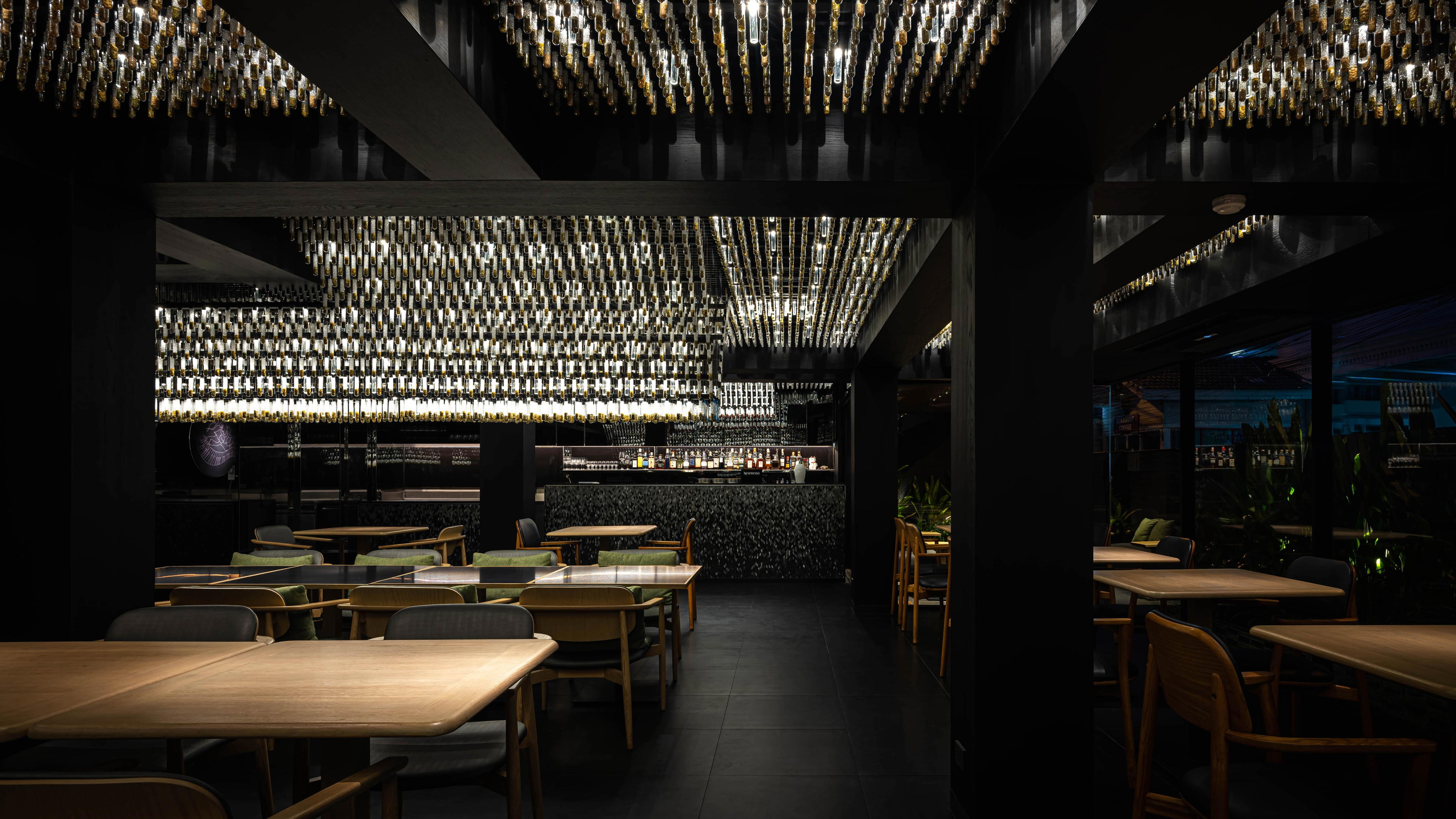
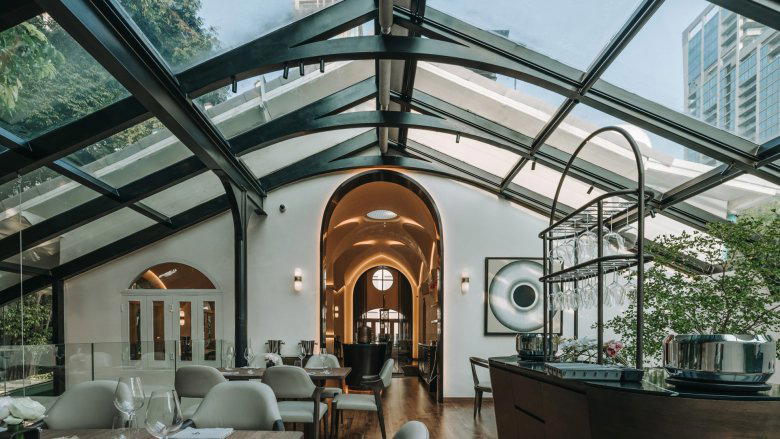
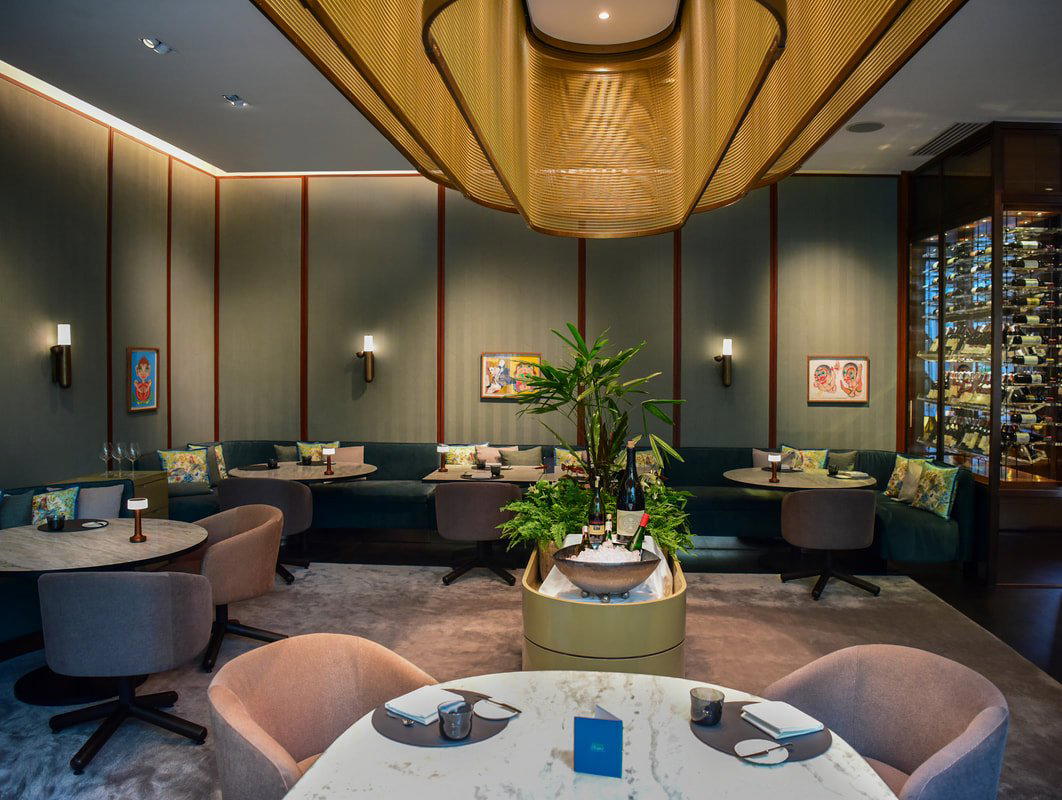
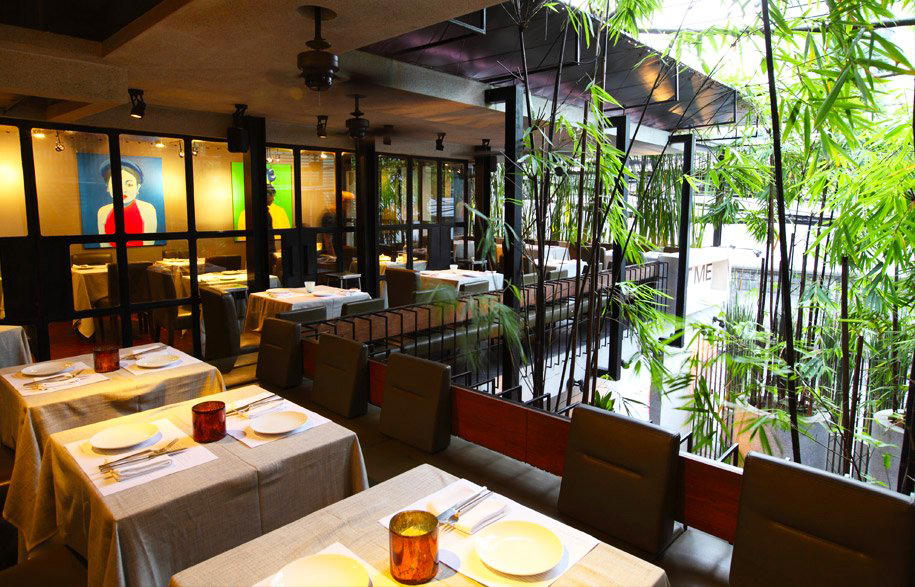
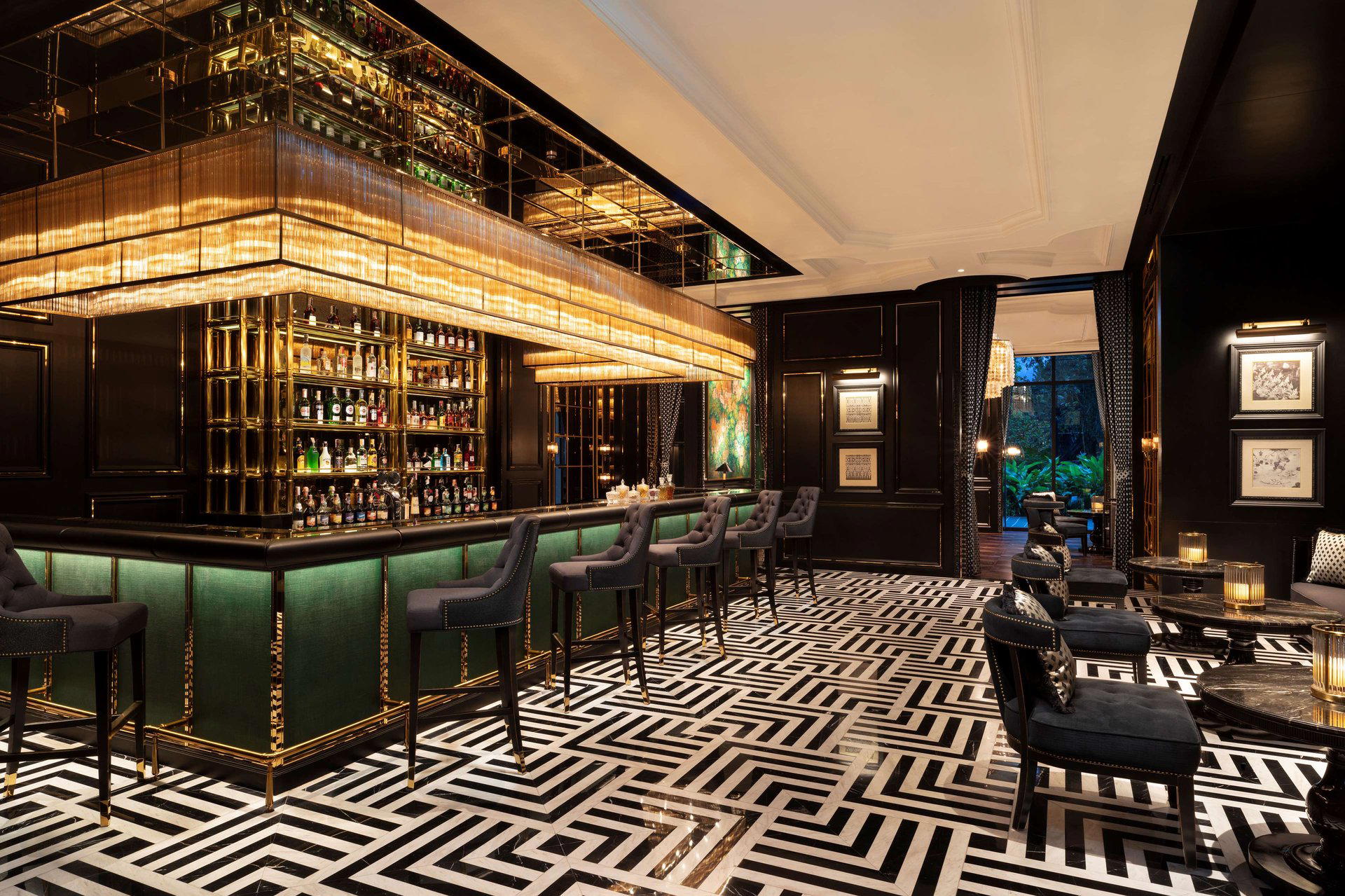
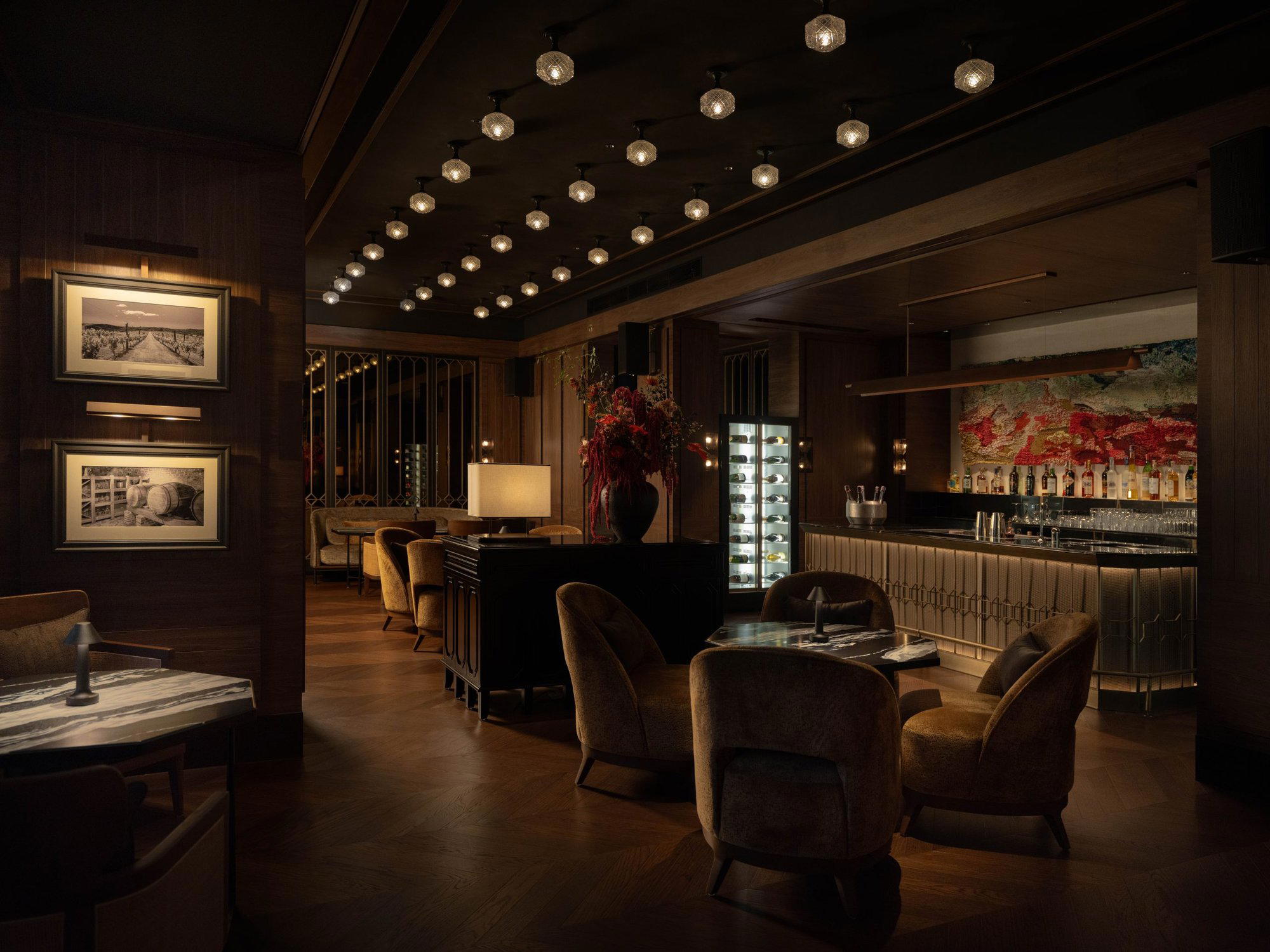
The restaurant sits on the L Floor of the Dusit Thani Bangkok at 98 Rama IV Road in Silom, one of the city's denser commercial corridors. The room itself reads as a counterweight to the neighbourhood's pace: warm lighting, plush seating, and a view over a courtyard waterfall that gives the space an unusual stillness for this part of the city. In a market where atmospherics are increasingly engineered, theatrical open kitchens, counter-only formats, minimalist concrete, Cannubi's approach is deliberate classicism, the kind of room that signals the food will take precedence over the setting.
The Intersection of Italian Classicism and Bangkok's Dining Market
The editorial angle that matters here is not simply that this is Italian cooking in Thailand. It is that the restaurant represents a particular method of transplanting a deeply codified European tradition into a Southeast Asian context. Italian fine dining at this level, the lineage Bombana represents, rooted in the northern Italian canon, depends on technique, on the quality of sourced ingredients, and on a kitchen culture that resists shortcutting. In Bangkok, where ingredient provenance is both a logistical challenge and an increasingly sophisticated conversation, that tension is productive.
Thailand's fine-dining restaurants have spent the last several years moving in the opposite direction: inward, toward indigenous produce and regional tradition. Sorn, with its three Michelin stars and commitment to Southern Thai ingredients, and Baan Tepa, with two stars and a contemporary Thai framework, represent that trajectory. Gaa applies a similar logic from a Modern Indian perspective. Cannubi runs a parallel track: the technique is imported and classical, the execution is anchored in confidence rather than local provenance. Both approaches have proven viable in Bangkok's current market, and the city is large enough to support both without contradiction.
Format and the Wine Programme
The restaurant offers two distinct formats: a concise set lunch menu and a fuller dinner tasting experience. This dual-track structure is practical for a hotel restaurant that needs to serve both the business lunch circuit and the destination-dining evening market. At the lunch tier, the format compresses the kitchen's range into a more accessible window; the dinner tasting expands it. Neither format is unusual for this price tier, but the discipline of maintaining distinct menus for each daypart matters in practice, it signals that the kitchen is not simply running the same food at different price points.
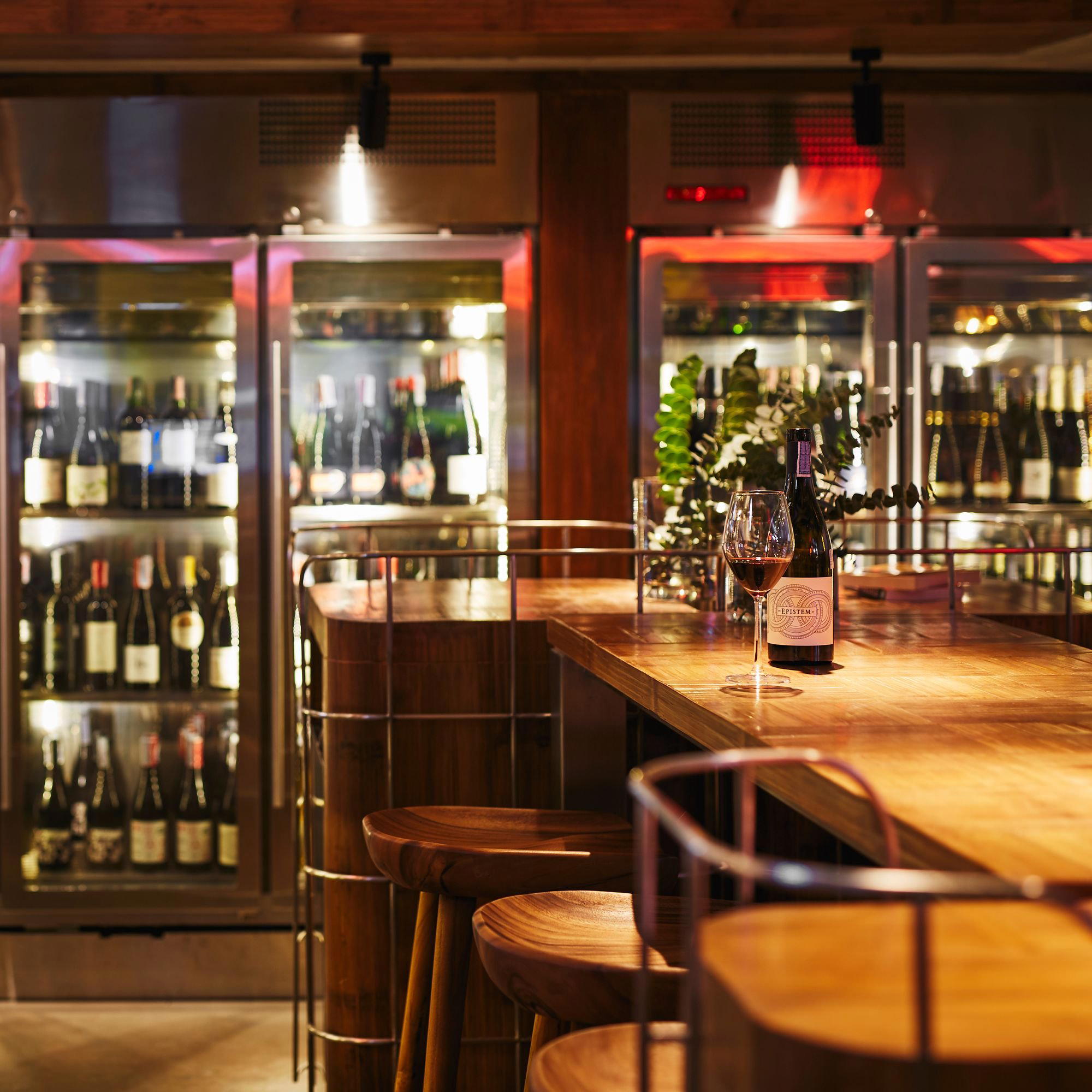
The wine programme is where Cannubi differentiates itself most clearly from the broader Italian restaurant category in Bangkok. A 350-label cellar, overseen by a dedicated sommelier team, represents a serious commitment in a market where wine lists at comparable rooms are often thinner and less curated. The programme earned Cannubi recognition from Star Wine List's White Star designation, published in January 2025, a credential that places the cellar in an internationally peer-reviewed tier rather than a locally self-assessed one. For guests whose primary interest is the wine-food pairing experience, this is a meaningful signal about where the restaurant invests its resources.
Italian wine at this level tends to run deep into the peninsula's northern appellations, Barolo, Barbaresco, Brunello, alongside serious Burgundy and Bordeaux for the international table. The appellation name Cannubi, borrowed from one of Barolo's most celebrated single vineyards in Piedmont, is itself a marker of where the room locates its culinary identity: in the precise, terroir-conscious tradition of northern Italy.
How Cannubi Sits Against Bangkok's Competitive Set
Bangkok's top tier of European fine dining currently includes rooms that have earned Michelin recognition at the two-star level and above. The comparison that matters most is not star count but positioning: this is a room for guests who want European classicism executed with fidelity, a serious wine list, and a hotel-quality service environment, rather than the kind of boundary-testing tasting menus that define places like Sühring.
Globally, the model has analogues in cities where European fine dining operates inside luxury hotel infrastructure. Rooms anchored to internationally recognised chef names, the Bombana brand carries significant weight in Asia, built through his Hong Kong operation, tend to attract a clientele that values the assurance of a known standard. That is a different value proposition from the independently driven, chef-owned rooms that have come to define the upper tier of Bangkok dining, and it serves a different segment of the market.
Planning a Visit
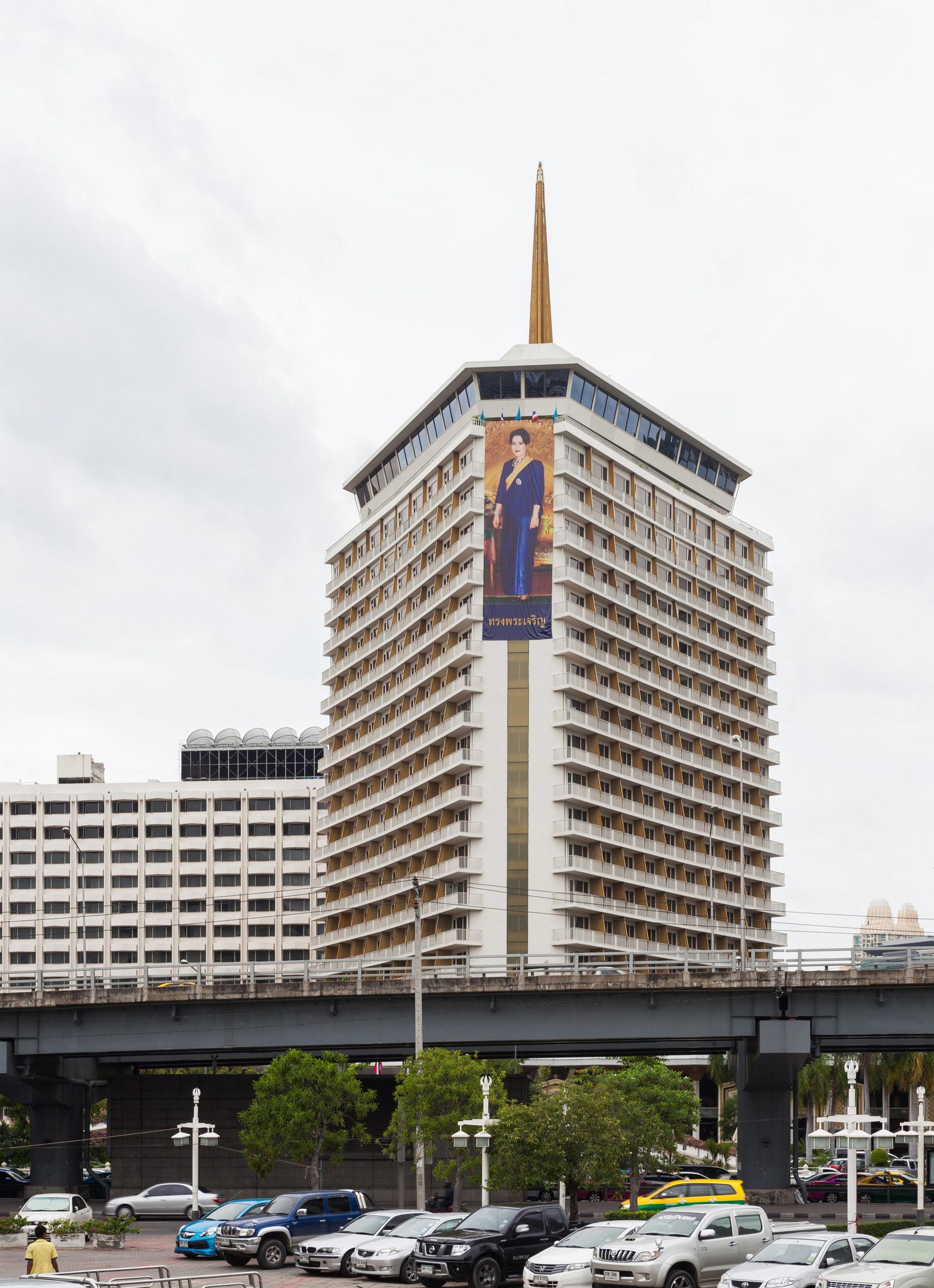
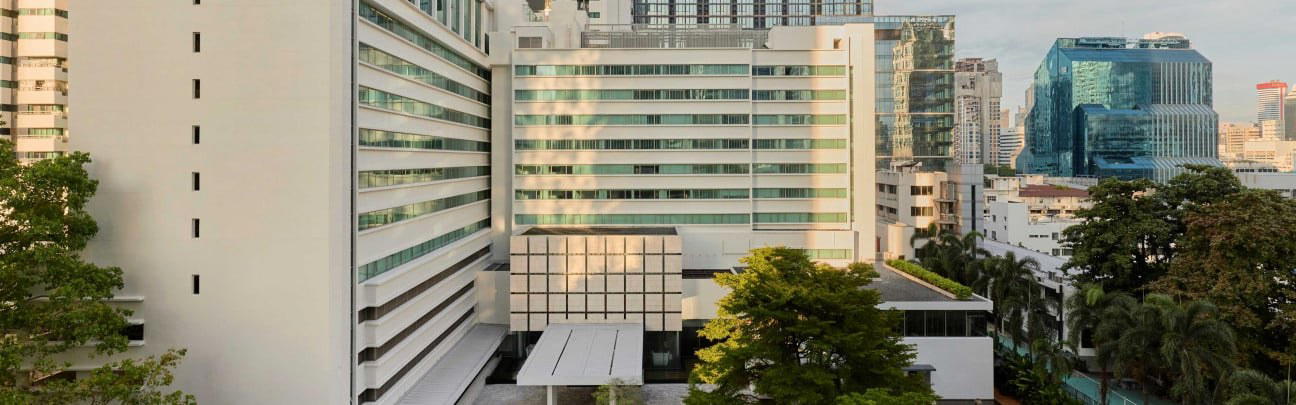
Cannubi by Umberto Bombana is located on the L Floor of the Dusit Thani Bangkok, on Rama IV Road in Silom, reachable via the MRT Silom station or BTS Sala Daeng. The hotel address places it within a short distance of both Lumphini Park and the Sathorn business district. Given the restaurant's position within a luxury hotel and its recognition in the Star Wine List programme, reservations are advisable, particularly for dinner, the tasting format requires kitchen preparation that limits walk-in flexibility. Lunch offers a slightly more accessible entry point. For guests building a broader Bangkok itinerary, our full Bangkok hotels guide covers the city's accommodation tier, and our full Bangkok restaurants guide maps the wider dining scene across cuisines and price points.
Beyond Bangkok, Italy-trained technique applied in Asian contexts appears in other Thai destinations: PRU in Phuket applies a farm-to-table European framework in the south, while Aeeen in Chiang Mai represents northern Thailand's growing fine-dining ambition. Internationally, the approach of classical European technique operating with institutional confidence is well-represented by rooms like Le Bernardin in New York City and Atomix in New York City, each of which has built sustained critical recognition around a clear technical identity rather than novelty.
For a broader picture of Bangkok's drinking, hospitality, and experience offer beyond the restaurant tier, our Bangkok bars guide and experiences guide cover the adjacent categories worth pairing with a Silom-area dinner.
Frequently asked questions
Can I bring kids to Cannubi by Umberto Bombana?
Cannubi operates a formal tasting menu format in an elegantly appointed room at the Dusit Thani Bangkok, with plush seating and a setting oriented toward a composed dining atmosphere. It is not a venue that lends itself to young children. Older, food-curious teenagers who can manage a multi-course dinner comfortably would be a better fit.
What's the vibe at Cannubi by Umberto Bombana?
The room is quietly formal: warm lighting, plush seating, and a waterfall view create a contained, hotel-fine-dining atmosphere on the L Floor of the Dusit Thani Bangkok. It reads as composed rather than convivial, with the sommelier team and structured tasting format reinforcing a pace that suits unhurried, occasion-driven dinners.
Has Cannubi by Umberto Bombana won any awards?
Cannubi by Umberto Bombana has received recognition including: Cannubi by Umberto Bombana is a restaurant in Bangkok, Thailand. It was published on Star Wine List on January 25, 2025 and is a White Star.; This restaurant brings refined Italian dining to Dusit Thani Bangkok. Implementing Bombana's visio….
What's the best thing to order at Cannubi by Umberto Bombana?
The full dinner tasting experience is the most complete expression of Bombana's approach here, where classical Italian technique is applied with enough precision to have earned White Star recognition from Star Wine List. If time or appetite is limited, the set lunch menu offers the same kitchen at a more contained format.
Where do I go for Cannubi by Umberto Bombana?
Cannubi by Umberto Bombana is located at L Floor, 98 Rama IV Rd, Si Lom, Bang Rak, Bangkok 10500, Thailand, Bangkok.
Is Cannubi by Umberto Bombana reservation-only?
Given its position as a tasting menu restaurant within the Dusit Thani Bangkok, a reservation is strongly advisable. Walk-ins at this tier of formal dining in Bangkok are rarely accommodated, particularly for the dinner service.
What is Cannubi by Umberto Bombana known for?
Cannubi is Bombana's Bangkok address for classical Italian cooking executed with modern technique, earning a White Star from Star Wine List in January 2025 in recognition of its 350-label wine programme. The dual format of a set lunch and a fuller dinner tasting menu, overseen by a dedicated sommelier team, is the defining structure of the dining experience.
Side-by-Side Snapshot
| Venue | Cuisine | Price | Awards | Notes |
|---|---|---|---|---|
| Cannubi by Umberto BombanaThis venue (the venue you are viewing) | Michelin-Starred Italian Fine Dining | $150–200 | 1 Michelin Star · Star Wine List | Not listed |
| Sorn | Fine Southern Thai | $200–300 | 3 Michelin Stars · World's 50 Best #12 | Southern Thai, ฿฿฿฿ |
| Côte by Mauro Colagreco | Riviera Mediterranean Fine Dining | $200–300 | 2 Michelin Stars · World's 50 Best #91 | Mediterranean, Modern Cuisine, ฿฿฿฿ |
| Baan Tepa | Creative Thai Fine Dining | $150–200 | 2 Michelin Stars · World's 50 Best #53 | Thai contemporary, ฿฿฿฿ |
| Gaa | Modern Indian Fine Dining with Thai Influences | $150–200 | 2 Michelin Stars · World's 50 Best #95 | Modern Indian, Indian, ฿฿฿฿ |
| Sühring | Modern German Fine Dining | $200–300 | 3 Michelin Stars · World's 50 Best #18 | German, ฿฿฿฿ |
Recognition history
Dated appearances from independent guides and award organizations, with the underlying list record or original source where available.
Michelin 1 Star
Michelin
Star Wine List
Star Wine List