Cang Yue sits in Beijing’s Wangjing area, where the city’s dining map tilts away from old imperial shorthand and toward ingredient-led regional cooking. With few public signals on format, price, or awards, the useful read is contextual: treat it as part of Beijing’s broader move toward provenance, seasonality, and sharper distinctions between Cantonese, Manchu, Beijing, and contemporary Chinese rooms.
Pearl is the En Primeur Club membership app — saves, bookings, and concierge access live there. Same editors, same standards.
- Address
- 8 Guangshun South Street, Beijing, 北京市100102
- Phone
- +86 10 8630 1266
- Directions
- Get directions
 Saves & bookings on Pearl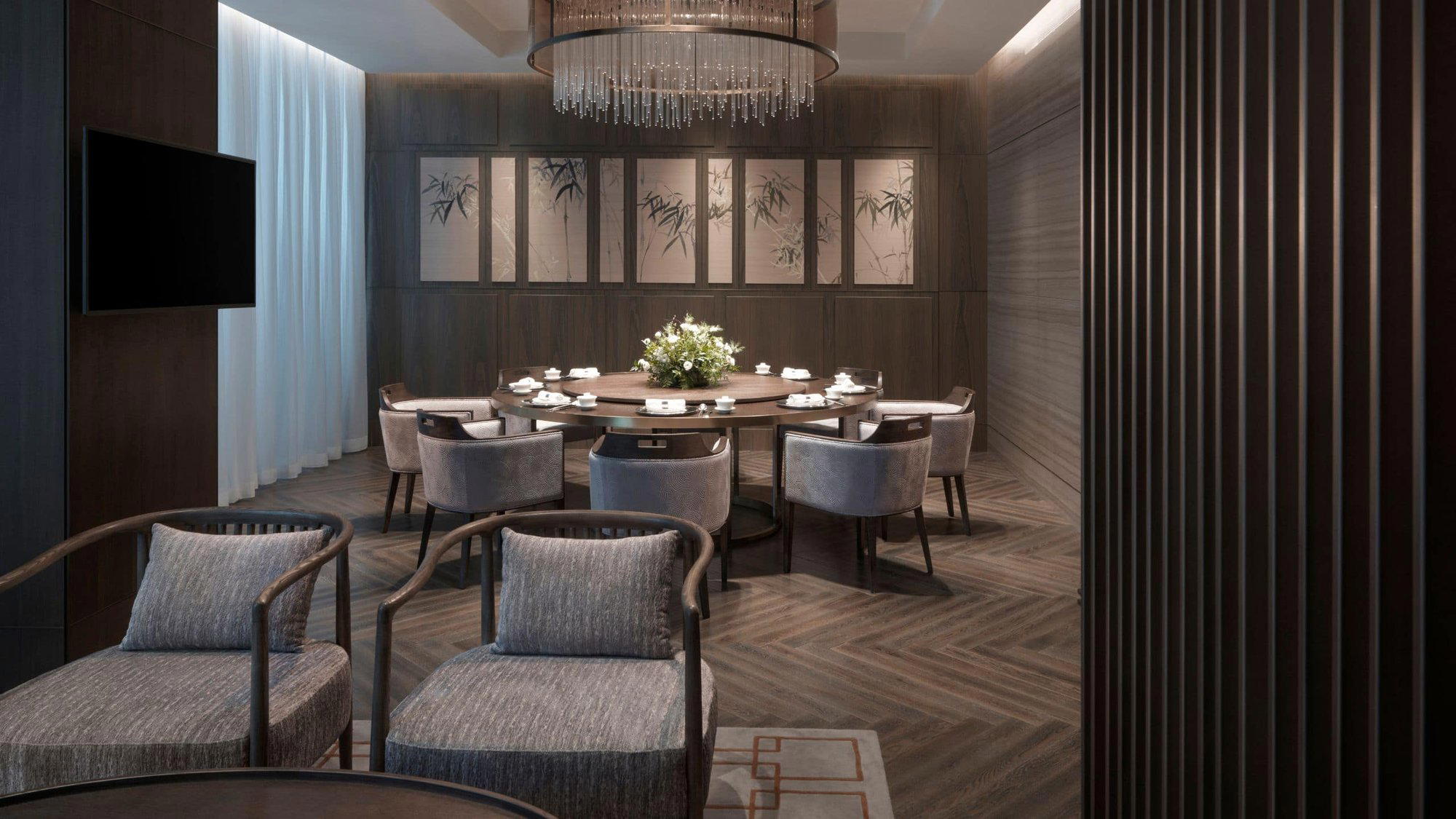
Approaching Cang Yue puts a diner in a different Beijing rhythm from the heritage script that still shapes much of the city’s restaurant mythology. This is a denser, more everyday version of the capital, less dependent on scenery and more reliant on whether the room can justify a planned meal. That matters for food. In settings like this, the room has to compete on clarity: ingredient focus, kitchen discipline, and whether the cooking gives each element enough definition to justify the trip across town.
Cang Yue belongs to that newer Beijing conversation, where the question is not only which label sits on the menu, but how carefully the kitchen treats produce, proteins, grains, sauces, and preserved elements. Beijing dining has long been comfortable with spectacle and banquet service, yet the more interesting shift is quieter: restaurants asking diners to notice origin, season, cut, texture, and restraint rather than volume alone.
Beijing dining and the move from banquet shorthand to ingredient clarity
Beijing’s premium dining used to be easier to categorize from the outside. Traditional rooms, hotel restaurants, and private dining addresses each had a recognizable code. That map has become less tidy. In one direction, established Beijing dining rooms keep the capital’s appetite for set-piece meals visible. In another, contemporary addresses show how polish, technique, and carefully paced service continue to influence expectations around the table.
The useful way to read Cang Yue is through that tension. A restaurant in Beijing does not need to reproduce old central-Beijing theatre to be relevant. It needs a sharper reason for each ingredient to be on the table. In careful cooking, sourcing is not a decorative claim; it changes the entire grammar of a dish. Freshness determines how lightly a delicate ingredient can be handled. The quality of a main product affects whether the kitchen can rely on texture, fat, and stock rather than heavy seasoning. Vegetables expose technique quickly because overcooking cannot be hidden behind luxury cues. Dry goods, pickles, ferments, and broths carry memory, but only when they are balanced rather than used as nostalgia props.
That is why ingredient-led dining in Beijing often feels more demanding than tasting-menu formalism. The cooking has less room to hide. A kitchen can signal ambition with rare produce or premium ingredients, but the more revealing test is whether ordinary ingredients are treated with the same attention: greens that keep structure, rice that supports rather than fills, sauces that sharpen rather than flatten. In a city with serious competition, that discipline is what separates a useful address from a room trading on décor.
How to place it among Beijing's regional tables
Comparison in Beijing should be done by category, not hype. Rooms such as Yue Jie (Qi Yang Road) operate by one standard of freshness, timing, and the lightness of the kitchen’s hand. Addresses such as Na Jia Xiao Guan carry another set of references, closer to northern richness, courtly memory, and dishes built around preservation, wheat, and braised depth. Market Café, Shunpachi, and 那家小馆 sit in the wider local field where format and occasion often matter as much as any label.
Cang Yue is better understood inside this broader regional sorting than as an isolated destination. Beijing diners are fluent in these distinctions. They know when a room is built for business hosting, when it is built for family ordering, when it is built for a more structured sequence, and when the food is secondary to the address. For visitors, the risk is treating “restaurant in Beijing” as a single category. It is not. The city’s strongest meals often come from knowing which tradition is being interpreted and what kind of sourcing supports it.
That sourcing lens also explains why Beijing’s restaurant geography has widened. Long-established addresses retain ceremonial weight, but the city can support more specific dining decisions: a table chosen for a certain kitchen style, not just proximity to a landmark or hotel. Beijing’s mixed residential and commercial character gives restaurants access to repeat local diners, which tends to reward consistency over theatrical novelty. For a serious food traveler, that is a useful signal even when public-facing details are sparse.
Planning the meal without overreading the signals
The practical approach is to treat Cang Yue as a Beijing restaurant that requires normal pre-meal diligence rather than assumptions. Public details on price, hours, chef, and booking format are not listed here, so the editorially honest move is to judge it by context and occasion. It sits in Beijing, which makes it more suitable for a planned meal than an opportunistic stop between sights.
For a wider read on the city, use our full Beijing restaurants guide alongside our full Beijing hotels guide, our full Beijing bars guide, our full Beijing wineries guide, and our full Beijing experiences guide. For national context beyond the capital, compare how regional identity shifts across other Chinese dining rooms and in other cities. Even broader references underline the same editorial point: ingredient identity travels poorly unless technique, format, and sourcing are aligned.
The verdict is measured rather than breathless. Cang Yue is a useful Beijing entry for readers interested in how the city’s dining scene is moving beyond familiar heritage cues toward more exacting ingredient logic. Go in expecting the value to come from context, product choices, and kitchen restraint, not from inflated public language or celebrity-chef theatre.
Side-by-Side Snapshot
Comparable venues by cuisine and price in the same metro.
| Venue | Cuisine | Price |
|---|---|---|
| Yue Jie (Qi Yang Road) | Cantonese | ¥¥¥ |
| Na Jia Xiao Guan | Manchu | Not listed |



At a Glance
- Modern
- Elegant
- Cozy
- Sophisticated
- Business Dinner
- Group Dining
- Family
- Celebration
- Special Occasion
- Private Event
- Private Dining
- Design Destination
- Hotel Restaurant
- Extensive Wine List
- Local Sourcing
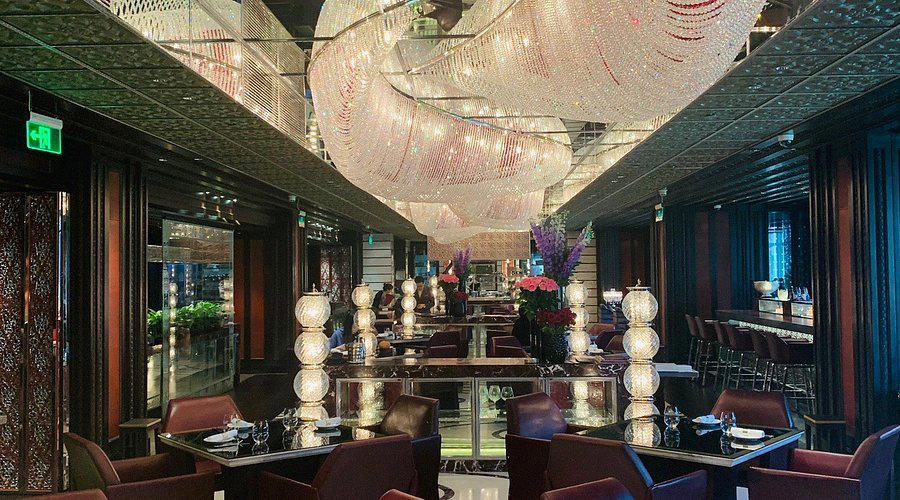
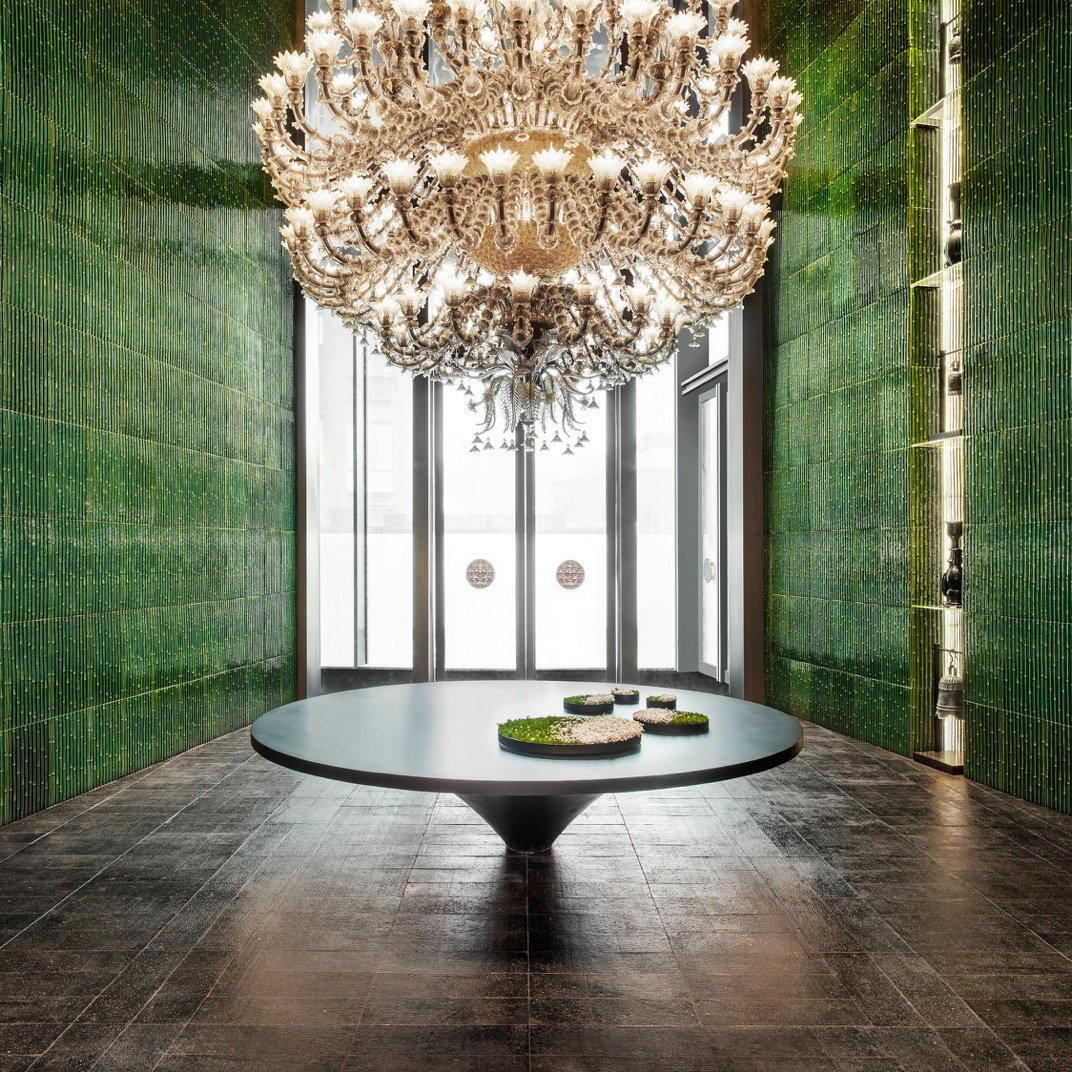
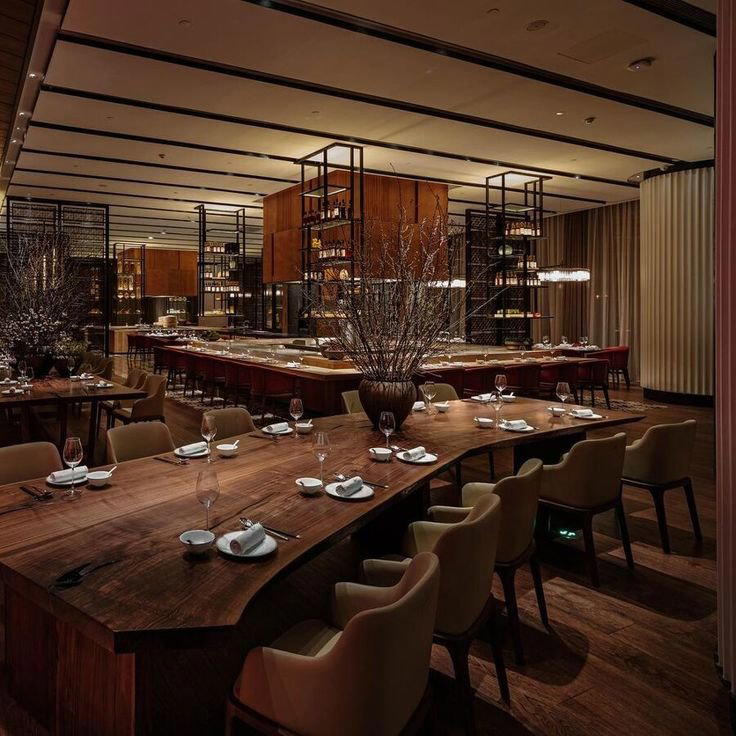
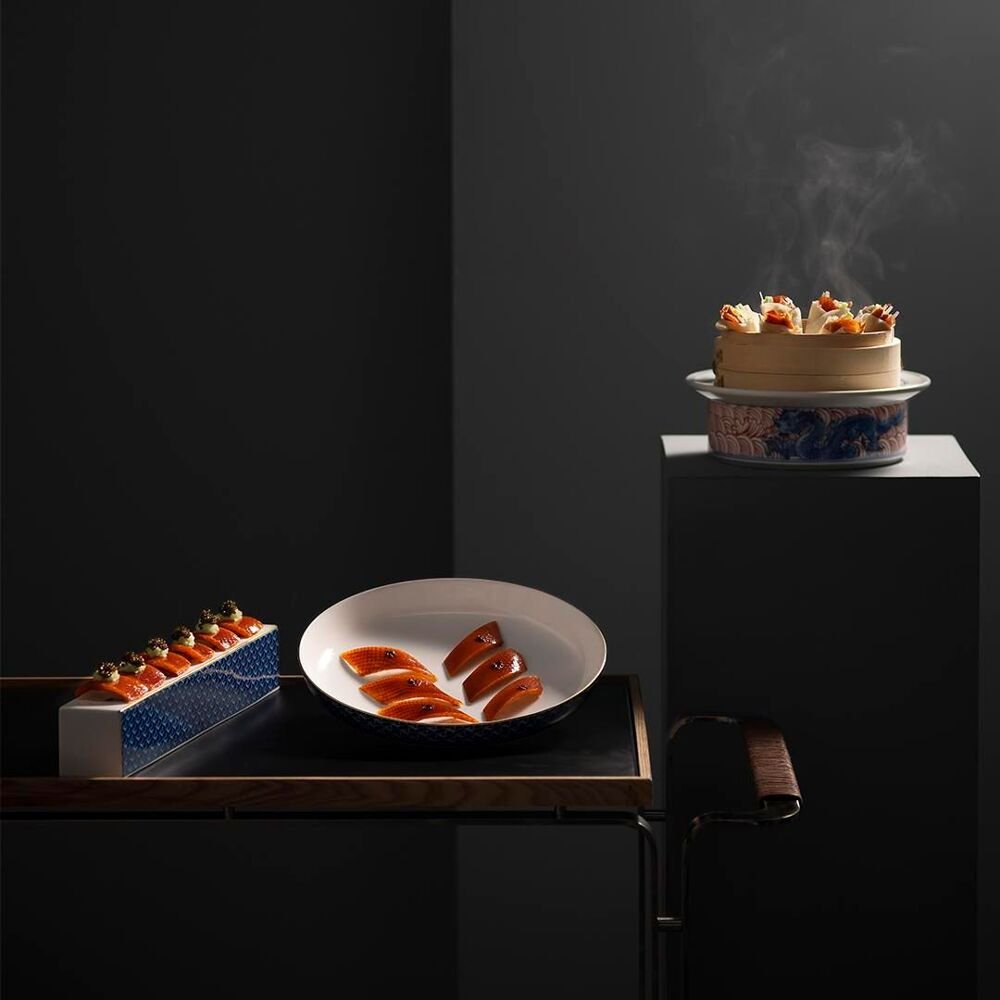
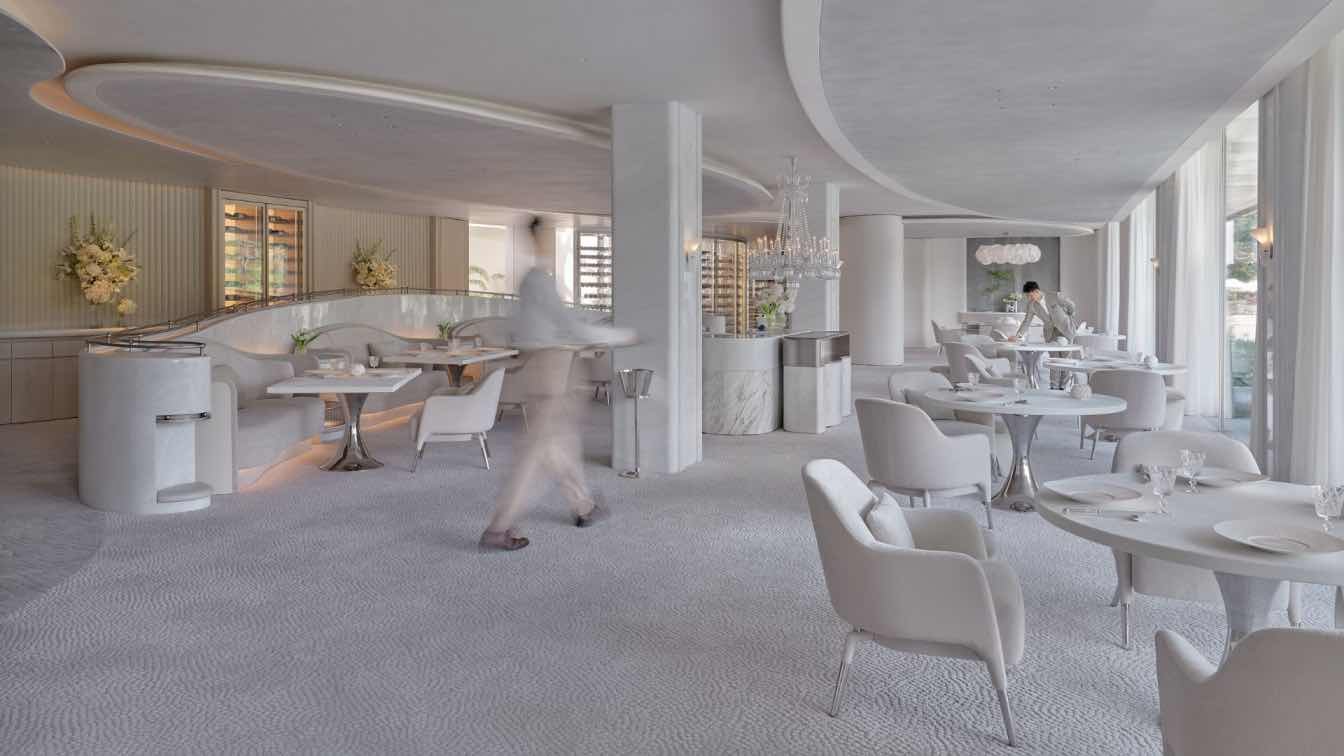
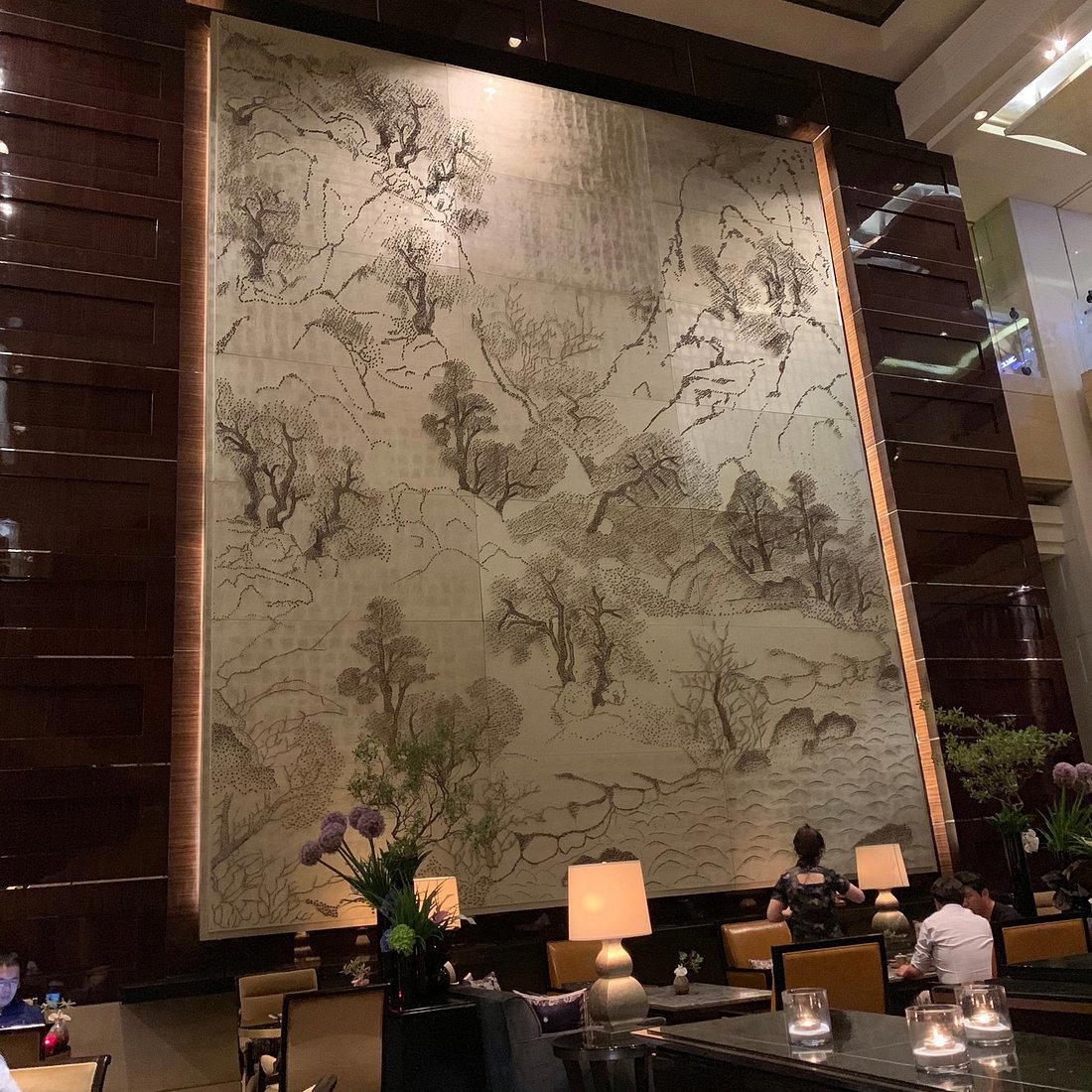
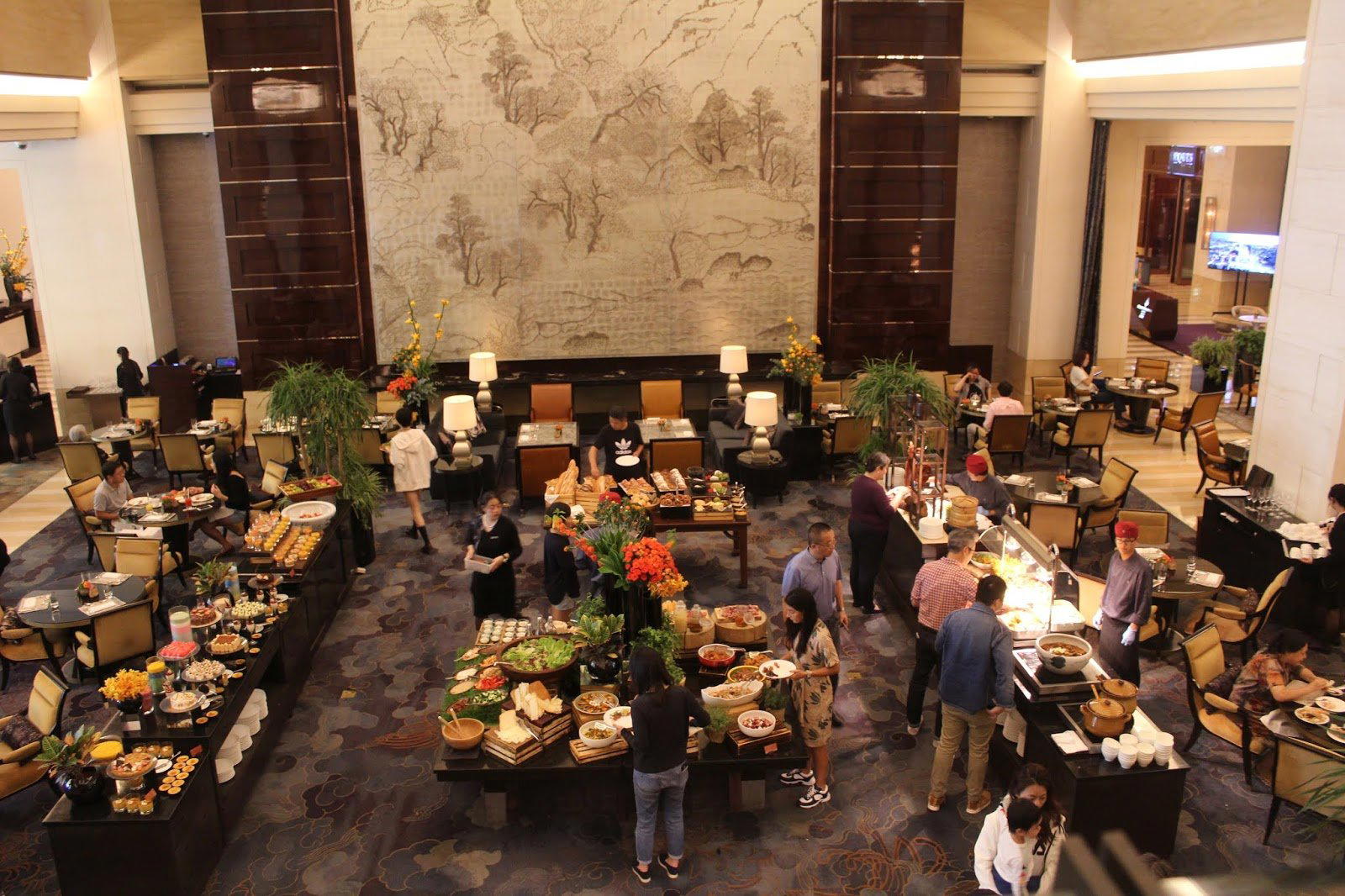
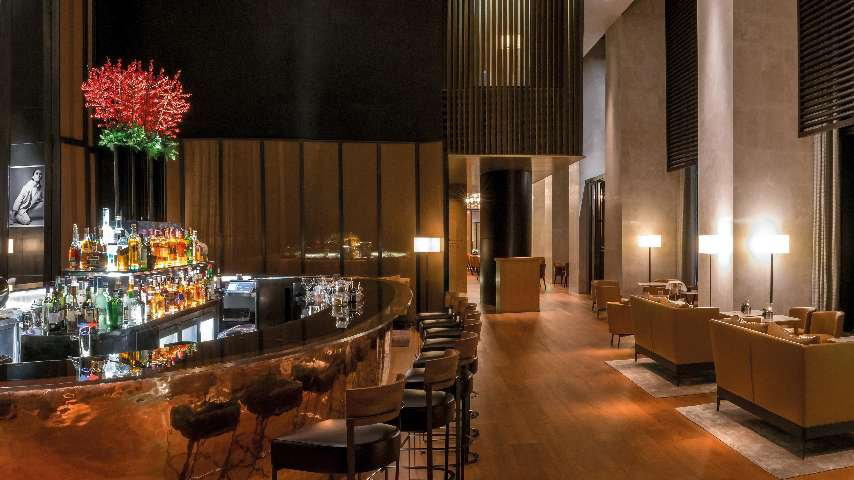
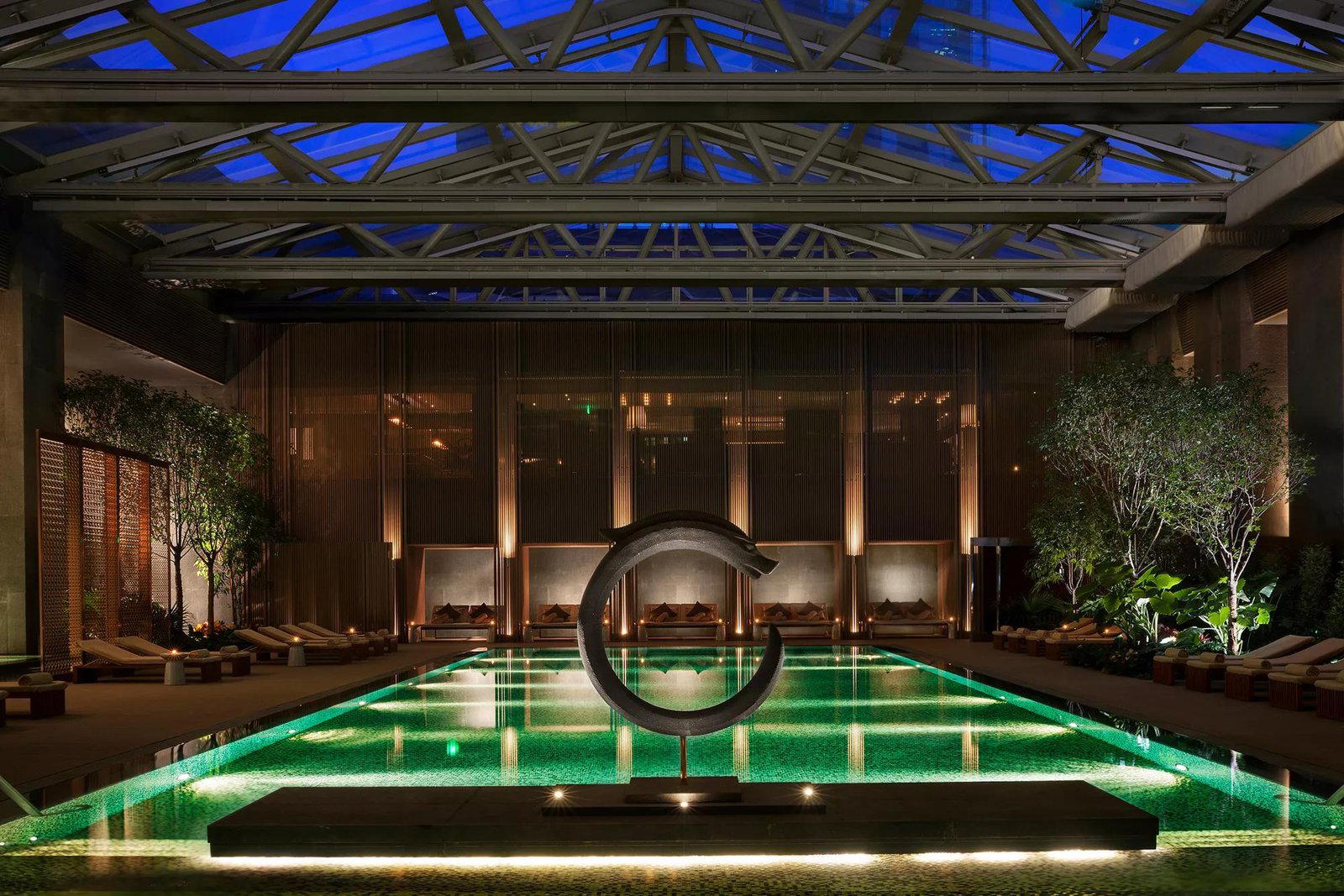
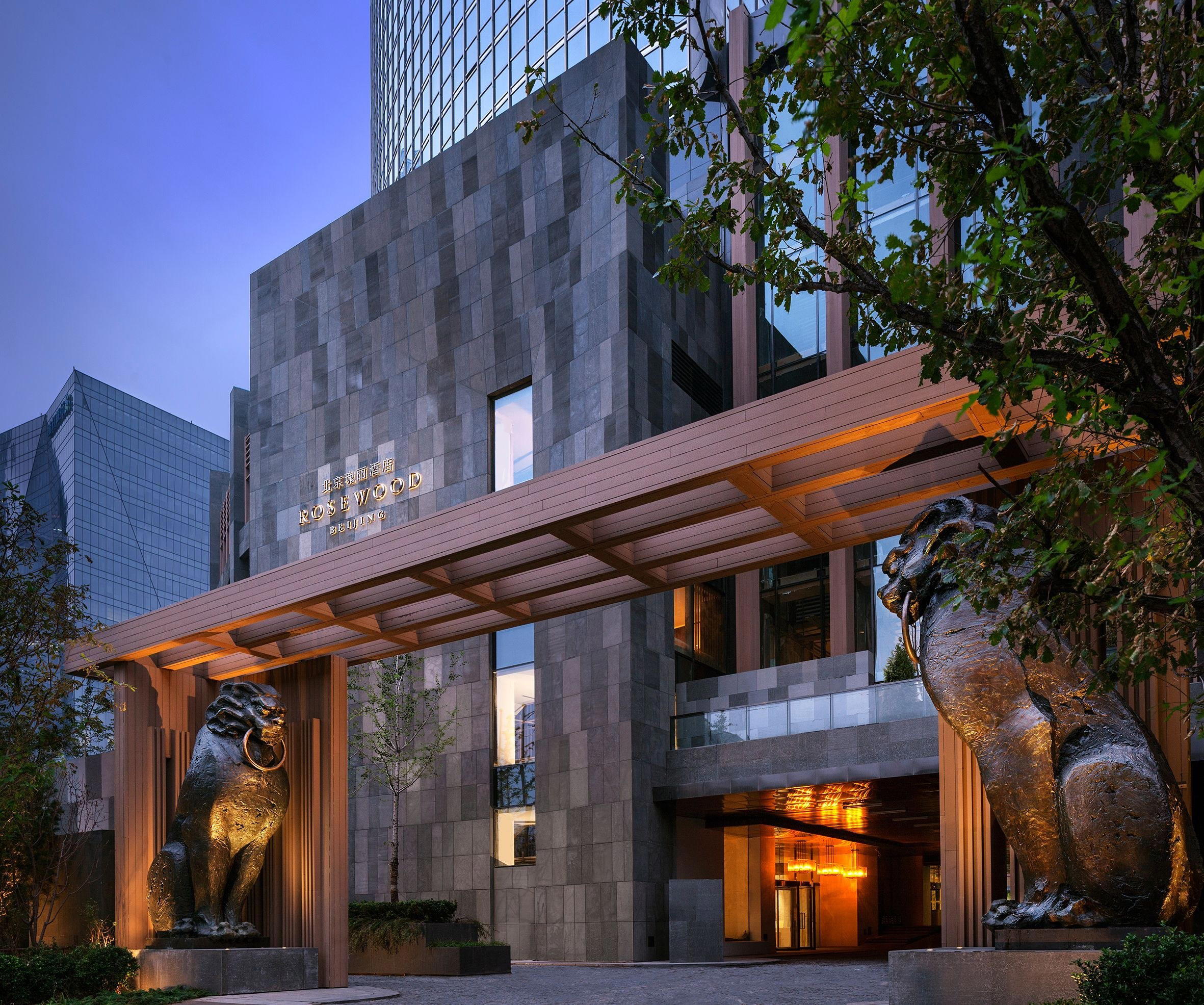
Modern Chinese design with leather furniture, wooden folding screens and bamboo-inspired lighting that create a Zen yet warm, cozy and contemporary atmosphere suited to both business and celebratory dining.
Know Before You Go
- Reservations
- Recommended
- Dress code
- Smart casual
- Getting there
- 8 Guangshun South Street, Beijing, 北京市100102