Cancino polanco
Our verdict
Cancino Polanco occupies a corner of Mexico City's most polished residential-commercial neighbourhood, where the city's appetite for serious dining meets its taste for European references. Set on Calle Julio Verne in the heart of Polanco, the restaurant sits within a peer group that includes some of the capital's most closely watched addresses, making it a useful lens on how contemporary Mexico City hospitality is evolving.

Pearl is the En Primeur Club membership app — saves, bookings, and concierge access live there. Same editors, same standards.

Where Polanco Places Its Bets on the Dining Room
Mexico City's Polanco district has spent the better part of two decades building a case as the capital's most internationally legible dining neighbourhood. The streets around Parque Lincoln and Avenida Presidente Masaryk concentrate a tier of restaurants that price and position themselves against global references rather than local norms. Calle Julio Verne, where Cancino Polanco sits at number 112, belongs to that inner ring: quieter than Masaryk, residential enough to feel deliberate, but close enough to the main commercial artery to draw the full range of Polanco's clientele — corporate lunches, weekend family tables, and the kind of regulars who treat the neighbourhood as an extension of their living room.
That context matters more than any individual venue detail. Polanco's dining culture has always operated with one eye on what a comparable address in Paris, New York, or Madrid might look like, and one eye on what Mexican ingredients, wine culture, and hospitality rhythms actually demand. The result is a neighbourhood where European-influenced formats — long wine lists, multi-course structures, tableside service, are applied with enough local adaptation to feel grounded rather than transplanted. Cancino Polanco operates within that framework, which means its primary competition is not the taquería or the market stall but the polished mid-to-upper tier that defines the area's character.
The Wine Question in a City That Has Changed Its Mind
Mexico City's relationship with serious wine has shifted substantially over the past decade. The market that once defaulted to imported labels as a proxy for sophistication has developed genuine curiosity about domestic production, particularly from Baja California's Valle de Guadalupe and the emerging regions around Querétaro and Coahuila. That shift has filtered into Polanco's restaurants, where wine lists increasingly carry Mexican producers alongside the French and Italian benchmarks that the neighbourhood's clientele expects.
The editorial angle on any Polanco wine program is therefore about positioning: how much of the list reads as imported prestige, how much reflects Mexican viticulture, and whether the curation shows any coherent point of view. Restaurants in this tier that have built genuinely thoughtful cellars tend to do it by anchoring the domestic selection with producers that have international credibility, wineries like those found at Lunario in El Porvenir or Animalón in Valle de Guadalupe, where the wine program is inseparable from the food proposition. That model, where beverage curation is treated as editorial rather than ancillary, has become the standard against which serious Polanco dining rooms are measured.
Compared to the deeply considered wine pairing structures at places like Pujol or the naturalist-leaning cellar approach increasingly visible at Quintonil, the broader Polanco tier is still working out what a coherent identity looks like. The restaurants that have resolved that question most clearly tend to be the ones with dedicated sommelier roles and a list that rewards return visits rather than defaulting to safe, recognisable labels.
Polanco's dining room tier is not monolithic. At the upper end sit the tasting-menu addresses with international recognition, the kind tracked by the Latin America's 50 Best list and the Michelin Guide Mexico, which expanded its Mexico City coverage meaningfully in recent years. Below that, a substantial mid-tier operates on à la carte formats with serious kitchens and polished service, and it is in this bracket that most of the neighbourhood's interesting editorial questions live.
The difference between a competent Polanco restaurant and a genuinely compelling one often comes down to sourcing legibility and menu coherence. Rosetta, operating on a different formal register with its Italian-creative frame, has demonstrated that a focused identity and clear sourcing narrative can sustain a loyal following across price points. Em occupies a similar position of editorial clarity within the Mexican tasting-menu format. Sud 777 has built its reputation in part through a commitment to Mexican producers both in the kitchen and the cellar. These are the reference points against which any serious Polanco address is implicitly measured, whether it seeks that comparison or not.
Beyond the capital, Mexico's fine dining conversation now extends with genuine depth to Le Chique in Puerto Morelos, KOLI Cocina de Origen in Monterrey, Levadura de Olla in Oaxaca, HA' in Playa del Carmen, Pangea in San Pedro Garza Garcia, Olivea Farm to Table in Ensenada, Alcalde in Guadalajara, and Arca in Tulum, all of which contribute to a national dining conversation that Polanco restaurants are now measured within, not above. That expansion of context has raised the bar for what counts as a distinct editorial proposition in Mexico City's most visible neighbourhood.
Booking, Timing, and the Polanco Pattern
Polanco's dining rhythm follows a predictable but useful pattern. Weekday lunch remains the neighbourhood's most social meal: the combination of corporate proximity, residential density, and the Mexican midday meal culture means that prime lunch slots at well-regarded addresses book ahead. Weekend dinner is the most competitive window, particularly for tables of four or more. Anyone approaching Polanco dining with flexibility should consider Thursday evening or Saturday lunch as the periods most likely to offer both availability and a full kitchen.
For the broader Mexico City context, the EP Club full guide covers the city's dining spread across neighbourhoods and price points, and is the place to start for anyone building a multi-day itinerary. See our full Mexico City restaurants guide. International reference points for what serious wine-led dining looks like at the highest tier can be found at Le Bernardin in New York City and Lazy Bear in San Francisco, both of which have shaped the global conversation about how beverage programs integrate with tasting-menu formats.
Know Before You Go
- Address: Calle Julio Verne 112, Polanco III Secc, Miguel Hidalgo, 11540 Ciudad de México, CDMX
- Neighbourhood: Polanco, one of Mexico City's principal upscale dining districts
- Booking: Contact at time of publication; walk-in availability varies by day and time
- Leading timing: Weekday lunch or Thursday evening for the most available windows
- Price range: Not confirmed; assume mid-to-upper Polanco tier based on address and format
- Dress code: Smart casual is the Polanco standard; formal attire not required but overly casual dress reads against the neighbourhood tone
- Nearest reference: Within walking distance of Parque Lincoln and Avenida Presidente Masaryk's main restaurant strip
Frequently asked questions
What's the must-try dish at Cancino Polanco?
The most reliable approach is to ask the front-of-house team on arrival what the kitchen is running as its current focus, in any serious Polanco dining room, this conversation is the most direct route to the kitchen's actual priorities, rather than a printed menu item that may have rotated. For confirmed dish-level detail at comparable Mexico City addresses, see Pujol or Quintonil.
What's the ideal way to book Cancino Polanco?
If you are planning around a specific date, arriving at the venue directly during off-peak hours, mid-morning or mid-afternoon on a weekday, is a practical fallback when online booking channels are unclear. Mexico City's Polanco addresses at this price tier tend to accommodate walk-in enquiries for future reservations more readily than same-day seating.
What's the standout thing about Cancino Polanco?
Its location on Calle Julio Verne places it in the denser, more residential part of Polanco, a street that attracts a local repeat clientele rather than passing tourist traffic. In a neighbourhood where address signals a great deal about intended audience, that positioning suggests a dining room built for regulars rather than occasion visitors.
How does Cancino Polanco handle allergies?
Until phone and website details are confirmed, enquiring in person at the time of reservation is advisable.
Does Cancino Polanco justify its prices?
Price range data for Cancino Polanco is not confirmed at time of publication. Within Polanco's competitive mid-to-upper tier, value is leading assessed relative to what the kitchen and cellar actually deliver against their peer group. For confirmed price-point comparisons at nearby addresses, Rosetta operates at a mid-range register and Em sits in the upper bracket, both offer useful calibration points for what Mexico City dining charges at comparable quality levels.
Is Cancino Polanco part of a wider restaurant group operating in Mexico City?
The Cancino name appears across several Mexico City locations, suggesting a multi-site operation rather than a standalone independent. For visitors, this is a useful signal: multi-site groups in the capital's upscale districts tend to maintain consistent service standards and sourcing relationships across locations, which can make the Polanco branch a reliable entry point into the brand's overall proposition. Confirming current ownership structure and any group-wide wine or sourcing programs directly with the venue will give the clearest picture of what distinguishes the Polanco address from sibling locations.
Price and Positioning
Comparable venues nearby, for context on price, style, and recognition.
| Venue | Cuisine | Price | Notes |
|---|---|---|---|
| Cancino polancoThis venue — the venue you are viewing | Italian Wood-Fired Pizzeria | $20–30 | Not listed |
| Maralunga | Italian Pizza Grill | Not listed | San Ángel Inn, Italian Pizza Grill |
| Mammut Pizza Oxford | Neapolitan Rustic Pizza | $20–30 | Cuauhtemoc, Neapolitan Rustic Pizza |
| Cancino | Italian-Mexican Fusion Pizza | $20–30 | Centro Urbano Benito Juarez, Italian-Mexican Fusion Pizza |
| Ostería del Becco | Modern Italian Osteria | $50–100 | Los Morales Secc Palmas, Modern Italian Osteria |
| Auguri Kosher Trattoria | Kosher Italian Trattoria with Fusion Elements | $30–50 | Del Bosque, Kosher Italian Trattoria with Fusion Elements |
Continue exploring
More in Mexico City
Restaurants in Mexico City
All restaurants in Mexico City →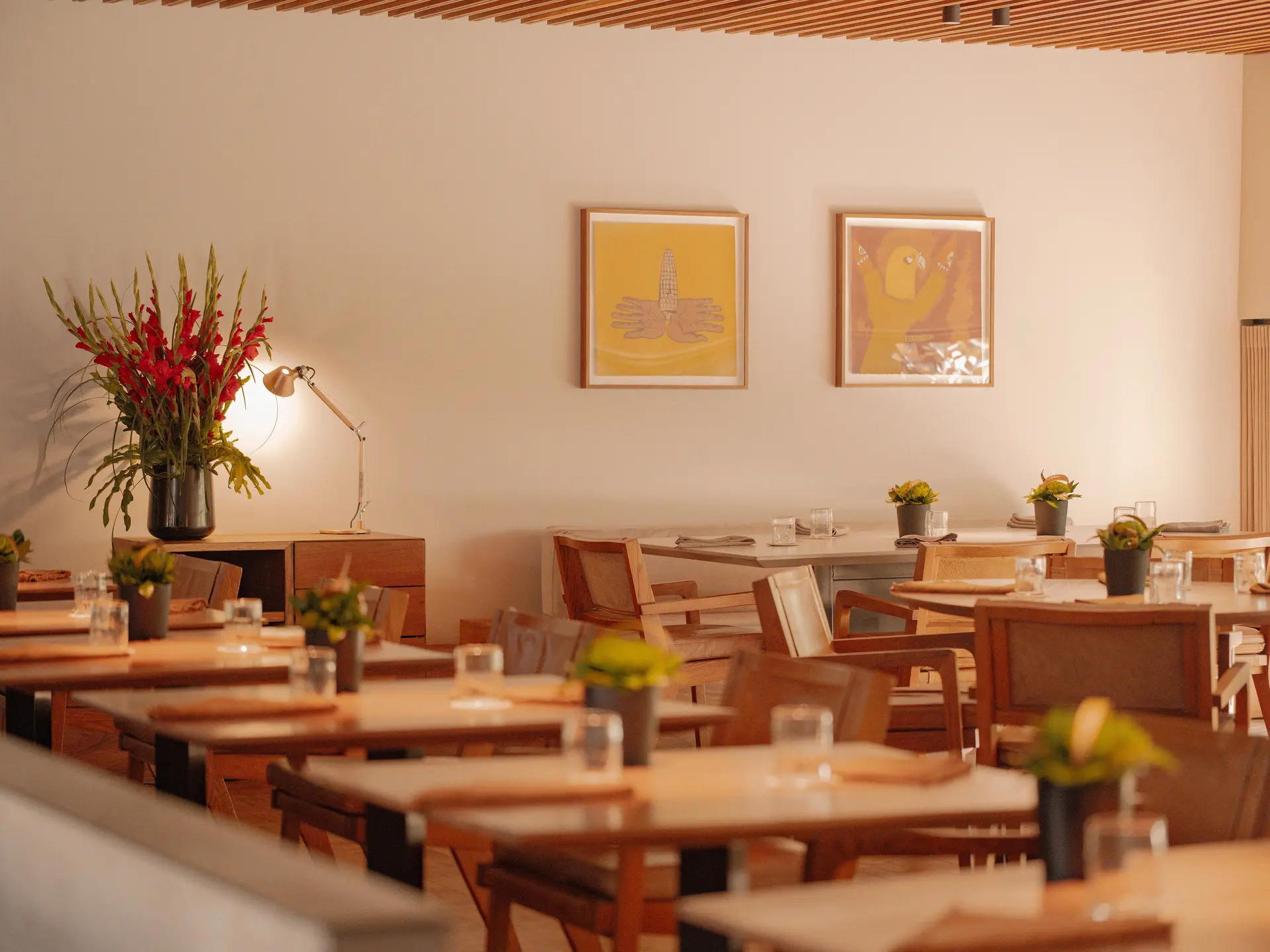
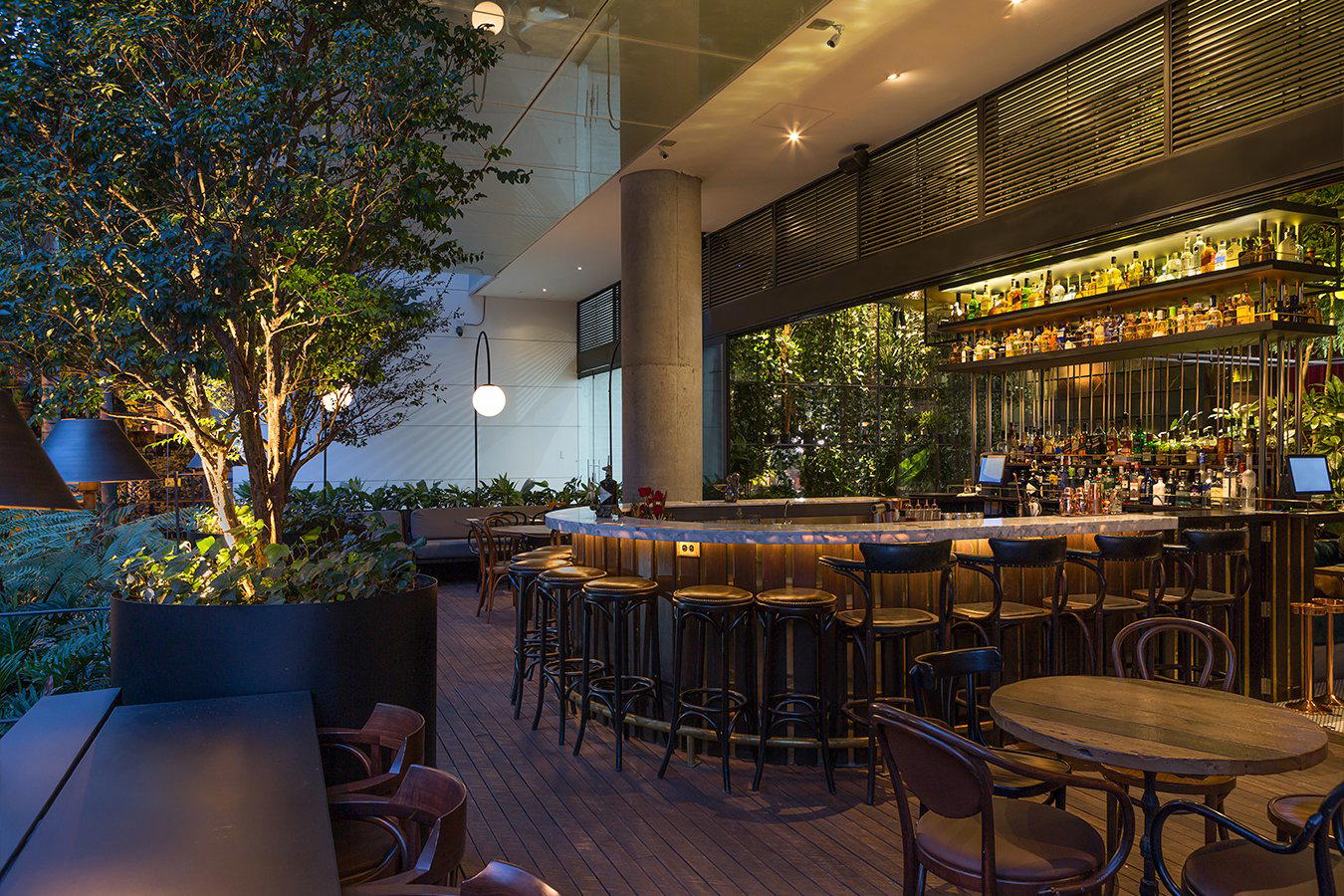
Bars in Mexico City
All bars in Mexico City →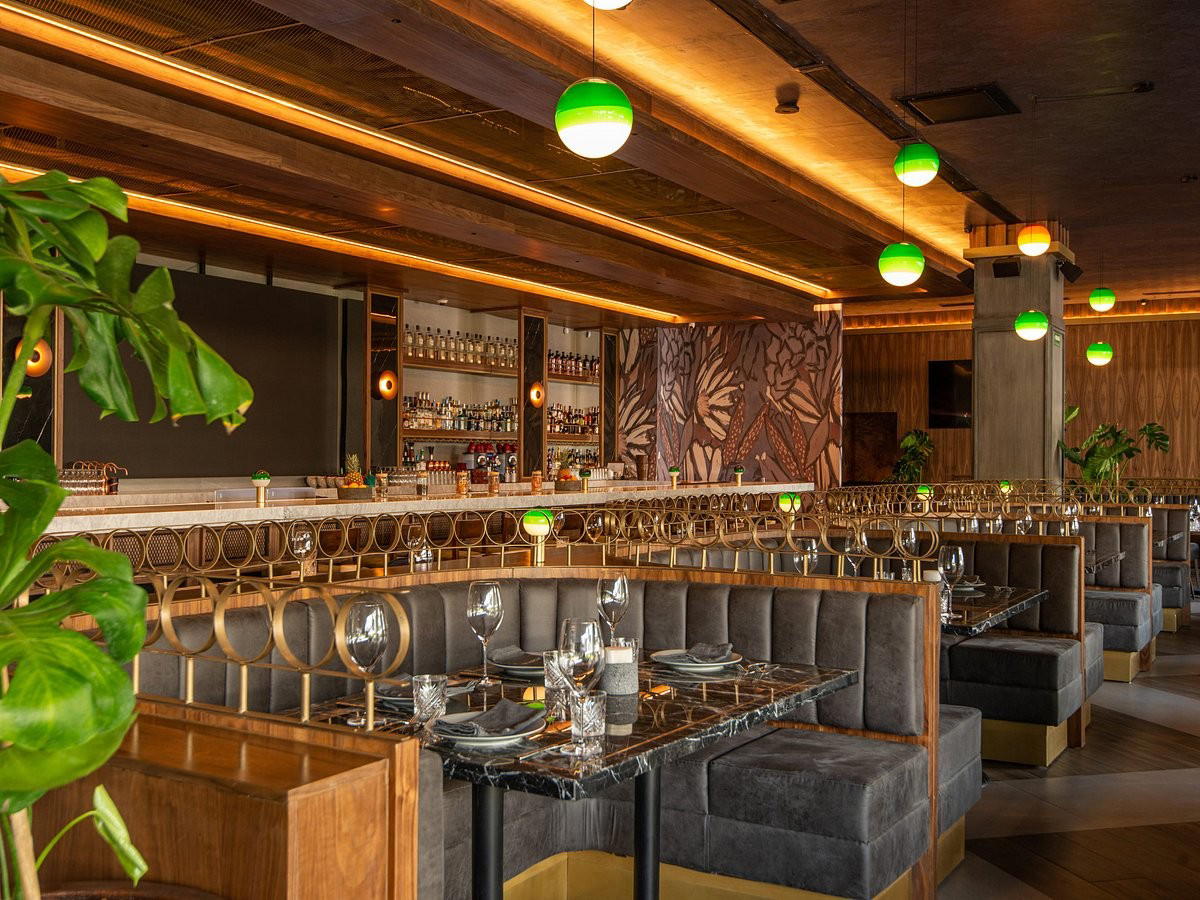
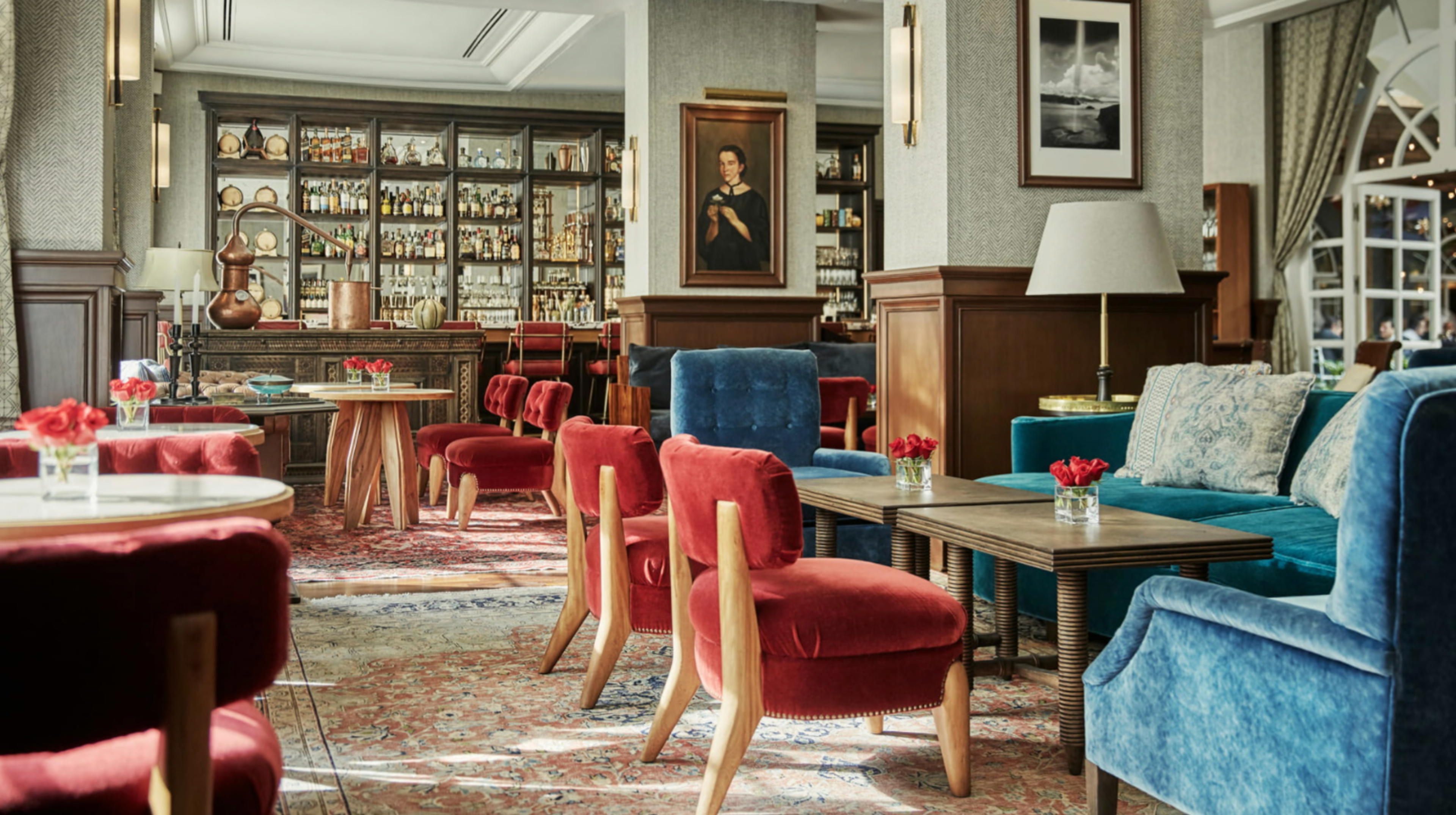
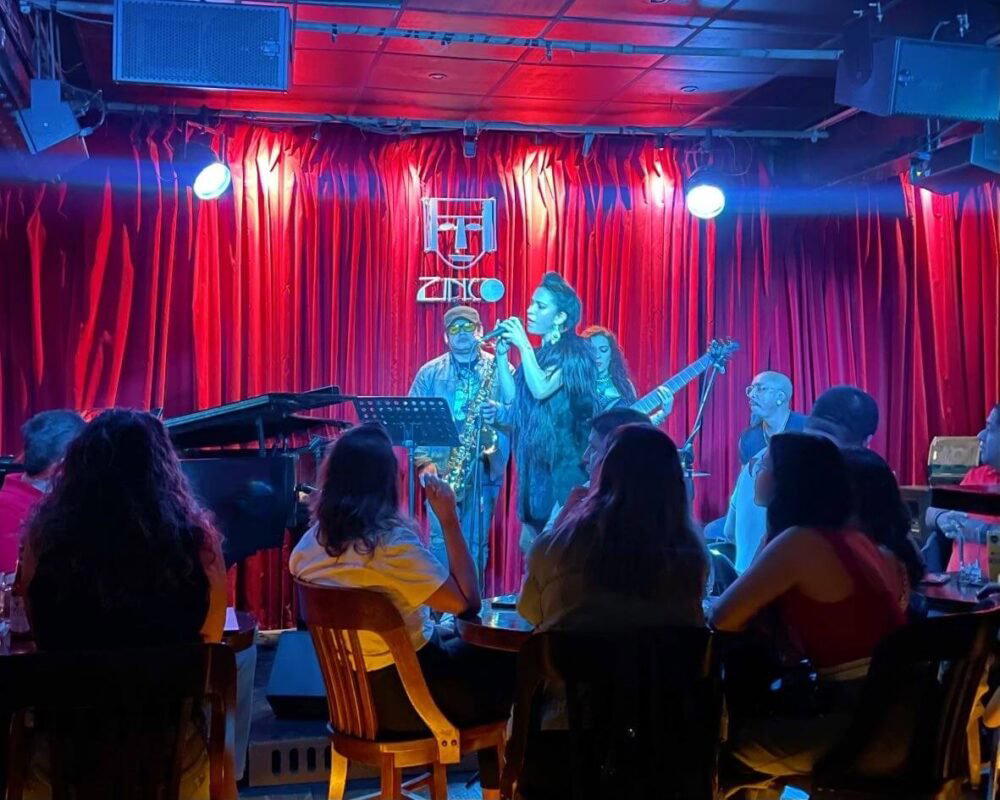
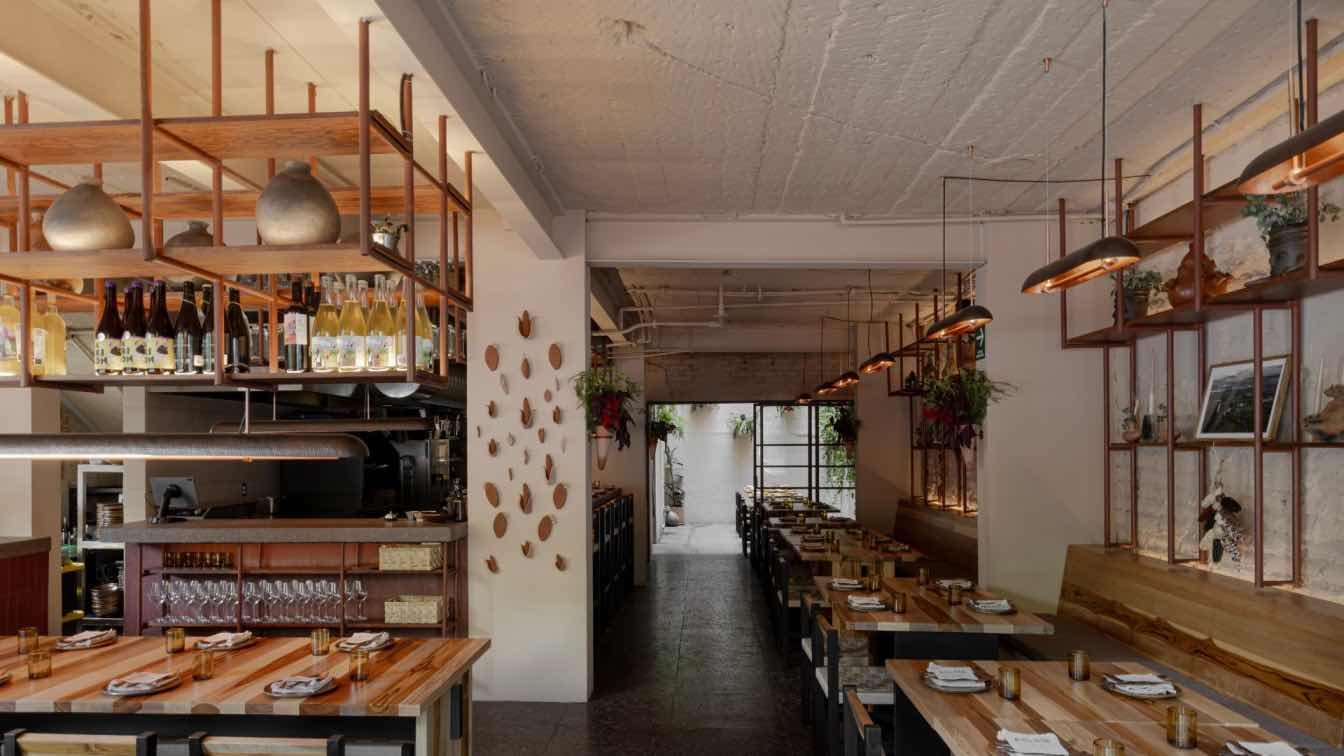
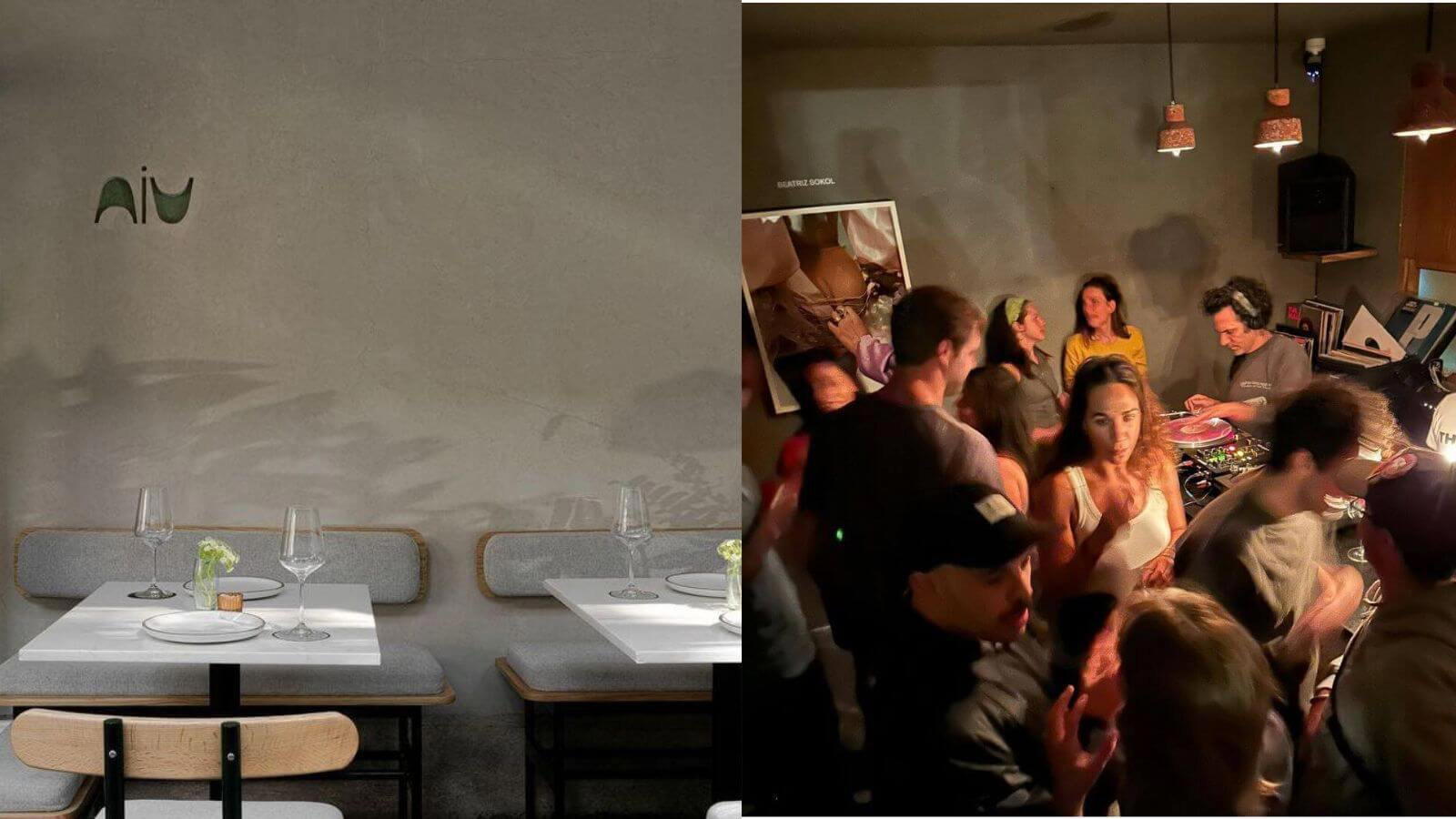
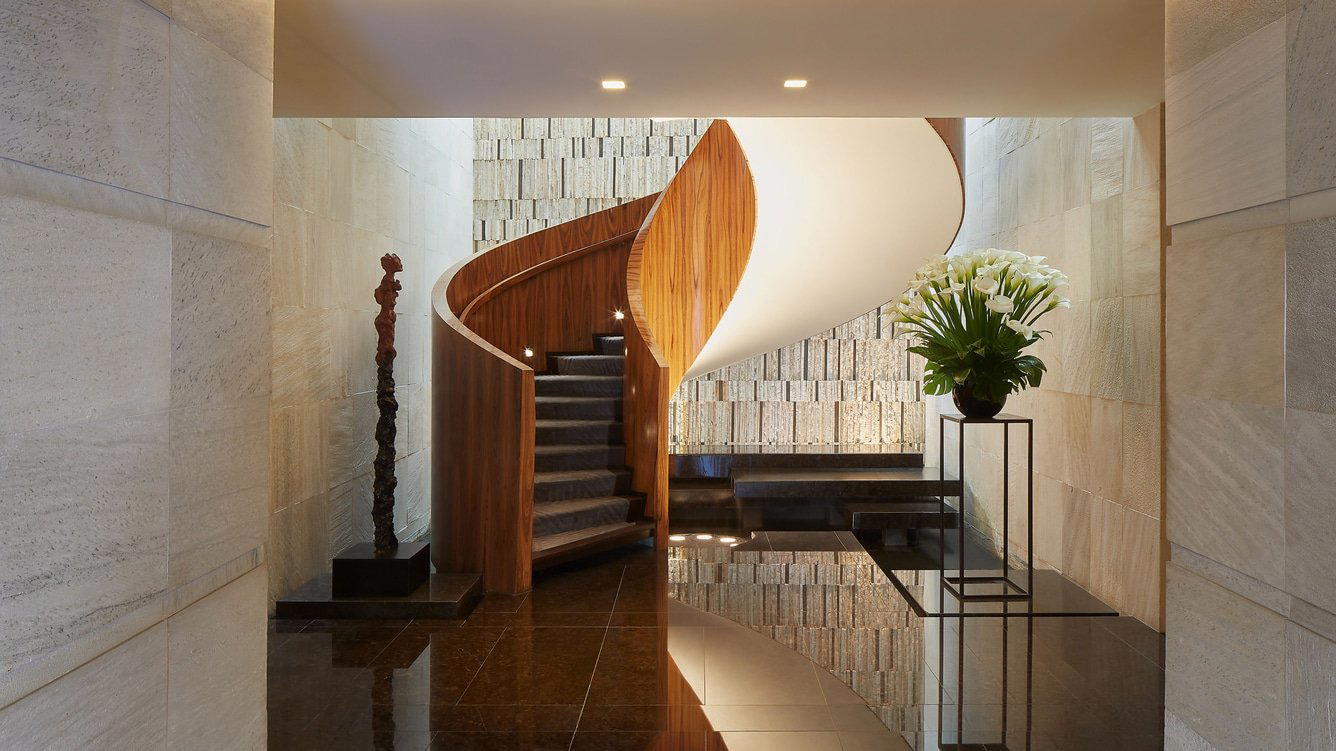
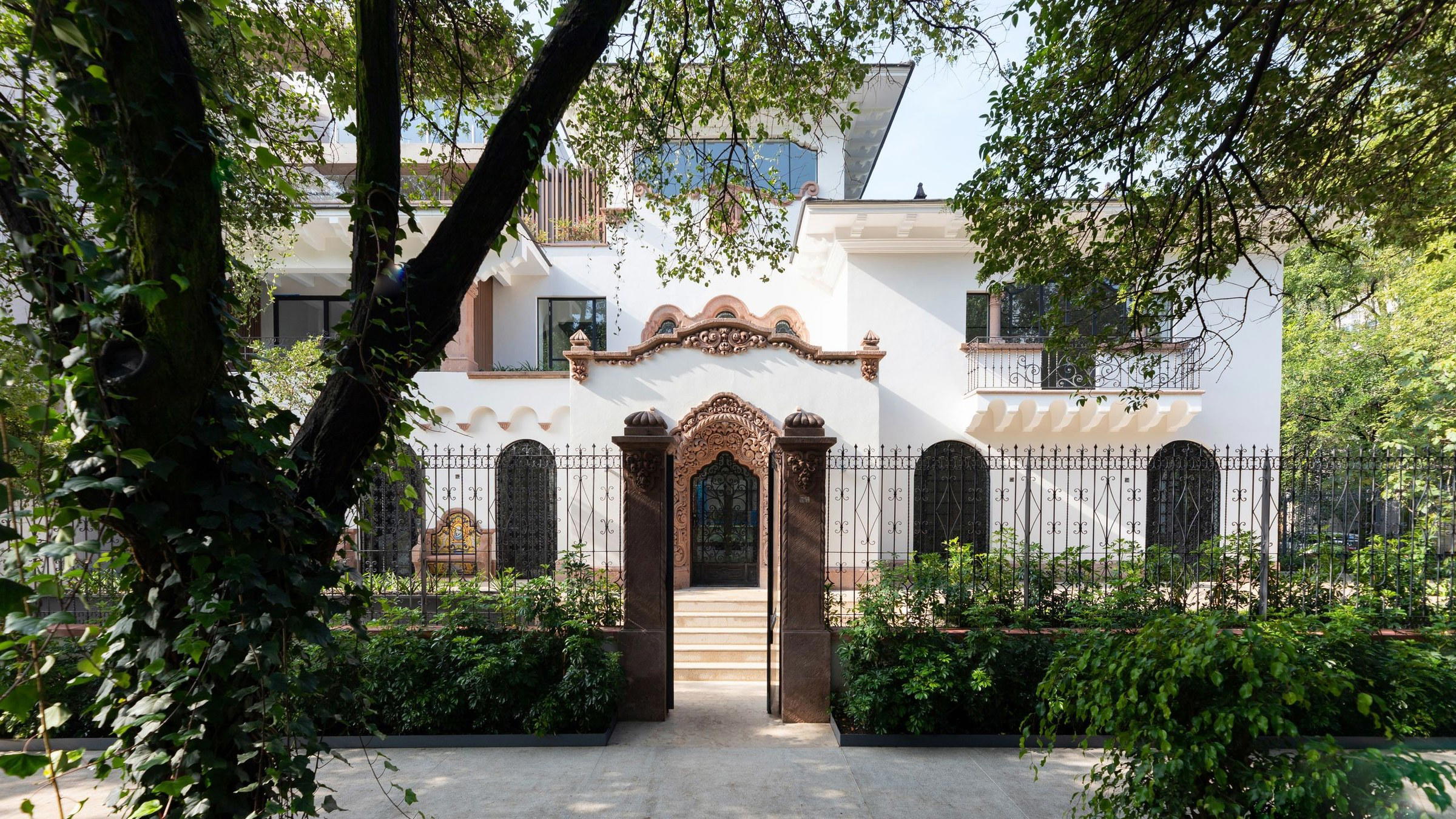
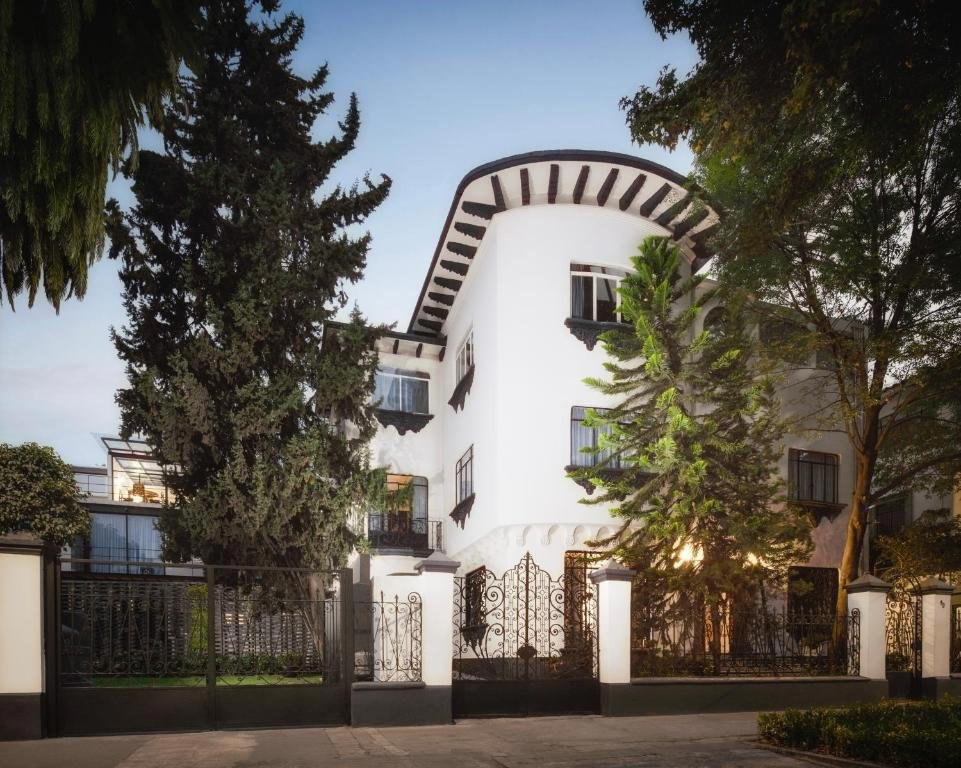
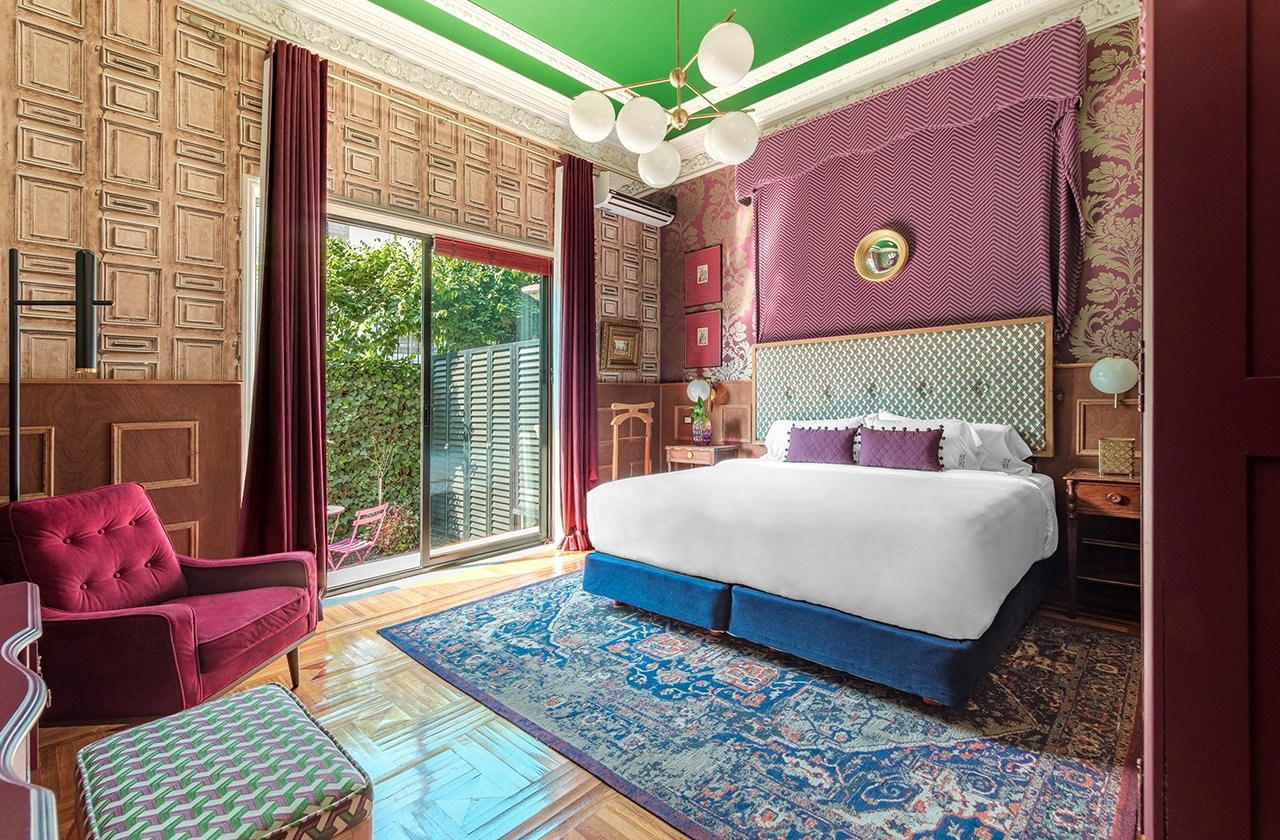
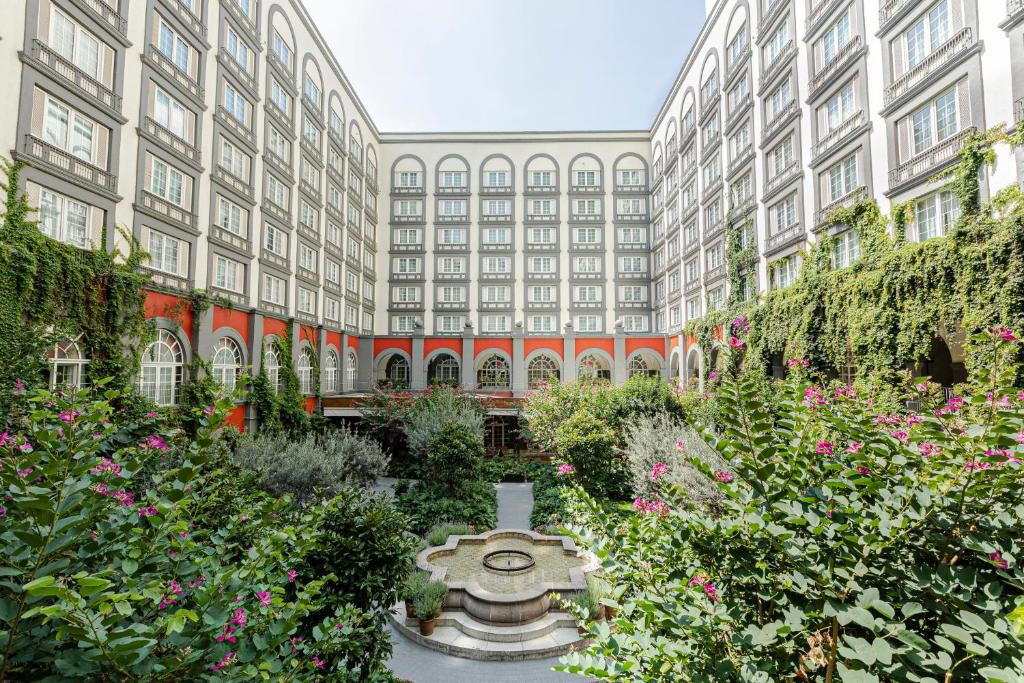
Cancino polanco
The wine
- Wine program
- Curated wine list
- Craft cocktails
Details
- Lively
- Cozy
- Casual Hangout
- Date Night
- Group Dining
- Open Kitchen
- Craft Cocktails
- Local Sourcing
- A La Carte
- Vegetarian Friendly
- Vegan Options
Current opening hours
- Monday
- 1 PM–12 AM
- Tuesday
- 1 PM–12 AM
- Wednesday
- 1 PM–12 AM
- Thursday
- 1 PM–12 AM
- Friday
- 1 PM–12 AM
- Saturday
- 1 PM–12 AM
- Sunday
- 1 PM–12 AM
Hours can change for holidays and private events. Last verified .
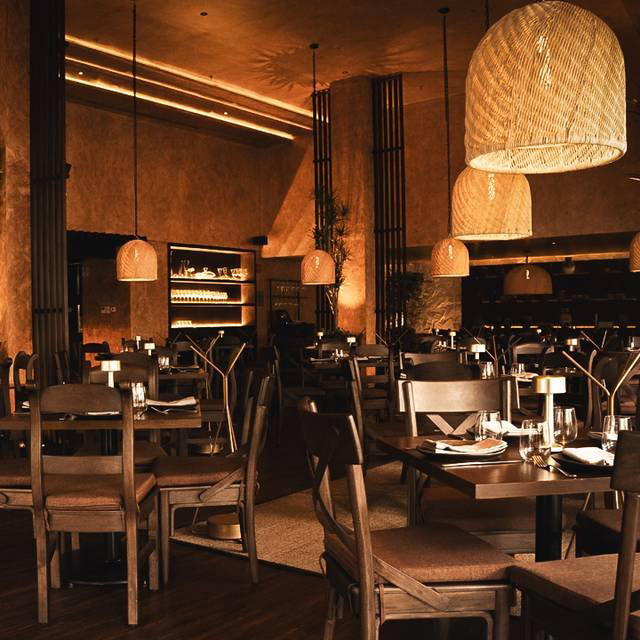
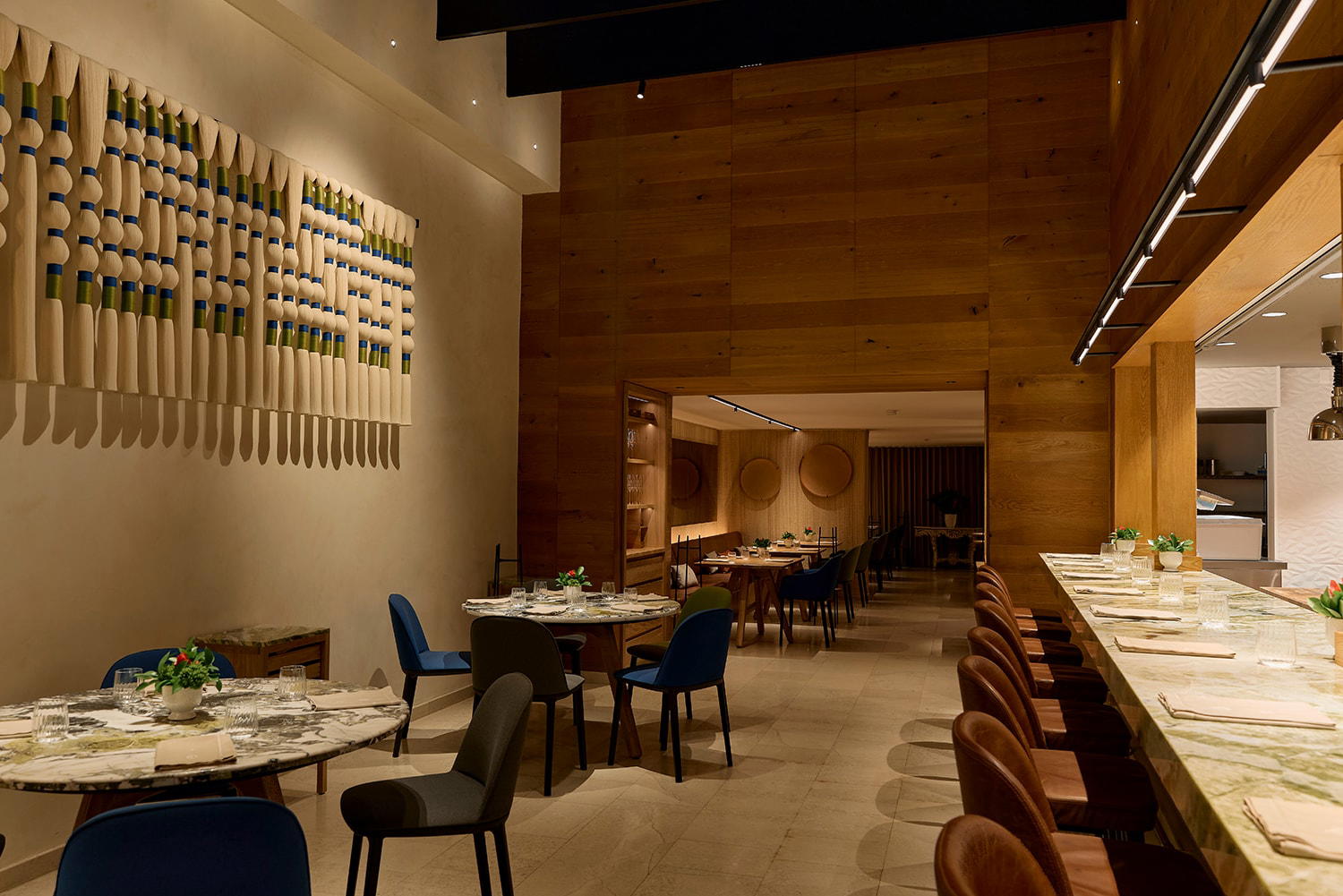
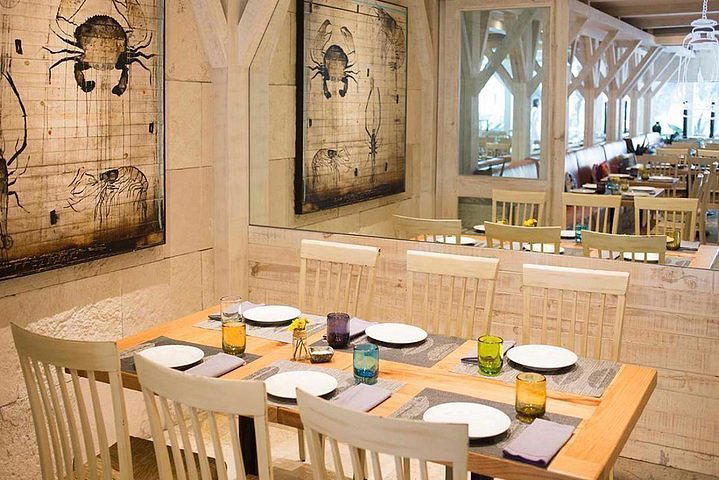
Relaxed and welcoming atmosphere with a warm, unpretentious vibe ideal for casual dining.