Maralunga
Maralunga occupies a quiet corner of Tizapán, one of Mexico City's more residential and less restaurant-saturated districts. The address alone signals a departure from the Centro–Roma–Condesa circuit that dominates most dining itineraries. What draws visitors here is a question worth sitting with before you book.
Pearl is the En Primeur Club membership app — saves, bookings, and concierge access live there. Same editors, same standards.
- Address
- Av. San Jerónimo 14, Tizapán, Álvaro Obregón, 01090 Ciudad de México, CDMX, Mexico
- Phone
- +525556838491
- Website
- opentable.com
- Directions
- Get directions
 Saves & bookings on Pearl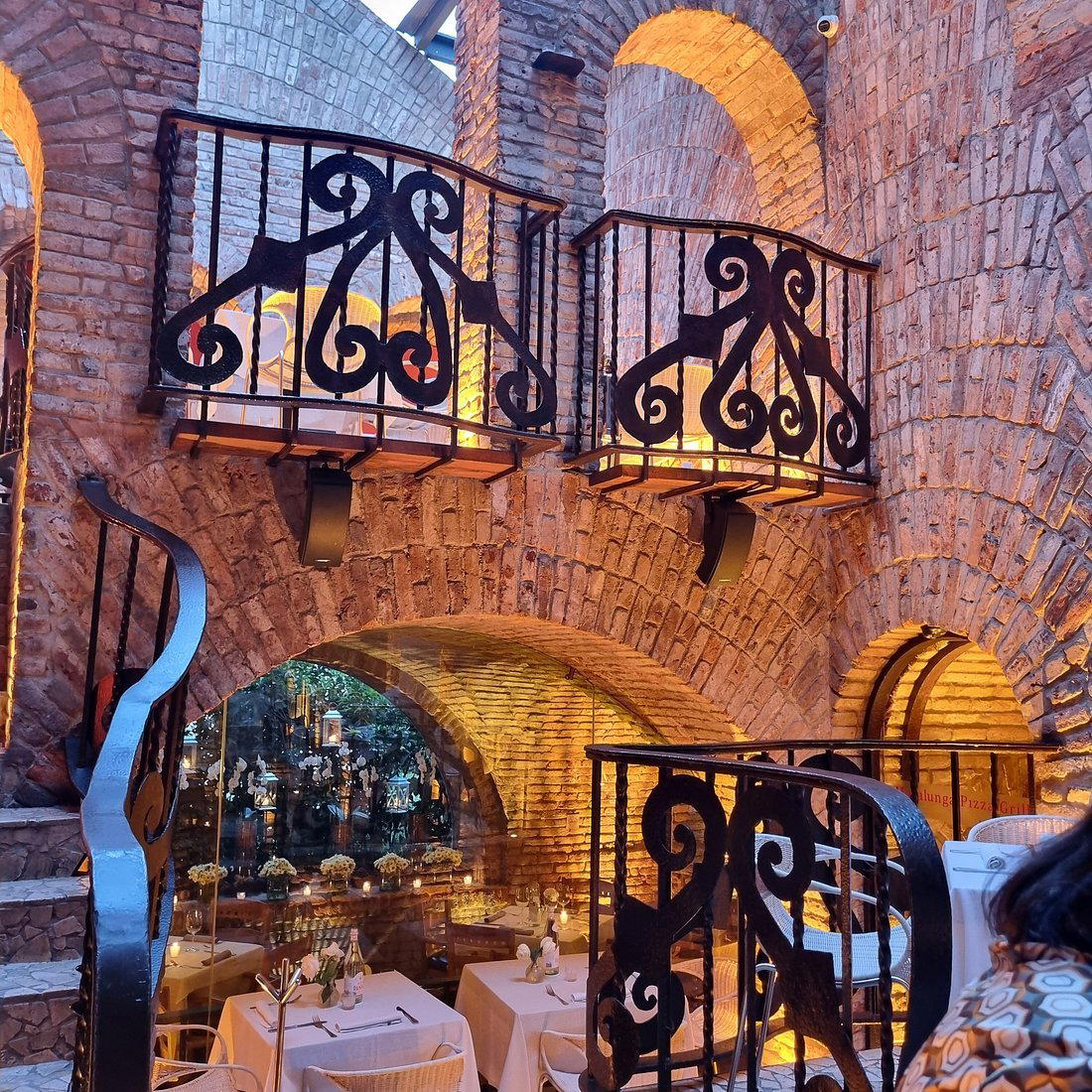
A Neighbourhood That Sets the Tone Before You Sit Down
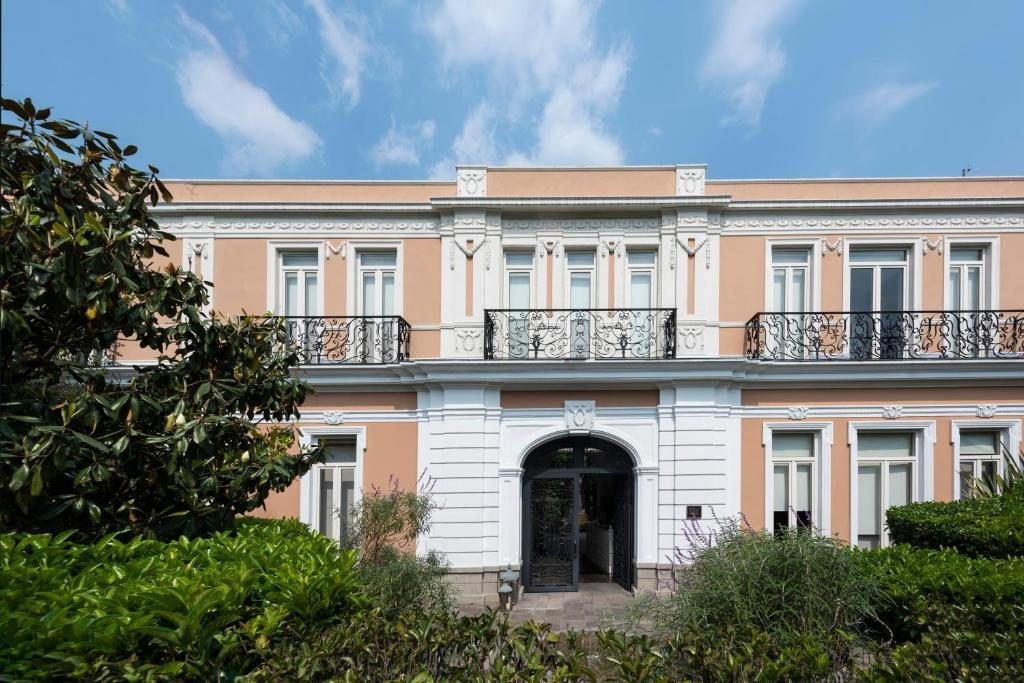
Tizapán sits in the southwestern arc of Mexico City, past San Ángel's cobblestone plazas and beyond the gallery-lined streets that most visitors reach on a long afternoon. The neighbourhood is residential in character, with a scale and quietness that contrasts sharply with the dense dining corridors of Polanco or Roma Norte. Arriving at Av. San Jerónimo 14 by taxi or rideshare, you pass tree-lined streets and low-rise architecture that feel closer to a provincial Mexican town than to a capital of twenty million. That distance from the city's gastronomic centre of gravity is, for a certain kind of diner, exactly the point.
Mexico City's dining scene has long operated on a visible circuit: the flagship addresses in Polanco where Pujol and Quintonil anchor the international conversation, the creative mid-tier in Roma and Condesa where Rosetta has built a loyal following around Italian-inflected Mexican produce, and the more experimental registers represented by places like Em. Maralunga, at its Tizapán address, sits outside that geography, and that physical remove shapes what visiting it feels like from the first moment.
The Lunch-Dinner Divide in the Outer Districts
In Mexico City's residential neighbourhoods, the distinction between lunch and dinner service carries more weight than it does in the tourist-facing dining zones. Midday remains the primary meal for much of the city's population, a rhythm inherited from pre-industrial working patterns and preserved in the comida corrida tradition that runs from roughly 1:30 to 4:30 pm. Restaurants in districts like Tizapán often orient their most substantive cooking around this window, when the neighbourhood fills with local professionals and families rather than visitors working through a shortlist. Evening service, by contrast, tends to be quieter and sometimes shorter in scope.
This distinction matters for how you plan a visit to Maralunga. The address and neighbourhood profile suggest a venue operating within the fabric of local eating life rather than against it. Diners arriving at midday are likely to find a room in active use, with the energy that comes from being part of a neighbourhood rather than on display for tourists. Those arriving for dinner enter a different register: more subdued, more intimate, and potentially shaped by a narrower menu selection depending on the day's kitchen rhythm. Neither experience is lesser, but they are genuinely different, and choosing between them is a meaningful editorial decision before you arrive.
For context on what this dynamic looks like elsewhere in Mexico, Alcalde in Guadalajara and KOLI Cocina de Origen in Monterrey both operate in cities where the comida hour shapes dining culture as strongly as it does in the capital, and both reward the diner who arrives at the right time rather than the most convenient one. The same reasoning applies here.
Where Maralunga Sits in Mexico's Broader Restaurant Conversation
Mexico's restaurant scene in 2024 is not reducible to its half-dozen internationally recognised flagships. The more interesting development over the past five years has been the proliferation of serious cooking in contexts that resist the tasting-menu, wine-pairing, Michelin-signal format. From Levadura de Olla in Oaxaca to Animalón in Valle de Guadalupe, the most compelling new addresses often operate on smaller budgets, in less-trafficked locations, and with menus that reflect a specific regional or neighbourhood identity rather than a globalised fine-dining grammar.
Maralunga at its Tizapán address belongs to this wider conversation. The detail available is limited, but the location itself is informative: a restaurant serious enough to earn attention operating in a neighbourhood where foot traffic alone cannot sustain it. That implies a local following, a distinctive enough offer to pull diners from elsewhere in the city, or both. Those same conditions describe a tier of Mexico City eating that rarely makes international shortlists but often delivers the most direct expression of how the city actually feeds itself.
For comparison, Sud 777 operates in the adjacent Pedregal de San Ángel district with a similar remove from the central dining circuit, and has built a following that crosses neighbourhood lines. The southwestern quadrant of the city has a track record of supporting serious kitchens in low-visibility locations.
What to Expect From the Experience
What the address signals is a restaurant embedded in one of the city's quieter, more established residential districts, operating at a distance from the marketing apparatus that surrounds Mexico City's most-discussed tables.
For Mexico City restaurant comparisons more broadly, our full Mexico City restaurants guide maps the scene by district and price tier, which is a more useful frame than any single shortlist. For those travelling beyond the capital, HA' in Playa del Carmen, Le Chique in Puerto Morelos, Huniik in Merida, Lunario in El Porvenir, and Olivea Farm to Table in Ensenada represent the range of serious cooking now operating across the country's different regions and price points. And for those using Mexico City as a base before or after international travel, the editorial standards applied to places like Le Bernardin in New York or Atomix provide a useful calibration for what serious cooking looks like at the global level, and why Mexico's leading current tables hold their own against that benchmark.
Also worth noting for regional context: Pangea in San Pedro Garza García has demonstrated for years that Mexico's most consequential restaurants are not limited to the capital, a point Maralunga's Tizapán positioning reinforces from the other direction.
Planning Your Visit
| Detail | Maralunga | Rosetta (Roma) | Pujol (Polanco) |
|---|---|---|---|
| District | Tizapán, Álvaro Obregón | Roma Norte | Polanco |
| Price tier | Not confirmed | $$ | $$$$ |
| Leading access | Rideshare recommended | Metro/rideshare | Rideshare |
| Lunch service | Likely primary service | Yes | Limited |
| Booking | Online/phone | Online, weeks ahead |
The Tizapán location is leading reached by rideshare from central Mexico City; the address on Av. San Jerónimo is not near a Metro line that makes the journey practical on foot or by public transit from the city centre. Allow extra time for traffic on the Periférico corridor, particularly during comida hours on weekdays.
Continue exploring
More in Mexico City
Restaurants in Mexico City
Browse all →
Bars in Mexico City
Browse all →
At a Glance
- Romantic
- Cozy
- Elegant
- Intimate
- Date Night
- Open Kitchen
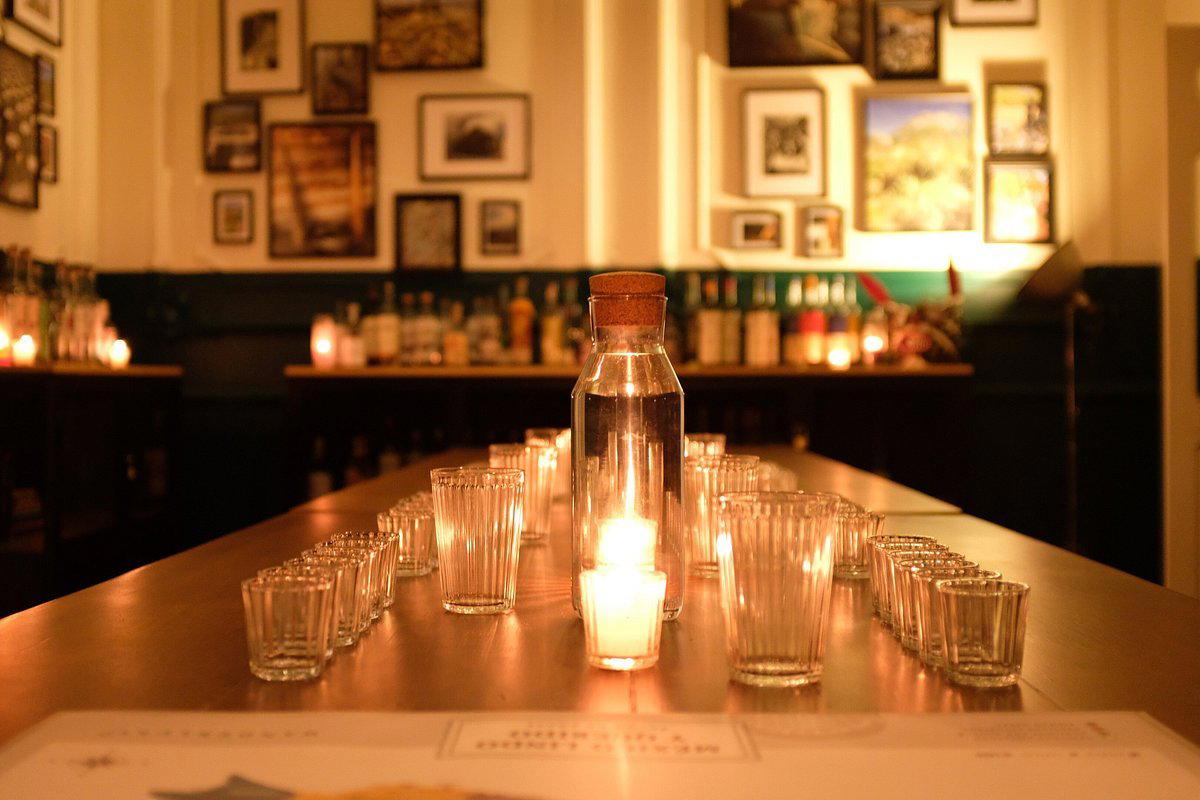
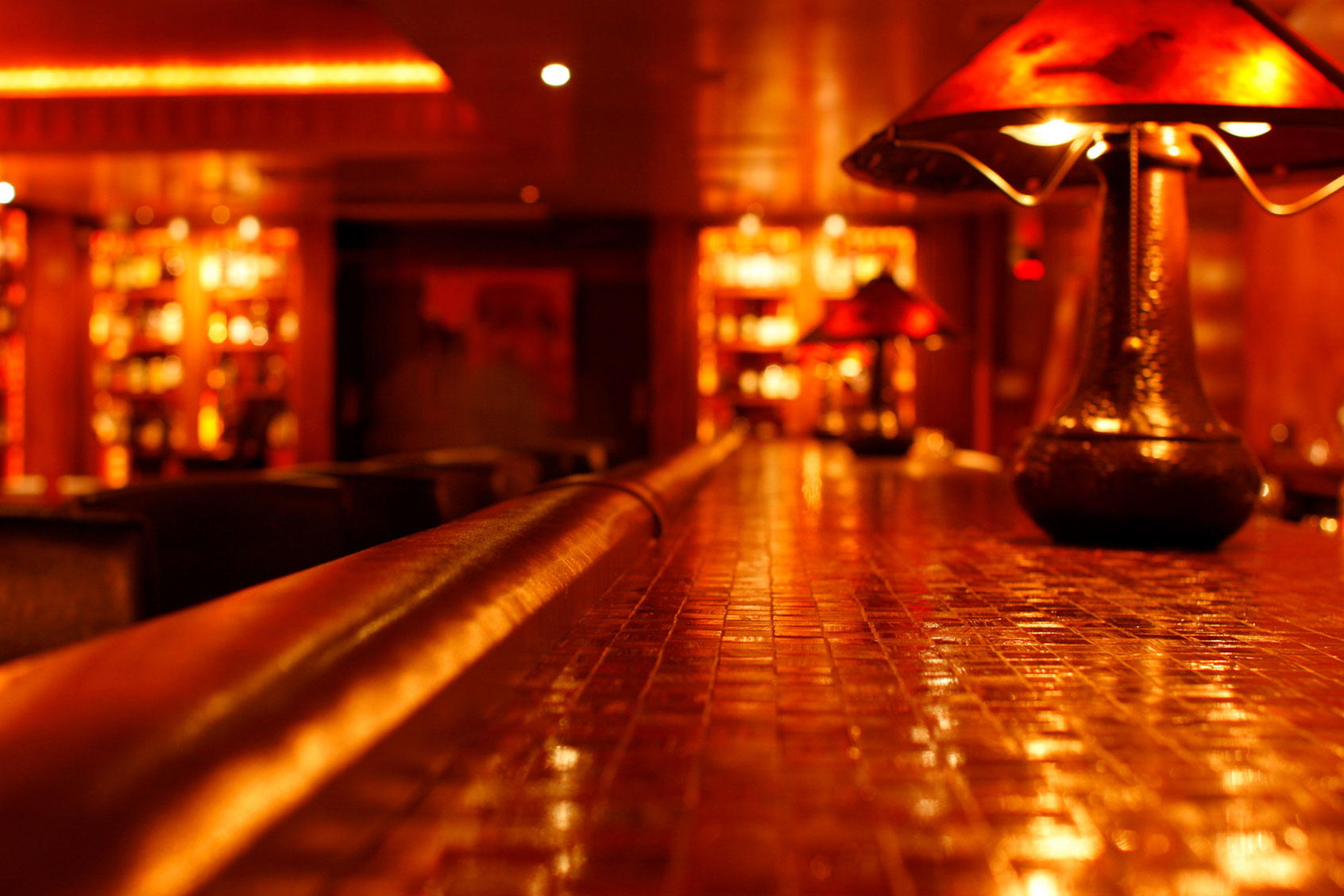
Cozy and elegant brick interior with Catalan vaults, waterfall entrance, warm lighting, and romantic old-world European feel.
Know Before You Go
- Getting there
- Av. San Jerónimo 14, Tizapán, Álvaro Obregón, 01090 Ciudad de México, CDMX, Mexico