Our verdict
Campanelo serves Modern Dalmatian cooking in a quiet, leisurely terrace setting with garden views and local sourcing; ravioli with lamb anchors the menu.

Pearl is the En Primeur Club membership app — saves, bookings, and concierge access live there. Same editors, same standards.
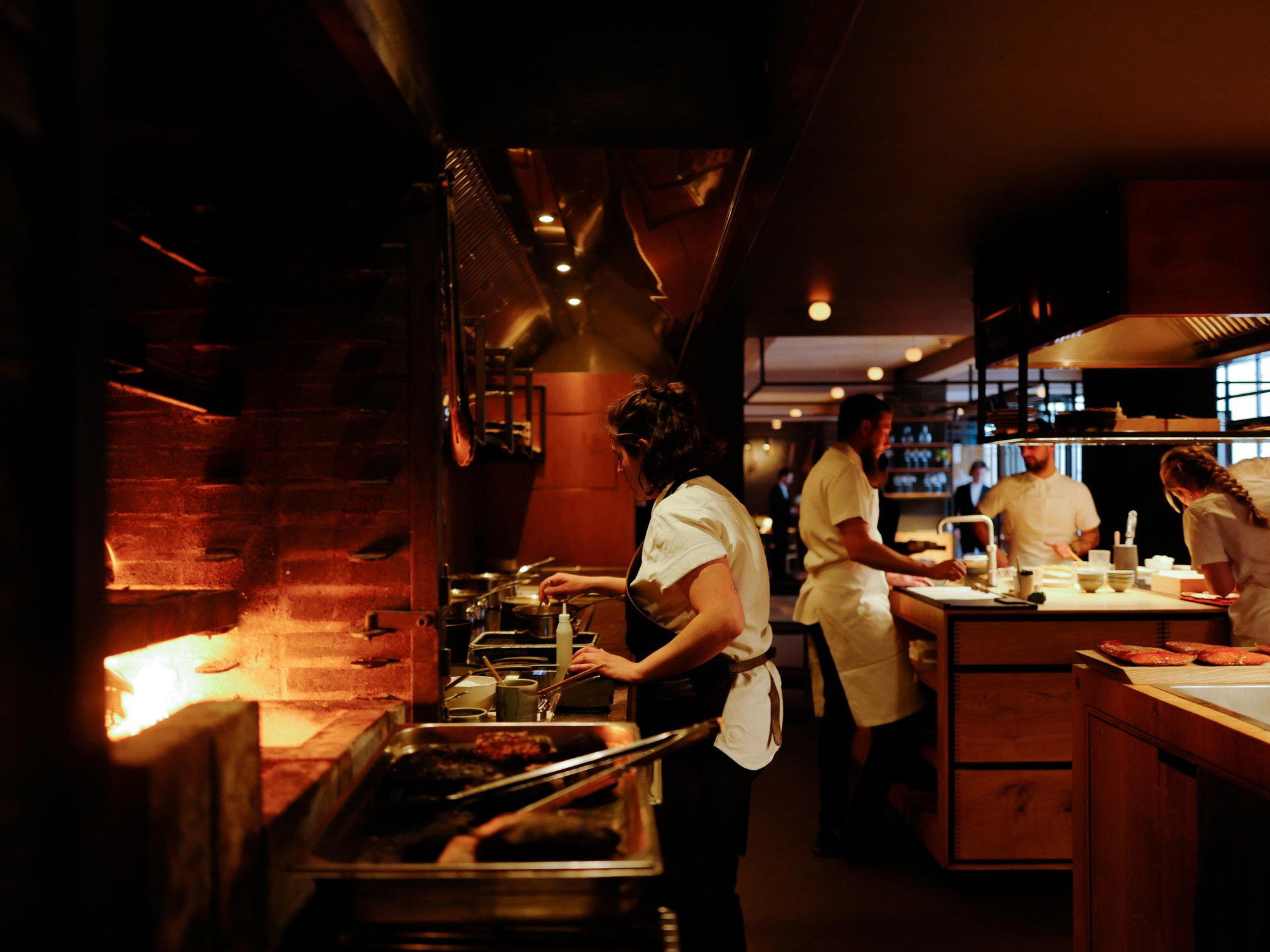
Dalmatian Hinterland, Distilled
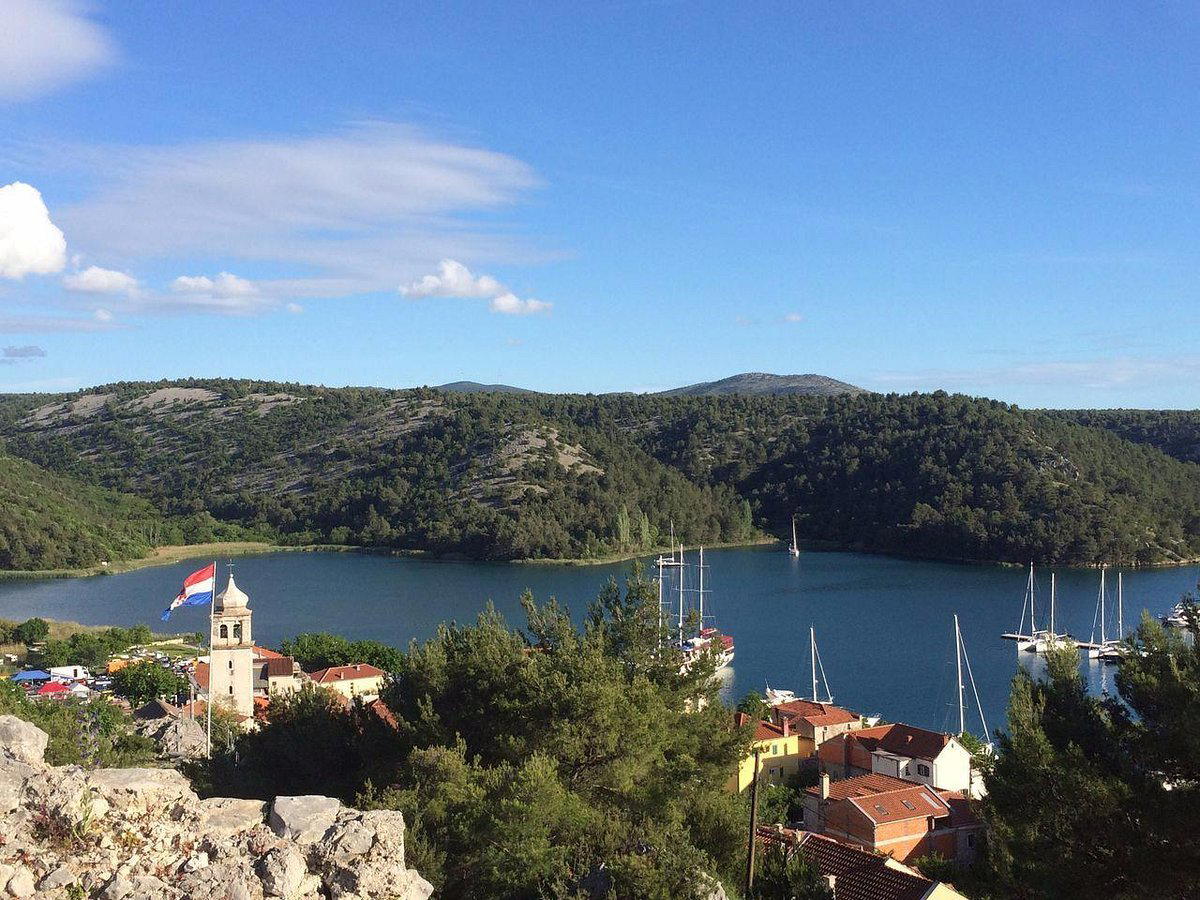
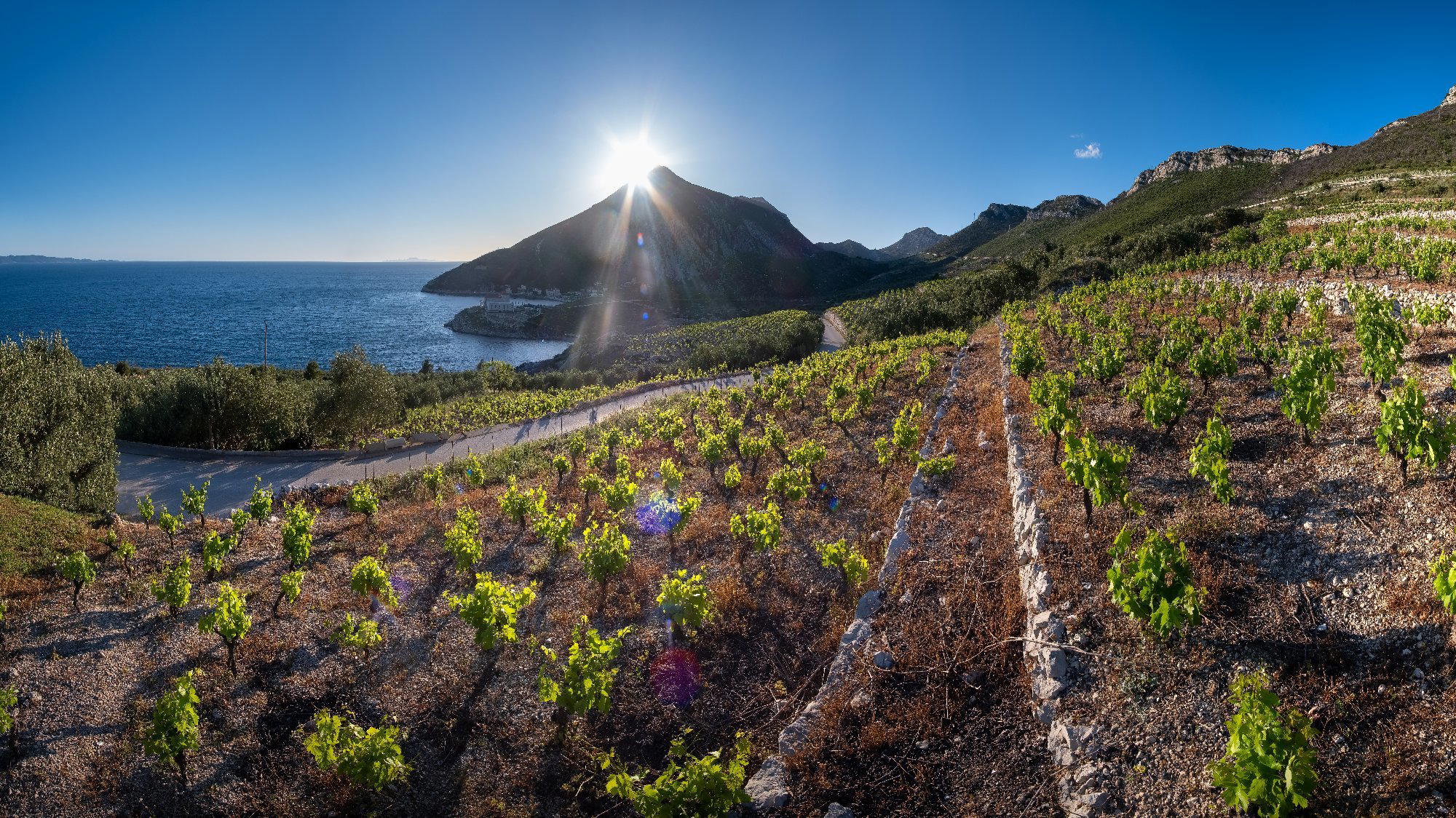
The road to Mirlović Zagora does not announce itself. It pulls away from the Dalmatian coast through limestone karst and dry-stone terracing, past fields that have fed this region for centuries without ever attracting the attention that Dubrovnik or Split command. Campanelo sits at Sučići 6 in this inland fold of Croatia, in a part of Dalmatia that the coastal restaurant circuit tends to overlook. That oversight is, in some ways, the point. The hinterland tradition here is built on proximity to source: lamb from the rocky pastures above the valley, vegetables from kitchen gardens where irrigation is rationed and flavour concentrates accordingly, and wild herbs that grow at altitude rather than in polytunnels. What arrives at the table is inseparable from what grows within reach.
Why Ingredient Provenance Defines This Part of Dalmatia
Inland Dalmatia operates on a different agricultural logic than the coast. Coastal restaurants from Pelegrini in Sibenik to Restaurant 360 in Dubrovnik have built reputations on Adriatic seafood and Mediterranean produce that travels to the kitchen via well-established supplier networks. In the hinterland, supply chains are shorter not by philosophy but by geography. There are no fish markets within easy reach. What the land yields is what the kitchen works with, and that constraint produces a discipline that is difficult to replicate in an urban setting. The lamb that grazes on sage and rosemary-threaded hillsides above villages like Mirlović Zagora produces meat with a mineral intensity that lowland-reared animals do not carry. Dried figs, aged cheeses, air-dried meats: these are not accents in hinterland cooking, they are structural ingredients.
Compare it to Humska Konoba in Hum, Istria's smallest town, where the kitchen draws from the immediate surroundings with similar discipline, or to Boskinac in Novalja on Pag Island, where the estate model keeps production and preparation within a single property boundary. These are restaurants where the radius of sourcing is not a marketing position — it is a practical condition of operating where they do.
The Scene Around Mirlović Zagora
The Dalmatian interior has seen intermittent interest from Croatian food writers over the past decade, largely because the coast absorbed so much of the country's restaurant development energy during the tourism boom years. The villages between the Cetina canyon and the Krka watershed attracted small-scale agritourism rather than destination dining, which means the area retains an authenticity that more frequented corridors have partially traded away. Zagora cuisine — peka (slow-cooked meat under the bell-lid), roasted lamb, hand-rolled pasta with game, is a distinct tradition from the coastal repertoire, less internationally familiar but no less considered in its own terms.
For context on what Croatia's more formally credentialled restaurant tier looks like, Nebo by Deni Srdoč in Rijeka and Agli Amici Rovinj in Rovinj represent the upper bracket of Michelin-acknowledged Croatian dining. Korak in Jastrebarsko offers a parallel example of inland Croatian cooking finding a more formal expression. Campanelo's positioning is different: it belongs to a tradition that precedes the contemporary fine-dining wave and does not necessarily aspire to it.
Reading the Room: Format and Atmosphere
In a village of this scale, a restaurant is also a social anchor. The physical environment in Dalmatian inland settlements tends toward the functional: stone construction, low ceilings that retain warmth in winter, outdoor terraces oriented toward whatever shade or view the site allows. Campanelo's address places it within that vernacular. The approach is practical rather than theatrical. There is no concierge service, no tasting-menu ceremony, no wine director presenting pairings by the glass. What replaces those signals is the directness of the cooking and the specificity of what is being cooked.
Croatia's broader dining culture has split in recent years between the internationally polished tier, restaurants like LD Restaurant in Korčula or Alfred Keller in Mali Lošinj, and the tradition-rooted konoba format that still dominates the interior. Campanelo sits closer to the latter. That is not a consolation; it is the specific offer. Travelers who arrive expecting the production values of a Restaurant Filippi in Curzola or a Trg Sv. Stjepana 3 in Lesina will find a different register. Travelers who arrive knowing they are in the Zagora hinterland will find exactly that.
Getting There and Planning Your Visit
Mirlović Zagora sits inland from Šibenik, accessible by car along roads that are passable but not fast. The village is small enough that the address, Sučići 6, 22323, is sufficient orientation once you have arrived in the area. Contacting the venue directly before travelling is advisable, particularly during summer when domestic and international tourism pressures inland Dalmatia more than the calendar suggests. There is no hotel on site, so accommodation planning should account for the nearest town options. For those building a wider Croatian dining itinerary, San Rocco in Brtonigla, EatIstria in Pluj, and Dubravkin Put in Zagreb represent reference points in Istria and the capital. Krug in Split is the nearest city-based comparator for those anchoring in coastal Dalmatia. See our full Unesic restaurants guide for broader context on dining in the area.
Frequently asked questions
Is Campanelo suitable for children?
Mirlović Zagora is a small inland village, and restaurants in settlements of this scale in the Dalmatian interior tend to operate as community anchors rather than destination fine-dining rooms. That context suggests a relaxed environment compatible with families, though the address — Sučići 6 — points to a compact, village-scale setting rather than a purpose-built family venue. Confirm directly before arriving with young children.
Is Campanelo formal or casual?
The village of Mirlović Zagora sits well inland from the coast, away from the resort formality that shapes dining in places like Šibenik or Dubrovnik. Restaurants in the Dalmatian interior at this scale typically run without dress codes, favouring a functional, unpretentious atmosphere.
Is Campanelo worth the drive from Šibenik into the Dalmatian interior?
The road from Šibenik into Mirlović Zagora passes through limestone karst and dry-stone terracing — terrain that defines what the Zagora region puts on the plate, and which coastal visitors rarely see. The Dalmatian interior has drawn increasing attention from Croatian food media over the past decade as an alternative to coast-centric dining. No awards are documented for Campanelo at this time, but the address at Sučići 6, Mirlović Zagora places it within a part of Croatia where the agricultural context alone justifies the detour for anyone interested in inland Dalmatian food traditions.
What's the best thing to order at Campanelo?
Inland Dalmatia's culinary identity centres on slow-cooked lamb, air-dried meats, locally foraged herbs, and ingredients shaped by karst terrain rather than the sea. Coastal imports like seafood dominate menus from Pelegrini in Šibenik down the coast, but the interior's strength lies in land-raised produce and dry-aged preparations.
Where do I go for Campanelo?
Campanelo is located at Sučići 6, 22323, Mirlović Zagora, Croatia, Unesic.
Can I walk in to Campanelo?
Mirlović Zagora is a small village accessible only by car along roads inland from Šibenik, which makes spontaneous walk-ins logistically unlikely for most visitors. Given the journey involved, contacting ahead is the practical approach.
What has Campanelo built its reputation on?
Campanelo sits in the Dalmatian interior, a region that Croatian food writers have tracked with growing interest precisely because it operates outside the coastal tourism circuit. Restaurants here build standing through fidelity to inland Zagora ingredients and traditions, including dry-stone terraced agriculture, local livestock, and preparations that have little to do with the Adriatic seafood trade.
At-a-Glance Comparison
| Venue | Cuisine | Price | Awards | Notes |
|---|---|---|---|---|
| CampaneloThis venue — the venue you are viewing | Modern Dalmatian | Not listed | Not listed | Not listed |
| Pelegrini | Modern Dalmatian Fine Dining | $100–150 | 1 Michelin Star · La Liste Top Restaurants | Mediterranean, Modern Cuisine |
| Restaurant 360 | Modern Mediterranean with Asian and French Influences | $200–300 | 1 Michelin Star · La Liste Top Restaurants | International, Modern Cuisine |
| Foša | Modern Seafood | $50–100 | Michelin Plate | Croatian, Classic Cuisine |
| Nautika | Traditional Mediterranean Seafood | $100–150 | Michelin Plate · Star Wine List | Modern European, Classic Cuisine |
| Agli Amici Rovinj | Modern Mediterranean Fine Dining | $200–300 | 2 Michelin Stars · La Liste Top Restaurants | Italian Contemporary |
Continue exploring
More in Unesic
Restaurants in Unesic
All restaurants in Unesic →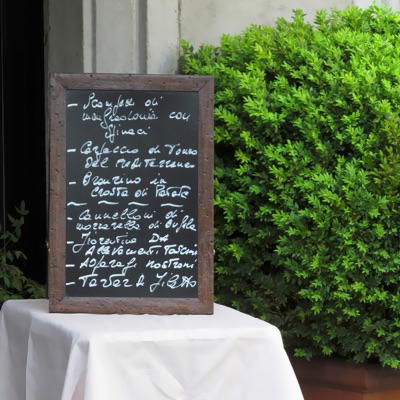
Bars in Unesic
Browse all →

Details
- Cozy
- Rustic
- Intimate
- Date Night
- Special Occasion
- Terrace
- Local Sourcing
- Garden
- A La Carte
- Vegetarian Friendly
- Vegan Options
Current opening hours
- Monday
- 1–6 PM
- Tuesday
- Closed
- Wednesday
- Closed
- Thursday
- Closed
- Friday
- 6–10 PM
- Saturday
- 1–10 PM
- Sunday
- 1–6 PM
Hours can change for holidays and private events. Last verified .
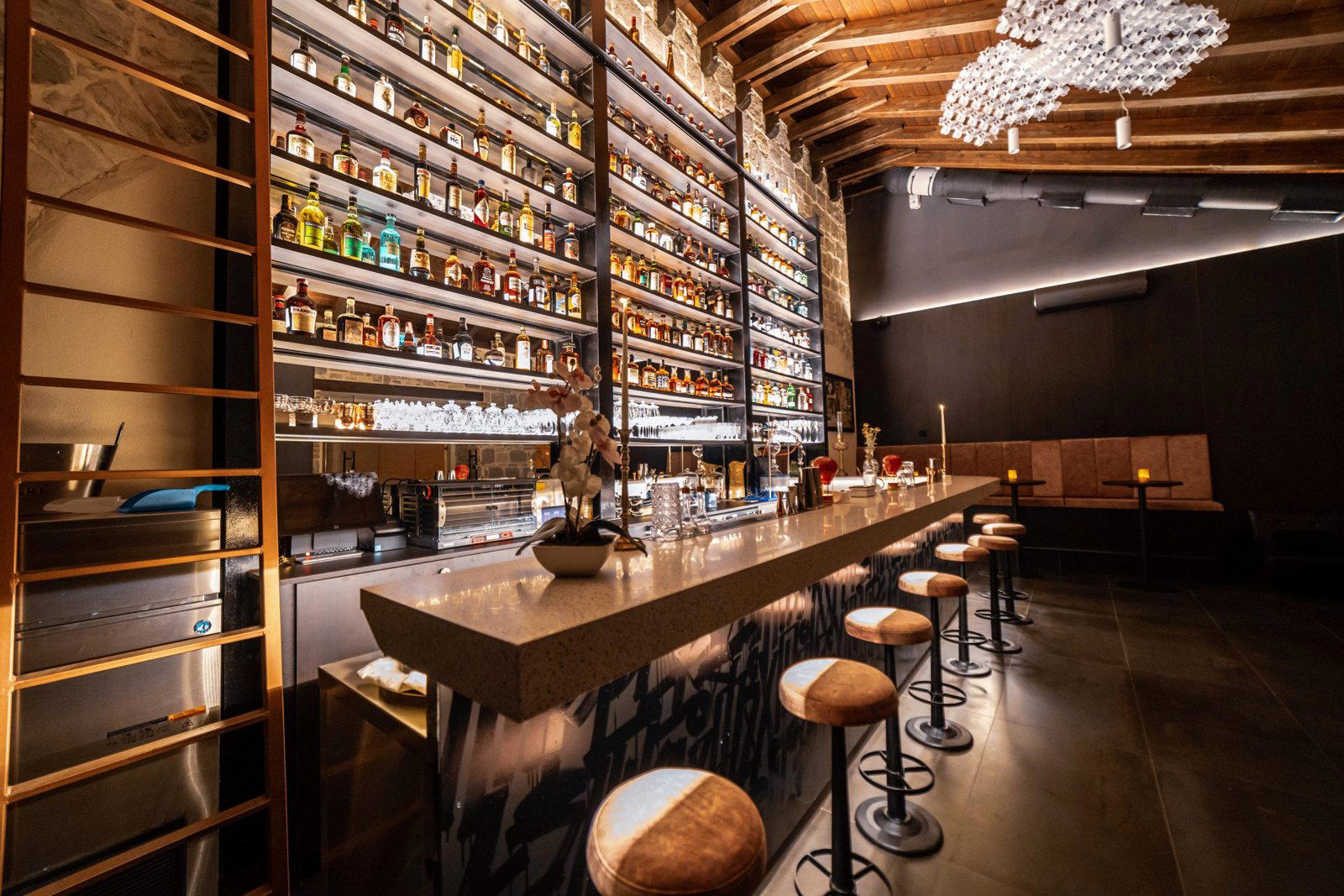
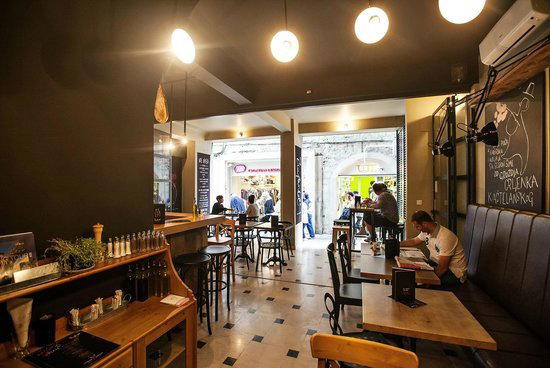
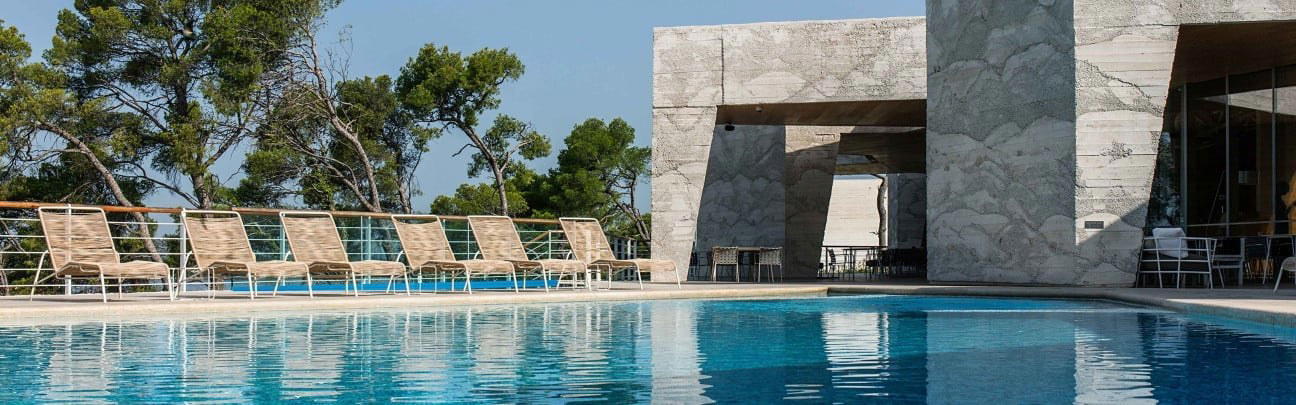
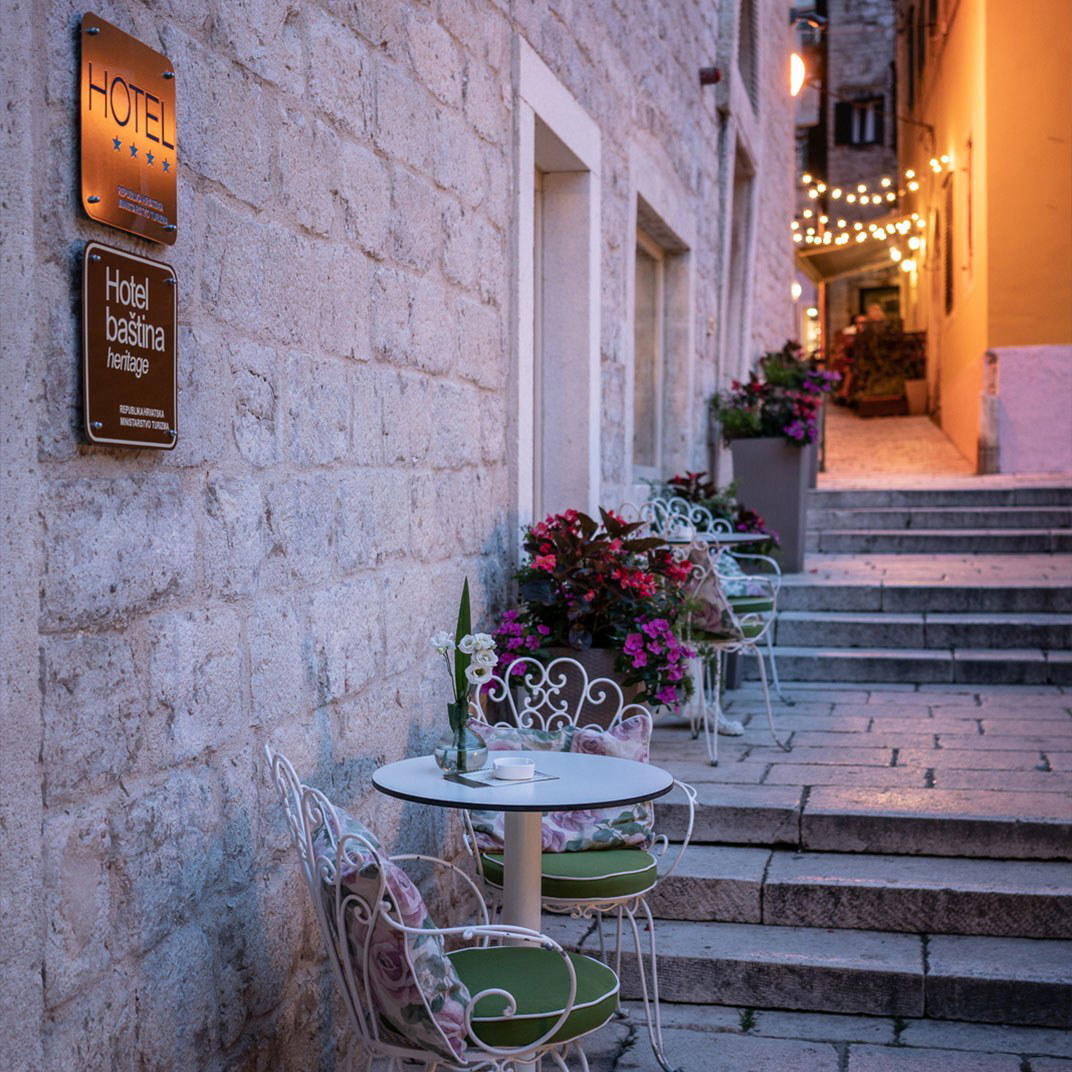
Cozy atmosphere with beautiful tree-lined terrace and pleasant terrace dining amid beautiful surroundings.