
Ante Sladić Vino is a small family winery near Skradin focused on indigenous Dalmatian grapes, organic viticulture, and seated tastings that link wine to place rather than spectacle. The draw is the Skradin hinterland itself: Debit, Maraština, Plavina, Lasina, and Tribidrag grown across contrasting soils, with olive oil and liqueurs extending the tasting beyond the glass.
Pearl is the En Primeur Club membership app — saves, bookings, and concierge access live there. Same editors, same standards.
- Address
- Skradin, Šibensko-kninska županija, Kroatien
- Directions
- Get directions
 Saves & bookings on Pearl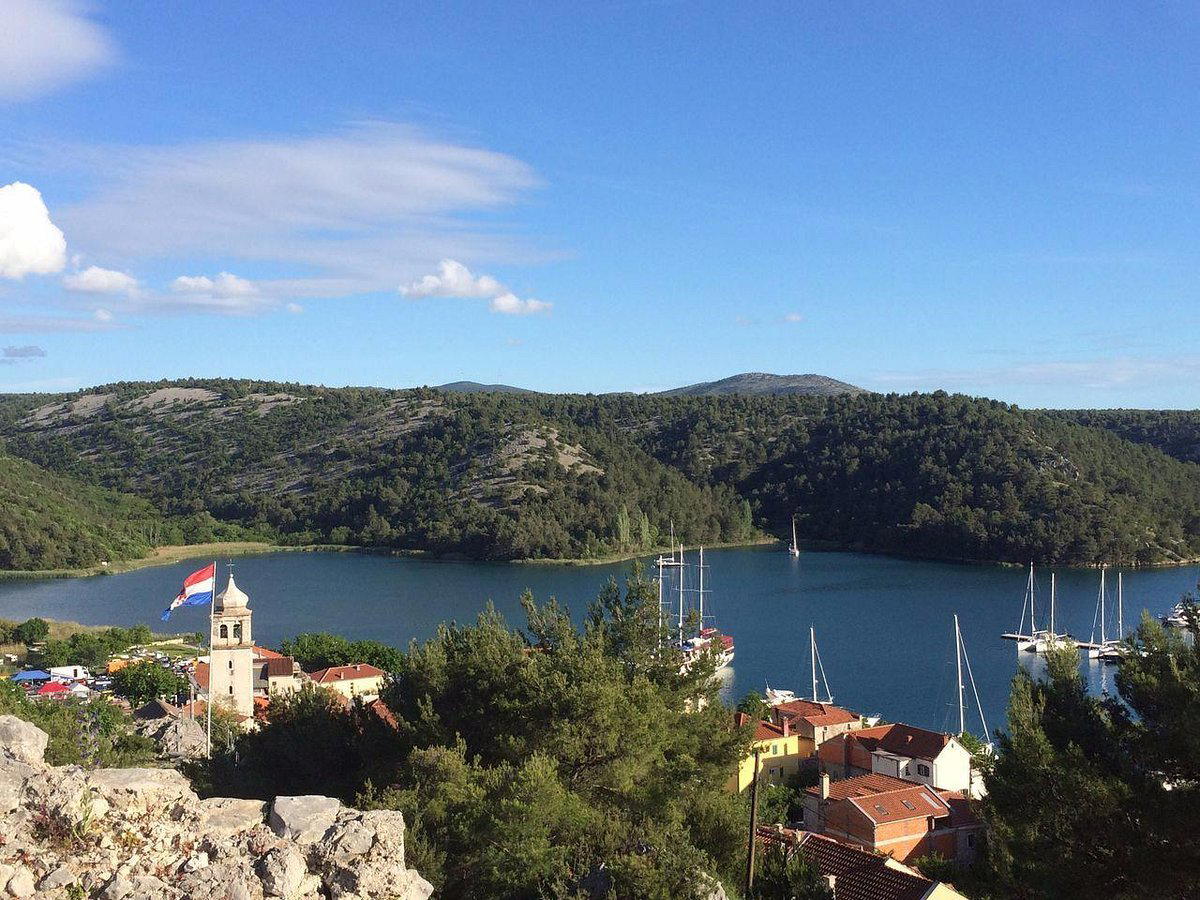
The approach to Ante Sladić Vino is rural before it is polished: vineyard country, dry Dalmatian light, and a tasting room built for conversation rather than performance. This is the quieter side of the Skradin wine story, away from coastal shorthand and closer to the hills that sit between the Krka River influence and the Adriatic’s cooling air. The point of the visit is not a grand cellar reveal. It is the chance to taste how a small family estate interprets a tight set of local grapes grown in a place with enough climatic tension to keep warmth from becoming heaviness.
Dalmatia is often discussed through sun, sea, and powerful reds, but the more interesting reading here is more granular. The estate works with Debit, Maraština, Plavina, Lasina, and Tribidrag, a portfolio that keeps the focus on regional varieties rather than international familiarity. That matters because the Skradin and Šibenik area has a viticultural identity that can be flattened by general Croatian wine talk. Ante Sladić Vino gives it narrower definition: single-varietal wines, organic farming, and a tasting format that treats the grapes as a local archive.
Krka River air, Adriatic breeze, and grapes that need both
The vineyards sit in the Skradin and Šibenik region of Dalmatia, with hills above Skradin and a rural base in Plastovo. Elevation, river influence, and sea air do much of the work in the glass. Warm days bring ripeness; cooler nights and Adriatic movement help hold acidity. For indigenous white grapes such as Debit and Maraština, that balance is not decorative. It is the difference between sun-rich Dalmatian wine that tires quickly and wine with enough line to carry a seated tasting.
The estate’s viticulture is framed around organic farming and hand-harvested grapes, with production kept small and family-led. Its 15,000 vines are used for estate wines, which gives the range a coherent point of view rather than the patched-together feel that can affect broader regional tasting rooms. The cellar’s emphasis on single-varietal bottlings is useful for visitors because it makes the differences legible: Debit and Maraština on the white side, Plavina and Lasina among the reds and rosé expressions, Tribidrag for a more structured Dalmatian register.
Lasina deserves particular attention because it connects the tasting directly to the Krka river valley and surrounding plateaus. In a country where better-known coastal and island grapes often dominate the international conversation, Lasina offers a smaller, more local story. Here, it appears not as a token rarity but as part of a wider argument for native Dalmatian biodiversity. That argument is strengthened by the estate’s extra virgin olive oils and liqueurs, which keep the tasting rooted in agricultural place rather than wine alone.
A seated tasting built around education, not theatre
The experience is intimate in scale and conversational in tone. Tastings are seated and guided, with food pairing available, and the format suits travelers who want context: why these grapes are planted here, how soil and exposure shape the lines, and why the estate avoids the easy route of familiar international varieties. The tasting room’s rural character helps. Nothing about the setting asks visitors to suspend disbelief or buy into luxury-stagecraft; it asks them to listen to the land and the farming.
A typical visit runs in the 60-to-90-minute range, a useful length for a winery that has enough material to teach but does not need to stretch the experience into ceremony. The food element matters because Dalmatian wine is rarely at its sharpest when treated as a stand-alone object. Olive oil, cured meats, cheese, bread, and other local products give the wines a clearer frame, especially for visitors arriving from a restaurant-led itinerary in Skradin. For dining context around the town, Our full Skradin restaurants guide is the natural companion; for lodging, see Our full Skradin hotels guide.
The tone is casual, which is exactly right for the material. This is a winery for people interested in why a grape survives in a specific valley, not for those chasing a polished hospitality script. English and Croatian tastings are listed, groups can work well in the setting, and the atmosphere remains conversational rather than loud. Outdoor seating and vineyard views add to the sense that the visit is anchored in the countryside, though the more serious value is the direct line between place, farming, and glass.
Where it fits in a Skradin itinerary
Skradin’s appeal is often split between river access, national-park travel, and meals built around regional produce. Wine can easily become an afterthought in that rhythm, but it should not. Ante Sladić Vino gives the itinerary a deeper agricultural layer, especially for travelers who want the hinterland to feel as important as the waterfront. It is a strong fit for wine education, a relaxed group outing, a couple’s countryside tasting, or a solo traveler trying to understand Dalmatia through native grapes rather than labels designed for export shelves.
Its recognition also gives the estate useful credibility without changing the mood. A Decanter silver medal for wine, a NYIOOC gold medal for olive oil, and a Croatian Design Award signal a producer that has earned attention across more than one category. Those details matter because the tasting is not only about wine quality; it is about a broader regional table. Olive oil, liqueurs, and indigenous varieties all point to the same conclusion: this is a small-scale producer using hospitality to explain a place.
For a wider Skradin plan, use Our full Skradin wineries guide, Our full Skradin bars guide, and Our full Skradin experiences guide. Nearby regional research may also include Bibich and Baraka Winery in Sibenik. For broader Croatian and Central European cellar planning, see Adzic in Kutjevo, Arman Marijan Winery in Vizinada, Bakovic in Supetar, Bastian in Buje, Bastijana in Hvar, Belje Podrumi in Darda, »der Steiner« Hans Steiner in Podersdorf am See, and & Handwein in Mannheim.
Recognition history
Dated appearances from independent guides and award organizations, with the underlying list record or original source where available.
Falstaff Winery - Listed
Falstaff
Continue exploring
More in Skradin
Wineries in Skradin
Browse all →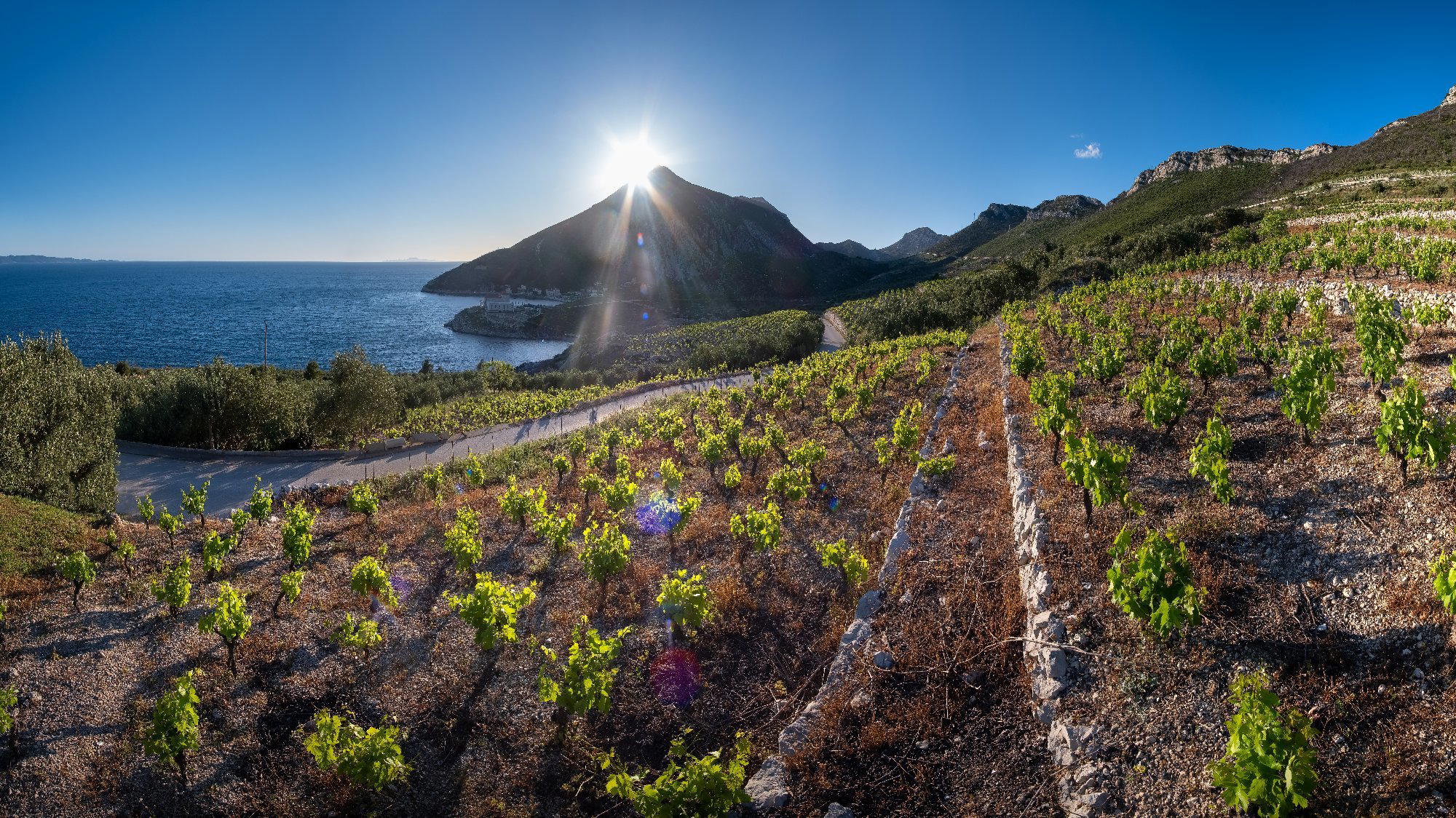

Bars in Skradin
Browse all →
Restaurants in Skradin
Browse all →
At a Glance
- Rustic
- Scenic
- Cozy
- Romantic
- Intimate
- Group Outing
- Romantic Getaway
- Wine Education
- Special Occasion
- Solo Exploration
- Estate Grounds
- Vineyard Tour
- Panoramic View
- Design Destination
- Private Tasting
- Organic
- Vineyard
- Skradin / Šibenik Region, Dalmatia
- Debit
- Lasina
- Plavina
- Marastina
- Tribidrag
- Still White
- Still Red
- Still Rosé
- Dessert
- Seated Tasting
- Guided Tasting
- Food Pairing Tasting
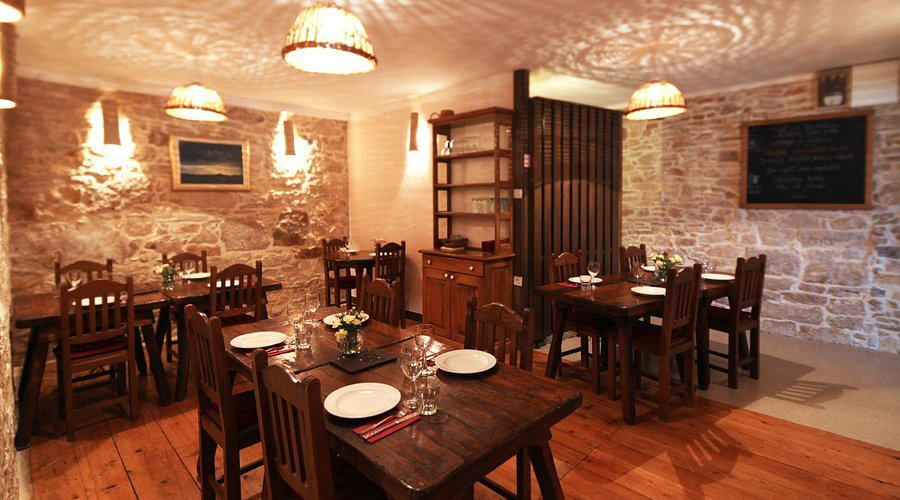
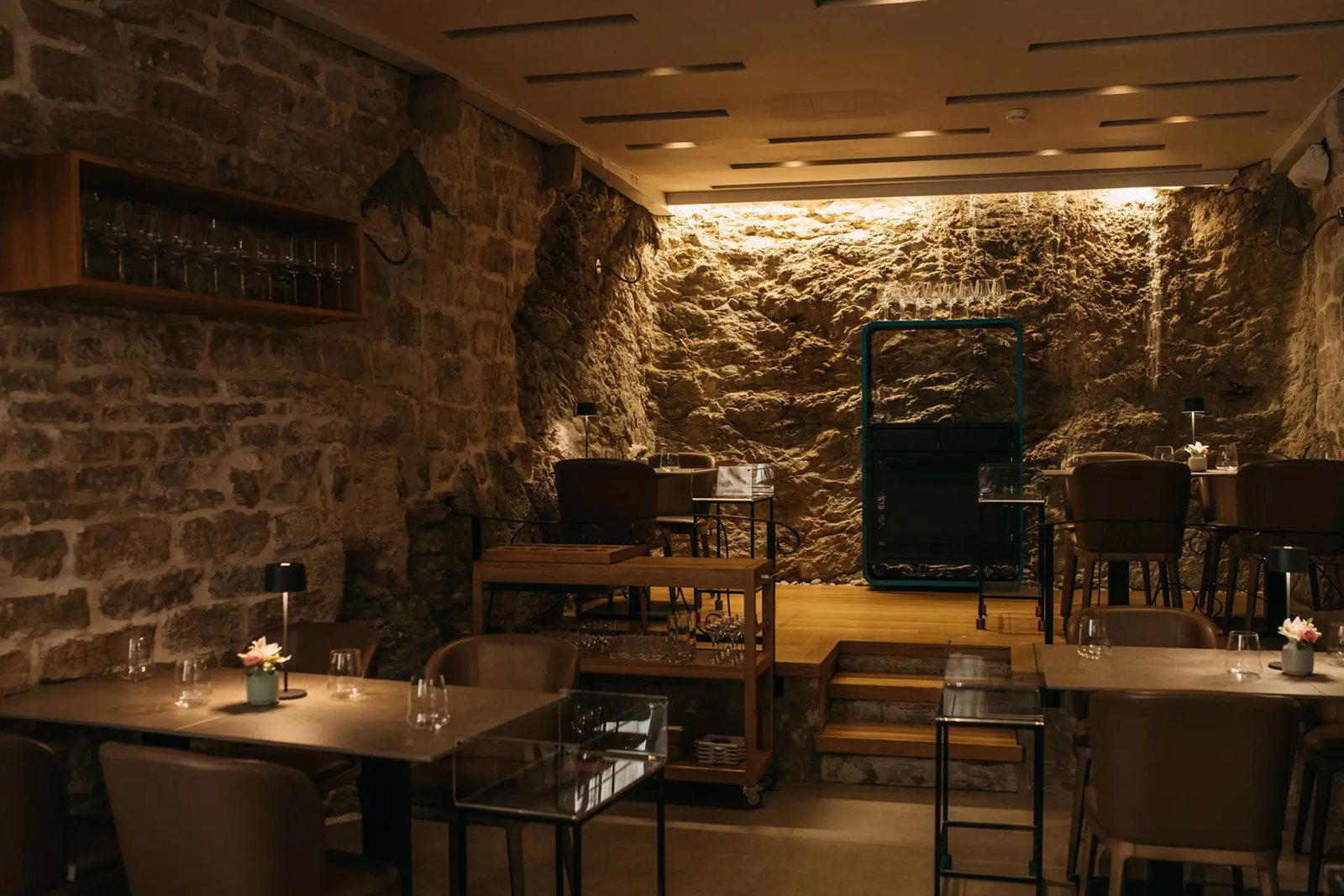
Welcoming, authentic family-run winery with a cozy tasting room and rustic rural setting, where guests sit in a relaxed atmosphere and learn directly from the winemaker about indigenous varieties and organic viticulture.