Camino Alto
Camino Alto sits on Union Street in San Francisco's Cow Hollow, a neighborhood that has quietly become a testing ground for restaurants reinventing California's relationship with seasonal cooking. The address places it within reach of the city's most competitive dining corridor, where the gap between neighborhood fixture and destination table has narrowed considerably over the past decade.
Pearl is the En Primeur Club membership app — saves, bookings, and concierge access live there. Same editors, same standards.
- Address
- 1715 Union St, San Francisco, CA 94123
- Phone
- +14154412111
- Website
- caminoaltosf.com
- Directions
- Get directions
 Saves & bookings on Pearl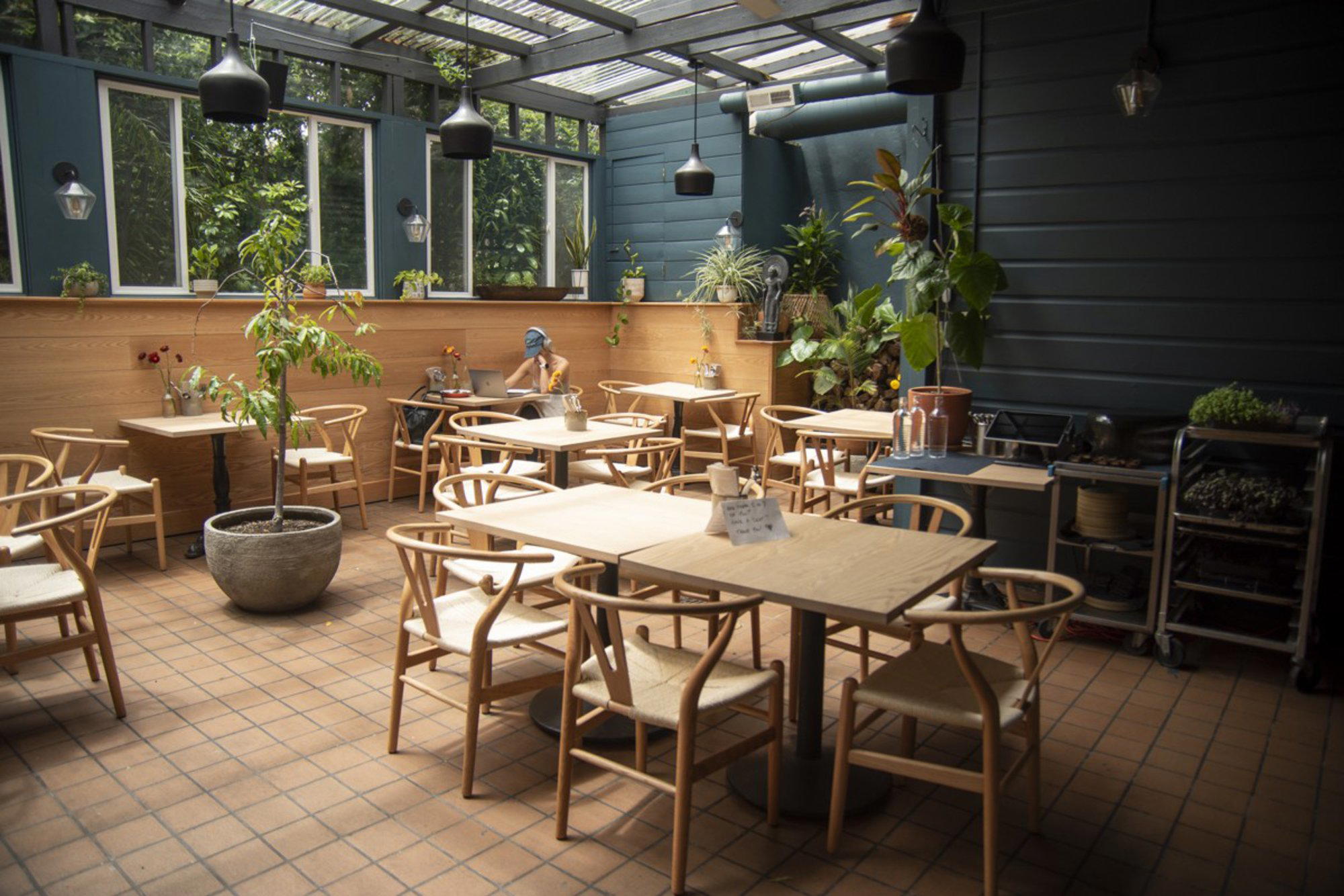
Union Street and the Slow Shift in San Francisco Neighborhood Dining
Cow Hollow has never carried the critical weight of the Financial District or the Mission, but Union Street's dining corridor has changed materially over the past ten years. Where the strip once ran on reliable brasserie formats and wine-bar holdovers from the 1990s, it now houses a more considered tier of restaurants that treat the neighborhood as a destination rather than a fallback. Camino Alto, a restaurant serving California with Mexican influences at 1715 Union St in San Francisco, sits inside that shift. The address alone signals something about the current moment in San Francisco dining: the city's most interesting openings are increasingly dispersed across residential corridors rather than concentrated in the downtown core, and Cow Hollow is one of the clearer beneficiaries of that redistribution.
The broader pattern across the Bay Area is instructive. As Saison and Lazy Bear settled into their respective price brackets and formats at the summit of the city's progressive American tier, a mid-level of more neighborhood-oriented restaurants developed around them. These are not tasting-menu operations in the mold of Benu or Atelier Crenn, and they are not the approachable Italian model that Quince represents further downtown. They occupy a more fluid position: serious enough to attract food-literate diners from across the city, relaxed enough to sustain a regular local clientele.
The Evolution of a Cow Hollow Address
The story of a restaurant on a residential San Francisco street is almost always a story about reinvention. Union Street locations absorb neighborhood change over multiple cycles: retail displacement, foot traffic patterns shifting with new residential density, and the constant competitive pressure from openings across the wider city. Camino Alto's place in that story is still being written. Newer operations in this corridor tend to iterate faster than their predecessors, adjusting format and menu emphasis in response to a neighborhood that has become more food-literate and more price-sensitive simultaneously.
Across the United States, the restaurants that have sustained relevance through format evolution rather than static identity have generally done so by anchoring around sourcing discipline and service consistency rather than around any single signature dish or concept. Blue Hill at Stone Barns in Tarrytown and Single Thread Farm in Healdsburg represent one end of that spectrum, where farm integration is the formal organizing principle. At the other end, neighborhood-anchored restaurants in cities like Chicago and New York have found that incremental evolution of a core identity, rather than wholesale reinvention, produces more durable reputations. Smyth in Chicago and Atomix in New York have each navigated this by deepening a defined culinary perspective rather than chasing trend cycles.
Where Camino Alto Sits in the San Francisco Competitive Map
San Francisco's restaurant market operates across several distinct price and format tiers. At the leading, Michelin-recognized tasting-menu restaurants set the critical benchmark. Below them, a competitive middle tier of full-service neighborhood restaurants competes on a different set of variables: value relative to price, consistency across multiple visits, and the ability to serve both as a destination for incoming diners and a reliable local table. The restaurant's Union Street location places it squarely in that middle competition, where peers are not primarily the $$$$ tasting-menu operations but the more numerous full-service restaurants that have defined San Francisco's neighborhood dining character since the 1990s.
For context across the national scene, the restaurants that have built lasting reputations in this tier share certain structural characteristics. Frasca Food and Wine in Boulder, Addison in San Diego, and Providence in Los Angeles have all moved through periods of format recalibration while maintaining a coherent identity. The ones that have lost ground, by contrast, often clung to a fixed concept after the surrounding market shifted around them. In San Francisco specifically, the ability to adapt without abandoning a recognizable point of view has separated the restaurants that have shaped Union Street's current character from those that have cycled through the same addresses without accumulating reputation.
The Atmosphere and What to Expect
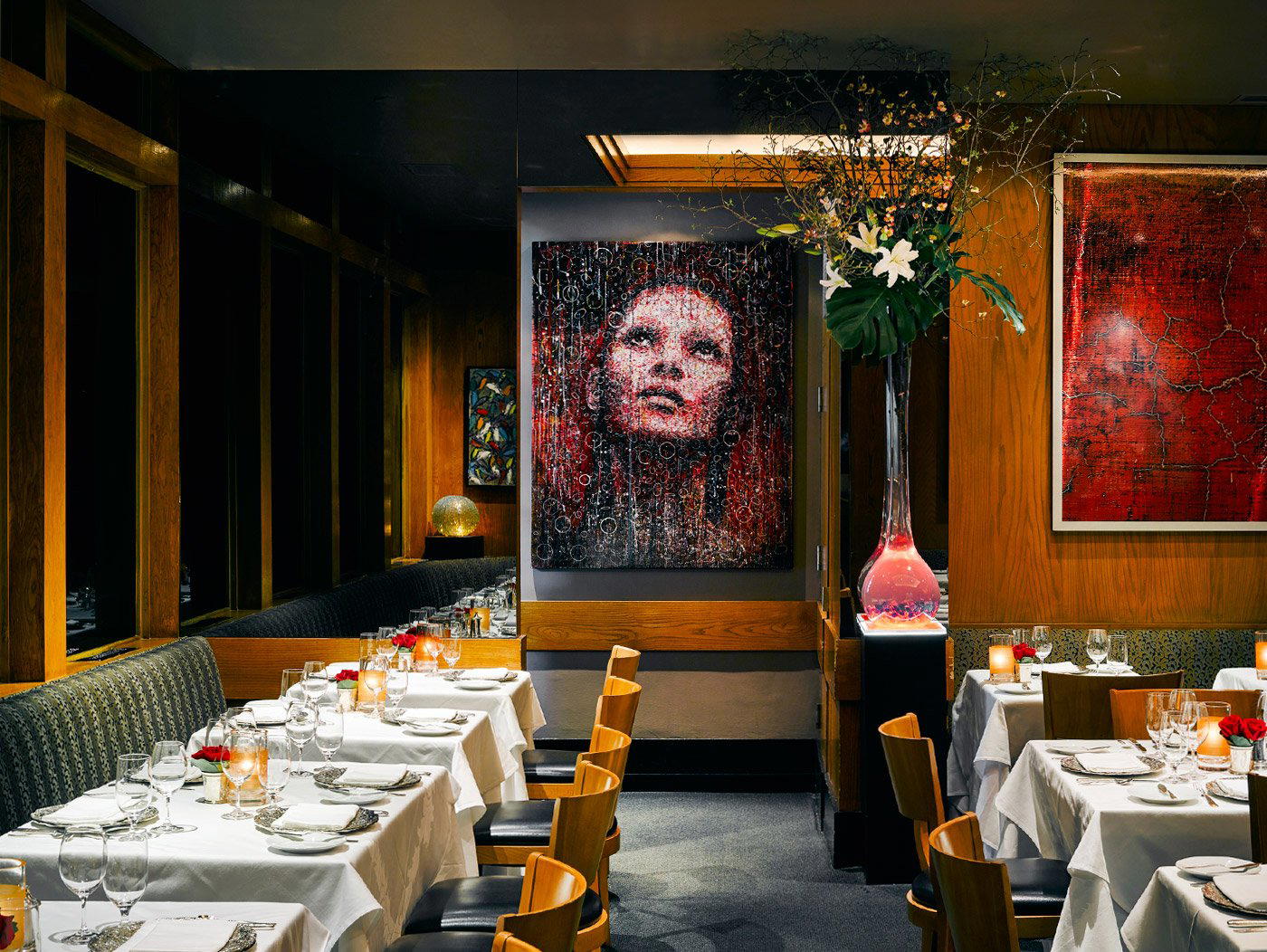
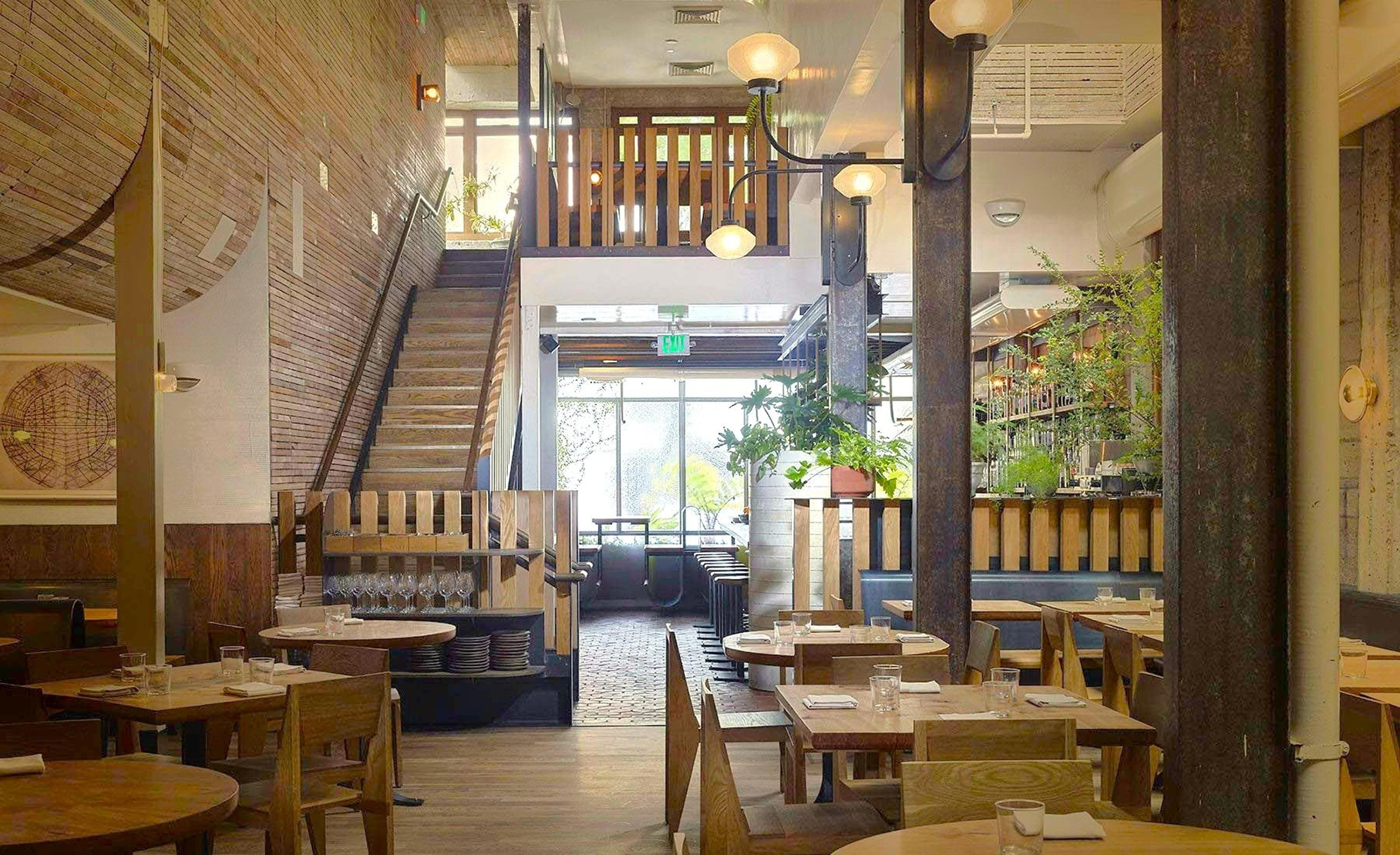
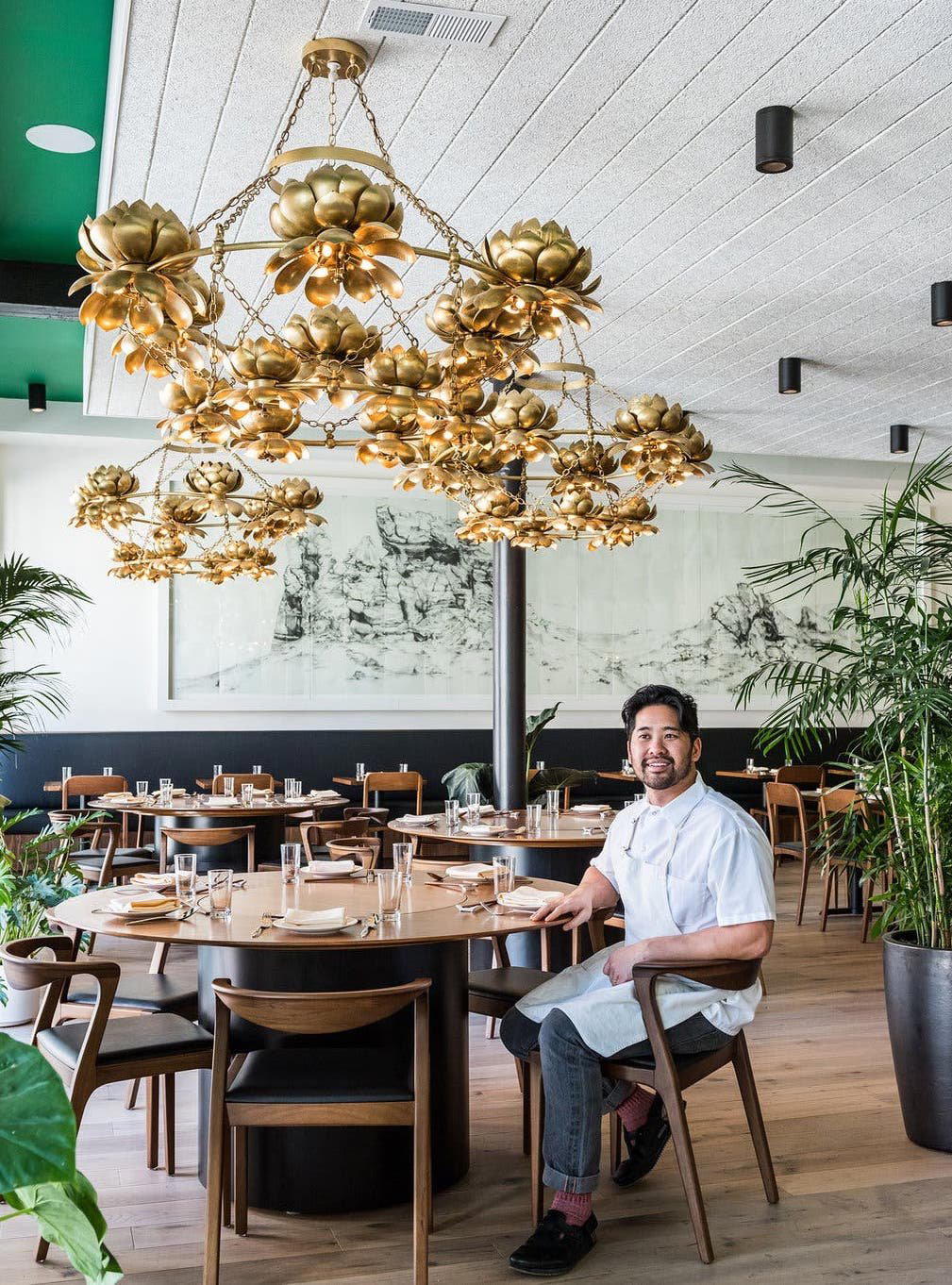
Cow Hollow carries a specific physical register. The streetscape on Union between Gough and Steiner is low-rise and pedestrian, with enough retail and café density to generate consistent foot traffic without the congestion of Hayes Valley or the Ferry Building corridor. Restaurants here operate in a more residential register than their counterparts in SoMa or the Tenderloin, which shapes the room tone considerably. The expectation is for a space that reads as considered without being formal, and that works as well for a weeknight dinner as for a longer Saturday meal. The broader national shift away from white-tablecloth formalism and toward warm, material-focused interiors has played out particularly clearly in this part of San Francisco, where the room atmosphere has become as much a part of the offer as the food or the wine list.
Restaurants at comparable addresses nationally, from Emeril's in New Orleans to Le Bernardin in New York, have each had to reconcile a specific neighborhood identity with broader destination appeal. The ones that work on both registers tend to calibrate their room tone and service style to the street they sit on, rather than projecting an identity that ignores the surrounding context. Union Street rewards that kind of calibration.
Planning Your Visit
For reference points at the high end of what Northern California produces, The French Laundry in Napa and The Inn at Little Washington set the standard against which the region's more ambitious operations are measured. Closer to the restaurant price and format tier, Atelier Moessmer Norbert Niederkofler in Brunico offers an international comparison point for what regionally anchored, format-evolved restaurants can achieve over time.
| Venue | Neighborhood | Format | Price Tier | Booking Lead Time |
|---|---|---|---|---|
| The restaurant | Cow Hollow / Union St | Full-service neighborhood | Not confirmed | Not confirmed |
| Lazy Bear | Mission | Progressive American tasting | $$$$ | Several weeks minimum |
| Atelier Crenn | Cow Hollow | Modern French tasting | $$$$ | 4-8 weeks typical |
| Benu | SoMa | French-Chinese tasting | $$$$ | 4-6 weeks typical |
| Saison | SoMa | Progressive American | $$$$ | 2-4 weeks typical |
Cuisine Context
Comparable venues nearby, for context on price, style, and recognition.
| Venue | Cuisine | Price | Notes |
|---|---|---|---|
| Camino AltoThis venue — the venue you are viewing | California with Mexican influences | $$$ | Not listed |
| Presidio Social Club | California Comfort Cuisine | $$$ | Presidio |
| Cultivar | California Farm-to-Table | $$$ | Marina |
| Toy Soldier | Modern New American | $$$ | Financial District/South Beach |
| The Harlequin | New American | $$$ | Financial District/South Beach |
| The Third Floor | California-forward with Asian influences | $$$ | Chinatown |
Continue exploring
More in San Francisco
Restaurants in San Francisco
Browse all →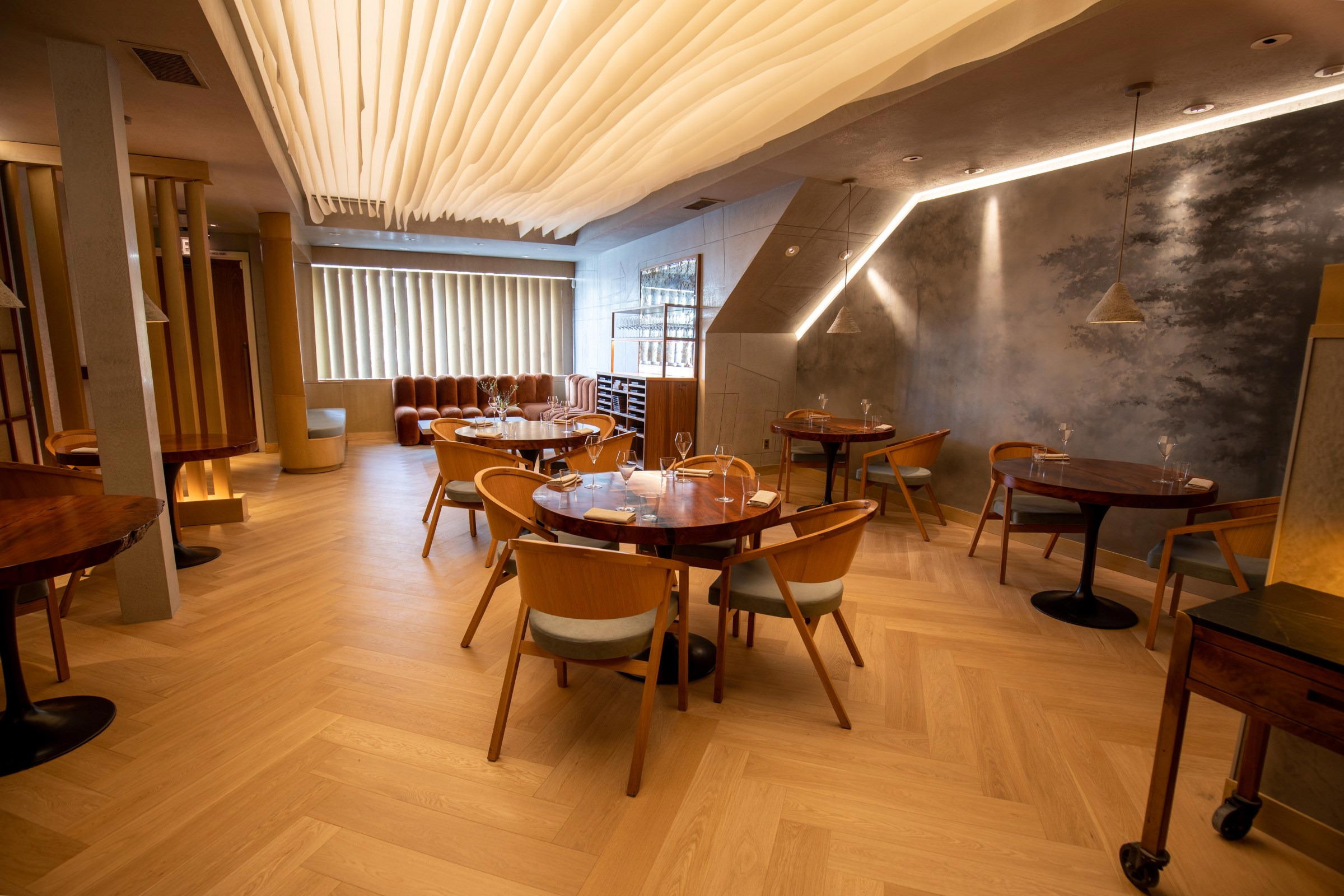
Bars in San Francisco
Browse all →
Hotels in San Francisco
Browse all →
At a Glance
- Cozy
- Modern
- Date Night
- Casual Hangout
- Brunch
- Open Kitchen
- Natural Wine
- Farm To Table
- Local Sourcing
Current opening hours
- Monday
- 5:30–9:30 PM
- Tuesday
- Closed
- Wednesday
- 5:30–9:30 PM
- Thursday
- 5:30–9:30 PM
- Friday
- 5:30–10 PM
- Saturday
- 9 AM–2:30 PM, 5:30–10 PM
- Sunday
- 9 AM–2:30 PM, 5:30–9 PM
Hours can change for holidays and private events. Last verified .
Cozy neighborhood atmosphere highlighting quality local ingredients in simple preparations.