.png)
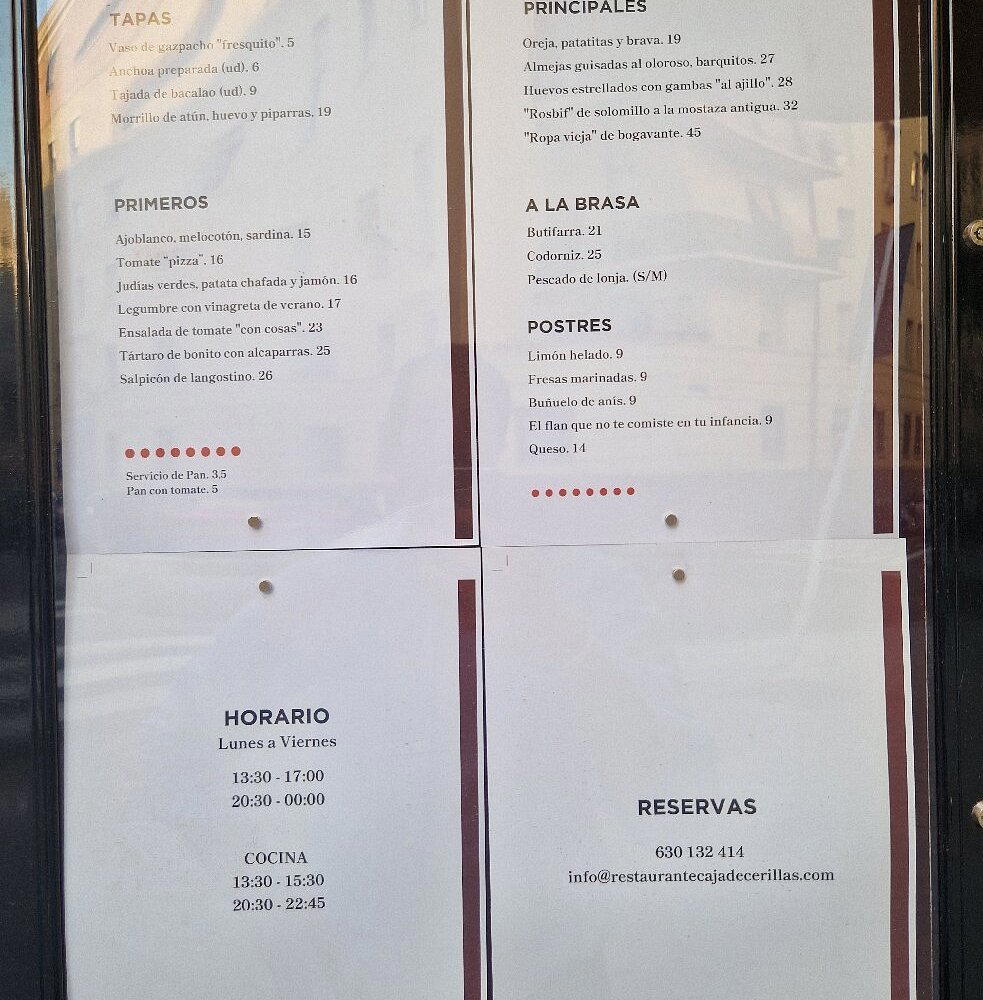
A Chamberí bistro where owner-chef Enrique Valentí keeps the format deliberately small and the cooking confidently unfussy. The clam stew with white beans and a playfully named flan have become the kitchen's calling cards. Advance booking is advised, the compact room fills quickly, and the à la carte rewards those who come without a rigid agenda.
 Discover on Pearl
Pearl is the En Primeur Club membership app — saves, bookings, and concierge access live there. Same editors, same standards.
- Address
- C/ de Donoso Cortés, 8, Chamberí, 28015 Madrid, Spain
- Phone
- +34 630 13 24 14
Small Room, Considered Cooking: Caja de Cerillas in Context
Chamberí has long operated as one of Madrid's most liveable dining neighbourhoods, residential enough to attract regulars, central enough to draw visitors who have moved past the tourist circuit of Sol and La Latina. The streets around Donoso Cortés hold a particular kind of restaurant: owner-operated, bistro-scaled, built for repeat custom rather than occasion dining. Caja de Cerillas sits squarely in that tradition. The name translates as "matchbox," a self-aware acknowledgement of the room's size that signals something useful about the kitchen's priorities: precision over spectacle, depth over breadth.
Madrid's dining spectrum in 2024 runs from tasting-menu institutions, DiverXO, Coque, Deessa, DSTAgE, and Paco Roncero among them, down to casual neighbourhood standbys with little editorial attention. Caja de Cerillas occupies neither extreme. It is a well-run à la carte restaurant where the ambition is calibrated, the execution is consistent, and the social contract between kitchen and diner is honest.
The Bistro Tradition and What It Demands
The European bistro format, small room, short menu, owner-chef at the pass, has been under pressure across most major cities as rents rise and dining habits fragment between delivery culture and occasion-driven tasting menus. Madrid has resisted some of that pressure better than Paris or London, partly because the culture of neighbourhood eating remains embedded in how the city actually uses its restaurants. Madrileños still eat late, still linger, and still treat a well-executed mid-tier dinner as a valid destination in its own right rather than a consolation prize for failing to book somewhere larger.
Within that context, the bistro format rewards chefs who understand restraint. The à la carte structure at Caja de Cerillas, with its sharing options alongside individual plates, reflects a kitchen that has thought carefully about pacing and table rhythm rather than defaulting to a fixed sequence. Sharing formats have become a standard feature across Madrid's casual dining tier, they suit the Spanish habit of ordering collaboratively, but they only work when the dishes hold up independently rather than relying on the theatre of arrival. Here, the format appears to have settled into something coherent rather than fashionable.
What the Kitchen Does Well
The clam stew with white beans has attracted consistent attention, and the dish represents something instructive about the kitchen's approach. Clams with legumes is a combination rooted in Portuguese and Galician coastal cooking, and it carries associations of honest, ingredient-led preparation. Getting it right requires restraint: the brininess of the clams, the earthiness of the beans, and the liquid that ties them need to be in balance without the sauce being pushed toward richness as a shortcut. That this dish has become a reference point for the restaurant speaks to a kitchen that is comfortable working within a tradition rather than departing from it for novelty's sake.
The flan, described on the menu with the phrase "the flan you didn't eat in your childhood", is a different kind of statement. Flan is Spanish comfort food, ubiquitous enough to be overlooked, and the self-deprecating framing of the dish name performs a small act of reappraisal: here is a thing you dismissed, done properly. It is a technique used across several Madrid restaurants that have built reputations on rehabilitating undervalued Spanish classics, and it requires that the execution justify the promise. The description of the dessert as finely textured suggests a kitchen paying attention to the details that separate a memorable version from a routine one.
Evolution and Current Direction
Owner-operated restaurants in this format tend to evolve slowly, and that is not a criticism. The bistro model is inherently iterative, dishes are refined through repetition, the room beds in, the kitchen learns its regulars. What distinguishes restaurants that evolve productively from those that stagnate is whether the chef is genuinely curious about the cooking or simply executing the same card on autopilot. The evidence at Caja de Cerillas, a menu that mixes technically considered stews with playfully conceptualised desserts, suggests a kitchen that has developed a point of view rather than simply maintained one.
The sharing options on the à la carte also indicate a format that has responded to how Madrid's dining culture has shifted over the past decade toward more collaborative table formats. This is not a reinvention so much as a calibration: a restaurant that has taken what it was and sharpened it. In a city where the top end of the dining market is occupied by multi-Michelin operations like Arzak in San Sebastián and El Celler de Can Roca in Girona, each defining Spanish fine dining at a national level, and where ambition at the Madrid level is amply represented by Azurmendi in Larrabetzu and Martin Berasategui in Lasarte-Oria, there is real value in a room that has identified its lane and stayed in it.
Seasonal Timing and Planning
Madrid's dining calendar has distinct peaks. The summer months of June, July, and August bring a mix of local residents and visiting tourists to Chamberí's restaurant circuit, and the neighbourhood's residential character means tables fill with both. November and December see the city's social calendar intensify, with group bookings and pre-holiday dining pushing reservation demand higher. Caja de Cerillas is a small room, and advance booking is explicitly recommended regardless of season. Turning up without a reservation at either peak period is a gamble not worth taking.
For international reference points in the same bistro-to-fine-dining conversation, Cocina Hermanos Torres in Barcelona and Aponiente in El Puerto de Santa María represent the Spanish end of that spectrum, while Le Bernardin in New York City and Atomix in New York City illustrate how the ingredient-led versus tasting-menu conversation plays out in a different market.
Similar Picks
Comparable venues nearby, for context on price, style, and recognition.
| Venue | Cuisine | Price | Notes |
|---|---|---|---|
| Caja de CerillasThis venue — the venue you are viewing | Quality Spanish Bistro | $$$ | |
| La Catapa | Traditional Spanish Tapas | $$$ | Ibiza |
| Amparito Roca | Traditional Spanish with Modern Twists | $$$ | Castellana |
| La Maruca - López de Hoyos | Modern Spanish Cantabrian Tapas | $$$ | El Viso |
| Ayantar | Traditional Spanish Stews and Classics | $$$ | Vallehermoso |
| El Brote | Contemporary Spanish Wild Mushroom Tasting | $$ | Embajadores |


At a Glance
- Cozy
- Intimate
- Elegant
- Date Night
- Group Dining
- Casual Hangout
- Open Kitchen
- Corkage Allowed
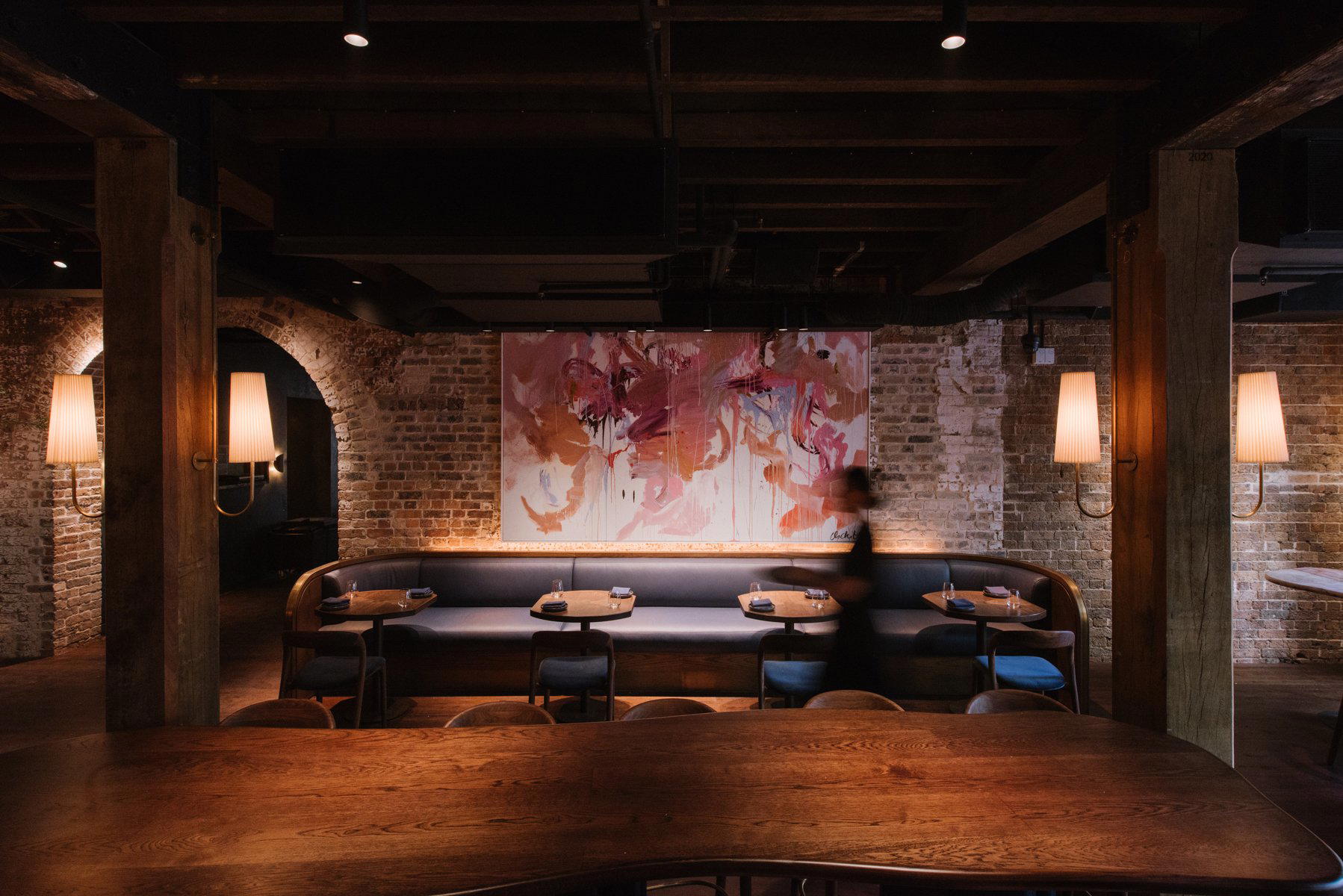
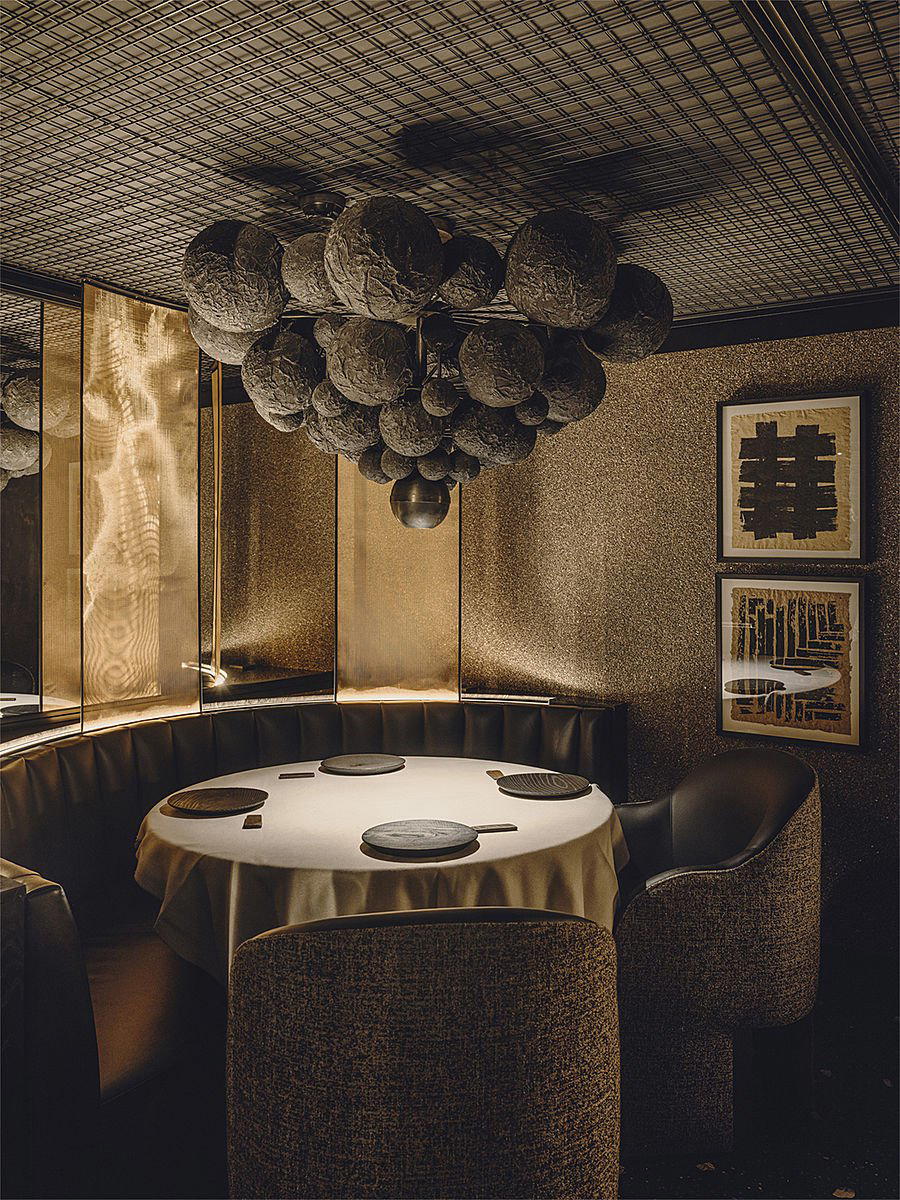
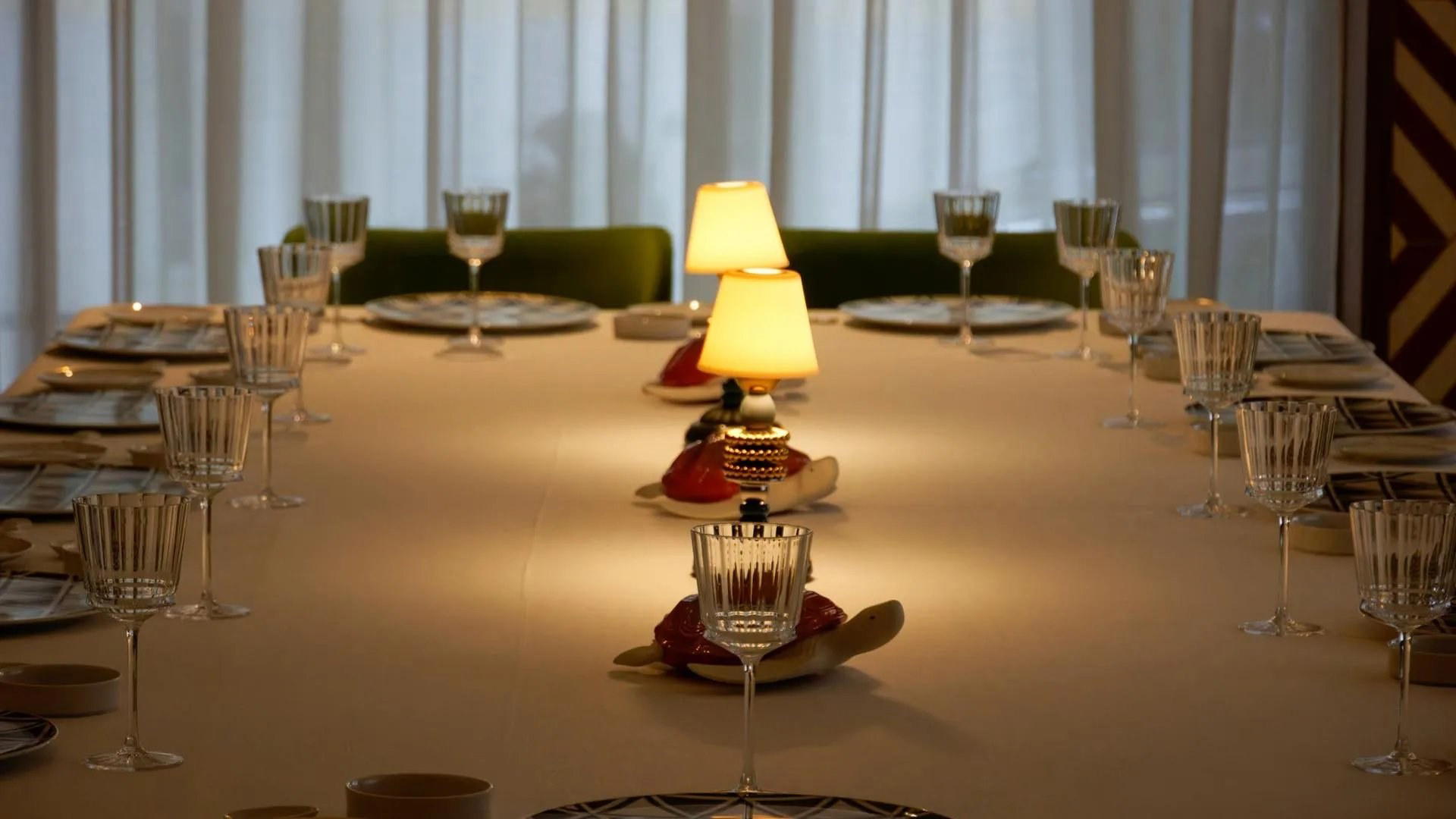
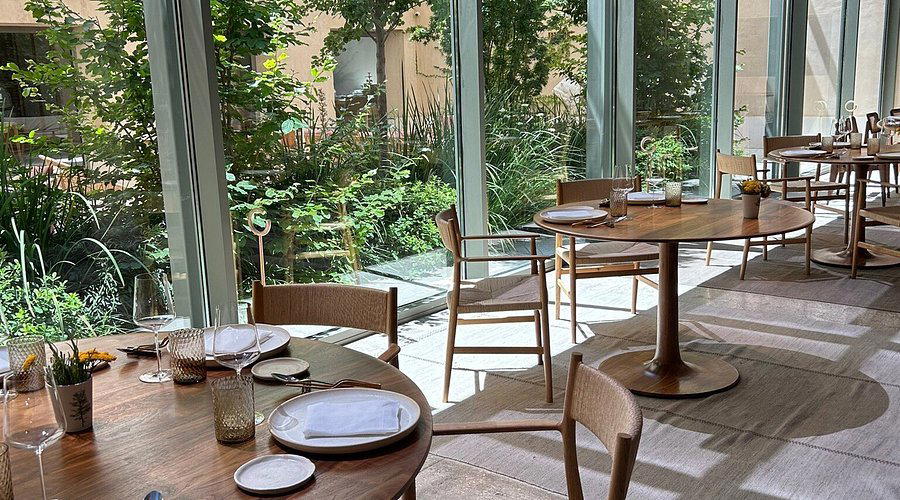
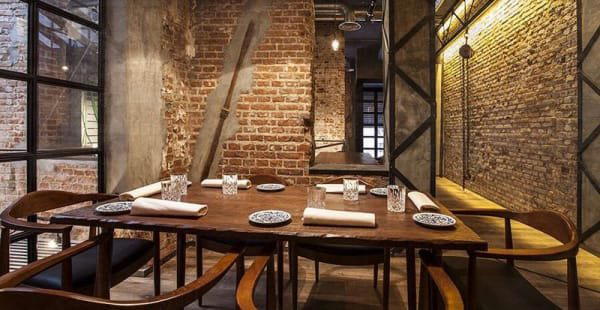
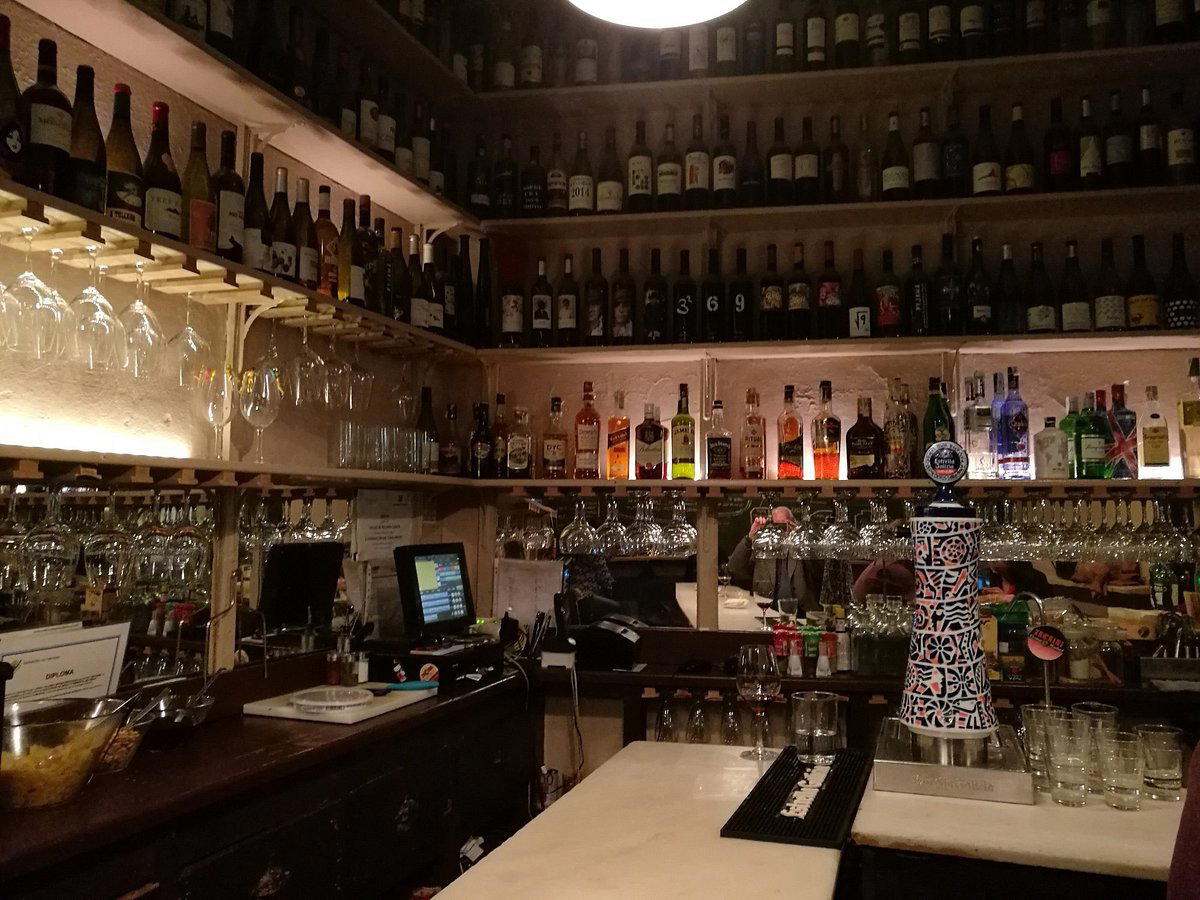
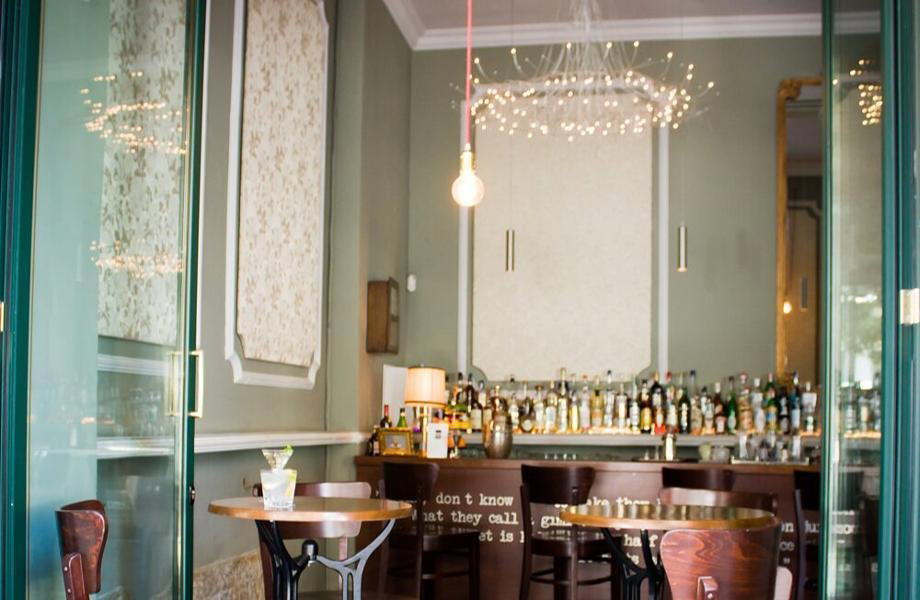
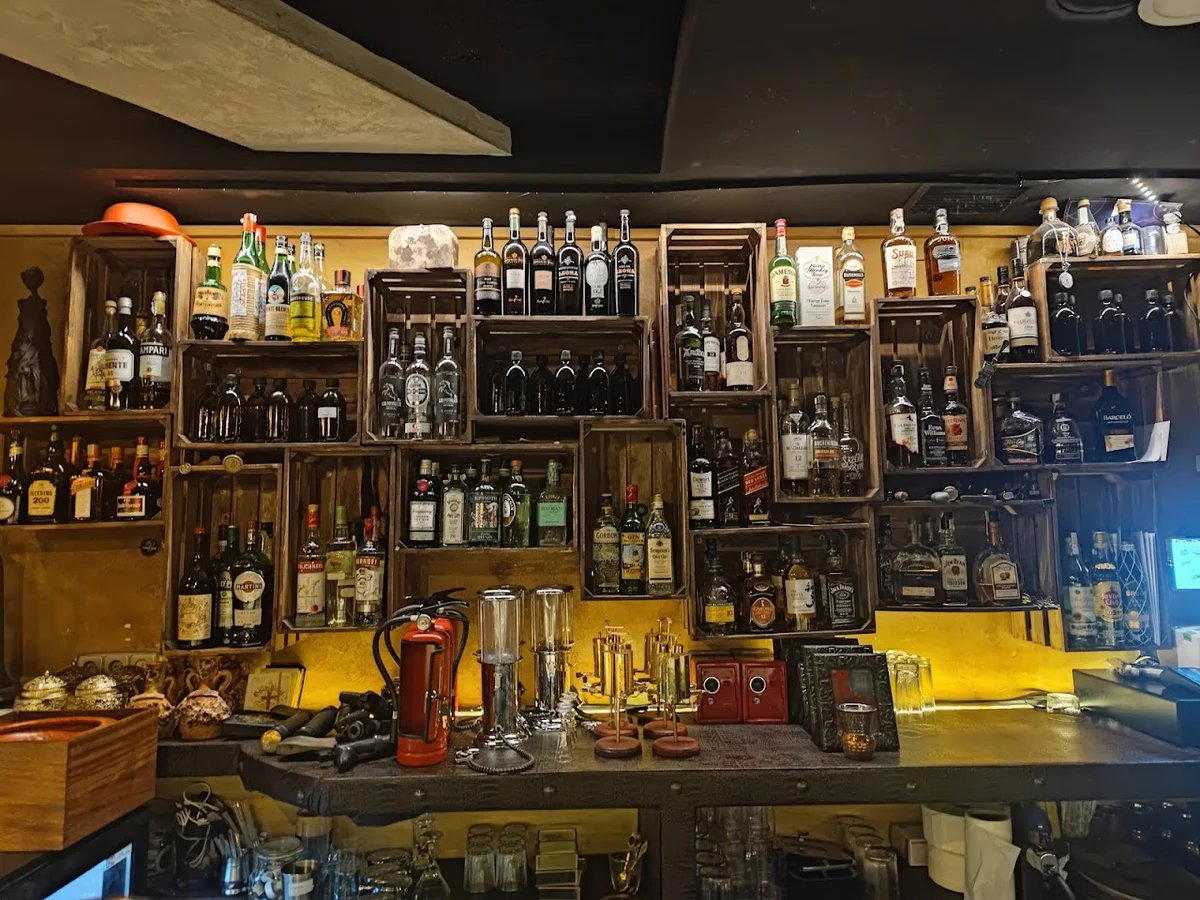
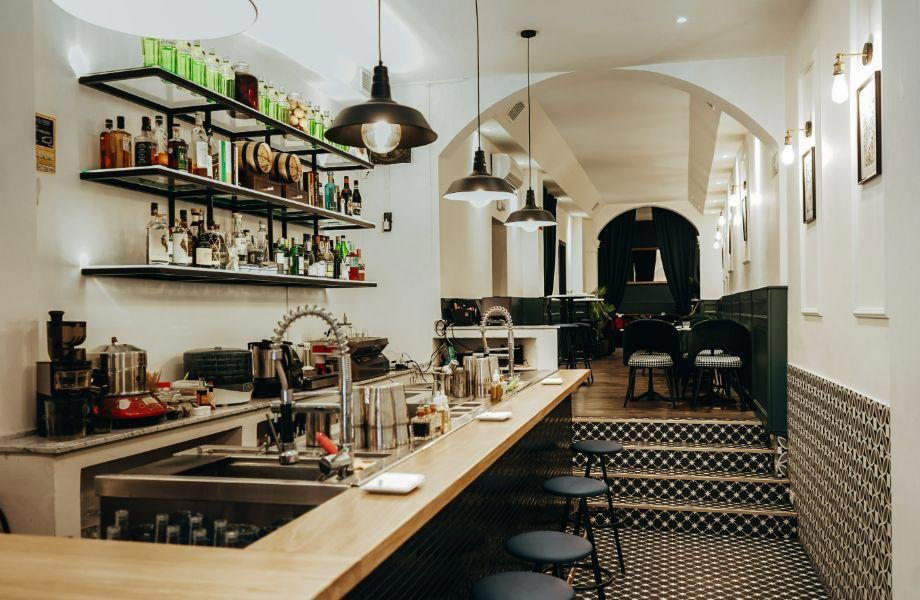
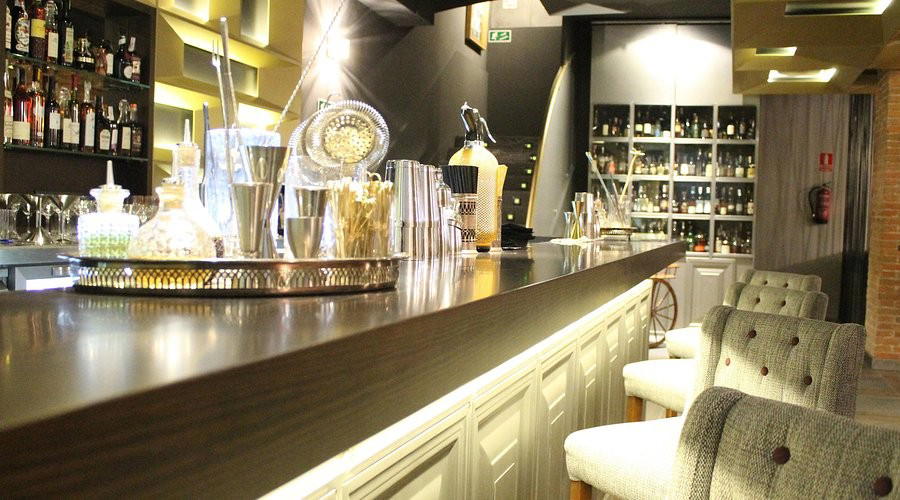
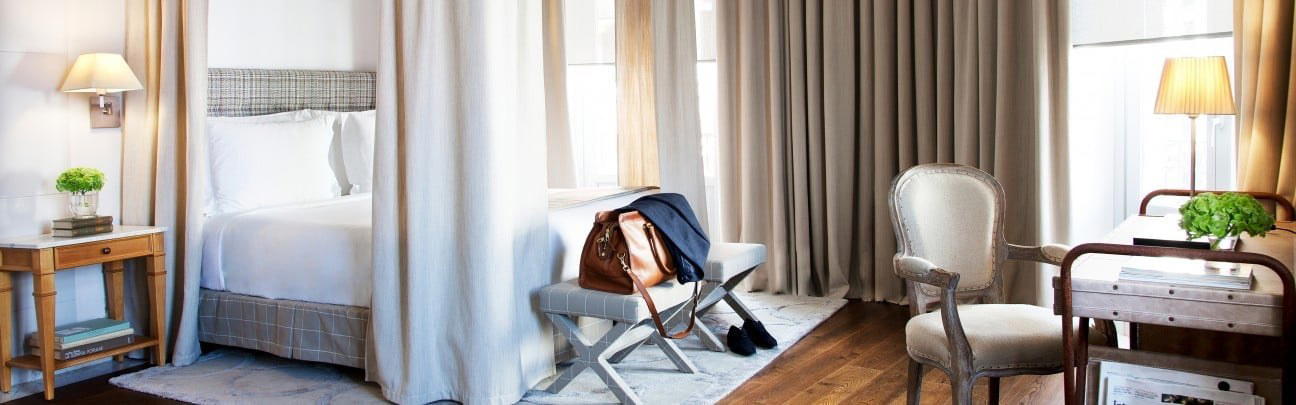
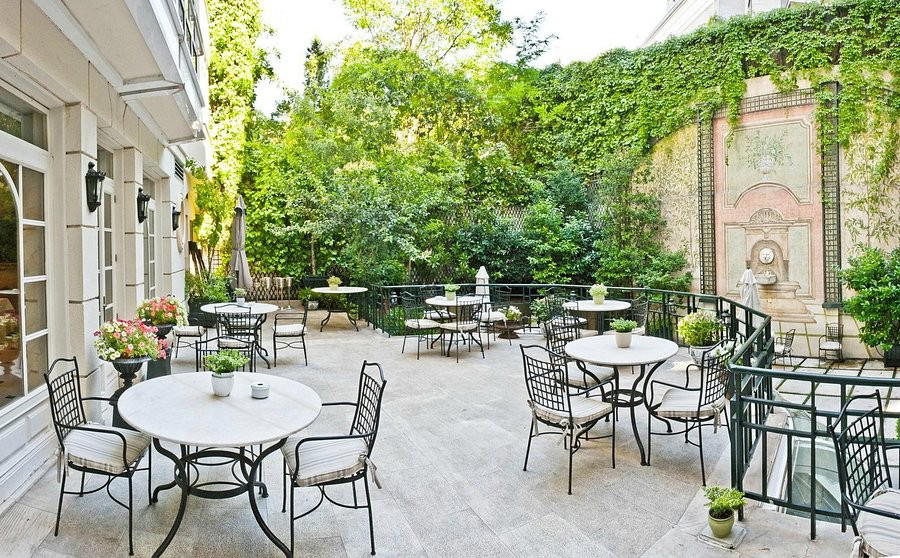
Pleasant bistro-style with warm practical lighting, simple comfortable design, and lively open kitchen view fostering an intimate conversational atmosphere.