Google: 4.8 · 217 reviews
CaféNote occupies a straightforward address on Letmather Strasse in Schwerte, a mid-sized Ruhr-adjacent town where the café scene operates at a quieter register than the region's larger cities. Without published awards or a named kitchen team, it sits in the category of neighbourhood-anchored venues where local consistency tends to matter more than critical recognition. Visitors looking for Schwerte's broader dining options can consult our full guide to the city.
 Discover on Pearl
Pearl is the En Primeur Club membership app — saves, bookings, and concierge access live there. Same editors, same standards.
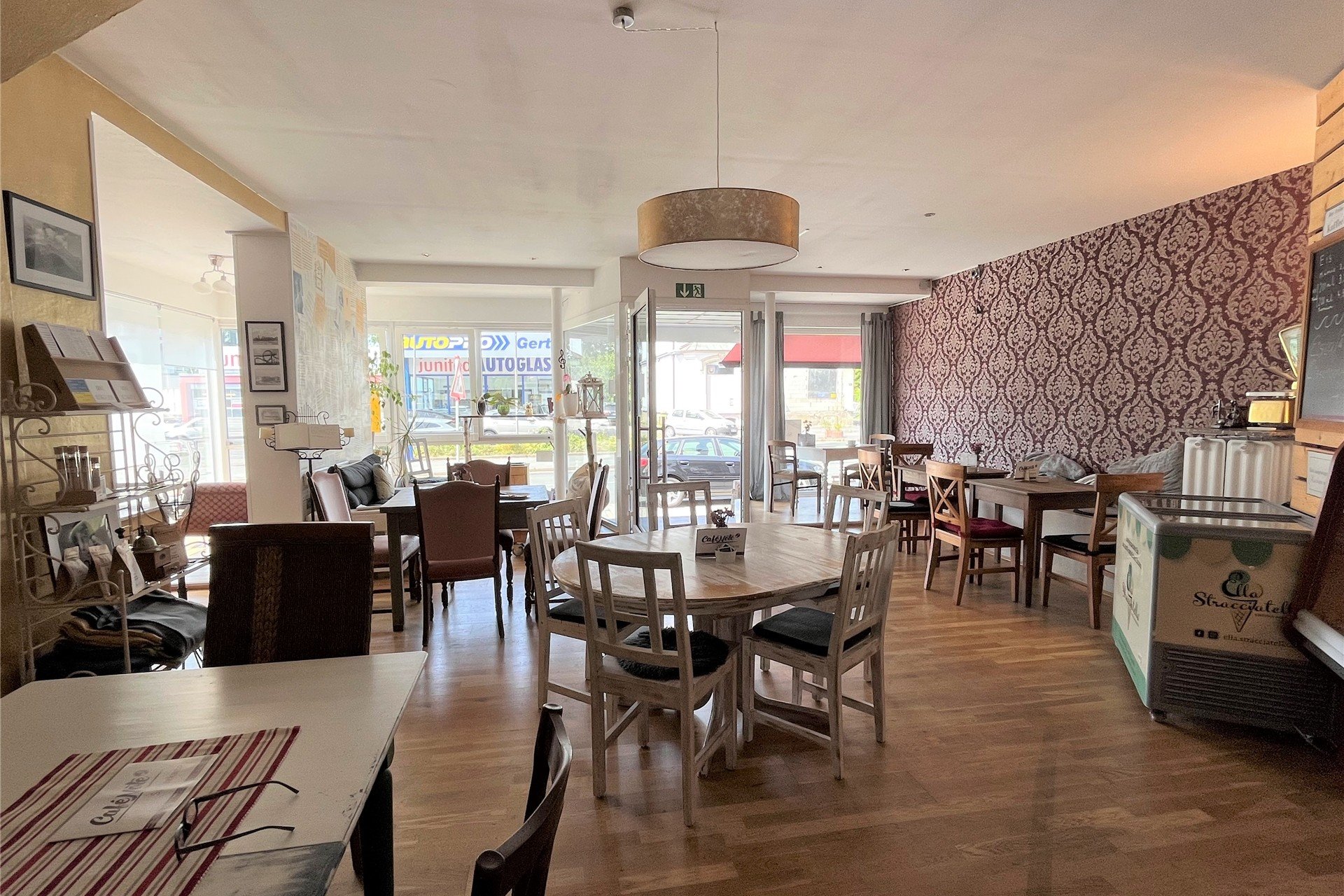
Schwerte's Café Culture and Where CaféNote Fits
The Ruhr region's smaller satellite towns — Schwerte among them — have developed café scenes that function differently from those in Dortmund or Essen. Rather than chasing culinary credentialism, these venues serve a neighbourhood rhythm: morning coffee, midday meals, afternoon pause. CaféNote's address on Letmather Strasse, a main arterial road running through Schwerte's outer residential fabric, places it squarely in that register. This is not a destination drawn from a critic's shortlist; it is the kind of address that earns its keep through repetition and reliability, the sort of place a regular returns to without consulting a review first. For visitors assembling a broader picture of eating and drinking in the area, our full Schwerte restaurants guide maps the options across price points and formats.
The Question of Provenance in the Everyday Café
Germany's mid-tier café and bistro sector has quietly shifted in the past decade toward stronger sourcing language, even where formal farm-to-table credentials are absent. Regional bakeries, local dairy suppliers, and short-haul produce relationships have become baseline expectations in towns like Schwerte, where the distance between producer and plate is often shorter than in urban centres with larger, more anonymous supply chains. The editorial angle here is not unique to CaféNote specifically , the venue's sourcing details are not publicly documented , but it reflects a category-wide pattern worth understanding before you visit any neighbourhood café in the Westphalian corridor.
Westphalia itself carries a food identity built around substantive, unfussy ingredients: dark rye breads, cured meats, freshwater fish from the Ruhr and its tributaries, dairy from the surrounding agricultural belt. A café operating on Letmather Strasse draws on that regional pantry by proximity if not always by explicit declaration. That grounding in local staples tends to produce menus that read shorter and plainer than their counterparts in major cities but deliver a consistency tied to seasonal availability rather than year-round global sourcing.
How Schwerte's Neighbourhood Venues Compare to Germany's Fine Dining Circuit
To calibrate expectations, it helps to understand where CaféNote sits relative to Germany's documented fine dining tier. The country's leading end is heavily concentrated in specific pockets: the Black Forest corridor around Baiersbronn, where Schwarzwaldstube operates at the Michelin three-star level; the Wolfsburg address of Aqua, which blends contemporary German technique with Italian and Japanese reference points; and Munich, where JAN represents the city's commitment to creative seasonal cooking. In the broader western Germany arc, Vendôme in Bergisch Gladbach and Victor's Fine Dining by Christian Bau in Perl anchor the modern European fine dining conversation, while CODA Dessert Dining in Berlin has pushed the format envelope in a direction those venues don't pursue.
CaféNote occupies a different category entirely. No Michelin recognition, no published awards, no documented tasting menu format. That is not a criticism , Germany's everyday café tier serves a social and culinary function that starred restaurants do not, and the Ruhr region's identity has always been more working culture than gastronomic theatre. Venues in this tier succeed on terms that have nothing to do with critic approval: consistency of product, speed of service, price accessibility, and a physical environment that earns daily footfall. Compared to the destination logic that drives visits to Waldhotel Sonnora in Dreis or Restaurant Haerlin in Hamburg, CaféNote operates on entirely different visitor calculus.
The same distinction applies internationally. Places like Le Bernardin in New York or Lazy Bear in San Francisco have built reputations on documented technical ambition and verifiable critical records. Schwerte's neighbourhood cafés serve a different reader profile entirely , one for whom proximity and daily usability outrank accolades.
The Physical Context: Letmather Strasse and What It Signals
Street-level addresses in Schwerte's outer districts communicate something specific about a venue's intended audience. Letmather Strasse is a connector road rather than a pedestrianised town-centre strip, which means the venue's footfall is drawn primarily from the surrounding residential catchment rather than from tourist movement or cross-city transit. In practical terms, this shapes everything from the likely pace of service to the probable price range of the menu. Venues anchored to residential arterial roads in German mid-sized towns tend to pitch pricing at the local working and professional demographic, keeping portions substantial and cost accessible.
For comparison, the premium wine-country dining rooms of L.A. Jordan in Deidesheim or the refined village formats of Schanz in Piesport rely on destination-visitor logic that a Letmather Strasse address simply does not generate. Similarly, GästeHaus Klaus Erfort in Saarbrücken and Ösch Noir in Donaueschingen occupy urban or resort contexts where dining is itself the purpose of travel. CaféNote's context is the opposite: you are already in Schwerte for another reason, and the café fits into your day rather than motivating it.
What This Means for the Visitor
Germany's café sector in towns of Schwerte's scale , roughly 50,000 residents, anchored to the eastern Ruhr fringe , rewards a different kind of attention than the fine dining circuit does. You are not looking for transformation or technique; you are looking for a reliable anchor in an ordinary day. Venues like Bagatelle in Trier, ES:SENZ in Grassau, or Jante in Hanover each occupy mid-to-upper registers in their respective cities and serve a reader who has built a dining itinerary around the meal. CaféNote serves a reader who has not , and that reader is the majority.
Without verified data on pricing, hours, booking policy, or menu format, the practical planning advice is simple: visit as a walk-in during daytime hours, which is the standard operating model for street-level German cafés in residential districts. The address at Letmather Str. 133 is accessible by car and likely by local bus routes serving Schwerte's outer neighbourhoods. Precise journey times from Schwerte's central station or the A1 motorway corridor cannot be stated without confirmed coordinates, but the street address is locatable via standard mapping tools.
How It Stacks Up
These are the closest comparables we have in our database for quick context.
| Venue | Cuisine | Price | Awards | Notes |
|---|---|---|---|---|
| CaféNote | This venue | |||
| Schwarzwaldstube | French, Classic French | €€€€ | Michelin 3 Star | French, Classic French, €€€€ |
| Aqua | Contemporary German, Italian/Japanese, Creative | €€€€ | Michelin 3 Star | Contemporary German, Italian/Japanese, Creative, €€€€ |
| Vendôme | Modern European, Creative | €€€€ | Michelin 2 Star | Modern European, Creative, €€€€ |
| CODA Dessert Dining | Creative | €€€€ | Michelin 2 Star | Creative, €€€€ |
| Tantris | Modern French, French Contemporary | €€€€ | Michelin 2 Star | Modern French, French Contemporary, €€€€ |
Continue exploring
More in Schwerte
Restaurants in Schwerte
Browse all →
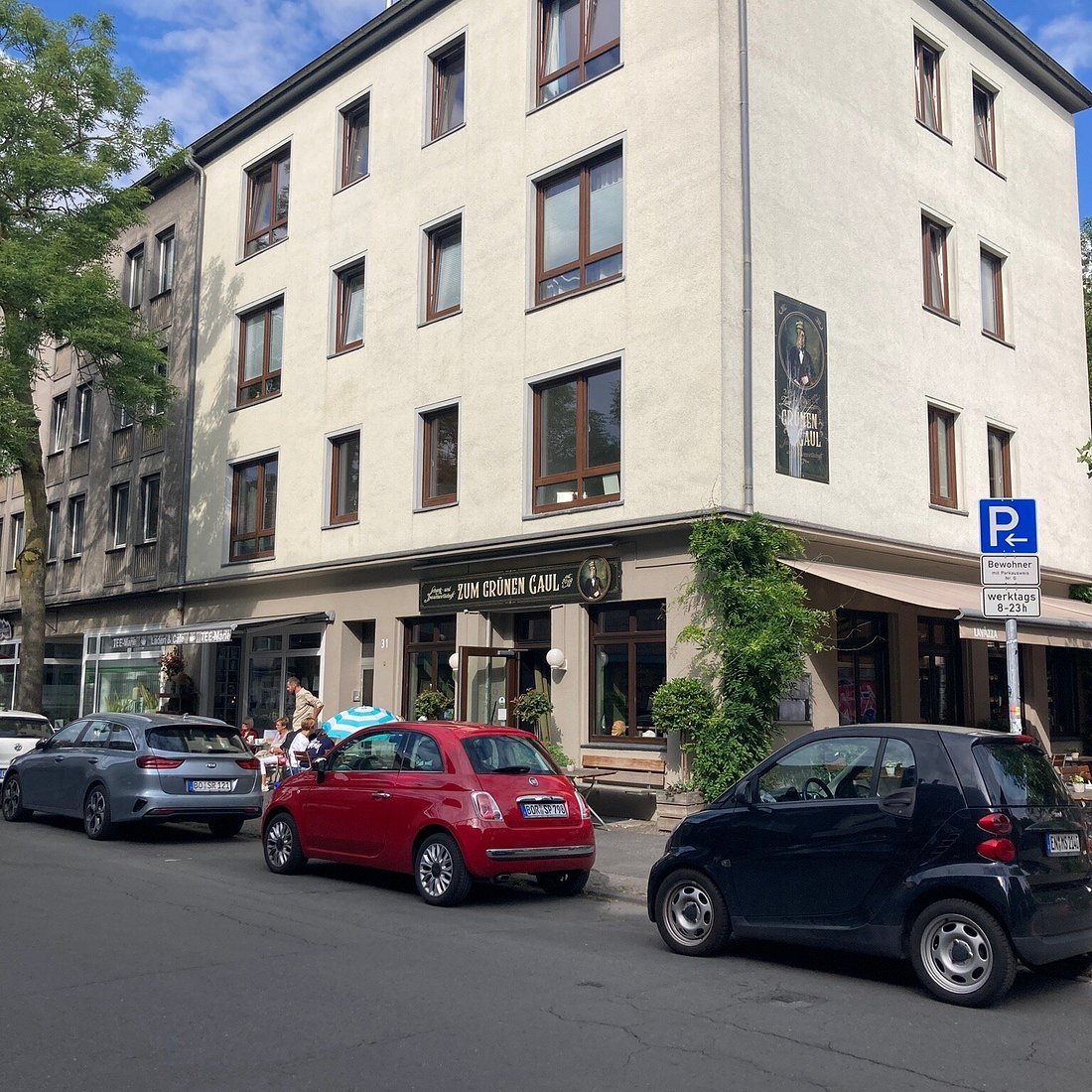
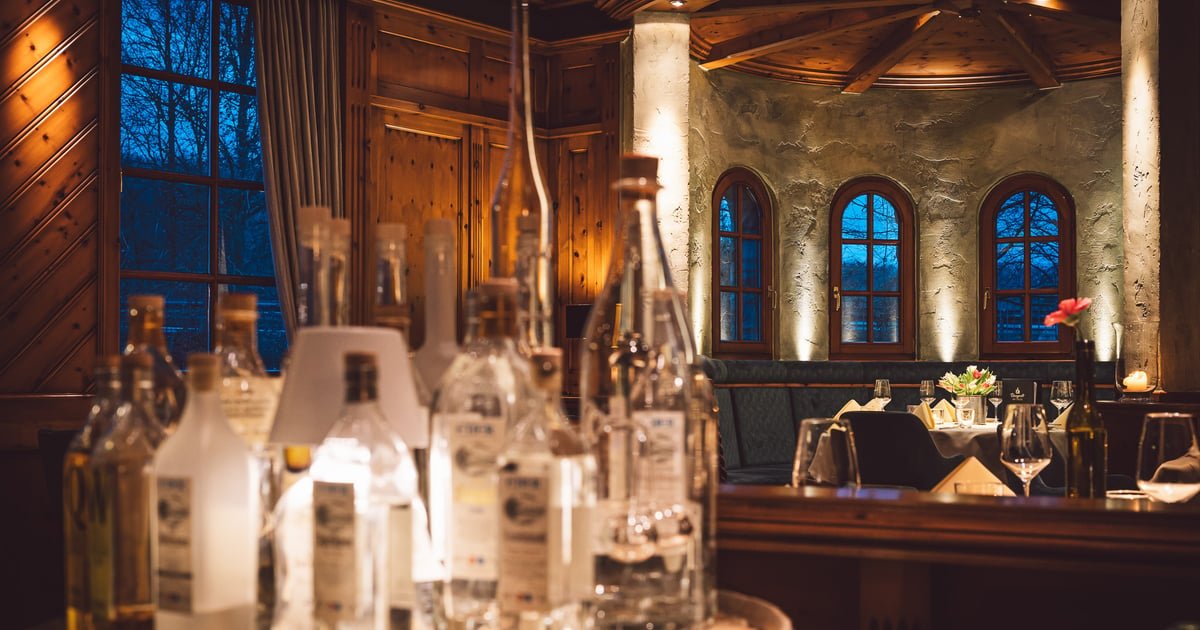
Bars in Schwerte
Browse all →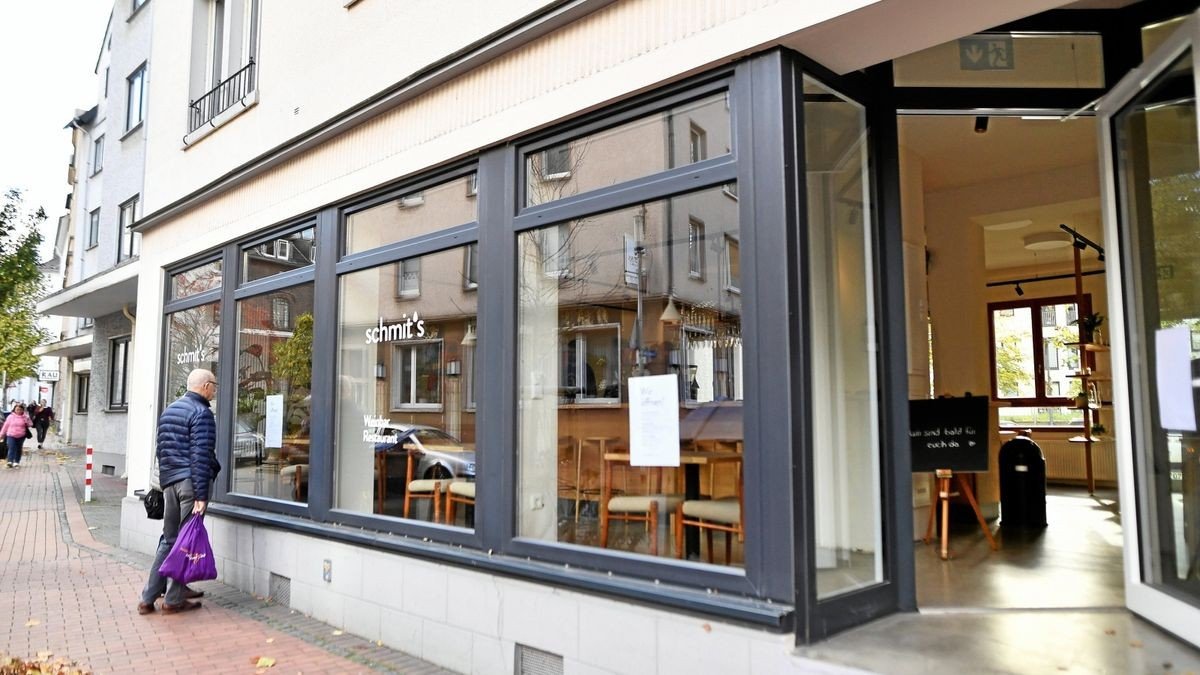
Hotels in Schwerte
Browse all →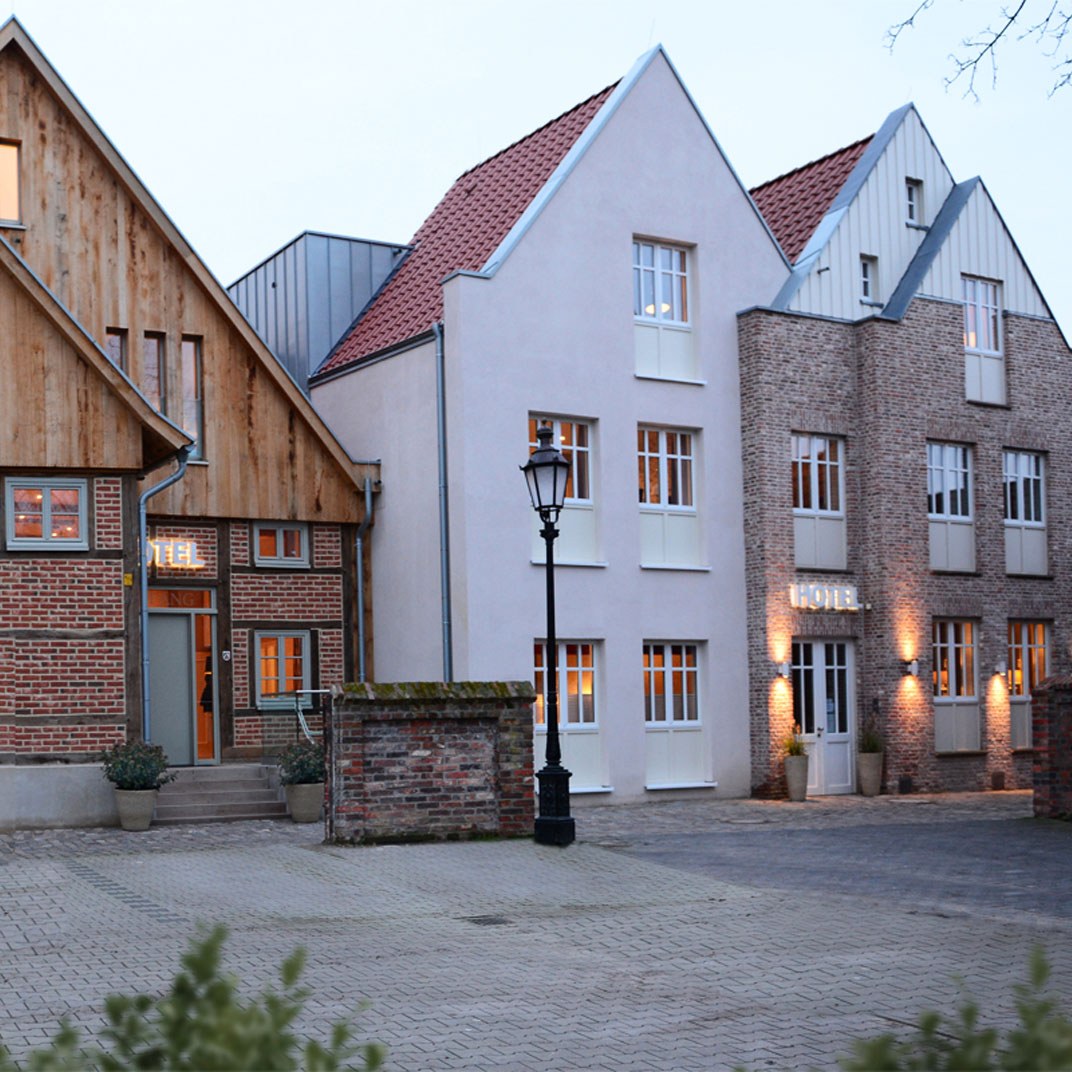
Wineries in Schwerte
Browse all →
At a Glance
- Cozy
- Quiet
- Classic
- Casual Hangout
- Brunch
- After Work
- Standalone
- Beer Program
Warm and welcoming atmosphere designed for relaxation and conversation, with a focus on comfort and enjoyment.