
Star Wine List
Schmit´s Weinbar occupies a central spot in Witten's Ruhrgebiet, a short walk from the main station, with a bar counter at the room's heart and a backyard terrace that shifts the pace entirely. In a region better known for industrial heritage than bar culture, it represents the kind of focused wine and drinks operation that mid-sized German cities are quietly developing. Plan ahead: word travels fast in a city this size.

Pearl is the En Primeur Club membership app — saves, bookings, and concierge access live there. Same editors, same standards.
- Address
- Wiesenstraße 23A, 58452 Witten, Germany
- Phone
- +49 2302 9166867
- Hours
- Mon ClosedTue–Thu 6–11 PMFri 6 PM–12 AMSat 5 PM–12 AMSun Closed
- Website
- schmits-weinbar.de
- Directions
- Get directions
- Booking
- Book on OpenTable
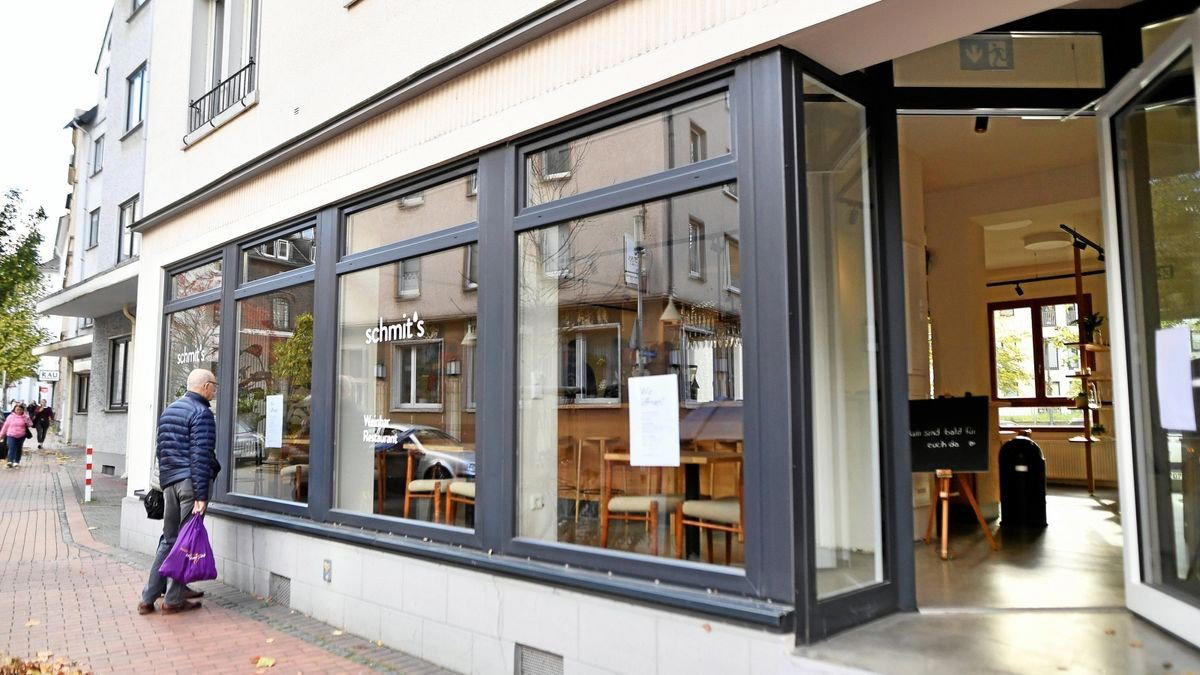
A Bar Counter at the Centre of Everything
Witten sits in the dense urban weave of the Ruhrgebiet, a region whose identity was forged in coal and steel rather than café culture. That context matters when you arrive at Wiesenstraße 23A, a few minutes on foot from the Witten Hauptbahnhof. The approach is unremarkable by design: a mid-sized street, no grand facade. But the interior resolves that quickly. The bar counter occupies the centre of the room, not pushed to a wall or tucked into a corner, which signals something deliberate about how this place is meant to operate. The bartender is the room's axis. Conversation flows toward the bar, not away from it. That architectural choice defines the experience before a single glass is poured.
Germany's smaller industrial cities have developed a particular kind of neighbourhood bar in recent years: less theatrical than the cocktail-forward operations in Berlin or Hamburg, more personal than the volume-driven venues that dominate larger footprints. Schmit´s Weinbar fits that pattern. The room is designed for proximity, for the kind of conversation that a central bar counter enables, and for an evening that extends rather than concludes. For readers familiar with how Munich's Goldene Bar or Frankfurt's The Parlour use their physical layout to signal programme depth, the centre-bar logic here will feel recognisable.
The Backyard as a Second Room
What the interior sets up, the terrace extends. The backyard at Schmit´s Weinbar is described in terms that suggest it functions as a distinct space rather than an overflow zone. In Ruhrgebiet summers, when the region's post-industrial parks and riverside paths draw foot traffic, a well-managed terrace becomes the evening's centrepiece. The shift from the interior's focused, bar-centric energy to an open-air setting gives the venue two distinct registers depending on when you arrive and where you sit. This is a structural advantage that smaller bars without outdoor access cannot replicate, and in a city where hospitality options thin out as the evening progresses, it matters considerably.
Across Germany's mid-sized cities, this kind of spatial duality, an indoor bar with genuine outdoor capacity, has become a differentiating feature. Compare the enclosed, concentrated format of Uerige in Düsseldorf or the heritage-room approach at Alte Kanzlei in Stuttgart with the indoor-outdoor flexibility here, and you can see how Schmit´s Weinbar positions itself differently within the regional bar conversation.
Wine at the Programme's Core
The name carries an explicit editorial stance. Weinbar, not cocktail bar, not bar-restaurant: wine is the declared anchor of the programme. In Germany, the Weinbar format has a clear lineage, drawing from the Austrian wine-bar tradition and the natural wine movement that has reshaped how European cities think about standing at a counter with a glass. The Ruhrgebiet is not a wine-producing region, which means the selection at a place like this is necessarily curatorial rather than regional. That curatorial role is where the programme's credibility sits.
The wine bar format, when executed with discipline, asks a specific set of questions: how the list is structured, whether it rewards the regular who returns weekly or the visitor who arrives once, and how the bar team communicates the selection. Bars that answer those questions well, like edelrausch in Leipzig or Bar Trattoria Celentano in Cologne, develop a loyalty that the more generalist bar formats struggle to match. The central bar counter at Schmit´s Weinbar suggests an operation that is built around that kind of direct, spoken recommendation: the bartender points you somewhere, explains why, and the programme deepens from there.
Bars that operate with a clear wine identity and layer in a considered cocktail programme, as venues like Bar Leather Apron in Honolulu demonstrate in a very different geography, tend to build the most durable reputations. The physical setup here supports that possibility.
Location and the Ruhrgebiet Context
Witten is one of the Ruhrgebiet's less-discussed cities, which is partly what makes a focused wine bar operation here worth attention. The region as a whole, anchored by Dortmund, Bochum, and Essen, has developed a more considered hospitality scene over the past decade, driven partly by cultural investment and partly by a younger demographic returning to post-industrial cities after education elsewhere. Witten's position within that shift is as a smaller node: less institutional than its neighbours, more neighbourhood in character.
The proximity to the Hauptbahnhof, a short walk by any measure, means Schmit´s Weinbar is accessible from across the region on a direct S-Bahn or regional rail connection. For visitors arriving from Bochum or Dortmund, the journey is under twenty minutes. That accessibility, combined with a bar format that rewards a longer evening rather than a quick stop, makes it a viable destination rather than purely a local address. Our full Witten restaurants guide covers the wider options in the city if you are planning a full itinerary around a visit. For bar-focused trips that use the Ruhrgebiet's connectivity, the regional rail network remains the practical backbone: frequent, direct, and cheap relative to taxis across the urban sprawl.
Planning a Visit
In practice, this means a direct visit or a social media check before travelling is the sensible approach, particularly for weekends when smaller city bars can fill quickly. The Wiesenstraße 23A address is central and findable; the station proximity means you can plan the evening without car logistics. For the terrace specifically, late spring through early autumn is the relevant window in the Ruhrgebiet's climate, when outdoor seating becomes the draw rather than a secondary option. A venue of this character, positioned as a wine-forward bar in a mid-sized German city, typically attracts a crowd that arrives with the intention of staying, so arriving early in the evening and letting the programme develop at the bar counter is the more rewarding approach than a late, compressed visit. See also Main Tower Restaurant and Lounge in Frankfurt and Kieler Brauerei am Alten Markt in Kiel for the broader range of German bar formats covered in the EP Club guide.
How It Stacks Up
Comparable venues nearby, for context on price, style, and recognition.
| Venue | Cuisine | Price | Awards | Notes |
|---|---|---|---|---|
| Schmit´s WeinbarThis venue — the venue you are viewing | wine_bar | $50–100 | Star Wine List | Not listed |
| Le Moissonnier | Bar | Not listed | Not listed | Neustadt/Nord |
| Main Tower Restaurant & Lounge | lounge | Not listed | Not listed | Roemerberg |
| Café Storch | cocktail_bar | Not listed | Not listed | Neustadt/Süd |
| Pommes und Wein (Pelican Fly) | wine_bar | $20–30 | Star Wine List | Unterbilk |
Recognition history
Dated appearances from independent guides and award organizations, with the underlying list record or original source where available.
Star Wine List
Star Wine List
Continue exploring
More in Witten
Bars in Witten
Browse all →
Restaurants in Witten
Browse all →
Hotels in Witten
Browse all →
Wineries in Witten
Browse all →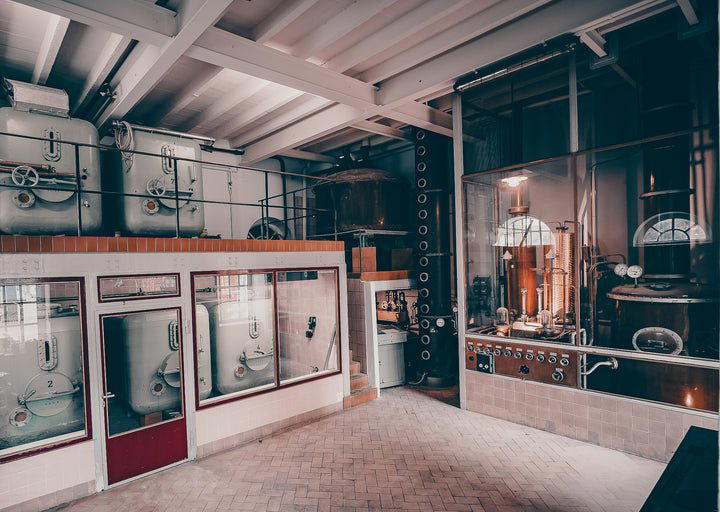
Schmit´s Weinbar
The wine
- Wine program
- Exceptional wine program
Signature drinks: dim sum.
Details
- Elegant
- Sophisticated
- Intimate
- Romantic
- Date Night
- Special Occasion
- Celebration
- Standalone
- Seated Bar
- Booth Seating
- Conventional Wine
Current opening hours
- Monday
- Closed
- Tuesday
- 6–11 PM
- Wednesday
- 6–11 PM
- Thursday
- 6–11 PM
- Friday
- 6 PM–12 AM
- Saturday
- 5 PM–12 AM
- Sunday
- Closed
Hours can change for holidays and private events. Last verified .
Relaxed yet elegant atmosphere with refined plating and attentive service, ideal for intimate dinners or special occasions.